Sample Letter for 30b6 Representative is not available
What is this form?
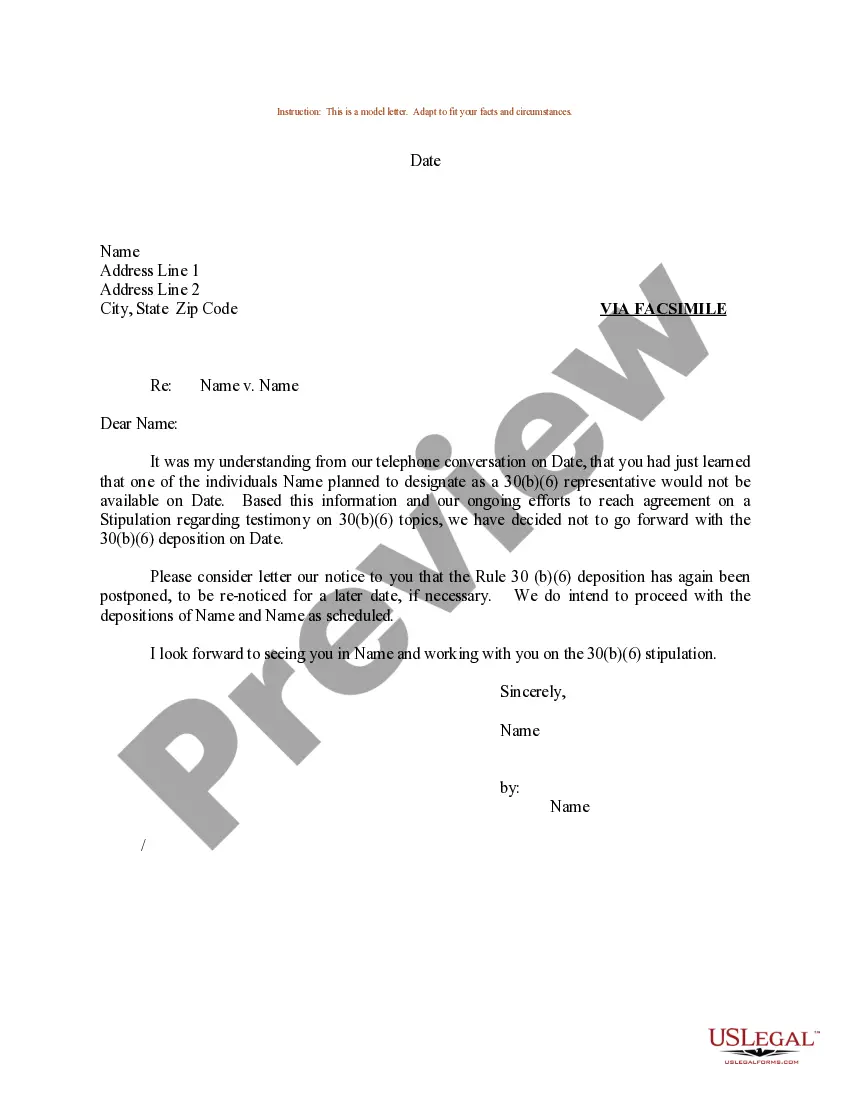
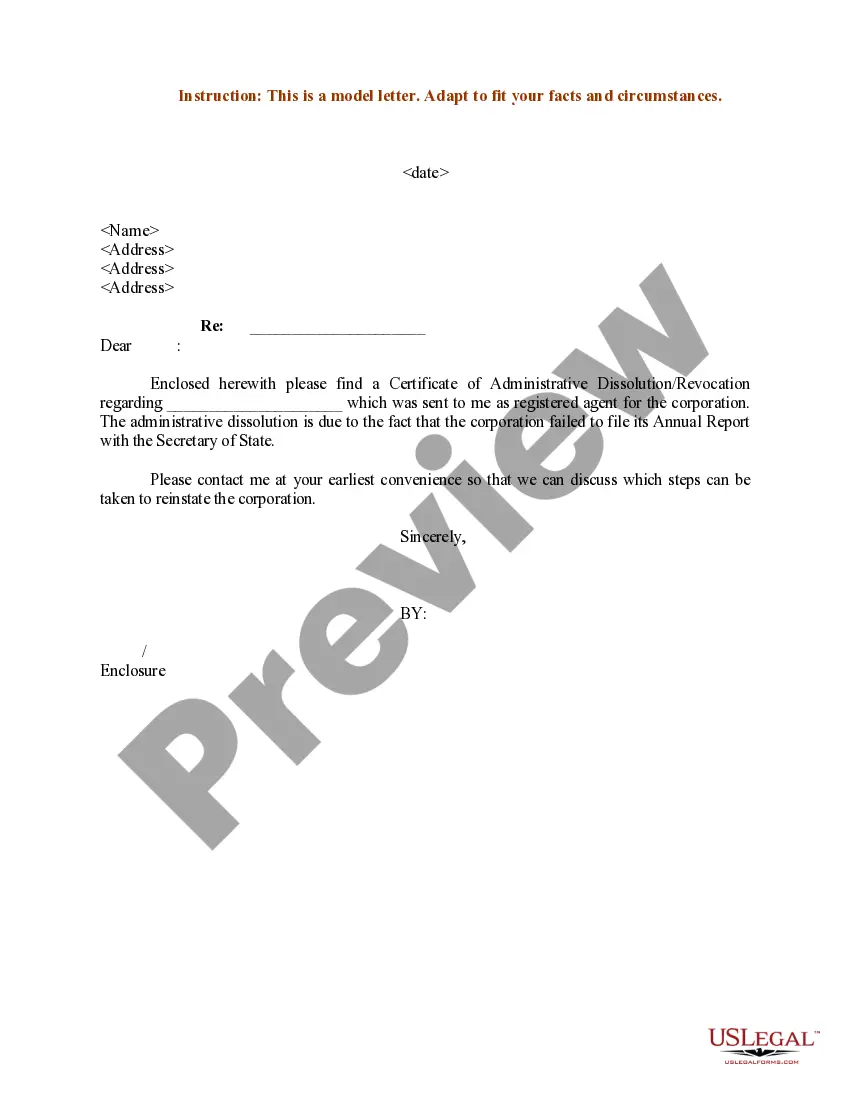
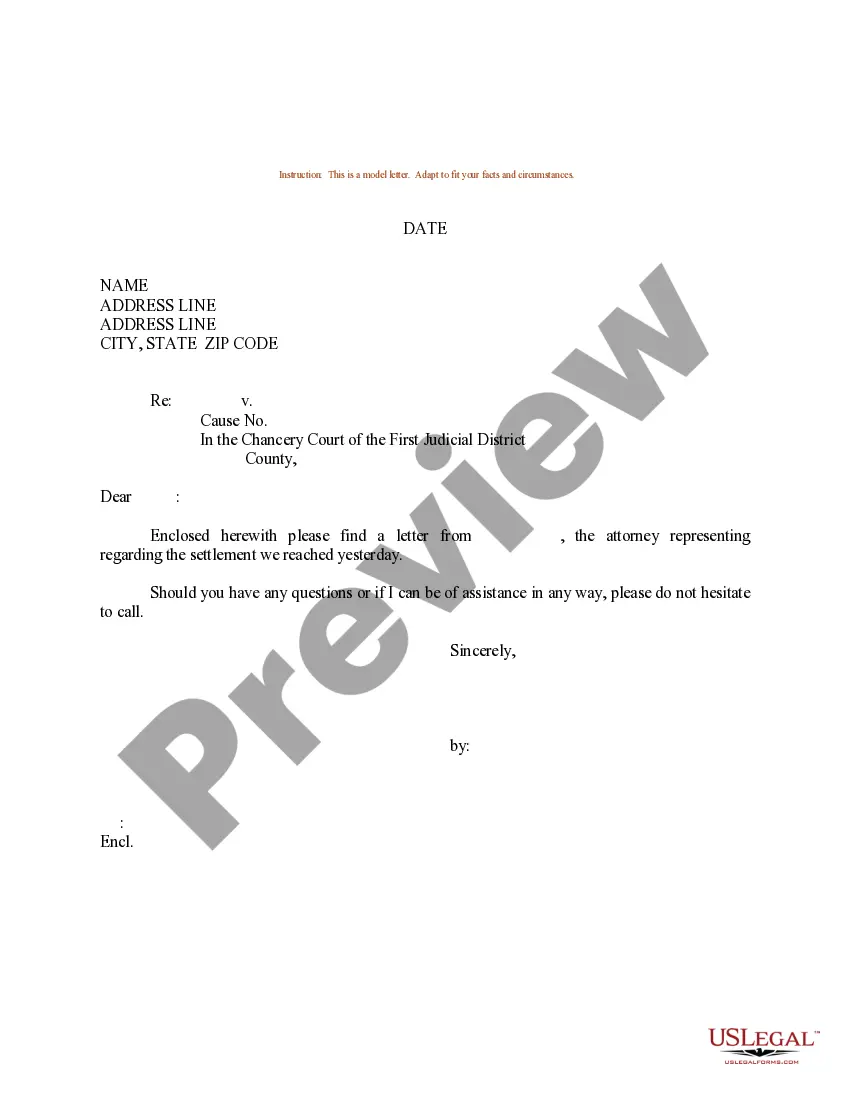
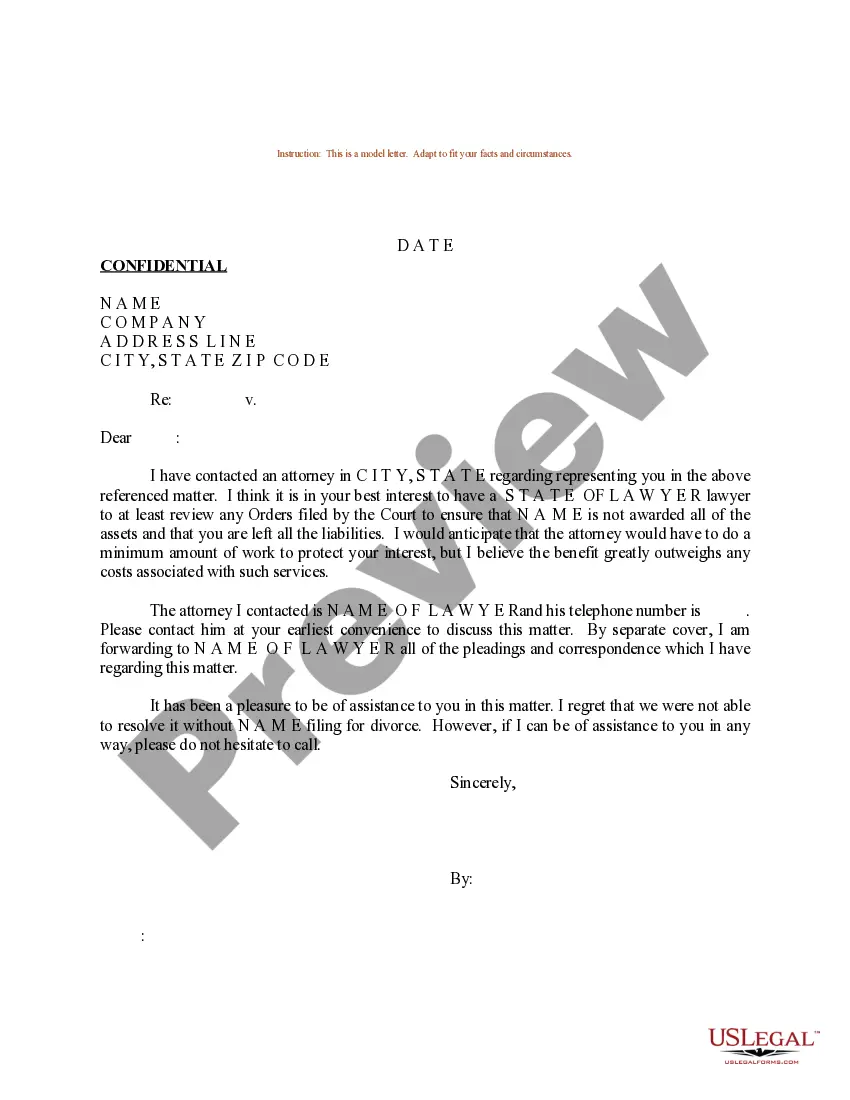
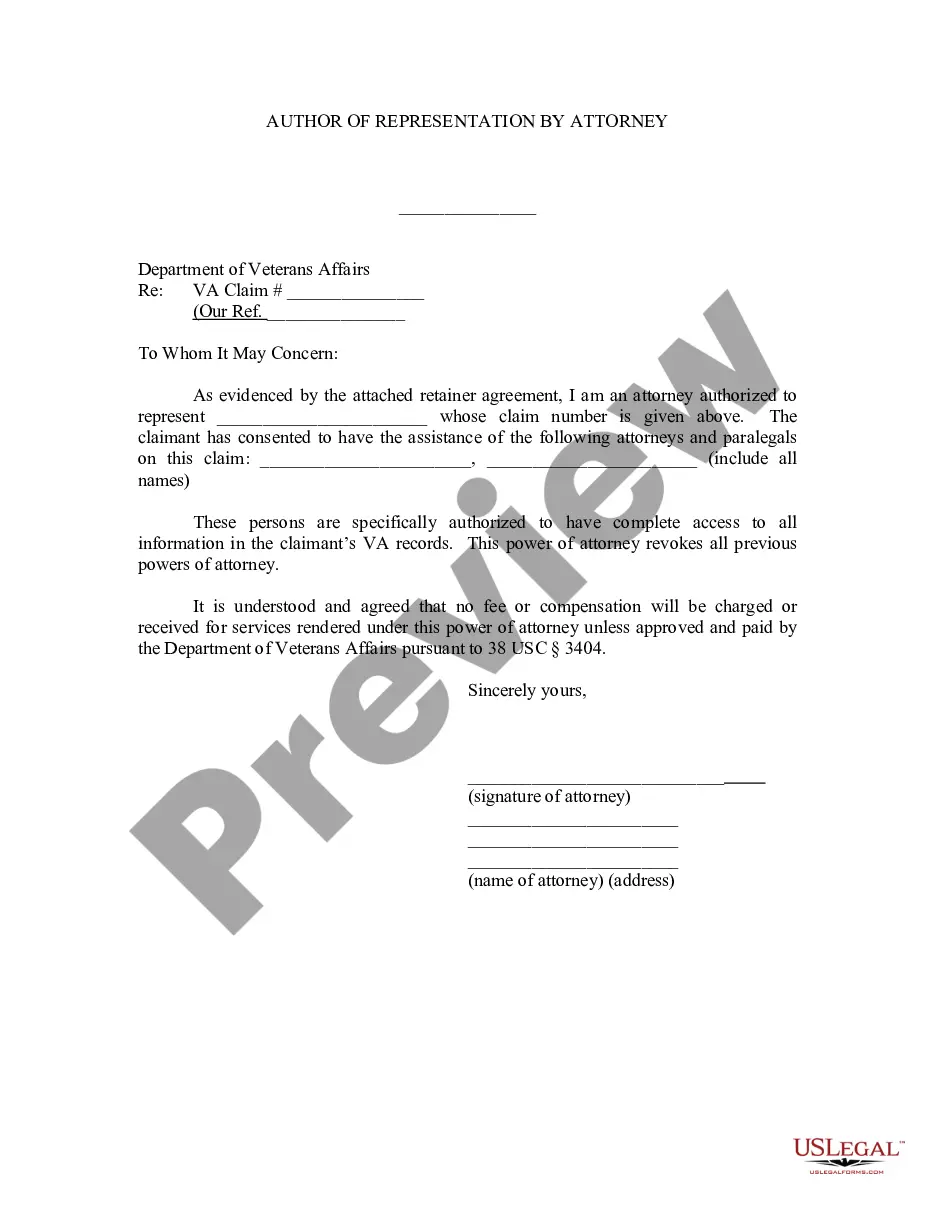
The Sample Letter for 30b6 Representative is designed to inform recipients that a designated representative is not available to respond to inquiries or provide information. This form serves as a direct communication tool, simplifying the process of notifying relevant parties, which can be crucial in legal and business contexts. Unlike other notification letters, this form specifically outlines the lack of availability of the 30b6 representative, setting it apart in terms of its focused purpose.
What’s included in this form
- Date: Indicate the date on which the letter is sent.
- Recipient Information: Include the name and address of the person or entity receiving the letter.
- Sender Information: State your name and contact details clearly.
- Notification by Facsimile: Mention that the letter is being delivered via fax.

When to use this document
This form is useful when you need to formally notify other parties, such as legal counsel or business partners, that a particular representative is unavailable. This scenario often arises during litigation, regulatory inquiries, or business negotiations where timely communication is crucial. Using this letter can ensure there is an official record of the notification.
Intended users of this form
The following individuals or entities may find this form beneficial:
- Businesses needing to inform stakeholders about the unavailability of their representative.
- Attorneys communicating with other parties in a legal context.
- Organizations responding to inquiries that involve a specific company representative.
Completing this form step by step
- Identify the date when the letter is being sent.
- Fill in the recipient's name, address, city, state, and zip code.
- Insert your name and contact details below the recipient's information.
- Clearly indicate the method of delivery (via facsimile).
- Review the letter for clarity and accuracy before sending.
Does this form need to be notarized?
Notarization is generally not required for this form. However, certain states or situations might demand it. You can complete notarization online through US Legal Forms, powered by Notarize, using a verified video call available anytime.
Get your form ready online
Our built-in tools help you complete, sign, share, and store your documents in one place.
Make edits, fill in missing information, and update formatting in US Legal Forms—just like you would in MS Word.
Download a copy, print it, send it by email, or mail it via USPS—whatever works best for your next step.
Sign and collect signatures with our SignNow integration. Send to multiple recipients, set reminders, and more. Go Premium to unlock E-Sign.
If this form requires notarization, complete it online through a secure video call—no need to meet a notary in person or wait for an appointment.
We protect your documents and personal data by following strict security and privacy standards.

Make edits, fill in missing information, and update formatting in US Legal Forms—just like you would in MS Word.

Download a copy, print it, send it by email, or mail it via USPS—whatever works best for your next step.

Sign and collect signatures with our SignNow integration. Send to multiple recipients, set reminders, and more. Go Premium to unlock E-Sign.

If this form requires notarization, complete it online through a secure video call—no need to meet a notary in person or wait for an appointment.

We protect your documents and personal data by following strict security and privacy standards.
Typical mistakes to avoid
- Forgetting to include the recipient's complete address.
- Failing to update the date, leading to confusion about the timing of the communication.
- Not specifying the delivery method clearly.
Benefits of completing this form online
- Convenient access to the form whenever needed.
- Easily editable to fit specific situations and recipients.
- Reliable format drafted by licensed attorneys to ensure legal validity.
Key takeaways
- The Sample Letter for 30b6 Representative is used for notifying parties of unavailability.
- It is essential for maintaining effective communication in legal proceedings.
- The template is adaptable for various jurisdictions and is easy to complete online.
Looking for another form?


Form popularity
FAQ
Private information. You have a right to refuse any questions about a person's health, sexuality, or religious beliefs (including your own). Privileged information. Irrelevant information.
Speak Slowly and Clearly.Pause After Each Question. Pause briefly after each question to:Listen to Objections and Instructions.Tell the Truth.Short Answers Are Best.Remain Composed and Professional.Do Not Answer Unclear Questions.Ask for a Break if Needed.Deposition Rules for Witnesses Checklist - ABA Journal\nwww.abajournal.com > advertising > article > deposition_rules_for_witness...
RULE 30(B)(6) SHOULD REQUIRE AT LEAST 30 DAYS' NOTICE IN ORDER TO ENSURE PROPER PREPARATION, AND THE DEPOSITION SHOULD BE SCHEDULED AT A TIME AND DATE AGREEABLE TO BOTH PARTIES. A. Reasonable Notice Is at Least 30 Days Prior to Deposition.
Pursuant to Rule CR 26, a court may issue a protective order for a deponent to prevent the deposition or discovery process from occurring.In some cases, the court may order that the deposition occur under certain terms and conditions, or may make other specifications instead of ordering the deposition not occur.
A deposition is a witness's sworn out-of-court testimony. It is used to gather information as part of the discovery process and, in limited circumstances, may be used at trial. The witness being deposed is called the "deponent."
Lie. Begin an answer with Well to be honest with you2026. Guess and speculate. Engage in casual conversations with the court reporter and other people present in the depositions. Volunteer information. Don't review documents carefully. Lose your temper. Don't take breaks.
Speak Slowly and Clearly. Pause After Each Question. Pause briefly after each question to: Listen to Objections and Instructions. Tell the Truth. Short Answers Are Best. Remain Composed and Professional. Do Not Answer Unclear Questions. Ask for a Break if Needed.
In most cases, a deponent cannot refuse to answer a question at a deposition unless the answer would reveal privileged or irrelevant private information or the court previously ordered that the information cannot be revealed (source). However, there are certain types of questions that do not have to be answered.
A party who wants to take the deposition of a party or witness must give reasonable notice in writing to every other party to the action. This is often through a document called a Notice of Taking Deposition. The notice of deposition must state the time and place for taking the deposition.