Sample Letter for Trial Preparation
Understanding this form
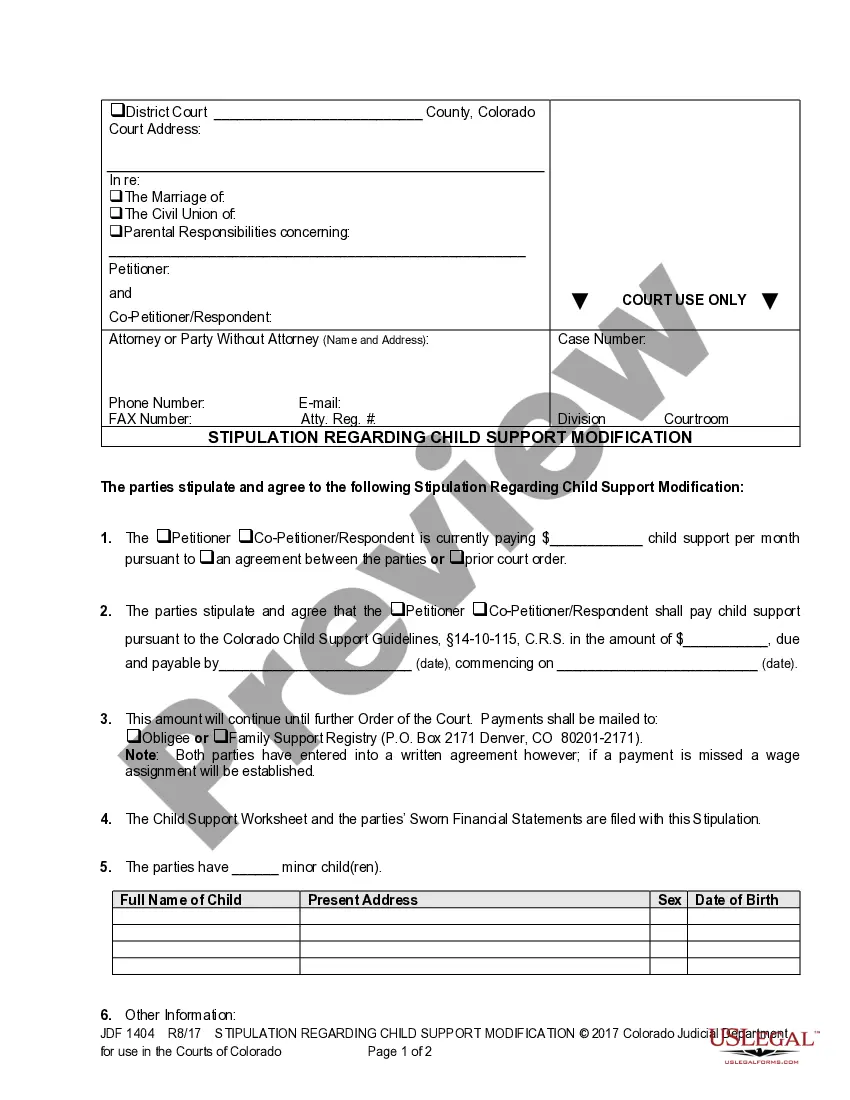
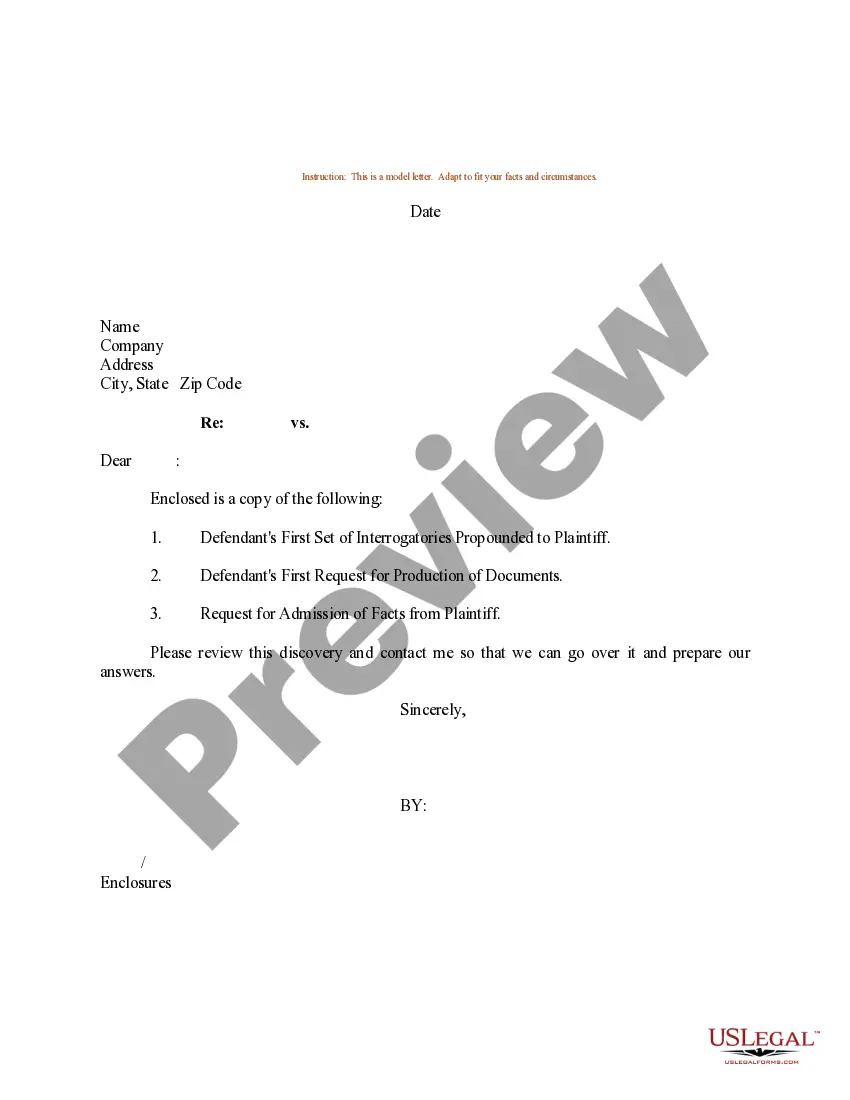
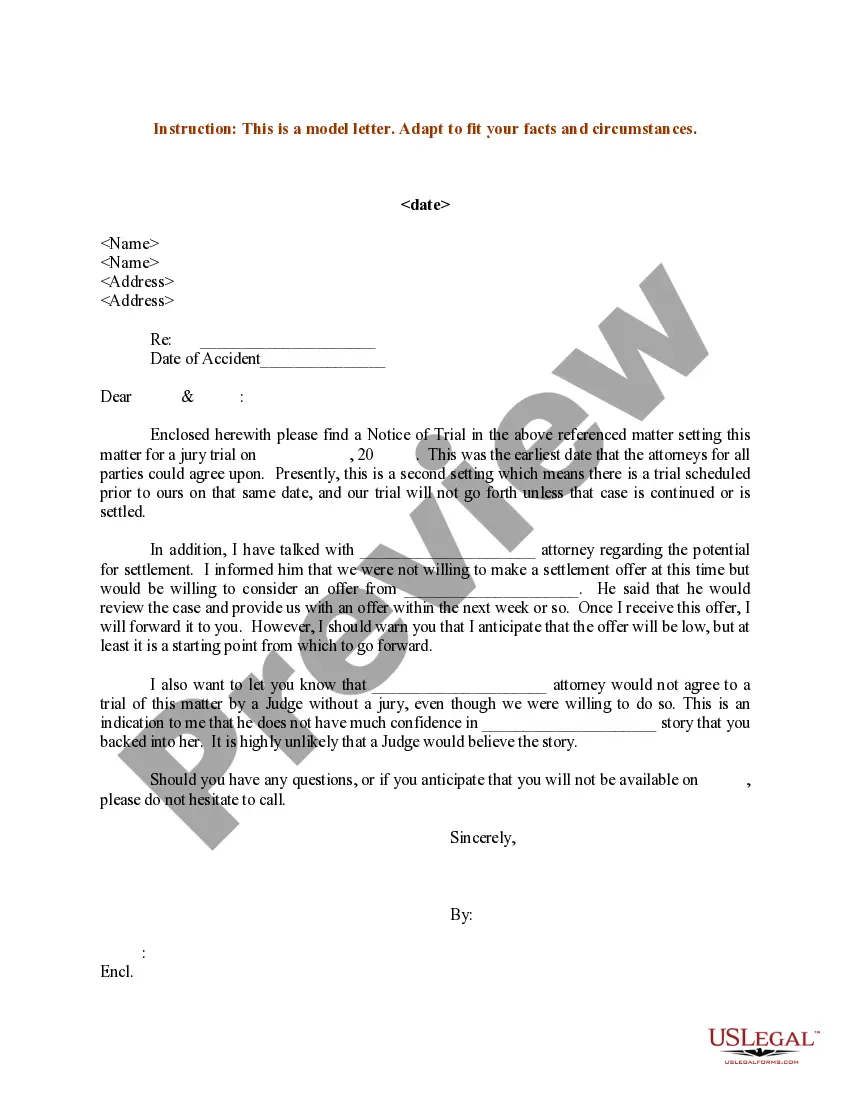
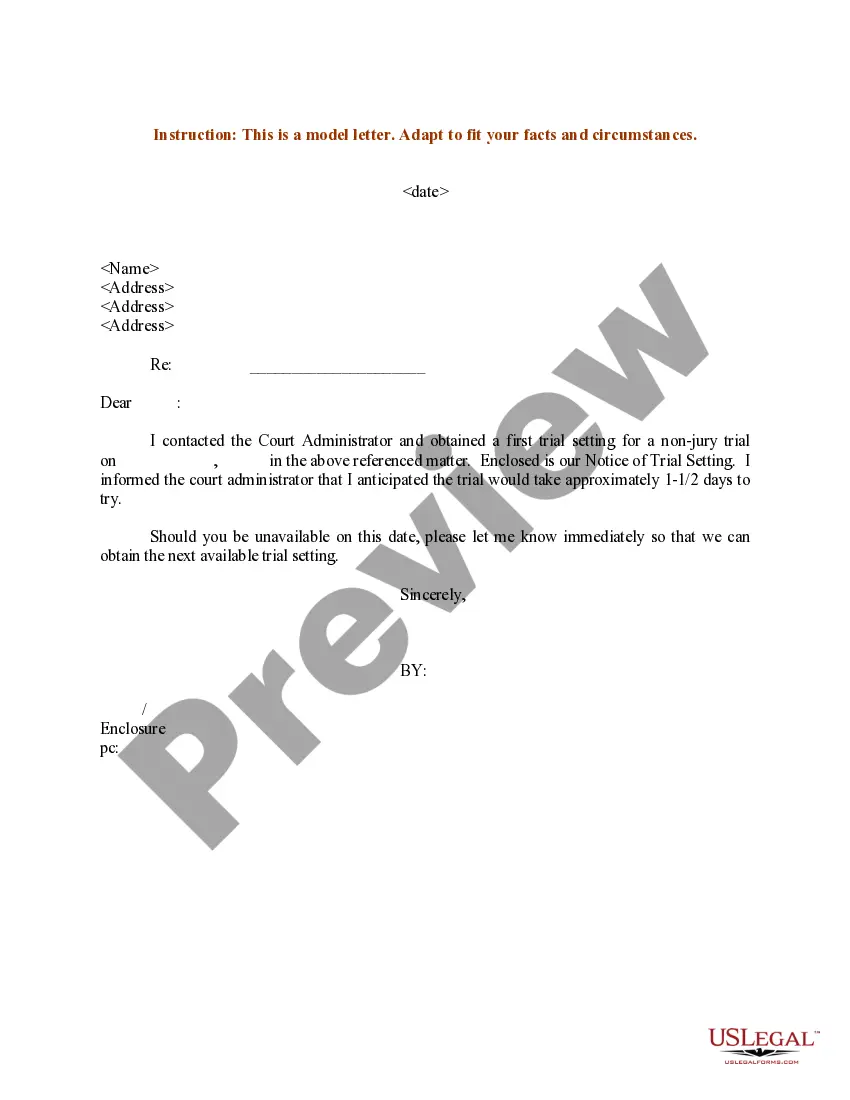
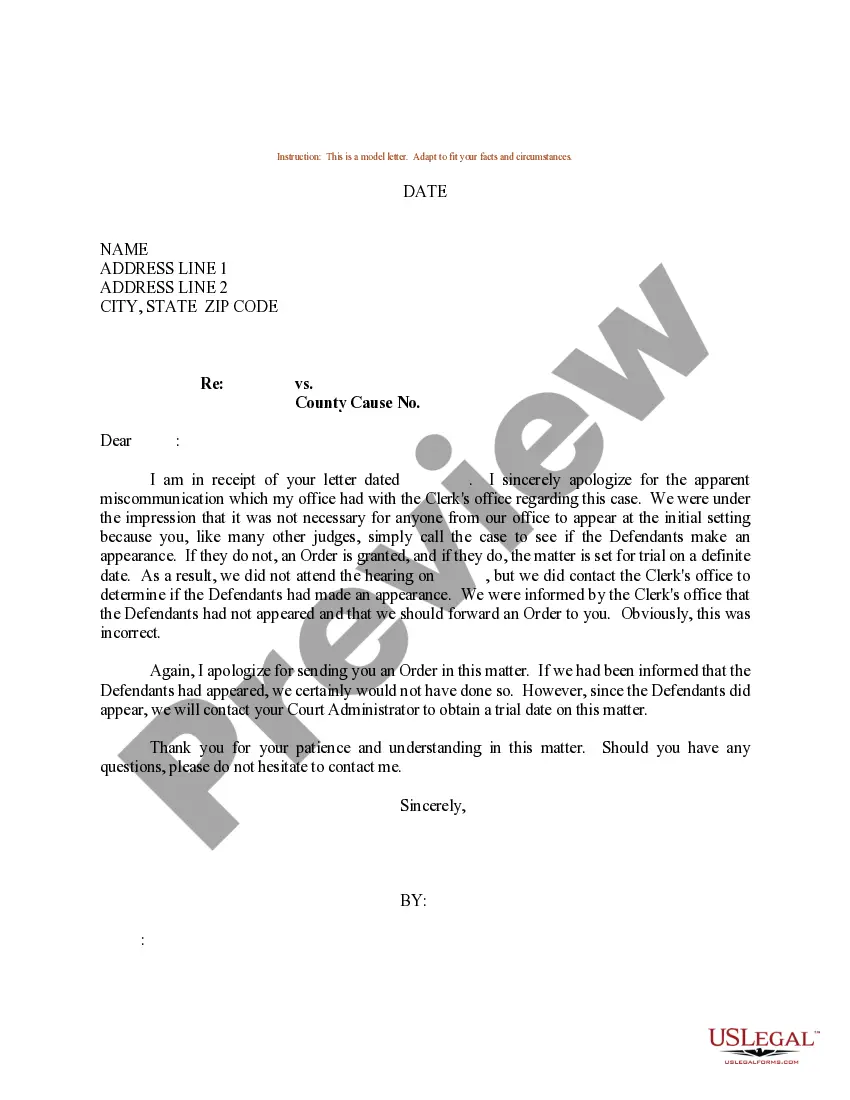
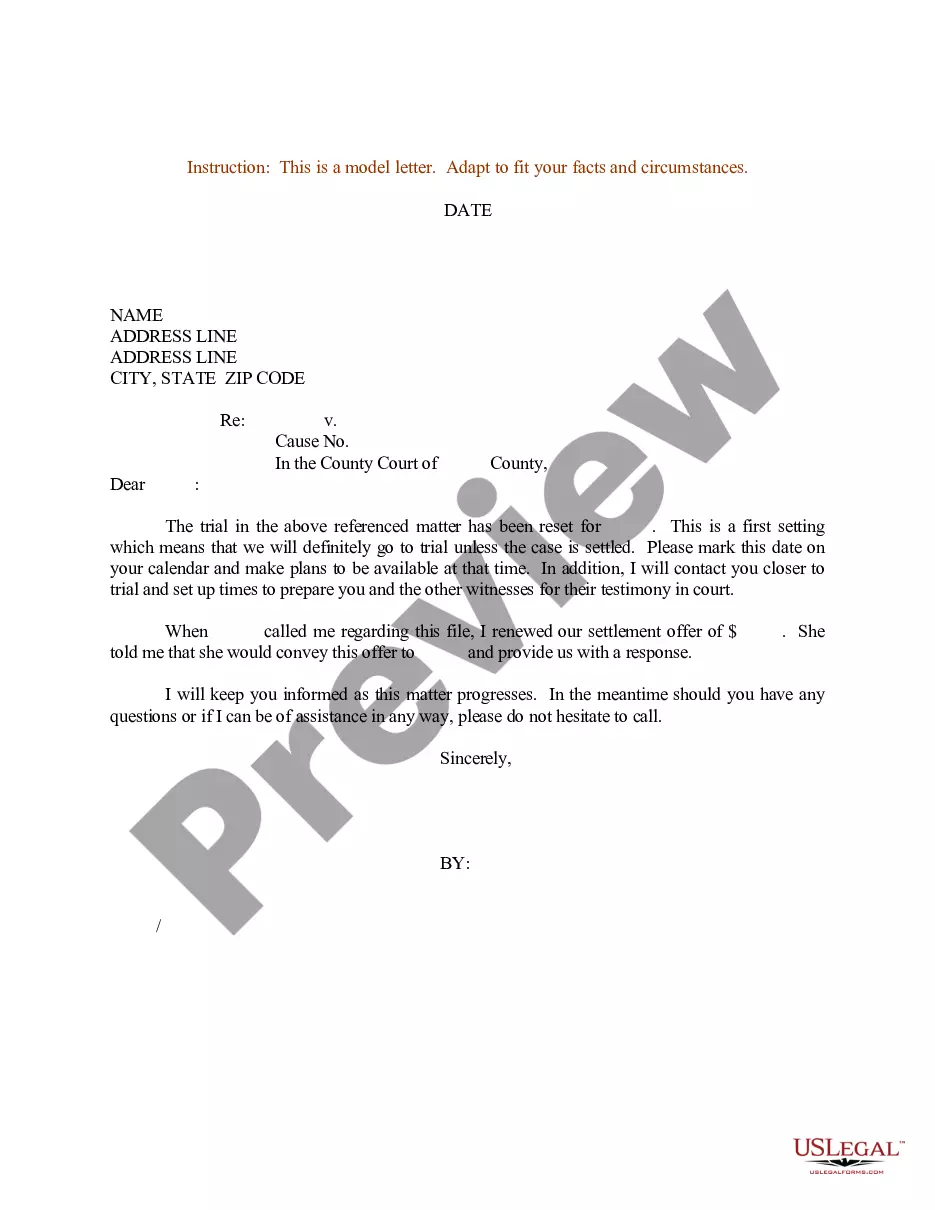
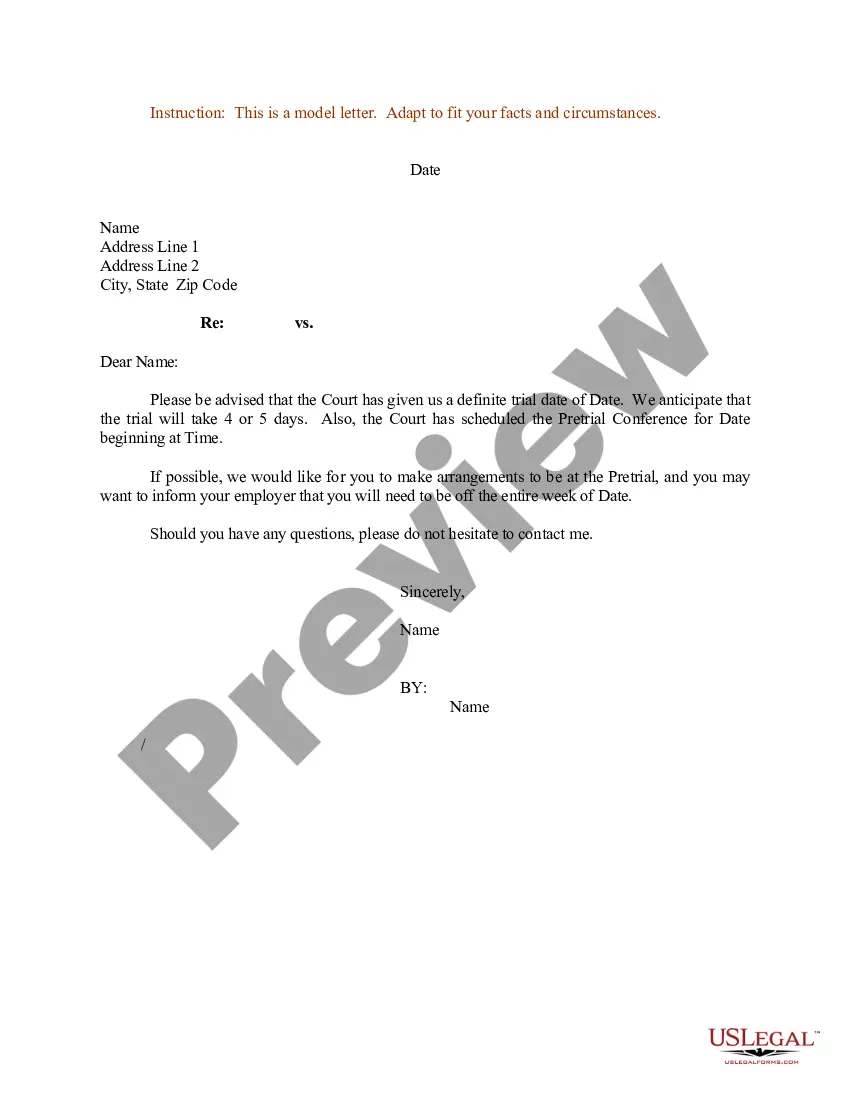
The Sample Letter for Trial Preparation is a legal template designed to assist individuals in organizing and outlining key information before a trial. This form serves as a guide for outlining your arguments and procedural points, which can be crucial in ensuring that you effectively present your case. Unlike other general legal forms, this specific letter format helps to structure your thoughts and communicate them clearly to the concerned parties.
What’s included in this form
- Date: The date when the letter is drafted.
- Recipient's information: Includes the name, company, and address of the recipient.
- Subject line: Clearly states the purpose of the letter.
- Body of the letter: Contains the detailed points related to trial preparation.
Situations where this form applies
This form is useful when you need to prepare for an impending trial. It can be utilized in various scenarios, including notifying witnesses, outlining trial procedures, or communicating with legal counsel. Additionally, if you are representing yourself, this letter can help clarify your objectives before the court date.
Who should use this form
Individuals who may find this form beneficial include:
- Pro se litigants representing themselves in court.
- Attorneys preparing correspondence for their clientâs trial.
- Individuals involved in disputes that may lead to trial.
Completing this form step by step
To complete the Sample Letter for Trial Preparation, follow these steps:
- Identify the parties involved: Clearly define who is sending and receiving the letter.
- Fill in the date: Enter the date of the letter at the top.
- Provide recipient's details: Include the full name, company, and address of the recipient.
- State the subject: Clearly outline the purpose of the letter in the subject line.
- Draft the body: Elaborate on the preparations for the trial, outlining any necessary points.
Is notarization required?
This form does not typically require notarization unless specified by local law. You can complete the letter without needing a notary unless the specific court or jurisdiction requires it.
Get your form ready online
Our built-in tools help you complete, sign, share, and store your documents in one place.
Make edits, fill in missing information, and update formatting in US Legal Forms—just like you would in MS Word.
Download a copy, print it, send it by email, or mail it via USPS—whatever works best for your next step.
Sign and collect signatures with our SignNow integration. Send to multiple recipients, set reminders, and more. Go Premium to unlock E-Sign.
If this form requires notarization, complete it online through a secure video call—no need to meet a notary in person or wait for an appointment.
We protect your documents and personal data by following strict security and privacy standards.

Make edits, fill in missing information, and update formatting in US Legal Forms—just like you would in MS Word.

Download a copy, print it, send it by email, or mail it via USPS—whatever works best for your next step.

Sign and collect signatures with our SignNow integration. Send to multiple recipients, set reminders, and more. Go Premium to unlock E-Sign.

If this form requires notarization, complete it online through a secure video call—no need to meet a notary in person or wait for an appointment.

We protect your documents and personal data by following strict security and privacy standards.
Common mistakes to avoid
- Omitting the date, making it unclear when the letter was created.
- Failing to include complete recipient information.
- Writing the letter in a vague manner, lacking clarity in the trial's purpose.
Why complete this form online
Using this form online has several advantages:
- Convenience: Access the template anytime and anywhere.
- Editability: Easily modify the letter to fit your specific circumstances.
- Reliability: The form is drafted by licensed attorneys, ensuring a level of legal accuracy.
Summary of main points
- This Sample Letter for Trial Preparation provides a structured format for legal correspondence.
- Clear communication is essential in trial preparation to avoid misunderstandings.
- Ensure to customize the template with accurate details related to your case.
Looking for another form?

Form popularity
FAQ
The prosecutor has to become familiar with the facts of the crime, talk to the witnesses, study the evidence, anticipate problems that could arise during trial, and develop a trial strategy.One of the first steps in preparing for trial is talking to witnesses who could be called to testify in court.
Read about the law that applies to your case. Do research at the local public law library. Look at the options that would solve your problem without having to go to court. Make sure you follow the court procedures.
Planning every aspect of the case. Ensure proper communication between all members connected to the case. Know the judge presiding over the case. Preparing witnesses for trial questionings. Prepare to always present a calm demeanor. Prepare a believable story. Use technology in your trial preparation.
Witness Examination This is the prosecutor's initial step in attempting to prove the case, and it can last from a few minutes to several days. During direct examination, the prosecutor can introduce evidence such as a weapon or something from the crime scene.
1) Know where your courtroom is located. Once you receive your court date, take a trip and find your courtroom. 2) Present yourself as a business person at your hearing. 3) Prepare the evidence you will use in your case.
It is inadvisable to ever consider representing yourself in a criminal trial, but for smaller civil trials, self-representation can be effective and cheap. If you plan on going to small claims court, self-representation is very common, and this is the easiest type of trial to go through alone.
You first show the exhibit to the other party by supplying one of your copies to the party or his or her attorney. You then lay the foundation by having your witness or you inform the court how the evidence is relevant to the case. You must lay a foundation for an exhibit before the court will admit it.
You have the right to fight your own cases without engaging any advocate. It is not necessary that you must engage an advocate to fight your case in a court. A party in person is allowed to fight his own case in the court. That said, you should be aware of certain difficulties that you may face.
Do Not Memorize What You Will Say. Do Not Talk About the Case. Do Not Become Angry. Do Not Exaggerate. Avoid Statements That Cannot Be Amended. Do Not Volunteer Information. Do Not Talk About Your Testimony.