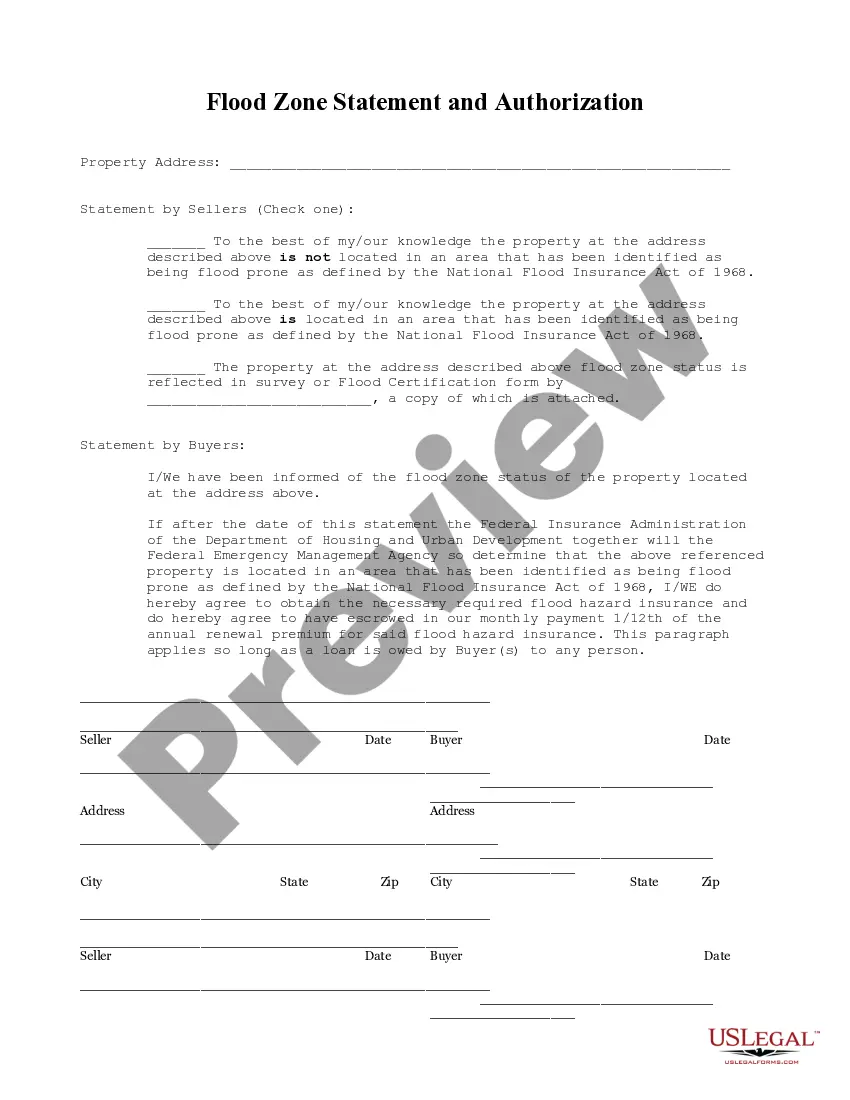
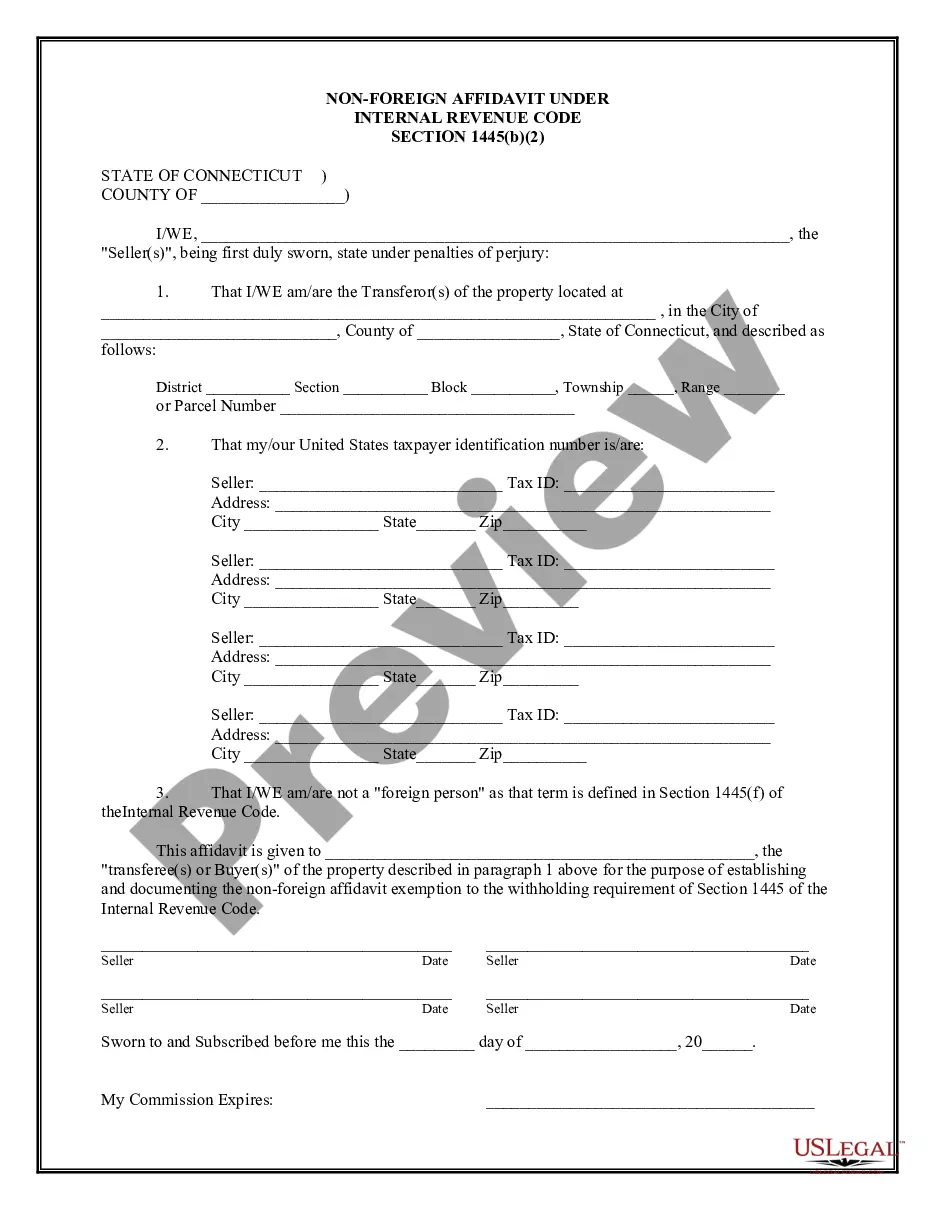
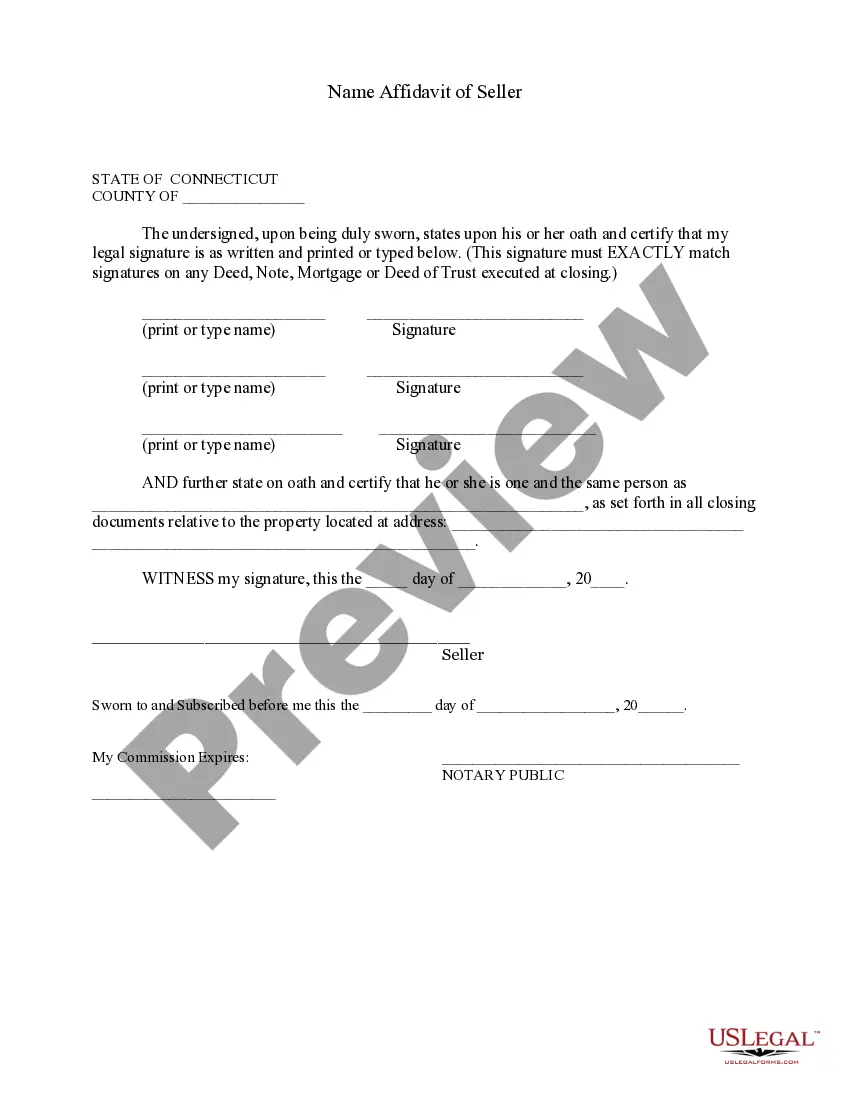
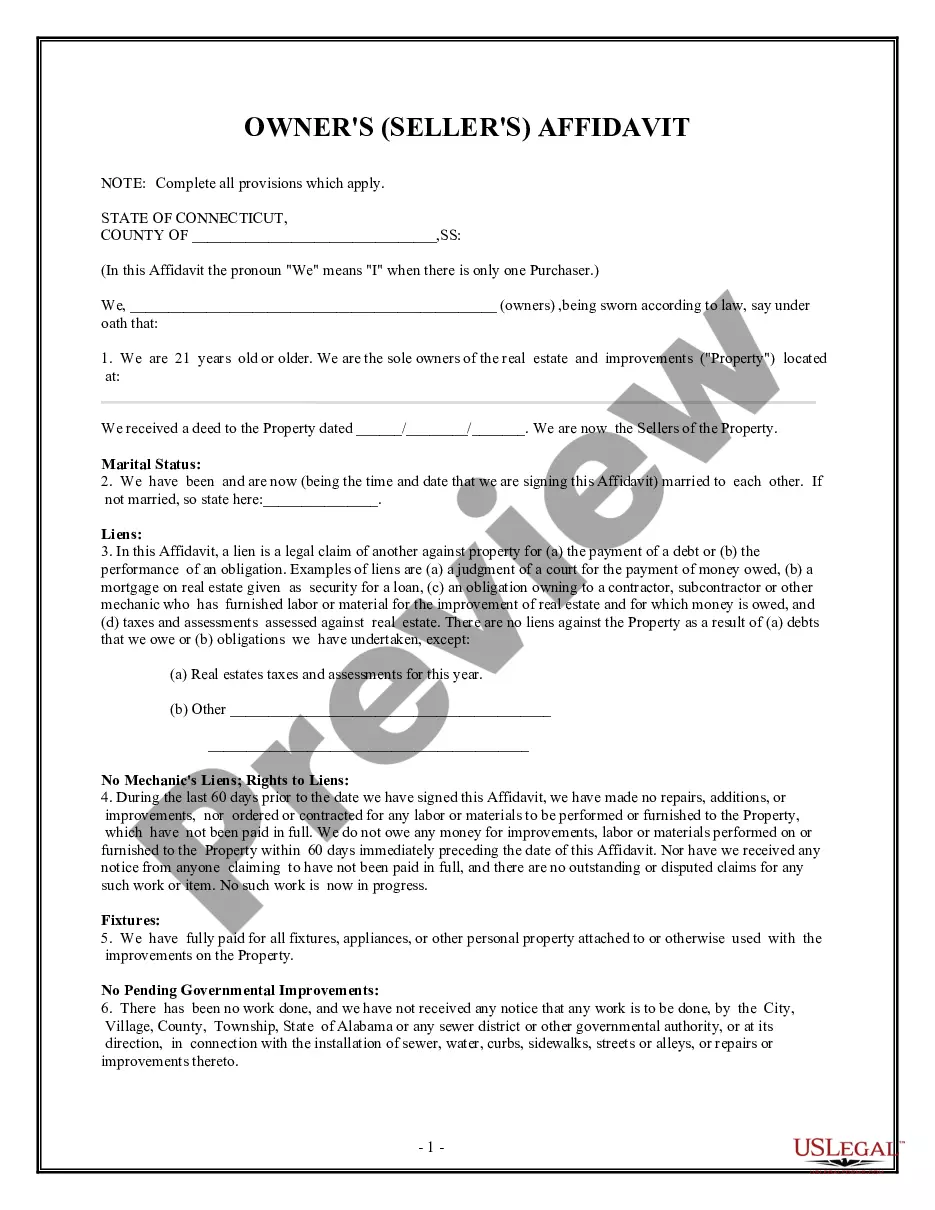
Oklahoma General Partnership Package
Overview of this form package
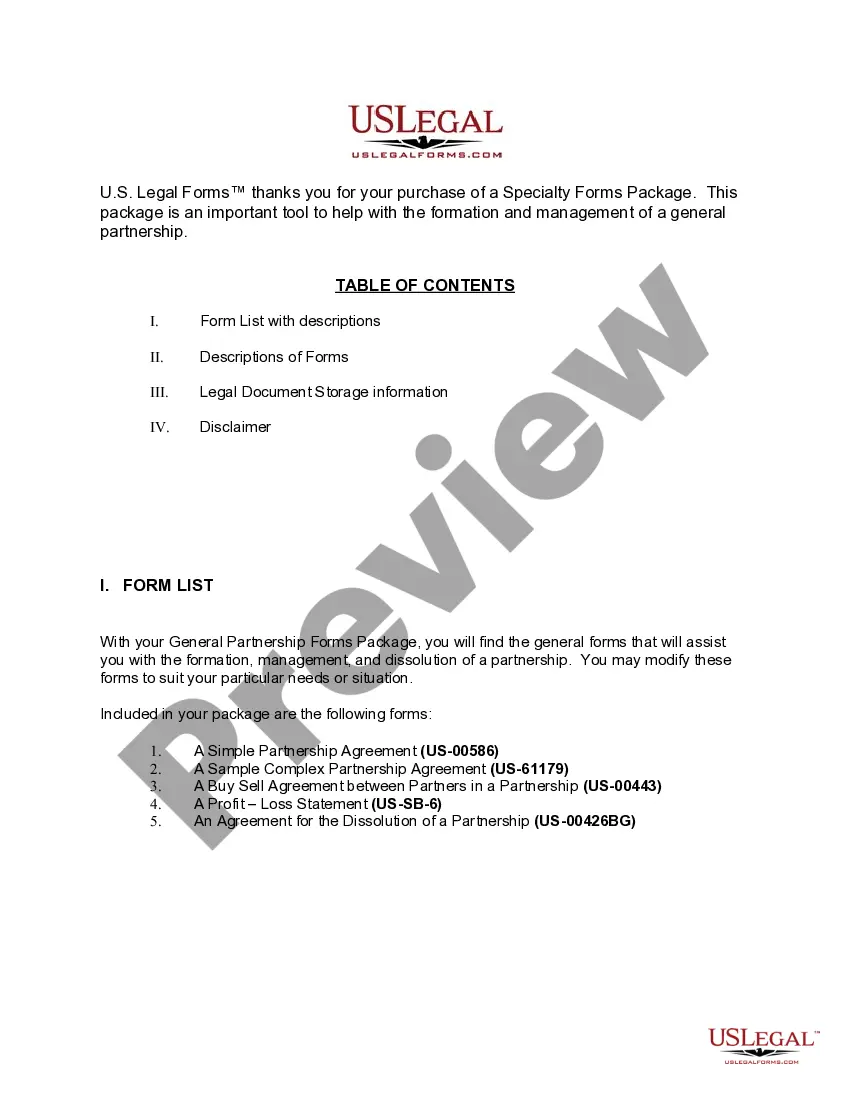
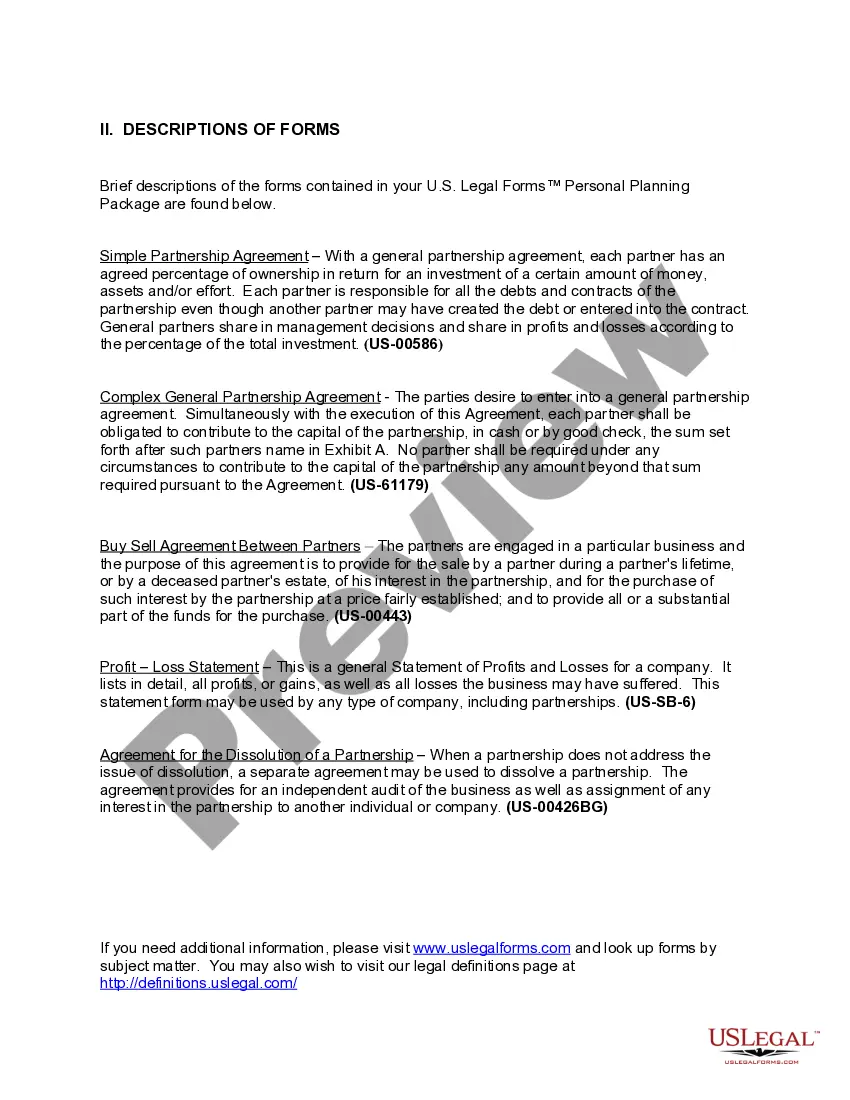
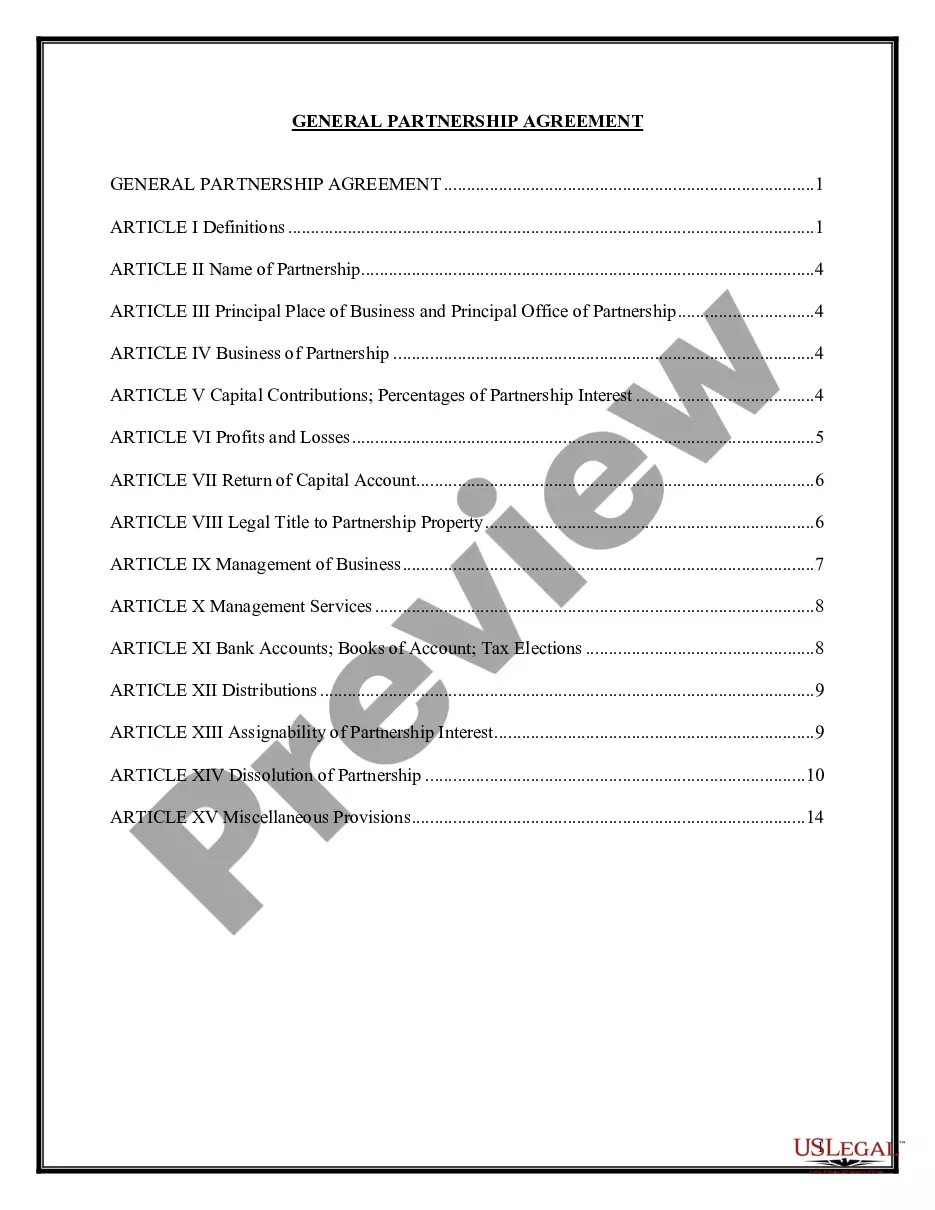
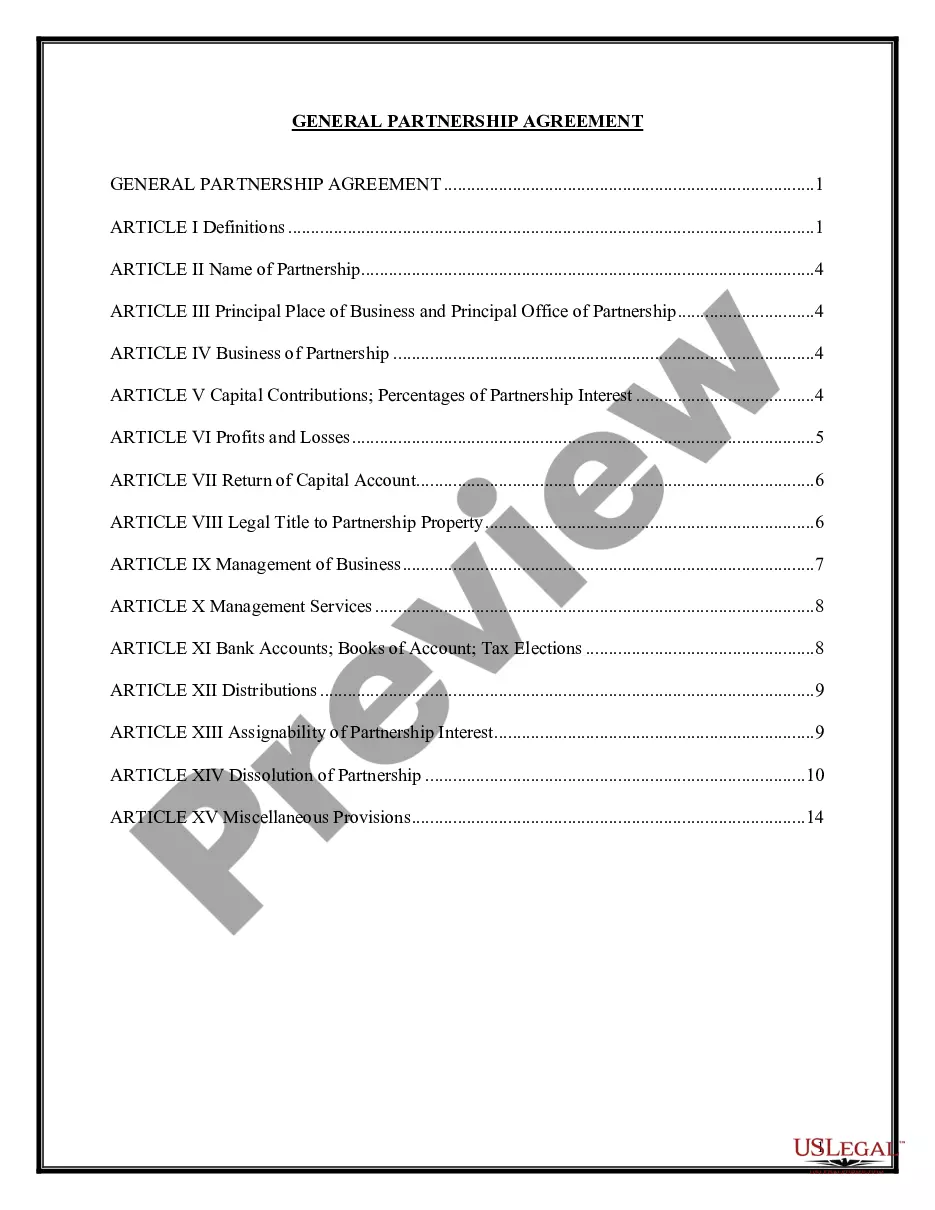
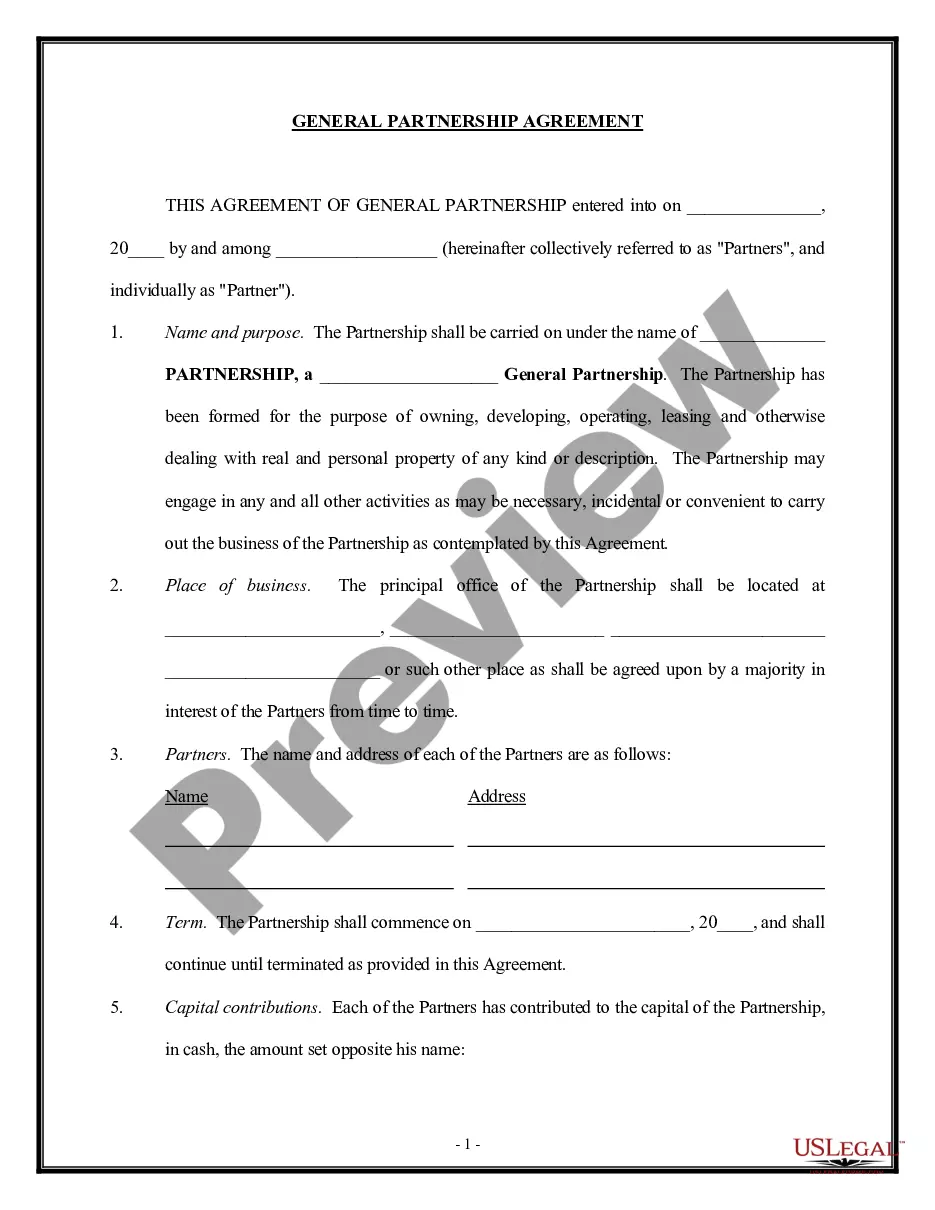
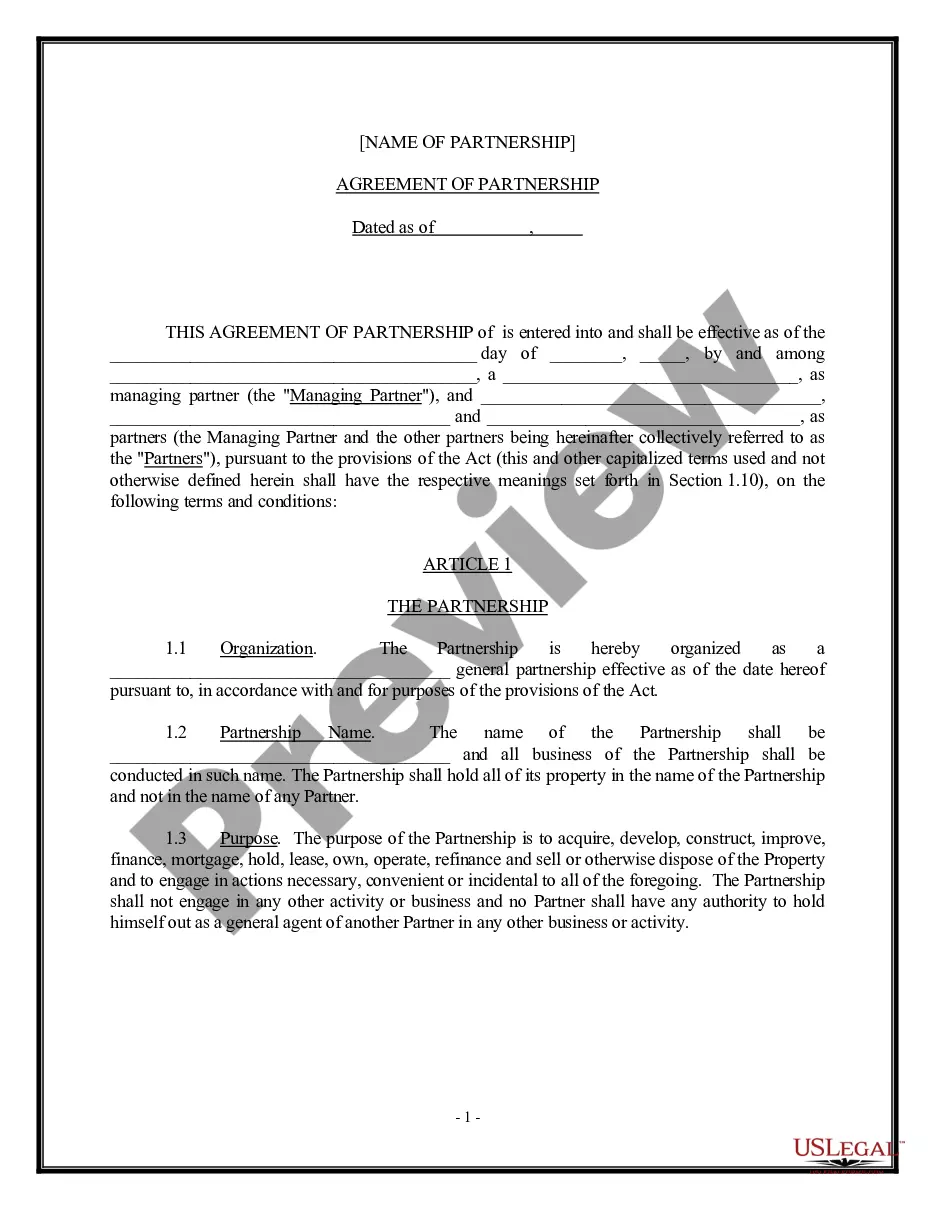
The Oklahoma General Partnership Package provides essential legal forms for establishing, managing, and dissolving a general partnership. Unlike other legal document packages, this set is specifically tailored to meet the needs of partnerships in Oklahoma, while offering flexibility for customization to suit your specific situation. This package includes key documents that facilitate the smooth operation and transition of partnership agreements.
What’s included in this form package
When to use this form package
This form package is ideal for individuals and businesses in scenarios such as:
- Starting a new general partnership and needing foundational agreements
- Collaborating with partners in managing ongoing business operations
- Addressing buy-sell agreements for partnership interests
- Documenting partnership profits and losses
- Dissolving a partnership due to various circumstances
Who needs this form package
- Entrepreneurs looking to establish a general partnership
- Existing business partners seeking to formalize roles and agreements
- Individuals needing to outline procedures for buy-sell arrangements
- Partners preparing for a partnership dissolution
- Small business owners needing to record financial entries accurately
Steps to complete these forms
- Review included forms to understand their purpose and requirements
- Identify all partners involved and gather necessary information for the agreements
- Fill out each form, ensuring all required fields are completed accurately
- Have all partners review the documents for clarity and mutual agreement
- Sign and date all forms, ensuring compliance with any additional witness or notarization requirements
Notarization guidance for this package
Forms in this package typically do not require notarization unless required by local law. It's essential to review each document and adhere to specific requirements based on the partnership's context.
Get your form ready online
Our built-in tools help you complete, sign, share, and store your documents in one place.
Make edits, fill in missing information, and update formatting in US Legal Forms—just like you would in MS Word.
Download a copy, print it, send it by email, or mail it via USPS—whatever works best for your next step.
Sign and collect signatures with our SignNow integration. Send to multiple recipients, set reminders, and more. Go Premium to unlock E-Sign.
If this form requires notarization, complete it online through a secure video call—no need to meet a notary in person or wait for an appointment.
We protect your documents and personal data by following strict security and privacy standards.
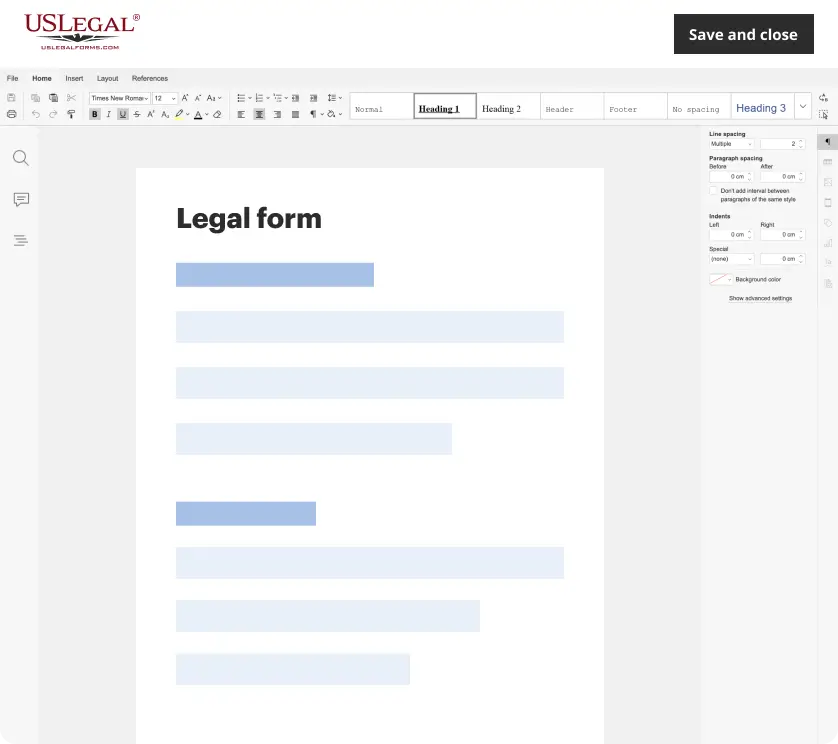
Make edits, fill in missing information, and update formatting in US Legal Forms—just like you would in MS Word.
Download a copy, print it, send it by email, or mail it via USPS—whatever works best for your next step.
Sign and collect signatures with our SignNow integration. Send to multiple recipients, set reminders, and more. Go Premium to unlock E-Sign.
If this form requires notarization, complete it online through a secure video call—no need to meet a notary in person or wait for an appointment.
We protect your documents and personal data by following strict security and privacy standards.
Avoid these common issues
- Failing to clearly identify all partners and their contributions
- Not reviewing the terms after filling out the forms
- Neglecting to address procedures for dissolution in advance
- Incomplete or inaccurate financial statements
- Omitting signatures or necessary witness information
Why use this package online
- Convenient access to all necessary forms in one package
- Editable documents allow customization to fit specific partnership needs
- Developed by licensed attorneys, ensuring legal accuracy
- Download and complete forms at your own pace, without rush
Looking for another form?


Form popularity
FAQ
The general partner is responsible for the management of the partnership and the limited partner is generally an investor only. Limited partners are often referred to as silent partners. They invest capital in exchange for a portion of the profits of the partnership.
In general, a partnership is a business agreement between two or more people who are called partners.Typically, the terms general partner and limited partner in all types of partnerships will refer to liability, with general partners pledging their own personal assets while limited partners having limited liabilities.
Types of Partnership General Partnership, Limited Partnership, Limited Liability Partnership and Public Private Partnership.
A general partner is one of two or more investors who jointly own a business and assume a day-to-day role in managing it. A general partner has the authority to act on behalf of the business without the knowledge or permission of the other partners.
LLCs protect owners against personal liability for business debts and lawsuits. This safeguards the personal assets for all owners. In a general partnership, owners have unlimited, personal liability for the businesses' debts, including, but not limited to, the acts of employees.
The limited liability partnership (LLP) is a similar business structure but it has no general partners. All of the owners of an LLP have limited personal liability for business debts. In order to better understand LPs and LLPs, it's helpful to compare them to general partnerships.
The difference between a general partner vs. limited partner is a general partner is an owner of the partnership, and a limited partner is a silent partner in the business. A general partner is an owner of a partnership.
There are disadvantages to general partnerships, principally liability.Each partner is also liable for the debts incurred by the actions of other partners. Because of this potential personal liability, general partnerships are limited in their ability to raise money and attract investors.
No Separate Business Entity from Partners. Partners' Personal Assets Unprotected. Partners Liable for Each Others' Actions. Partnership Terminated Upon Death or Withdrawal of One of the Partners.