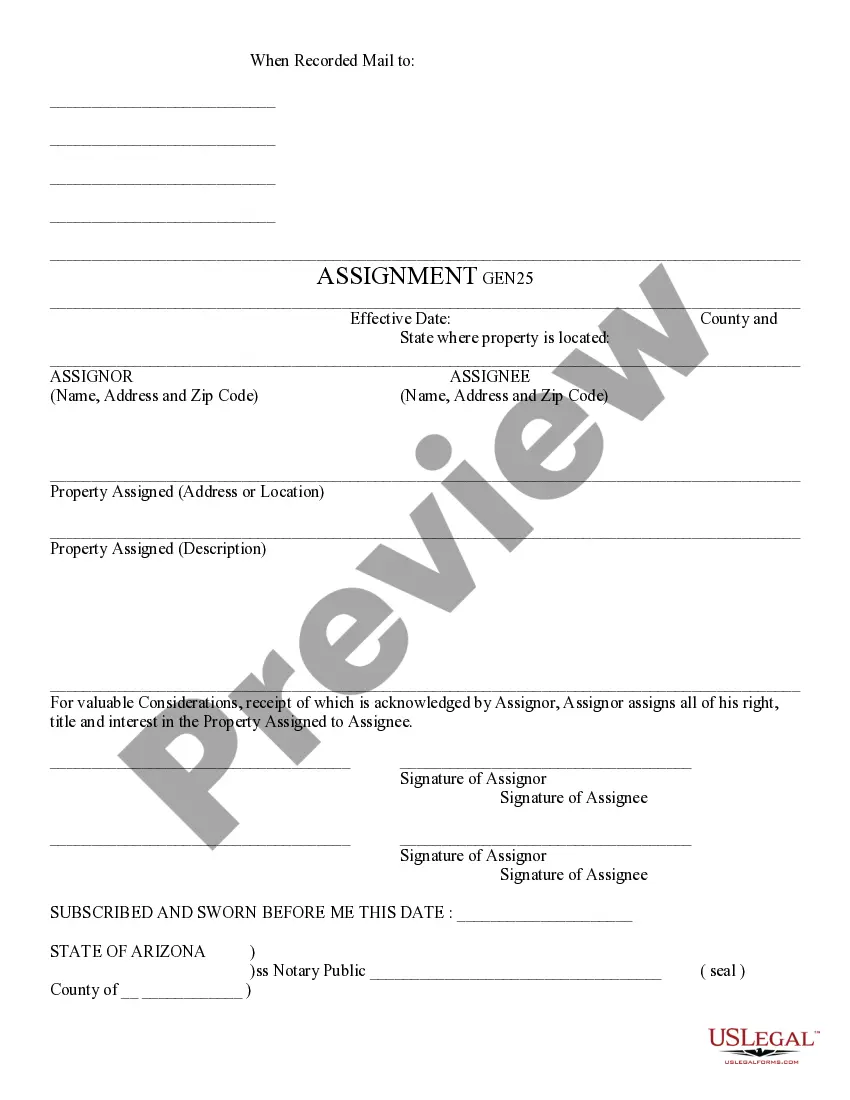
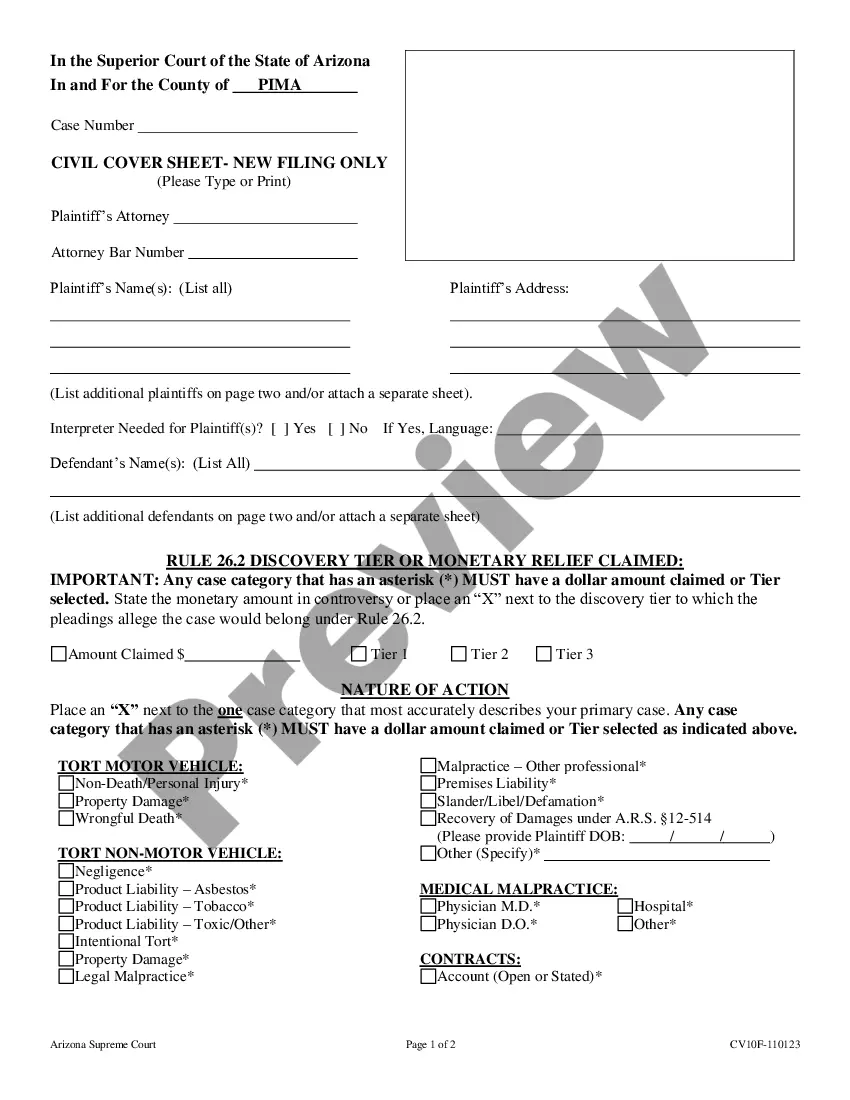
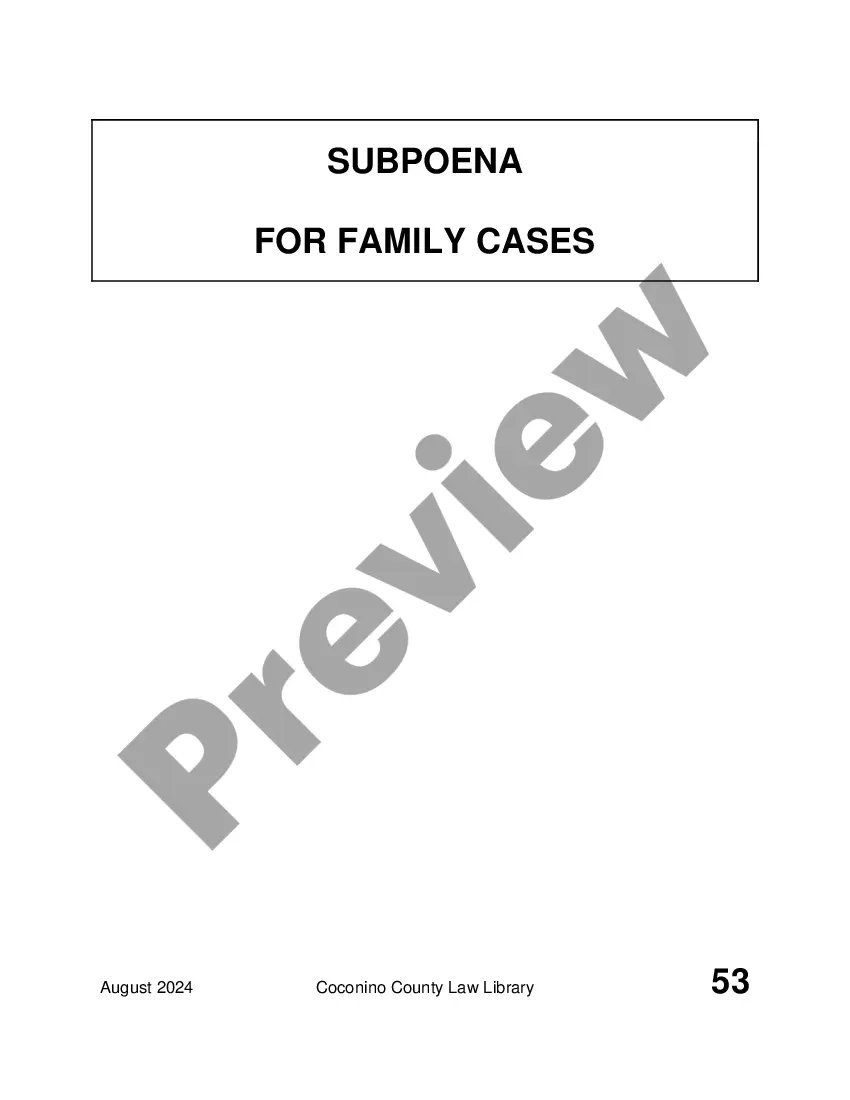
Mississippi Answer and Defenses to Second Amended Complaint
Overview of this form
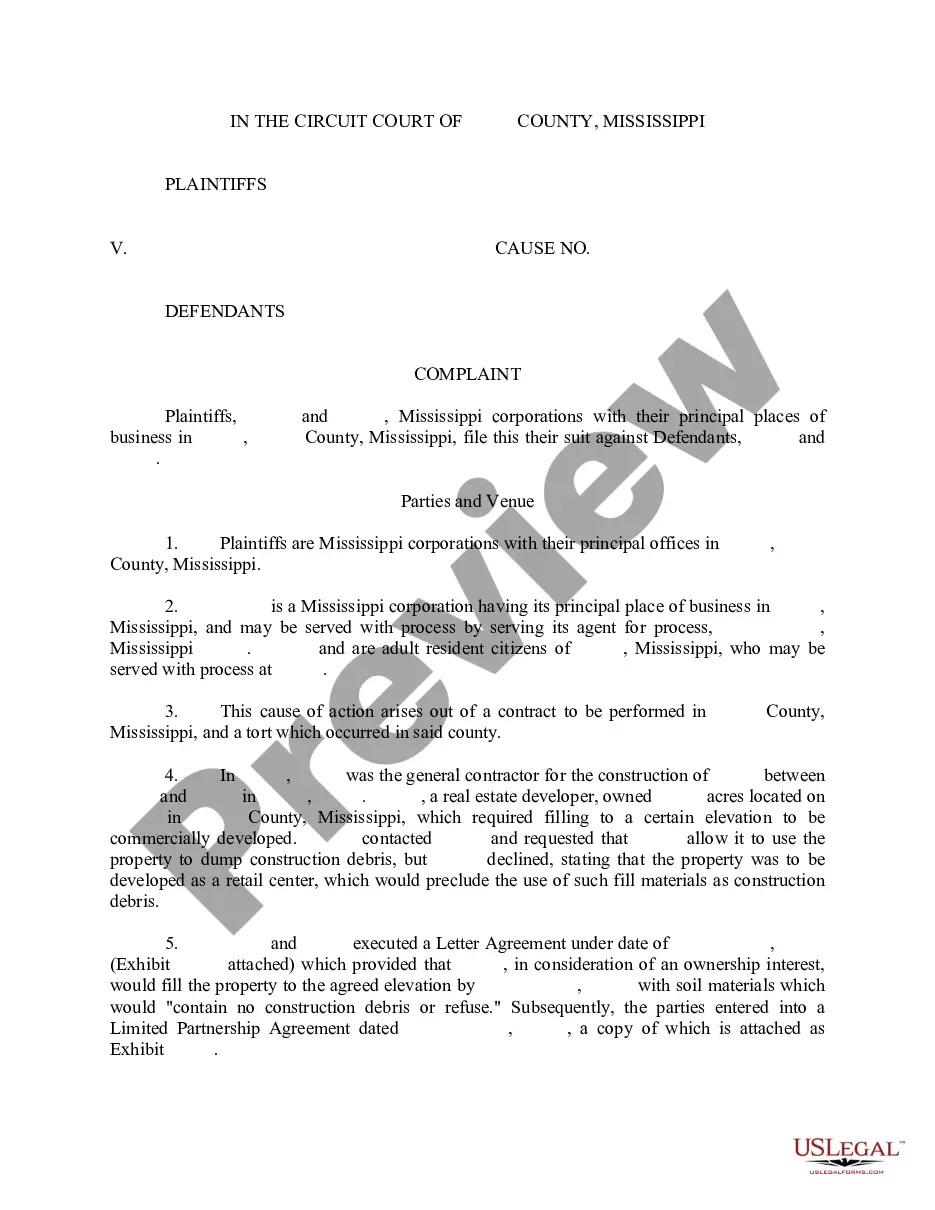
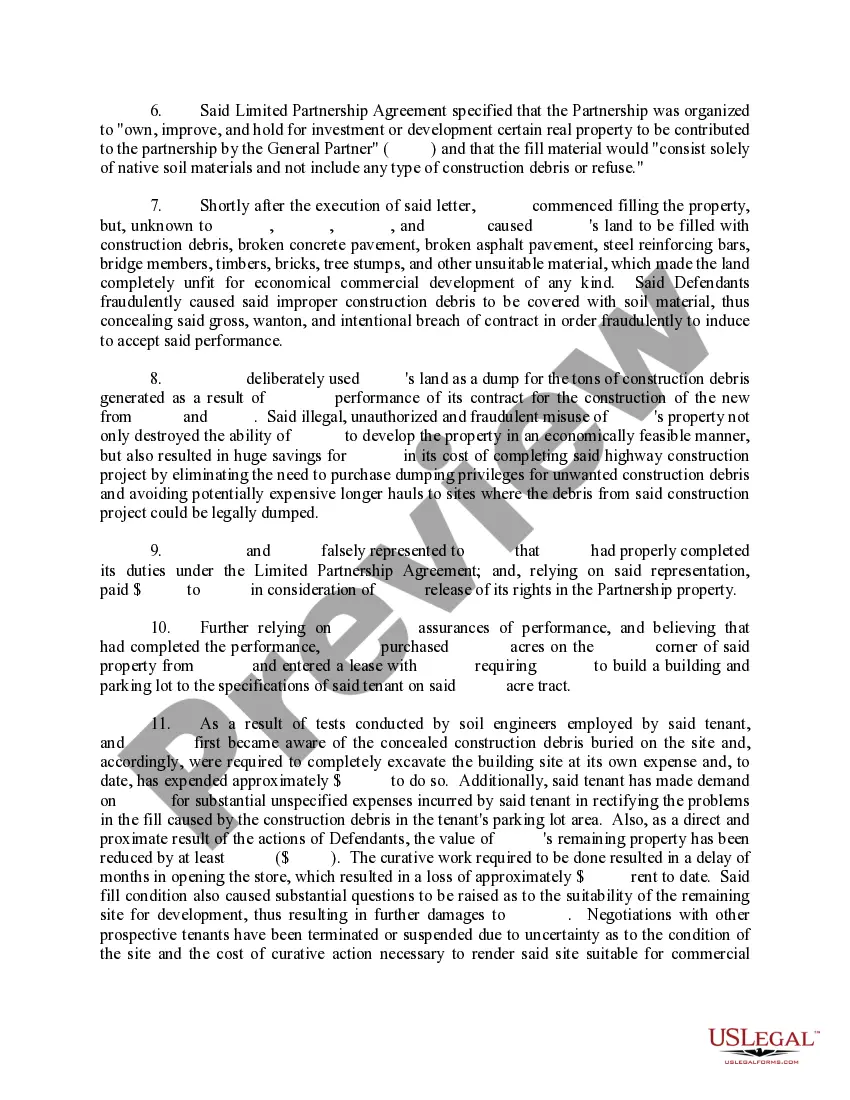
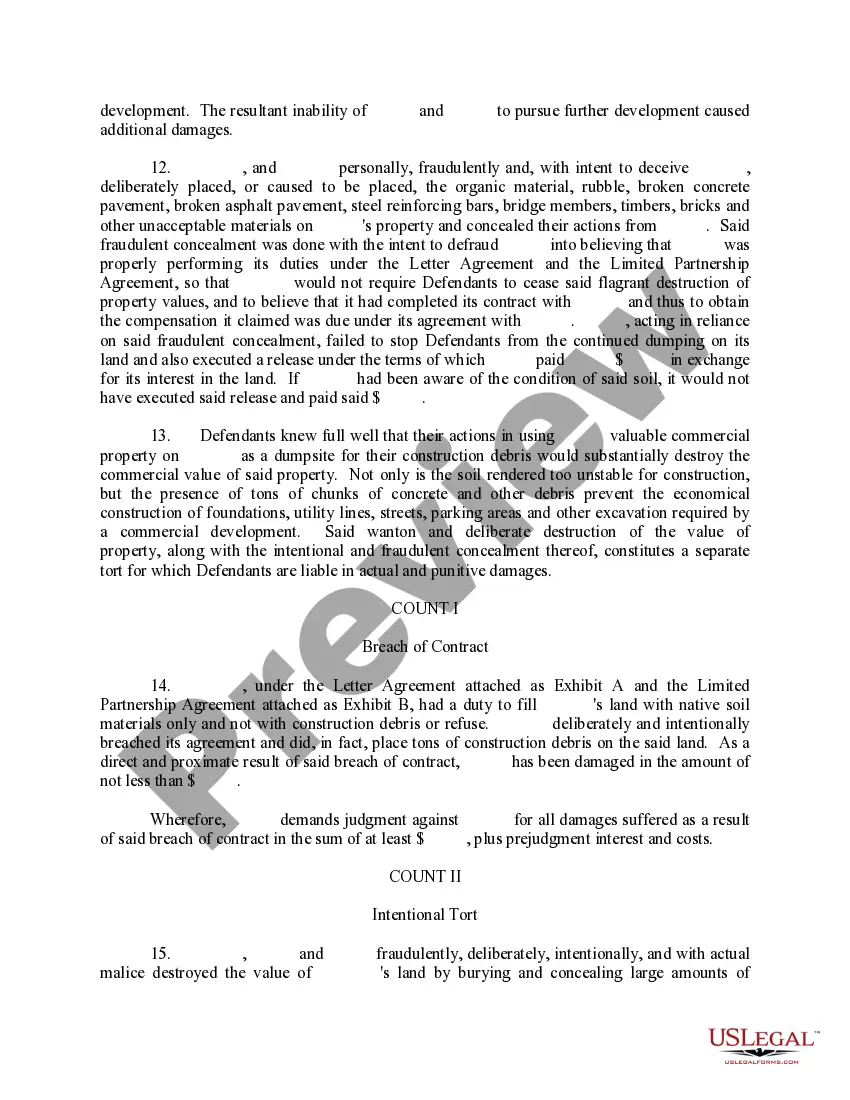
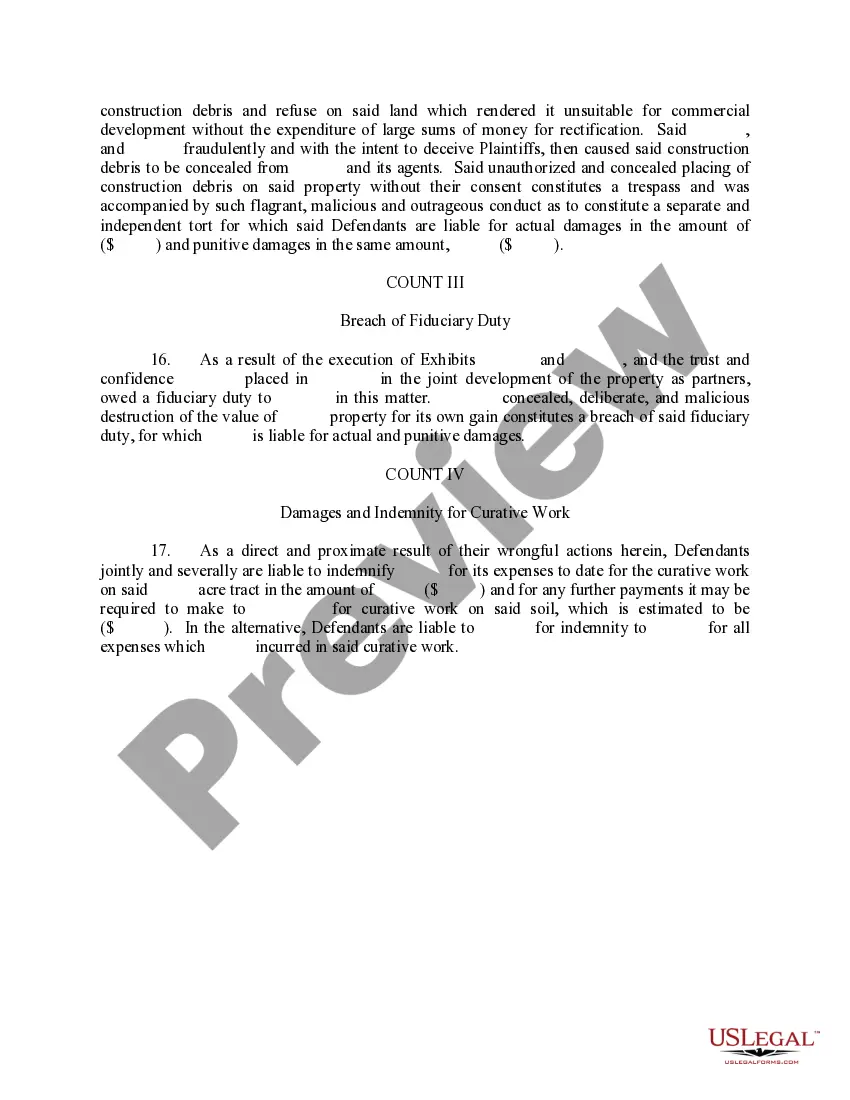
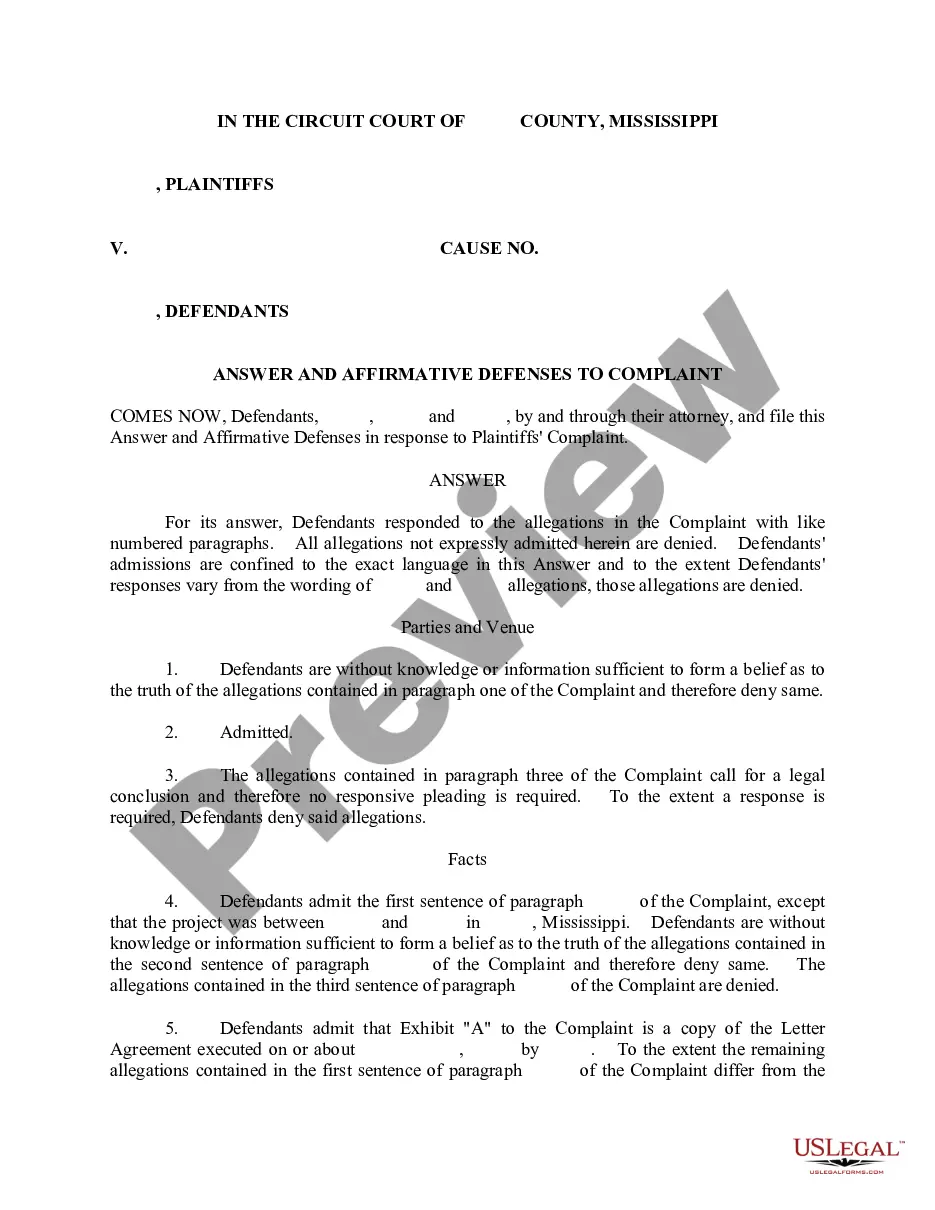
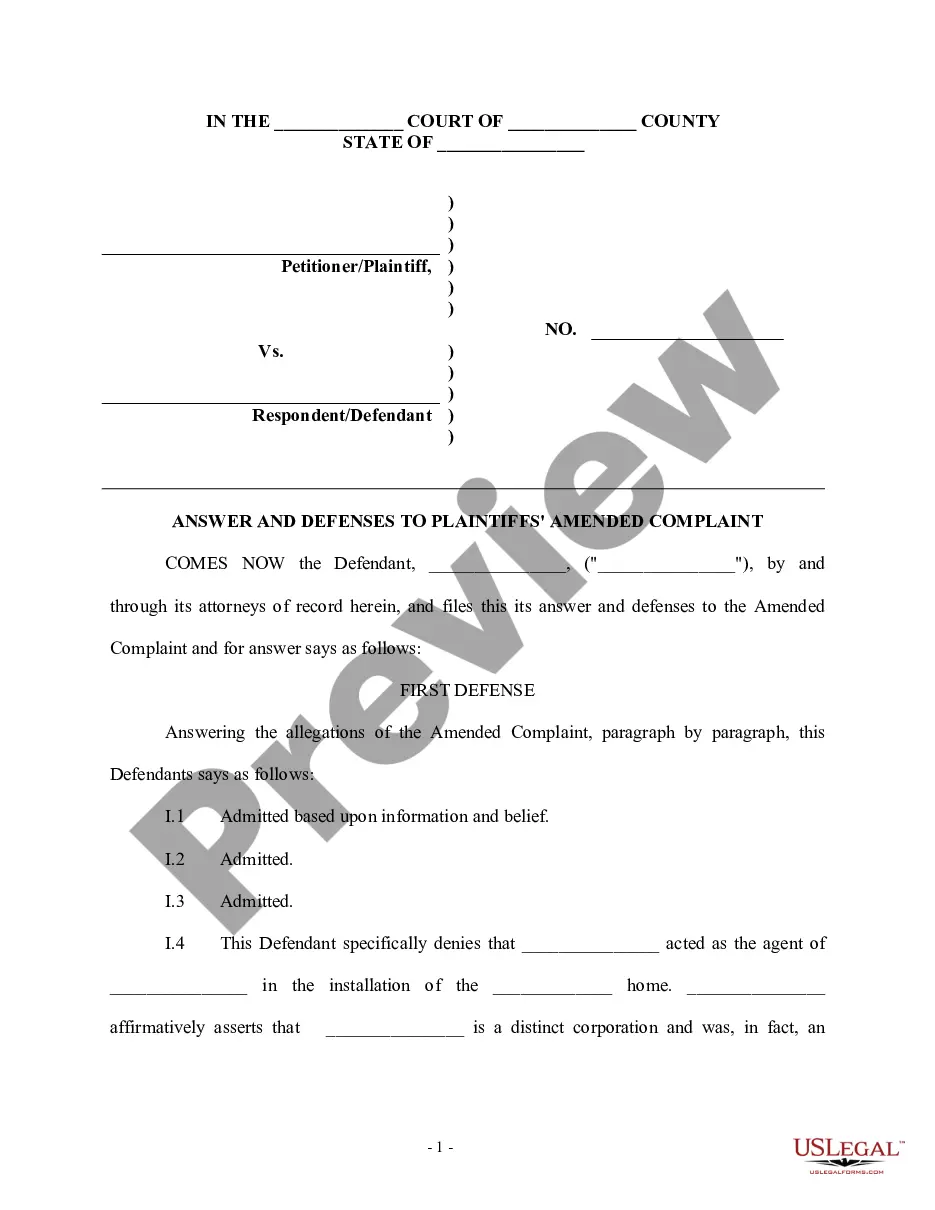
The Answer and Defenses to Second Amended Complaint is a legal document utilized by a defendant to formally respond to allegations made in a Second Amended Complaint. This form allows the defendant to present their defenses, counterclaims, and responses to each allegation brought forth by the plaintiff. Unlike similar documents, this form is specifically tailored to address the nuances of a Second Amended Complaint, ensuring that the defendantâs position is clearly articulated.
Main sections of this form
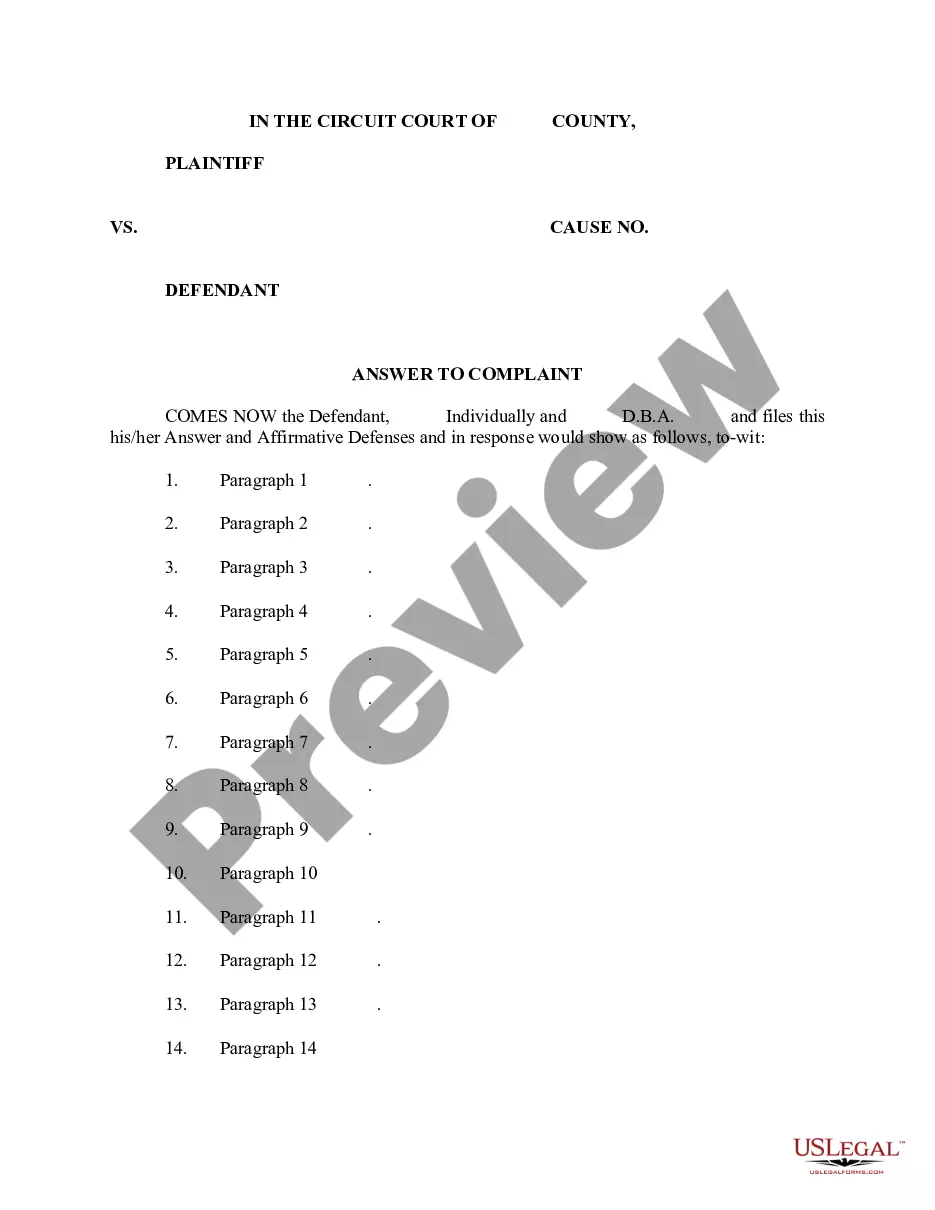
- Caption: Identifies the court, parties involved, and case number.
- Response to specific allegations: Addresses each allegation made in the Second Amended Complaint.
- Defenses: Lists any legal defenses the defendant intends to assert.
- Counterclaims: Includes any counterclaims against the plaintiff, if applicable.
- Signature block: Provides space for the defendant's signature and date.
When this form is needed
This form is relevant in situations where a defendant has received a Second Amended Complaint and wishes to counter or defend against the claims made by the plaintiff. It is often used in civil litigation cases, such as breach of contract or personal injury lawsuits, where it is essential to formally articulate defenses and any counterclaims to protect the defendantâs interests in court.
Intended users of this form
- Defendants involved in a civil lawsuit responding to a Second Amended Complaint.
- Individuals representing themselves in litigation (pro se defendants).
- Legal professionals preparing a defense for their clients against specific allegations.
Instructions for completing this form
- Identify the parties: Include correct names and roles of the defendant and plaintiff.
- Review the Second Amended Complaint: Understand the specific allegations before drafting responses.
- Respond to allegations: Provide a clear answer to each claim made in the complaint.
- State defenses: List any defenses you wish to assert against the claims.
- Include counterclaims: If applicable, articulate any counterclaims against the plaintiff.
- Sign and date the form: Ensure proper execution of the form before submitting it to the court.
Does this document require notarization?
This form does not typically require notarization unless specified by local law. It's advisable to check the specific rules of your jurisdiction regarding notarization requirements for legal responses.
Get your form ready online
Our built-in tools help you complete, sign, share, and store your documents in one place.
Make edits, fill in missing information, and update formatting in US Legal Forms—just like you would in MS Word.
Download a copy, print it, send it by email, or mail it via USPS—whatever works best for your next step.
Sign and collect signatures with our SignNow integration. Send to multiple recipients, set reminders, and more. Go Premium to unlock E-Sign.
If this form requires notarization, complete it online through a secure video call—no need to meet a notary in person or wait for an appointment.
We protect your documents and personal data by following strict security and privacy standards.

Make edits, fill in missing information, and update formatting in US Legal Forms—just like you would in MS Word.

Download a copy, print it, send it by email, or mail it via USPS—whatever works best for your next step.

Sign and collect signatures with our SignNow integration. Send to multiple recipients, set reminders, and more. Go Premium to unlock E-Sign.

If this form requires notarization, complete it online through a secure video call—no need to meet a notary in person or wait for an appointment.

We protect your documents and personal data by following strict security and privacy standards.
Avoid these common issues
- Failing to address all allegations individually.
- Omitting important defenses or counterclaims.
- Not signing or dating the form before submission.
- Using informal language instead of clear legal terminology.
- Ignoring state-specific filing rules and deadlines.
Benefits of completing this form online
- Convenient access to the form from anywhere with an internet connection.
- Edit and customize the form easily to fit your specific case needs.
- Reliable templates created by licensed attorneys ensures legal accuracy.
- The Answer and Defenses to Second Amended Complaint is essential for defendants responding to a second amended complaint.
- Include admissions, denials, and any defenses in your response to ensure clarity.
- Timely and accurate completion of the form is crucial for protecting your legal rights.
Looking for another form?

Form popularity
FAQ
The defendant shall answer the amendments, or the complaint as amended, within 30 days after service thereof, or such other time as the court may direct, and judgment by default may be entered upon failure to answer, as in other cases.
Once a defendant has answered, a first amended complaint can only be filed and served with leave of court. If the plaintiff did not get the court's permission, it is not deemed a valid first amended complaint.
The court should freely give leave when justice so requires. (3) Time to Respond. Unless the court orders otherwise, any required response to an amended pleading must be made within the time remaining to respond to the original pleading or within 14 days after service of the amended pleading, whichever is later.
(a) A party may amend its pleading once without leave of the court at any time before the answer, demurrer, or motion to strike answer or demurrer is filed, or after a demurrer or motion to strike is filed but before the demurrer or motion to strike is heard if the amended pleading complaint, cross-complaint, or answer
The defendant may also raise counterclaims or affirmative defenses. If a defendant does raise counterclaims in her answer, the plaintiff must respond to those counterclaims with a pleading called an "answer to a counterclaim." The form and content of an "answer to a counterclaim" is similar to that of an answer.
While the availability of an affirmative defense will depend on the state, there are generally two categories of affirmative defenses, justifications and excuses.
The defendant shall answer the amendments, or the complaint as amended, within 30 days after service thereof, or such other time as the court may direct, and judgment by default may be entered upon failure to answer, as in other cases.
It means to change the basis for the case in some way. A motion to amend a complaint is the formal way of asking the court for permission to change the original complaint.
(e) (1) In response to a demurrer and prior to the case being at issue, a complaint or cross-complaint shall not be amended more than three times, absent an offer to the trial court as to such additional facts to be pleaded that there is a reasonable possibility the defect can be cured to state a cause of action.