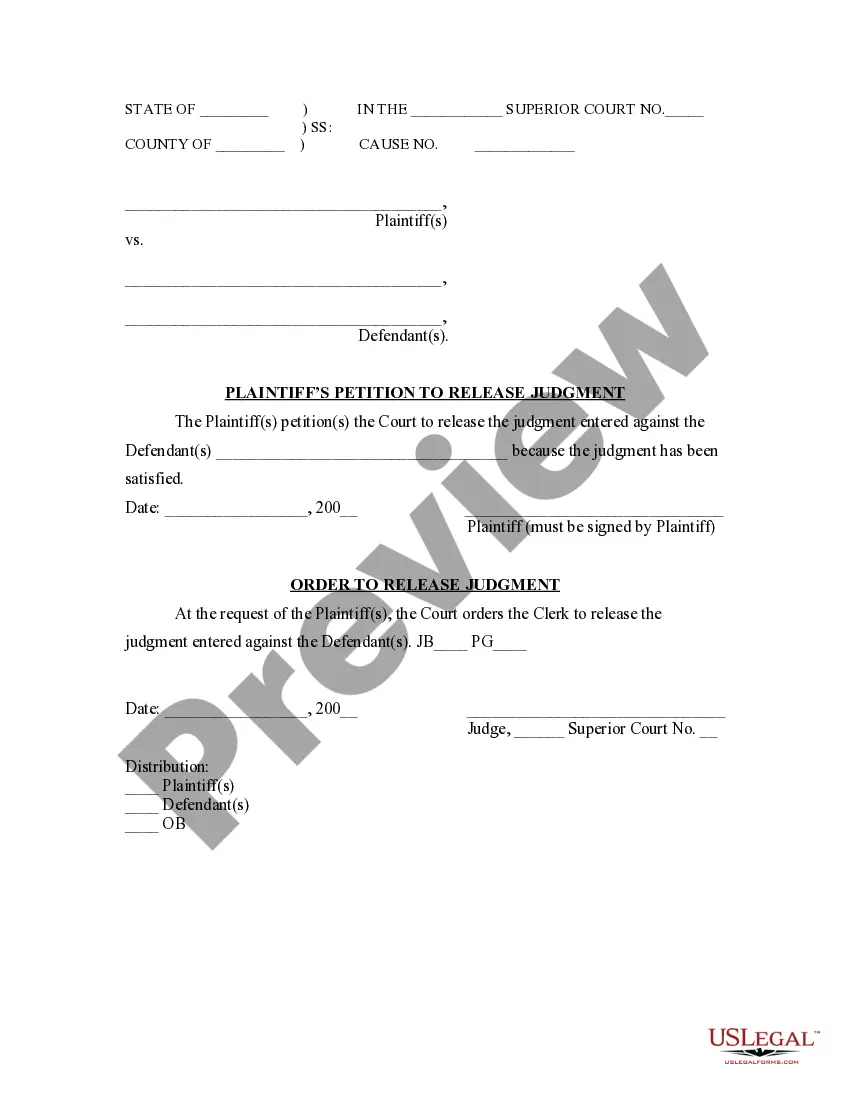
Indiana Discovery Interrogatories from Plaintiff to Defendant with Production Requests
What this document covers
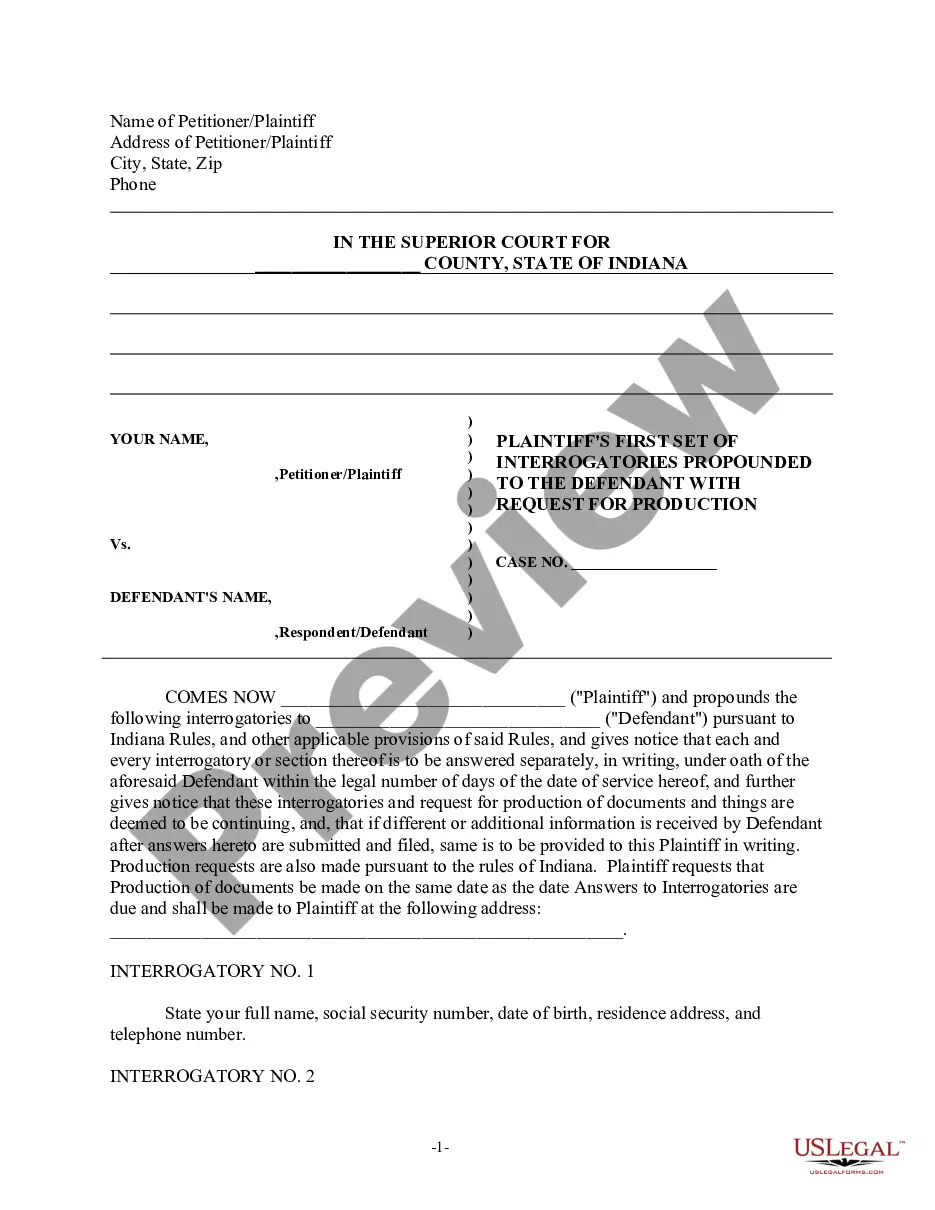
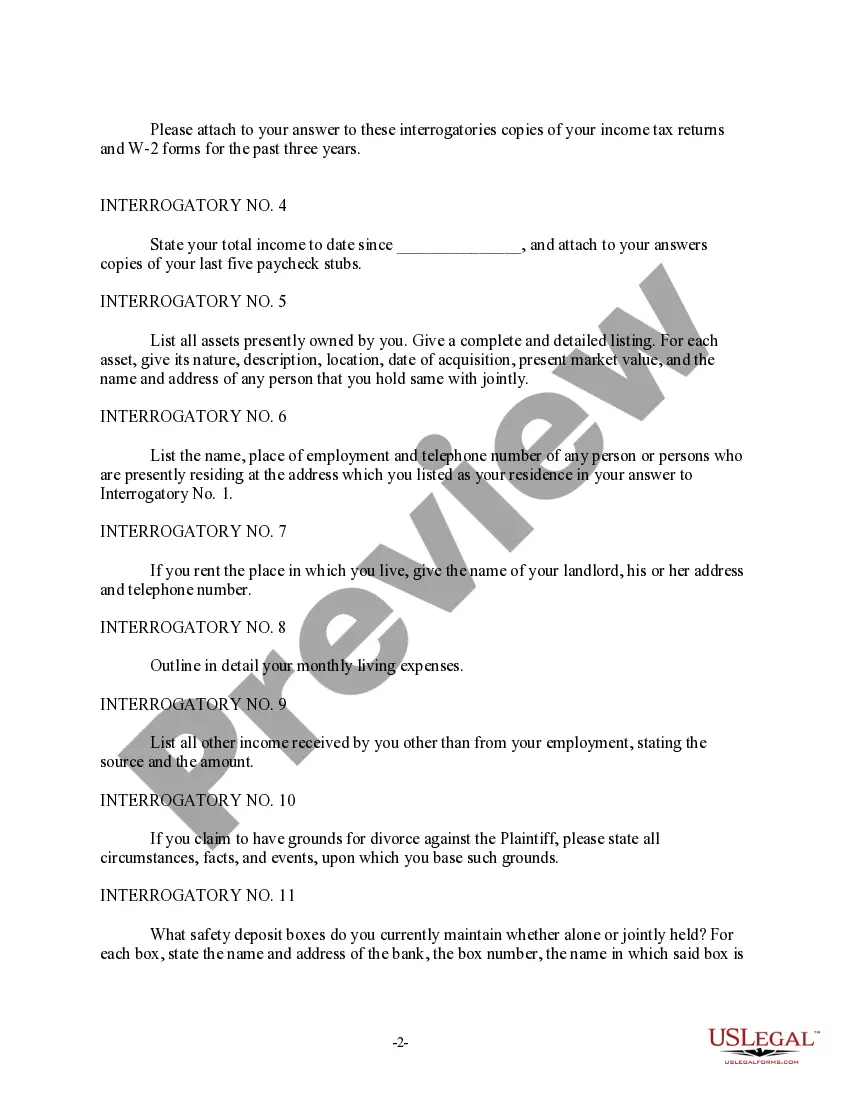
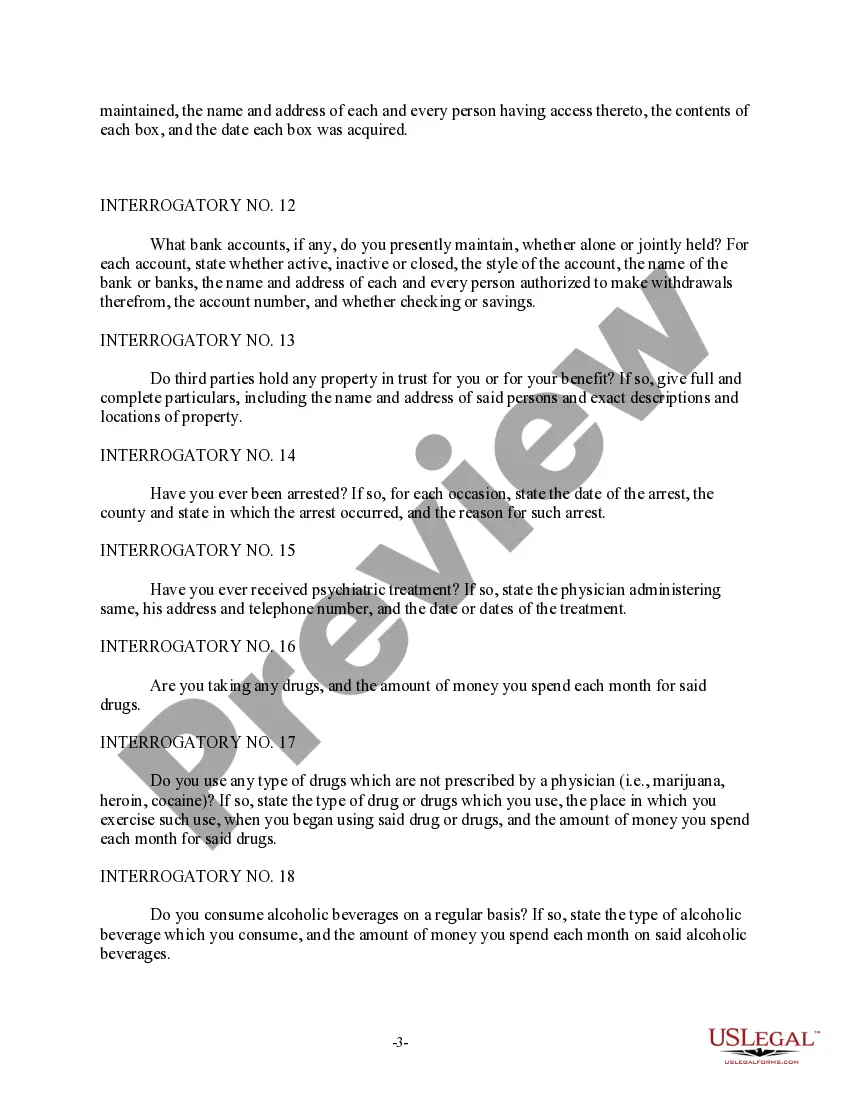
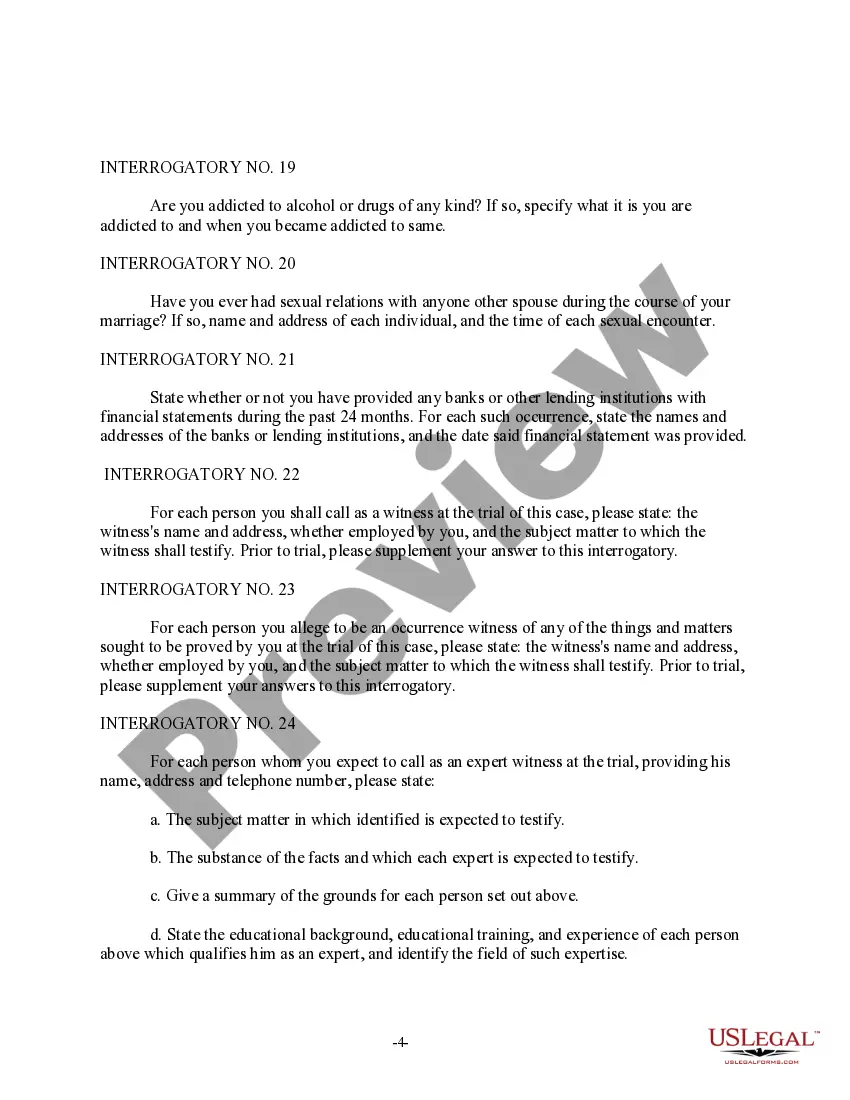
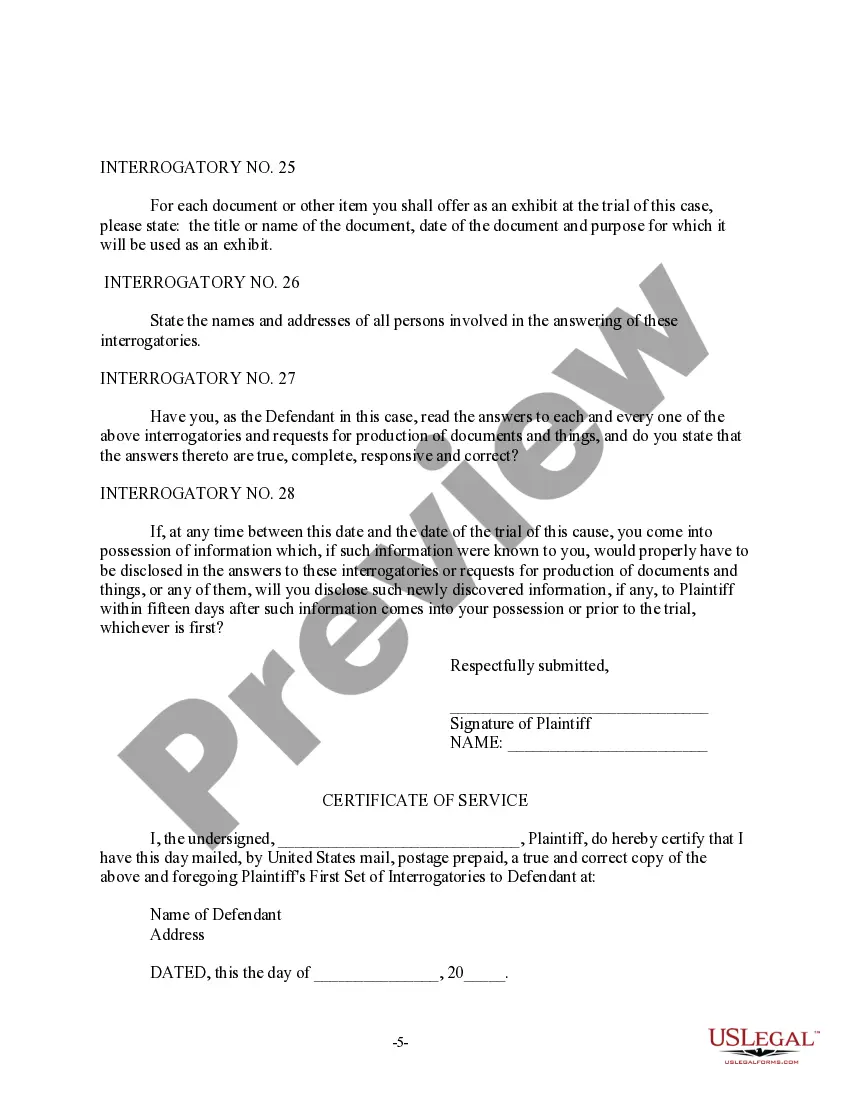
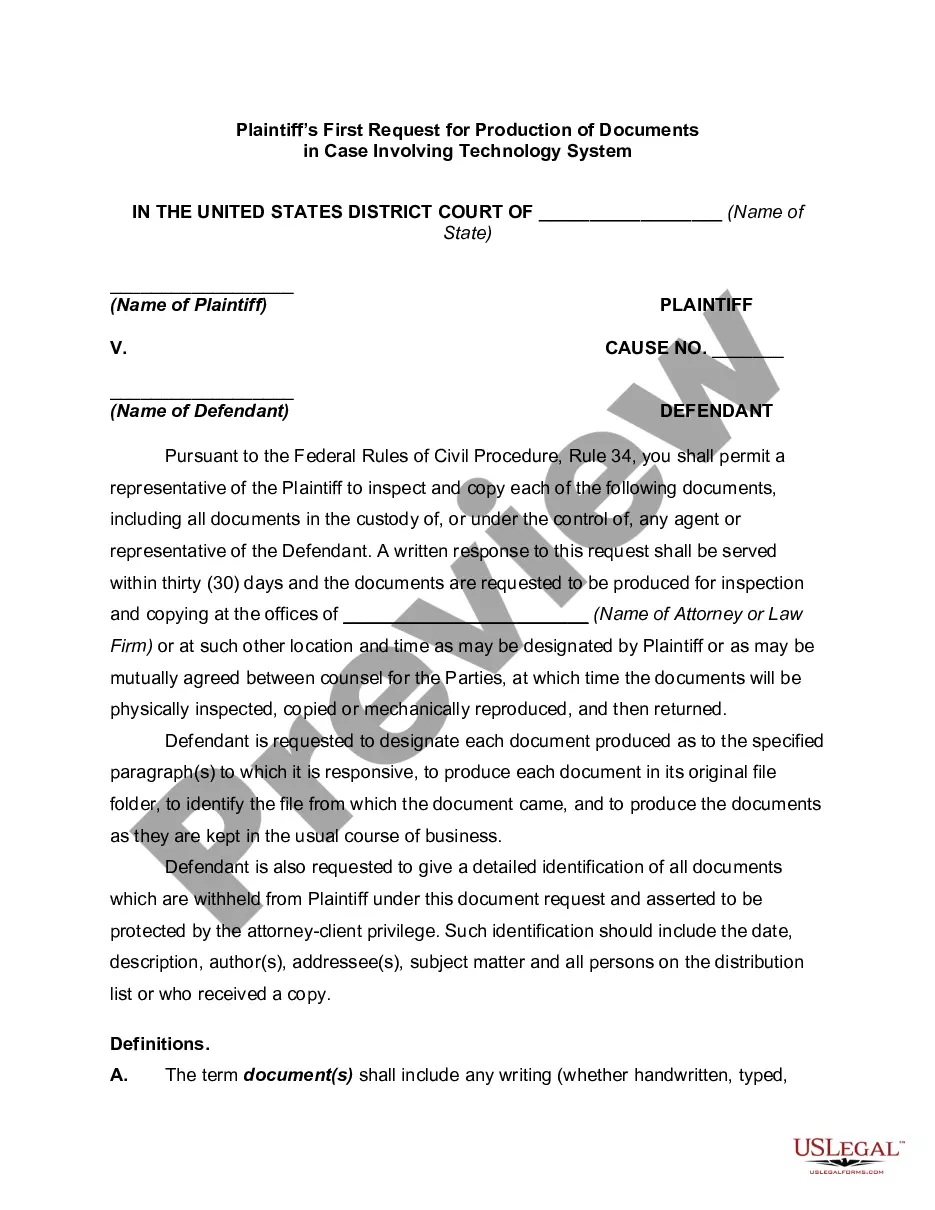
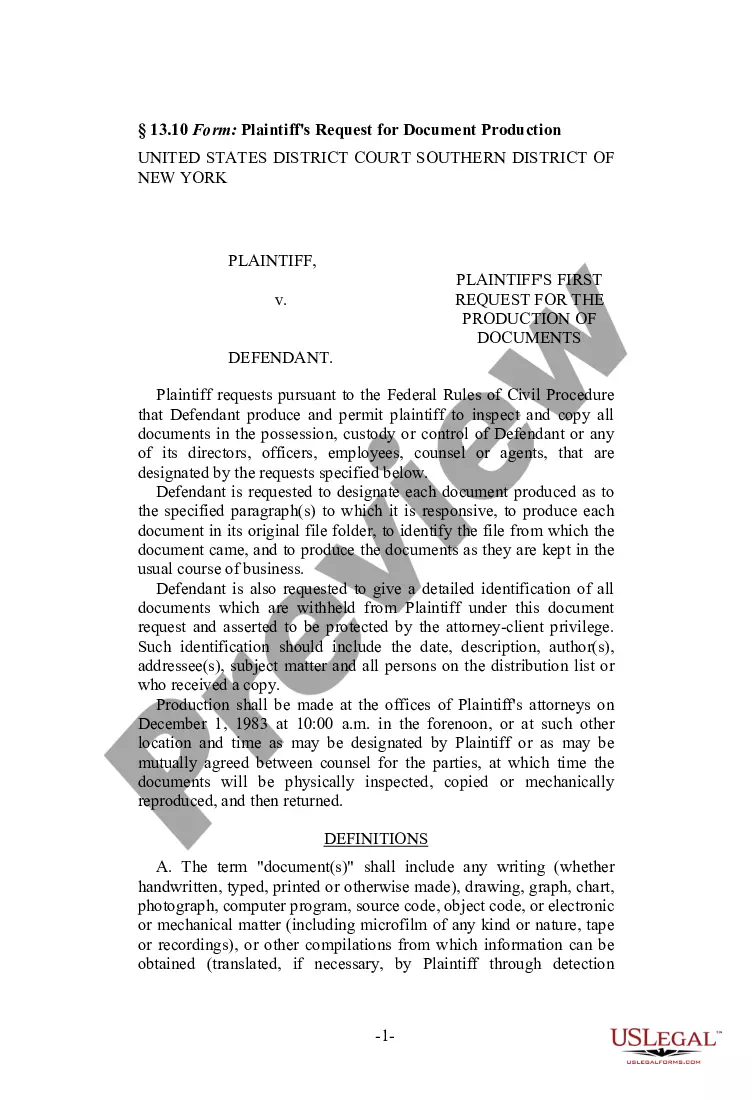
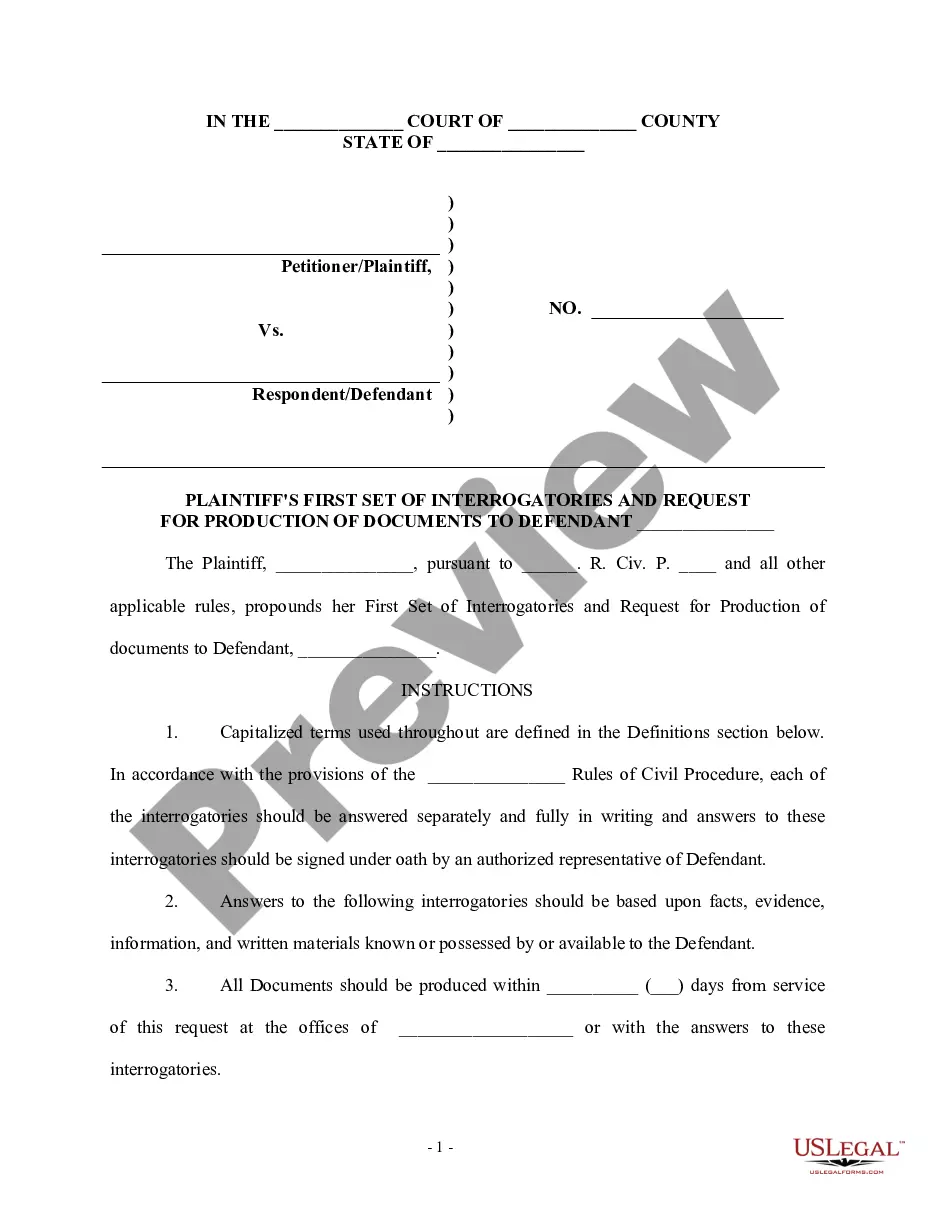
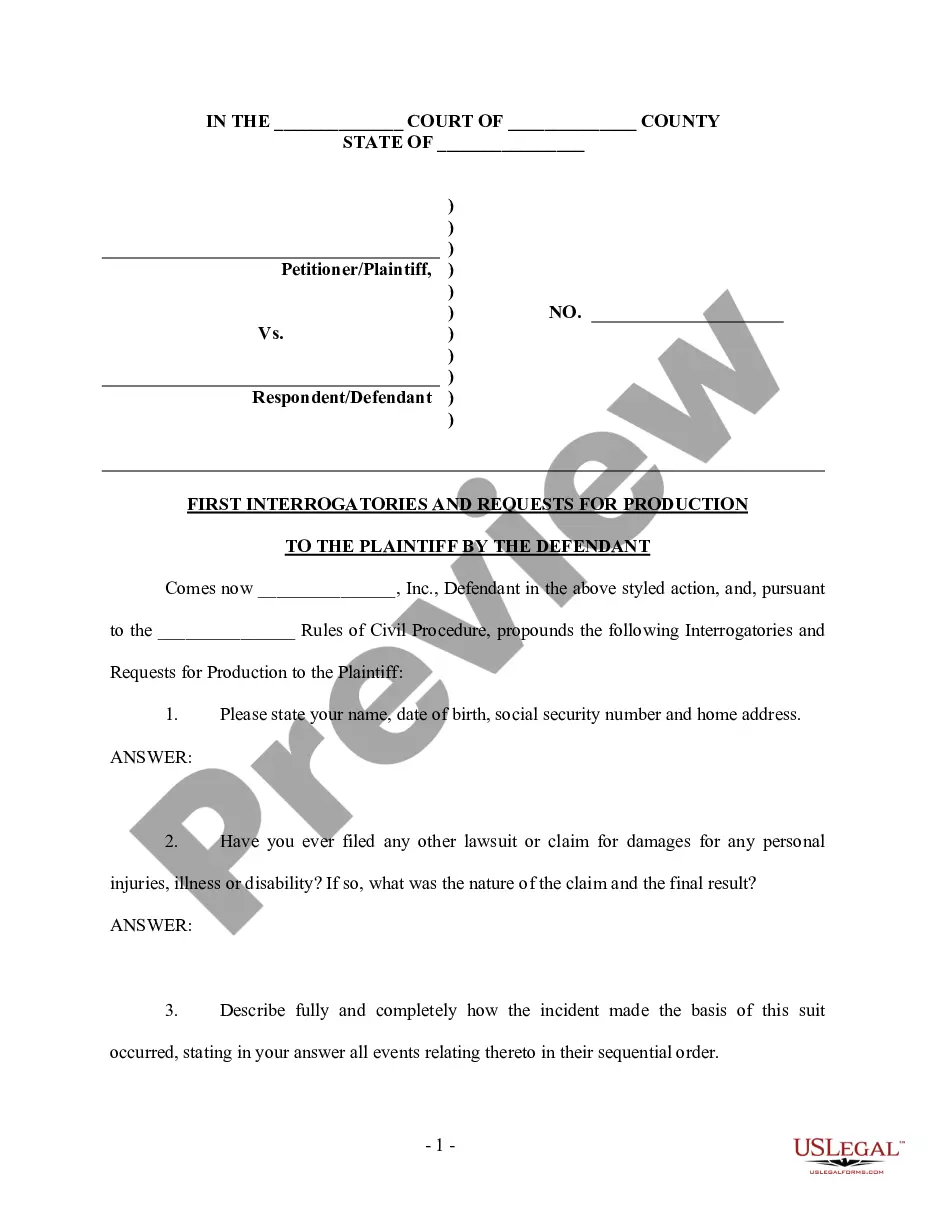
This form, titled Discovery Interrogatories from Plaintiff to Defendant with Production Requests, is a legal document used during divorce proceedings. It allows the Plaintiff to formally request information and documents from the Defendant, which may relate to financial matters, assets, and other relevant evidence necessary for the case. This form is an essential tool for obtaining details needed to support claims or defenses in divorce litigation.
Form components explained
- Personal information of both parties, including name, address, and contact details.
- Interrogatories seeking detailed responses about finances, assets, and liabilities.
- Requests for the production of key documents, such as tax returns and income statements.
- Notices regarding the timeline for responses and obligations to provide updated information.
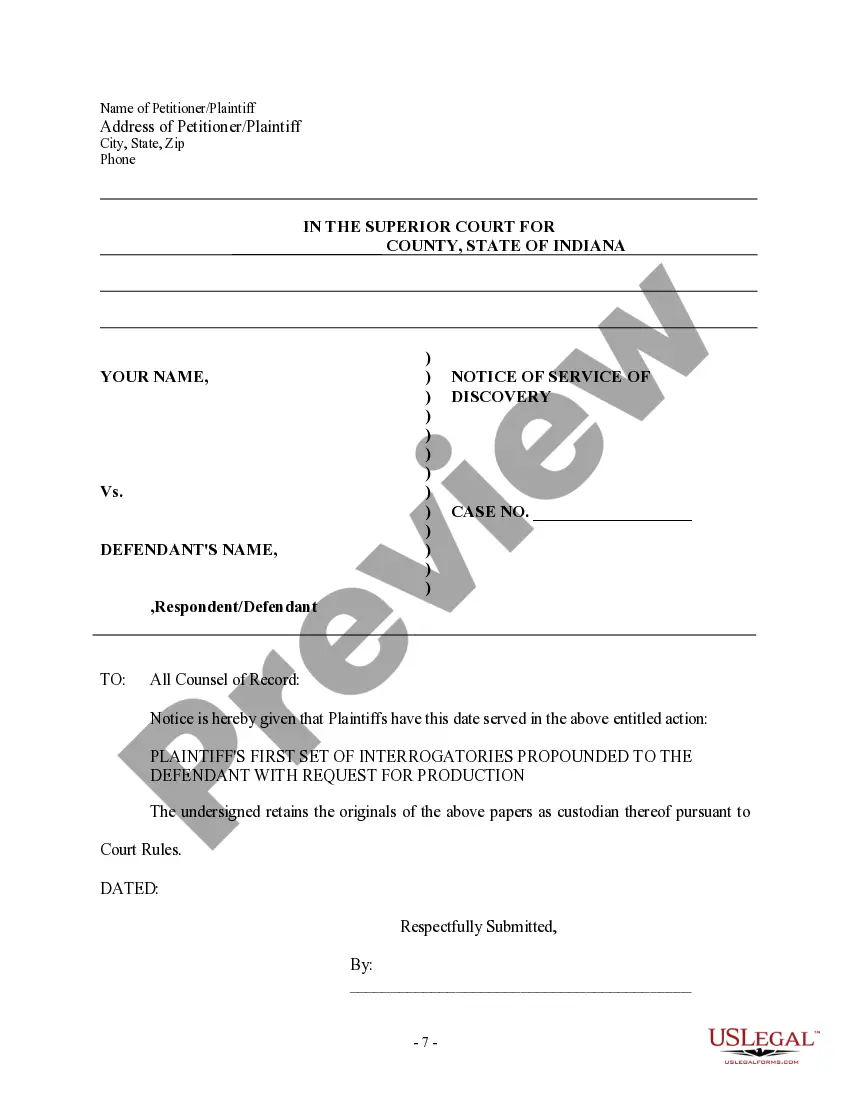
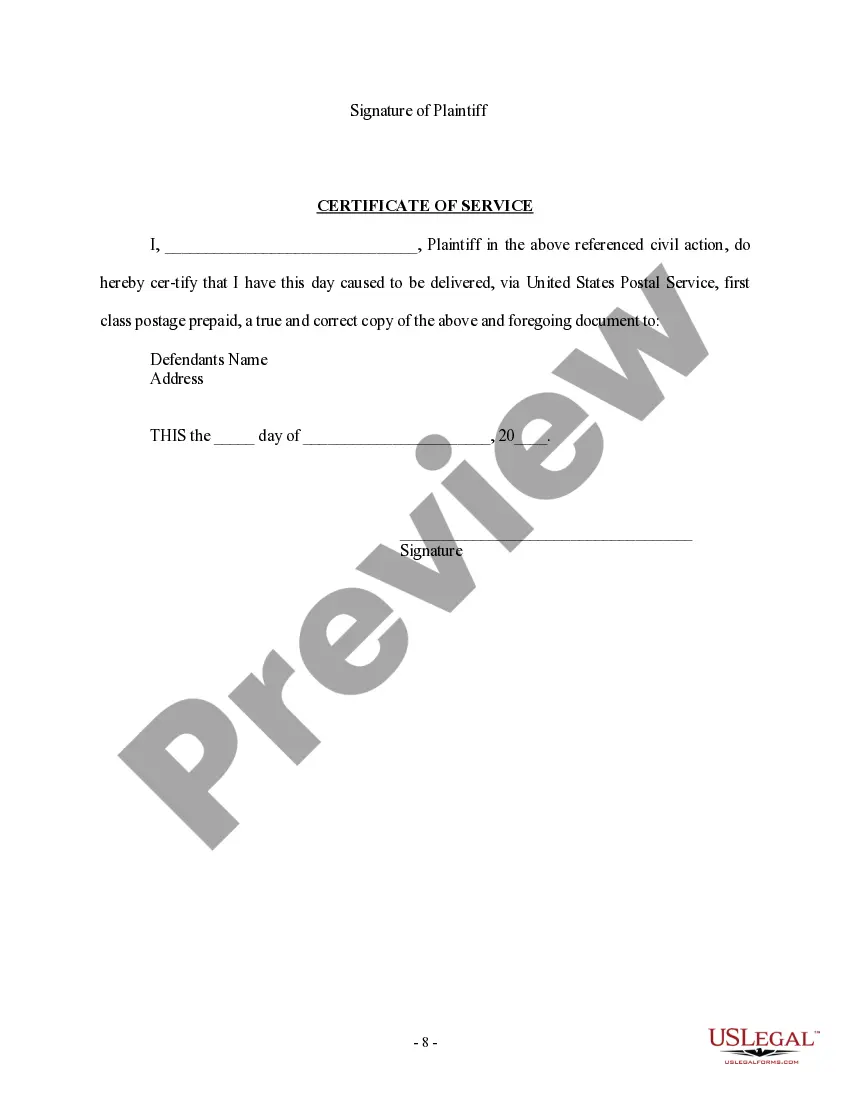
- Certification of service to confirm the document has been properly sent to the Defendant.

Situations where this form applies
This form should be used in the context of a divorce proceeding when the Plaintiff needs to gather information from the Defendant. It is particularly useful for understanding the Defendant's financial situation, discovering asset ownership, and establishing bases for alimony or asset division. You may need this form during the discovery phase before trial to ensure that all pertinent information is disclosed.
Who needs this form
This form is intended for:
- Plaintiffs in a divorce case seeking detailed information from the Defendant.
- Individuals representing themselves (pro se litigants) in a divorce proceeding.
- Attorneys representing a Plaintiff in a divorce action.
Instructions for completing this form
- Fill in the personal information fields for both the Plaintiff and Defendant, including names and addresses.
- Answer each interrogatory clearly and provide complete information, ensuring that all questions are considered relevant to your case.
- Attach any required documents requested in the form, such as tax returns or asset statements.
- Sign and date the form to authenticate your responses and indicate your agreement with the statements provided.
- Deliver the completed form to the Defendant or their counsel, ensuring you follow the required service procedure.
Is notarization required?
In most cases, this form does not require notarization. However, some jurisdictions or signing circumstances might. US Legal Forms offers online notarization powered by Notarize, accessible 24/7 for a quick, remote process.
Get your form ready online
Our built-in tools help you complete, sign, share, and store your documents in one place.
Make edits, fill in missing information, and update formatting in US Legal Forms—just like you would in MS Word.
Download a copy, print it, send it by email, or mail it via USPS—whatever works best for your next step.
Sign and collect signatures with our SignNow integration. Send to multiple recipients, set reminders, and more. Go Premium to unlock E-Sign.
If this form requires notarization, complete it online through a secure video call—no need to meet a notary in person or wait for an appointment.
We protect your documents and personal data by following strict security and privacy standards.

Make edits, fill in missing information, and update formatting in US Legal Forms—just like you would in MS Word.

Download a copy, print it, send it by email, or mail it via USPS—whatever works best for your next step.

Sign and collect signatures with our SignNow integration. Send to multiple recipients, set reminders, and more. Go Premium to unlock E-Sign.

If this form requires notarization, complete it online through a secure video call—no need to meet a notary in person or wait for an appointment.

We protect your documents and personal data by following strict security and privacy standards.
Mistakes to watch out for
- Failing to answer all interrogatories thoroughly, which can lead to insufficient evidence.
- Not attaching requested documents, which may be critical for your claims.
- Missing deadlines for response or service, resulting in legal disadvantages.
- Providing incomplete or inaccurate information that may have legal implications.
Why complete this form online
- Convenience: Access the form anytime and anywhere without the need to visit a legal office.
- Editability: Customize the template easily to fit the specific facts and circumstances of your case.
- Reliability: Use a professionally drafted form that complies with Indiana court standards, ensuring validity.
Main things to remember
- The form is essential for gathering critical information during divorce proceedings.
- Answer each interrogatory carefully and attach required documents for a strong case.
- Timely service and compliance with local rules are crucial to avoid legal pitfalls.
Looking for another form?

Form popularity
FAQ
Rule 37 addresses the consequences of failure to cooperate in discovery, including failure to respond to interrogatories properly. This rule authorizes the court to impose various sanctions, which can range from monetary penalties to dismissal of claims. Familiarity with Indiana Discovery Interrogatories from Plaintiff to Defendant with Production Requests is crucial, as non-compliance could significantly impact your case. Legal platforms like uslegalforms can guide you through this rule.
The 45-day rule in California states that a defendant has 45 days to respond to discovery requests, including interrogatories, after they have been served. This timeline allows both parties to prepare their cases efficiently while ensuring compliance with legal obligations. Although this is specific to California, understanding timeframes similar to Indiana Discovery Interrogatories from Plaintiff to Defendant with Production Requests can help you manage expectations and plan accordingly.
Your answers to the interrogatories should usually be short, clear, and direct and should answer only the question that is being asked. This is not the time to set out your entire case or defense to the other side. Take the time to make sure your answers are correct and truthful.
You must answer each interrogatory separately and fully in writing under oath, unless you object to it. You must explain why you object. You must sign your answers and objections.
If a request asks for a document, make a copy of the document; in your response, describe the document and say that a copy is attached; and attach a copy of the document to the responses you send back to the other side.
You may object to Form Interrogatories, but be careful to use the proper objection. Using the wrong one or using every single one may lead the court to view you as misusing the discovery process and make you pay sanctions.
Personal/Corporate information of opposing party. Identifying information of witnesses. Contact information & background of expert witnesses. Insurance information.
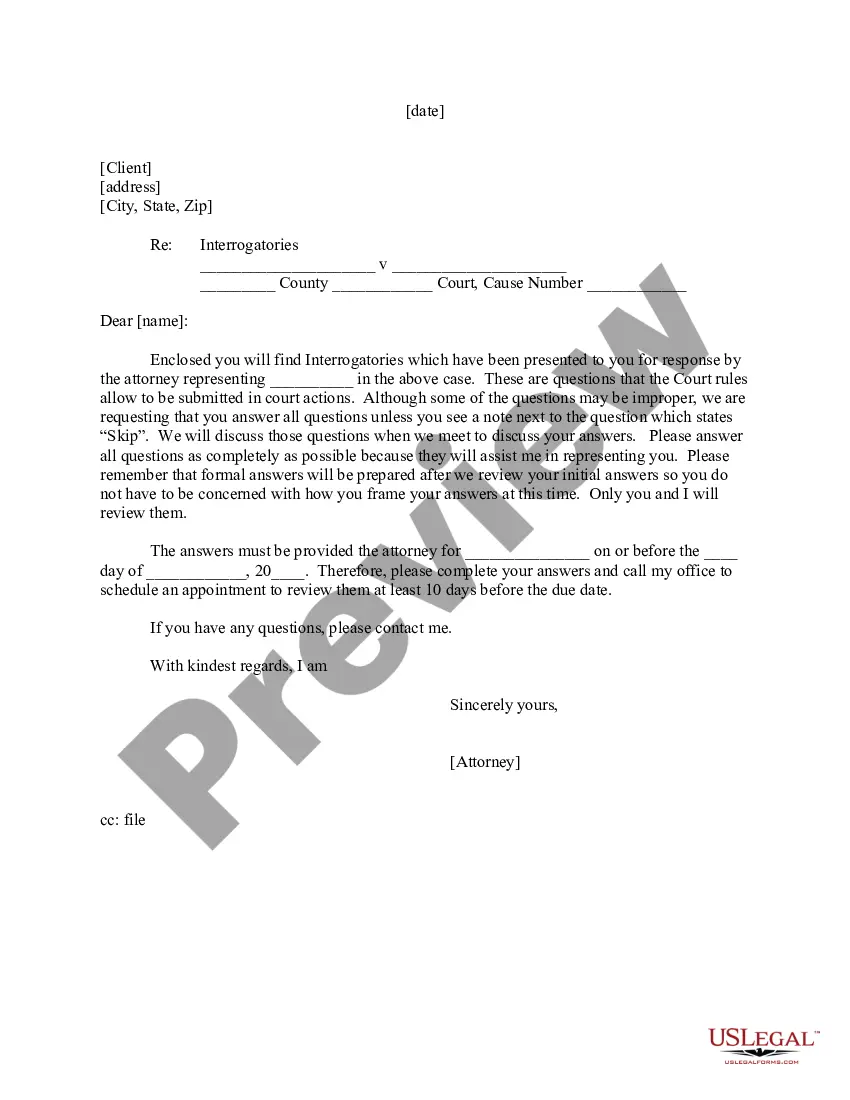
Interrogatories Interrogatories are written questions that are sent by one party to another.Requests for production are the means by which you can ask the other party to make copies of documents, photographs, records, etc. and to request the inspection of property.
Your name and address. The Court's name. The title of the case. Case number. Fill your name in as the Requesting Party. On the following pages, choose which questions you wish to ask by checking boxes next to the questions you wish to ask.
Thank you for your inquiry regarding our product or service. Thank you for your interest in our product or service. We would like to thank you for your letter inquiring about our product. We truly appreciate your letter asking for information about our service.