Iowa Quitclaim Deed from two Individuals to Two Individuals as Tenants in Common
About this form
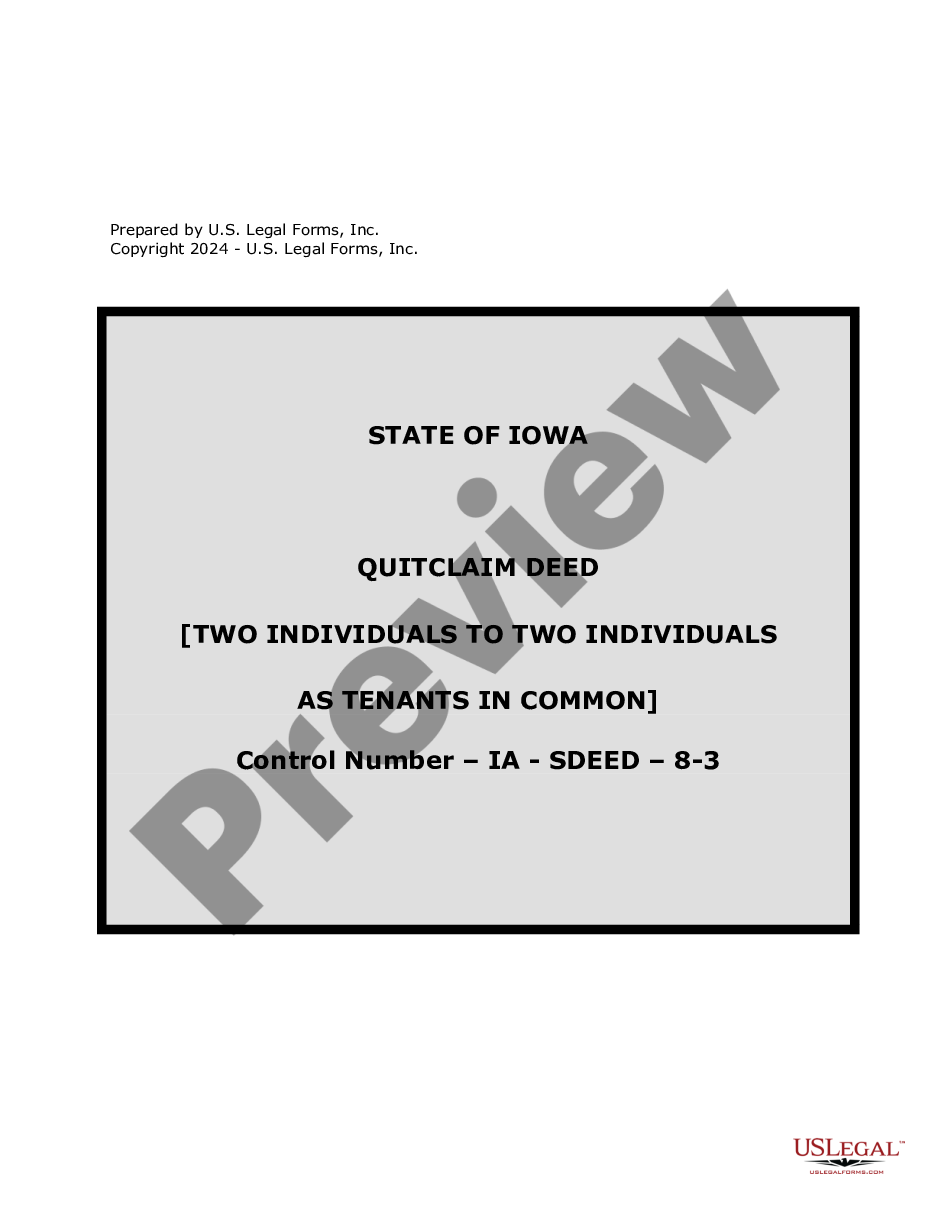
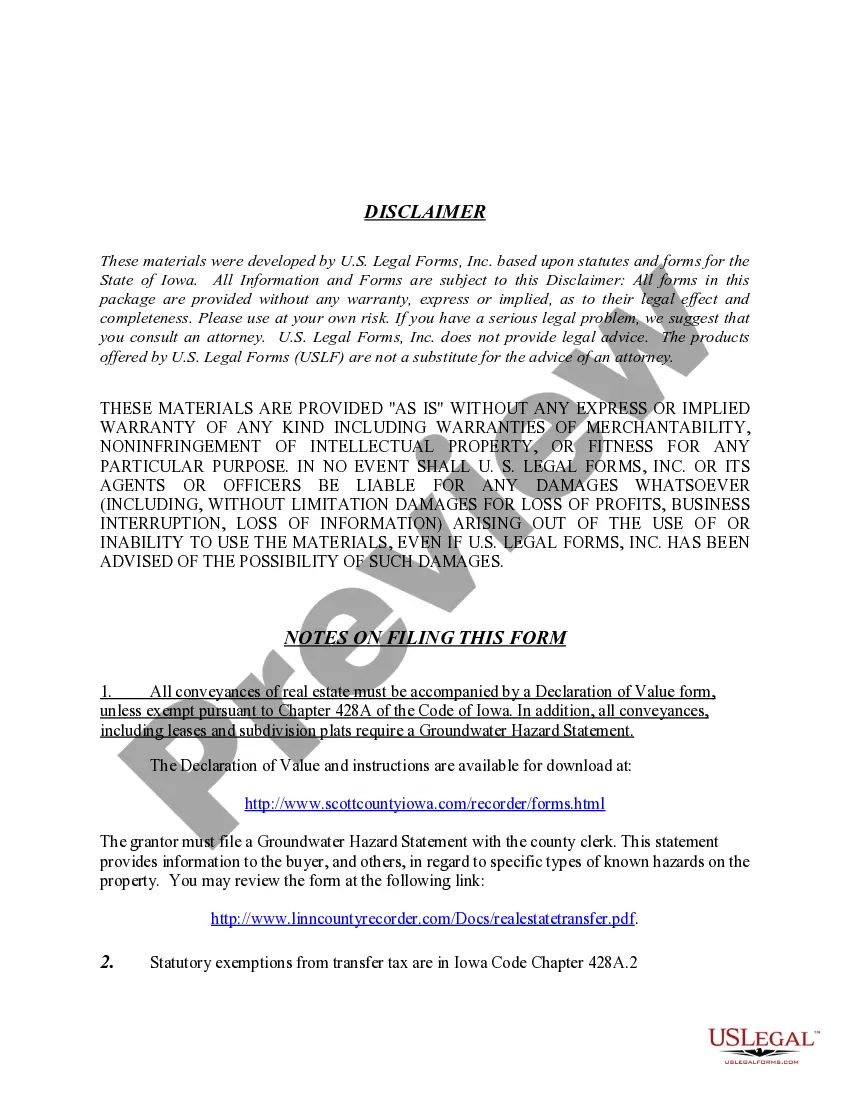
The Quitclaim Deed from two Individuals to Two Individuals as Tenants in Common is a legal document that facilitates the transfer of property ownership without any guarantees or warranties. This form is specifically designed for situations where ownership is being shared equally between two parties, and it enables them to hold the property as tenants in common. Unlike a warranty deed, a quitclaim deed does not assure the grantee of the grantor's clear title to the property, making it ideal for informal transfers or transfers among family members and friends.
Main sections of this form
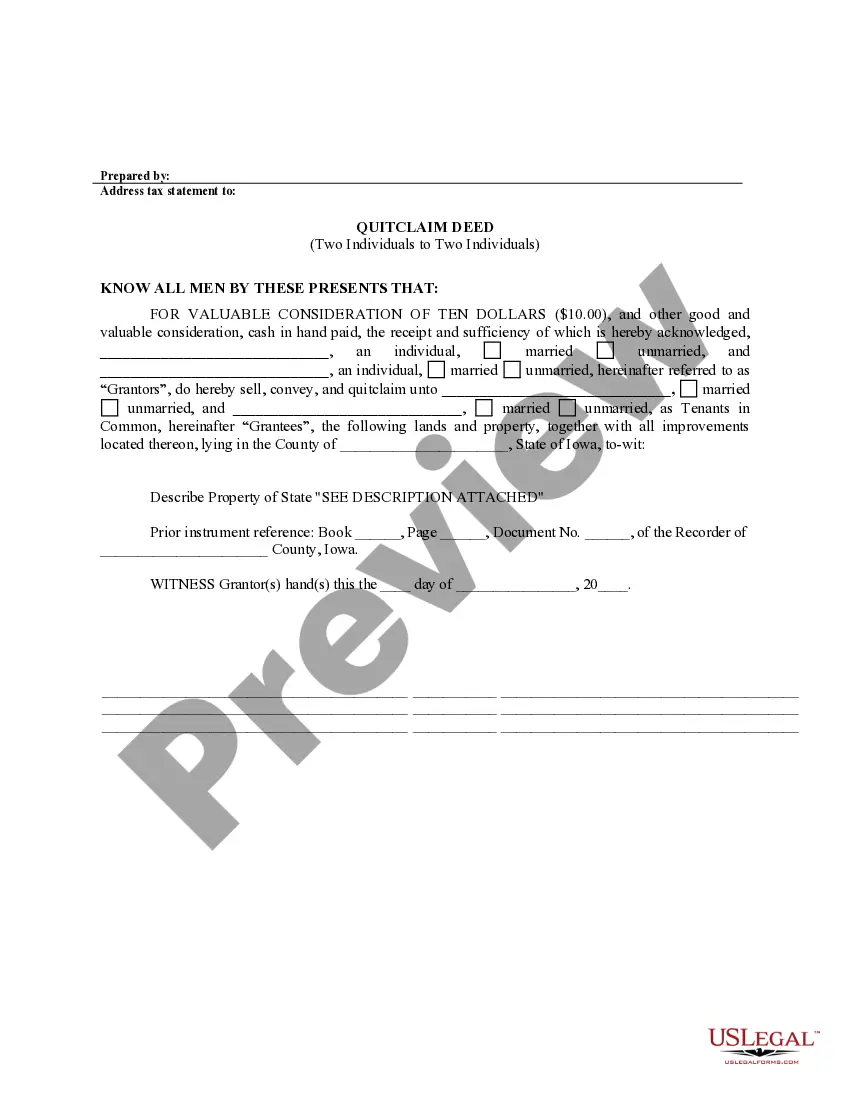
- Identifying information for both grantors and grantees.
- A description of the property being transferred.
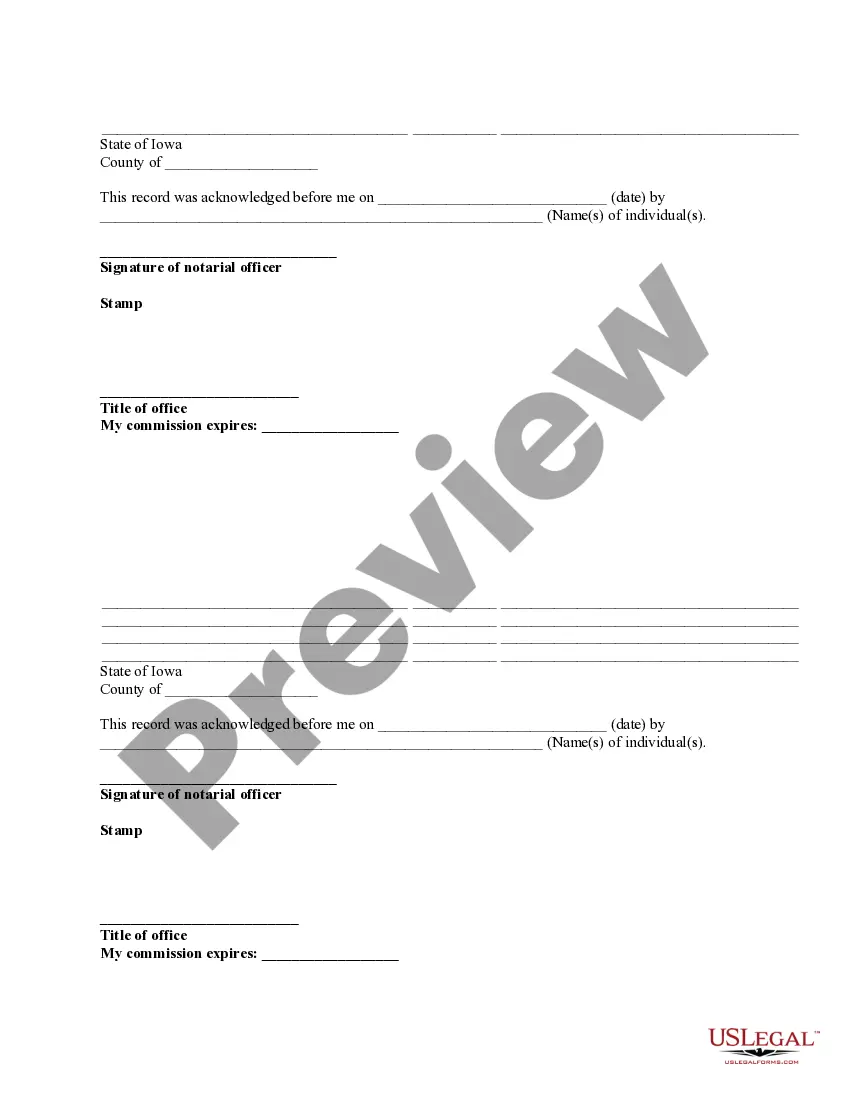
- Signatures of the grantors and a notary public, acknowledging the transfer.
- Declaration of value and any necessary statements, including a Groundwater Hazard Statement.




When to use this form
This form should be used when two individuals wish to transfer their interest in a property to another two individuals, while holding the property as tenants in common. This arrangement is common among family members, co-owners, or partners who want to ensure they can pass on their share of the property independently. Scenarios could include a property transfer between siblings, friends purchasing property together, or spouses separating and wanting to divide their ownership.
Intended users of this form
This form is intended for:
- Individuals transferring property ownership rights to others.
- Co-owners of a property who wish to reassign their ownership shares.
- Family members or friends engaged in informal property transfers.
- Individuals who are familiar with the implications of transferring property without warranties.
Instructions for completing this form
- Identify the parties involved as grantors and grantees in the deed.
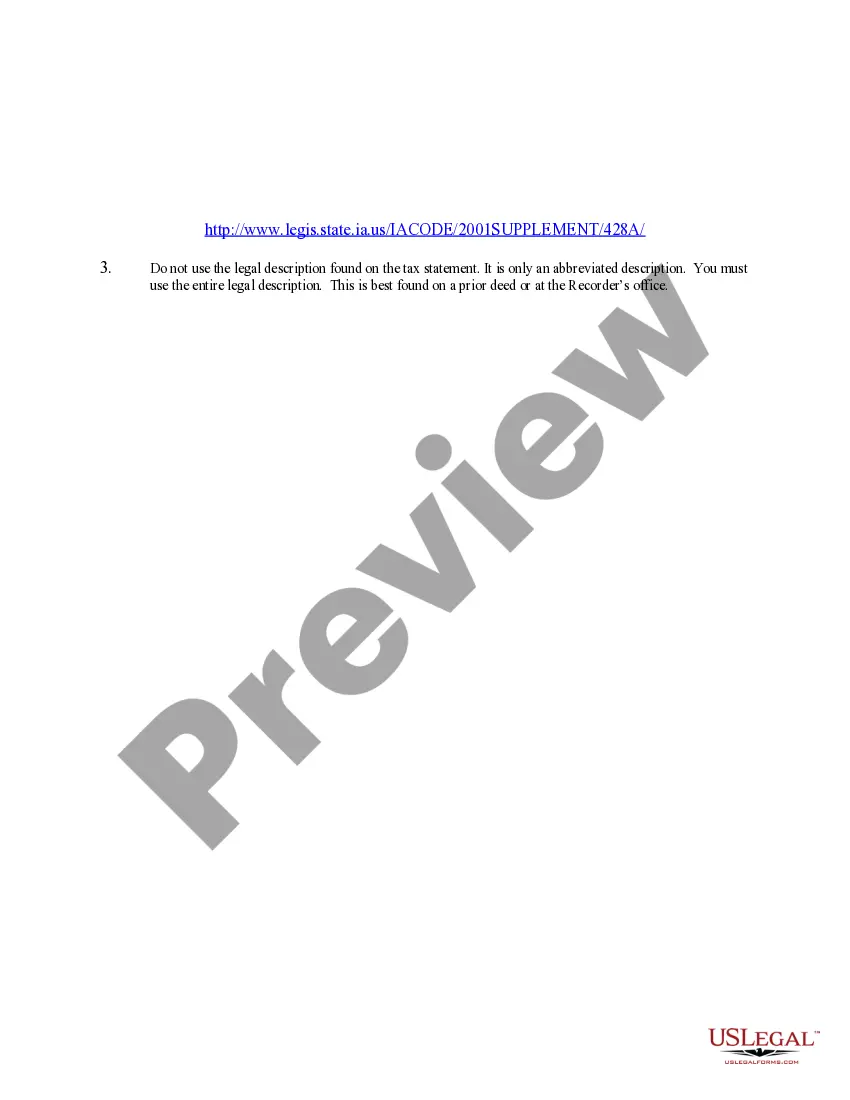
- Provide a detailed description of the property, including any relevant identifiers such as the parcel number.
- Enter the date of the transfer and ensure all parties sign the document.
- Obtain notarization for the deed to ensure its legal validity.
- Complete any additional required forms, including the Declaration of Value and Groundwater Hazard Statement, and file them with your county clerk.
Does this form need to be notarized?
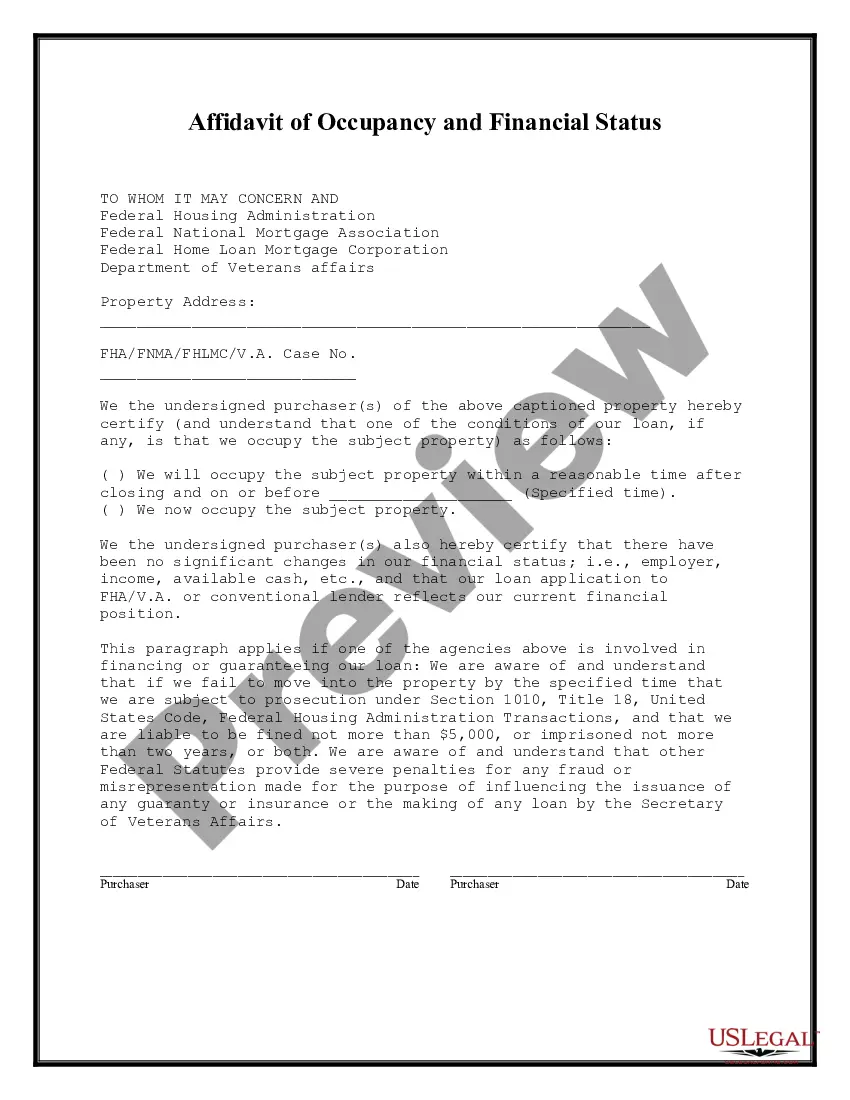
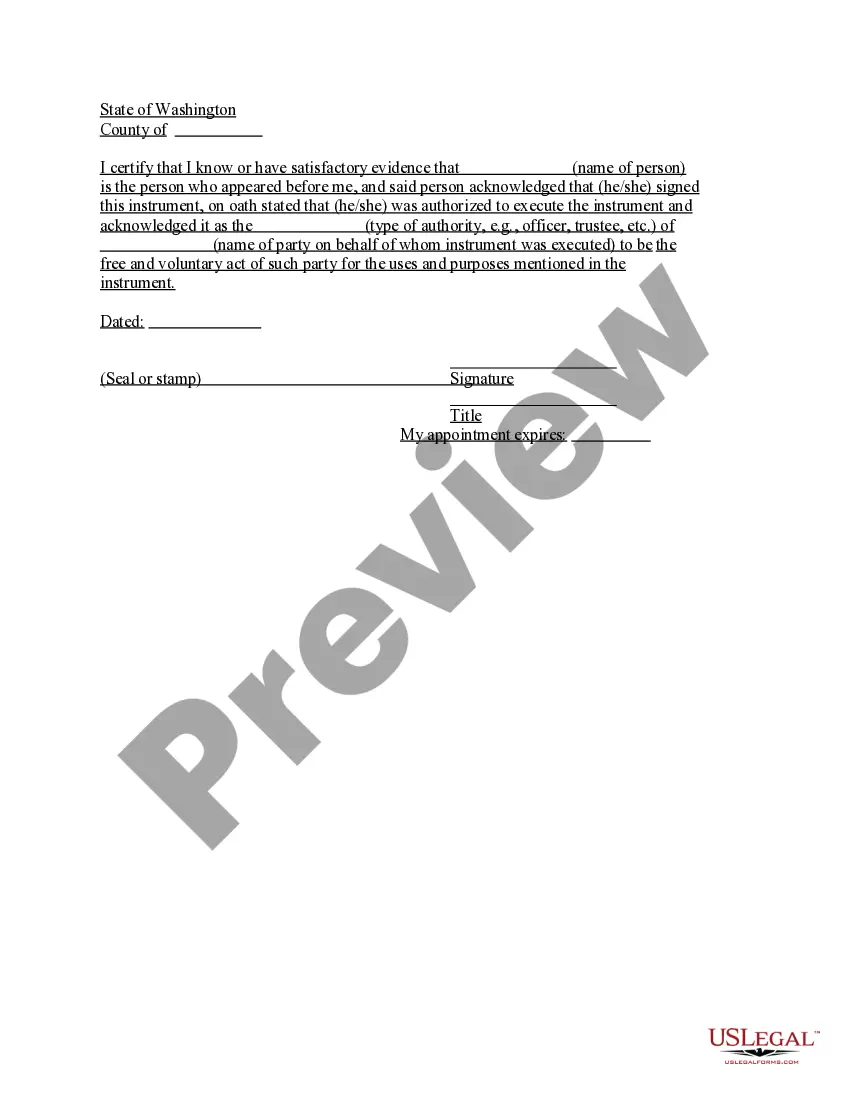
To make this form legally binding, it must be notarized. Our online notarization service, powered by Notarize, lets you verify and sign documents remotely through an encrypted video session.
Get your form ready online
Our built-in tools help you complete, sign, share, and store your documents in one place.
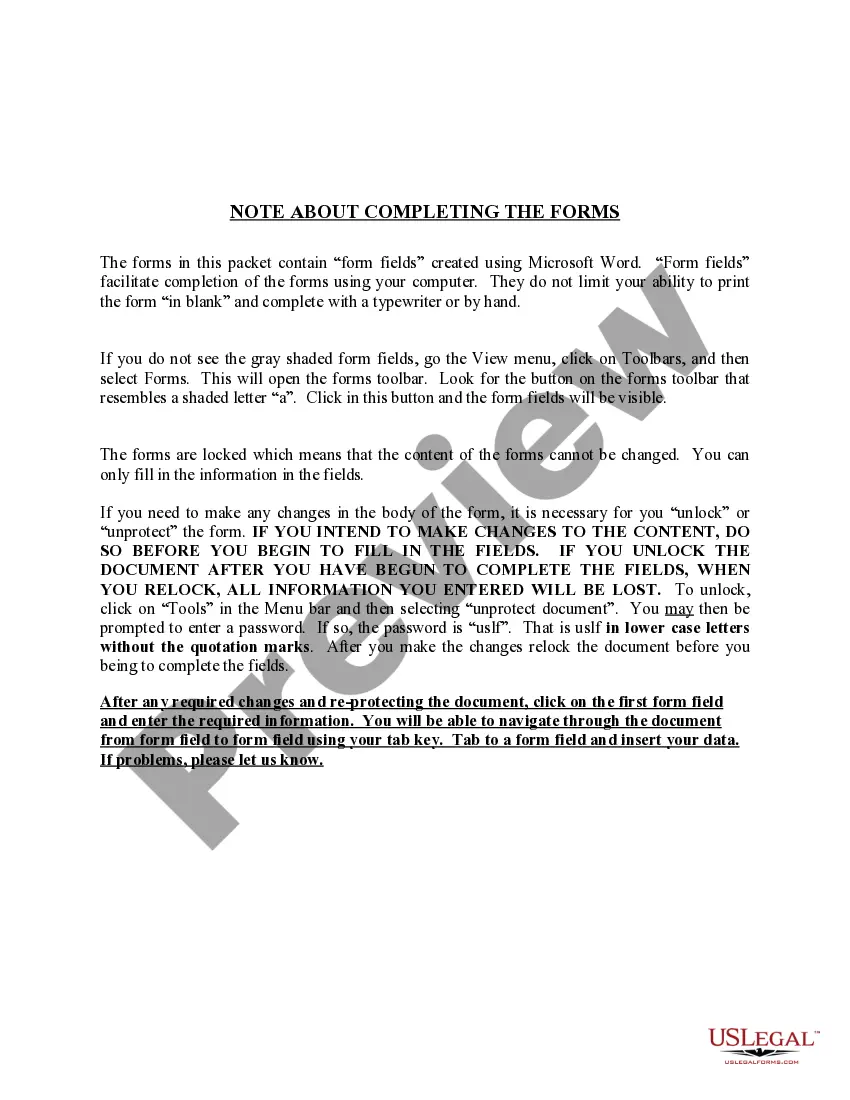
Make edits, fill in missing information, and update formatting in US Legal Forms—just like you would in MS Word.
Download a copy, print it, send it by email, or mail it via USPS—whatever works best for your next step.
Sign and collect signatures with our SignNow integration. Send to multiple recipients, set reminders, and more. Go Premium to unlock E-Sign.
If this form requires notarization, complete it online through a secure video call—no need to meet a notary in person or wait for an appointment.
We protect your documents and personal data by following strict security and privacy standards.

Make edits, fill in missing information, and update formatting in US Legal Forms—just like you would in MS Word.

Download a copy, print it, send it by email, or mail it via USPS—whatever works best for your next step.

Sign and collect signatures with our SignNow integration. Send to multiple recipients, set reminders, and more. Go Premium to unlock E-Sign.

If this form requires notarization, complete it online through a secure video call—no need to meet a notary in person or wait for an appointment.

We protect your documents and personal data by following strict security and privacy standards.
Mistakes to watch out for
- Failing to include all required signatures on the deed.
- Neglecting to notarize the document if required.
- Not providing a complete and accurate property description.
- Forgetting to file necessary accompanying documents, such as the Declaration of Value.
Why use this form online
- Convenience of completing the form at your own pace, from anywhere with internet access.
- Editability allows you to update information easily before printing.
- Reliability of using forms created by licensed attorneys, ensuring compliance with legal standards.
- Access to customer support to assist with any questions or issues during completion.
Looking for another form?

Form popularity
FAQ
In Iowa, both parties do not need to be present simultaneously to complete an Iowa Quitclaim Deed from Two Individuals to Two Individuals as Tenants in Common. However, it is essential for both parties to sign the document for it to be legally valid. It is advisable to have the signing done in front of a notary for added security. Using platforms like US Legal Forms can simplify this process and ensure that all legal requirements are met.
Look on the deed itself. If after the owner's names it reads as "Tenants in Common" then that's what it is; if there is no notation the law will presume that it is as tenants in common.
A third way to terminate your tenancy in common is through ouster. Ouster is the wrongful dispossession or exclusion of a person entitled to possession of property.Ousting a co-tenant will terminate the tenancy in common.
Tenancy in Common. A joint tenancy can be broken if one of the co-owners transfers or sells his or her interest to another person, thus changing the ownership arrangement to a tenancy in common for all parties.
The Title Register Document will show the names of the people that own the property and, if you are tenants in common will also have wording similar to: "No disposition by a sole proprietor of the registered estate (except a trust corporation) under which capital money arises is to be registered unless authorised by an
If a home is owned by only one person then it is not registered with the Land Registry as either Joint Tenants or Tenants in Common. It is registered as a Sole Owner, you can only be a joint tenant or tenant in common if there is more than one owner of the property.
If one person passes away, the home will automatically continue to be owned by the surviving partner, even if there is no will. This is known as the survivorship rule. However, many couples choose to hold their homes as tenants in common.
The Title Register Document will show the names of the people that own the property and, if you are tenants in common will also have wording similar to: "No disposition by a sole proprietor of the registered estate (except a trust corporation) under which capital money arises is to be registered unless authorised by an
You may agree with your other co-tenant(s) to sever it. If you cannot agree on how to divide the property, you may terminate your tenancy in common by seeking judicial partition of the property.
In order to terminate a joint tenancy, one of the four unities must be destroyed. You may do this by conveying your joint tenancy interest to any third person. This can be done through gift or sale. Upon termination, a tenancy in common is formed between the third person and the remaining co-tenant(s).