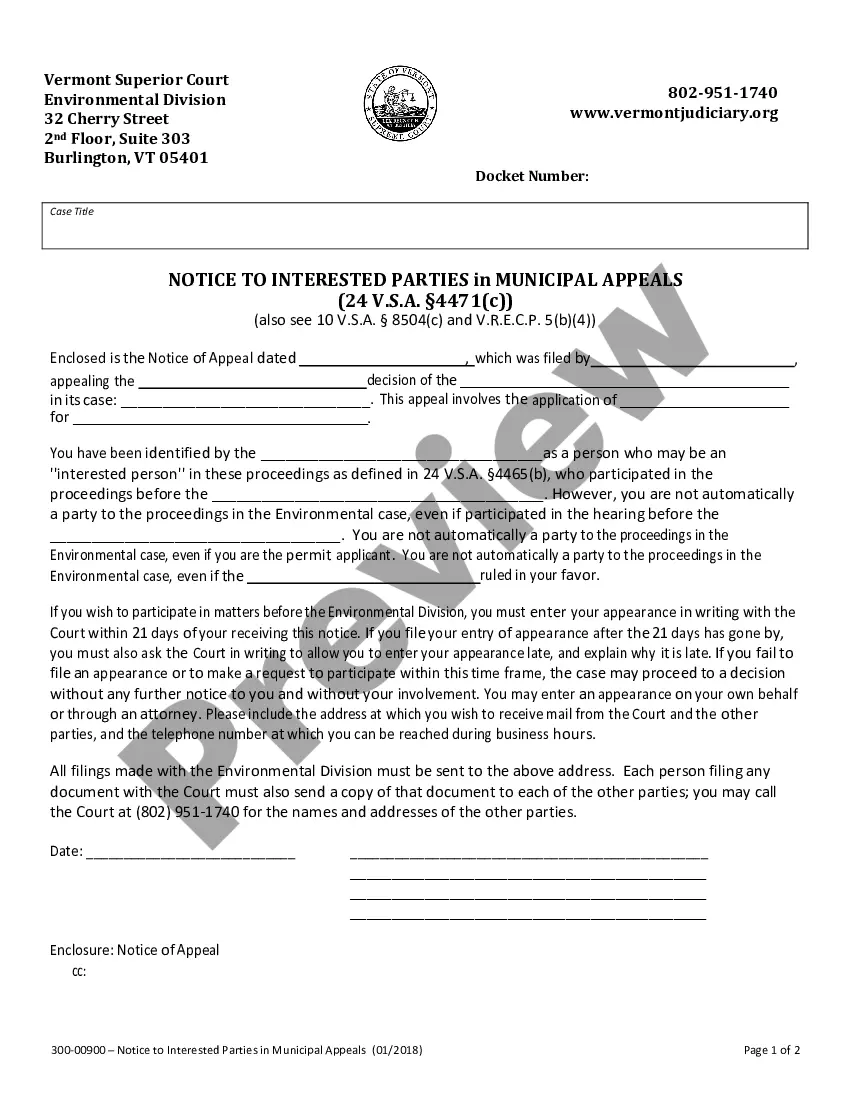
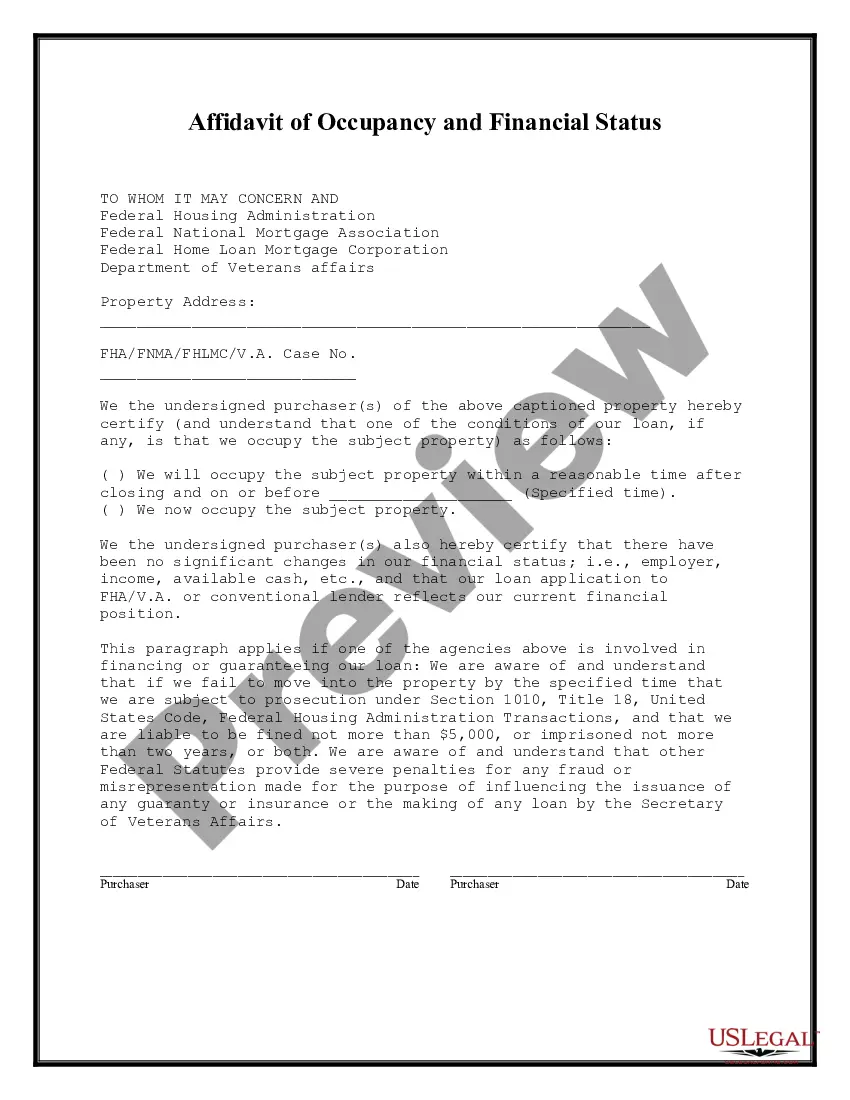
Washington Affidavit of Occupancy and Financial Status
Overview of this form
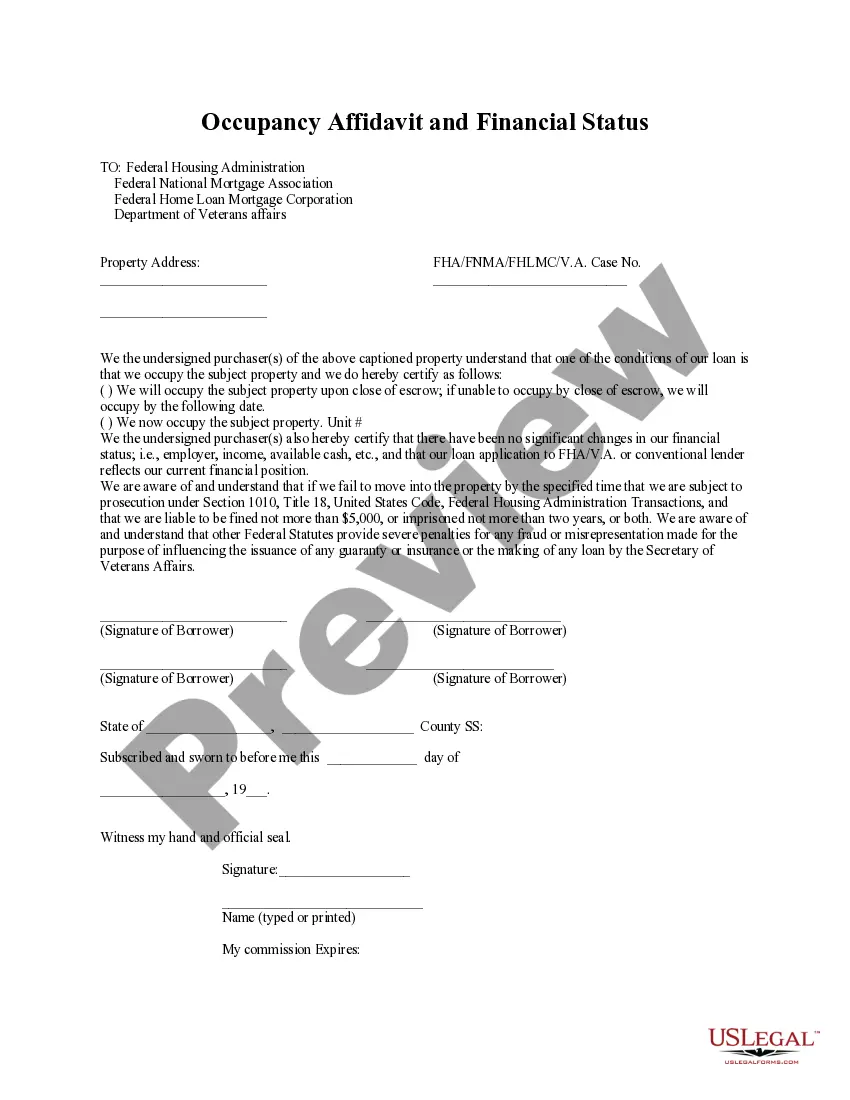
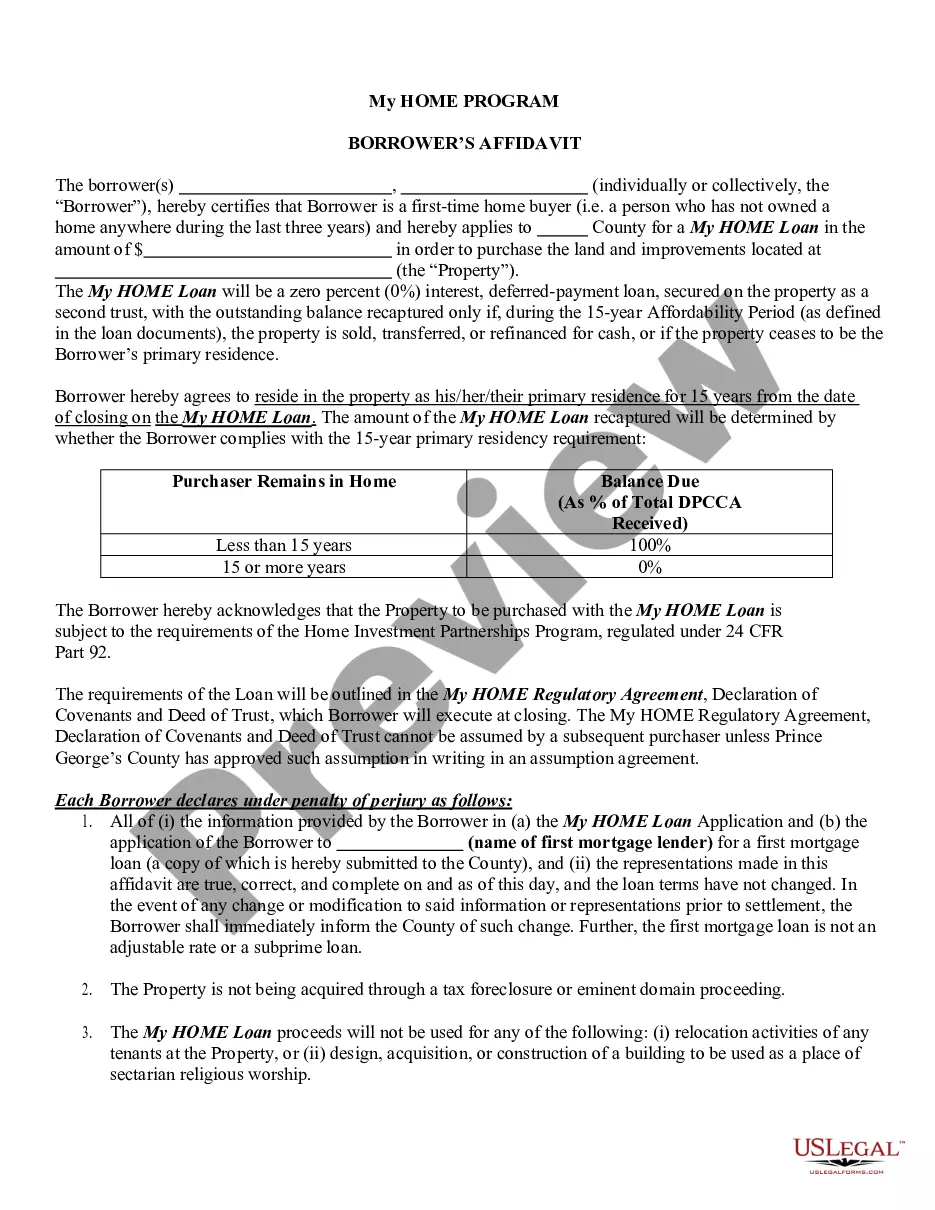
The Affidavit of Occupancy and Financial Status is a document that buyers use to confirm their intention to occupy a property as their primary residence after purchase. This form is essential during the loan closing process, ensuring that there have been no significant changes in the buyer's financial situation since their loan application. Unlike other affidavits, this specific form focuses on occupancy commitment and financial stability linked to mortgage applications.
What’s included in this form
- Property address section for identifying the specific property.
- Certification of occupancy and specified time for moving in.
- Certification of unchanged financial status since the loan application.
- Legal warning regarding penalties for falsifying information.
- Signature lines for purchasers and dates of signing.
Common use cases
This form is typically used during the closing process of a real estate transaction. It is essential when obtaining a mortgage, particularly with government-backed loans such as FHA or VA loans. Buyers should use this affidavit to confirm their future residence intentions and financial status at the time of property purchase.
Intended users of this form
- Homebuyers purchasing property with a mortgage.
- Individuals or couples seeking FHA or VA loans.
- Real estate agents assisting clients in the closing process.
- Any party required to confirm occupancy and financial status before loan approval.
Instructions for completing this form
- Begin by entering the property address in the designated field.
- Specify your intention to occupy the property by checking the appropriate box.
- Indicate the date by which you will move into the property.
- Confirm that your financial status has not changed since the loan application.
- Sign and date the form, ensuring all purchasers have completed their signatures.
Notarization guidance
This document requires notarization to meet legal standards. US Legal Forms provides secure online notarization powered by Notarize, allowing you to complete the process through a verified video call, available 24/7.
Get your form ready online
Our built-in tools help you complete, sign, share, and store your documents in one place.
Make edits, fill in missing information, and update formatting in US Legal Forms—just like you would in MS Word.
Download a copy, print it, send it by email, or mail it via USPS—whatever works best for your next step.
Sign and collect signatures with our SignNow integration. Send to multiple recipients, set reminders, and more. Go Premium to unlock E-Sign.
If this form requires notarization, complete it online through a secure video call—no need to meet a notary in person or wait for an appointment.
We protect your documents and personal data by following strict security and privacy standards.

Make edits, fill in missing information, and update formatting in US Legal Forms—just like you would in MS Word.

Download a copy, print it, send it by email, or mail it via USPS—whatever works best for your next step.

Sign and collect signatures with our SignNow integration. Send to multiple recipients, set reminders, and more. Go Premium to unlock E-Sign.

If this form requires notarization, complete it online through a secure video call—no need to meet a notary in person or wait for an appointment.

We protect your documents and personal data by following strict security and privacy standards.
Mistakes to watch out for
- Failing to accurately state the intended occupancy date.
- Not updating financial information that may have changed after the loan application.
- Leaving sections of the form incomplete, such as signatures or property details.
- Not understanding the legal consequences of misrepresenting occupancy status.
Benefits of completing this form online
- Convenient access to the form anytime, allowing for quick completion.
- Editable templates that can be tailored to specific situations.
- Reliable guidance on legal requirements and definitions.
- Easy download and storage options for your records.
Looking for another form?
Form popularity
FAQ
Lenders will take a variety of things into account when determining whether you intend to live in a house and take occupancy type into consideration because people are much less likely to default on the mortgage of a house they are living in.
Lenders and loan officers confirm that they regularly encounter falsehoods about occupancy.Depending on the lender, buyers might be able to save a half to a full percentage point off the interest rate on the loan by calling their purchase a principal residence.
Owner-occupants are residents that own the property that they live at. Some loans are only available to owner-occupants and not absentee owners or investors. To be considered owner-occupied, residents usually must move into the home within 60 days of closing and live there for at least a year.
If you're struggling financially and having trouble paying your mortgage, you may find a field inspector knocking on your door. These inspectors verify that a home remains occupied after its owners miss a mortgage payment. If you're still living in your home, the inspector won't perform an interior search.
Lenders will take a variety of things into account when determining whether you intend to live in a house and take occupancy type into consideration because people are much less likely to default on the mortgage of a house they are living in.
Lenders usually stipulate that homeowners have 30 days after closing to occupy a primary residence. To verify the person moving in is actually the owner, the lender may call the house and ask to speak to the homeowner.The lender may also drive past the house looking for a rental sign in the yard.
Basically, the FHA does require your home to be owner-occupied if you use FHA financing. But, as you can see, there are several exceptions to the rule. Before you decide to do anything, always check with your lender.