Resident Information Sheet
What this document covers
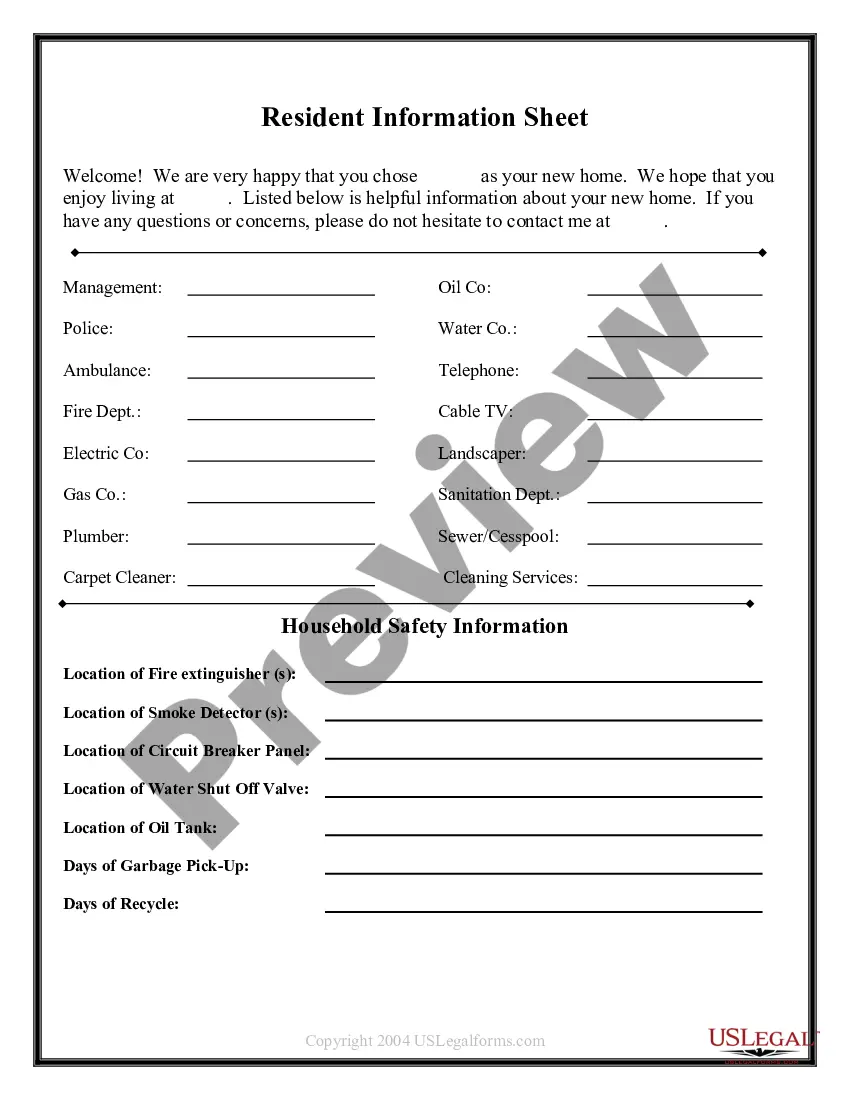
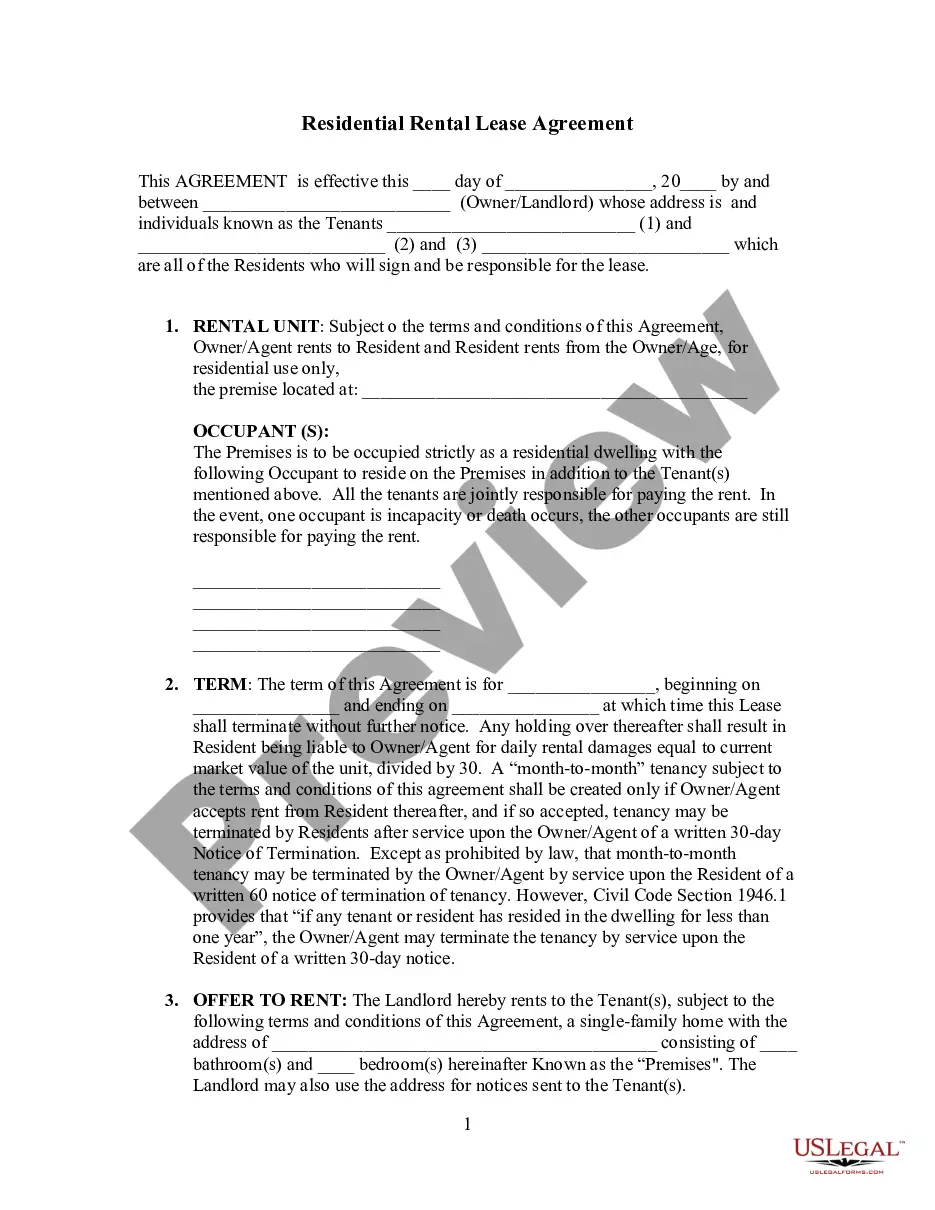
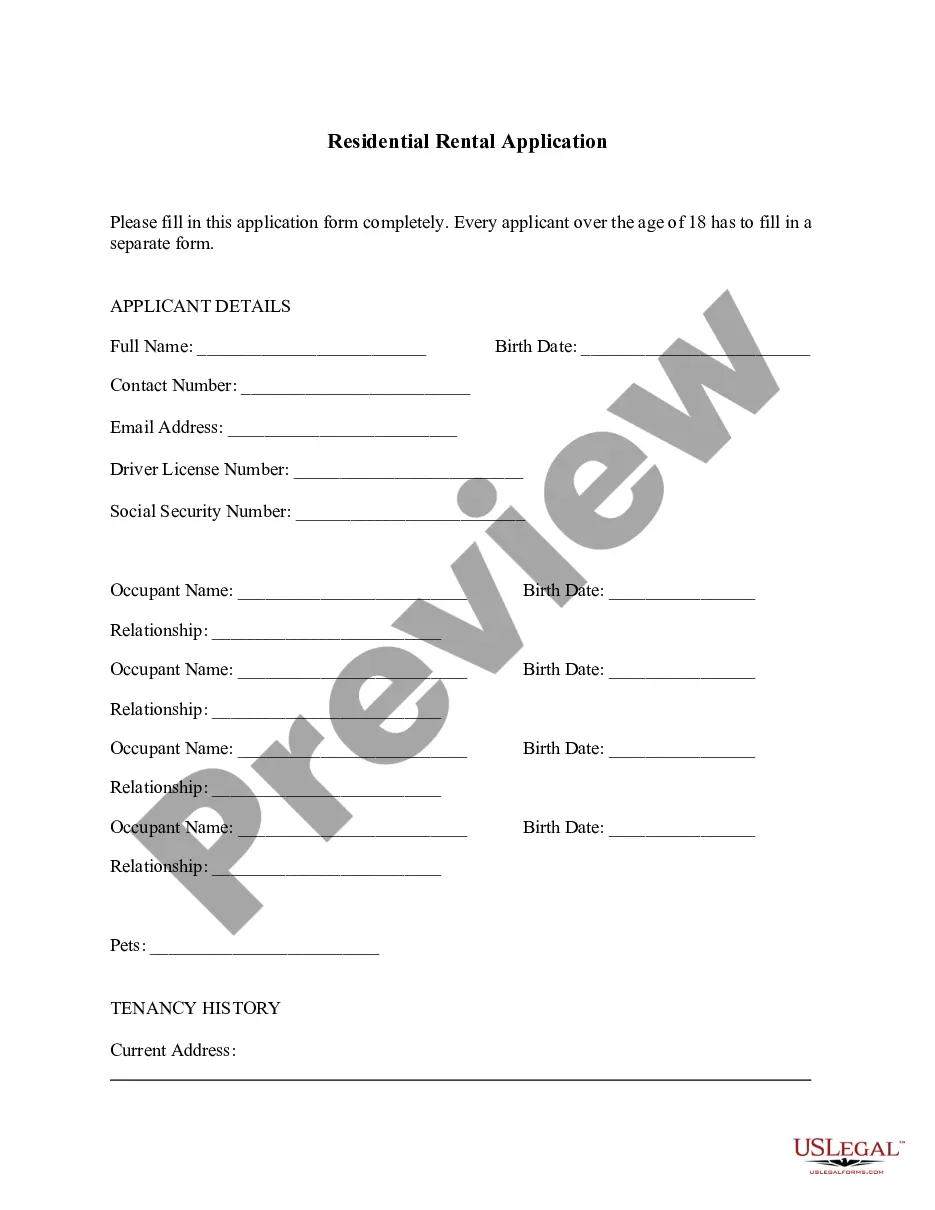
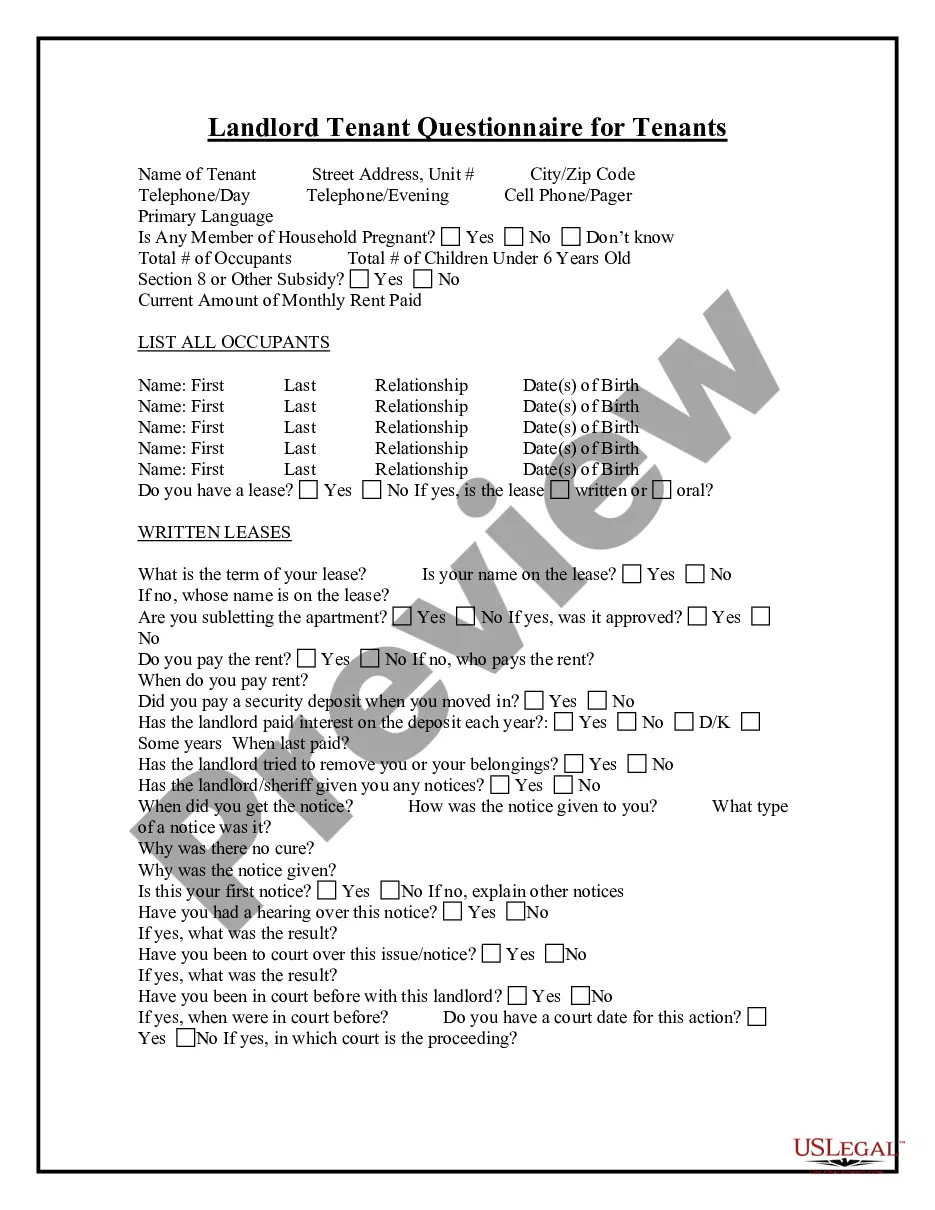
The Resident Information Sheet is a document designed to collect essential data about individuals residing in a specific property. This form helps property owners and managers maintain accurate records of their residents, which is crucial for effective property management. It differs from other forms in that it focuses primarily on gathering detailed information related to residency, rather than tenancy agreements or leases.
What’s included in this form
- Resident's full name and contact information
- Emergency contact details
- Lease start and end dates
- Vehicle information, if applicable
- Signature and date of completion
When to use this form
This form should be used by property owners or managers to gather information about new residents prior to or upon move-in. It is especially helpful when onboarding multiple residents or ensuring that all necessary data is collected for legal and management purposes.
Who this form is for
- Property owners renting out their properties
- Property management companies
- Real estate agents handling residential leases
- Individuals responsible for maintaining tenant records
How to prepare this document
- Gather resident's personal information including name and contact details.
- Fill in emergency contact information to provide guidance in case of an emergency.
- Enter the lease start and end dates to establish residency timelines.
- Collect vehicle information if applicable to keep track of vehicles associated with the residence.
- Ensure the resident signs and dates the form to confirm the information is accurate.
Does this document require notarization?
This form does not typically require notarization unless specified by local law.
Get your form ready online
Our built-in tools help you complete, sign, share, and store your documents in one place.
Make edits, fill in missing information, and update formatting in US Legal Forms—just like you would in MS Word.
Download a copy, print it, send it by email, or mail it via USPS—whatever works best for your next step.
Sign and collect signatures with our SignNow integration. Send to multiple recipients, set reminders, and more. Go Premium to unlock E-Sign.
If this form requires notarization, complete it online through a secure video call—no need to meet a notary in person or wait for an appointment.
We protect your documents and personal data by following strict security and privacy standards.

Make edits, fill in missing information, and update formatting in US Legal Forms—just like you would in MS Word.

Download a copy, print it, send it by email, or mail it via USPS—whatever works best for your next step.

Sign and collect signatures with our SignNow integration. Send to multiple recipients, set reminders, and more. Go Premium to unlock E-Sign.

If this form requires notarization, complete it online through a secure video call—no need to meet a notary in person or wait for an appointment.

We protect your documents and personal data by following strict security and privacy standards.
Mistakes to watch out for
- Leaving out important contact information for the resident or emergency contact.
- Not ensuring the form is signed and dated by the resident.
- Failing to update the information if the resident's details change.
Benefits of using this form online
- Convenient access from any device, allowing for easy data entry and storage.
- Editability ensures that any changes can be made quickly.
- Reliable templates reduce the chances of errors compared to handwritten forms.
What to keep in mind
- The Resident Information Sheet is essential for gathering resident details.
- It should be completed prior to or upon move-in to maintain accurate records.
- Ensure all necessary fields are filled out and the form is signed.
Looking for another form?
Form popularity
FAQ
Answer. The opposite gender of the landlord is the lady landlord. The landlord is known as the owner of your house and you are giving rent to that person.
What are the antonyms for LANDLORD? renter, roomer, lessee, Leaser, boarder.
In English, there are no masculine or feminine forms. English uses gender-specific nouns for a male or a female. The noun for a male who rents or leases property is the landlord. The noun for a female who rents or leases property is the landlady.
Definition. A landlord is a person who owns property, be it apartments, houses, land or real estate that is leased or rented to other parties, commonly referred to as tenants. On the other hand, an owner is a person who has full control and rights over an object, property, land or intellectual property.
A landlord is the owner of a house, apartment, condominium, land, or real estate which is rented or leased to an individual or business, who is called a tenant (also a lessee or renter). When a juristic person is in this position, the term landlord is used. Other terms include lessor and owner.
English uses gender-specific nouns for a male or a female. The noun for a male who rents or leases property is the landlord. The noun for a female who rents or leases property is the landlady.
A landlord is someone who owns property and rents it out to other people for a profit. That, in and of itself, is not a job. It makes you money, sure, but it's not a "job", any more than owning a stock is a job.
A landlord is the owner of a house, apartment, condominium, land, or real estate which is rented or leased to an individual or business, who is called a tenant (also a lessee or renter).The term landlady may be used for the female owners, and lessor may be used regardless of gender.
Landlord usually refers the owner of real property, such as a house, building, or land, that is leased or rented to another person or entity, called the tenant. In a lease contract, the landlord or landlady transfers part of his or her interest to the tenant.