Alabama Corporate Records Maintenance Package for Existing Corporations
What is this form?
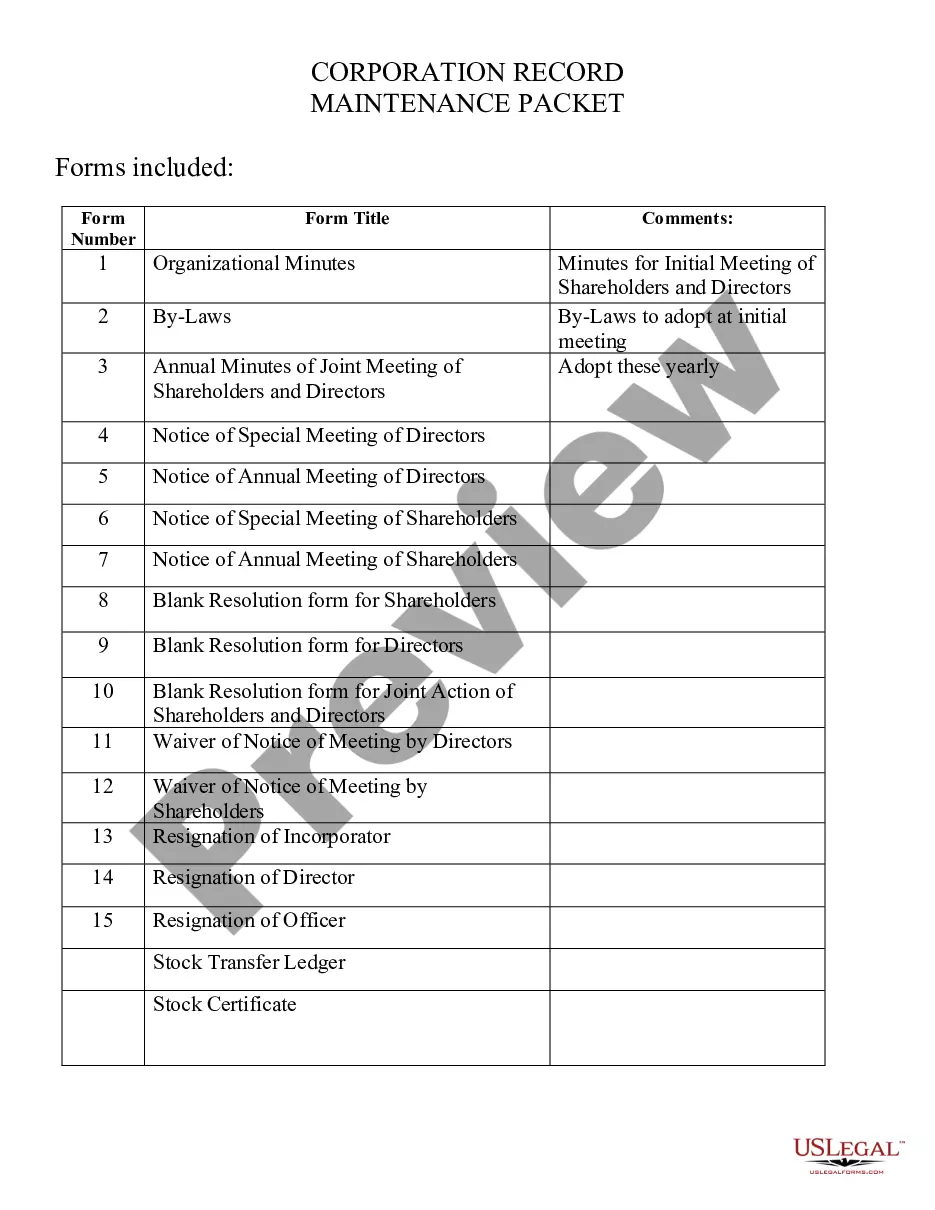
The Corporate Records Maintenance Package for Existing Corporations is designed to help established corporations keep their corporate records in order. This package includes essential documents necessary for maintaining compliance with corporate formalities. Keeping accurate corporate records is crucial, as failure to do so may lead to the loss of personal liability protection for the company's shareholders and directors.
Key components of this form
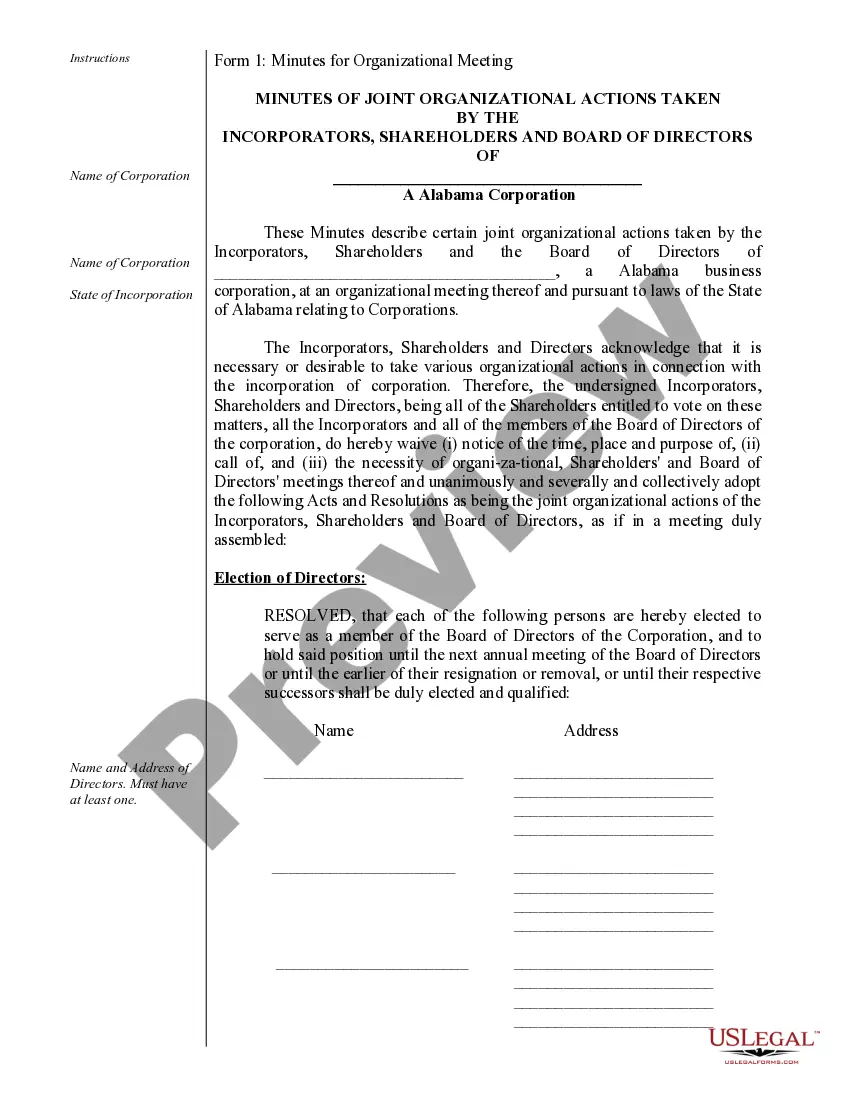
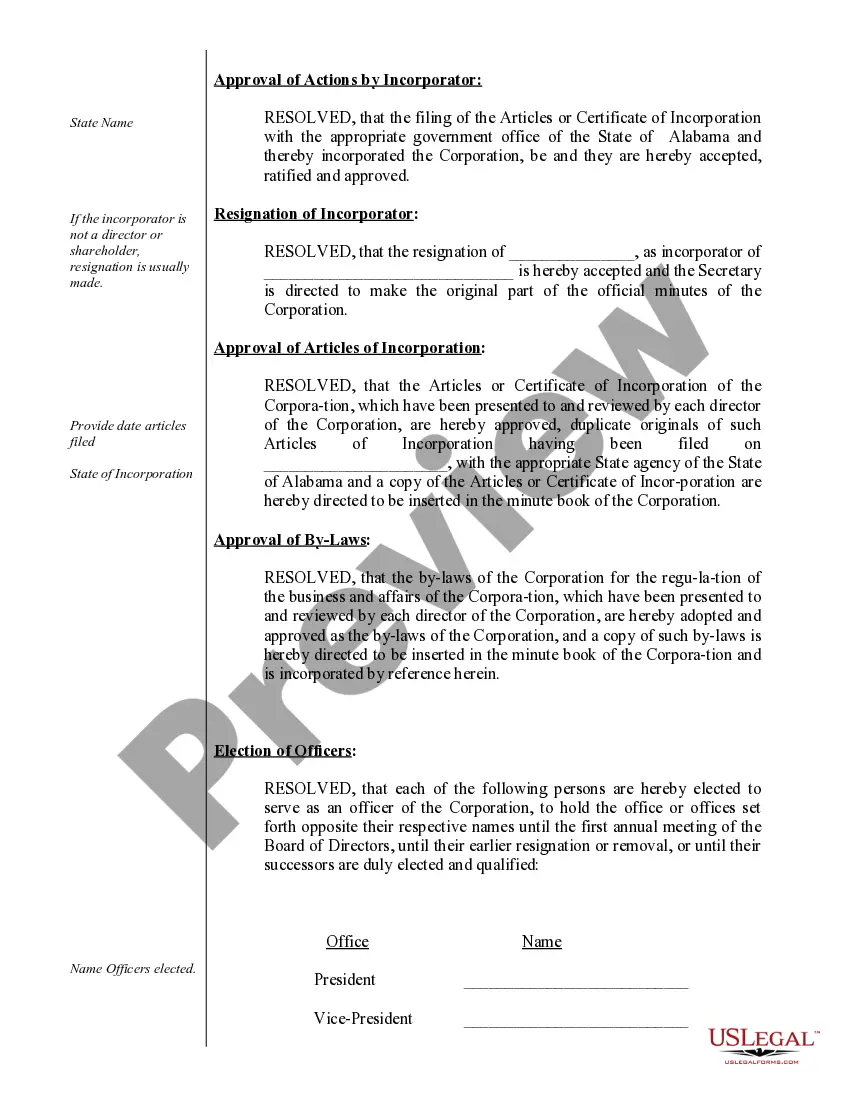
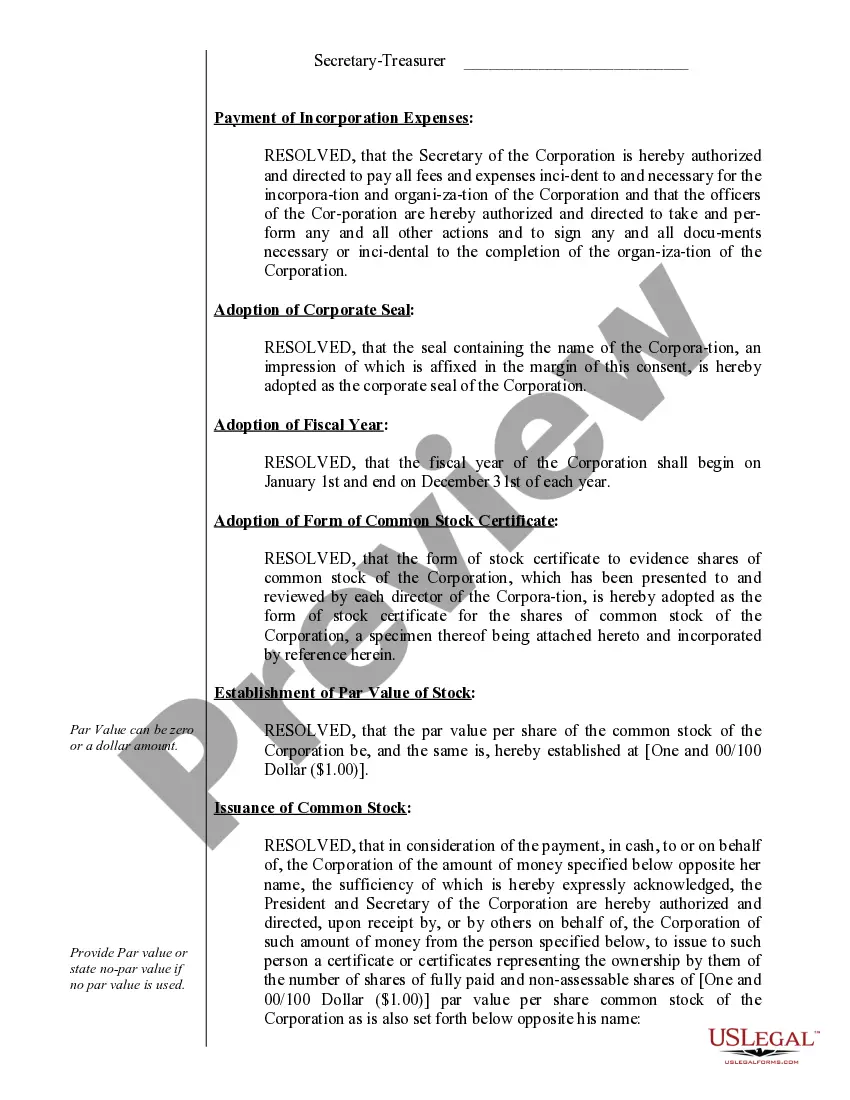
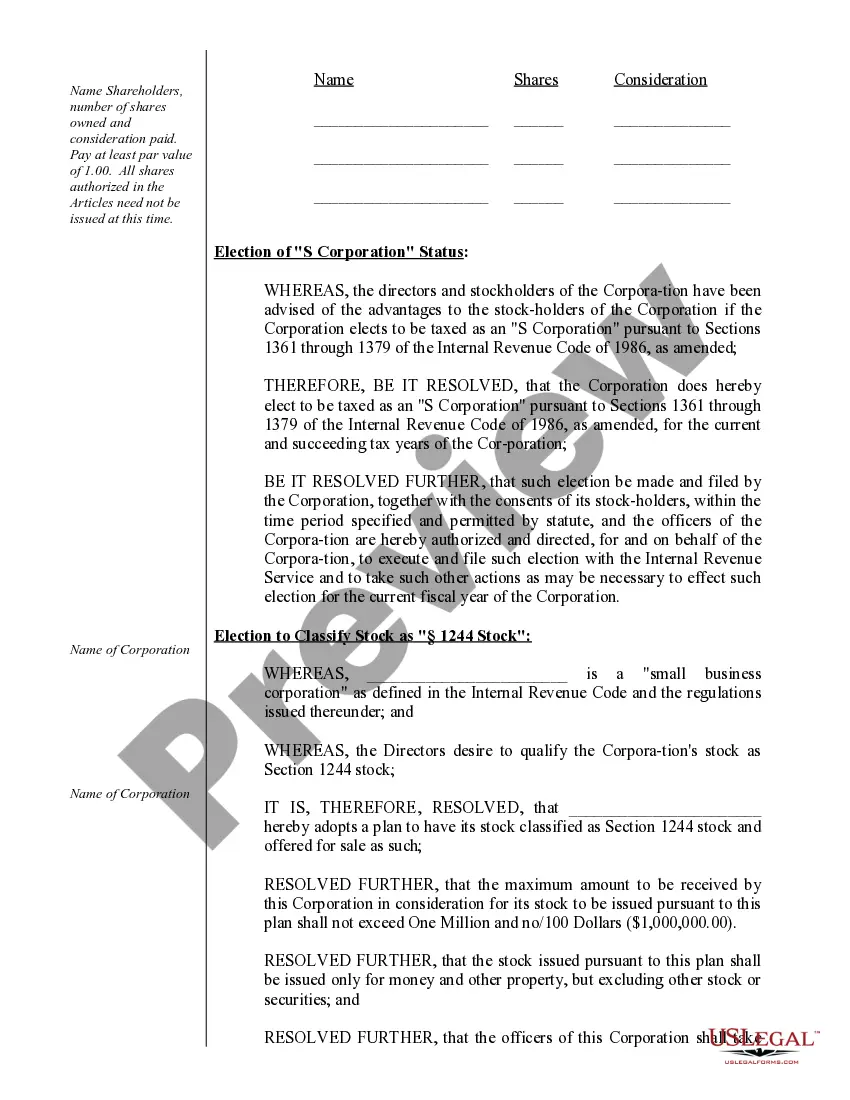
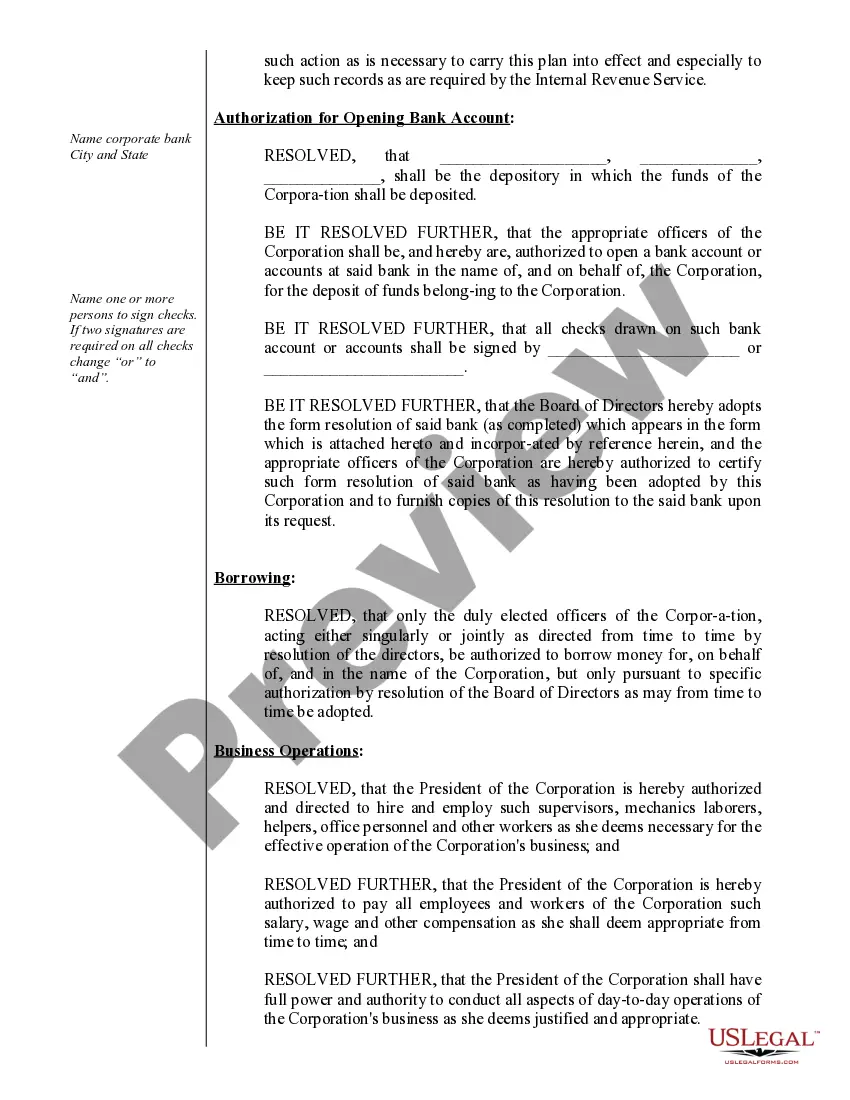
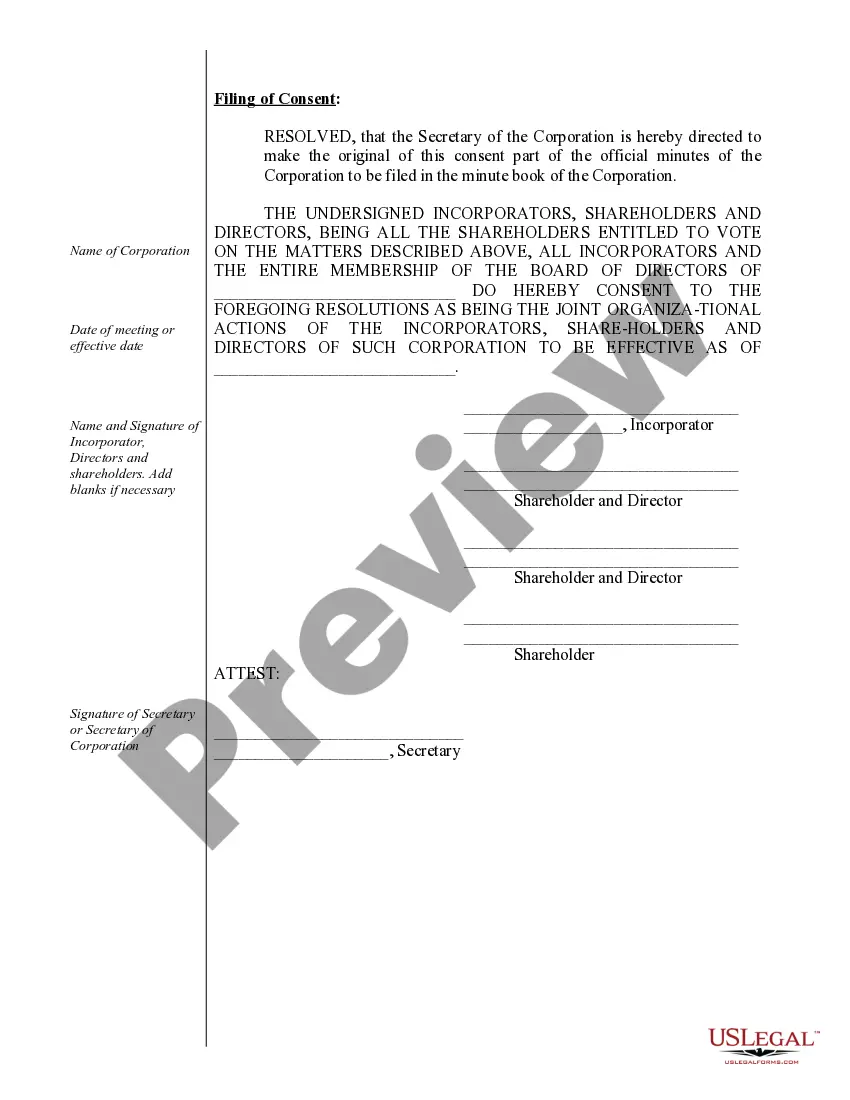
- Organizational Minutes for initial meeting of shareholders and directors
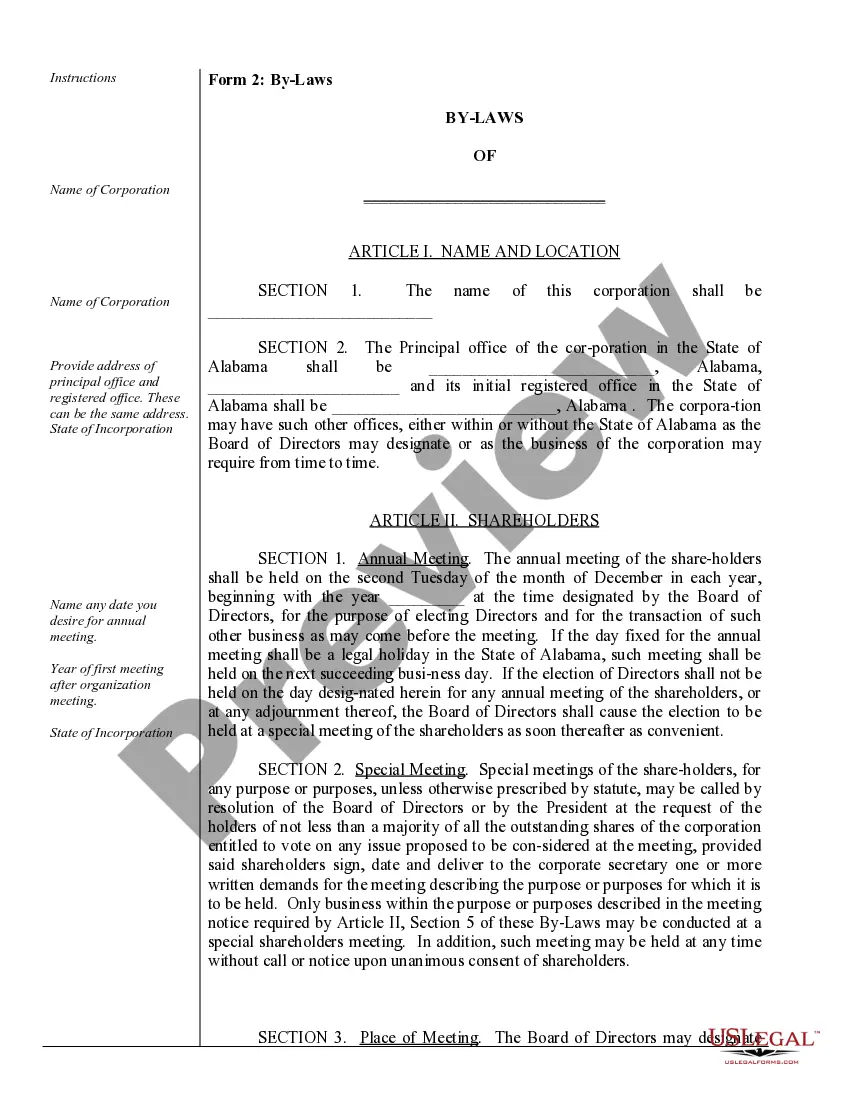
- By-Laws to govern corporate structure and operations
- Annual Minutes for joint meetings of shareholders and directors
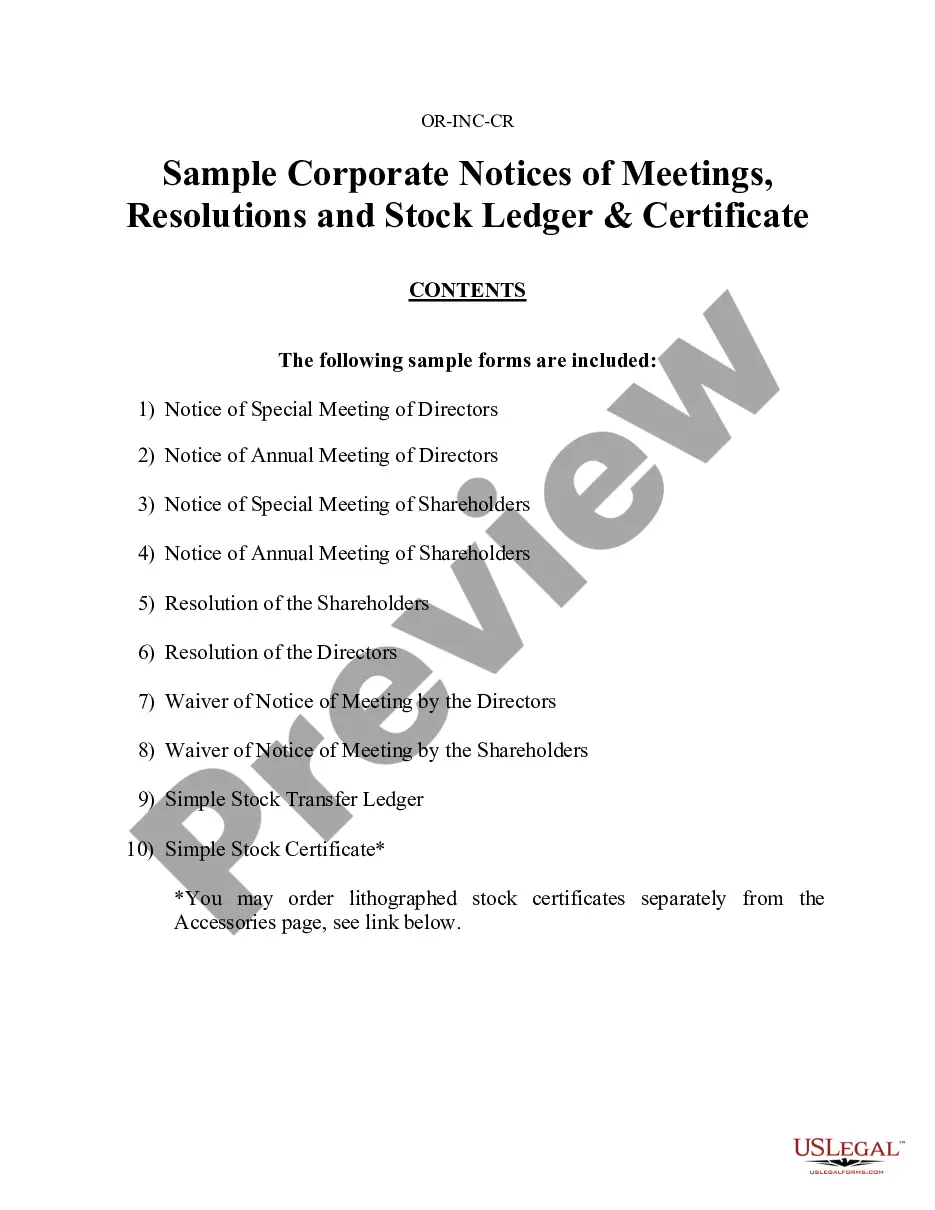
- Notices for special and annual meetings of directors and shareholders
- Blank resolution forms for shareholders and directors
- Resignation forms for incorporators, directors, and officers
- Stock Transfer Ledger and Simple Stock Certificate templates






When this form is needed
This maintenance package should be used whenever an existing corporation needs to update or organize its corporate records. Examples include when new directors are elected, by-laws are amended, or annual meetings are held. Companies seeking to ensure compliance with state law regarding corporate governance will benefit significantly from this package.
Who should use this form
- Business owners of existing corporations
- Corporate officers and directors responsible for maintaining records
- Shareholders interested in ensuring compliance with corporate formalities
- Legal representatives managing corporate governance issues
How to complete this form
- Identify the corporation's name and state of incorporation.
- Gather names and addresses of current directors and officers.
- Complete meeting minutes and notices, entering relevant dates and signatures.
- Fill in the by-laws with any amendments or governance updates.
- Ensure that all documents are accurately filled and signed as required.
Notarization requirements for this form
This form does not typically require notarization unless specified by local law. However, ensuring proper completion and signature collection is crucial to maintaining the form's legal effectiveness.
Get your form ready online
Our built-in tools help you complete, sign, share, and store your documents in one place.
Make edits, fill in missing information, and update formatting in US Legal Forms—just like you would in MS Word.
Download a copy, print it, send it by email, or mail it via USPS—whatever works best for your next step.
Sign and collect signatures with our SignNow integration. Send to multiple recipients, set reminders, and more. Go Premium to unlock E-Sign.
If this form requires notarization, complete it online through a secure video call—no need to meet a notary in person or wait for an appointment.
We protect your documents and personal data by following strict security and privacy standards.

Make edits, fill in missing information, and update formatting in US Legal Forms—just like you would in MS Word.

Download a copy, print it, send it by email, or mail it via USPS—whatever works best for your next step.

Sign and collect signatures with our SignNow integration. Send to multiple recipients, set reminders, and more. Go Premium to unlock E-Sign.

If this form requires notarization, complete it online through a secure video call—no need to meet a notary in person or wait for an appointment.

We protect your documents and personal data by following strict security and privacy standards.
Common mistakes
- Failing to keep records updated after a corporate event.
- Not having proper signatures on documents.
- Overlooking state-specific legal requirements for recording meetings.
Why complete this form online
- Easy access to legal documents tailored for corporate needs.
- Convenient editing options for customization.
- Reliable templates drafted by licensed attorneys.
Legal use & context
- This package helps ensure that corporate formalities are observed to maintain limited liability protections for stakeholders.
- The forms included provide a strong framework for documenting corporate decisions and maintaining compliance with state requirements.
- Failure to maintain proper records can jeopardize the corporationâs legal protections and lead to potential liability issues.
Looking for another form?
Form popularity
FAQ
The Alabama Secretary of State charges a $100 fee to file the Certificate of Formation. You must also pay a separate Probate Court filing fee, which is at least $50. You must reserve your business name by filing an LLC name reservation. It costs $28 to file online and $10 if filed by mail.
Choose a Corporate Name. Prepare a Certificate of Formation. Appoint a Registered Agent. Set Up a Corporate Records Book. Prepare Corporate Bylaws. Initial Corporate Directors. Hold Your First Board of Directors Meeting. Issue Stock.
What Is the Cheapest State to Incorporate? Delaware remains one of the more affordable states in which to form an LLC (14th lowest filing fee of 50 states). Delaware also ranks well for incorporation fees (17th lowest filing fee of 50 states).
Where do I register business name for use? You can register your business name via the Alabama Secretary of State Website at Secretary of State Online Services. Through the site, you have the option of completing the forms online, or printing PDF versions to mail.
You can find information on any corporation or business entity in Alabama or another state by performing a search on the Secretary of State website of the state or territory where that corporation is registered.
The Alabama Secretary of State charges a $100 fee to file the Certificate of Formation. You must also pay a separate Probate Court filing fee, which is at least $50. You must reserve your business name by filing an LLC name reservation. It costs $28 to file online and $10 if filed by mail.
An Alabama Entity Search looks up registered business names through the Alabama Secretary of State's website. The Secretary of State has information about For-Profit Corporations (Domestic & Foreign), Non-Profit Corporations, Limited Liability Companies (LLC), Limited Partnerships, and Limited Liability Partnerships.
Both types of entities have the significant legal advantage of helping to protect assets from creditors and providing an extra layer of protection against legal liability. In general, the creation and management of an LLC are much easier and more flexible than that of a corporation.