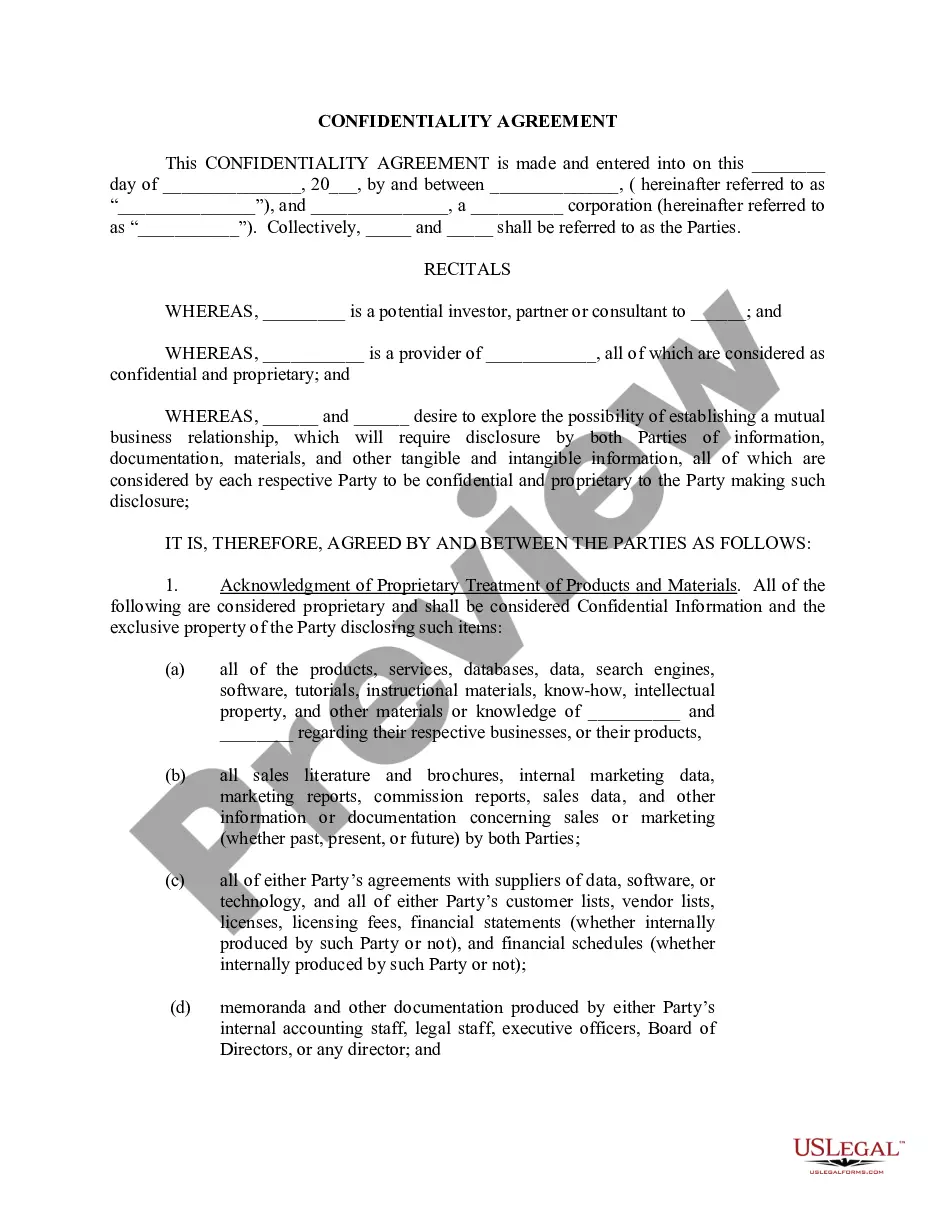
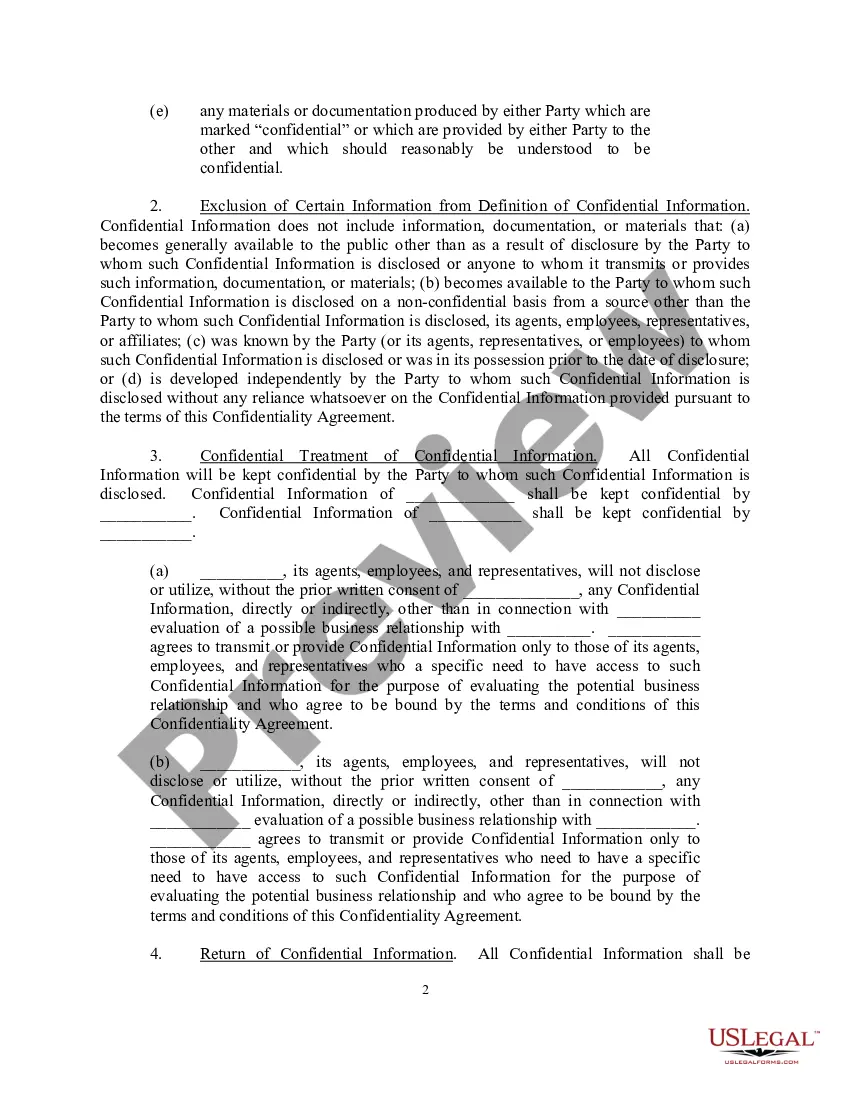
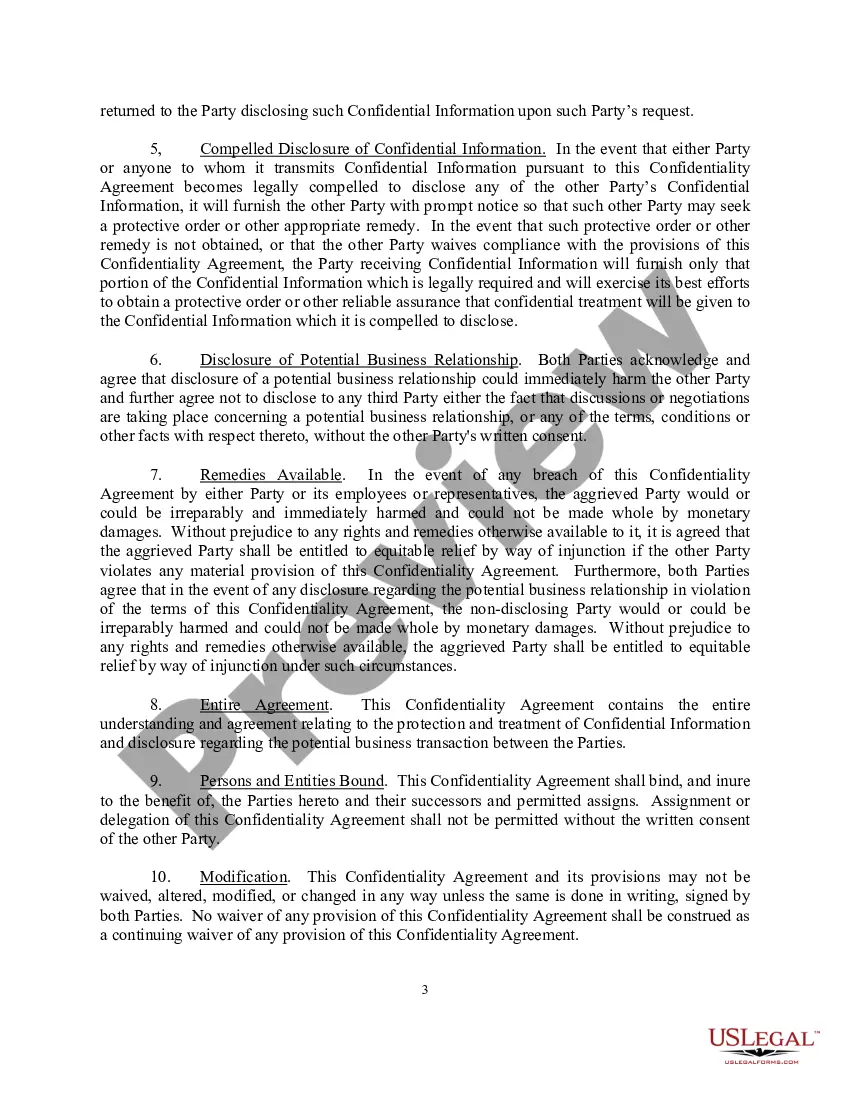
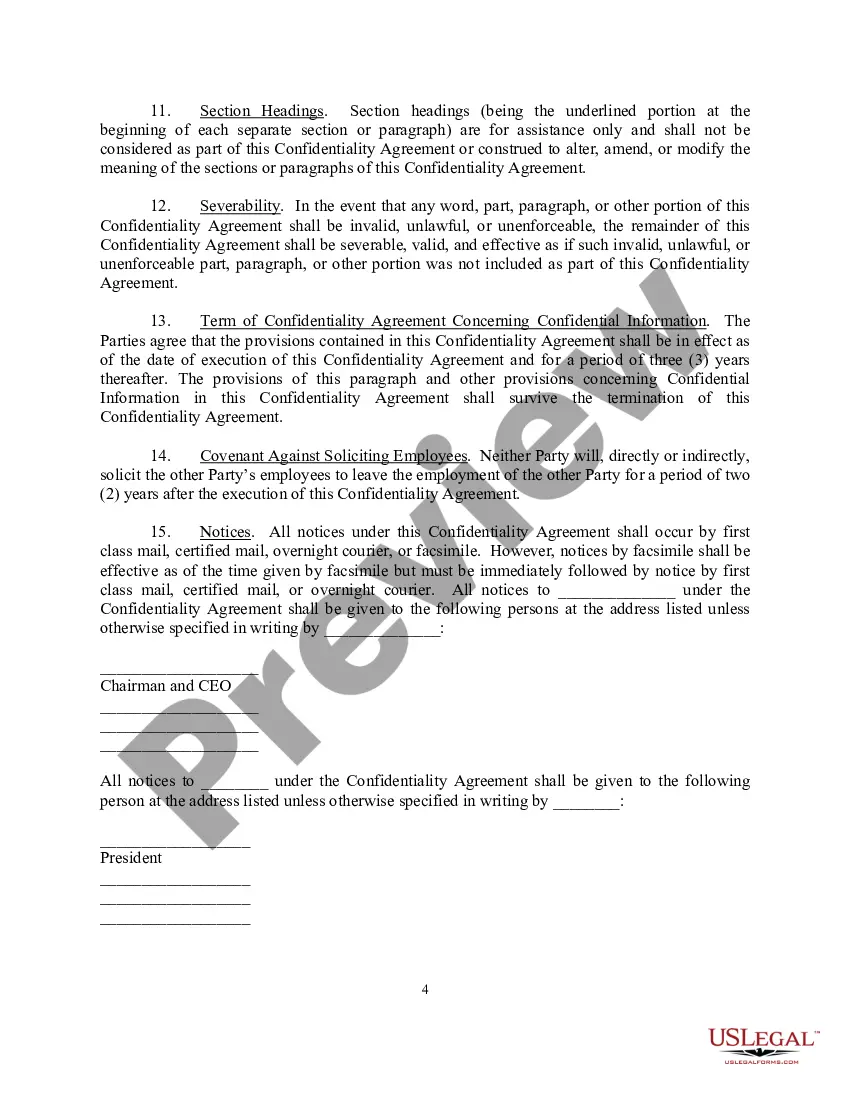
Disclosing Confidential Company Information
Description
Get your form ready online
Our built-in tools help you complete, sign, share, and store your documents in one place.
Make edits, fill in missing information, and update formatting in US Legal Forms—just like you would in MS Word.
Download a copy, print it, send it by email, or mail it via USPS—whatever works best for your next step.
Sign and collect signatures with our SignNow integration. Send to multiple recipients, set reminders, and more. Go Premium to unlock E-Sign.
If this form requires notarization, complete it online through a secure video call—no need to meet a notary in person or wait for an appointment.
We protect your documents and personal data by following strict security and privacy standards.

Make edits, fill in missing information, and update formatting in US Legal Forms—just like you would in MS Word.

Download a copy, print it, send it by email, or mail it via USPS—whatever works best for your next step.

Sign and collect signatures with our SignNow integration. Send to multiple recipients, set reminders, and more. Go Premium to unlock E-Sign.

If this form requires notarization, complete it online through a secure video call—no need to meet a notary in person or wait for an appointment.

We protect your documents and personal data by following strict security and privacy standards.
Looking for another form?







How to fill out Confidentiality Agreement For A Potential Investor, Partner Or Consultant Company?
Creating legal documents from the beginning can occasionally feel somewhat daunting.
Specific situations may require extensive research and significant financial investment.
If you're looking for a simpler and more cost-effective method for drafting Disclosing Confidential Company Information or any other documentation without unnecessary complications, US Legal Forms is readily available to you.
- Our digital library boasts over 85,000 current legal templates covering nearly every area of your financial, legal, and personal affairs.
- With just a few clicks, you gain immediate access to state- and county-compliant forms meticulously prepared by our legal experts.
- Utilize our site whenever you require dependable and trustworthy services to swiftly find and download the Disclosing Confidential Company Information.
- If you’re already familiar with our services and have created an account with us, simply Log In, choose the form, and download it or retrieve it at any time from the My documents section.
Form popularity
FAQ
To effectively answer 'How do you handle confidential information?', explain your policies and procedures clearly. Emphasize your commitment to protecting sensitive data through strict access controls and regular training. This approach builds trust and demonstrates your proactive stance on disclosing confidential company information.
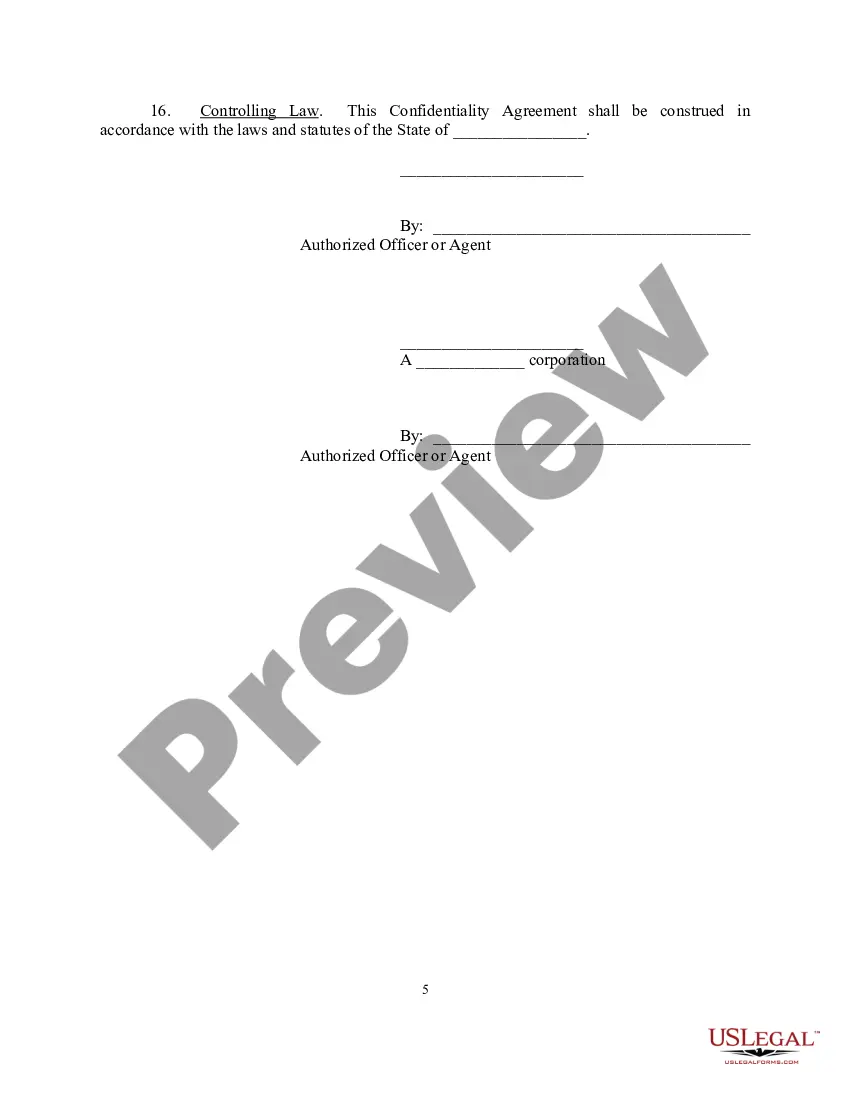
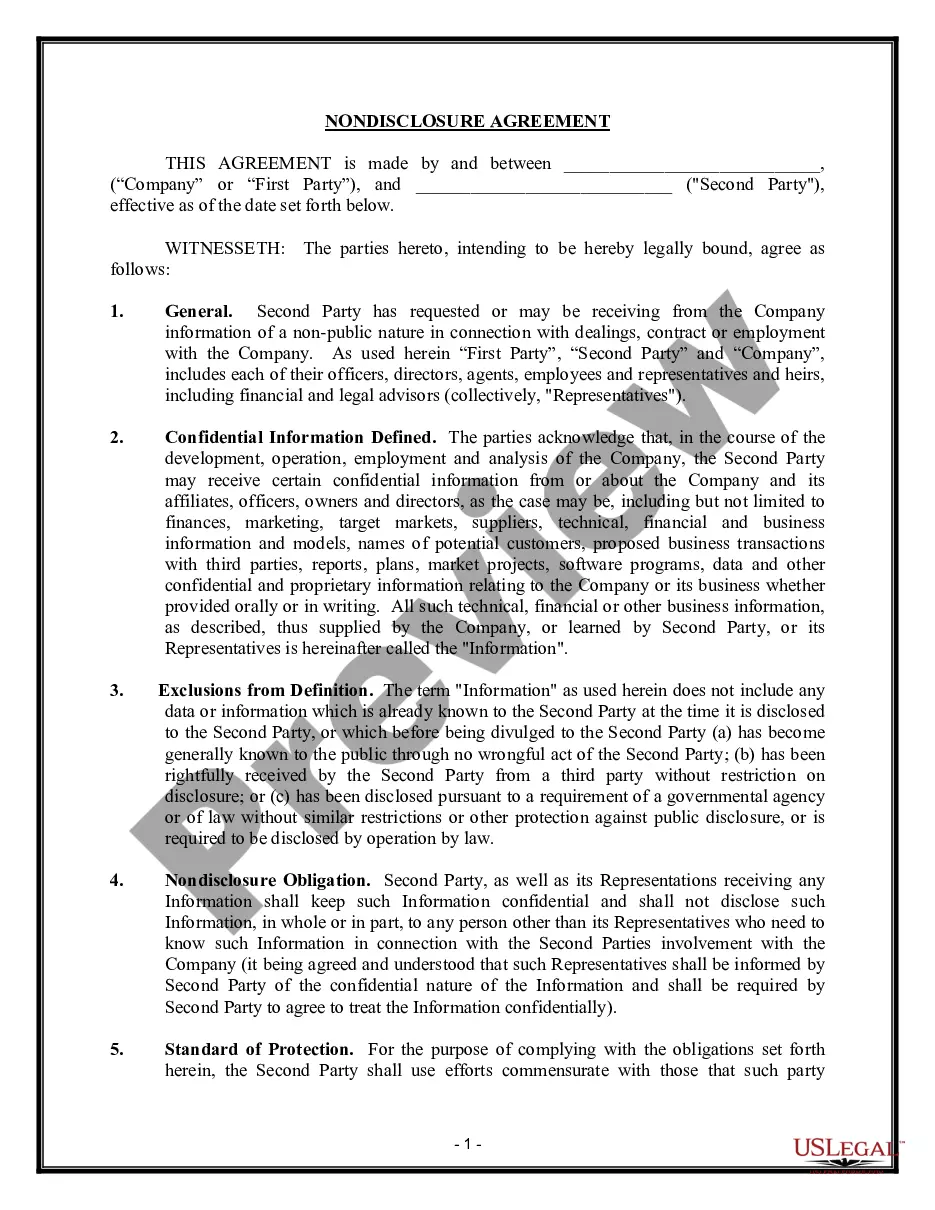
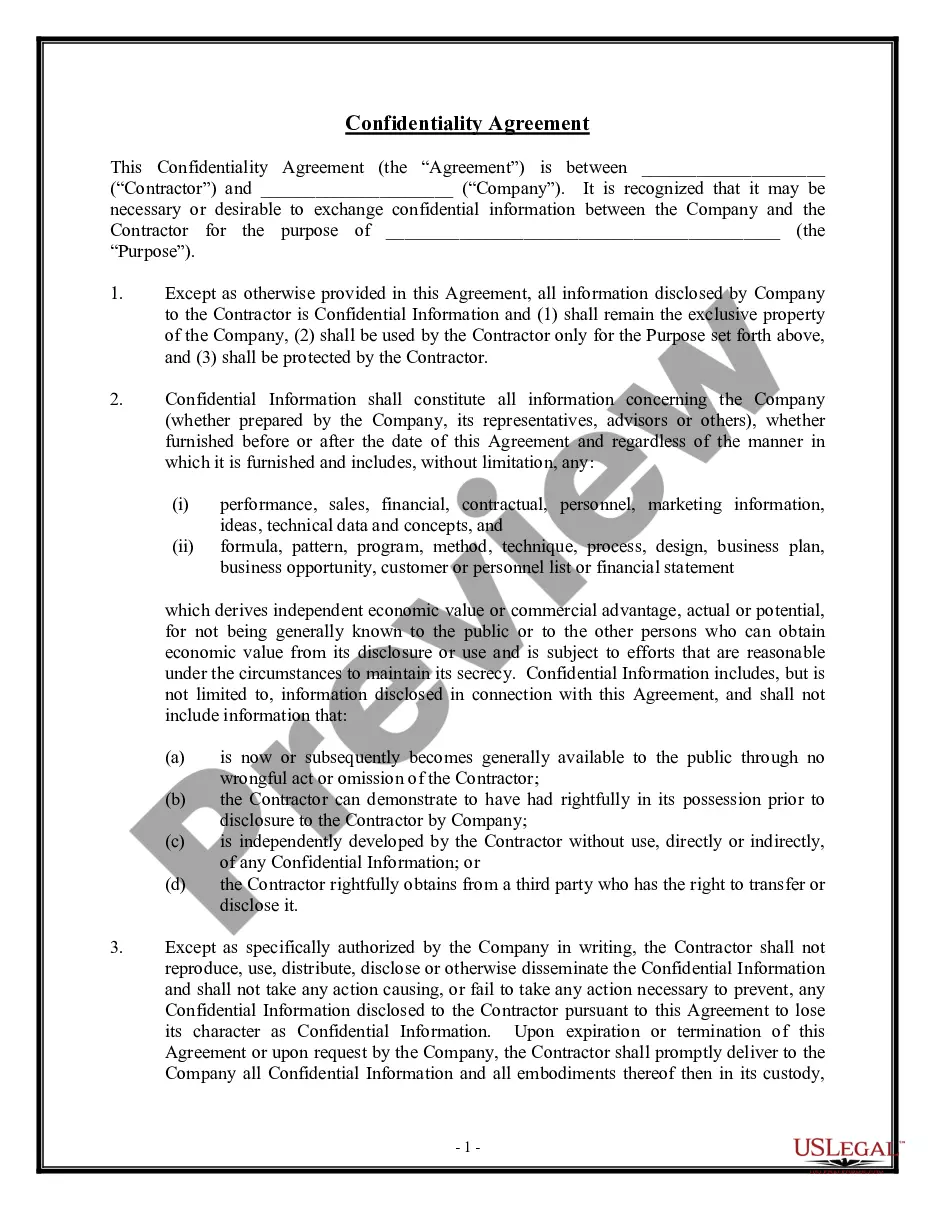
An example of a confidentiality statement might detail that both parties agree to keep all shared proprietary information private and not disclose it to third parties. It should mention the type of information covered, such as business plans or customer data. Including a time frame for the confidentiality obligations can provide additional protection. For further guidance on effective examples, check out US Legal Forms regarding disclosing confidential company information.
A disclaimer should be clear, concise, and polite. For example, you may write: "This letter and its enclosures are confidential and intended for the exclusive use of the addressee. If you are not the intended recipient, please notify the sender immediately and destroy this letter and its enclosures.
One way to indicate confidentiality and sensitivity is to use labels on the letter and the envelope, such as "Confidential", "Personal", "Private", or "Sensitive". These labels should be placed on the top or bottom of the letter, and on the front or back of the envelope.
What are examples of Confidential Information? Examples of confidential information include a person's phone number and address, medical records, and social security. Companies also have confidential information such as financial records, trade secrets, customer information, and marketing strategies.
A confidentiality agreement should include a clear definition of the confidential information, scope of the agreement, obligations of the receiving party, the duration of the contract, any exceptions to confidentiality, and the consequences of a breach of the contract.