Trust Fund For Child With Special Needs
Description

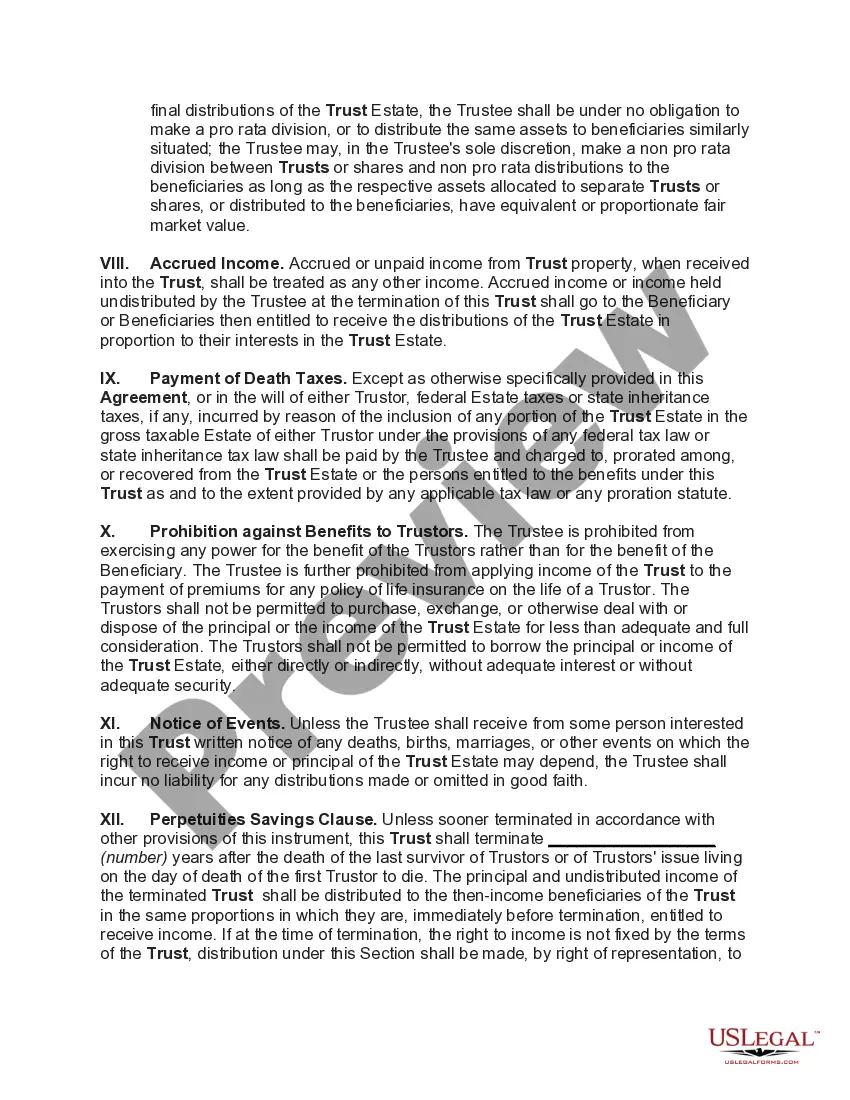
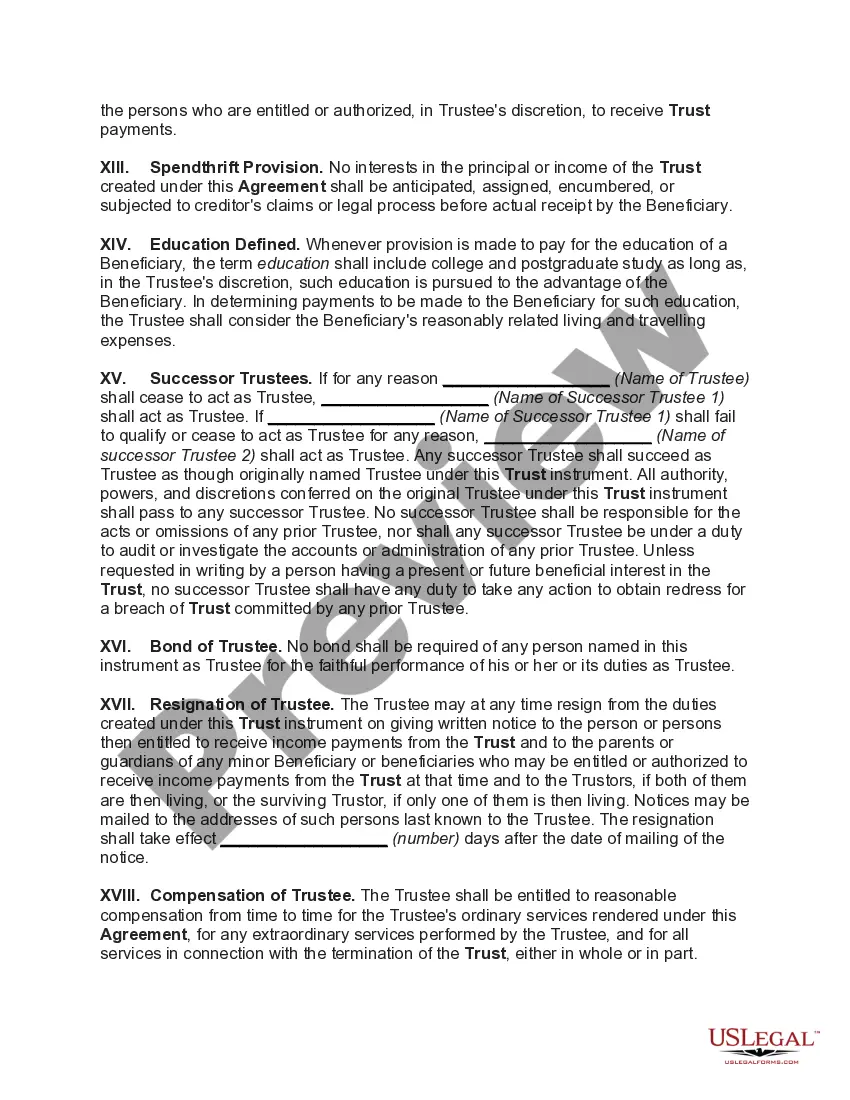
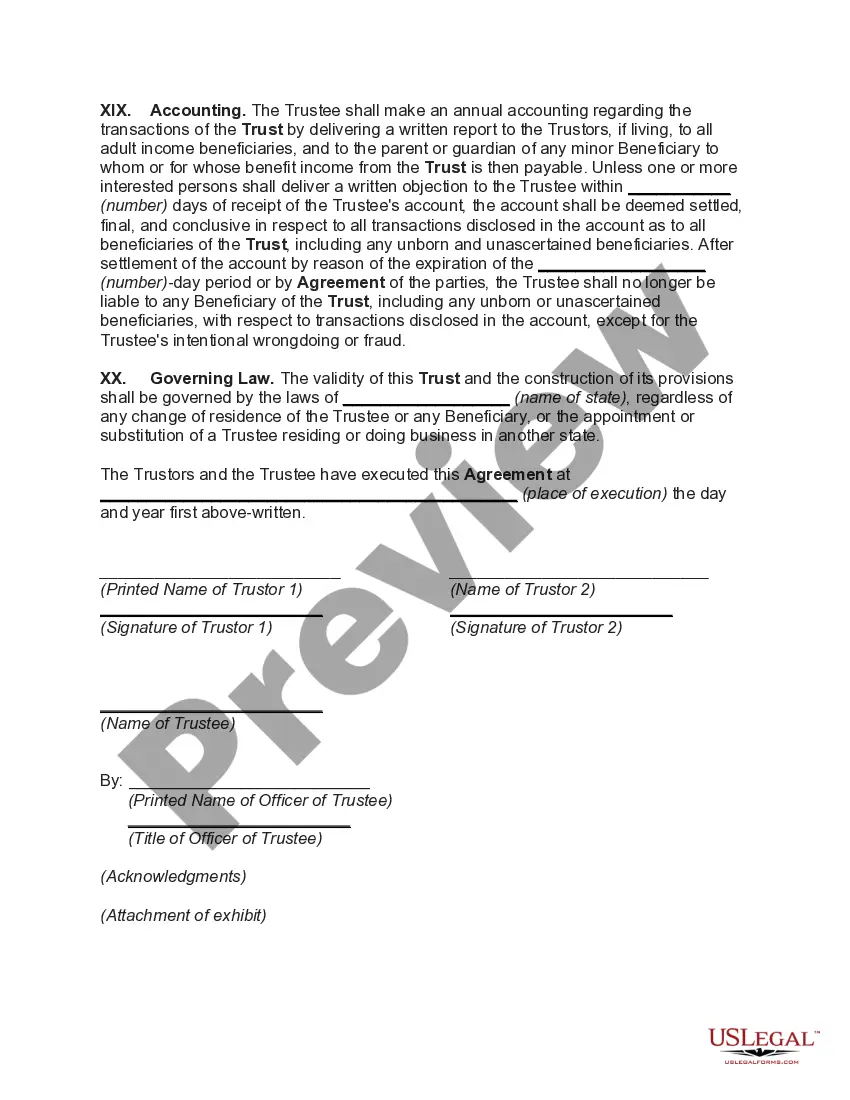
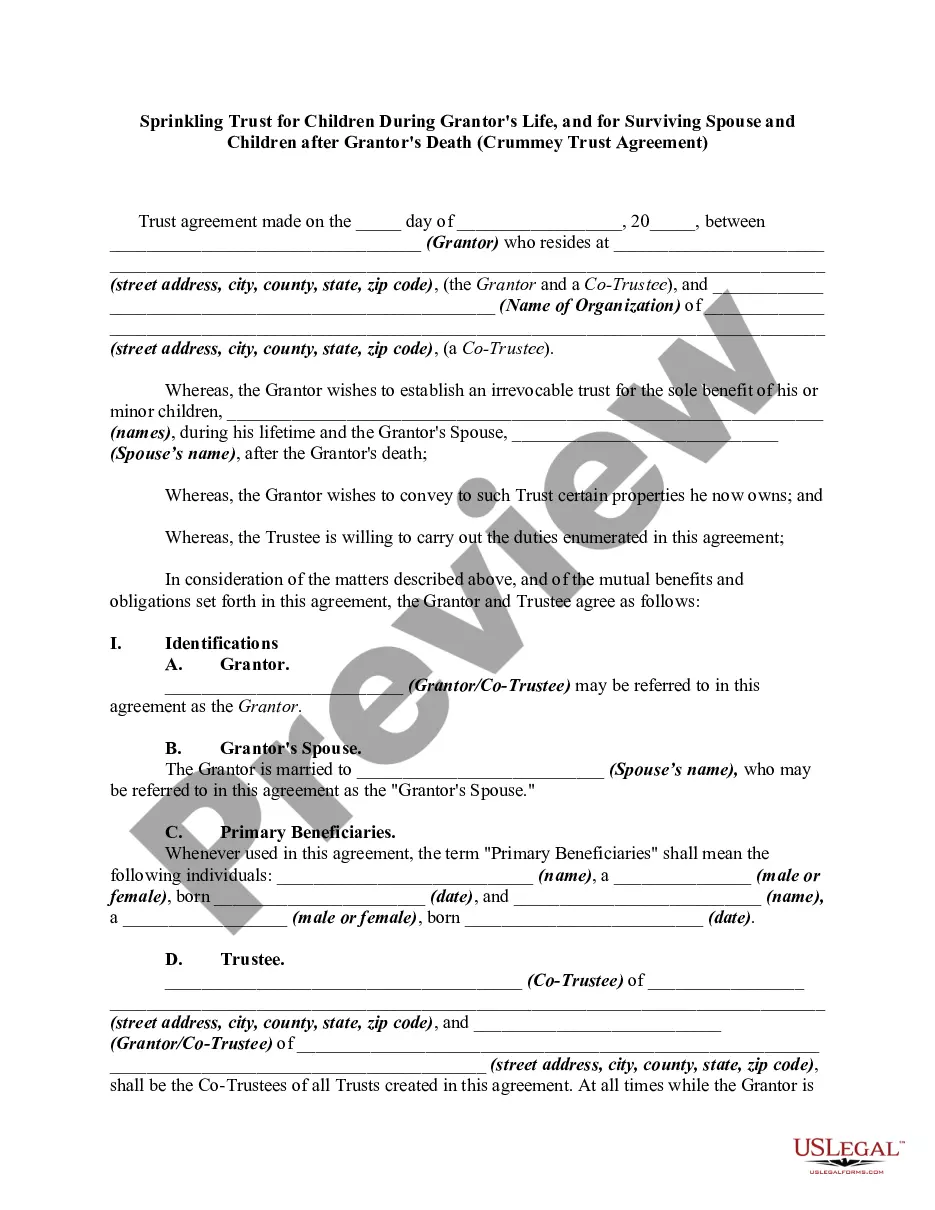
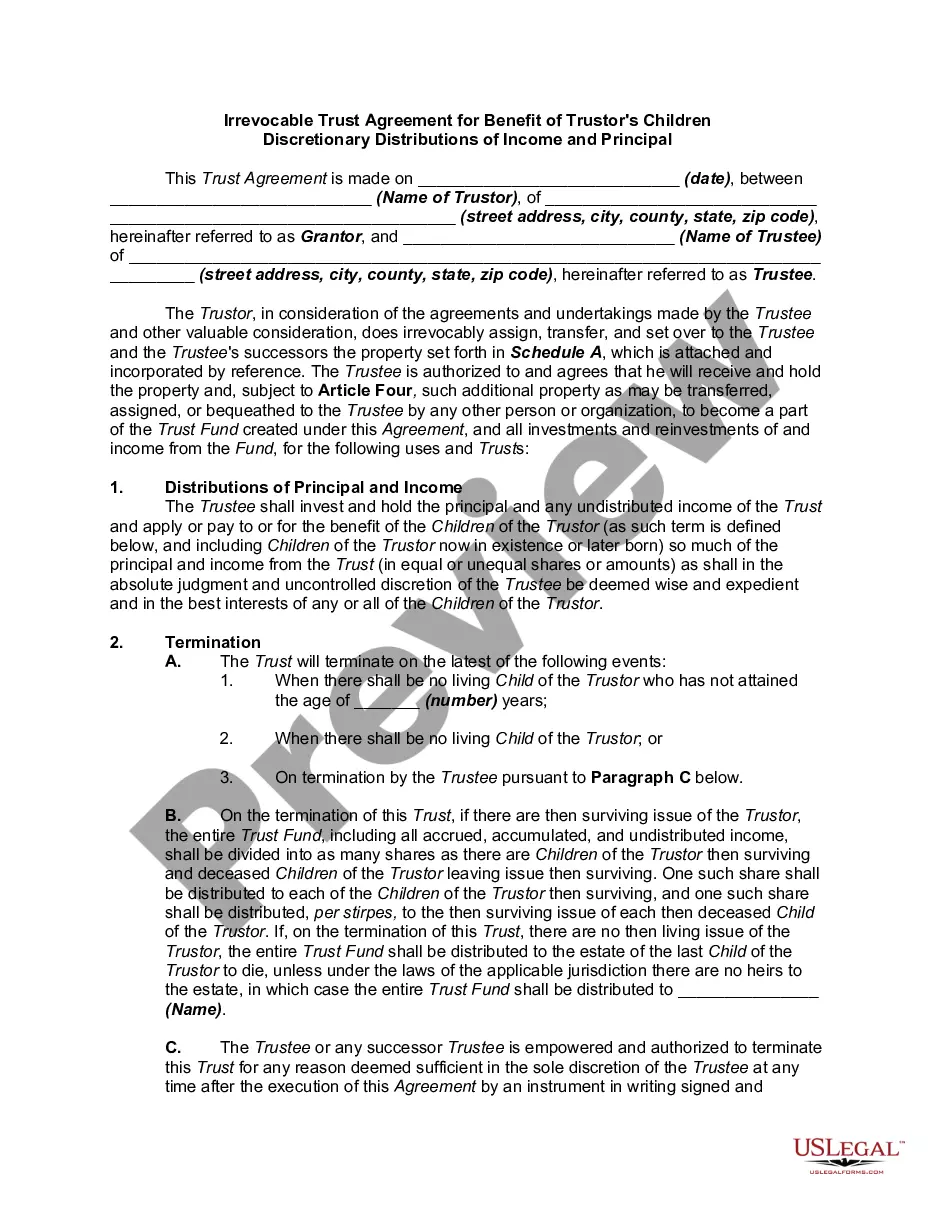

Get your form ready online
Our built-in tools help you complete, sign, share, and store your documents in one place.
Make edits, fill in missing information, and update formatting in US Legal Forms—just like you would in MS Word.
Download a copy, print it, send it by email, or mail it via USPS—whatever works best for your next step.
Sign and collect signatures with our SignNow integration. Send to multiple recipients, set reminders, and more. Go Premium to unlock E-Sign.
If this form requires notarization, complete it online through a secure video call—no need to meet a notary in person or wait for an appointment.
We protect your documents and personal data by following strict security and privacy standards.

Make edits, fill in missing information, and update formatting in US Legal Forms—just like you would in MS Word.

Download a copy, print it, send it by email, or mail it via USPS—whatever works best for your next step.

Sign and collect signatures with our SignNow integration. Send to multiple recipients, set reminders, and more. Go Premium to unlock E-Sign.

If this form requires notarization, complete it online through a secure video call—no need to meet a notary in person or wait for an appointment.

We protect your documents and personal data by following strict security and privacy standards.
Looking for another form?

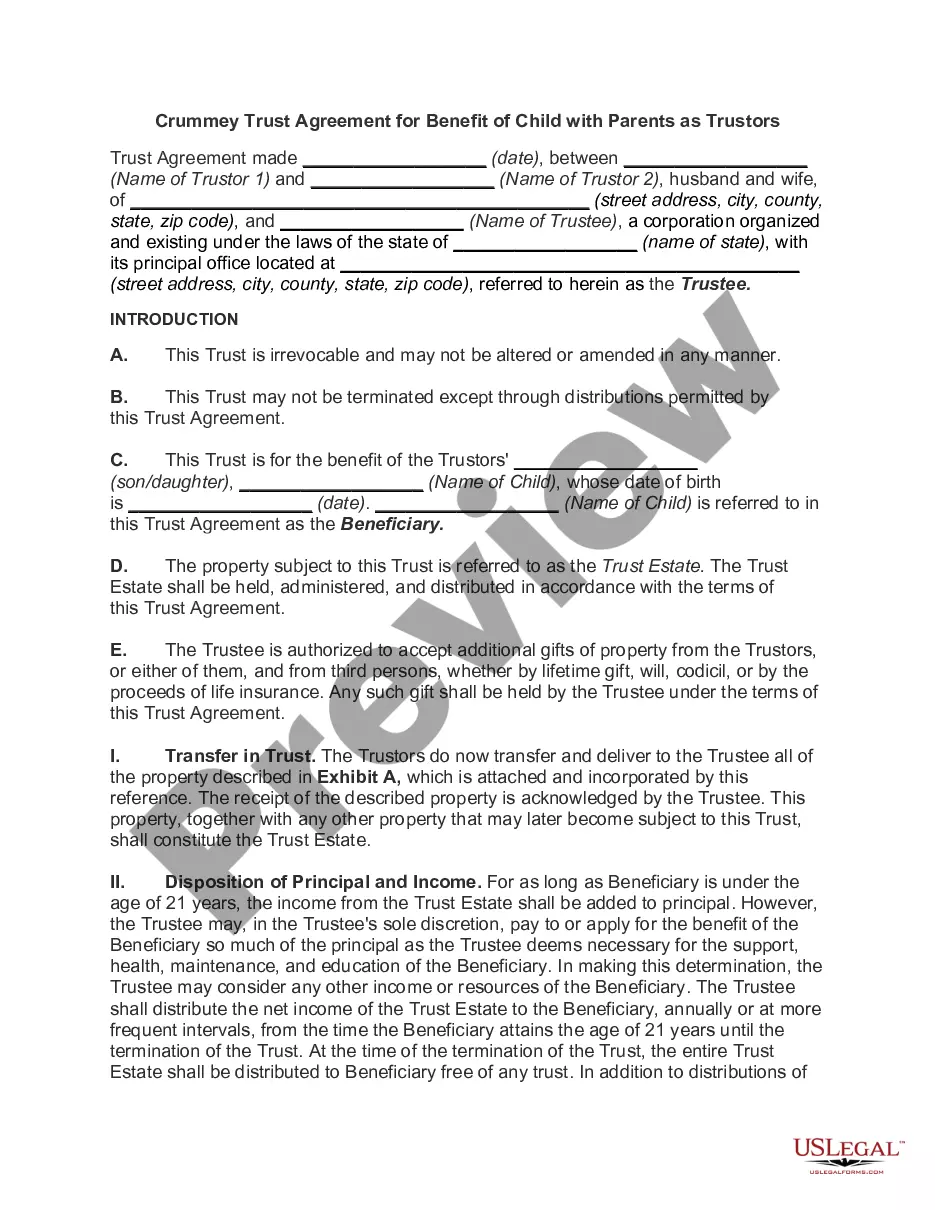
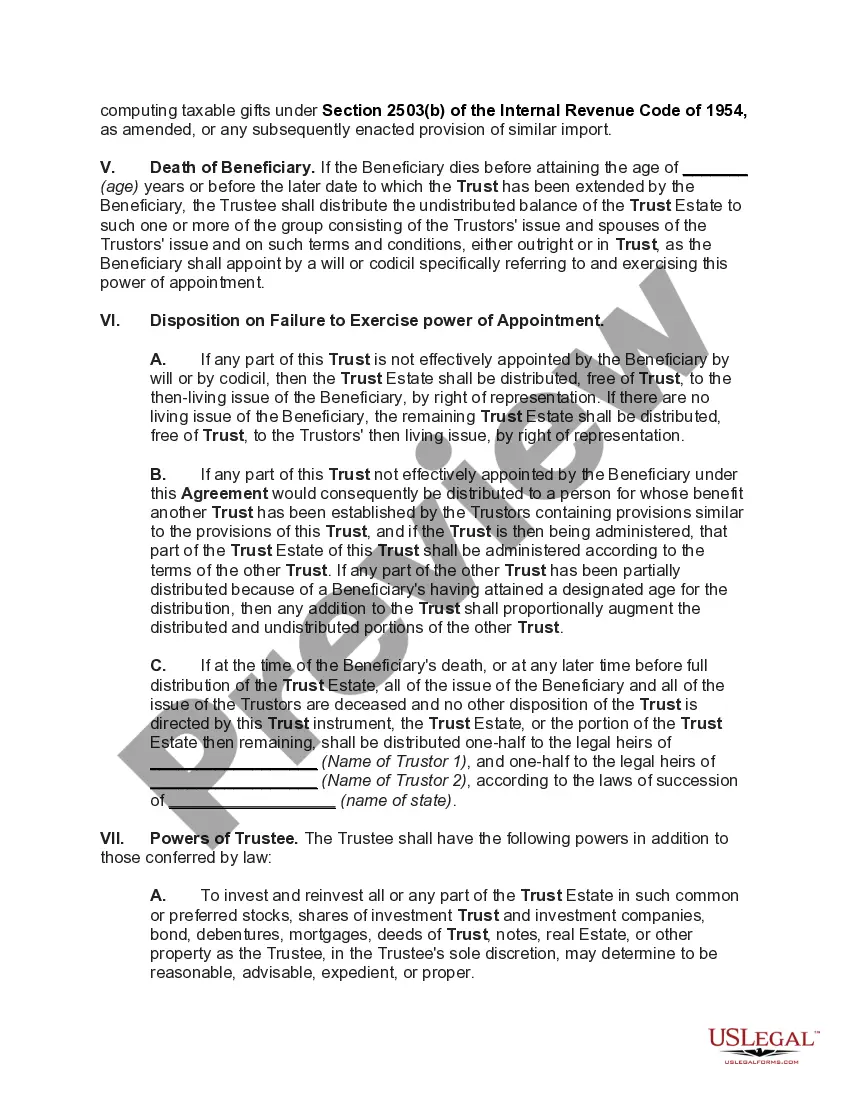
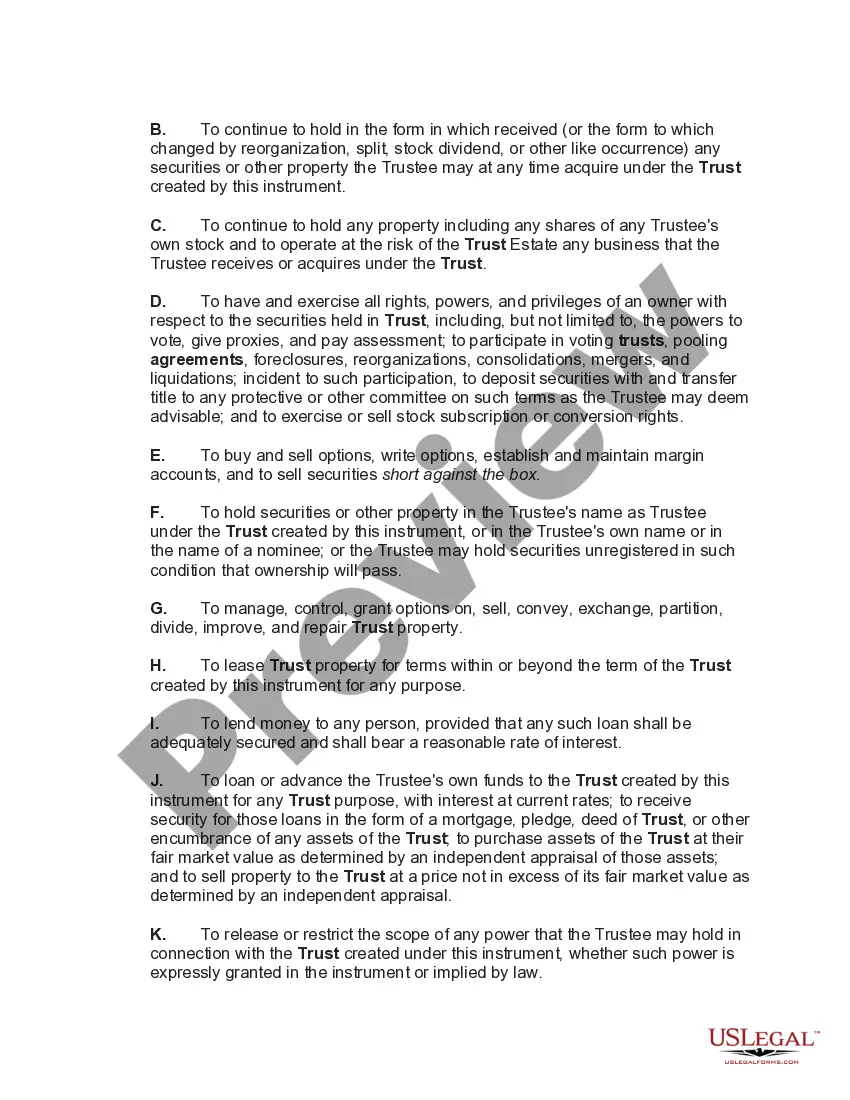
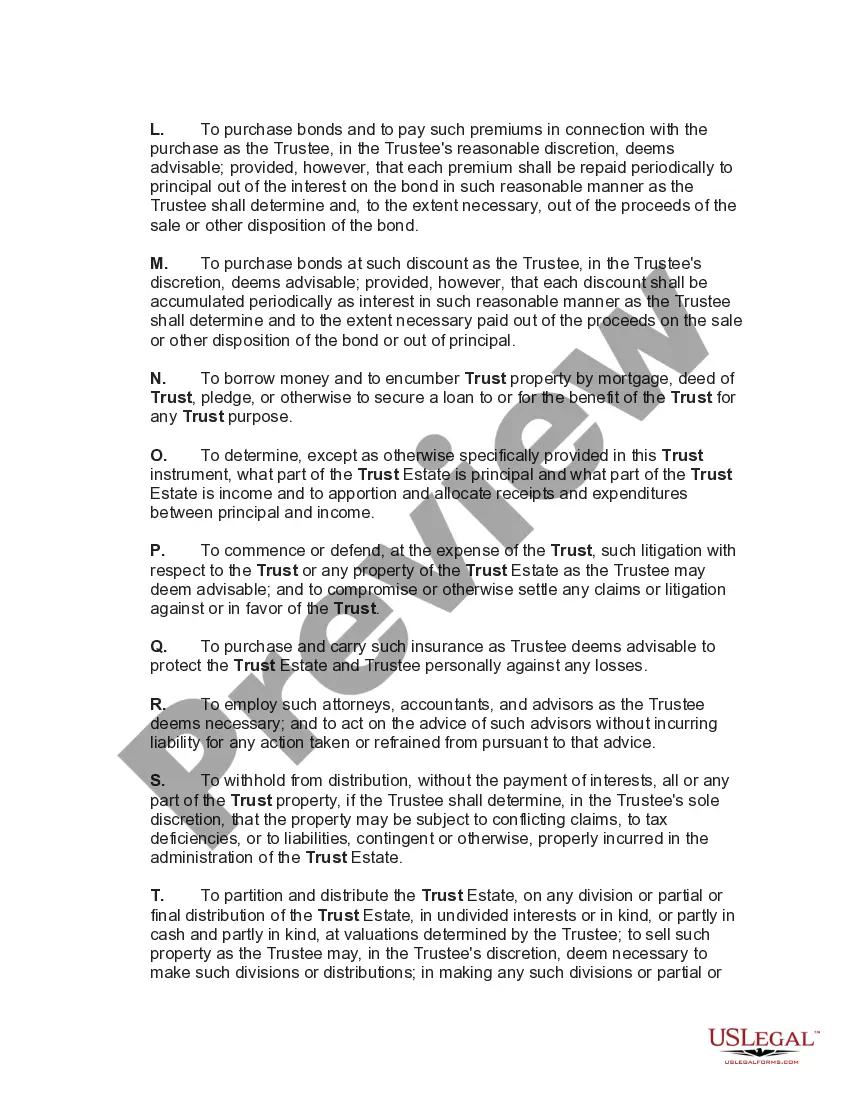
How to fill out Crummey Trust Agreement For Benefit Of Child With Parents As Trustors?
- Visit the US Legal Forms website and log in to your account if you are a returning user. Ensure your subscription is current to proceed.
- If you are new to US Legal Forms, browse the extensive library of legal documents. Use the Preview mode to review descriptions and check if they meet your legal needs.
- Using the search functionality, find specific forms related to trust funds if your initial selection doesn’t align with your jurisdiction's requirements.
- Once you find the suitable document, click on the Buy Now button, and select a subscription plan that matches your needs.
- Complete your purchase by entering payment details, such as credit card information or your PayPal account.
- After the transaction, download your trust fund template. You can also access it anytime in the My Forms section of your account.
US Legal Forms ensures that individuals can easily navigate the often complex process of establishing trust funds. By providing access to a vast collection of over 85,000 legal templates, the platform reflects its commitment to helping users find accurate forms tailored to their needs.
Don't hesitate to start your child's financial security journey. Visit US Legal Forms today and create a trust fund for your child with special needs!
Form popularity
FAQ
A special needs trust fund works by holding assets specifically for the benefit of a person with disabilities, allowing them to receive financial support without losing access to government benefits. The trust is managed by a trustee who makes distributions according to the terms established in the trust agreement. Importantly, a well-structured trust fund for a child with special needs helps provide for essential expenses, such as education and healthcare, while maintaining their eligibility for vital assistance programs. Engaging with a platform like uslegalforms can simplify the process of creating a trust that meets your child’s needs.
While special needs trusts offer many benefits, there are some disadvantages to consider. A trust fund for a child with special needs can be complicated and may require legal advice for effective setup and management. Additionally, there may be limitations on how funds can be used, which can restrict flexibility. Proper planning is essential to ensure the trust serves its intended purpose without creating obstacles.
The maximum amount for a special disability trust varies by state and specific conditions of the trust itself. Typically, a trust fund for a child with special needs is subject to limits that ensure the child maintains eligibility for government benefits. Often, it is beneficial to consult with a legal expert to understand specific limits and regulations. This approach helps to clarify how much can be held in the trust without affecting the child’s eligibility.
The best trust for a disabled child often is a special needs trust set up specifically to provide for their unique needs while preserving eligibility for government benefits. A properly configured trust fund for a child with special needs can ensure long-term financial support without jeopardizing essential assistance programs. It's crucial to consult with an expert in special needs planning to tailor the trust to your child's requirements. By doing so, you secure their financial future while ensuring they receive necessary care.
One potential downside of a special needs trust is the complexity of setting it up. Establishing a trust fund for a child with special needs requires careful planning and legal guidance to navigate state and federal regulations. Additionally, managing the trust can involve ongoing administrative costs, which may affect the funds available for your child’s needs. Furthermore, if not structured properly, the trust may not provide the intended financial support.
Yes, child support obligations can influence a trust's funds. If a parent fails to meet child support payments, courts might assess the trust as part of the parent's financial resources. It’s vital to structure a trust fund for a child with special needs carefully, so it does not inadvertently affect child support levels. Consulting with a legal expert can provide clarity on establishing a trust that aligns with both support obligations and the child’s needs.
Typically, a court can garnish up to 65% of a disability benefit for child support. This percentage reflects the need to balance financial obligations while ensuring that the non-custodial parent can still support themselves. It's essential to understand how this garnishment may affect a trust fund for a child with special needs and to plan accordingly to safeguard their financial future. Professional guidance can help in navigating this process.
A special needs trust is typically taxed at the trust level. Depending on the type of trust, the trustee may be responsible for filing taxes on behalf of the trust. It's essential to consult a tax professional familiar with trusts to ensure compliance. Understanding the tax obligations related to a trust fund for child with special needs is crucial for its proper management.
The main purpose of a special trustee is to manage the assets held in a special needs trust to ensure they serve the best interests of the child. This individual must understand the complexities of special needs laws and work diligently to maintain the child’s eligibility for government benefits. A dedicated trustee can effectively oversee the trust fund for child with special needs, providing peace of mind for families as they navigate this complex landscape.
The best trust for a special needs child typically depends on your individual situation and goals. A special needs trust, specifically, is designed to protect assets while allowing your child to receive essential benefits. Consulting with professionals will help you determine the right trust fund for child with special needs that aligns with your family’s needs and preferences.