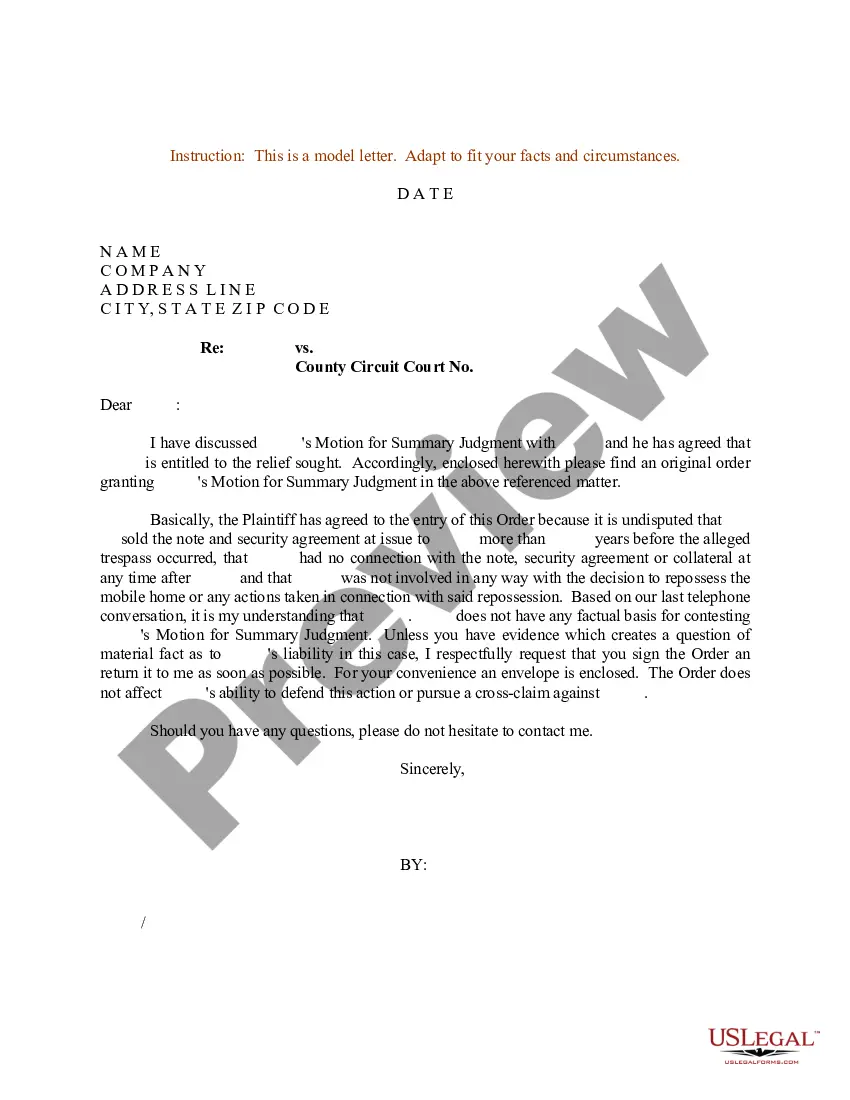
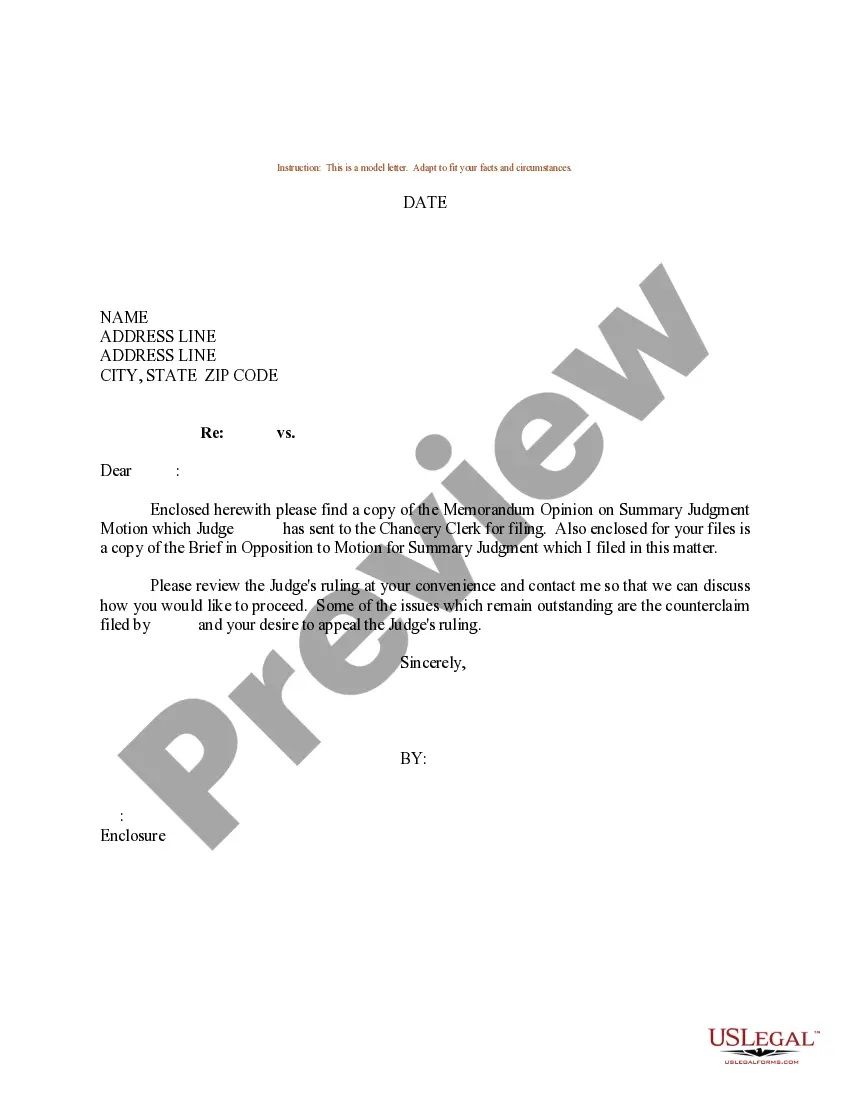
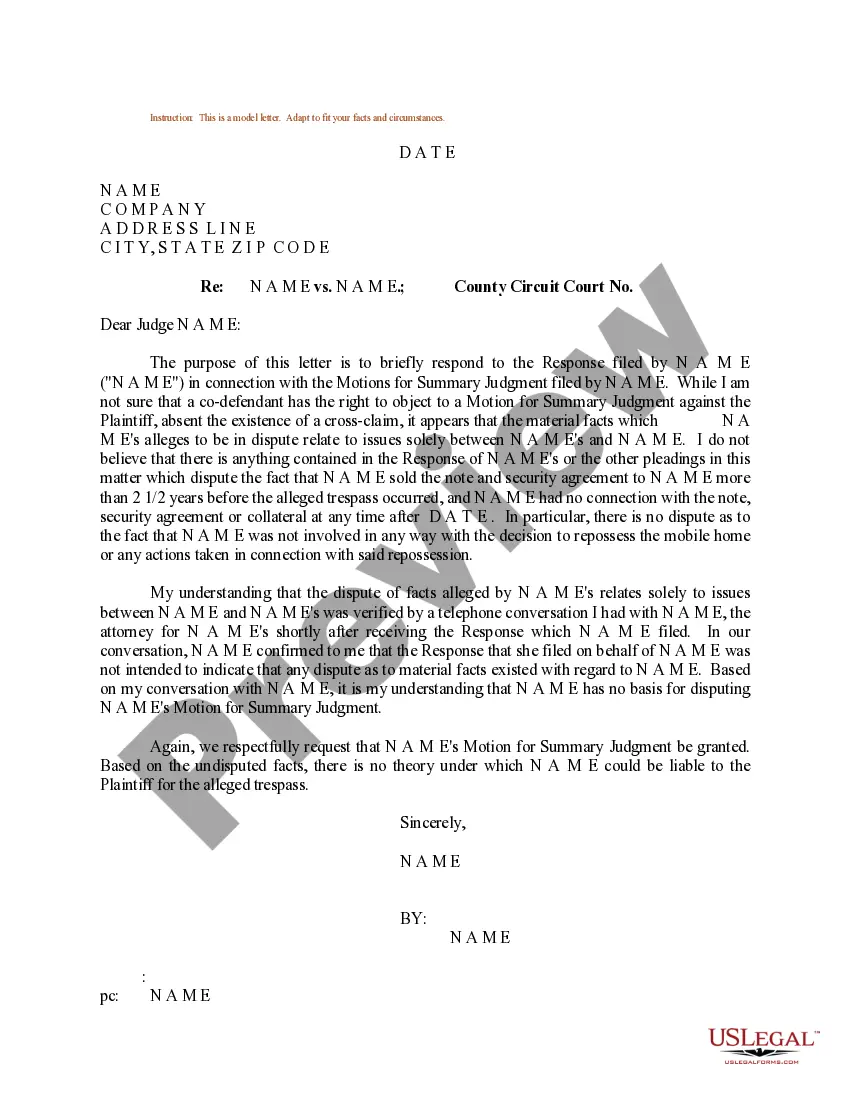
Summary Judgement In Court Without A Hearing
Description
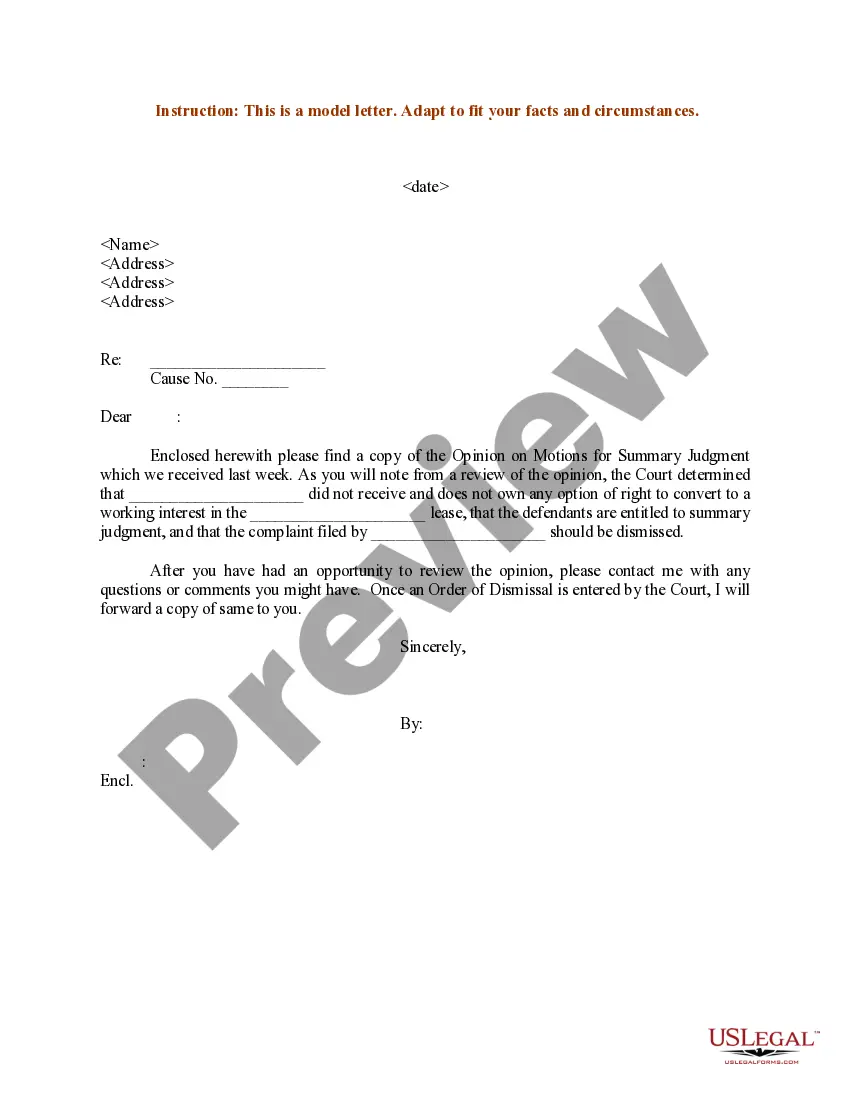
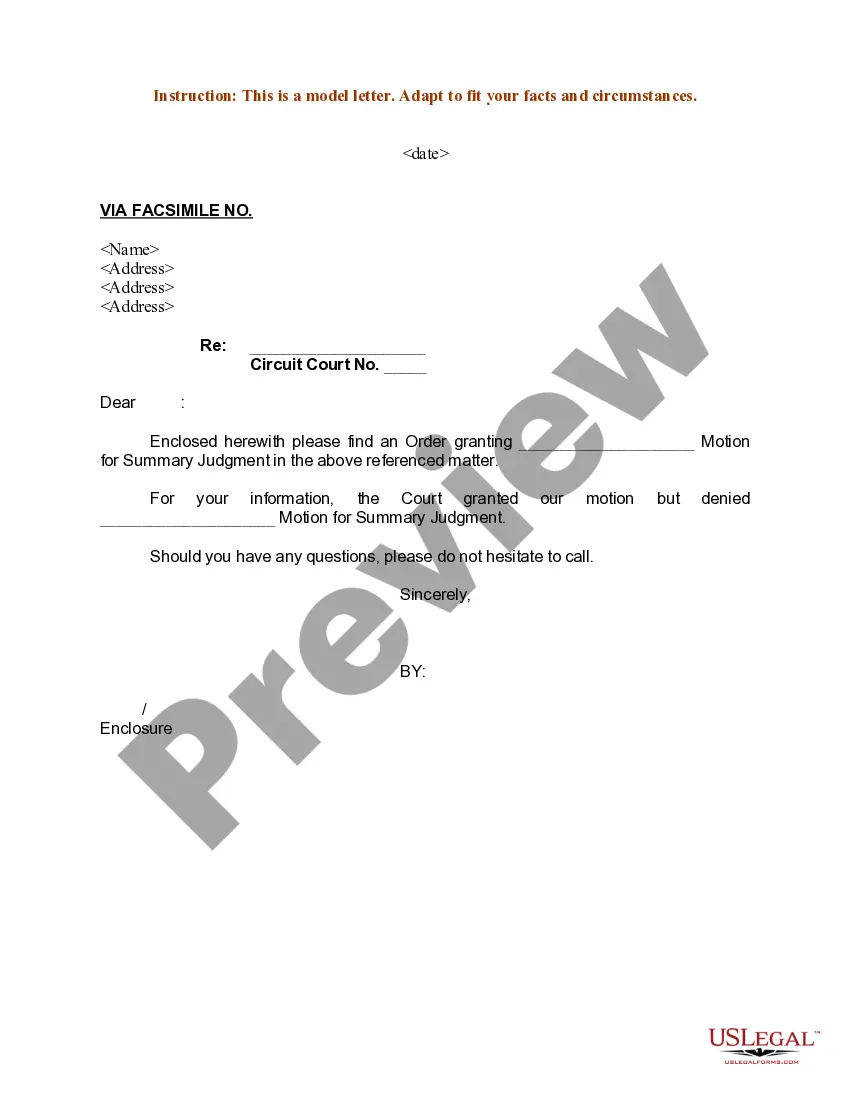
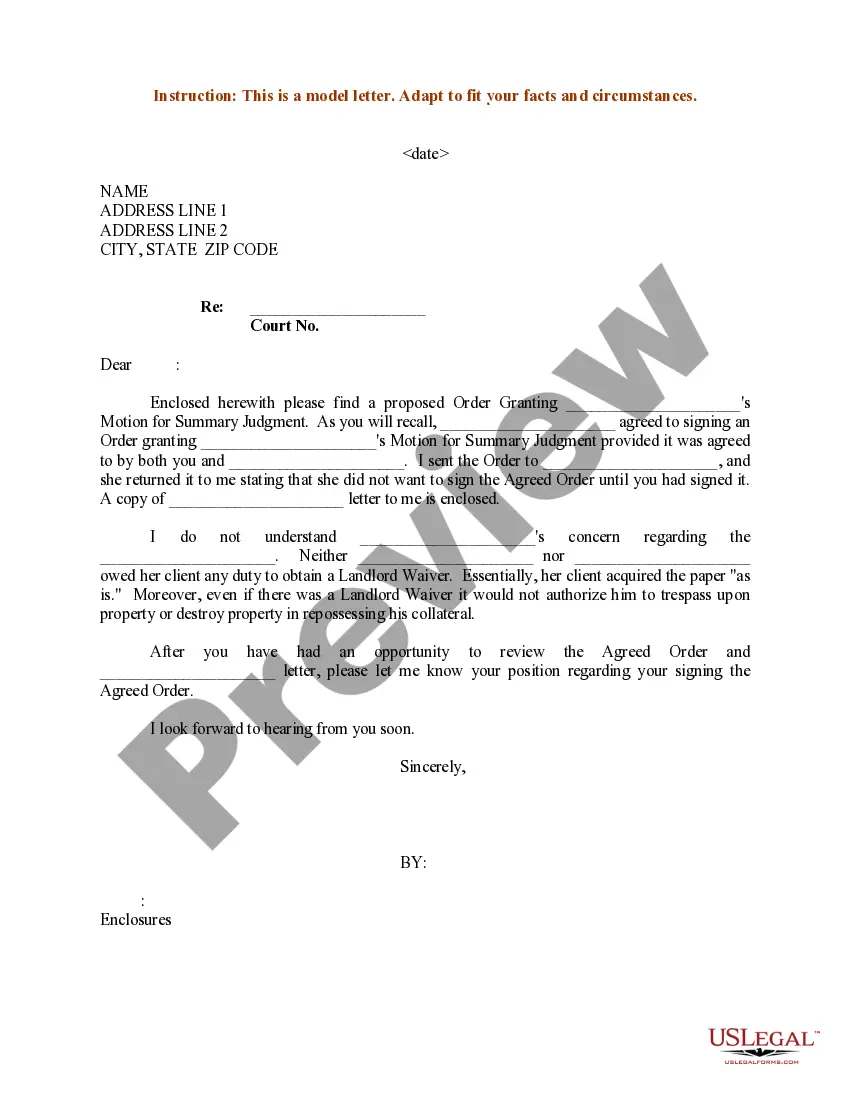
Get your form ready online
Our built-in tools help you complete, sign, share, and store your documents in one place.
Make edits, fill in missing information, and update formatting in US Legal Forms—just like you would in MS Word.
Download a copy, print it, send it by email, or mail it via USPS—whatever works best for your next step.
Sign and collect signatures with our SignNow integration. Send to multiple recipients, set reminders, and more. Go Premium to unlock E-Sign.
If this form requires notarization, complete it online through a secure video call—no need to meet a notary in person or wait for an appointment.
We protect your documents and personal data by following strict security and privacy standards.

Make edits, fill in missing information, and update formatting in US Legal Forms—just like you would in MS Word.

Download a copy, print it, send it by email, or mail it via USPS—whatever works best for your next step.

Sign and collect signatures with our SignNow integration. Send to multiple recipients, set reminders, and more. Go Premium to unlock E-Sign.

If this form requires notarization, complete it online through a secure video call—no need to meet a notary in person or wait for an appointment.

We protect your documents and personal data by following strict security and privacy standards.
Looking for another form?




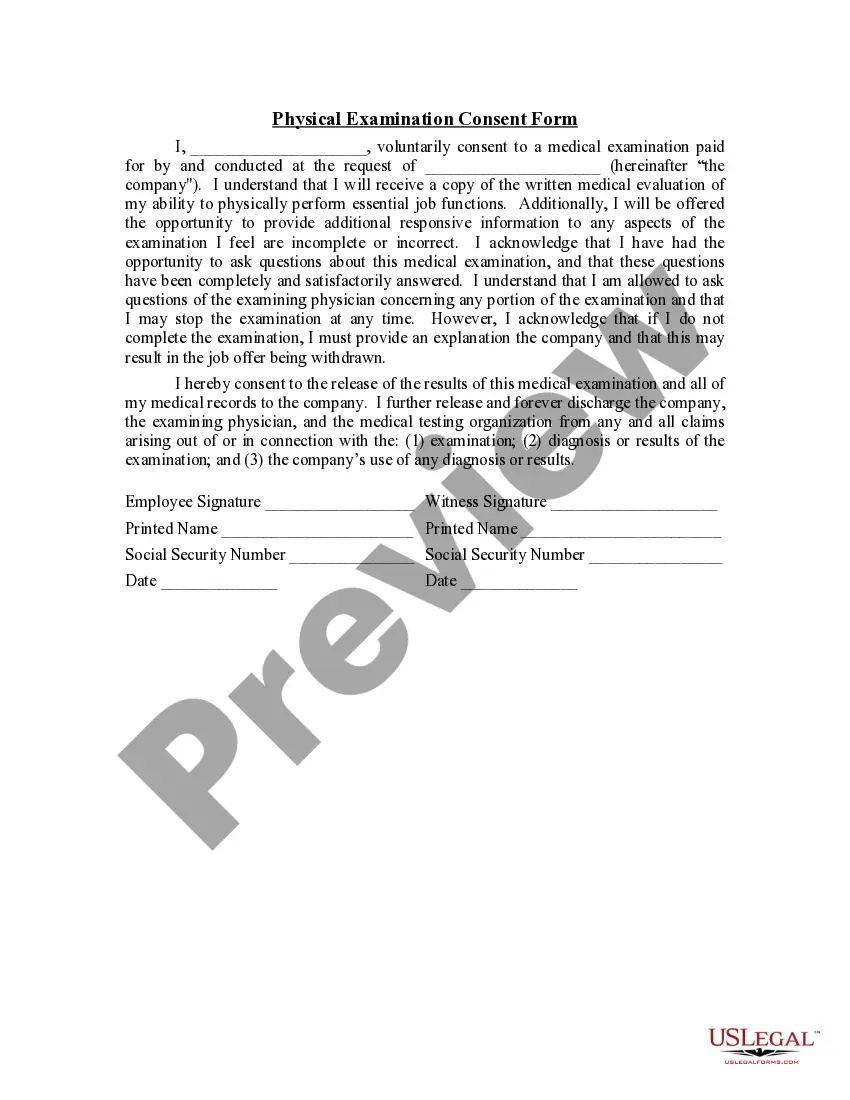





How to fill out Sample Letter For Motion For Summary Judgment?
The Summary Judgement In Court Without A Hearing you see on this page is a multi-usable formal template drafted by professional lawyers in accordance with federal and state regulations. For more than 25 years, US Legal Forms has provided individuals, organizations, and attorneys with more than 85,000 verified, state-specific forms for any business and personal scenario. It’s the quickest, most straightforward and most trustworthy way to obtain the paperwork you need, as the service guarantees bank-level data security and anti-malware protection.
Acquiring this Summary Judgement In Court Without A Hearing will take you just a few simple steps:
- Look for the document you need and review it. Look through the file you searched and preview it or check the form description to confirm it satisfies your needs. If it does not, make use of the search option to get the correct one. Click Buy Now once you have located the template you need.
- Subscribe and log in. Opt for the pricing plan that suits you and register for an account. Use PayPal or a credit card to make a prompt payment. If you already have an account, log in and check your subscription to continue.
- Acquire the fillable template. Choose the format you want for your Summary Judgement In Court Without A Hearing (PDF, Word, RTF) and save the sample on your device.
- Fill out and sign the document. Print out the template to complete it by hand. Alternatively, utilize an online multi-functional PDF editor to rapidly and precisely fill out and sign your form with a valid.
- Download your paperwork again. Use the same document once again whenever needed. Open the My Forms tab in your profile to redownload any earlier downloaded forms.
Subscribe to US Legal Forms to have verified legal templates for all of life’s situations at your disposal.
Form popularity
FAQ
Where summary judgment is granted, the proceedings are brought to a prompt end without the need for a full trial. An application for summary judgment is usually made by a claimant where no defence has been filed, or the claimant believes that the defence filed by the defendant has no real prospect of success (CPR, r24.
As with any other application made to a court: the usual form of Application Notice (Form N244) should be used to initiate the Application. almost invariably, applications for summary judgment are supported by evidence, in a witness statement. It must be served with the Application Notice.
From a tactical perspective, there are two basic types of summary-judgment motions. One requires a full evidentiary presentation, and the other requires only a more limited, targeted one.
The grounds on which summary judgment may be granted are that (a) there is no real prospect of the claimant succeeding on, or the defendant successfully defending, the issue or claim and (b) there is no other compelling reason why the case or issue should be disposed of at trial (CPR 24.2).
A court judgment, given at an early stage, finding for a party without a full trial of the issues and hearing of evidence on the basis that the claim, defence or issue has no real prospect of success and there is no other compelling reason why the matter should be disposed of at trial.