Foreclosure With Tenants
Description
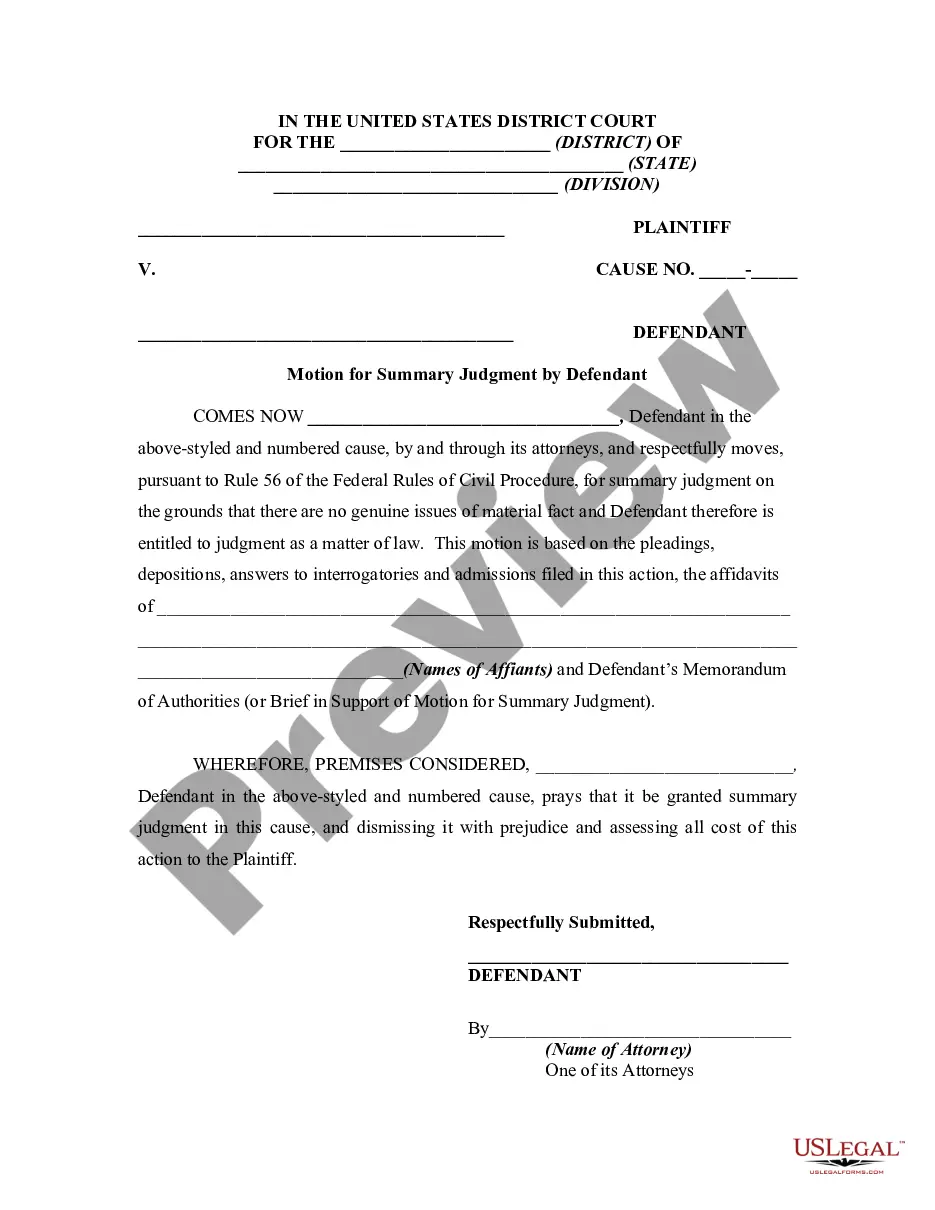
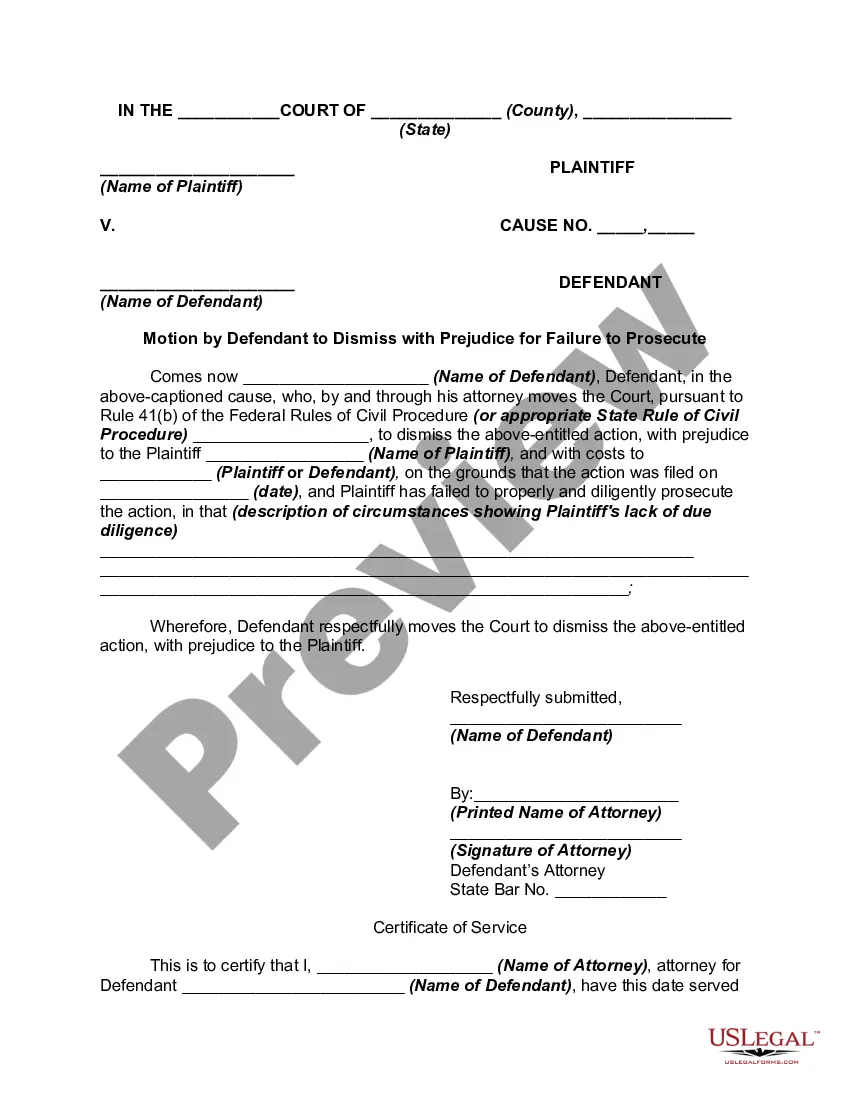
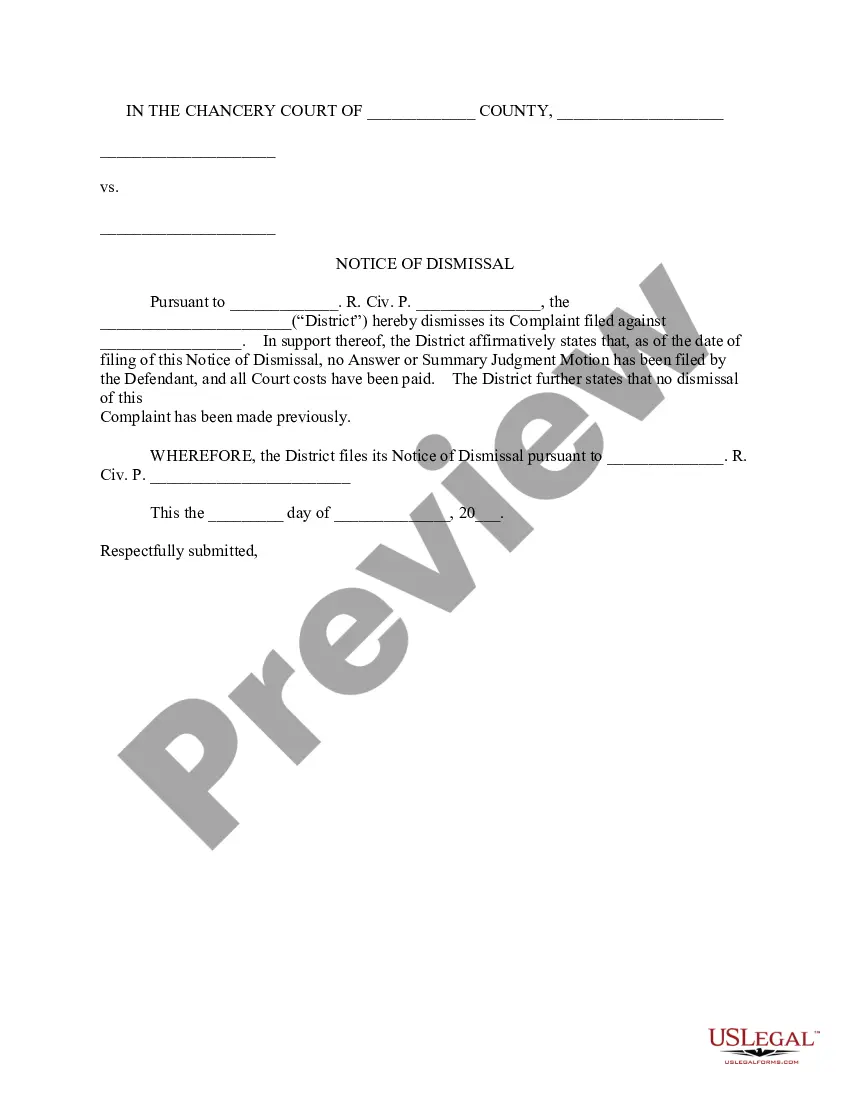
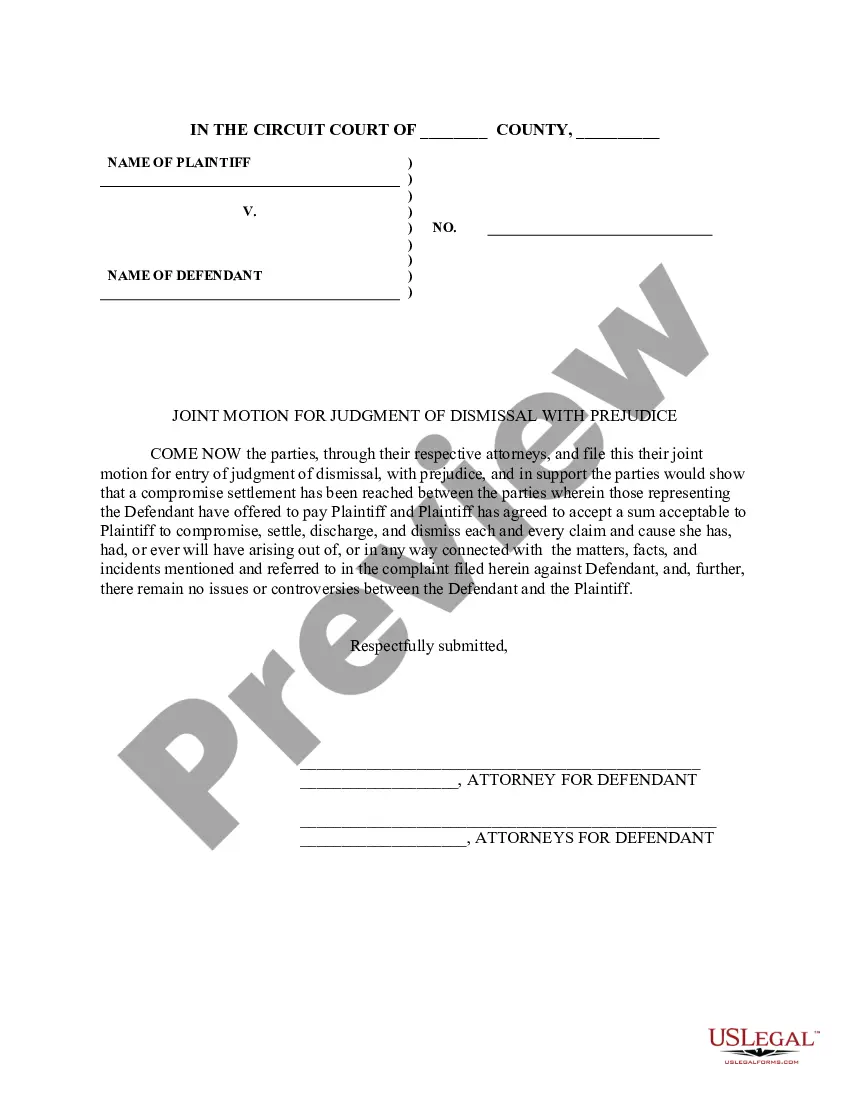
Get your form ready online
Our built-in tools help you complete, sign, share, and store your documents in one place.
Make edits, fill in missing information, and update formatting in US Legal Forms—just like you would in MS Word.
Download a copy, print it, send it by email, or mail it via USPS—whatever works best for your next step.
Sign and collect signatures with our SignNow integration. Send to multiple recipients, set reminders, and more. Go Premium to unlock E-Sign.
If this form requires notarization, complete it online through a secure video call—no need to meet a notary in person or wait for an appointment.
We protect your documents and personal data by following strict security and privacy standards.

Make edits, fill in missing information, and update formatting in US Legal Forms—just like you would in MS Word.

Download a copy, print it, send it by email, or mail it via USPS—whatever works best for your next step.

Sign and collect signatures with our SignNow integration. Send to multiple recipients, set reminders, and more. Go Premium to unlock E-Sign.

If this form requires notarization, complete it online through a secure video call—no need to meet a notary in person or wait for an appointment.

We protect your documents and personal data by following strict security and privacy standards.
Looking for another form?
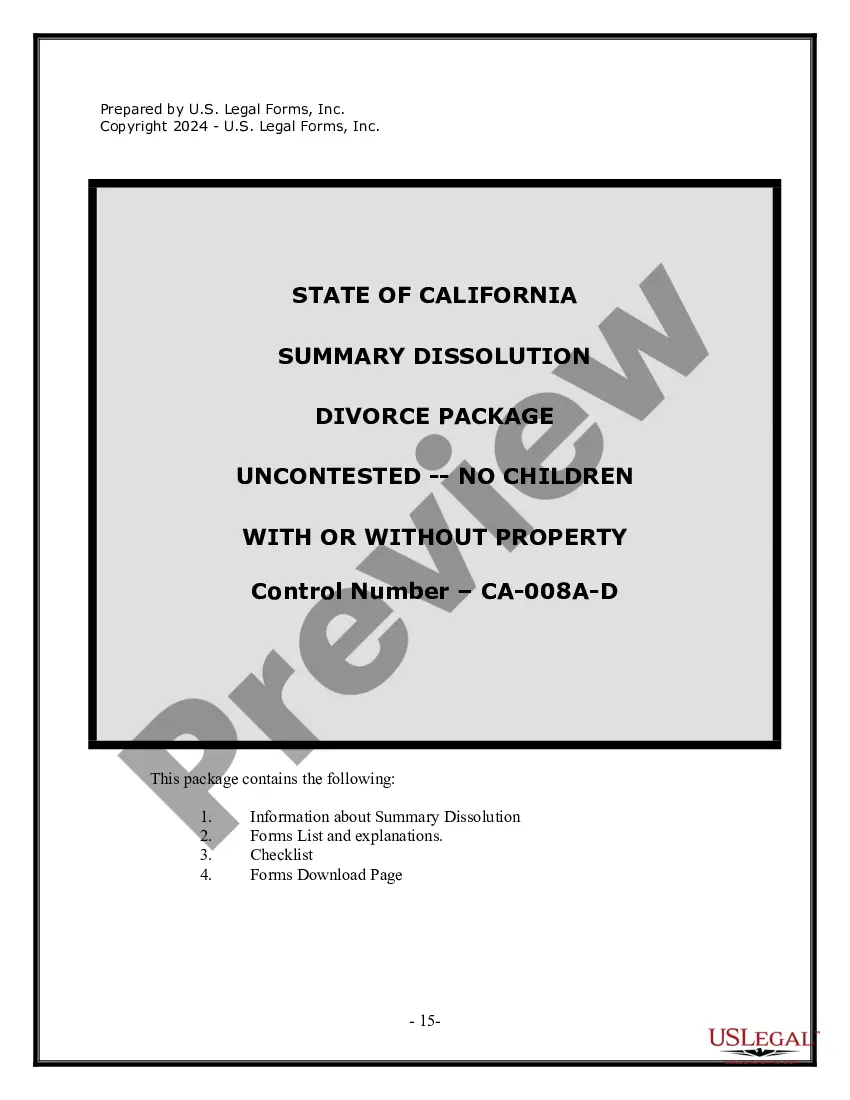






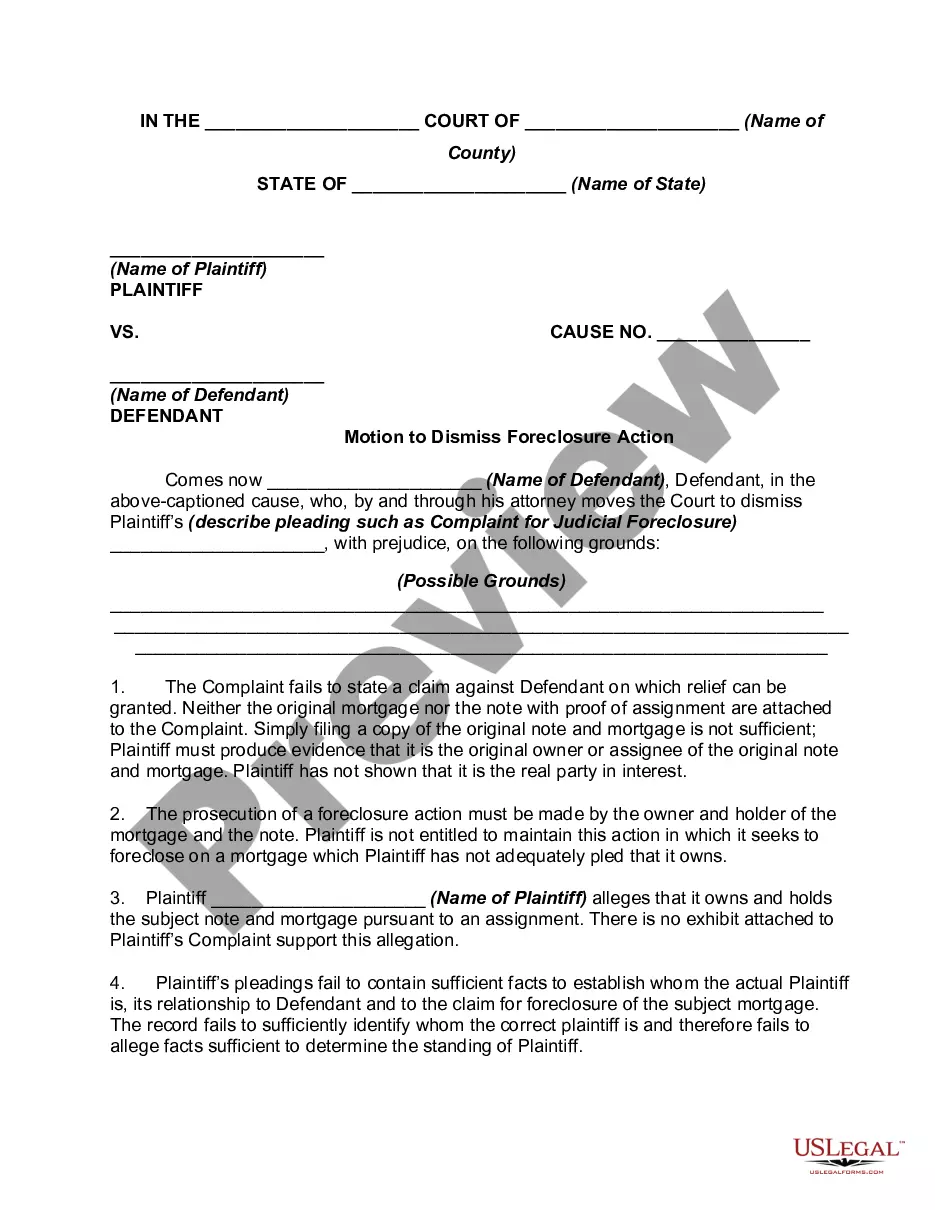
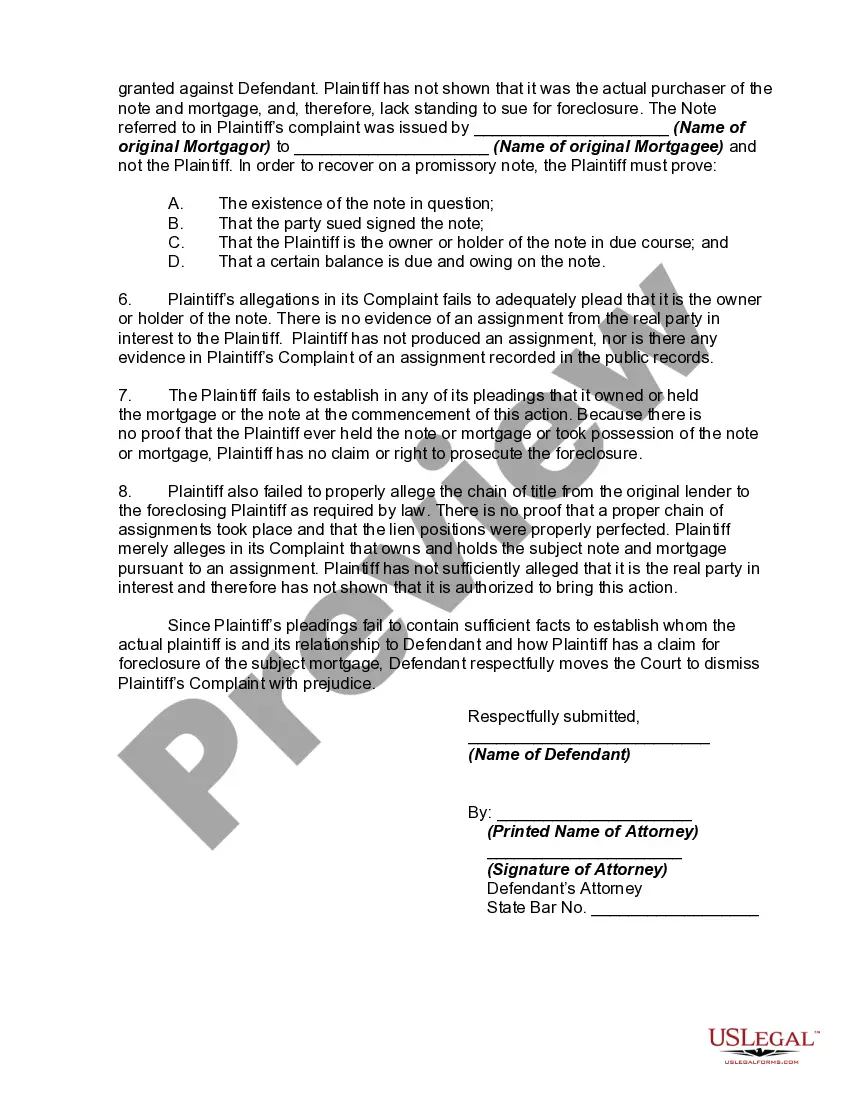
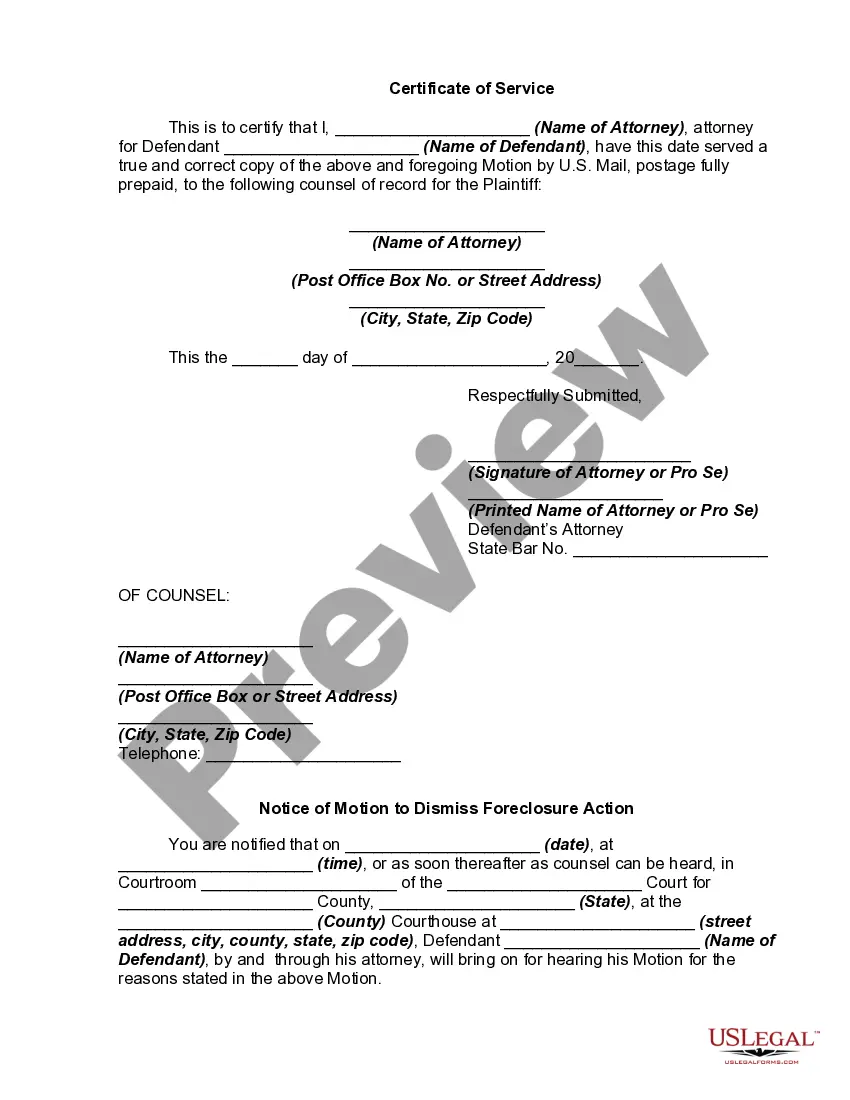
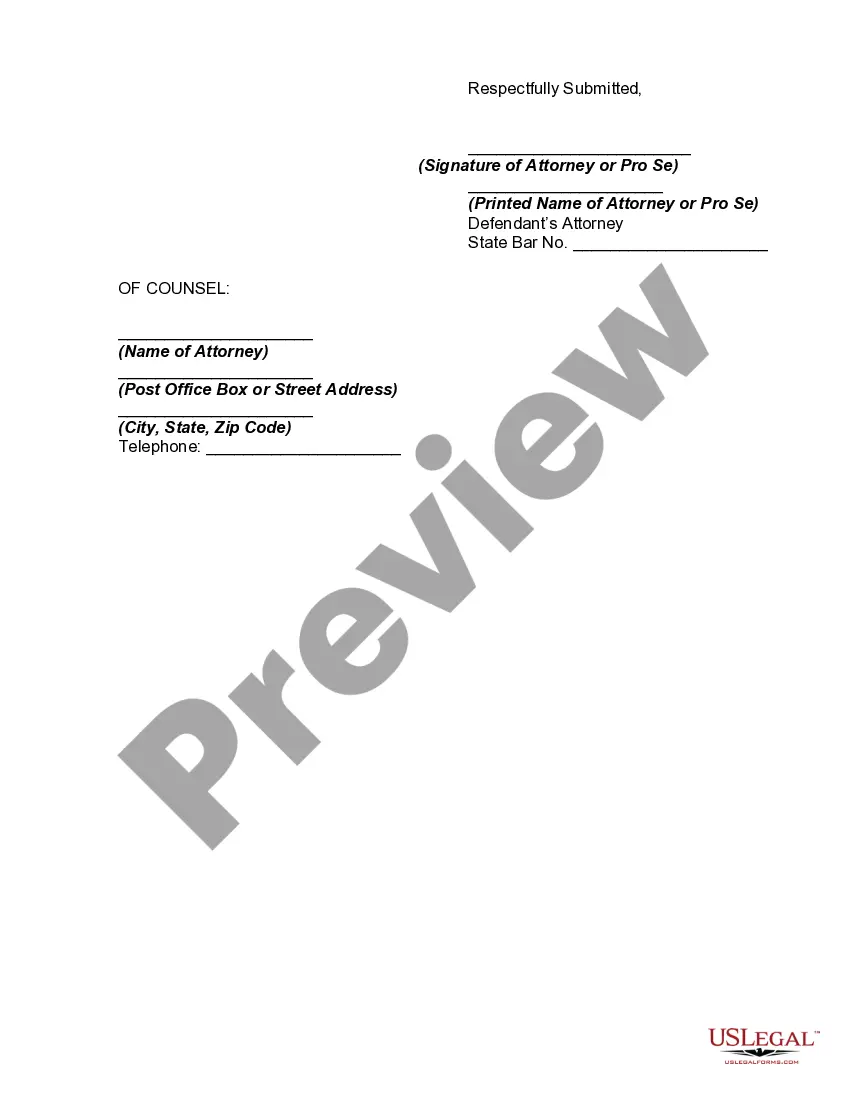
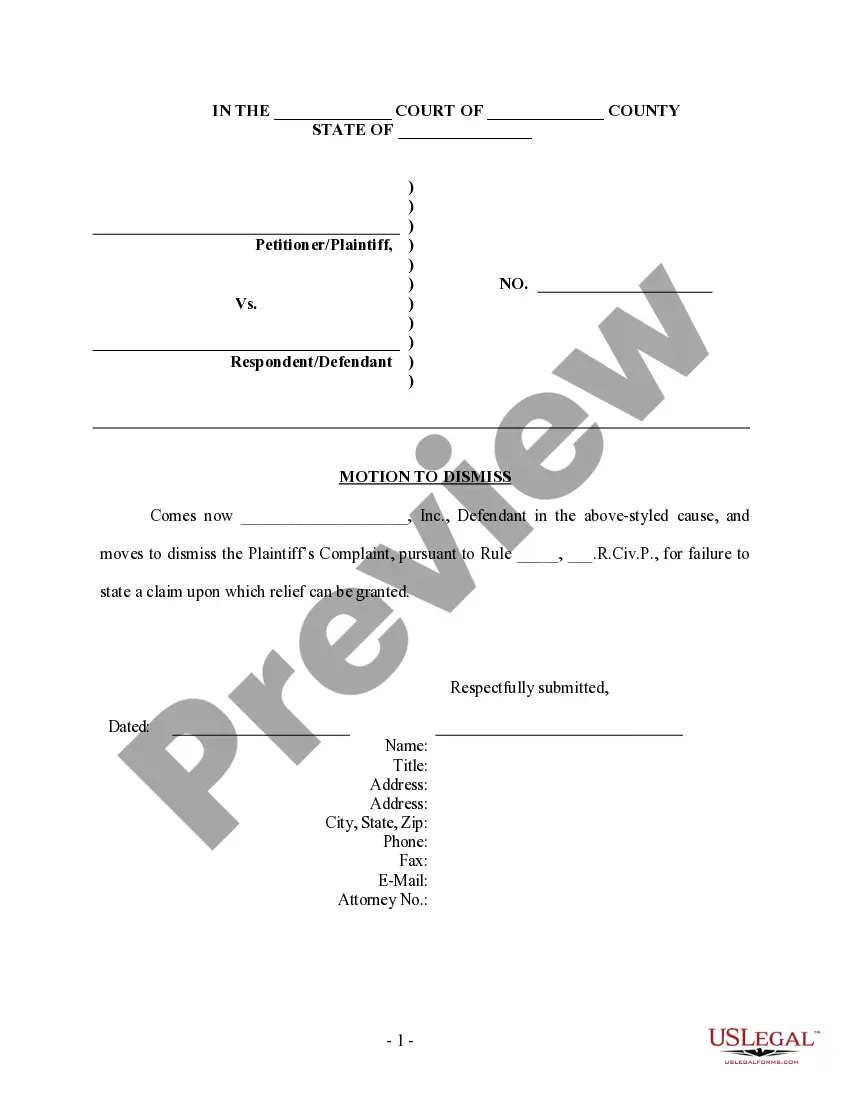
How to fill out Motion To Dismiss Foreclosure Action And Notice Of Motion?
- Log in to your existing US Legal Forms account. Ensure your subscription is active; renew it if necessary.
- If you're new to US Legal Forms, start by browsing the preview mode and form description. Confirm that you've selected the right form for your needs and that it adheres to local jurisdiction requirements.
- If you don’t find the correct template, utilize the search feature to locate the right document. Once confirmed, proceed to the next step.
- Purchase the desired form by clicking the 'Buy Now' button. Choose your subscription plan, which requires account registration to access the extensive library.
- Complete your purchase by entering your credit card details or using your PayPal account, ensuring you have full access to the forms.
- Download the form directly to your device. You can revisit your documents anytime through the 'My Forms' section in your profile.
US Legal Forms offers an extensive library with over 85,000 fillable legal documents, providing more options than competitors at a similar cost.
With access to premium experts for assistance, users can ensure their legal documents are accurate and sound. Start today and streamline your legal processes!
Form popularity
FAQ
The timeline for foreclosure with tenants in Washington can vary significantly. Typically, the process may take several months, but it can extend if tenants contest the eviction or if there are legal complications. Factors such as court schedules and specific case circumstances also play a role in this timeline. To navigate this process effectively, using a service like USLegalForms can help ensure you have the proper documentation and guidance.
Foreclosure with tenants can create complicated legal situations. It often results in the loss of your property, which can lead to significant financial strain. Additionally, foreclosed homes may sell for less than their market value, impacting the recovery of any remaining debts. It is also important to consider that the presence of tenants can complicate the eviction process, extending the timeline and costs involved.
The 120-day rule for foreclosure indicates that after a foreclosure, tenants have a minimum of 120 days to vacate the property, as outlined under the Protecting Tenants at Foreclosure Act. This rule provides security for tenants facing foreclosure by giving them time to find new housing. Understanding this timeline is crucial for those experiencing foreclosure with tenants. For more guidance, consider using US Legal Forms to obtain relevant legal documents.
The Protecting Tenants at Foreclosure Act was made permanent by the Economic Growth, Regulatory Relief, and Consumer Protection Act of 2018. This legislation ensures tenant protection during foreclosures, allowing tenants to stay in their homes for a specified time. It highlights the importance of understanding tenants' rights in foreclosure with tenants. Using US Legal Forms can help you navigate these complexities.
The 120 foreclosure rule refers to a key timeframe in New York foreclosures, allowing borrowers 120 days to cure their default before a lender can file for foreclosure. This period gives property owners and tenants time to seek resolution without immediately facing eviction. Understanding this rule is essential for anyone involved in foreclosure with tenants, as it provides critical protection.
Recent changes in foreclosure laws in New York have aimed at providing better protections to homeowners and tenants. The new law requires landlords to provide additional notice to tenants prior to foreclosing, ensuring they are informed of any upcoming actions. These measures help safeguard tenants' interests during a landlord's foreclosure with tenants.
If your landlord is not paying their mortgage, first check your lease and tenant rights. You may need to communicate directly with the landlord or property manager about the situation. If foreclosure with tenants occurs, understand your legal rights and protections, as you might have options to secure your residency during the process.
In New York, the foreclosure process is judicial, meaning it goes through the court system. Homeowners must receive notice about the foreclosure, and there is a requirement for a 90-day pre-foreclosure notice. If tenants occupy the property, they are entitled to certain protections during the foreclosure process, emphasizing the importance of understanding how foreclosure with tenants works.
The Protecting Tenants Against Foreclosure Act is often confused with the PTFA, but its essence lies in similar protections offered to renters. It emphasizes tenant rights during the foreclosure process, ensuring humane treatment and providing security in housing. Being aware of these tenant protections is critical for those living in properties facing foreclosure with tenants.
The Protecting Tenants at Foreclosure Act is a crucial piece of legislation designed to protect renters during the foreclosure process. This act mandates that tenants can stay in their homes for a limited time, ensuring they are not abruptly displaced. Knowing about this act can provide tenants with a sense of security during the uncertainty of foreclosure with tenants.