Foreclosure For Property Taxes
Description
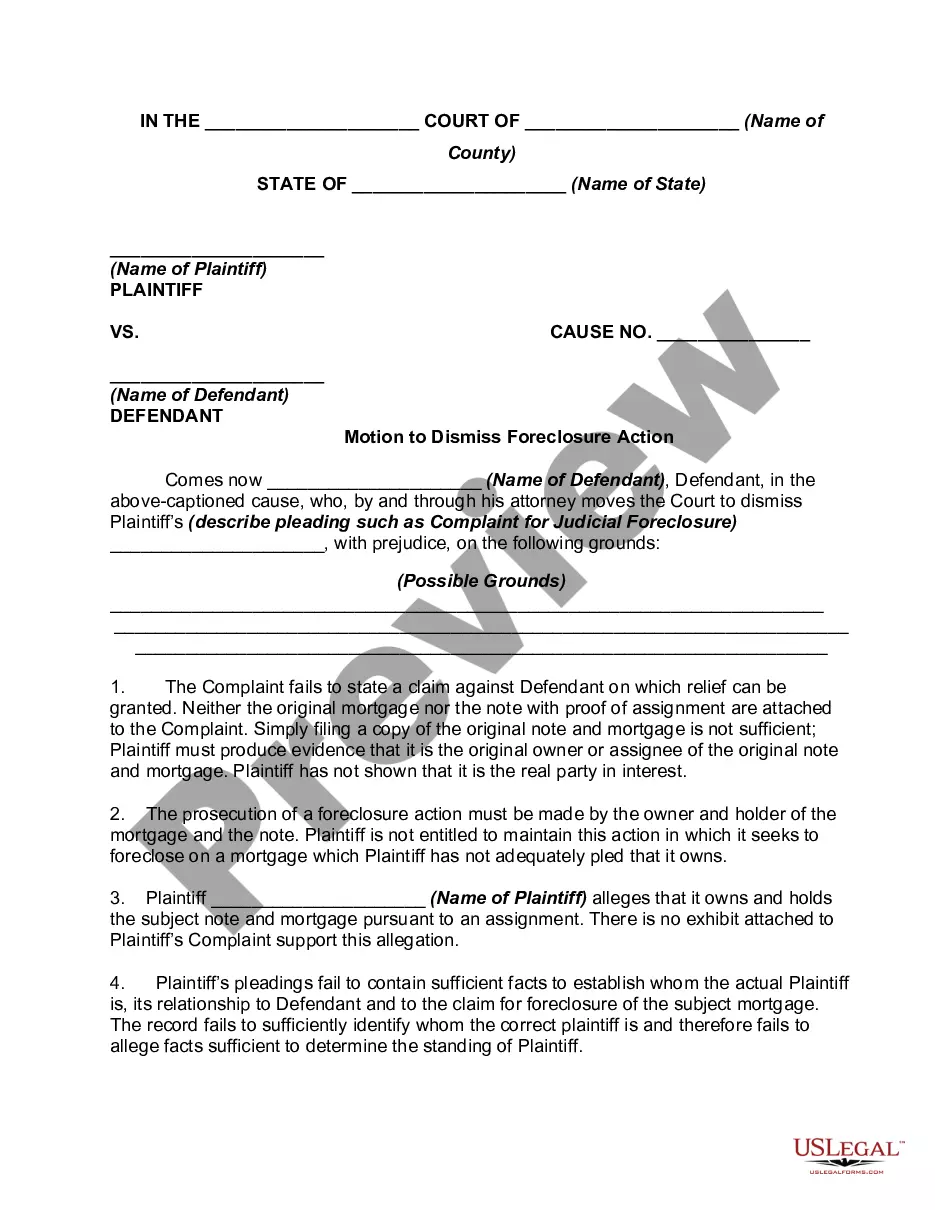
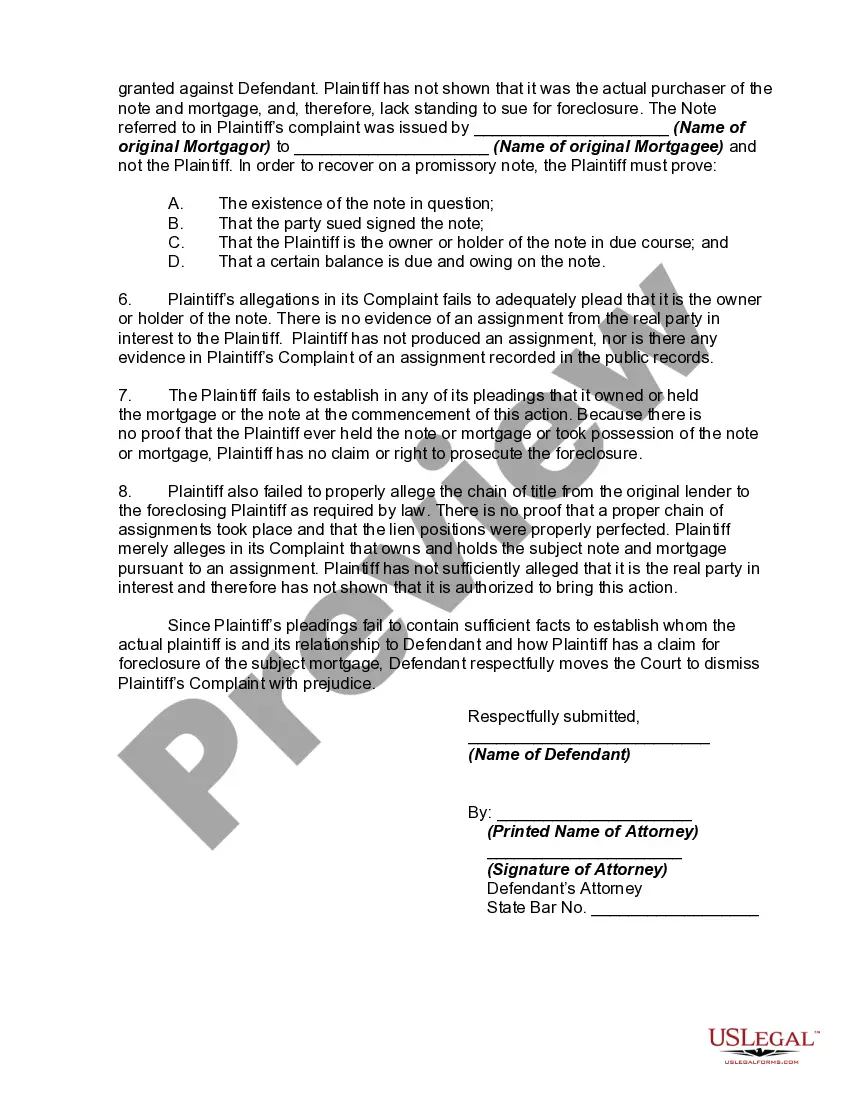
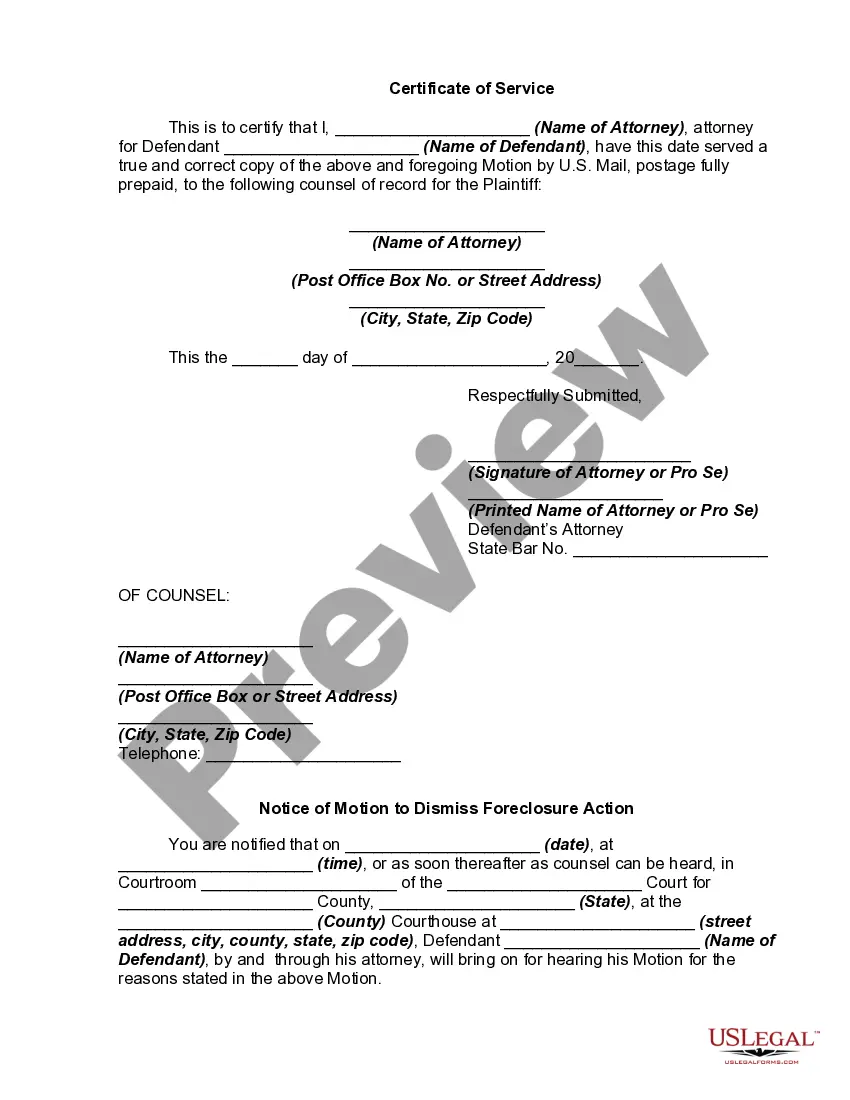
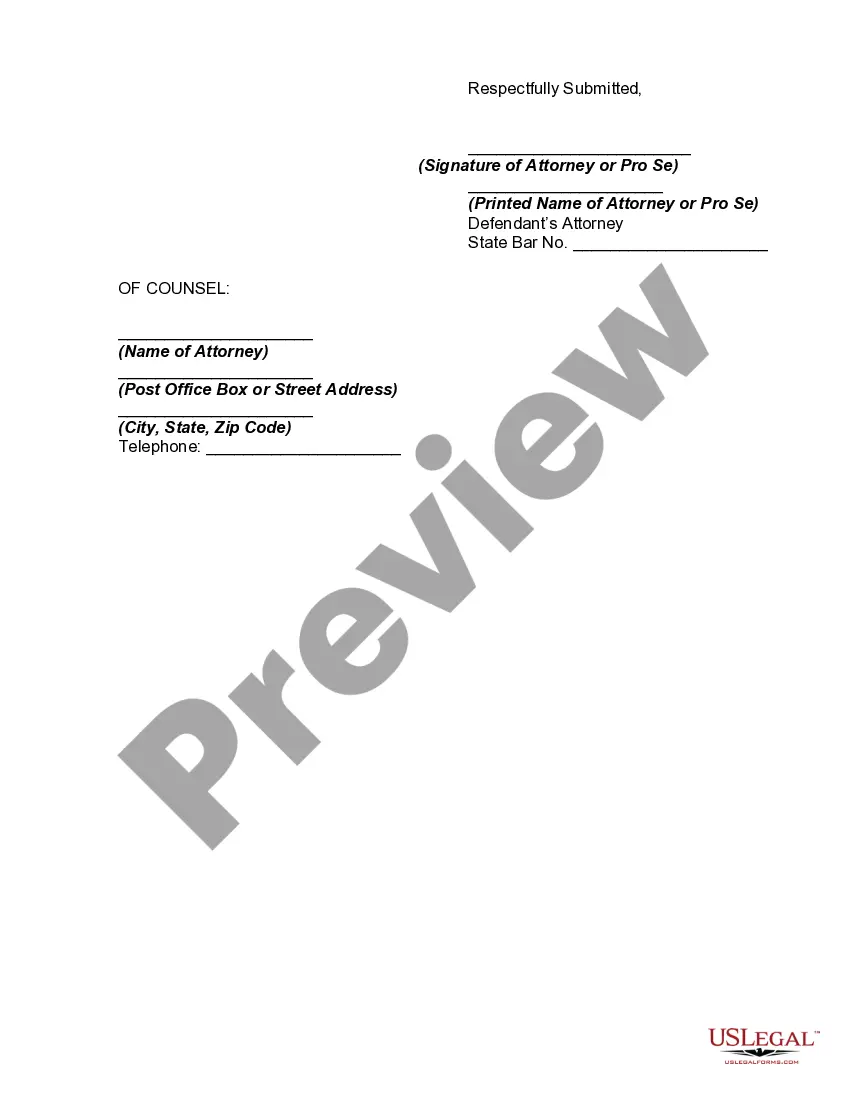
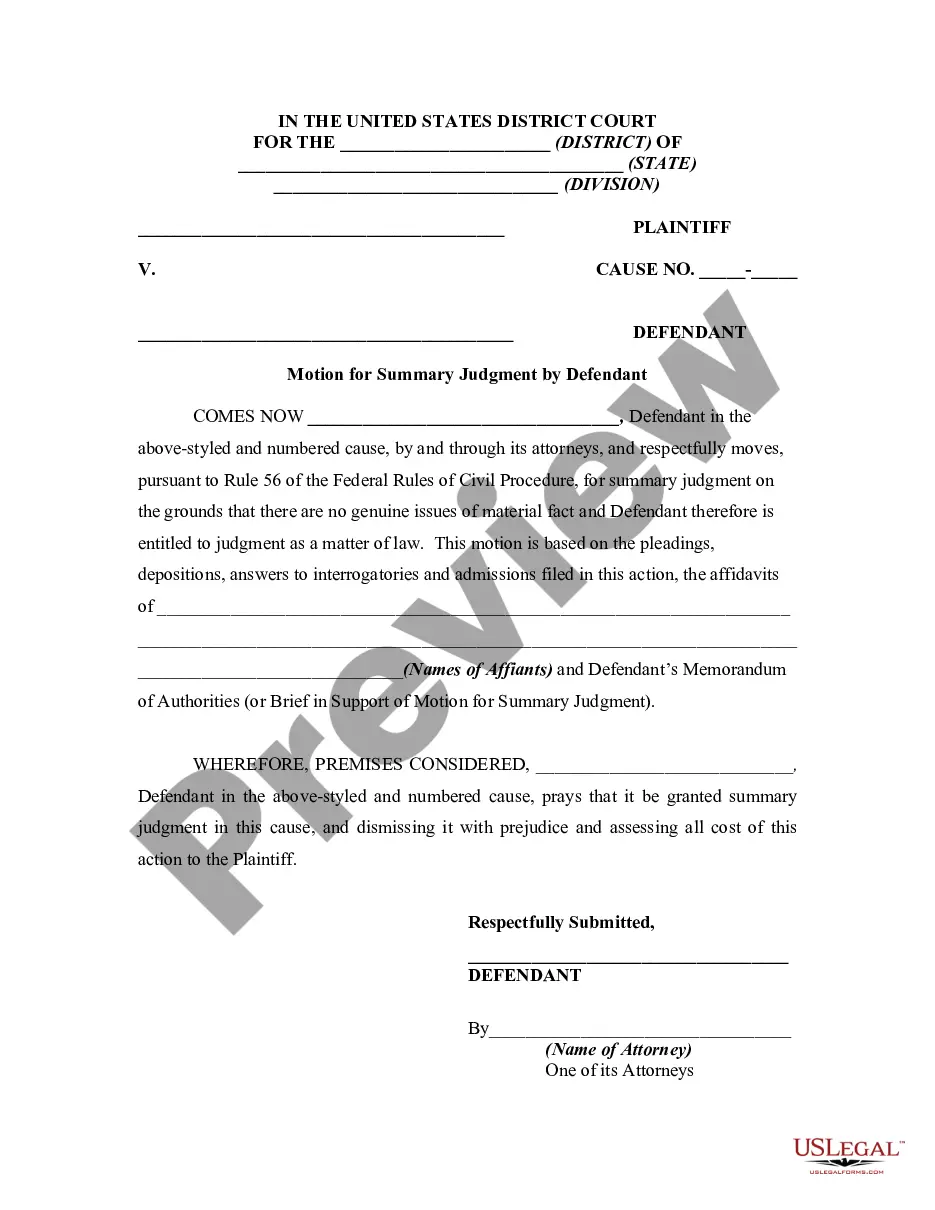
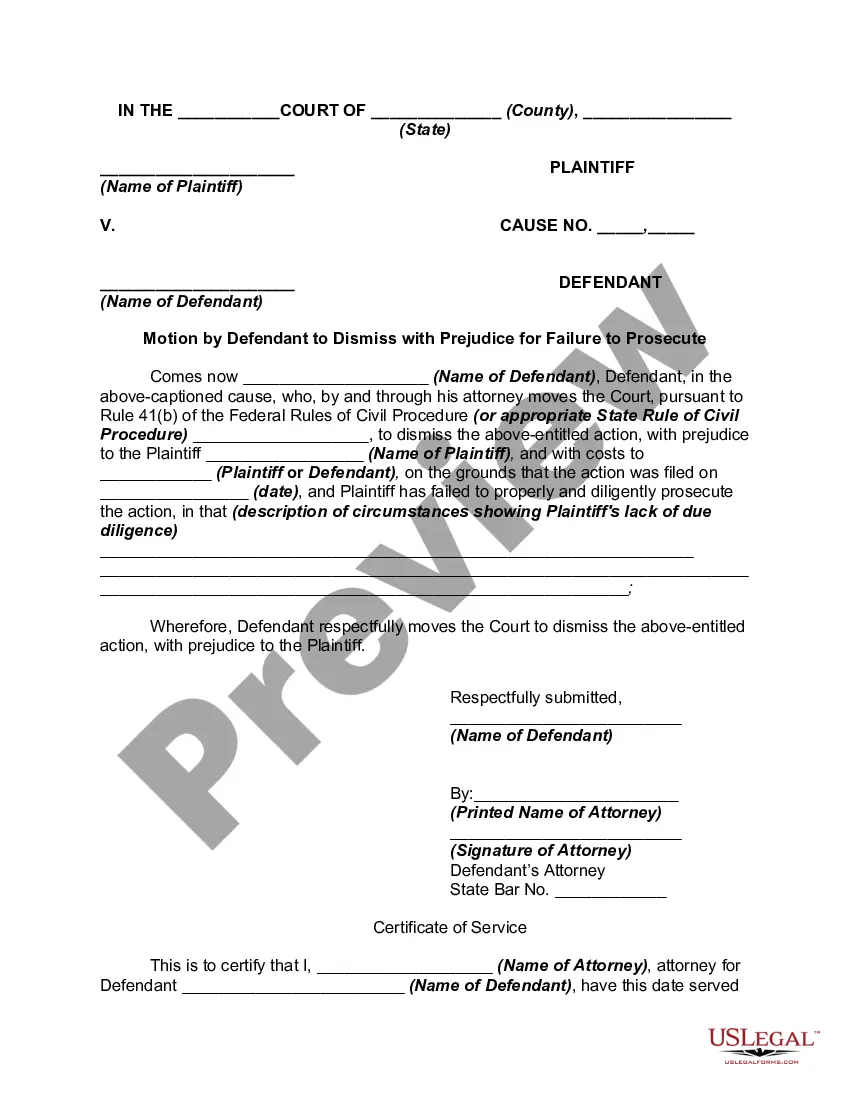
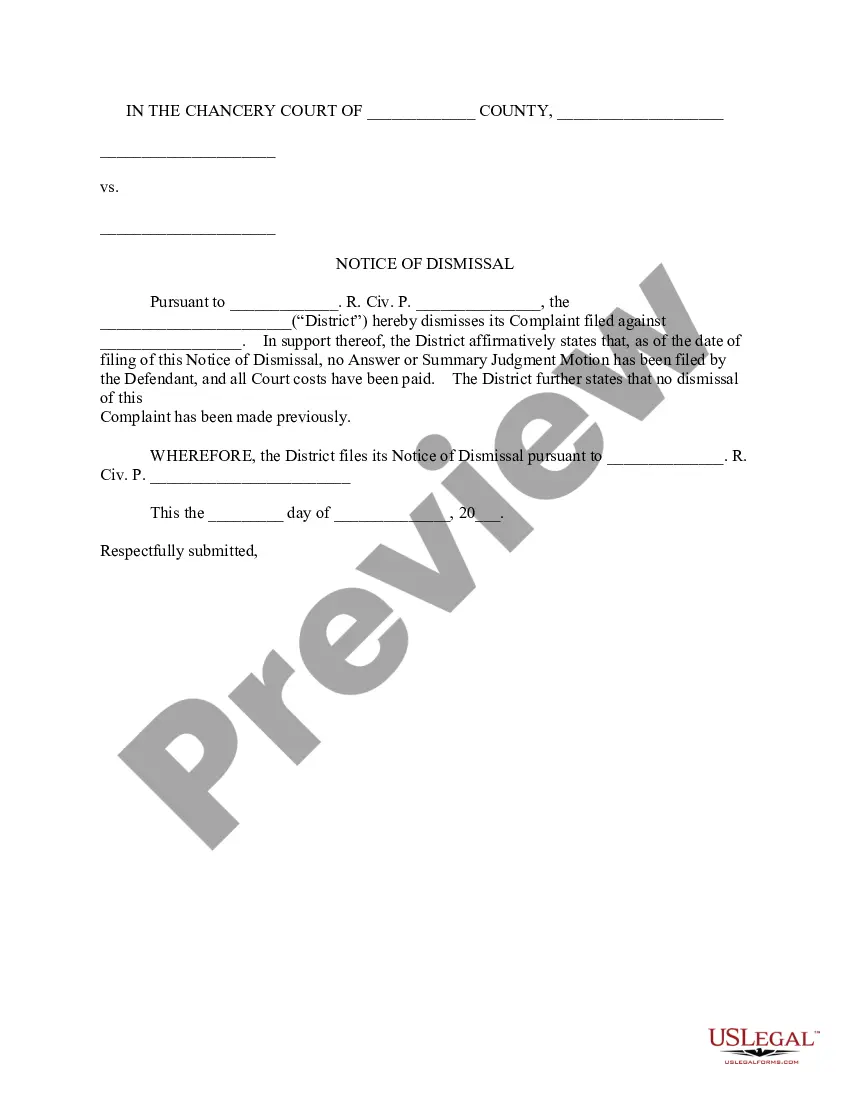
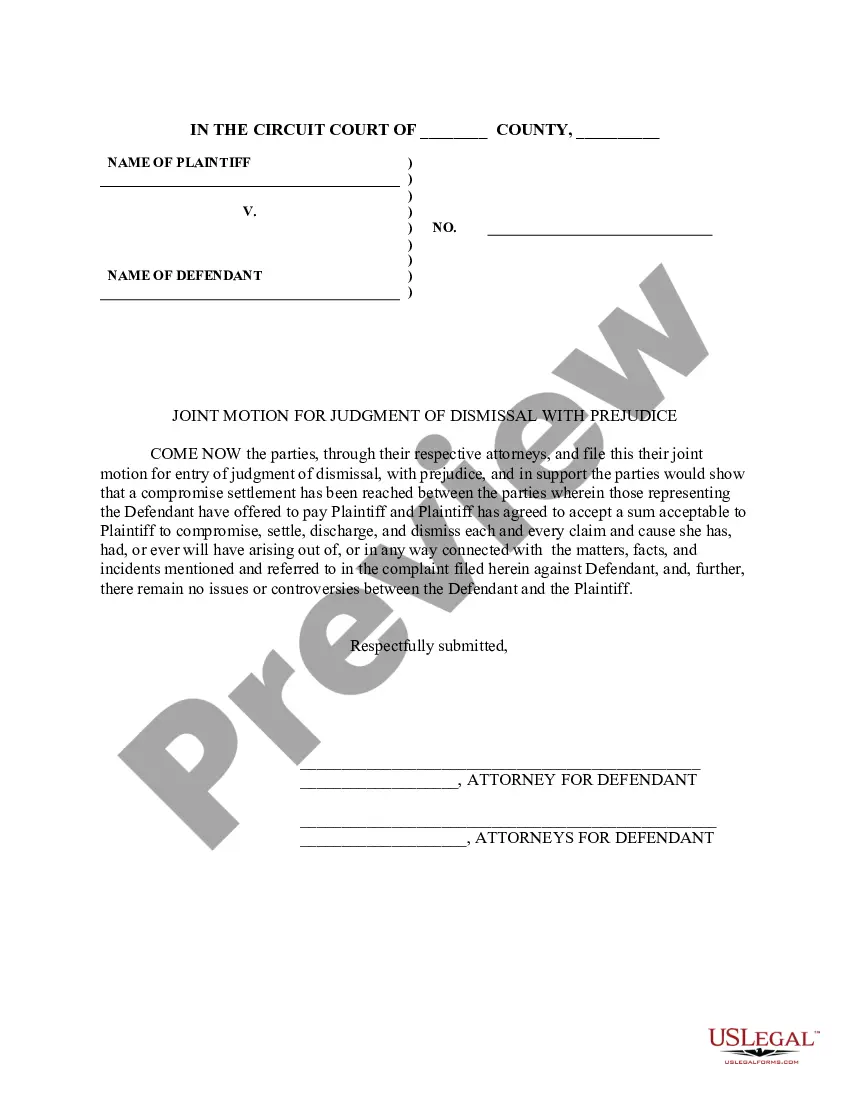
Get your form ready online
Our built-in tools help you complete, sign, share, and store your documents in one place.
Make edits, fill in missing information, and update formatting in US Legal Forms—just like you would in MS Word.
Download a copy, print it, send it by email, or mail it via USPS—whatever works best for your next step.
Sign and collect signatures with our SignNow integration. Send to multiple recipients, set reminders, and more. Go Premium to unlock E-Sign.
If this form requires notarization, complete it online through a secure video call—no need to meet a notary in person or wait for an appointment.
We protect your documents and personal data by following strict security and privacy standards.

Make edits, fill in missing information, and update formatting in US Legal Forms—just like you would in MS Word.

Download a copy, print it, send it by email, or mail it via USPS—whatever works best for your next step.

Sign and collect signatures with our SignNow integration. Send to multiple recipients, set reminders, and more. Go Premium to unlock E-Sign.

If this form requires notarization, complete it online through a secure video call—no need to meet a notary in person or wait for an appointment.

We protect your documents and personal data by following strict security and privacy standards.
Looking for another form?




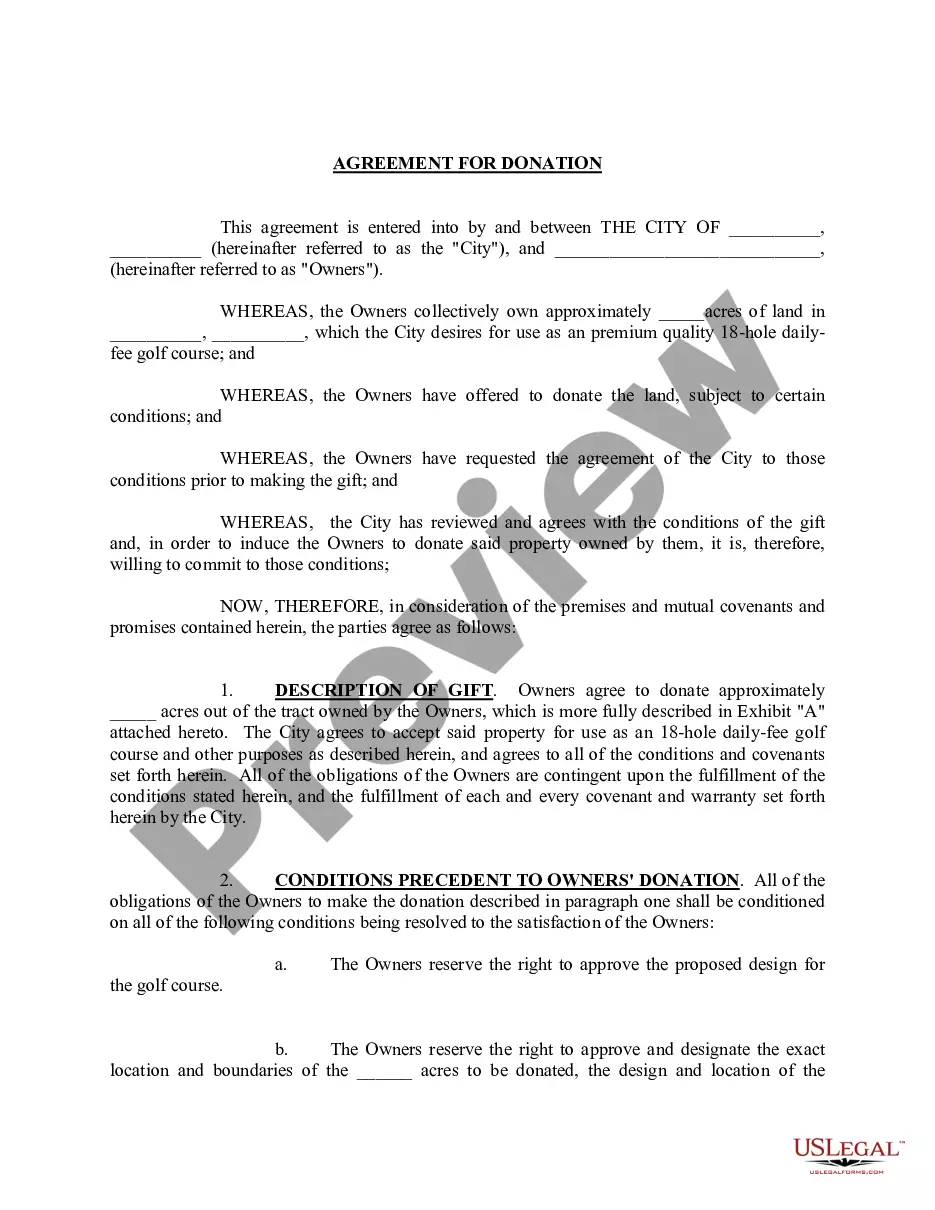




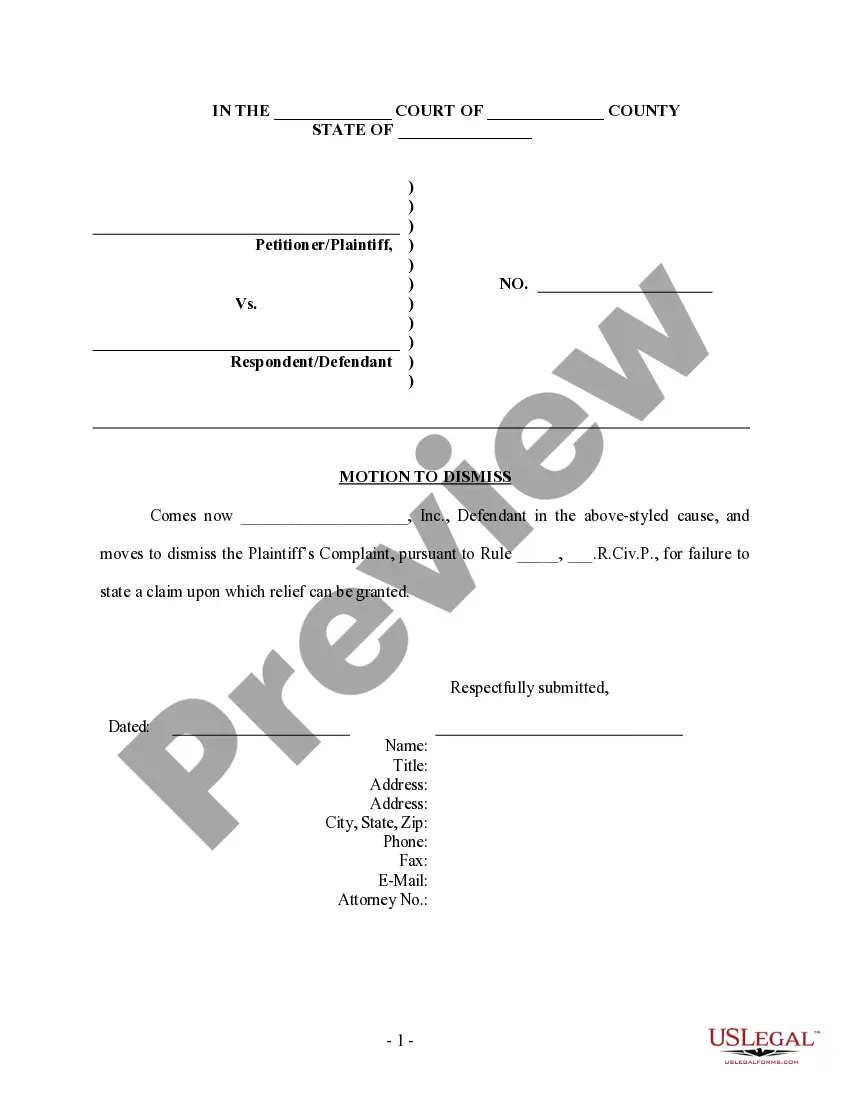
How to fill out Motion To Dismiss Foreclosure Action And Notice Of Motion?
- If you are an existing user, log in to your US Legal Forms account. Ensure your subscription remains active before proceeding.
- In the Preview mode, review the selected form description. Verify it aligns with your needs and local legal requirements.
- Should you find discrepancies, utilize the Search tab to locate alternative templates suitable for your situation.
- After confirming, click on the Buy Now button and select your preferred subscription plan. Registration is necessary to access additional resources.
- Complete your purchase by entering your payment details or using your PayPal account.
- Once you have paid, download the form to your device. Access it later in the My Forms section of your profile.
By following these steps, you can effortlessly secure the legal templates necessary for addressing foreclosure for property taxes. US Legal Forms provides comprehensive resources to ensure accuracy and compliance with legal standards.
Take control of your legal documentation today by exploring US Legal Forms. Start your journey towards efficient legal solutions now!
Form popularity
FAQ
The tax foreclosure process in New York begins when property taxes remain unpaid for a prolonged period, typically two years. Local governments will file a petition for foreclosure for property taxes, which leads to a court hearing. If the court rules in favor of the municipality, your property may be sold at auction to recover the owed taxes. To navigate this complex process, consider utilizing resources like US Legal Forms to ensure you understand your rights and options.
In New York State, property taxes can go unpaid for a minimum of two years before the foreclosure process for property taxes commences. This timeline can vary based on the local municipality's rules. Once foreclosure proceedings begin, the tax debt must be settled to prevent losing your home.
When a property is in tax foreclosure, it means the government has initiated the process to reclaim it due to unpaid property taxes. This process serves as a legal reminder that property owners have obligations to their local governments. The foreclosure can lead to public auctions where the property is sold to recover owed taxes. Staying informed about foreclosure for property taxes is vital to avoid losing your property, and US Legal Forms can assist you in understanding your rights and options.
A property tax foreclosure can negatively impact your credit score. When a tax foreclosure occurs, it typically gets reported to credit bureaus, which can lower your creditworthiness. This may hinder your ability to secure loans or favorable interest rates in the future. It's essential to understand the implications of foreclosure for property taxes and take proactive steps to address any financial issues.
Yes, in many cases, paying back taxes can lead to property ownership. When you settle the outstanding property taxes, you may have the chance to acquire the property through a tax lien or tax deed sale. However, this process varies by state, and laws can be complex. Consulting platforms like US Legal Forms can provide clarity and guidance tailored to your specific situation.
Tax lien investing can seem attractive, but it carries specific risks. Many investors face the possibility of foreclosure for property taxes, which may lead to losing their investment. Additionally, there can be issues with redemption periods, where property owners reclaim their properties and investors see no return. It's crucial to conduct thorough research and understand these risks before jumping into tax lien investments.
Foreclosure for property taxes can significantly affect your income tax return by potentially increasing your taxable income. You might have to report any canceled debt, which could lead to a tax liability. However, understanding the tax implications thoroughly can help you navigate your filing accurately. If uncertain, utilize resources from platforms like US Legal Forms to access tools that guide you through these complex scenarios.
In general, you can’t write off a foreclosure for property taxes, but you may claim other related deductions. Losing a home impacts your financial situation, and you may be eligible for certain tax relief opportunities. For instance, if the property was your primary residence, you could include any losses when reporting your tax return. Consulting with an expert can help you explore available deductions.
Yes, it is likely that you will receive a 1099-C, Cancellation of Debt, after a foreclosure for property taxes. This form reports any forgiven or canceled debt and is essential for your tax records. Keep an eye on the mail, as some lenders are required to send this form if your debt exceeds a certain amount. Make sure to include this information when preparing your tax returns.
The primary tax form you will use for reporting a foreclosure for property taxes is Form 982, Reduction of Tax Attributes Due to Discharge of Indebtedness. This form helps you report any forgiven debt related to the foreclosure. Additionally, you may need to complete Schedule A to detail any property tax deductions. Always consult a tax advisor for personalized guidance.