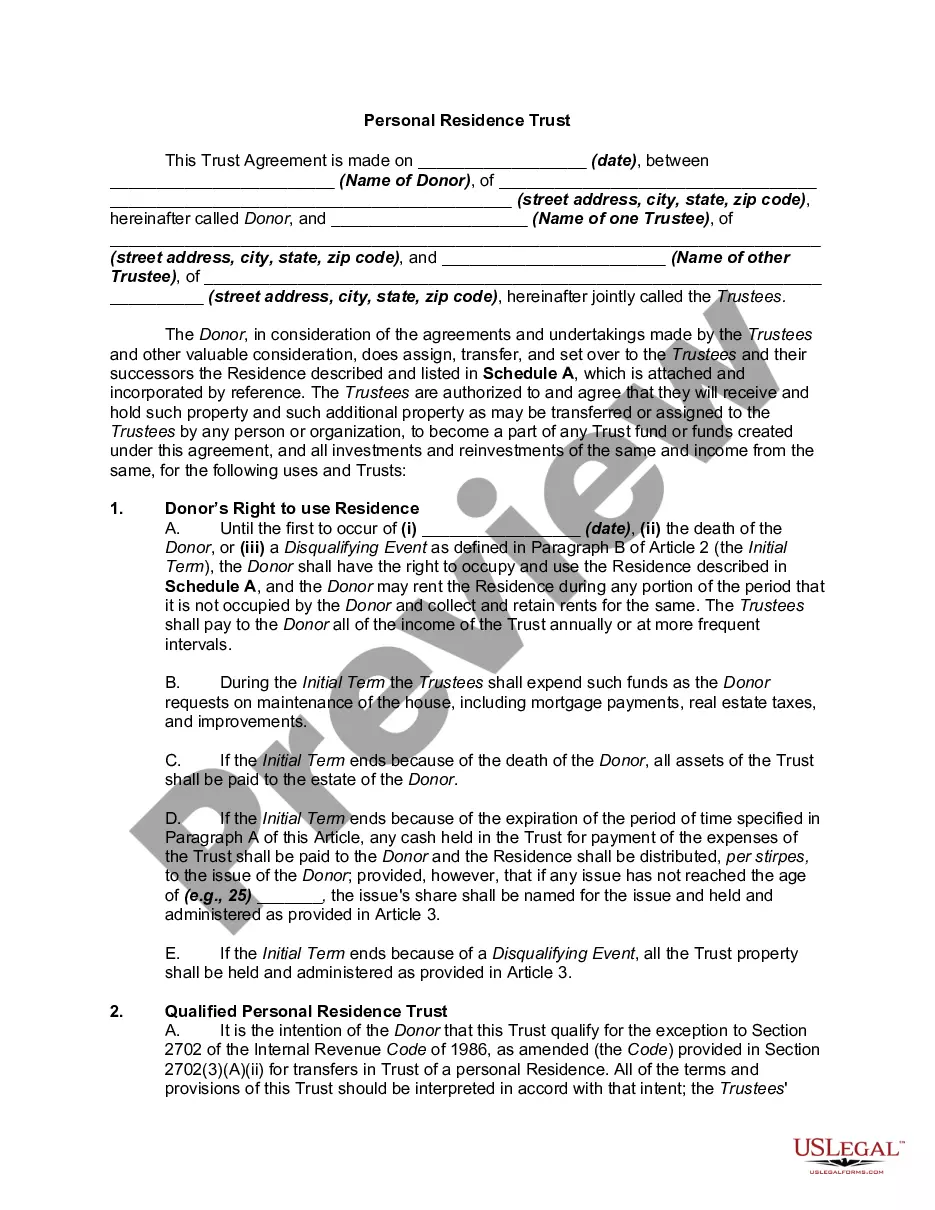
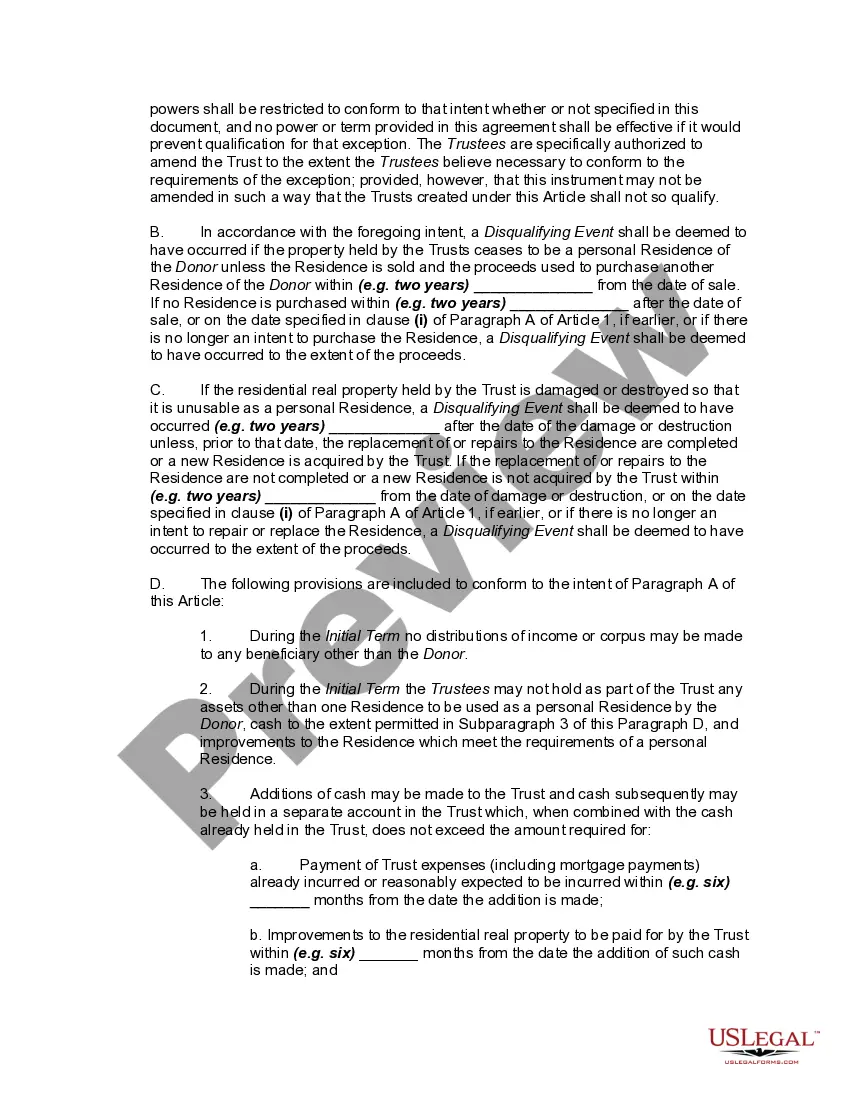
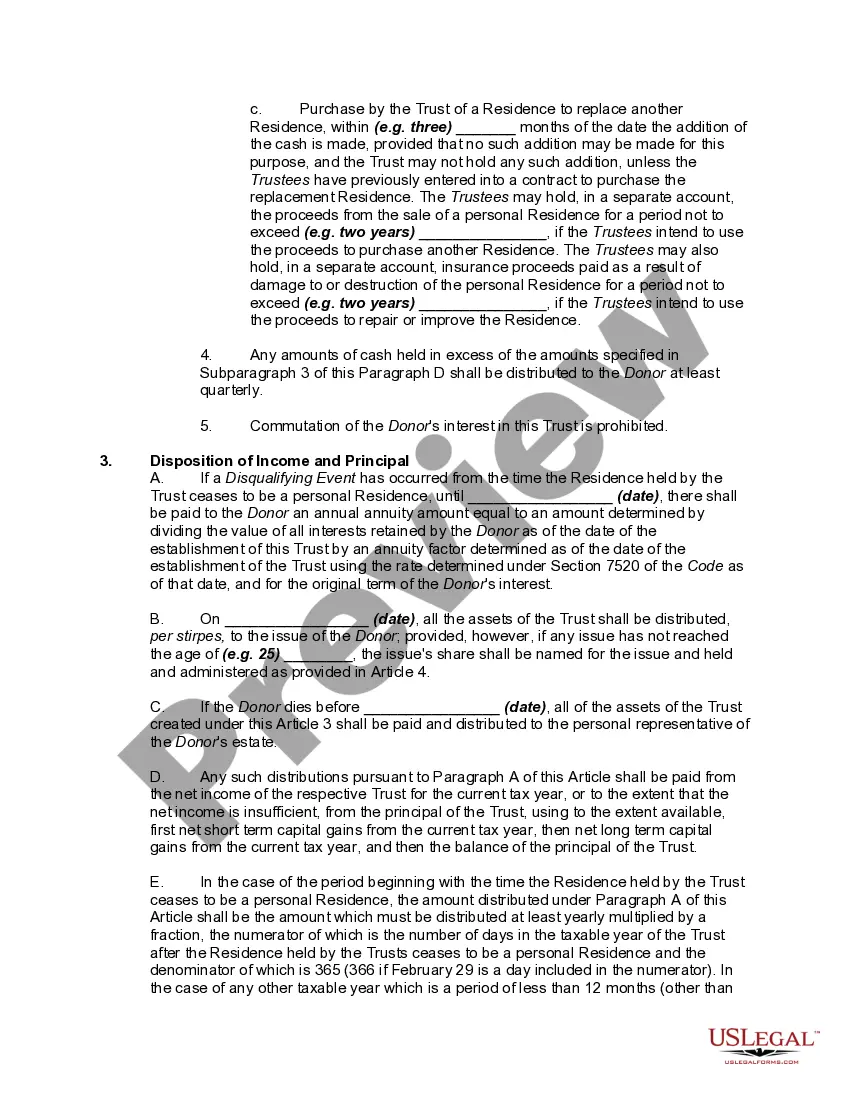
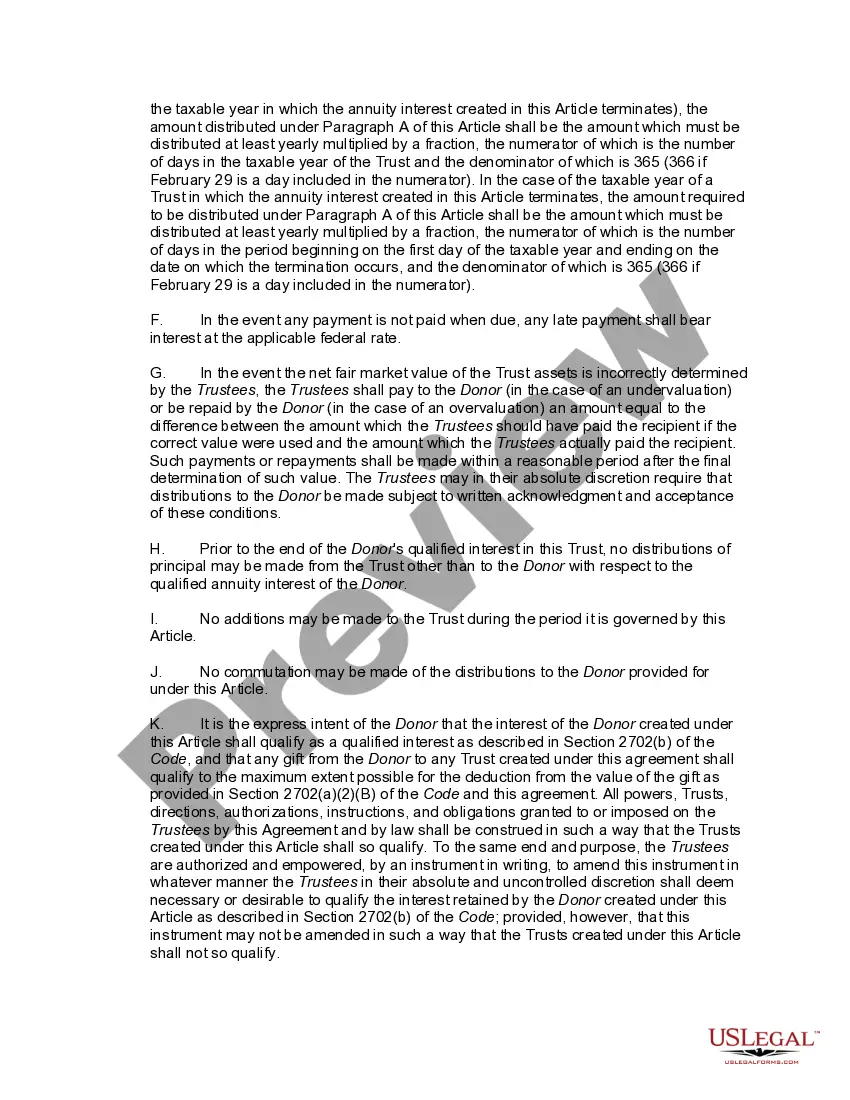
Personal Residence Real With Acreage
Description
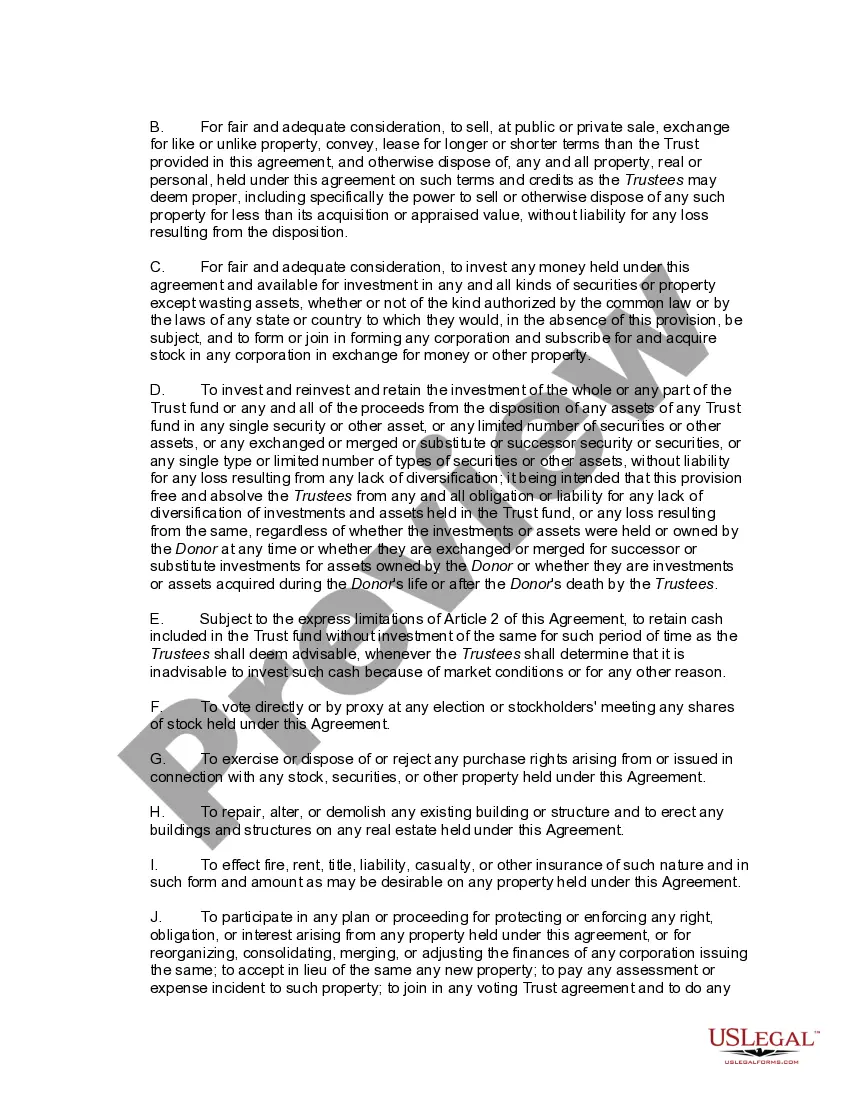
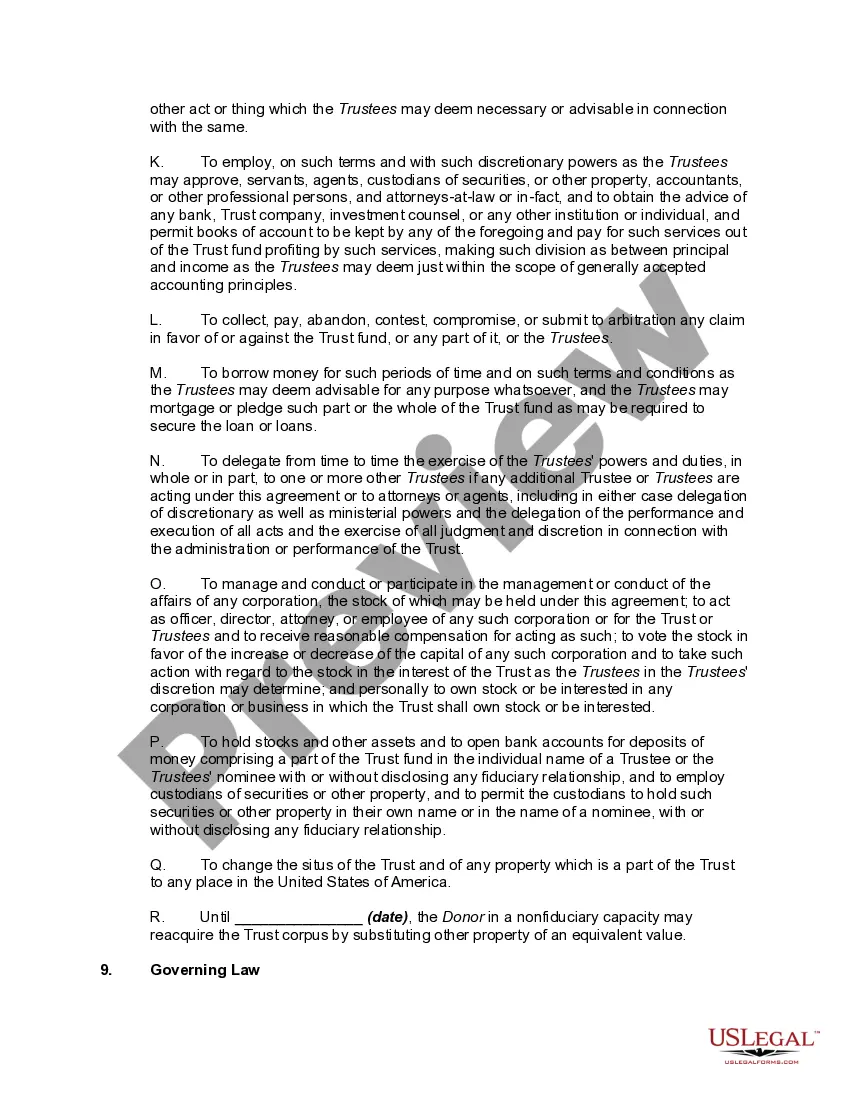

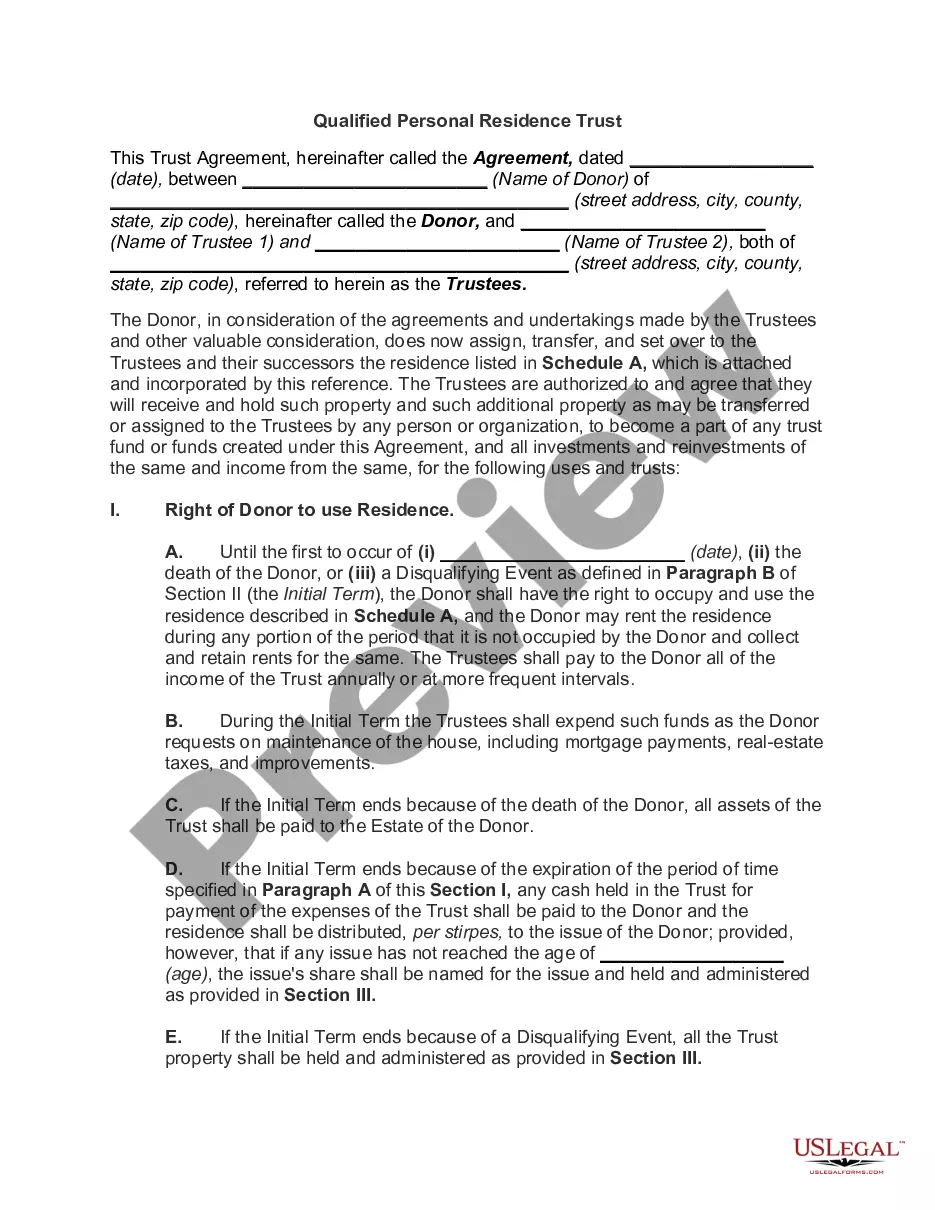
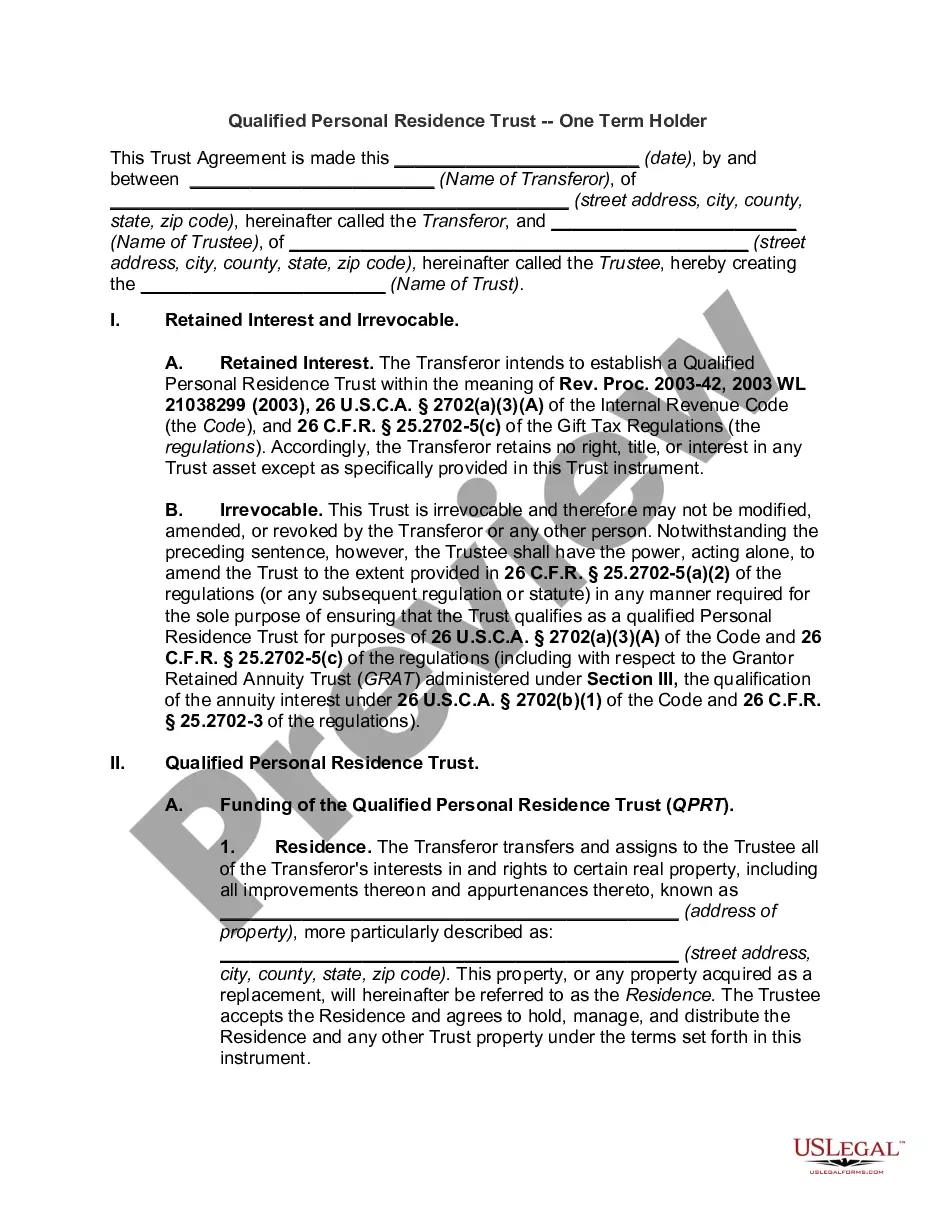
Get your form ready online
Our built-in tools help you complete, sign, share, and store your documents in one place.
Make edits, fill in missing information, and update formatting in US Legal Forms—just like you would in MS Word.
Download a copy, print it, send it by email, or mail it via USPS—whatever works best for your next step.
Sign and collect signatures with our SignNow integration. Send to multiple recipients, set reminders, and more. Go Premium to unlock E-Sign.
If this form requires notarization, complete it online through a secure video call—no need to meet a notary in person or wait for an appointment.
We protect your documents and personal data by following strict security and privacy standards.

Make edits, fill in missing information, and update formatting in US Legal Forms—just like you would in MS Word.

Download a copy, print it, send it by email, or mail it via USPS—whatever works best for your next step.

Sign and collect signatures with our SignNow integration. Send to multiple recipients, set reminders, and more. Go Premium to unlock E-Sign.

If this form requires notarization, complete it online through a secure video call—no need to meet a notary in person or wait for an appointment.

We protect your documents and personal data by following strict security and privacy standards.
Looking for another form?
How to fill out Personal Residence Trust?
Securing legal document examples that adhere to federal and state regulations is crucial, and the online world provides numerous choices to select from.
However, what is the benefit of spending time seeking the correct Personal Residence Real With Acreage template on the internet if the US Legal Forms digital library already hosts such documents consolidated in one location.
US Legal Forms represents the largest virtual legal repository with over 85,000 fillable documents crafted by lawyers for any professional and personal situation.
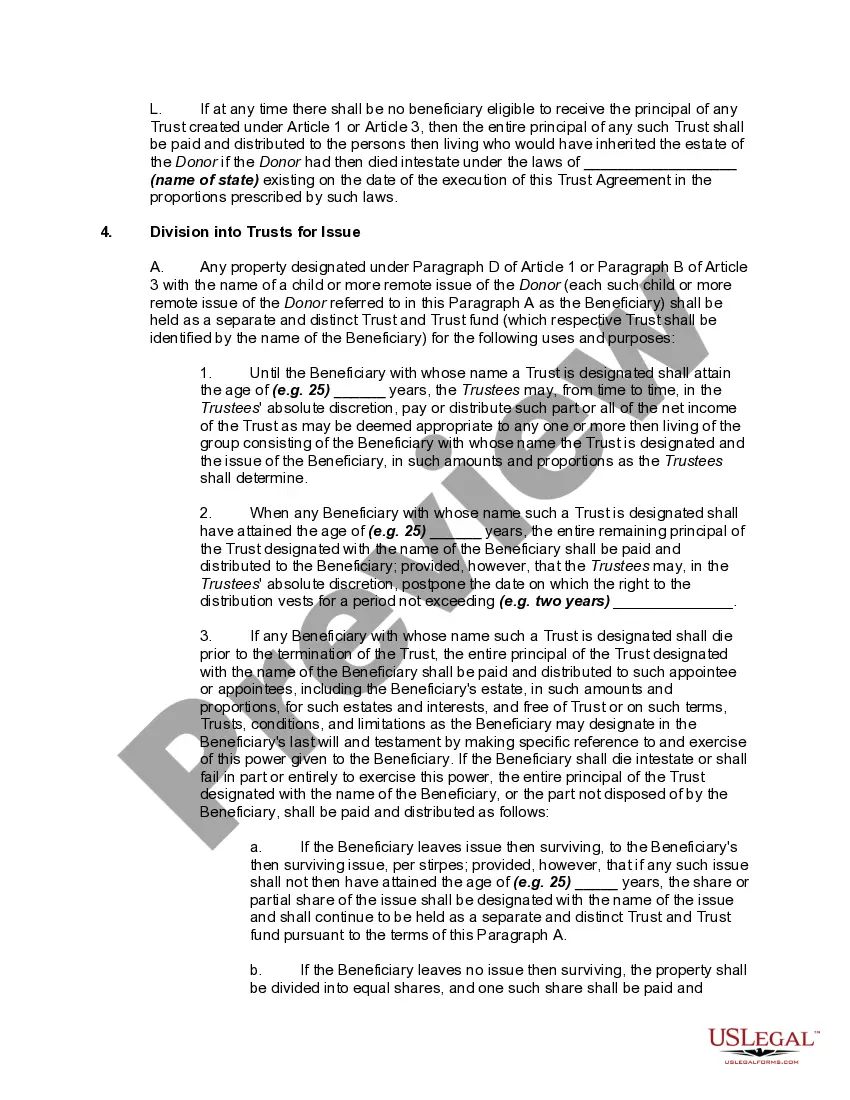
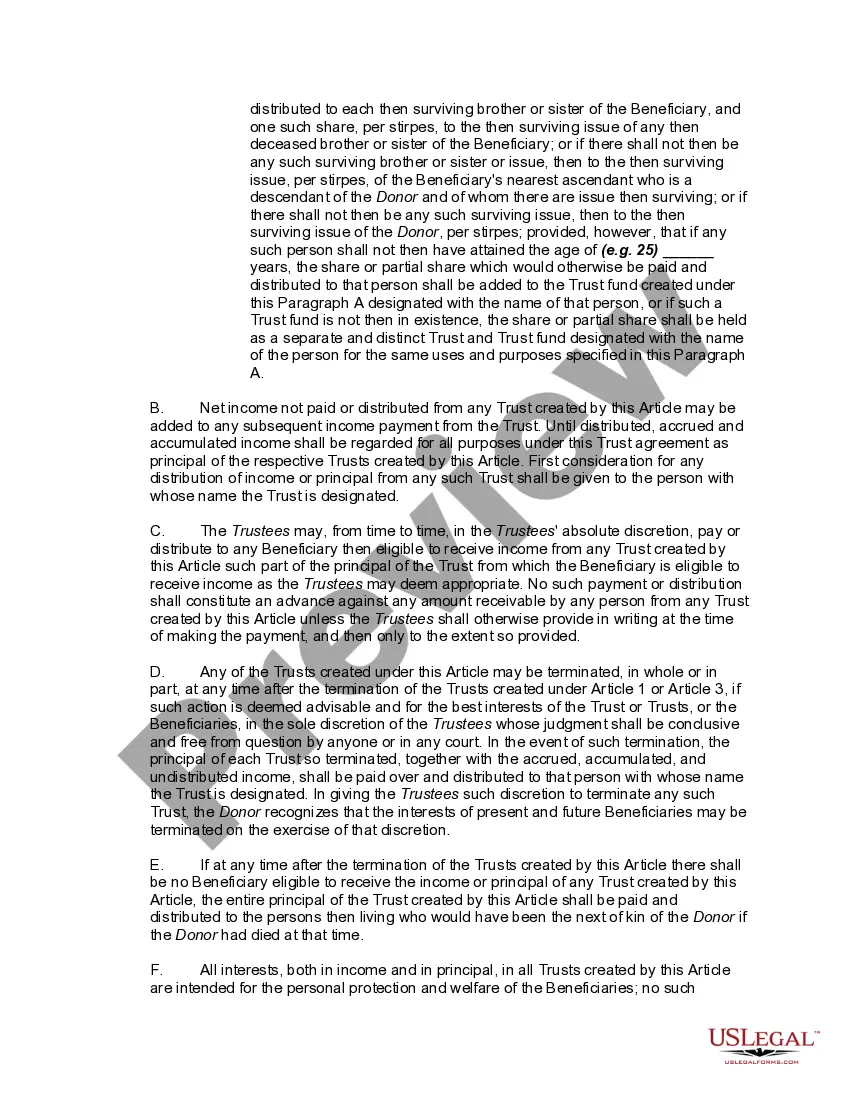
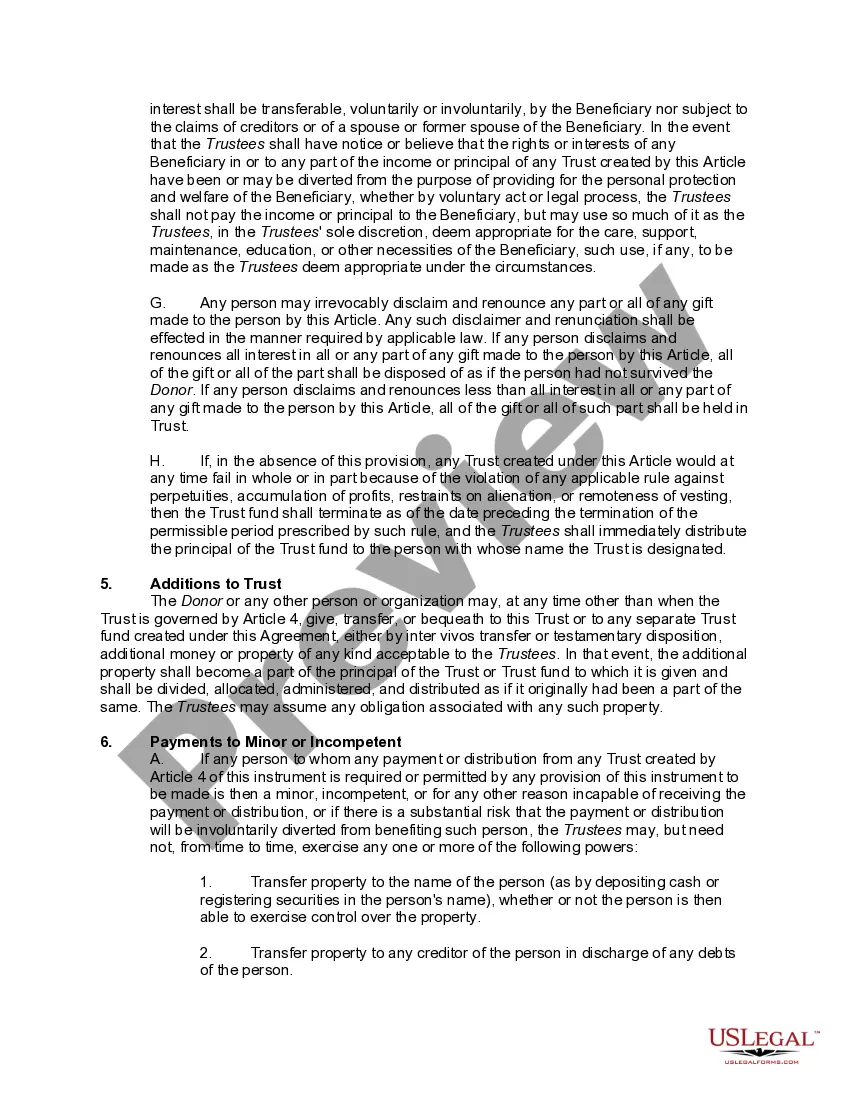
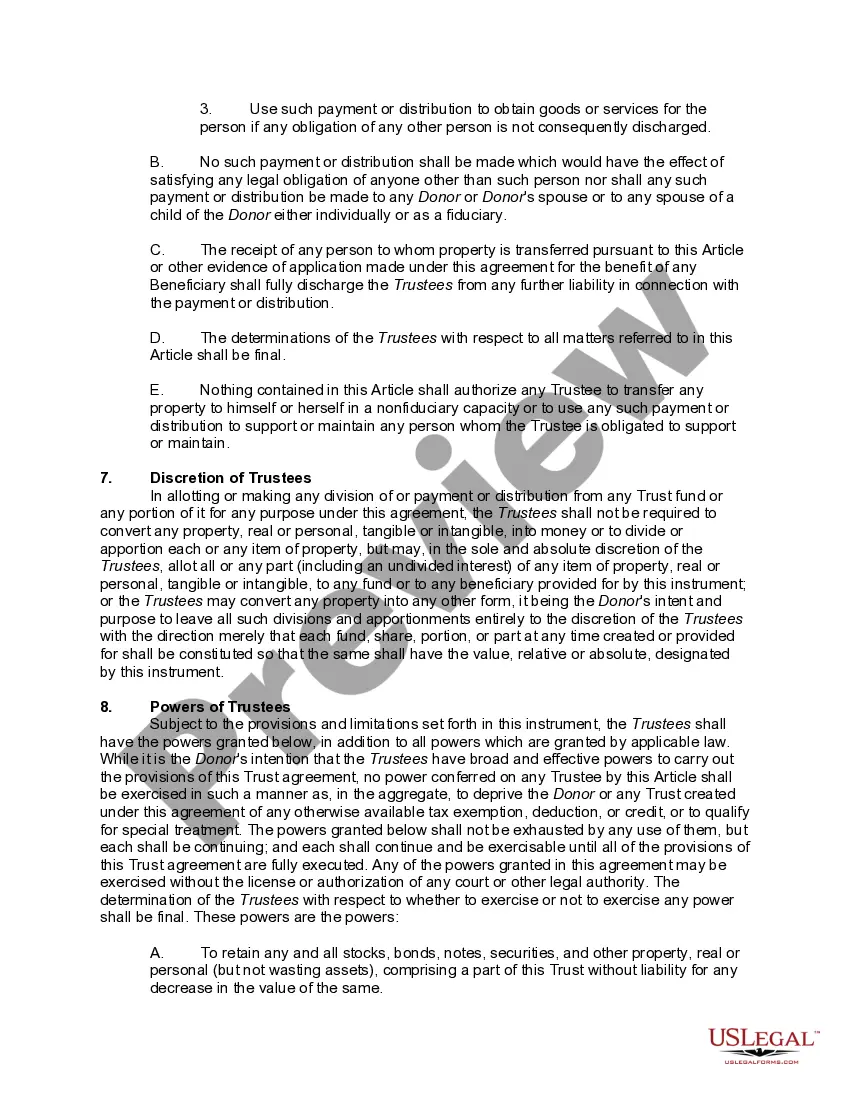
Review the template using the Preview option or through the text outline to ensure it satisfies your needs.
- They are straightforward to navigate with all documents organized by state and intended use.
- Our experts stay updated with legislative modifications, guaranteeing that your form is current and compliant when obtaining a Personal Residence Real With Acreage from our platform.
- Acquiring a Personal Residence Real With Acreage is quick and uncomplicated for both existing and new users.
- If you already possess an account with an active subscription, Log In and save the document sample you need in the appropriate format.
- If you are a new visitor to our site, follow the instructions below.
Form popularity
FAQ
The 7 rule in real estate usually relates to the belief that a buyer must see a property seven times before making a decision. This concept highlights the importance of persistence and exposure in property sales, particularly for personal residence real with acreage, which may take longer to sell than typical homes. By understanding this rule, sellers can strategize their marketing efforts more effectively. Utilizing platforms like US Legal Forms can help you create marketing materials that adhere to this principle.
Residential acreage refers to land designated for living purposes that offers ample space, usually exceeding one acre. This type of property not only provides room for a personal residence but also allows for various outdoor activities and developments. Owning a personal residence real with acreage can enhance your lifestyle by offering more privacy and outdoor opportunities. It can also be a worthwhile investment due to its unique characteristics.
The rule of 7 in real estate suggests a property should be visible to potential buyers within seven interactions, such as ads or direct mail. This principle emphasizes the importance of exposure when selling properties, including personal residence real with acreage. Consistent marketing and visibility can lead to quicker sales and higher offers. By ensuring strong visibility, you can increase the chances of selling your property effectively.
Living on an acreage means residing on a large parcel of land, typically more than an acre. This lifestyle offers significant outdoor space which is perfect for gardening, recreational activities, and privacy. Many people appreciate having a personal residence real with acreage as it allows for a connection with nature and opportunities for farming or raising animals. It also provides a peaceful retreat from urban environments.
Yes, land is considered a capital asset, and when sold, it can result in capital gains tax implications. If you sell personal residence real with acreage and the property has appreciated in value, you might owe taxes on the profit. It's essential to recognize the tax obligations associated with selling land to plan accordingly. Consulting with a tax professional or using platforms like US Legal Forms can simplify understanding your obligations.
The 2 out of 5 year rule refers to a provision in U.S. tax law, which allows homeowners to exclude capital gains from the sale of their primary residence. To qualify, you must have lived in your home as your principal residence for at least two of the last five years. When selling personal residence real with acreage, this rule can significantly reduce your tax liability. Understanding this rule can help you maximize the financial benefits of your property.
Proving your primary residence to the IRS involves providing supporting documentation that substantiates your claims. Gather items like your driver’s license, tax returns, and any official mail that confirms your residency. When it comes to owning a personal residence real with acreage, documentation related to property ownership can significantly bolster your proof.
Your primary residence is typically the address where you live most of the time and where you receive your mail. Factors that determine this include the location of your family, where you take care of daily responsibilities, and where you register for taxes. If you own a personal residence real with acreage, that property often qualifies as your primary residence if it meets the IRS occupancy requirements.
To prove your primary residence to the IRS, you should gather documents that clearly show your name and the address of your home. Valid documents include tax returns, utility bills, and voter registration records. If your property includes a personal residence real with acreage, ensure that you have comprehensive records to confirm your residency status.
Land may not always be exempt from capital gains tax, especially if it has been sold for profit. However, capital gains tax exemptions can apply if the land is part of a personal residence real with acreage that meets certain IRS criteria. Understanding these rules can help you maximize your benefits when selling property.