Malicious Prosecution With Intent
Description
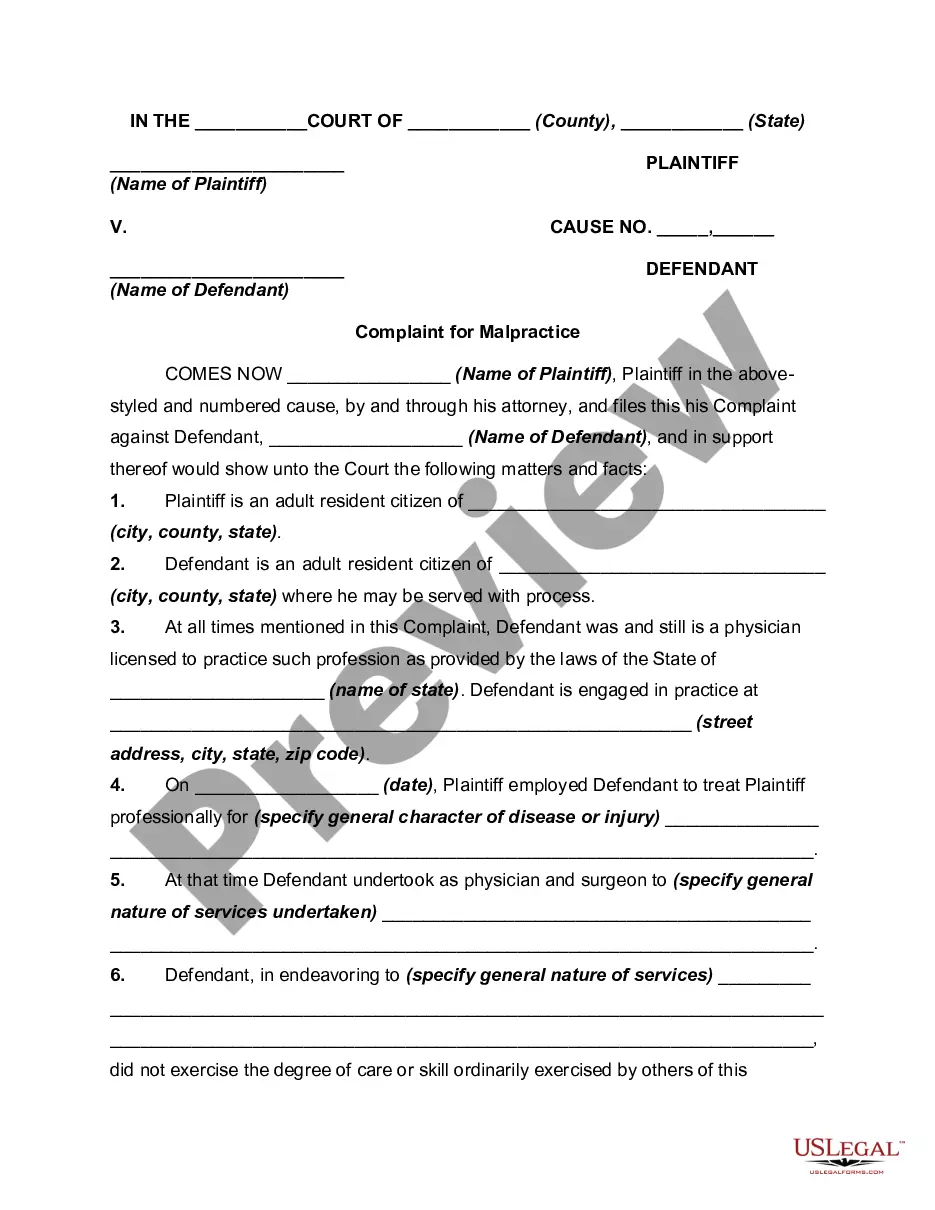
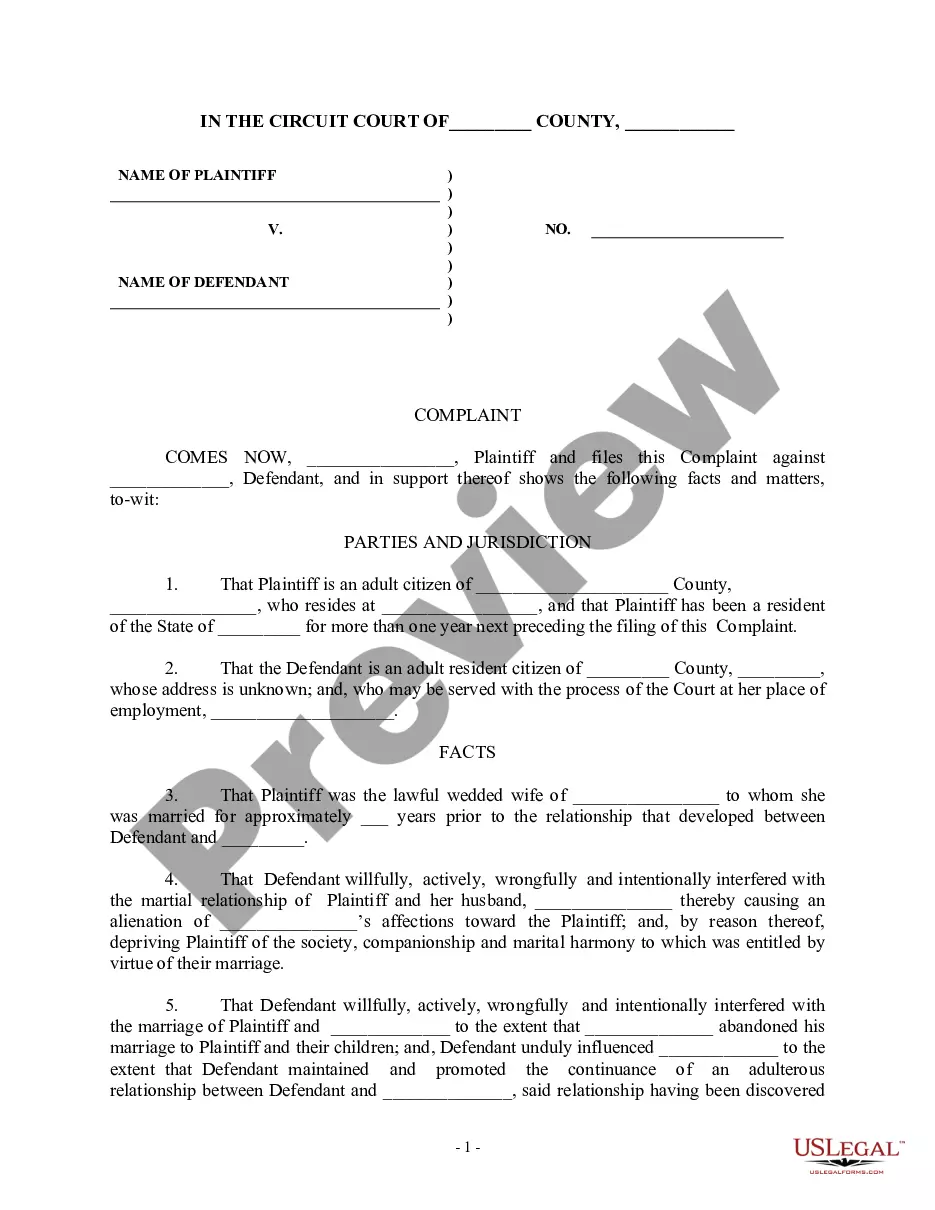
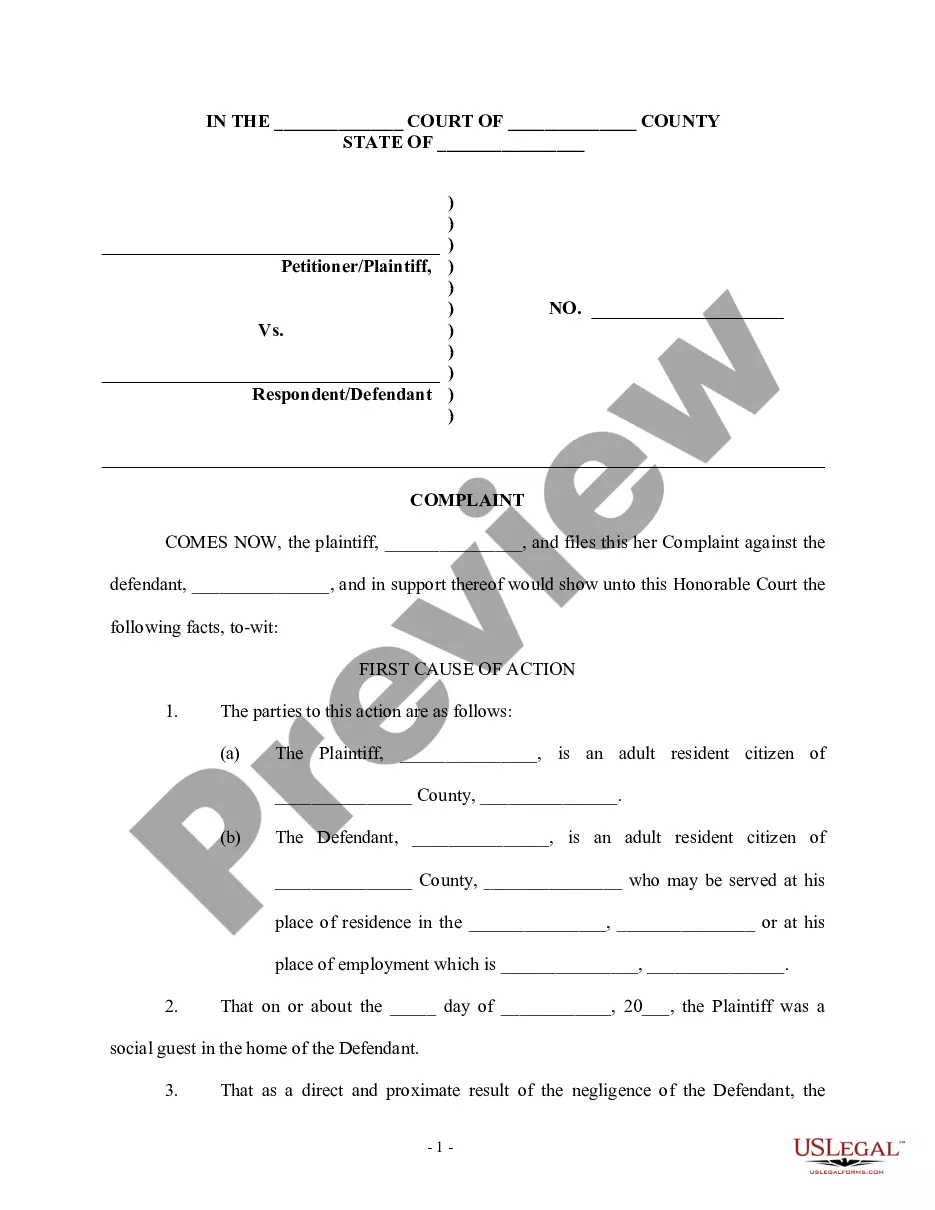
Get your form ready online
Our built-in tools help you complete, sign, share, and store your documents in one place.
Make edits, fill in missing information, and update formatting in US Legal Forms—just like you would in MS Word.
Download a copy, print it, send it by email, or mail it via USPS—whatever works best for your next step.
Sign and collect signatures with our SignNow integration. Send to multiple recipients, set reminders, and more. Go Premium to unlock E-Sign.
If this form requires notarization, complete it online through a secure video call—no need to meet a notary in person or wait for an appointment.
We protect your documents and personal data by following strict security and privacy standards.

Make edits, fill in missing information, and update formatting in US Legal Forms—just like you would in MS Word.

Download a copy, print it, send it by email, or mail it via USPS—whatever works best for your next step.

Sign and collect signatures with our SignNow integration. Send to multiple recipients, set reminders, and more. Go Premium to unlock E-Sign.

If this form requires notarization, complete it online through a secure video call—no need to meet a notary in person or wait for an appointment.

We protect your documents and personal data by following strict security and privacy standards.
Looking for another form?
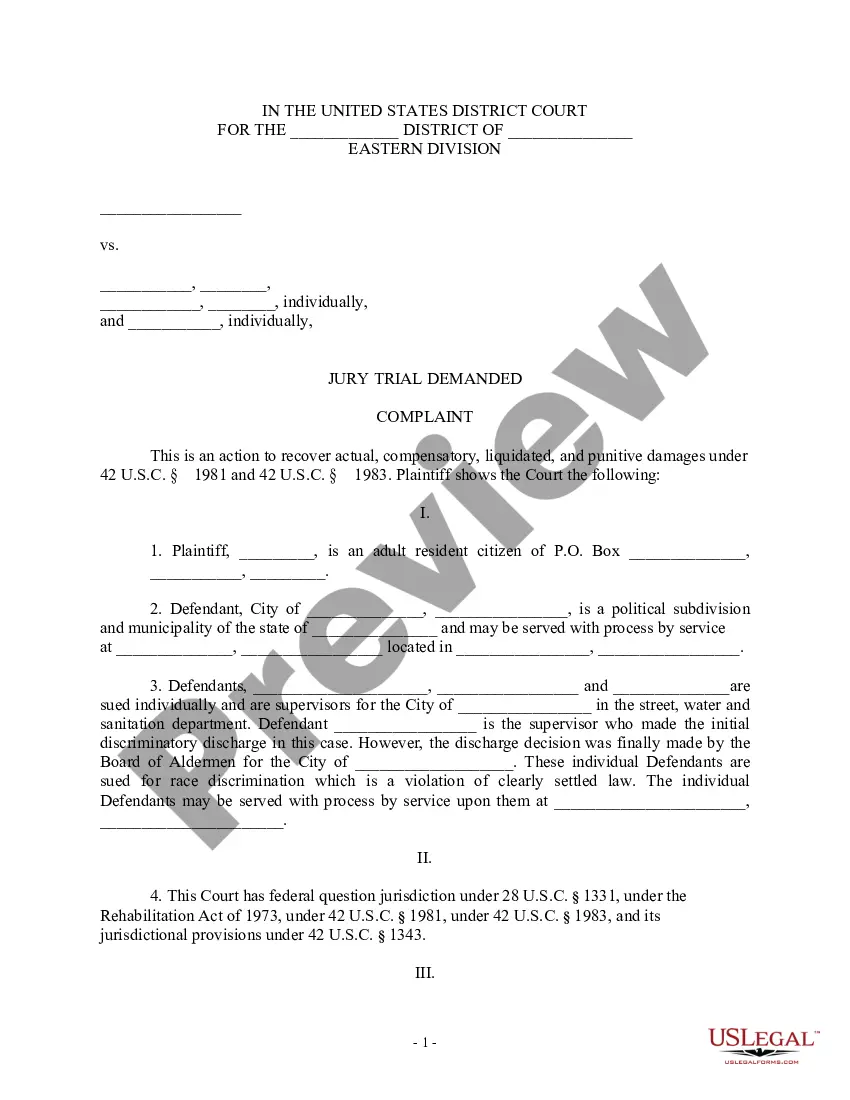
How to fill out Complaint For Malicious Prosecution?
Legal documentation handling can be daunting, even for the most seasoned professionals.
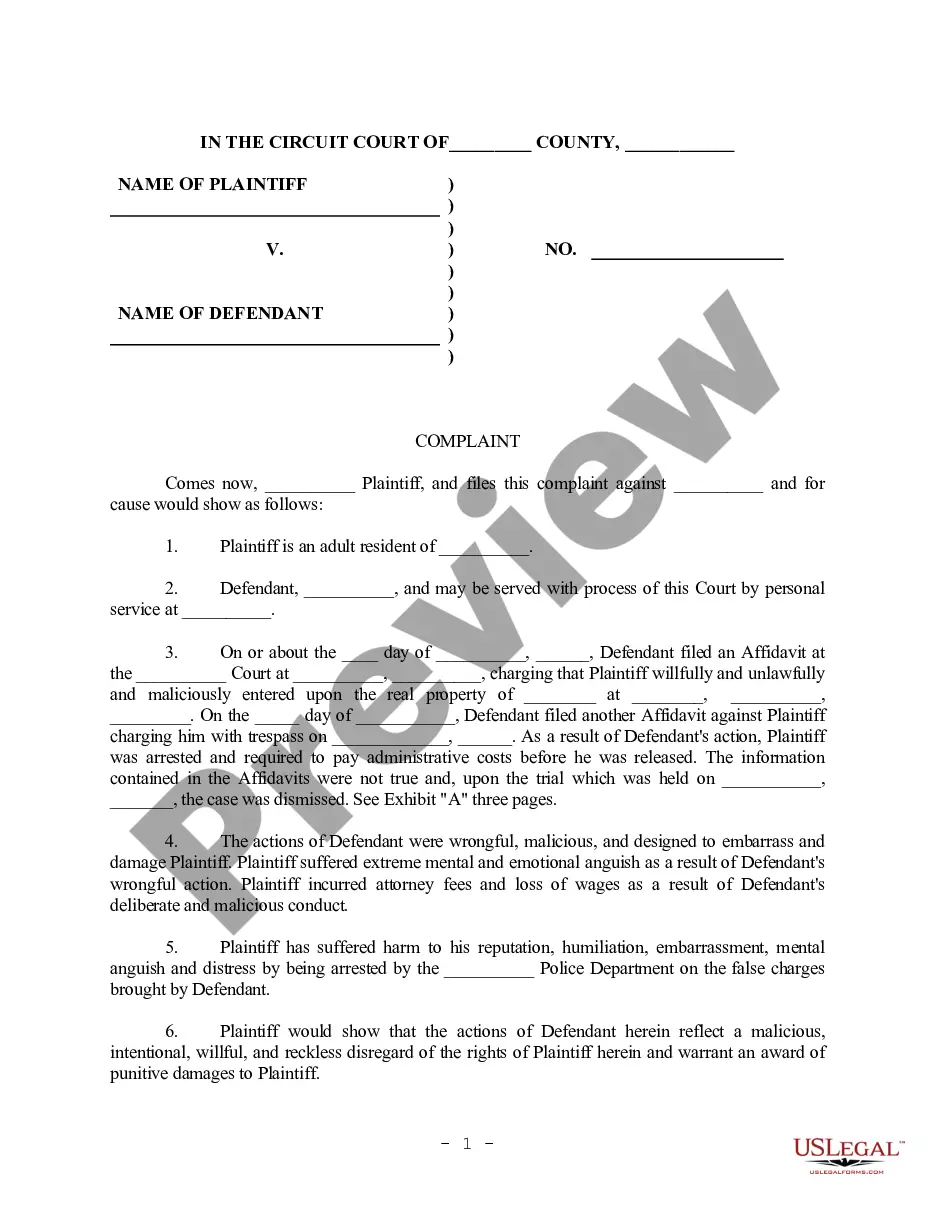
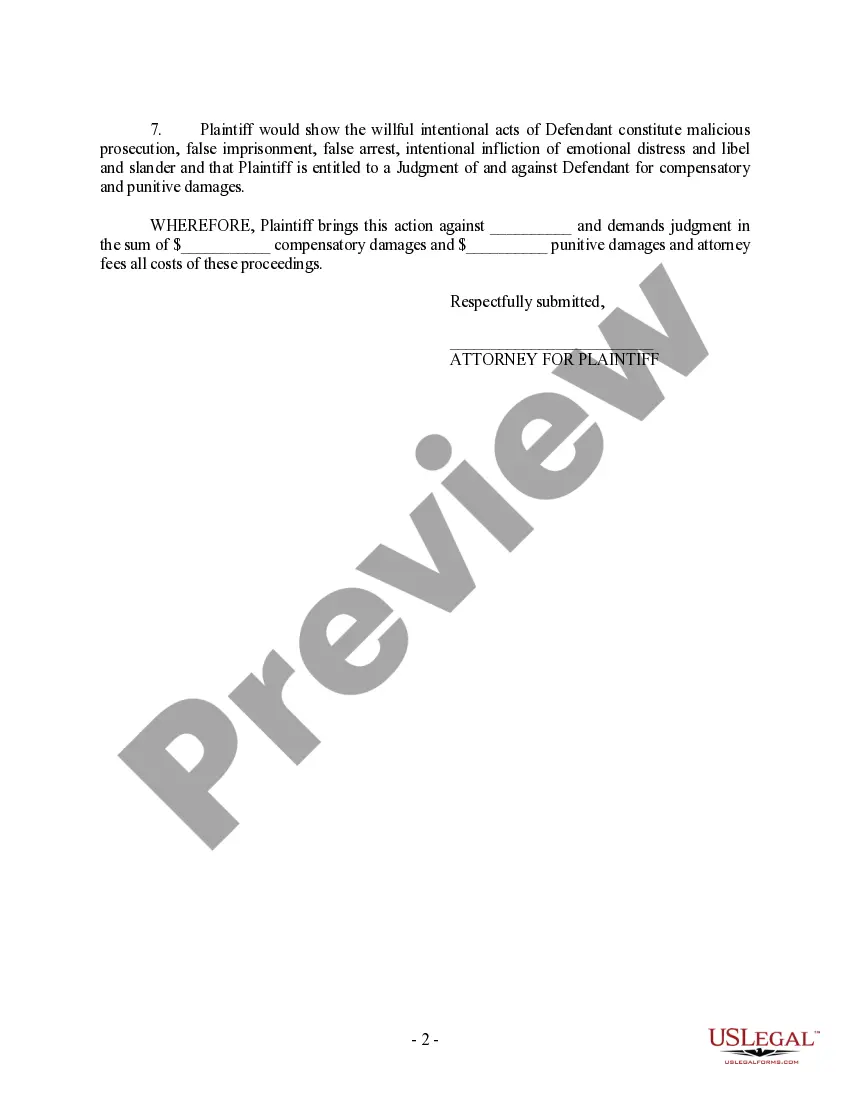
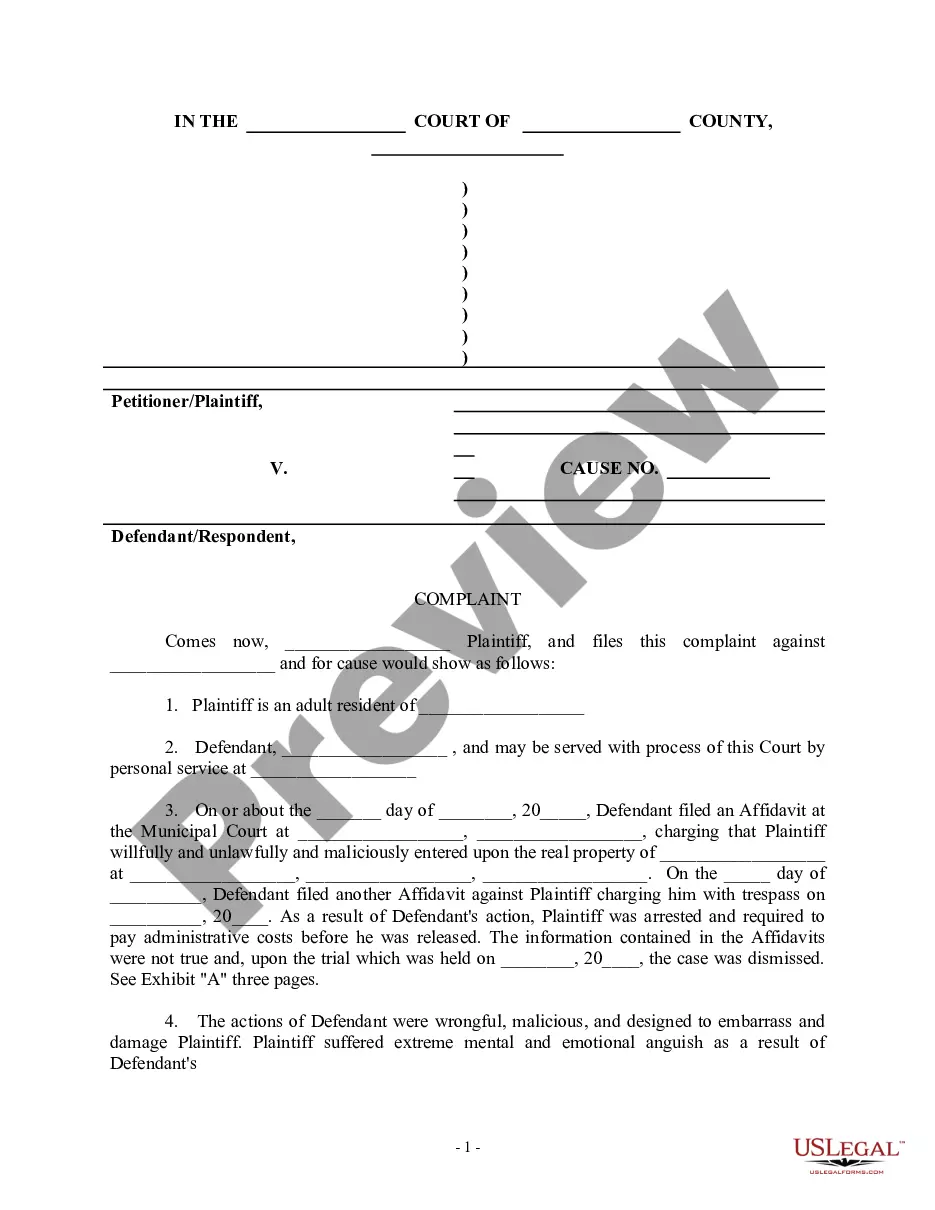
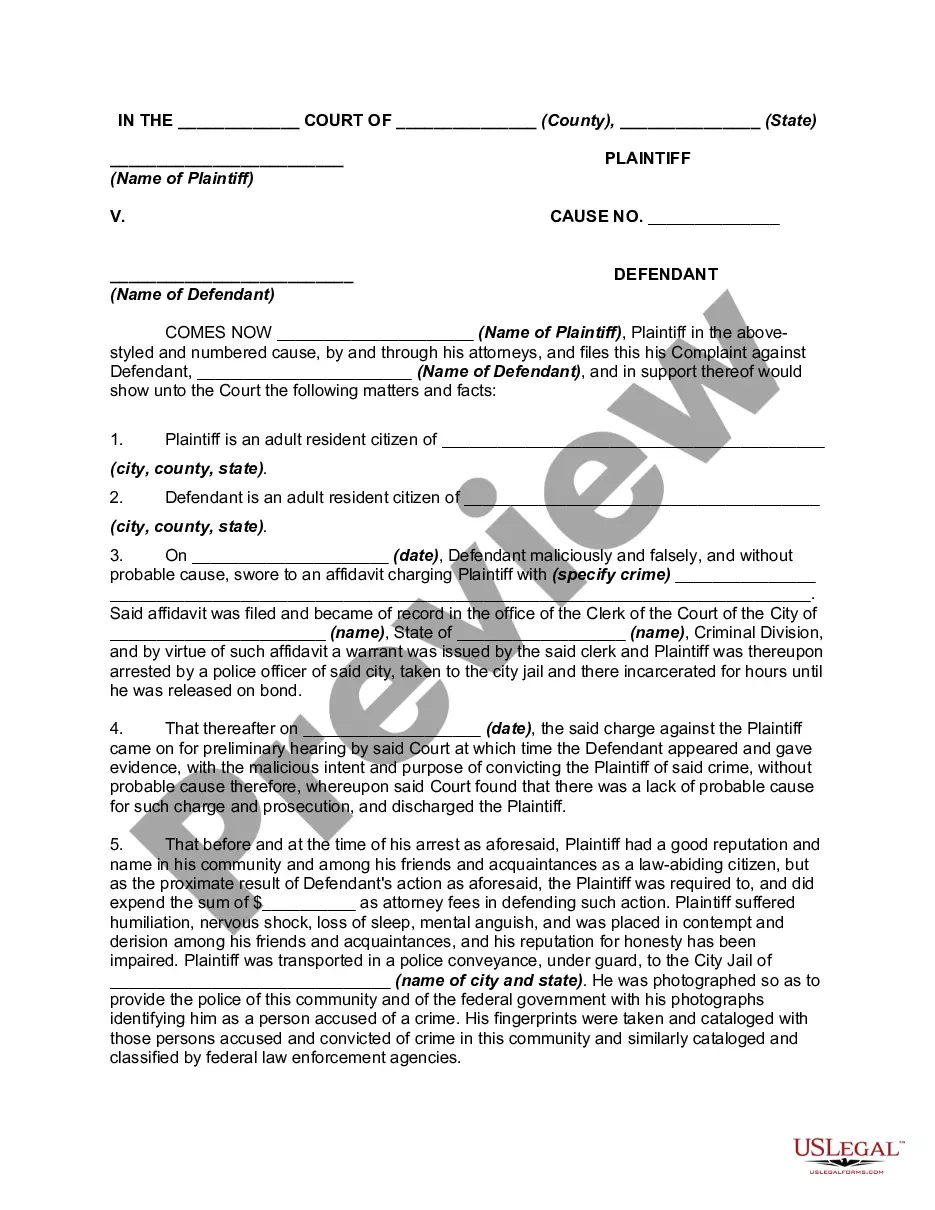
When you are interested in a Malicious Prosecution With Intent and lack the time to dedicate to finding the correct and current version, the process can be taxing.
Gain entry to a vast resource of articles, guidelines, manuals, and materials pertaining to your circumstances and needs.
Save time and effort searching for the forms you require, and take advantage of US Legal Forms’ sophisticated search and Review tool to find Malicious Prosecution With Intent and acquire it.
Take advantage of the US Legal Forms digital library, backed by 25 years of experience and trustworthiness. Streamline your daily document management into a smooth and user-friendly process today.
- If you have a subscription, Log In to your US Legal Forms account, find the form, and obtain it.
- Check the My documents tab to view the documents you have previously downloaded and organize your folders as you see fit.
- If this is your first experience with US Legal Forms, create a complimentary account and gain unlimited access to all the platform's benefits.
- Here are the steps to follow after obtaining the form you need.
- Verify this is the correct form by previewing it and reviewing its information.
- Access state- or county-specific legal and business documents.
- US Legal Forms addresses all needs you may have, from personal to business paperwork, all in one place.
- Utilize advanced features to fill out and manage your Malicious Prosecution With Intent.
Form popularity
FAQ
The largest settlement for malicious prosecution with intent varies by case, but some notable settlements have reached millions of dollars. These settlements often arise when the plaintiff can demonstrate that the prosecution was pursued without sufficient evidence and caused significant harm. In many cases, these legal disputes highlight the importance of holding accountable those who misuse the legal system. If you believe you have been a victim of malicious prosecution with intent, consider the resources available through US Legal Forms to help you navigate your legal options.
A crime with malicious intent refers to actions taken with the intention to cause harm, injury, or wrongful loss to another person. It encompasses various offenses where the perpetrator acts with both knowledge and desire to inflict damage. Understanding these nuances can help in identifying cases of malicious prosecution with intent, making it vital to seek legal guidance to navigate such complex issues effectively.
To prove malicious prosecution, you must establish that the original case was initiated without probable cause and with malicious intent. This involves showing that the prosecutor acted with ill will or a wrongful purpose. Gathering evidence, such as communications and witness statements, can bolster your claim, making it crucial to work with an attorney who understands malicious prosecution with intent to guide you through the legal process.
The value of a malicious prosecution case can vary significantly based on several factors, including damages incurred, emotional distress, and lost income. Typically, cases with malicious prosecution with intent may result in monetary compensation that reflects the damages caused to the plaintiff. It's important to consult with a legal professional to assess the specific circumstances and potential value of your case accurately.
The burden of proof for malicious intent in malicious prosecution lies with the plaintiff. They must provide sufficient evidence to show that the defendant had a specific intent to harm. This often involves presenting facts that illustrate the defendant's motives and actions, making legal guidance invaluable. Platforms like US Legal Forms can offer you the necessary tools and templates to understand and meet this burden effectively.
Proving malicious intent in cases of malicious prosecution can be challenging. It requires clear evidence that the defendant acted with a purpose to cause harm rather than simply pursuing legal action. Understanding the nuances of the law is crucial, and having access to resources like US Legal Forms can help you navigate the complexities and build a robust case.
To prove malicious prosecution with intent, the plaintiff must demonstrate three key elements: the initiation of legal proceedings by the defendant, the absence of probable cause in those proceedings, and the defendant's malicious purpose. This means the actions taken must have intended to harm the plaintiff unlawfully. Gathering credible evidence for these elements can significantly strengthen your case.
Yes, proving malicious prosecution with intent can be difficult due to the need to establish specific legal standards. You must prove malicious intent, lack of probable cause, and that the original case ended in your favor. To strengthen your position, you may want to utilize platforms like UsLegalForms, which provide resources and templates to help document and prepare your case.
Damages awarded for malicious prosecution with intent can vary, but they generally include compensatory damages for legal expenses, lost wages, and emotional distress. In some cases, punitive damages may also be awarded if the defendant's actions are found to be especially harmful. Consulting with an attorney can help you understand what damages you might be entitled to receive.
Proving malicious prosecution with intent can be challenging. The burden of proof lies heavily on the plaintiff to show that the defendant acted with malice and that there was no probable cause for the initial prosecution. Legal guidance and thorough documentation can greatly assist in making your case stronger.