Amend Judgment With The President
Description
Get your form ready online
Our built-in tools help you complete, sign, share, and store your documents in one place.
Make edits, fill in missing information, and update formatting in US Legal Forms—just like you would in MS Word.
Download a copy, print it, send it by email, or mail it via USPS—whatever works best for your next step.
Sign and collect signatures with our SignNow integration. Send to multiple recipients, set reminders, and more. Go Premium to unlock E-Sign.
If this form requires notarization, complete it online through a secure video call—no need to meet a notary in person or wait for an appointment.
We protect your documents and personal data by following strict security and privacy standards.
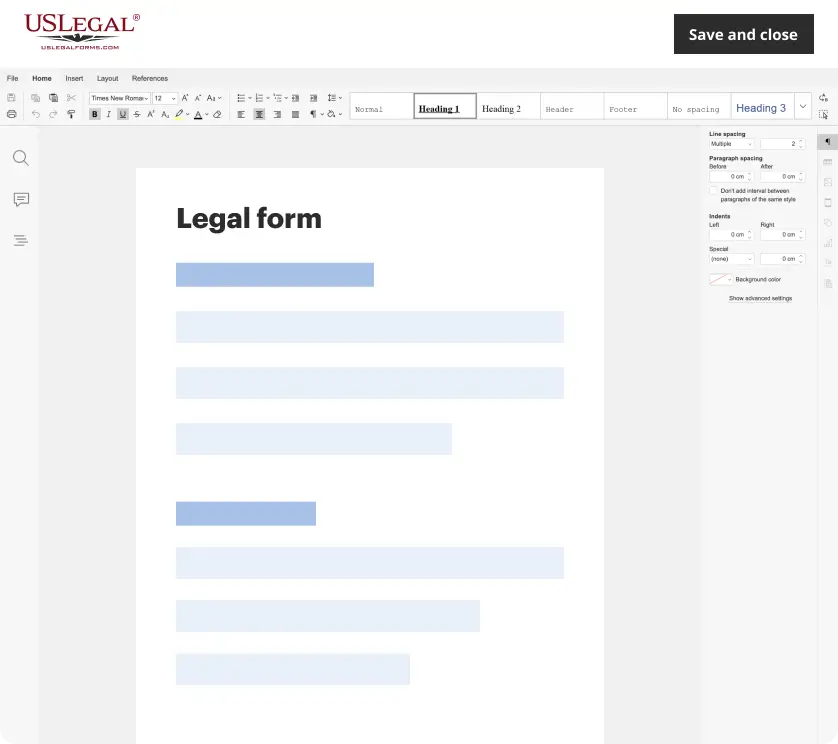
Make edits, fill in missing information, and update formatting in US Legal Forms—just like you would in MS Word.
Download a copy, print it, send it by email, or mail it via USPS—whatever works best for your next step.
Sign and collect signatures with our SignNow integration. Send to multiple recipients, set reminders, and more. Go Premium to unlock E-Sign.

If this form requires notarization, complete it online through a secure video call—no need to meet a notary in person or wait for an appointment.
We protect your documents and personal data by following strict security and privacy standards.
Looking for another form?



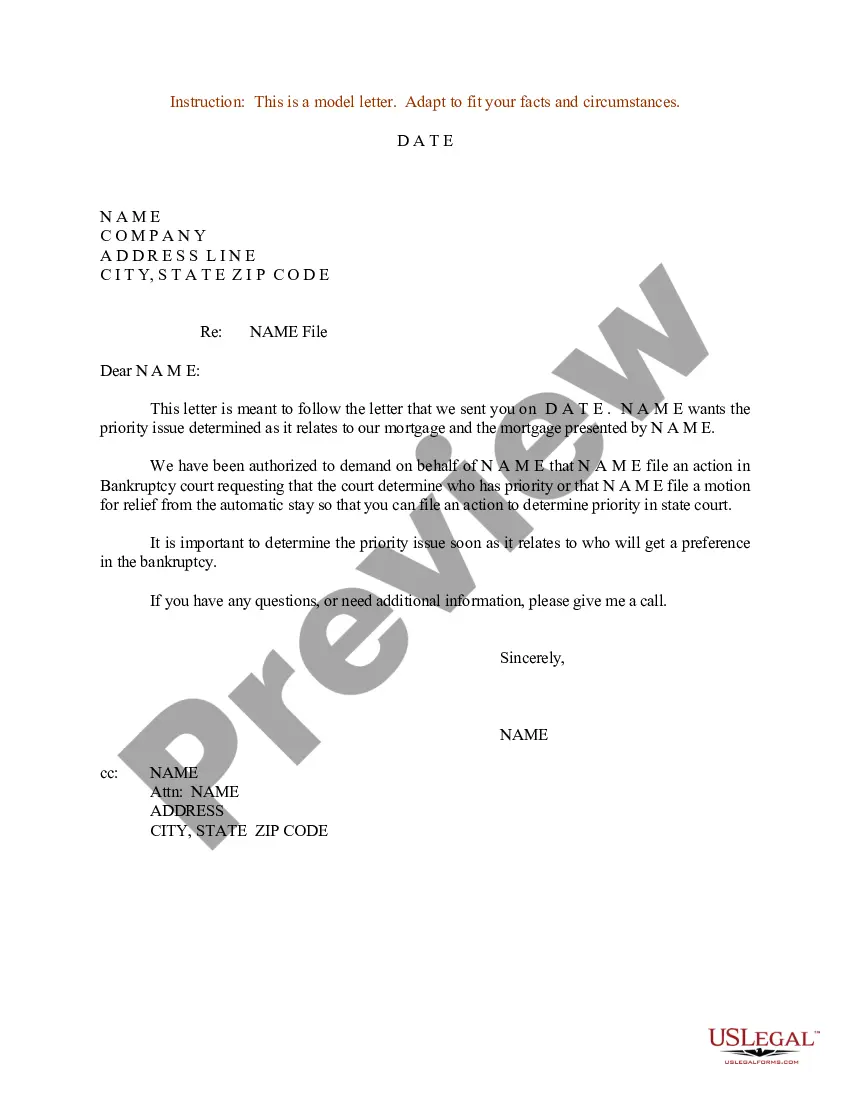
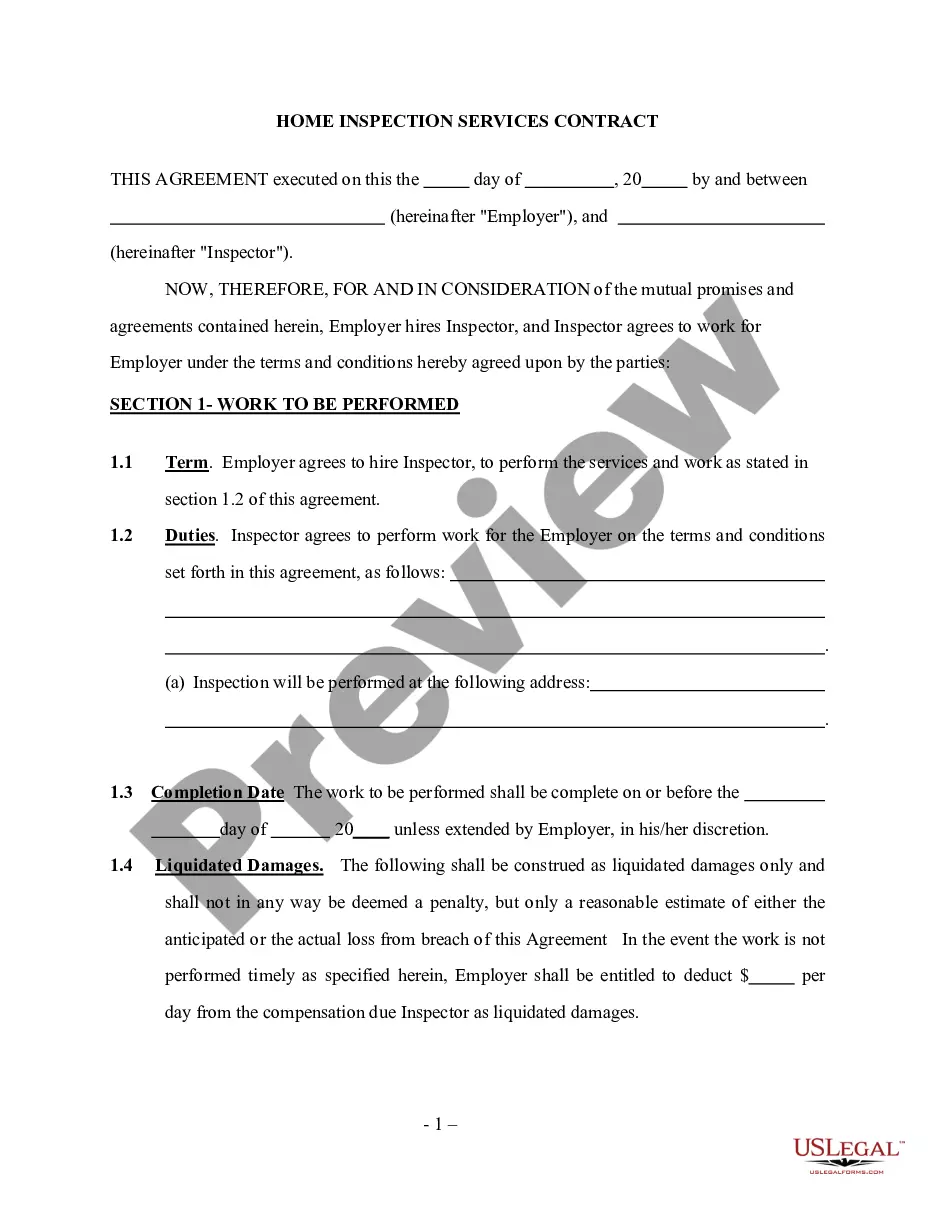

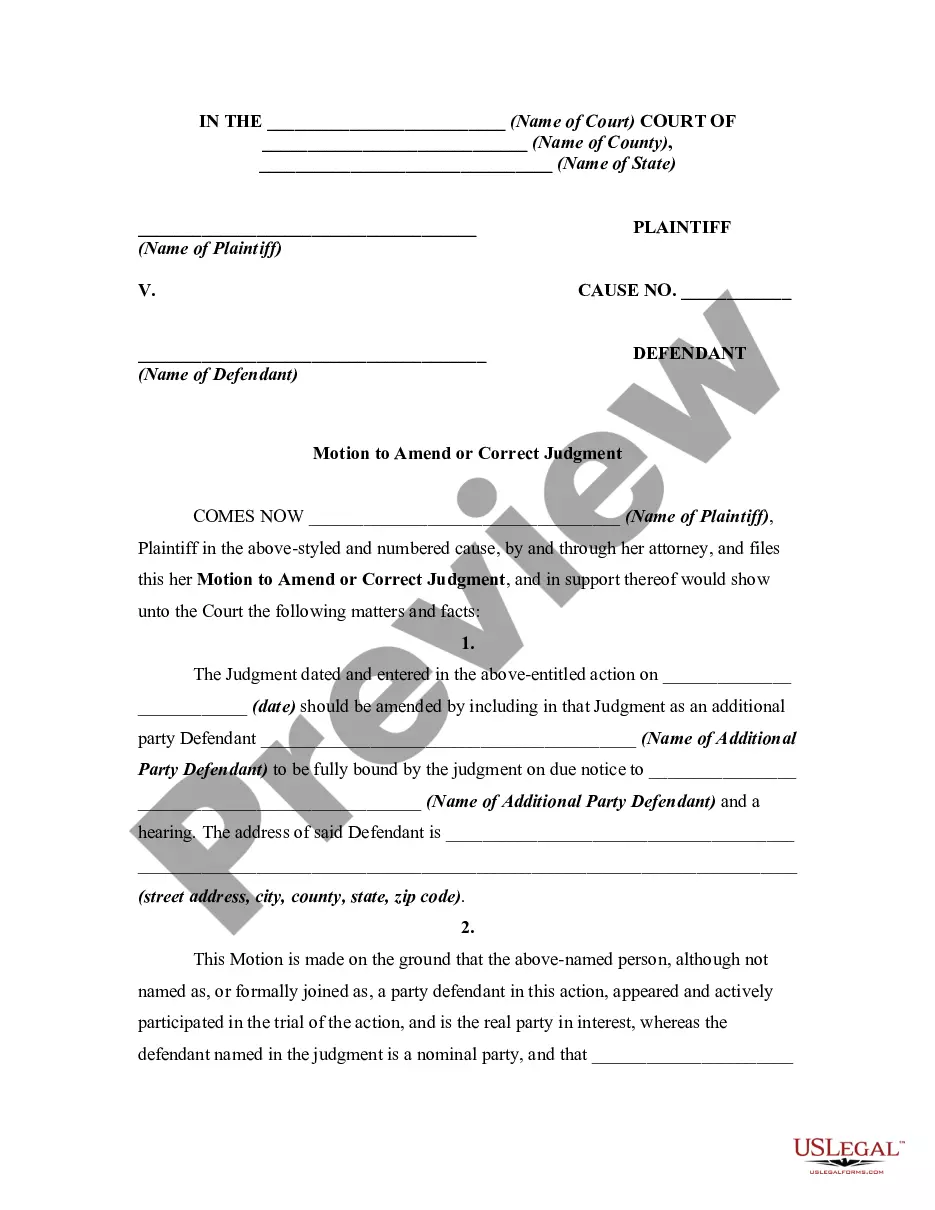
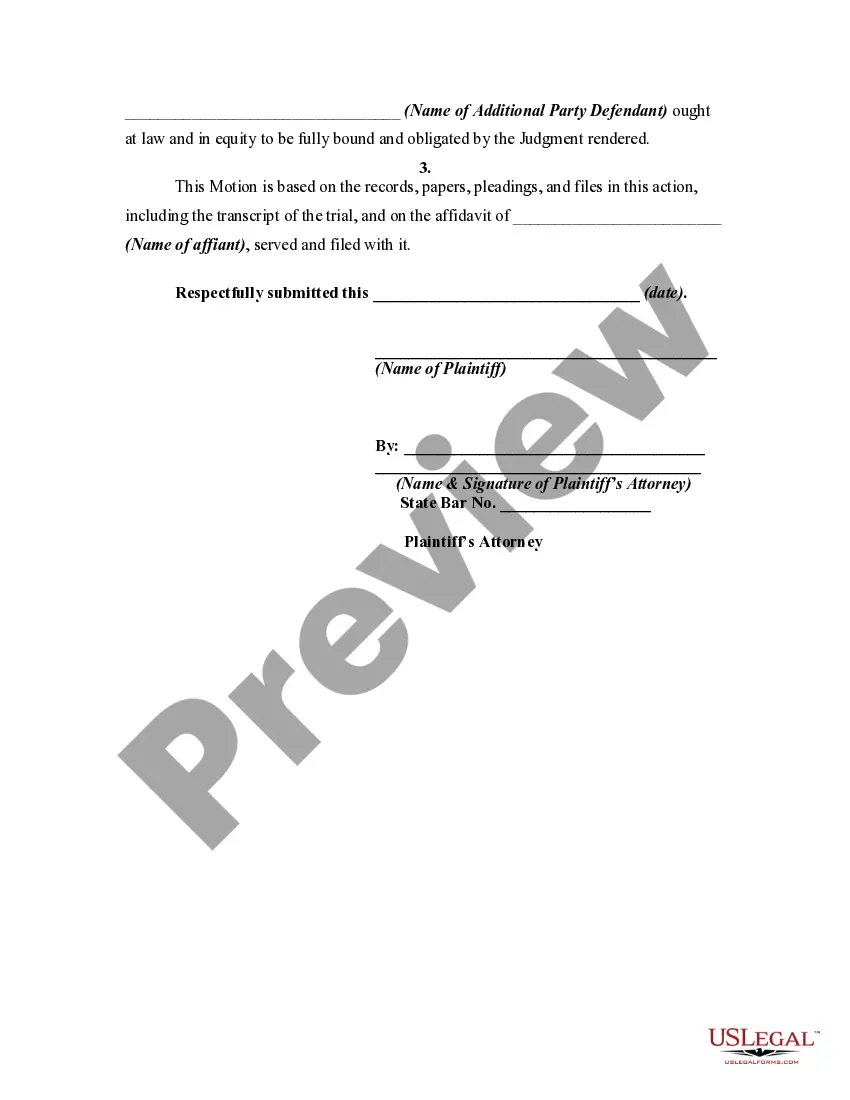
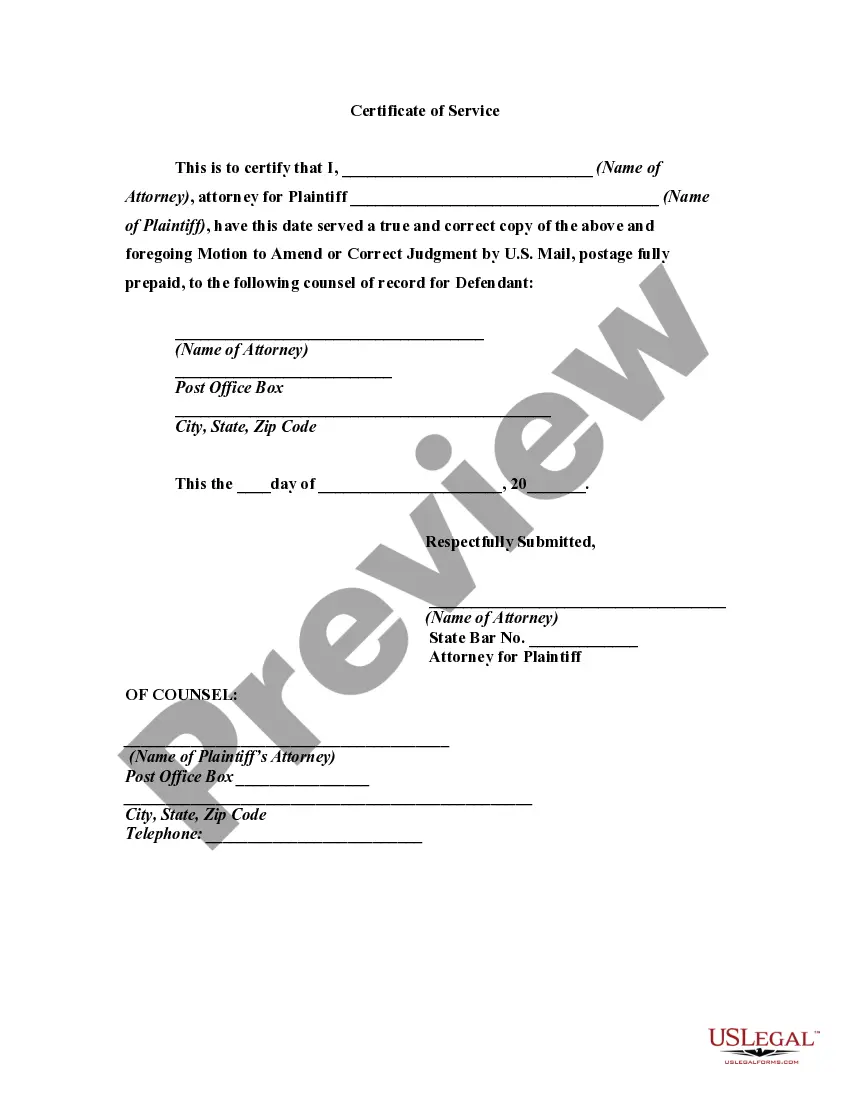
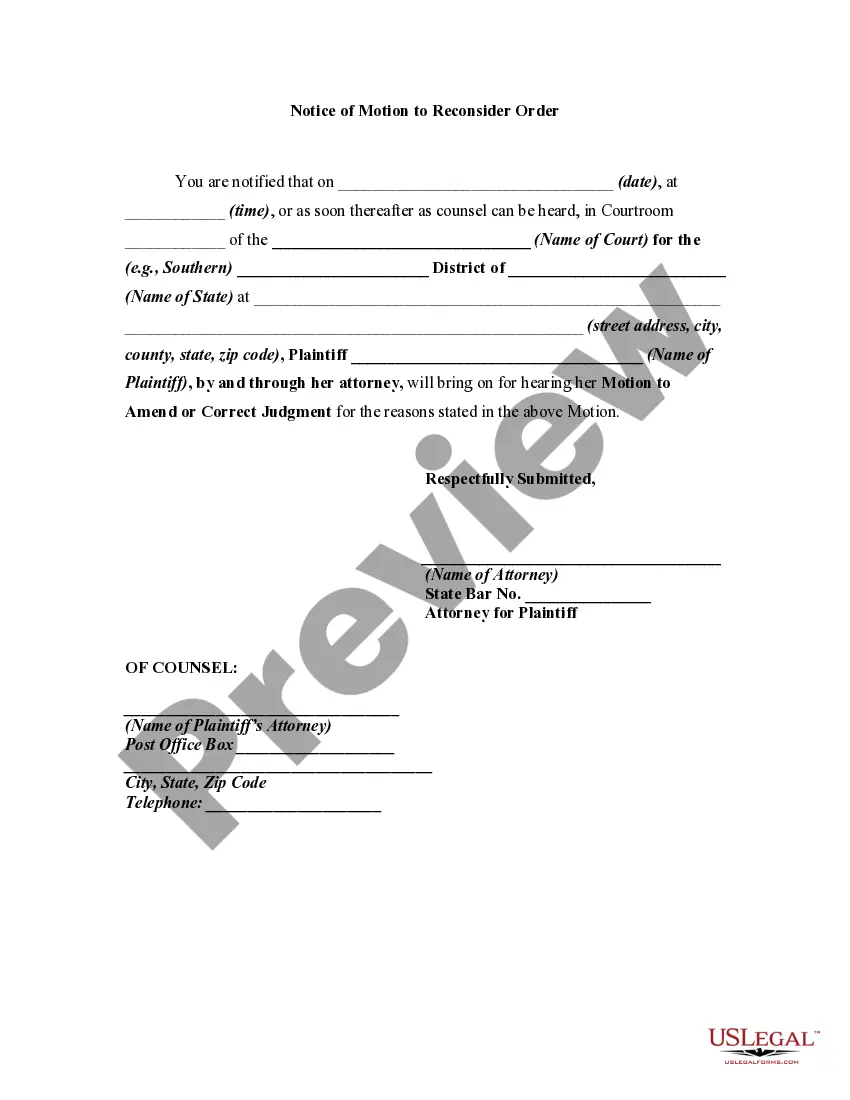
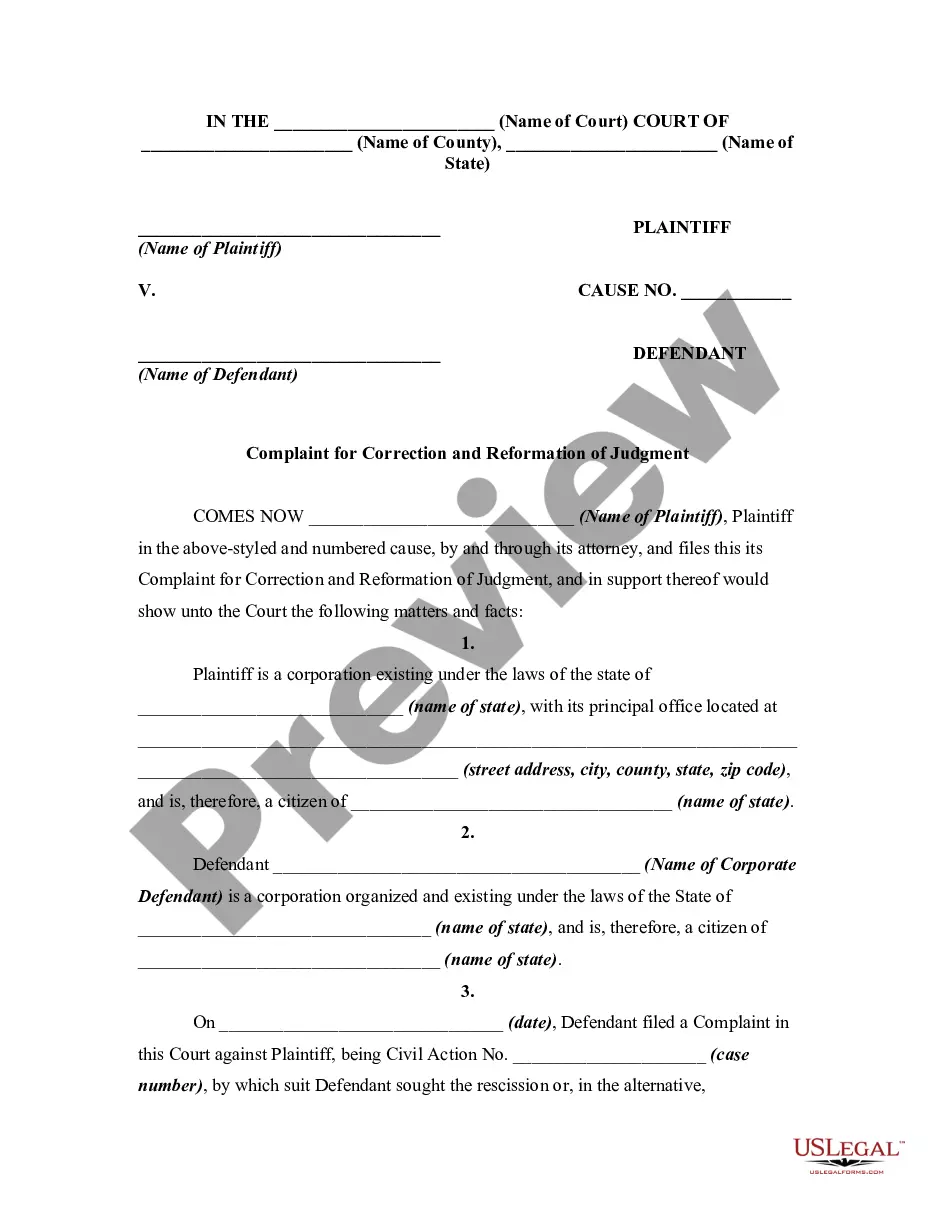
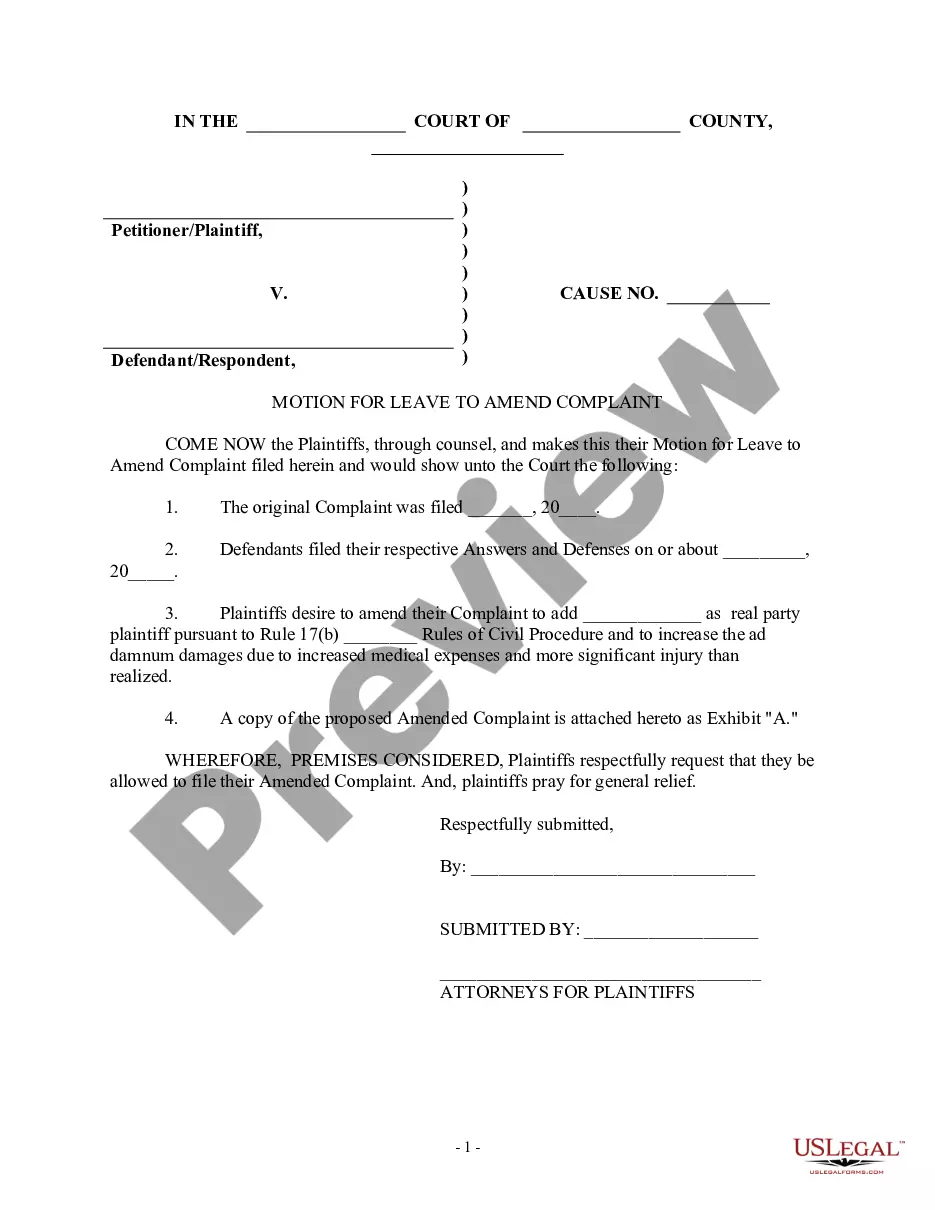
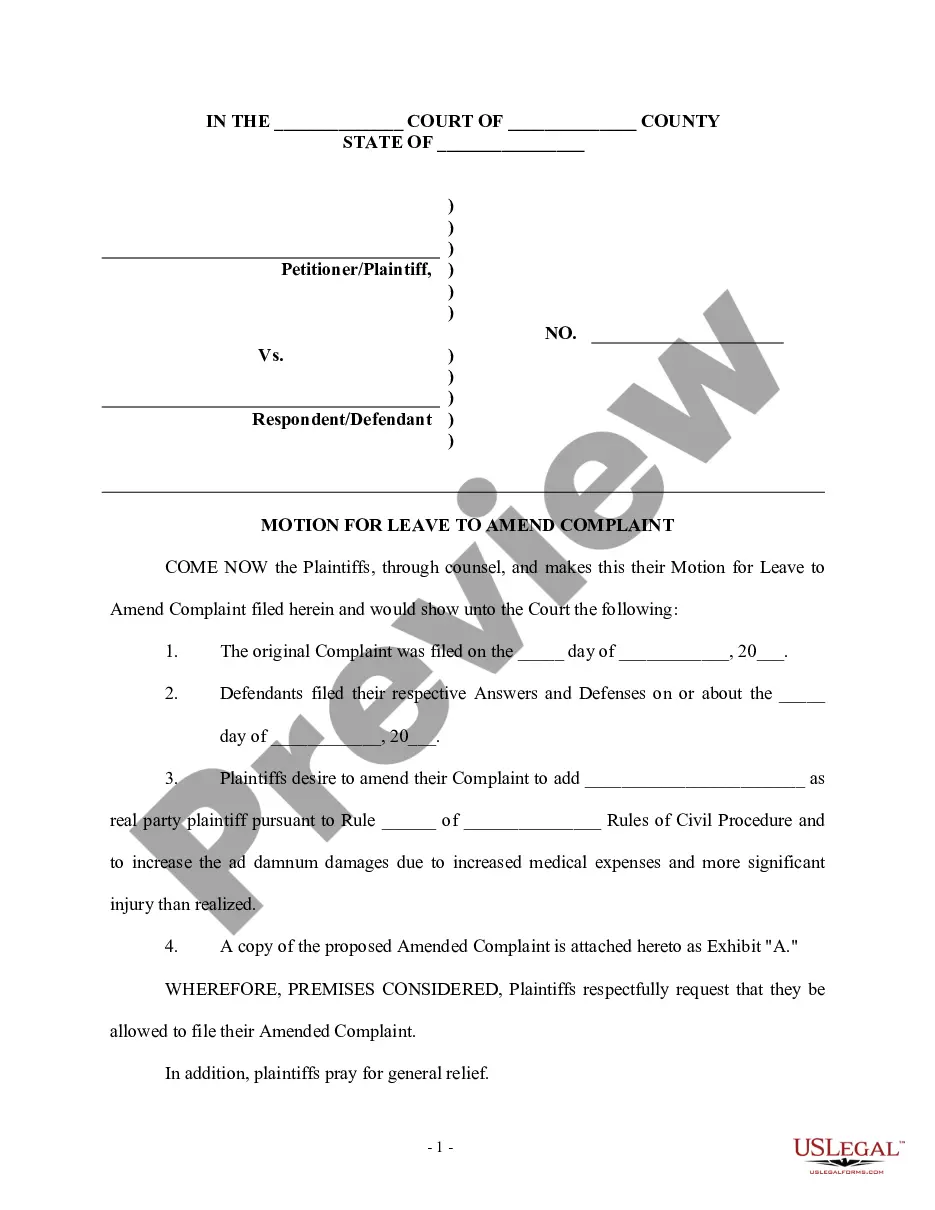
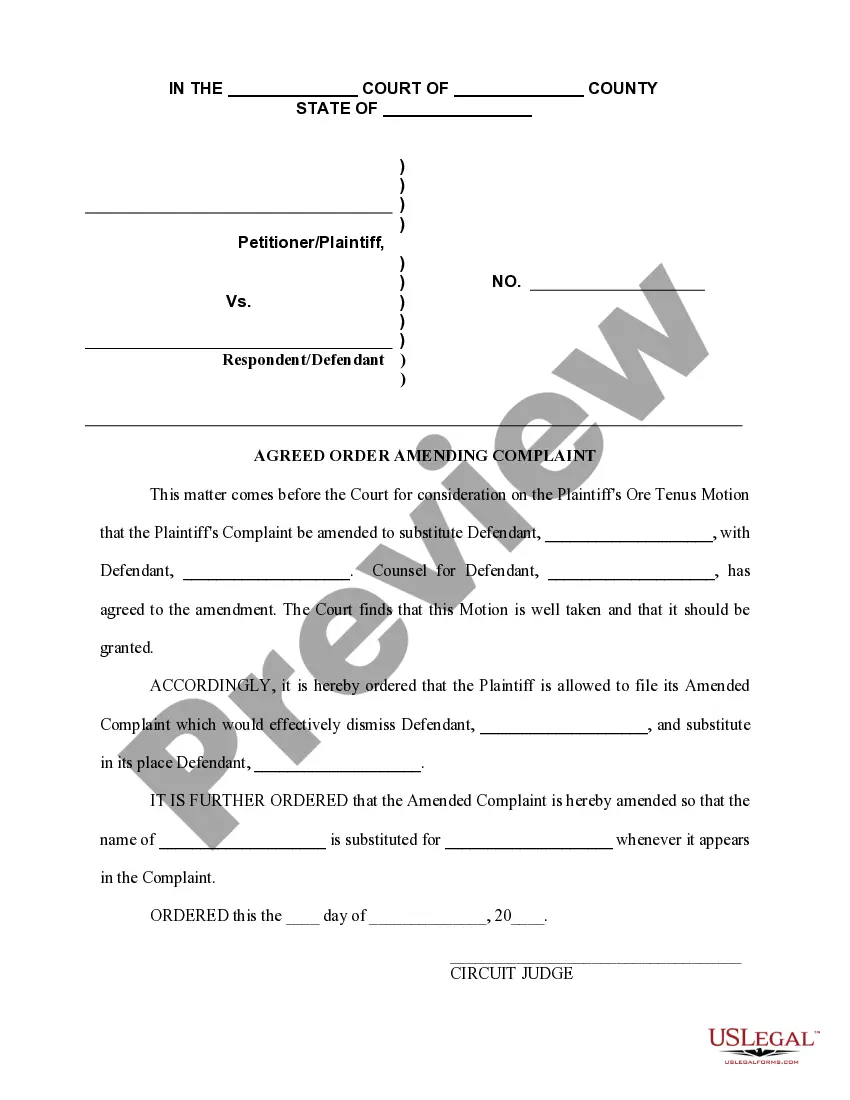
How to fill out Motion To Amend Or Correct Judgment To Include Additional Party Defendant As Real Party In Interest?
- If you're a returning user, log into your account and select the needed form template for downloading. Confirm that your subscription remains active. Renew if necessary based on your plan.
- For first-time users, begin by previewing the form and reading its description to ensure it fits your specific requirements and local jurisdiction.
- If the form isn't suitable, utilize the Search tab to find alternate templates that meet your needs.
- Once you have the right document, click the Buy Now button and select your preferred subscription plan that grants access to the extensive library.
- Complete the purchase by entering your payment details through credit card or PayPal.
- Finally, download your template to your device, ensuring easy access through the My Forms section of your profile.
Utilizing US Legal Forms allows individuals to efficiently navigate the complexities of legal documentation. With over 85,000 templates available, users can find tailored solutions for their needs.
Get started today and experience the convenience of streamlined legal form processes with US Legal Forms!
Form popularity
FAQ
The purpose of a motion to amend is to allow parties to update or revise their documents to better reflect their position or rectify mistakes. It ensures the case is presented accurately and fully. Understanding how to effectively file such a motion is important when you wish to amend judgment with the president.
A motion request to amend indicates that a party seeks permission to modify a previously submitted motion or pleading. This is often a strategic move to address new information or clarify existing arguments. If your goal is to amend judgment with the president, making a strong case through the motion request can be pivotal.
The Rule 15 amendment refers to the process of changing or adding to the legal documents filed in a case. It allows for updates to maintain accuracy and reflect the developments in your case. For those wanting to amend judgment with the president, a solid understanding of Rule 15 can lead to a successful outcome.
When a motion is amended, it means that changes have been made to the original document. This could involve corrections or the inclusion of new arguments. If you're looking to amend judgment with the president, being clear about what amendments you make will strengthen your case.
A Rule 15 petition is a formal request to the court to amend pleadings or documents. This petition is crucial in ensuring that all relevant information is considered in your case. If you aim to amend judgment with the president, understanding the impact of a Rule 15 petition is vital.
A Rule 15 motion to amend is a legal procedure that enables parties to change their pleadings. This motion facilitates the entry of new facts or alters claims and defenses. In situations where you need to amend judgment with the president, knowing how to effectively file a Rule 15 motion can be highly beneficial.
Yes, when you amend a complaint in federal court, you typically require a new summons. This is to ensure that all parties involved are properly notified of the changes. If you're considering how to amend judgment with the president, the correct process is essential to follow.
A Rule 59 motion is a request to a court to reconsider or alter its judgment. This motion allows parties to address mistakes or oversights within the court's decision. If you seek to amend judgment with the president, understanding this motion can be crucial in your process.
The president plays a crucial role as the head of the executive branch and as a key actor in the governance of the nation. While the president doesn't interpret the Constitution, the office influences legislative priorities and public policy significantly. Additionally, the president can propose ideas for constitutional amendments, shaping the foundational laws of the land. In discussions about how to amend judgment with the president, this role is vital for understanding potential changes.
The process of amending the Constitution involves both Congress and the states. Congress must propose an amendment by a two-thirds vote in both the House and the Senate, while three-fourths of the states must ratify it. This collaborative effort ensures that any change has widespread support across the country. Understanding who is responsible to amend judgment with the president reveals the importance of this democratic process.