Sample Letter for Priority Issue in Bankruptcy
Understanding this form
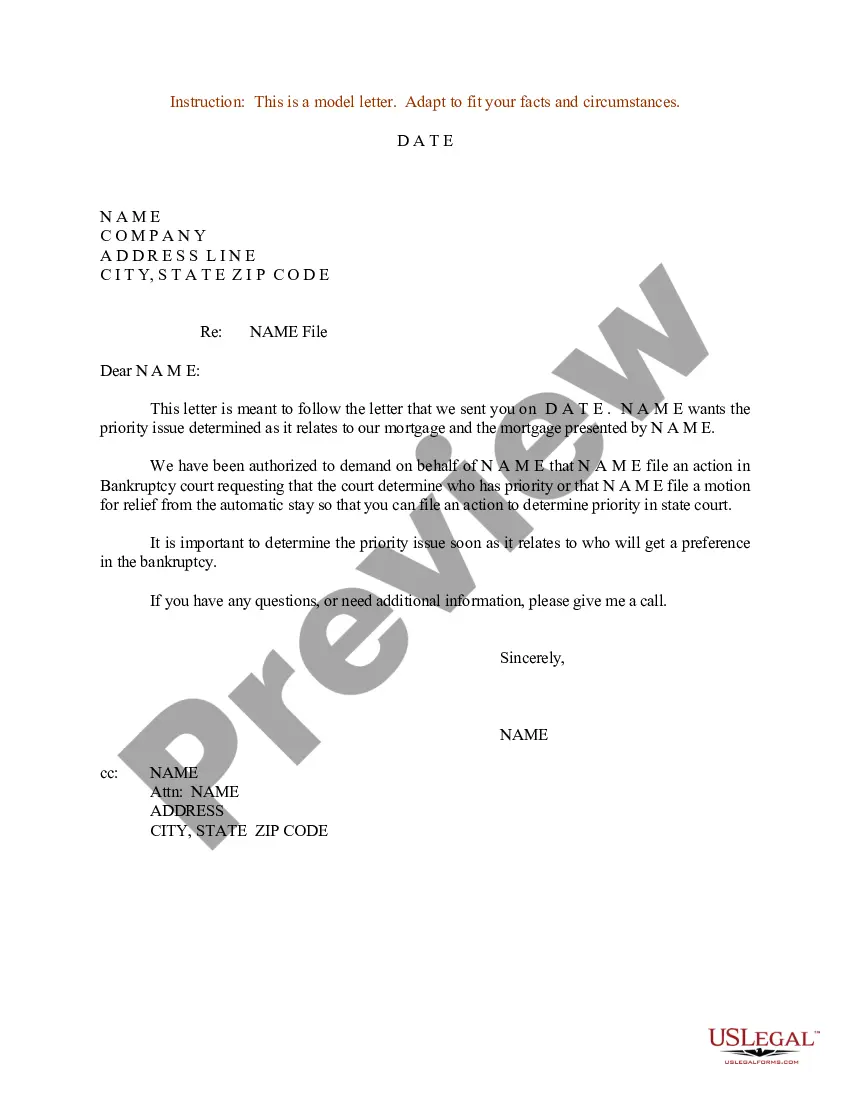
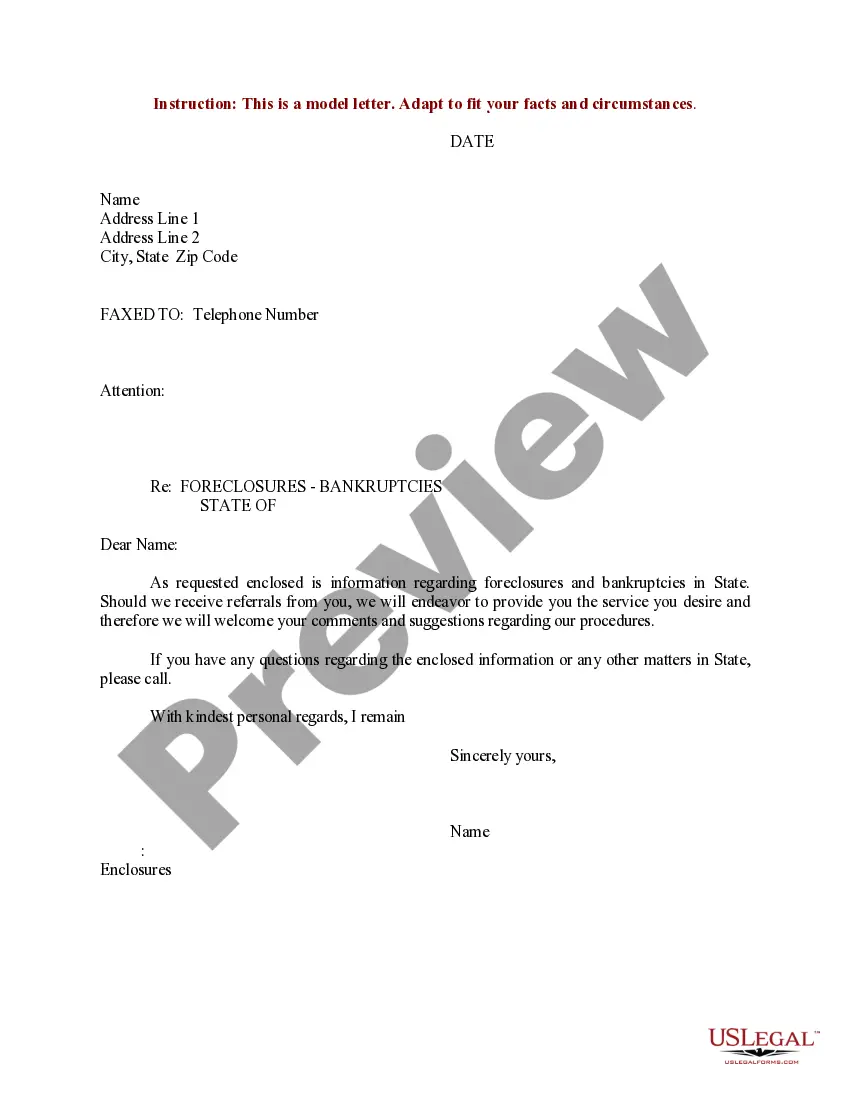
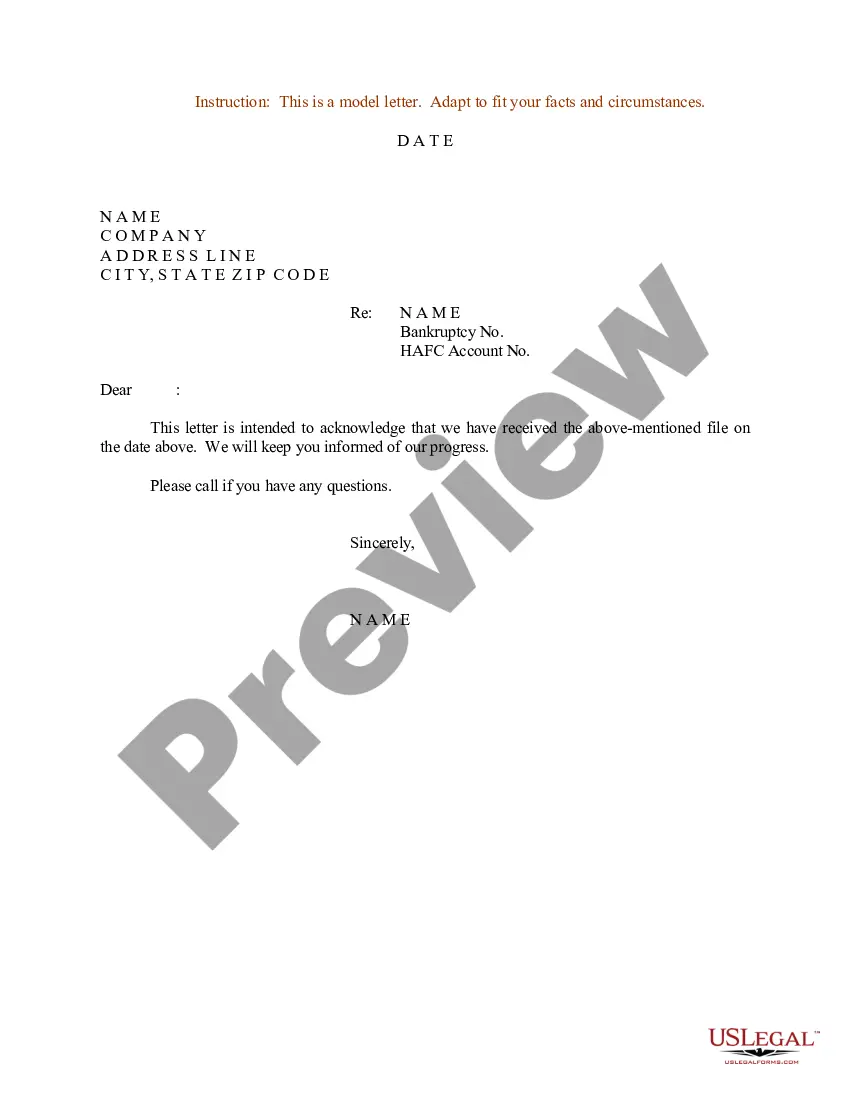
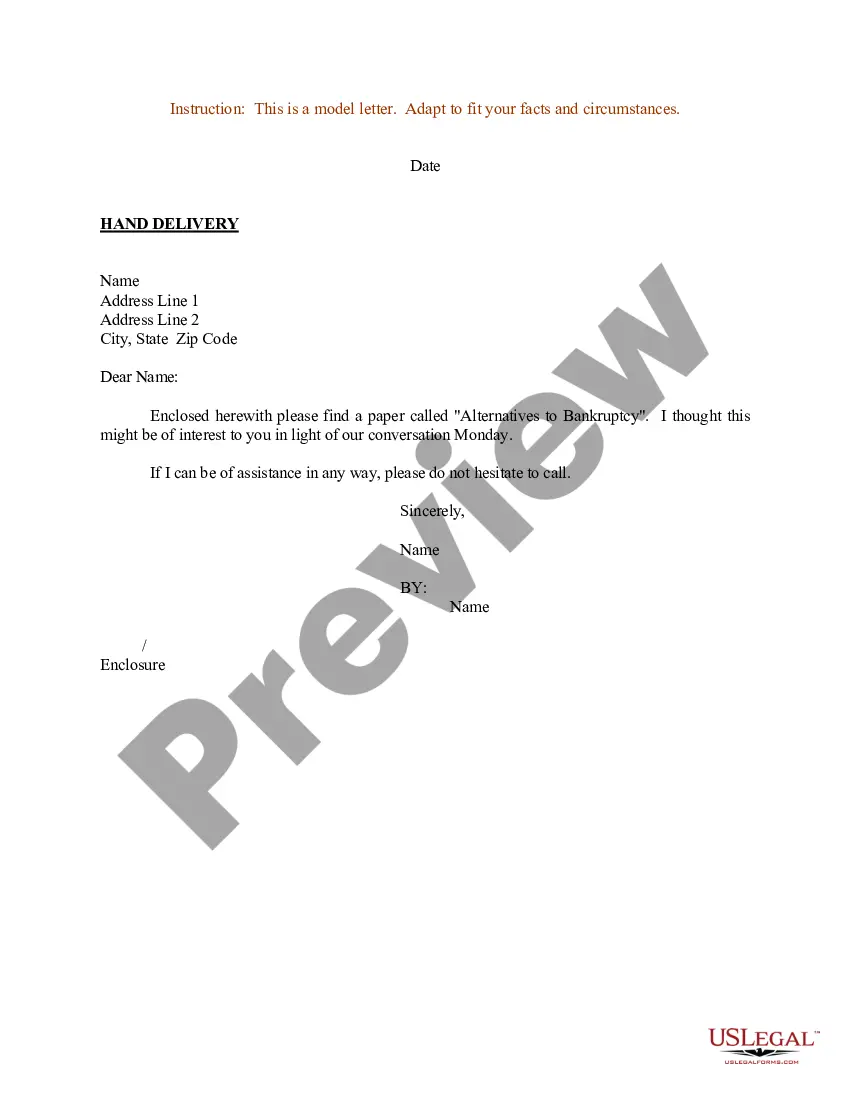
The Sample Letter for Priority Issue in Bankruptcy is a legal document that facilitates communication with parties involved in a bankruptcy case. This form serves as a written demand for a creditor or party to file a motion in bankruptcy court to determine priority issues related to debts. Unlike other bankruptcy forms that may be more general, this letter specifically addresses priority claims and motions for relief from an automatic stay, offering clarity in situations involving competing claims.
Form components explained
- Date: The date when the letter is generated.
- Recipient Information: Includes the name, company, and address of the party being contacted.
- Sender Information: Identifies the name of the individual or entity sending the letter.
- Authorization Statement: Declares the sender's authorization to demand action in bankruptcy court.
- Action Request: Clearly states the request for the prioritization action or motion for relief.
- Signatures: Includes space for the sender's signature and any necessary copies to be sent to additional parties.
When to use this form
This letter should be used when a creditor or party involved in a bankruptcy case needs to assert their priority over another claim. It is particularly important when there is a question about which creditor has the right to payment first. By sending this letter, parties can formally request the court's intervention to resolve disputes over priority before proceeding with further actions in the bankruptcy process.
Who this form is for
- Creditors seeking priority status in bankruptcy proceedings.
- Bankruptcy attorneys representing clients with priority issues.
- Individuals or businesses involved in a bankruptcy case where priority claims are contested.
- Anyone authorized to act on behalf of a creditor in bankruptcy matters.
Steps to complete this form
- Enter the date at the top of the letter.
- Fill in the recipient's name, company, and complete address.
- Provide your name and address as the sender.
- Clearly state the authorization to act on behalf of the client.
- Specify the action you are requesting from the other party or the bankruptcy court.
- Sign the letter and include any necessary copies to other involved parties.
Notarization requirements for this form
Notarization is generally not required for this form. However, certain states or situations might demand it. You can complete notarization online through US Legal Forms, powered by Notarize, using a verified video call available anytime.
Get your form ready online
Our built-in tools help you complete, sign, share, and store your documents in one place.
Make edits, fill in missing information, and update formatting in US Legal Forms—just like you would in MS Word.
Download a copy, print it, send it by email, or mail it via USPS—whatever works best for your next step.
Sign and collect signatures with our SignNow integration. Send to multiple recipients, set reminders, and more. Go Premium to unlock E-Sign.
If this form requires notarization, complete it online through a secure video call—no need to meet a notary in person or wait for an appointment.
We protect your documents and personal data by following strict security and privacy standards.

Make edits, fill in missing information, and update formatting in US Legal Forms—just like you would in MS Word.

Download a copy, print it, send it by email, or mail it via USPS—whatever works best for your next step.

Sign and collect signatures with our SignNow integration. Send to multiple recipients, set reminders, and more. Go Premium to unlock E-Sign.

If this form requires notarization, complete it online through a secure video call—no need to meet a notary in person or wait for an appointment.

We protect your documents and personal data by following strict security and privacy standards.
Mistakes to watch out for
- Failing to include all relevant recipient information, which can cause delays.
- Not clearly stating the request for action, leading to confusion.
- Omitting to sign the letter, making it invalid.
- Not sending copies to all necessary parties involved in the case.
Benefits of using this form online
- Convenient access to a professionally drafted form available for immediate download.
- Editability allows users to tailor the letter to their specific needs.
- Reliable source, as the form is created by licensed attorneys.
Looking for another form?


Form popularity
FAQ
Collectors are allowed to contact third parties (such as a relative) to get the name, address, and telephone number of the deceased person's spouse, executor, administrator, or other person authorized to pay the deceased's debts.
Keep it original. Be honest. Keep it concise. Don't cast blame or shirk responsibility. Don't use jargon or fancy words. Keep your objectives in mind. Provide the creditor an action plan. Talk to a Financial Couch.
Step 1: Identify Both Parties. Date the letter and address it to to your debt collector. Step 2: Explain That You Can't Pay. Get right to the point. Step 3: Include Any Garnishment Information. Step 4: Ask the Creditor to Cease Contact.
A priority claim is a debt that is entitled to special treatment and will get paid before nonpriority claims. When filling out the proof of claim form, the creditor will indicate a claim's priority status by checking yes in box 12.
A priority claim is a debt that is entitled to special treatment and will get paid before nonpriority claims. When filling out the proof of claim form, the creditor will indicate a claim's priority status by checking yes in box 12.If money remains, the trustee will pay claims without priority status.
When writing a debt settlement letter, it's important to be explicit and detailed. Treat the letter as a contract between you and your creditor. Include your personal information and account number for easy identification. You'll need to outline the amount you can pay and what you expect in return.
Inform the creditor that the deceased passed away; reference the prior call you made. Ask the creditor to place a formal death notice on the deceased credit file and to close the account. Provide information about the decedent, such as his full name, address, Social Security number, birth date and account number.
Your full name and address. The collections agency's name and address. A request for the amount of the debt claimed to be owed. A request for the name of the original creditor. A request for the judgment information (if applicable) A request for proof of the company's license.
Petition priority claims in Chapter 11 cases include: 2022 Claims for wages and employee benefits up to a capped amount per. employee earned 180 days before the petition date; 2022 Claims for contributions to an employee benefit plan, up to a capped. amount for each covered employee; and.