Subcontracting
Description
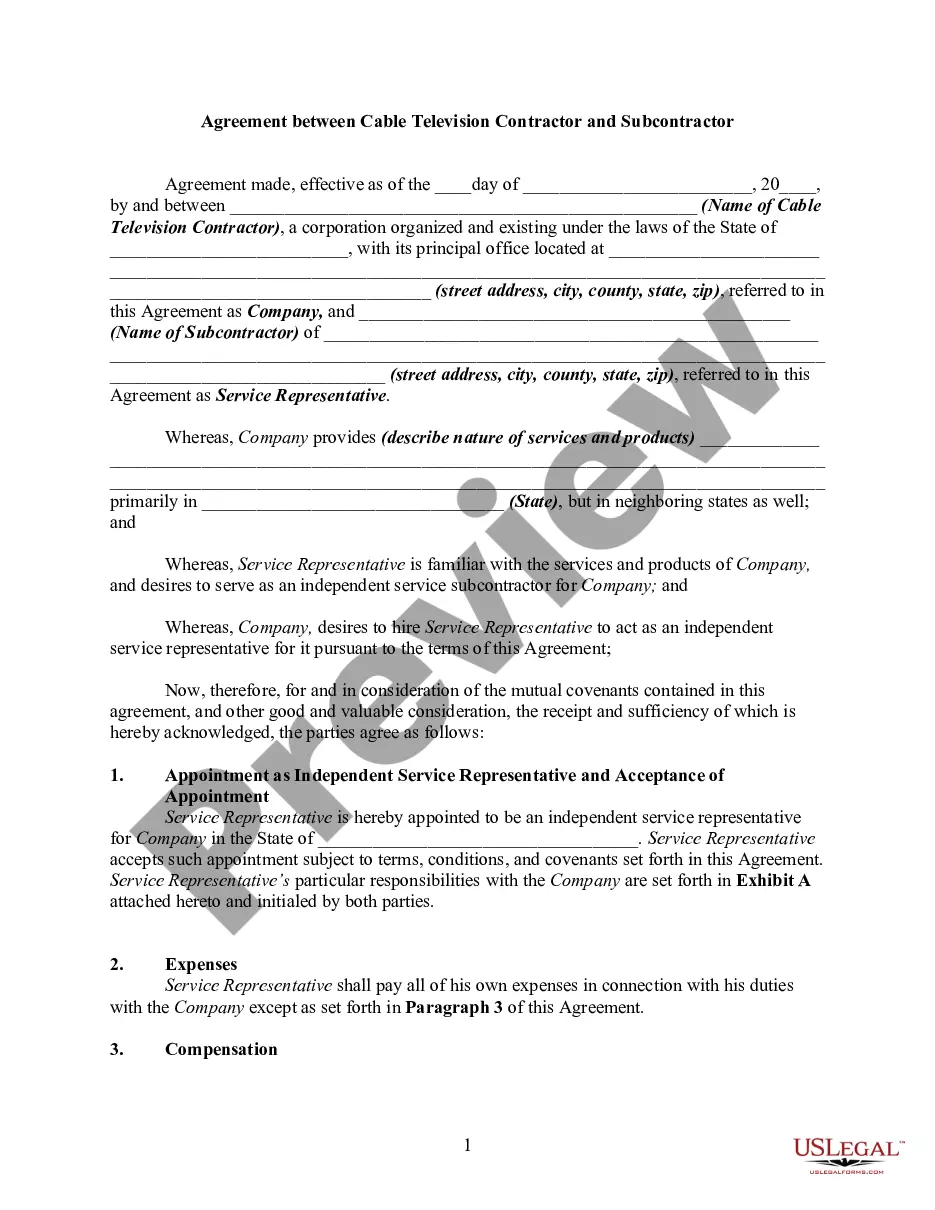
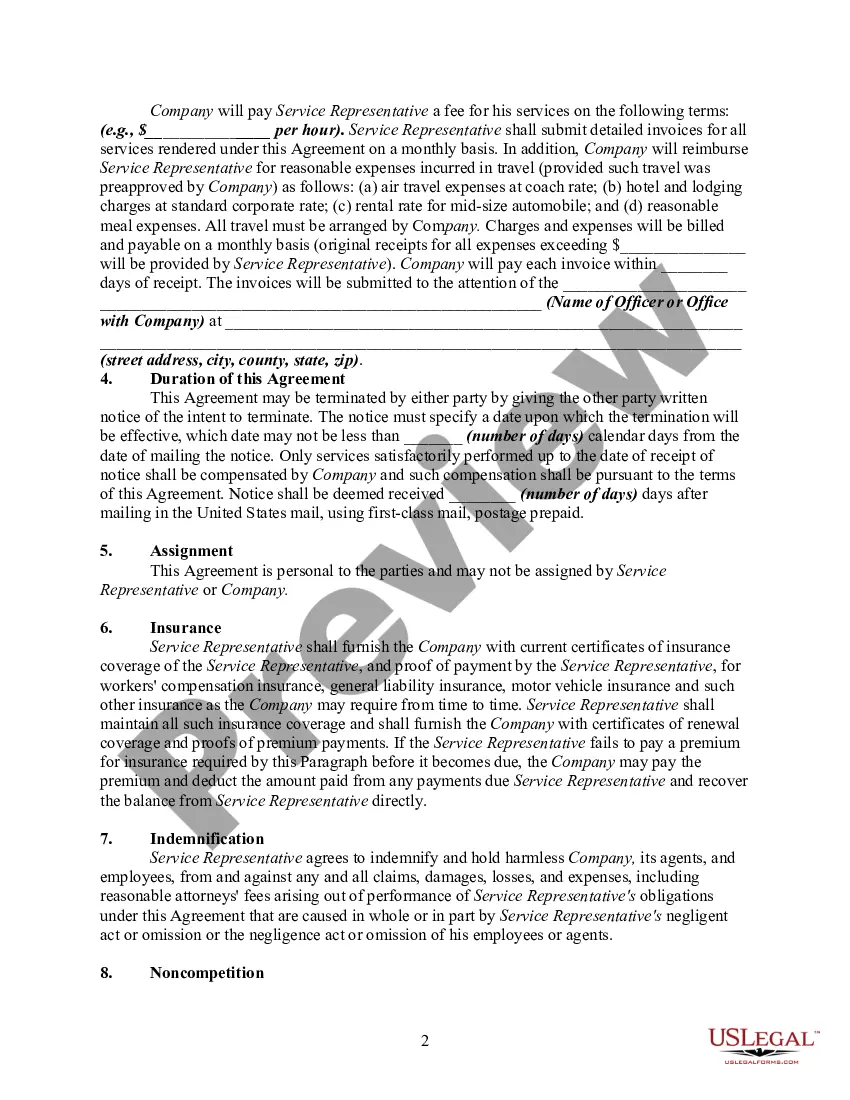
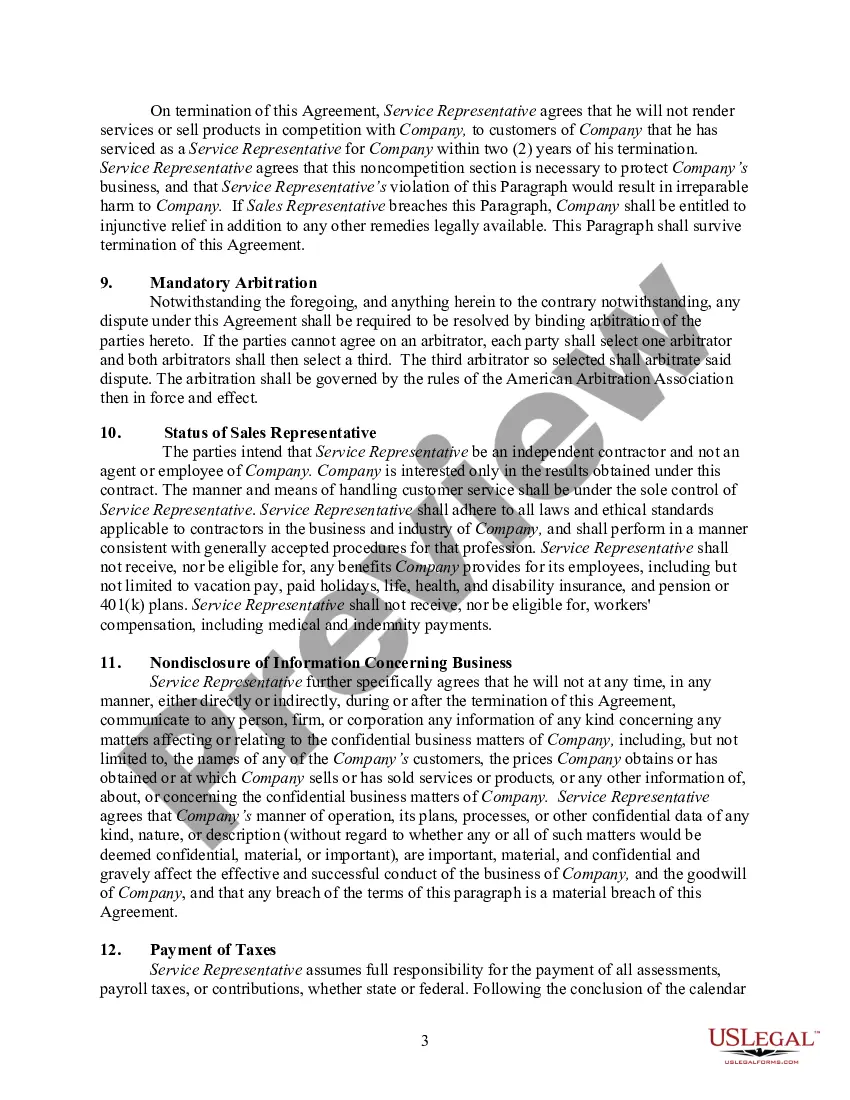
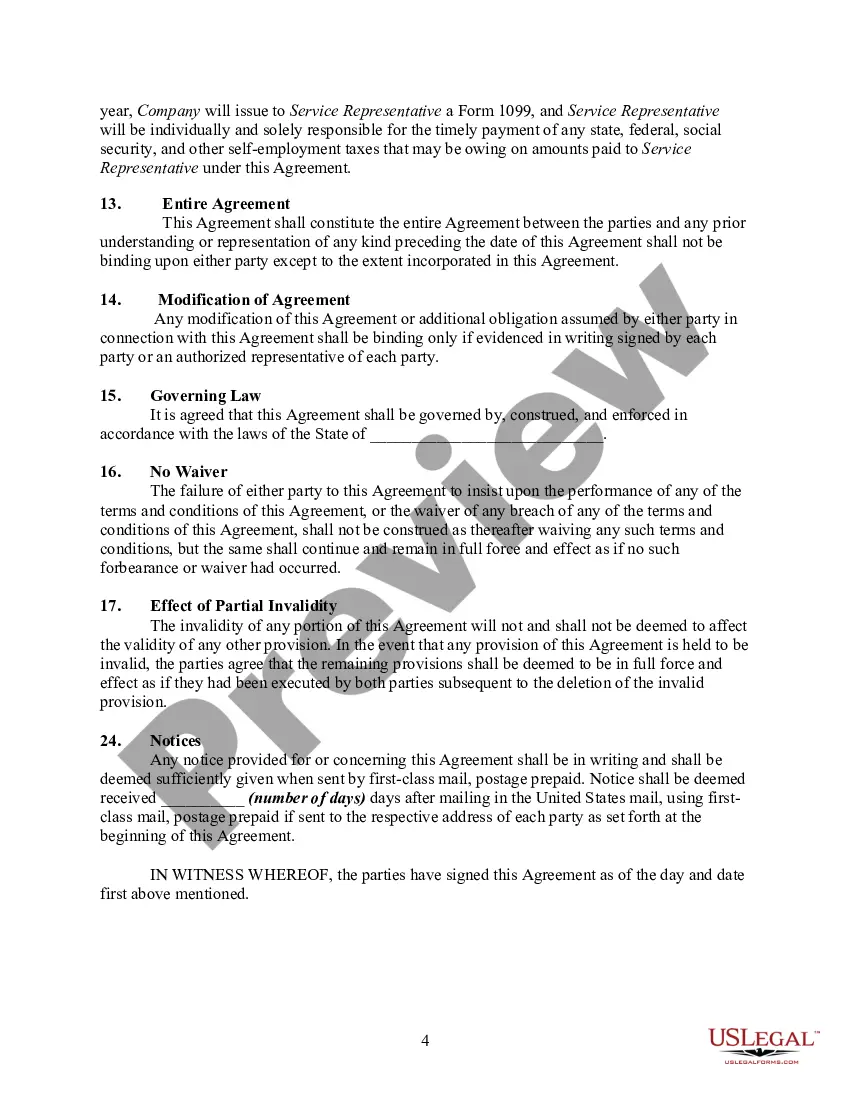

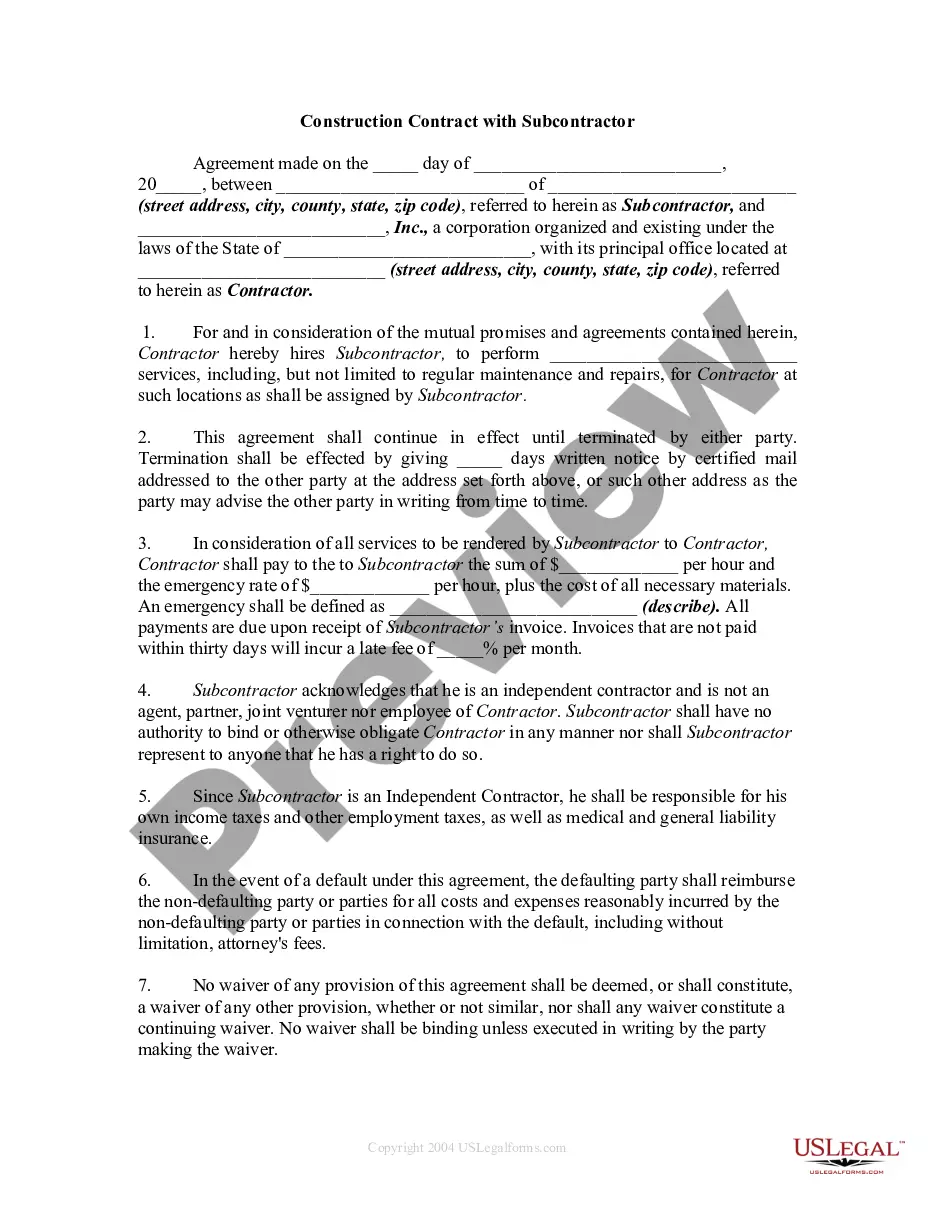
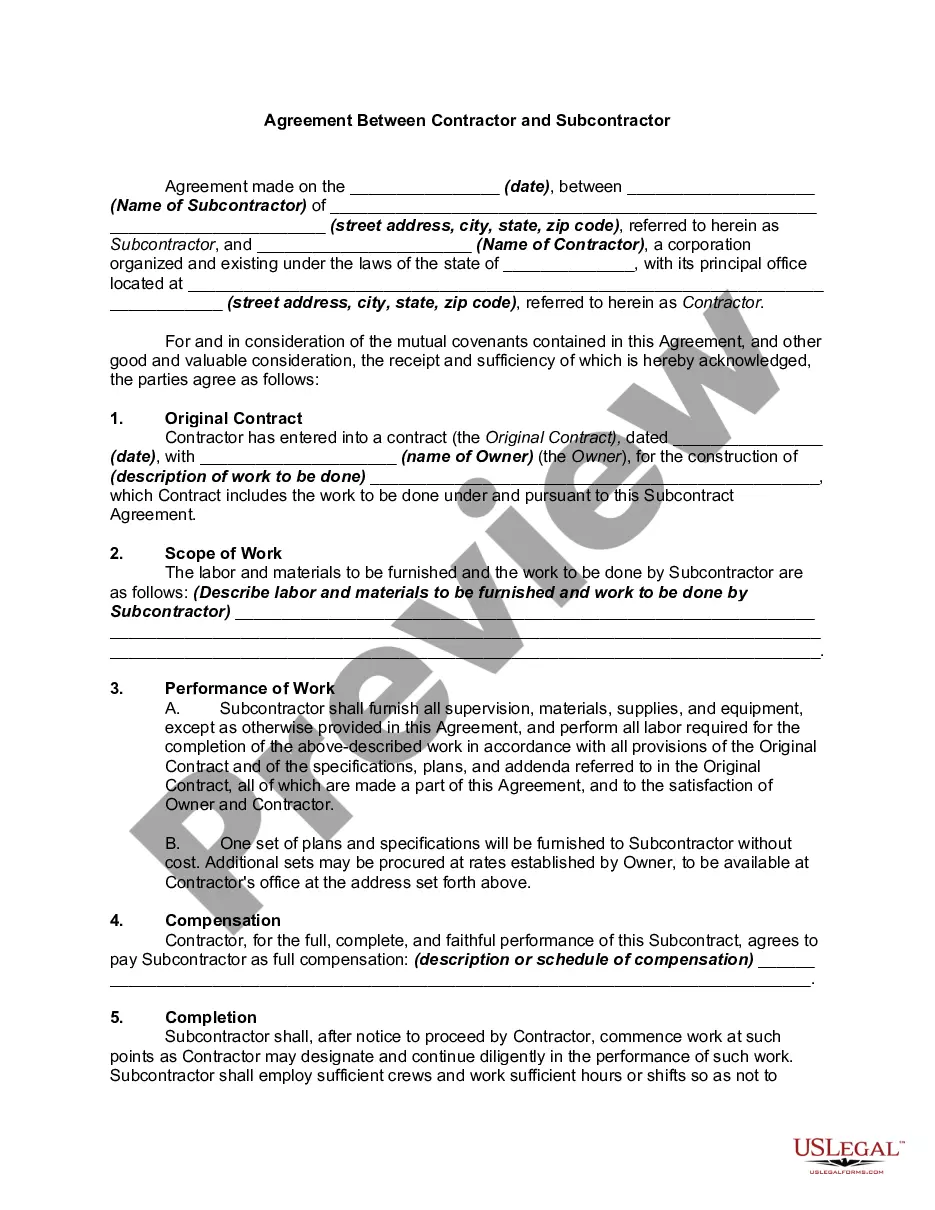
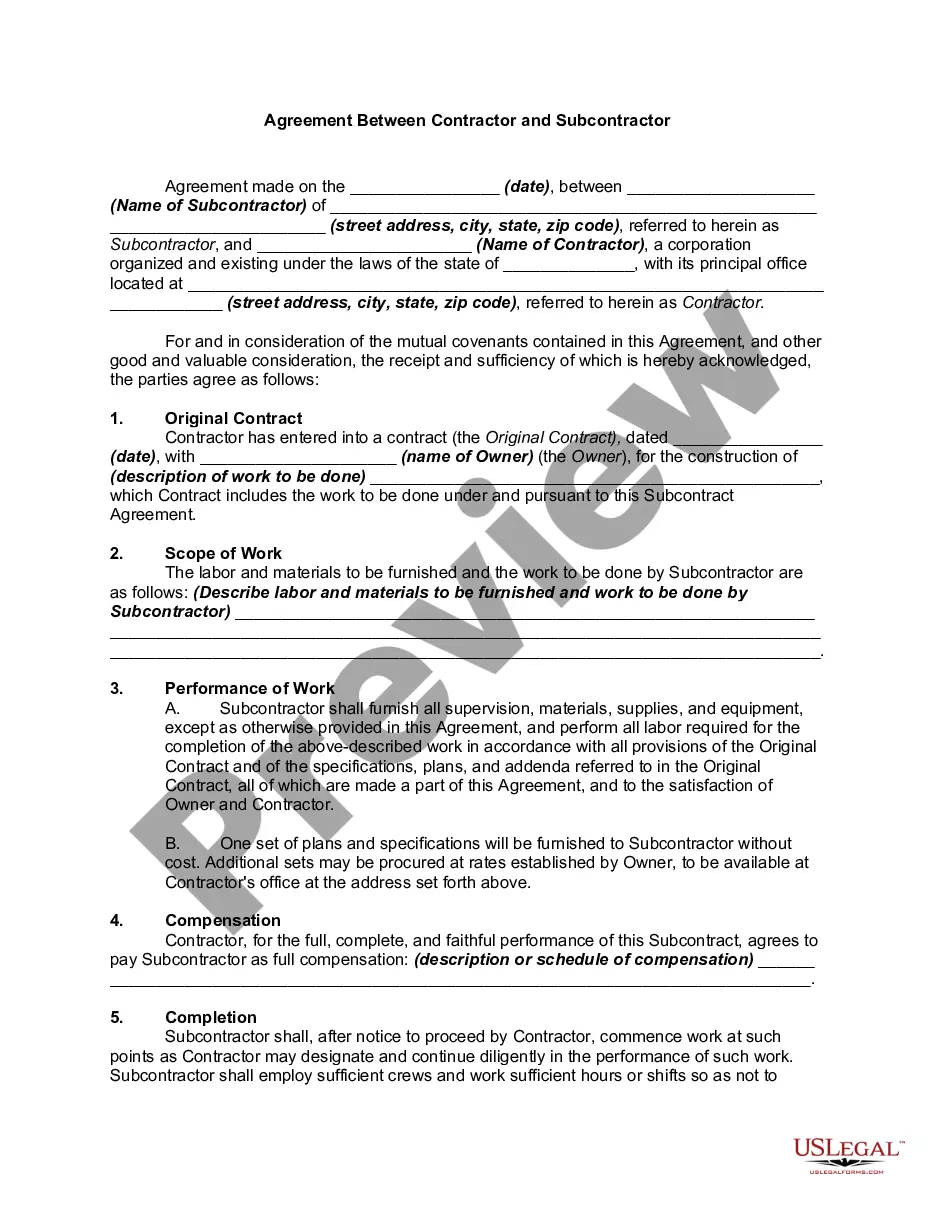
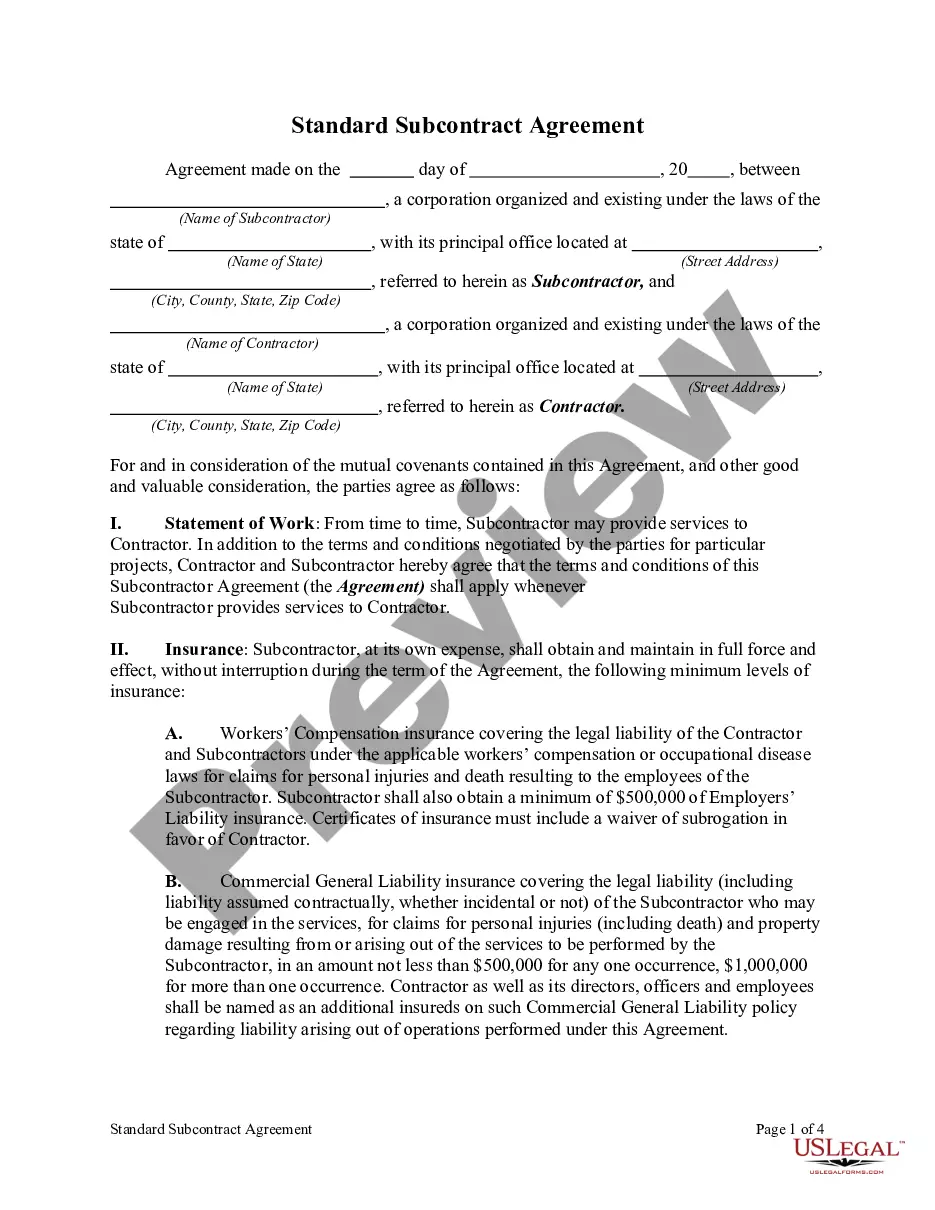
Get your form ready online
Our built-in tools help you complete, sign, share, and store your documents in one place.
Make edits, fill in missing information, and update formatting in US Legal Forms—just like you would in MS Word.
Download a copy, print it, send it by email, or mail it via USPS—whatever works best for your next step.
Sign and collect signatures with our SignNow integration. Send to multiple recipients, set reminders, and more. Go Premium to unlock E-Sign.
If this form requires notarization, complete it online through a secure video call—no need to meet a notary in person or wait for an appointment.
We protect your documents and personal data by following strict security and privacy standards.

Make edits, fill in missing information, and update formatting in US Legal Forms—just like you would in MS Word.

Download a copy, print it, send it by email, or mail it via USPS—whatever works best for your next step.

Sign and collect signatures with our SignNow integration. Send to multiple recipients, set reminders, and more. Go Premium to unlock E-Sign.

If this form requires notarization, complete it online through a secure video call—no need to meet a notary in person or wait for an appointment.

We protect your documents and personal data by following strict security and privacy standards.
Looking for another form?
How to fill out Agreement Between Cable Television Contractor And Subcontractor?
- If you've previously used US Legal Forms, log in to your account and download the required form template by clicking the Download button. Ensure that your subscription is active; if not, renew it as per your payment plan.
- For first-time users, begin by checking the Preview mode and form description. Confirm that you have selected the necessary template that adheres to your local jurisdiction's requirements.
- If the form doesn’t meet your needs, use the Search tab above to locate another appropriate template.
- Once you have the right form, click on the Buy Now button and select your desired subscription plan. Create an account to gain access to the extensive library.
- Provide your payment information to complete the purchase, either by credit card or PayPal.
- Finally, download your form, saving it to your device. You can always access it later via the My documents section of your profile.
US Legal Forms provides users with a robust collection of over 85,000 legal templates, ensuring you find exactly what you need for subcontracting. Additionally, their premium experts offer guidance on completing forms, helping you create legally sound documents with confidence.
Start your journey with US Legal Forms today and streamline your subcontracting processes. Empower yourself and your business by accessing the legal resources that ensure your success!
Form popularity
FAQ
Outsourcing involves contracting work out to a third party, regardless of their location. Offshoring, however, specifically refers to relocating business processes to another country to reduce costs or access specialized capabilities. While both strategies seek operational efficiency, outsourcing could occur domestically or internationally, while offshoring strictly involves international service providers. Understanding these differences can help businesses strategically choose their subcontracting and operational models.
An example of subcontracting could be a construction company hiring a specialized electrician to handle electrical installations within a larger building project. Here, the main contractor oversees the entire construction project while the subcontractor focuses on the electrical aspects. This collaboration allows the general contractor to benefit from the electrician’s expertise without needing to hire a full-time employee for that specific task. Utilizing platforms like US Legal Forms can simplify the legal aspects of subcontracting agreements.
While outsourcing refers to assigning complete processes to third parties, subcontracting focuses on passing a portion of a contract to another party. This means that in subcontracting, the primary contractor retains overall responsibility for the project, while the subcontractor handles specific components. This distinction is crucial for businesses looking to manage their projects efficiently while accessing specialized skills. Subcontracting can enhance flexibility and control when managing multiple project facets.
Outsourcing refers to the practice of delegating various business processes or functions to external service providers. In contrast, contracting involves entering into a formal agreement for specific services or deliverables, often done on a project basis. While both methods involve external collaboration, outsourcing typically encompasses broader operational aspects. Businesses can consider subcontracting as a strategic way to manage these outsourced tasks effectively.
Subcontracting is the process where one business hires another to perform specific tasks or services as part of a larger project. This allows companies to leverage specialized skills and expertise that they may not possess in-house. In the realm of subcontracting, the primary contractor manages the overall project and the subcontractor focuses on their specific duties. This approach enhances efficiency and often results in better quality outcomes.
To work out a subcontract, start by discussing the specific tasks and deliverables with your subcontractor. Establish clear communication about schedules, payment terms, and responsibilities. Draft a formal subcontractor agreement to encapsulate all these details, as this documentation helps prevent misunderstandings. Platforms like USLegalForms offer useful templates that aid in formalizing these agreements effectively.
Subcontractors typically need to complete several forms, including the W-9 for tax purposes and a subcontractor agreement to outline the terms of their work. They should also keep invoices ready for payment processing. By staying organized with their documentation, subcontractors can streamline their operations and enhance efficiency in their subcontracting projects.
To fill out a subcontractor agreement, start by clearly outlining the scope of work and deadlines involved. Include payment terms, responsibilities, and any legal requirements to ensure clarity. It’s also wise to incorporate clauses that protect both parties, like confidentiality and dispute resolution. Using templates available on platforms like USLegalForms can make this process easier.
Individuals classified as 1099 employees should complete a W-9 form to provide their taxpayer identification details. This form is crucial for clients to report payments made to them. By ensuring accurate completion, subcontractors can avoid delays in receiving their 1099 forms. Adopting good practices in outsourcing work strengthens the subcontracting relationship.
Subcontractors typically receive a 1099-NEC form when they provide services. This form reports the income they earn, facilitating accurate tax reporting. It is important for subcontractors to keep track of their earnings throughout the year for this purpose. Using correct forms simplifies the subcontracting process and ensures compliance with tax regulations.