Lawsuit For Negligence
Description
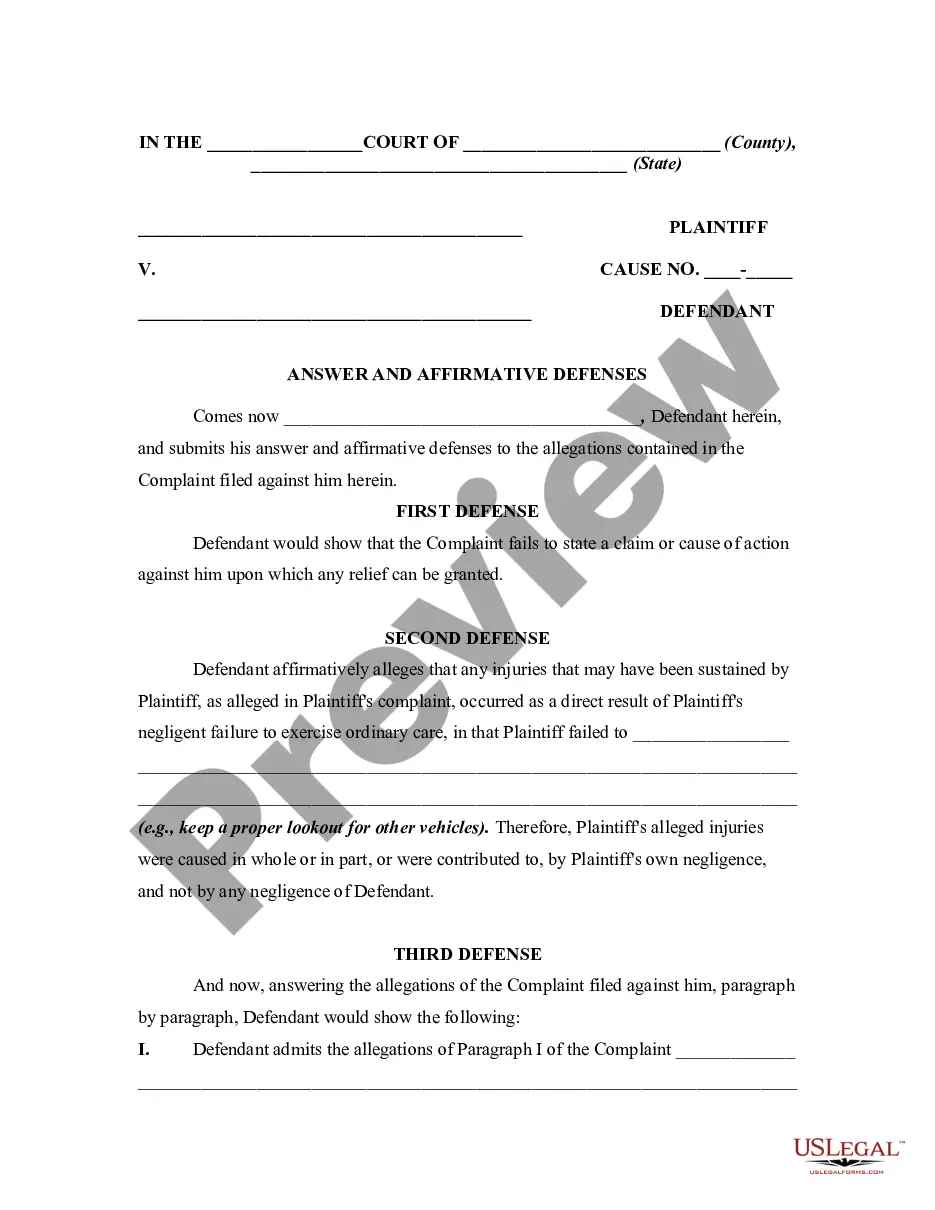
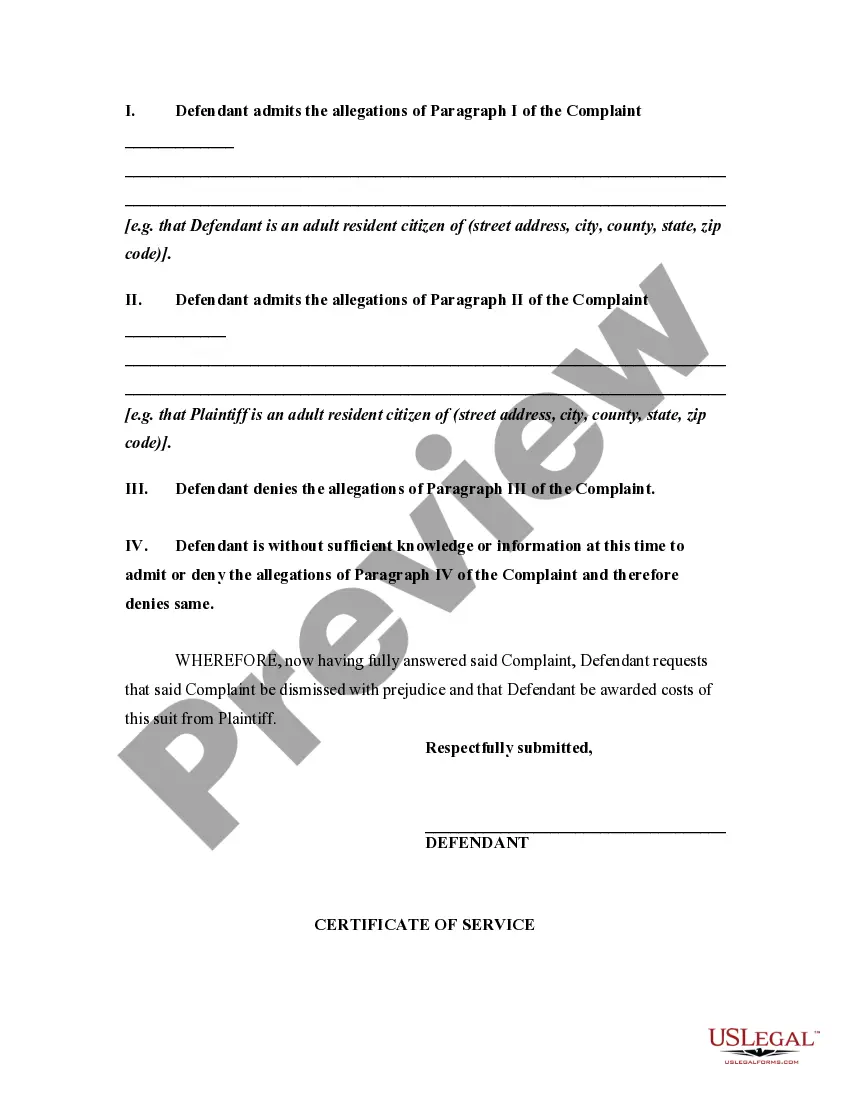
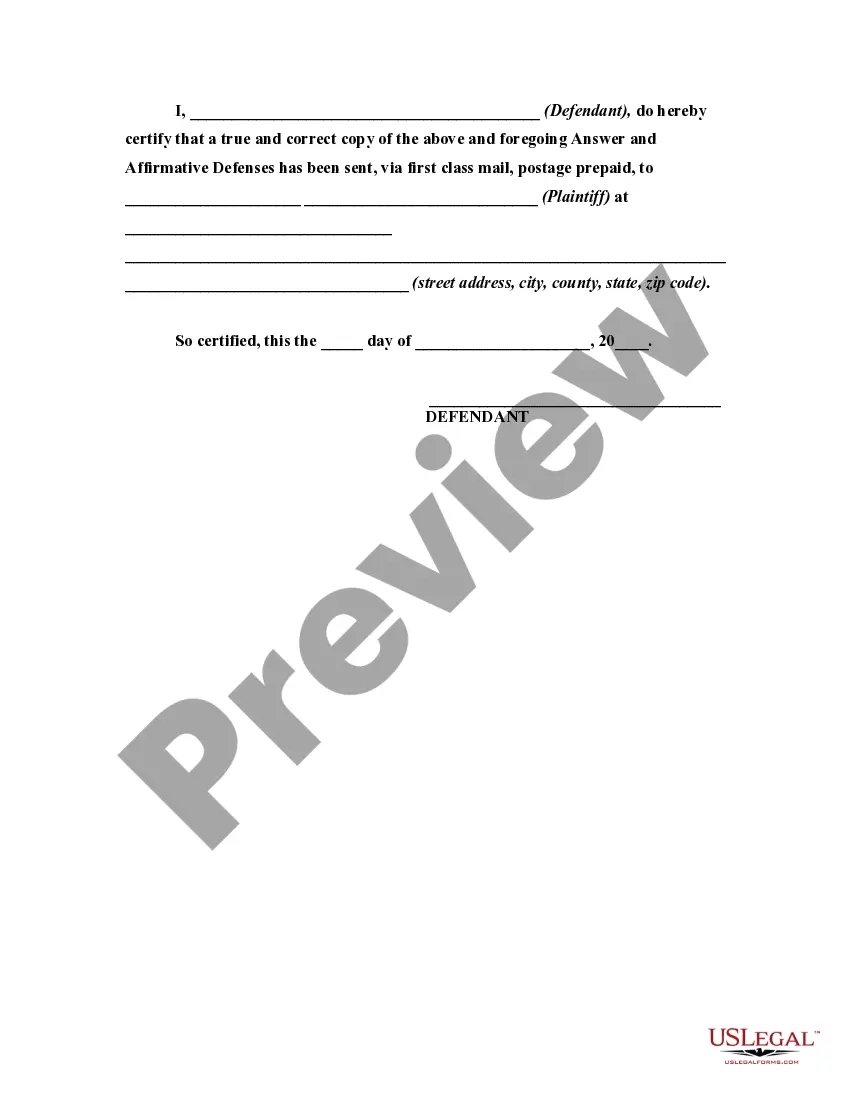
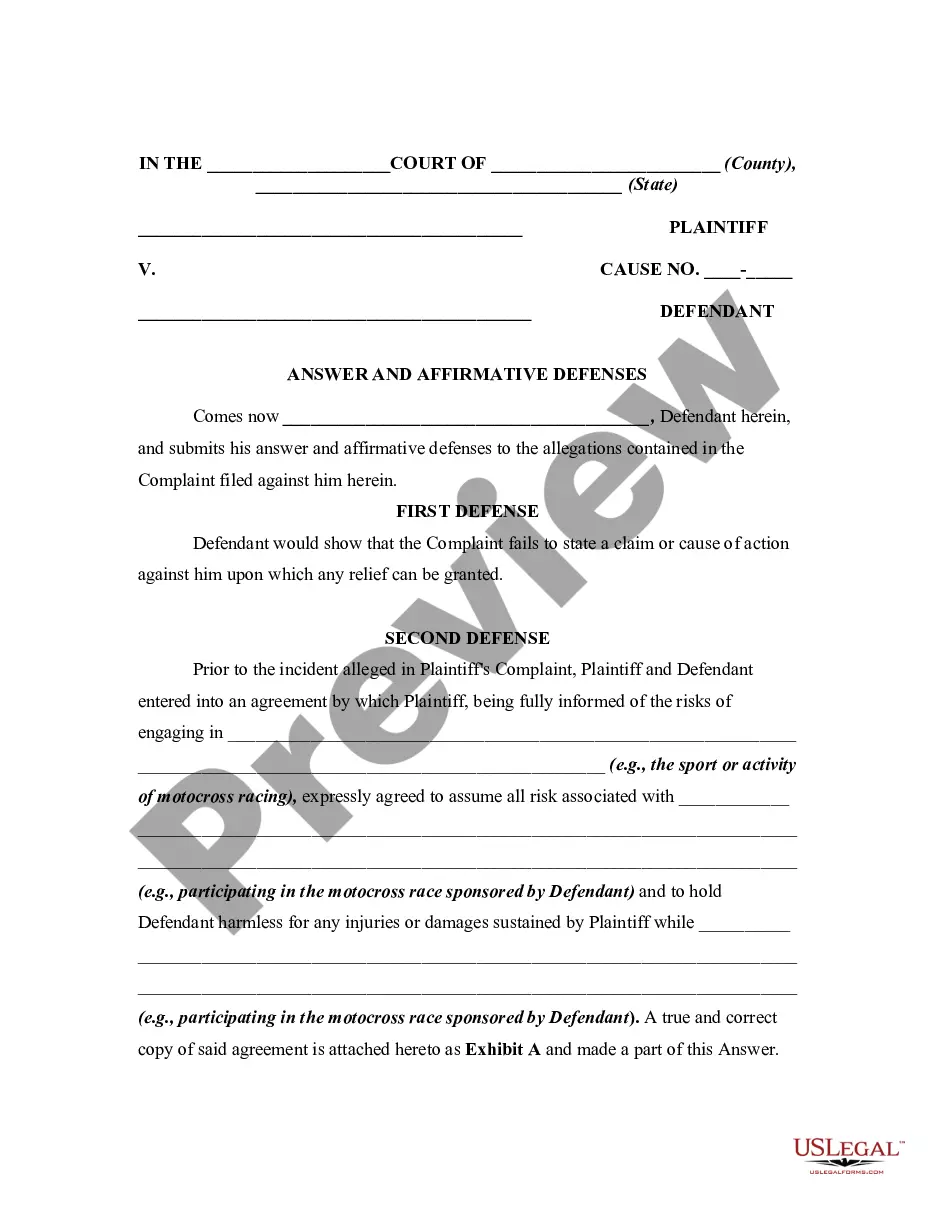
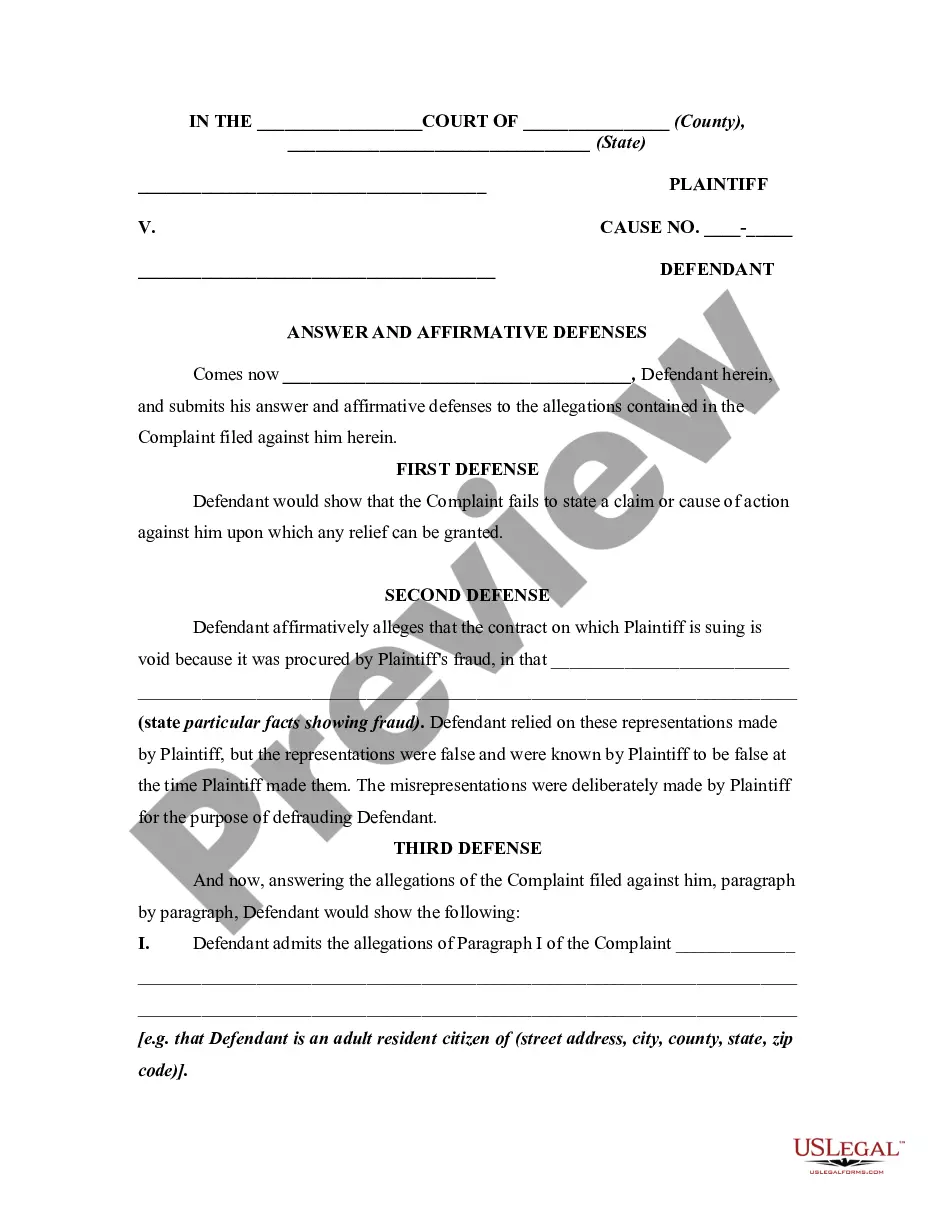
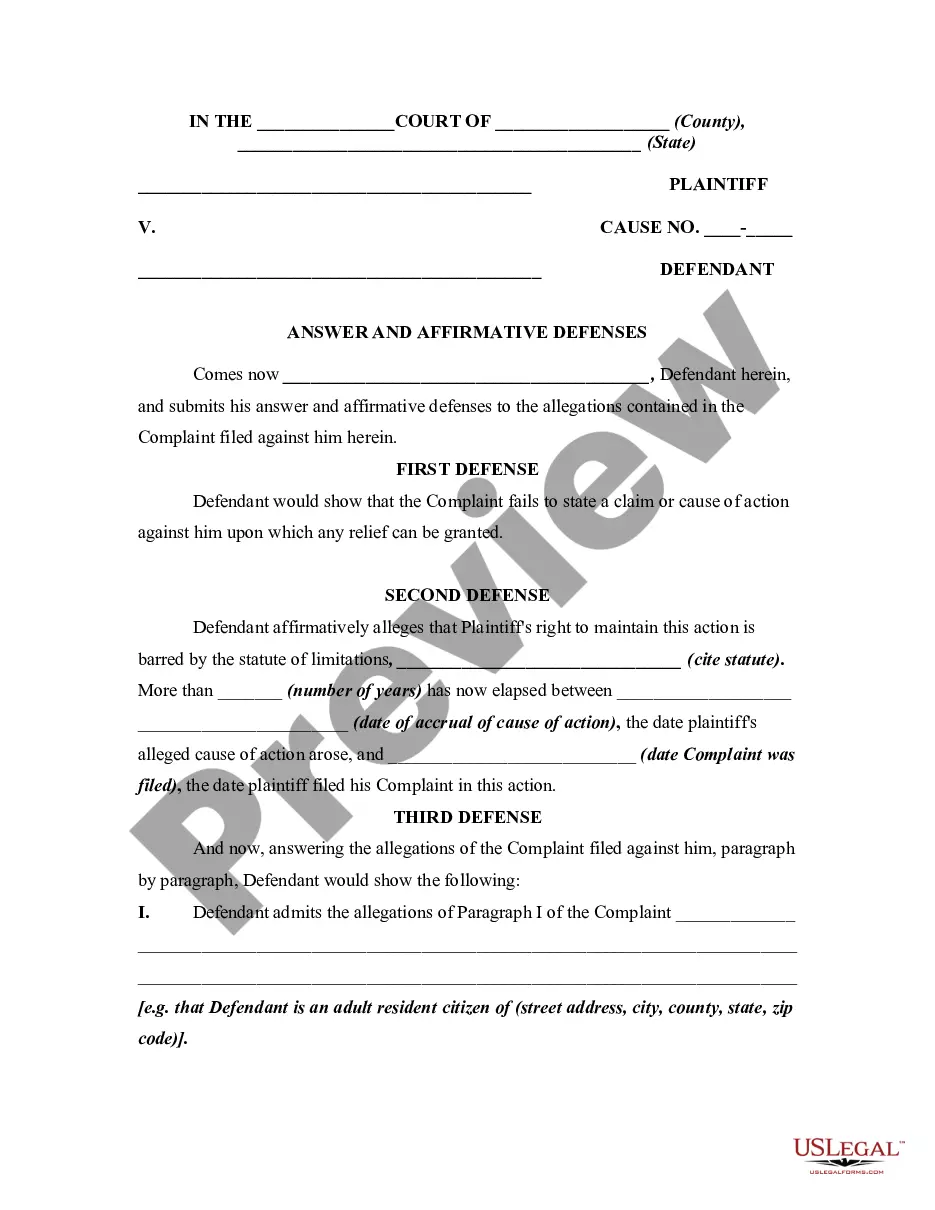
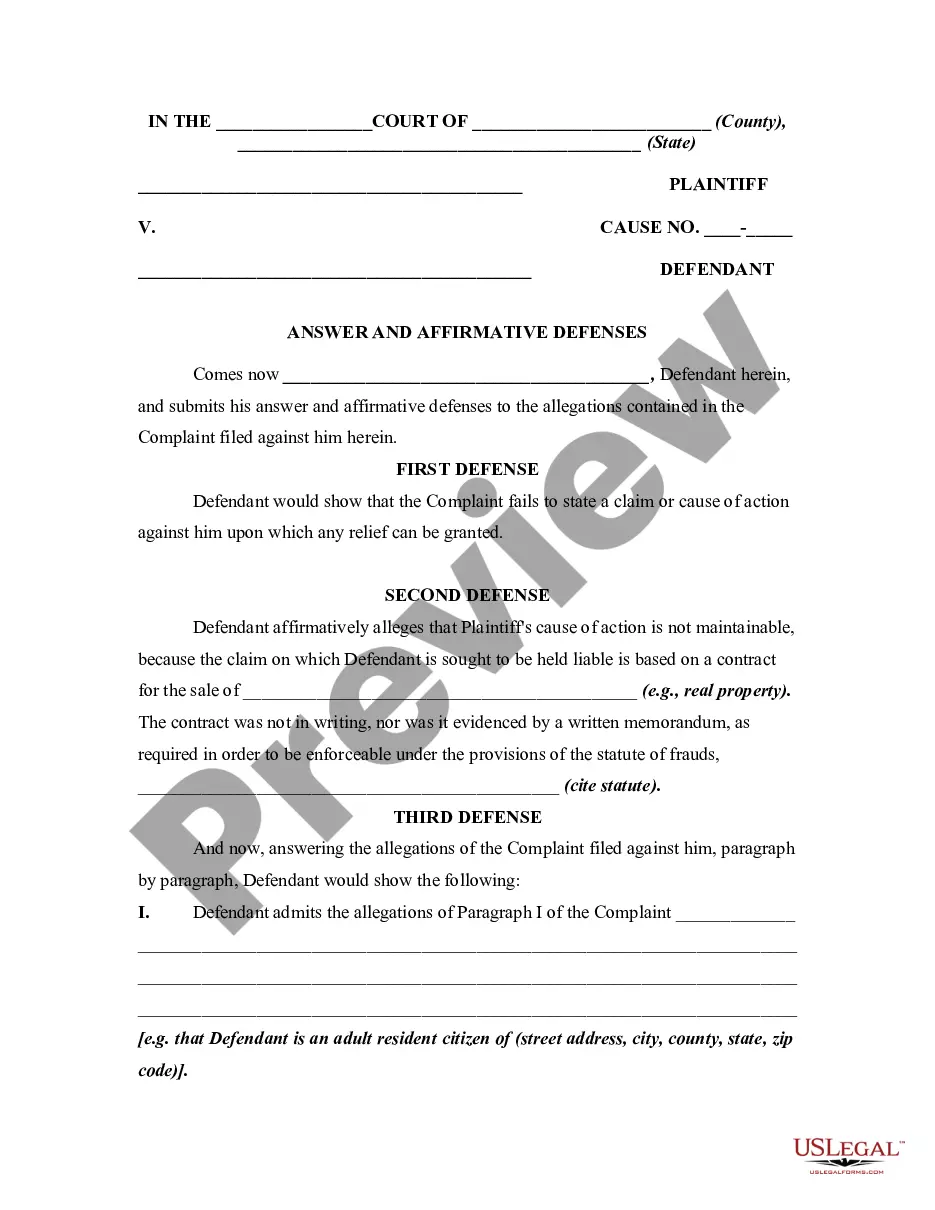
Get your form ready online
Our built-in tools help you complete, sign, share, and store your documents in one place.
Make edits, fill in missing information, and update formatting in US Legal Forms—just like you would in MS Word.
Download a copy, print it, send it by email, or mail it via USPS—whatever works best for your next step.
Sign and collect signatures with our SignNow integration. Send to multiple recipients, set reminders, and more. Go Premium to unlock E-Sign.
If this form requires notarization, complete it online through a secure video call—no need to meet a notary in person or wait for an appointment.
We protect your documents and personal data by following strict security and privacy standards.

Make edits, fill in missing information, and update formatting in US Legal Forms—just like you would in MS Word.

Download a copy, print it, send it by email, or mail it via USPS—whatever works best for your next step.

Sign and collect signatures with our SignNow integration. Send to multiple recipients, set reminders, and more. Go Premium to unlock E-Sign.

If this form requires notarization, complete it online through a secure video call—no need to meet a notary in person or wait for an appointment.

We protect your documents and personal data by following strict security and privacy standards.
Looking for another form?

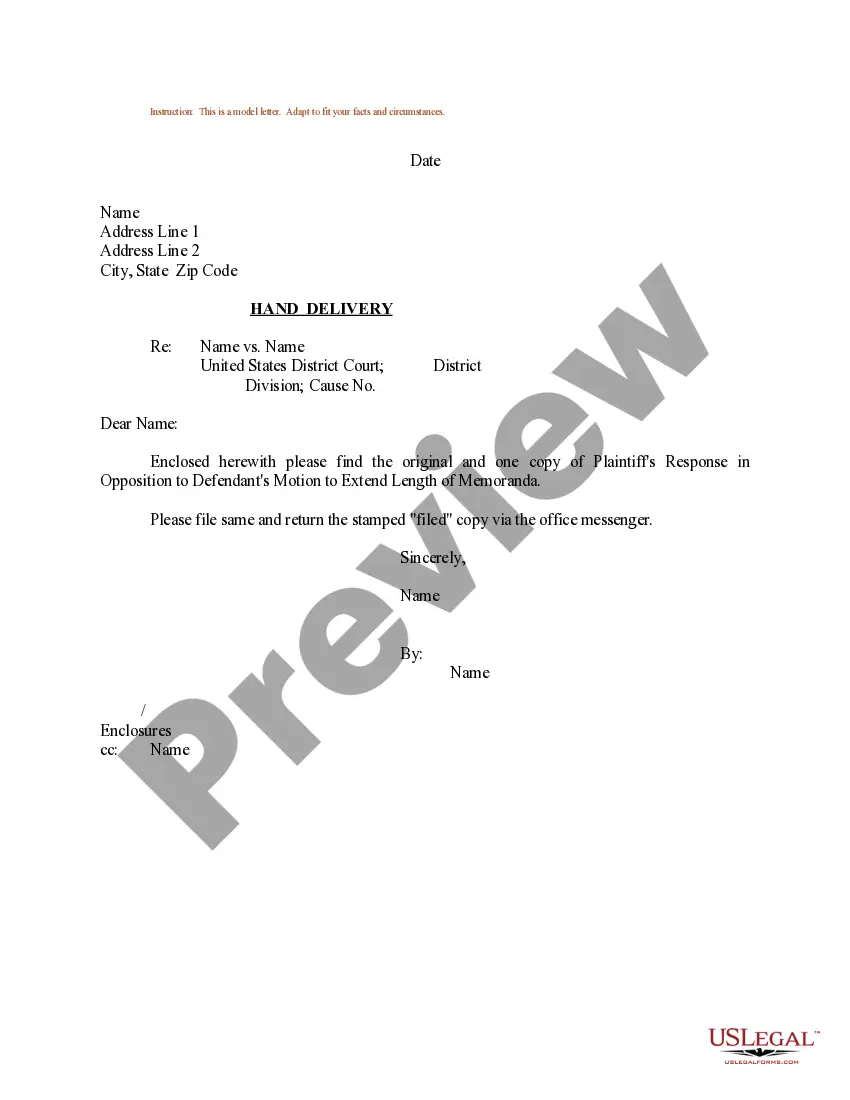
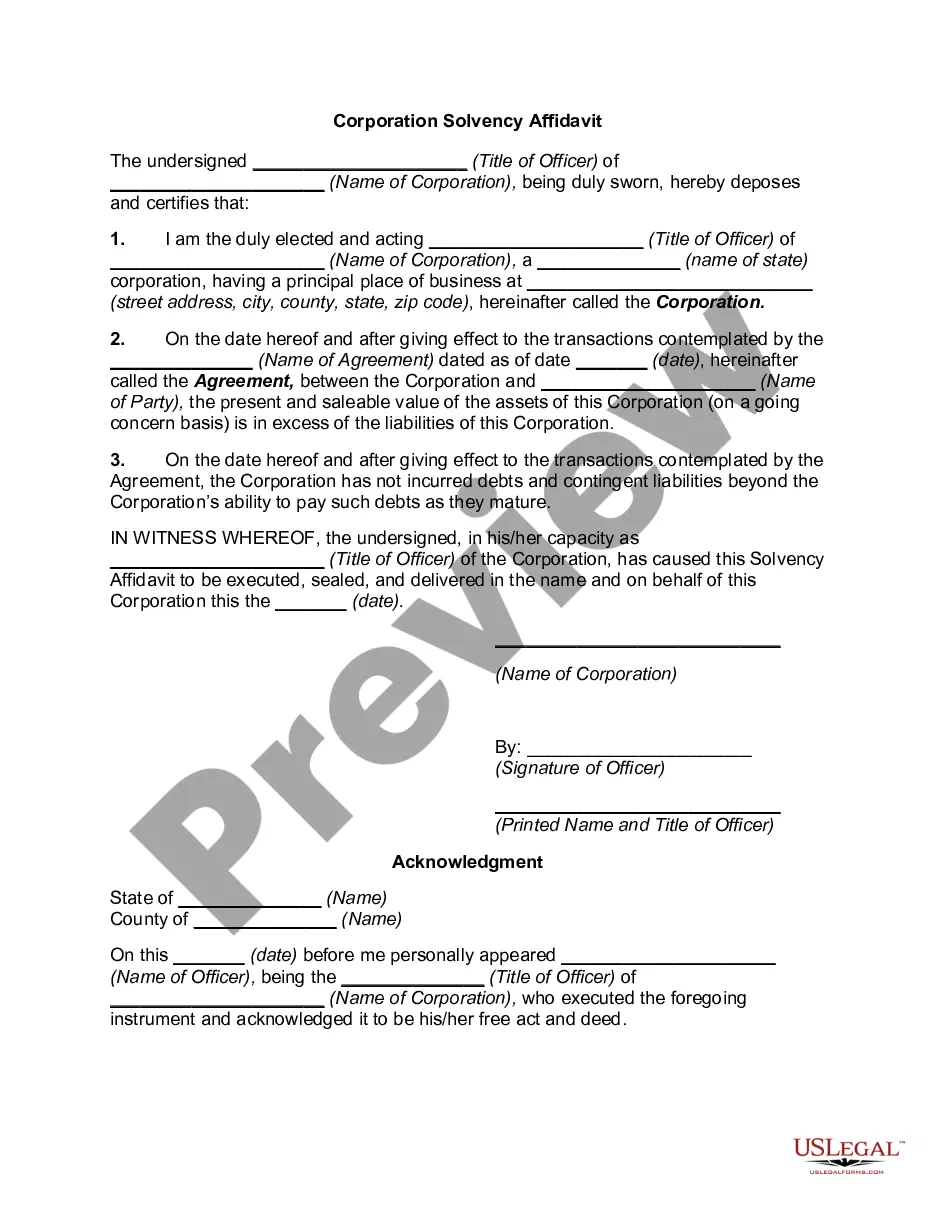


How to fill out Answer By Defendant In A Civil Lawsuit Alleging The Affirmative Defense Of Contributory Negligence?
Whether for corporate needs or personal matters, everyone must confront legal circumstances at some stage in their existence.
Completing legal documents demands meticulous attention, starting with the selection of the correct form template.
With a comprehensive US Legal Forms catalog available, you no longer need to waste time searching for the right template online. Utilize the library’s user-friendly navigation to find the appropriate template for any situation.
- Obtain the template you require by utilizing the search function or catalog browsing.
- Review the form’s description to ensure it aligns with your case, state, and locale.
- Click on the form’s preview to inspect it.
- If it is not the correct form, return to the search feature to find the Lawsuit For Negligence template you require.
- Acquire the document if it meets your needs.
- If you already possess a US Legal Forms account, click Log in to access your previously saved files in My documents.
- If you do not have an account yet, you can obtain the form by clicking Buy now.
- Select the suitable pricing option.
- Fill out the account registration form.
- Choose your method of payment: you can utilize a credit card or PayPal account.
- Select the file format you desire and download the Lawsuit For Negligence.
- Once saved, you can complete the form using editing software or print it and fill it out manually.
Form popularity
FAQ
The amount you can sue for negligence varies significantly based on the case and jurisdiction. Factors include the severity of injuries, medical expenses, lost wages, and pain and suffering. Generally, once you establish the elements of a lawsuit for negligence, a court or settlement will determine the appropriate compensation based on these factors. For assistance, consider using USLegalForms to streamline your legal documentation.
The four types of negligence include gross negligence, comparative negligence, contributory negligence, and vicarious liability. Gross negligence involves a severe lack of care that leads to significant harm. Comparative and contributory negligence consider the degree of fault between parties when determining compensation. Understanding these types can help you navigate the complexities of a lawsuit for negligence.
The 4Ds of negligence are duty, dereliction, direct cause, and damages. First, a duty exists when one party has a legal obligation to act in a particular way toward another party. Next, dereliction occurs when this duty is breached, leading to a direct cause of an injury. Lastly, damages refer to the actual harm suffered, which can be the basis for a lawsuit for negligence.
To file a lawsuit for negligence, first gather evidence related to your case, such as witness statements, medical records, and any relevant documentation. Next, consult with a legal professional to assess your situation and discuss your options for proceeding with a lawsuit for negligence. After you have a clear understanding of your case, you can prepare and file the complaint with the appropriate court. Lastly, keep in mind that platforms like US Legal Forms can streamline the process by providing necessary legal forms and guidance tailored to your needs.
The 4 C's of negligence include Care, Causation, Capacity, and Consequences. They serve as a framework for understanding how negligence develops and affects individuals. In a lawsuit for negligence, establishing these concepts can dynamically influence the case outcome, so having clarity around them is vital for any plaintiff.
In a successful lawsuit for negligence, a plaintiff must demonstrate four key elements: the duty of care owed by the defendant, the breach of this duty, causation linking the breach to the injury, and the resulting damages. Proving each element is crucial for establishing liability. With thorough evidence and expert legal guidance, plaintiffs can enhance their chances of success.
When preparing for a lawsuit for negligence, you must meet four essential requirements: duty of care, breach of duty, causation, and damages. You need to show that the defendant had a legal obligation to act or not act in a certain way. Then, demonstrate how they failed in that obligation, which caused an injury that resulted in measurable damages.
The amount you can sue someone for negligence in a lawsuit for negligence varies based on numerous factors, including the severity of the injury and the impact on your life. Typically, plaintiffs seek compensation for medical expenses, lost wages, and pain and suffering. It's essential to consult with a legal expert to assess potential damages and understand the limits set by state laws.
To successfully file a lawsuit for negligence, a plaintiff must establish four critical elements: duty, breach, causation, and damages. First, the defendant must owe a duty of care to the plaintiff. Second, the defendant must breach this duty, leading to an injury. Finally, the plaintiff must prove that they suffered damages as a direct result of the breach.
A lawsuit for negligence can arise when someone's actions or lack of action cause harm to another person. If you fail to meet your duty of care, such as not following safety regulations or ignoring the well-being of others, you may become liable. Anyone affected by your negligence can file a lawsuit if they suffer damages as a result. Understanding your responsibilities and rights is vital, and resources like US Legal Forms can help you navigate the legal process.