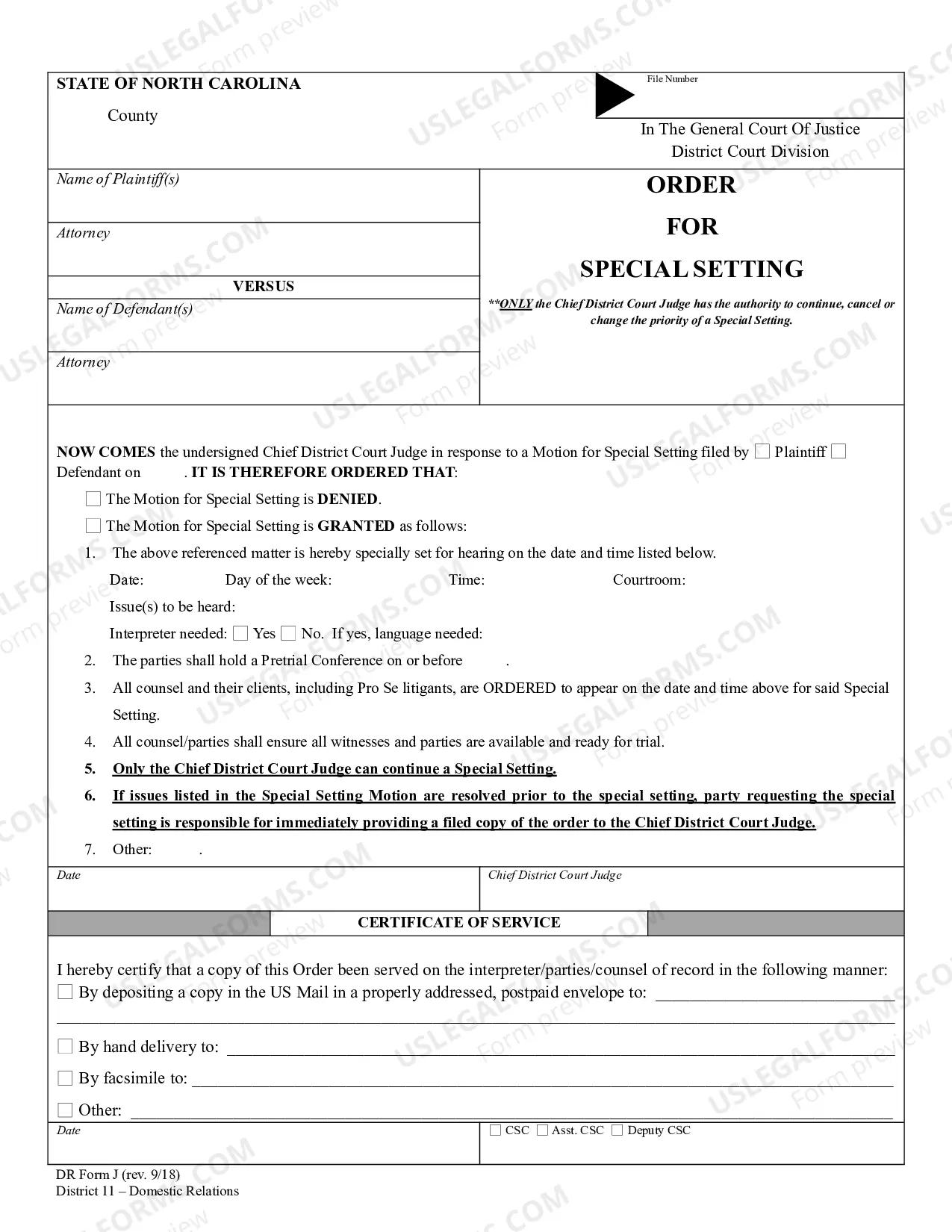
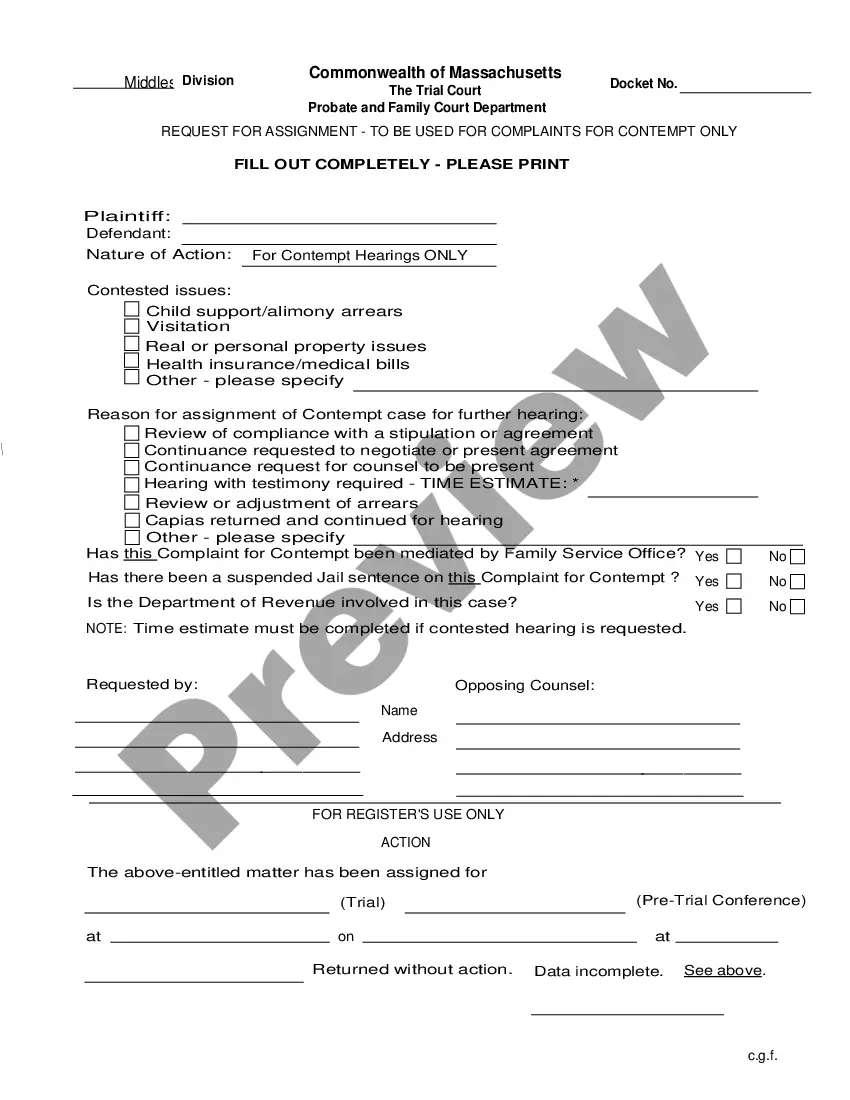
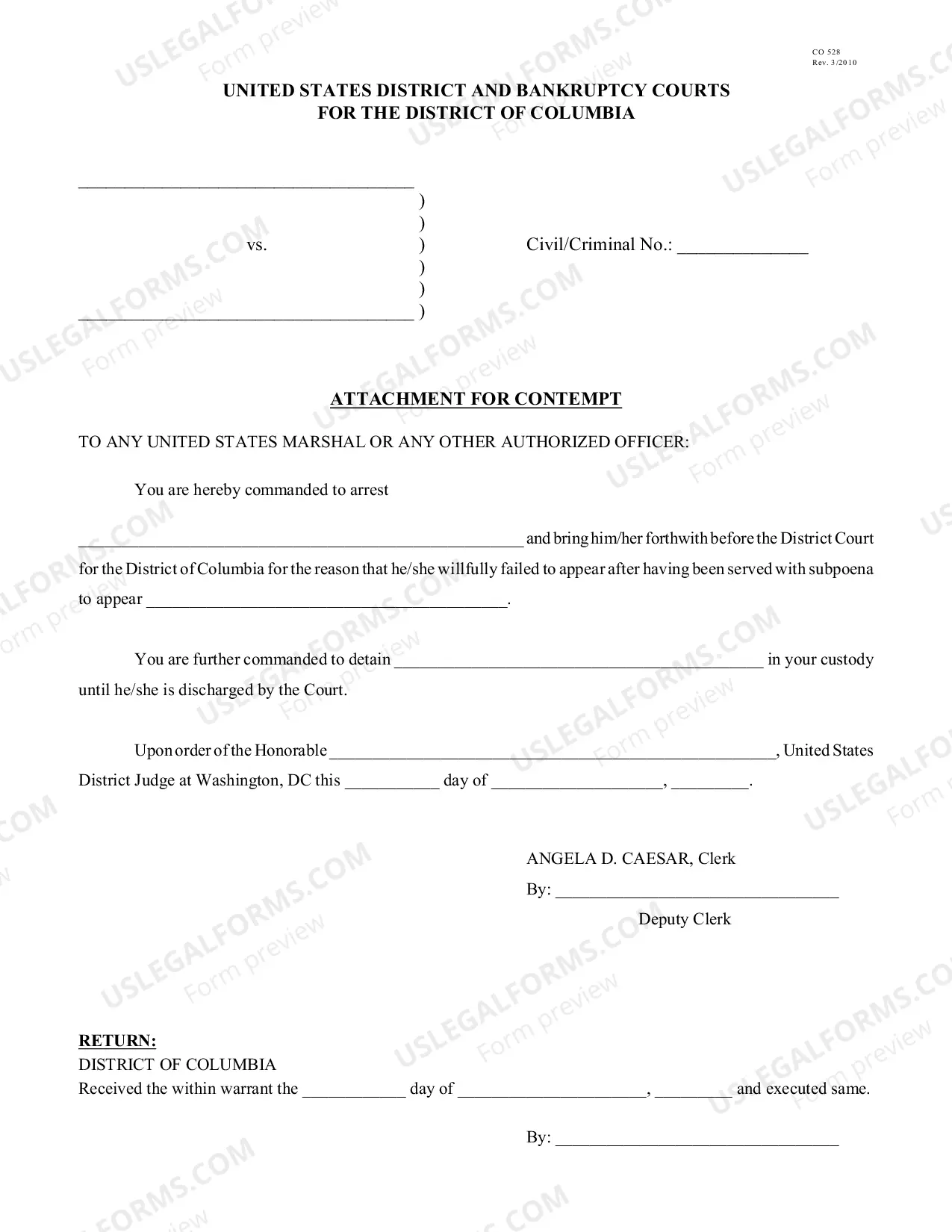
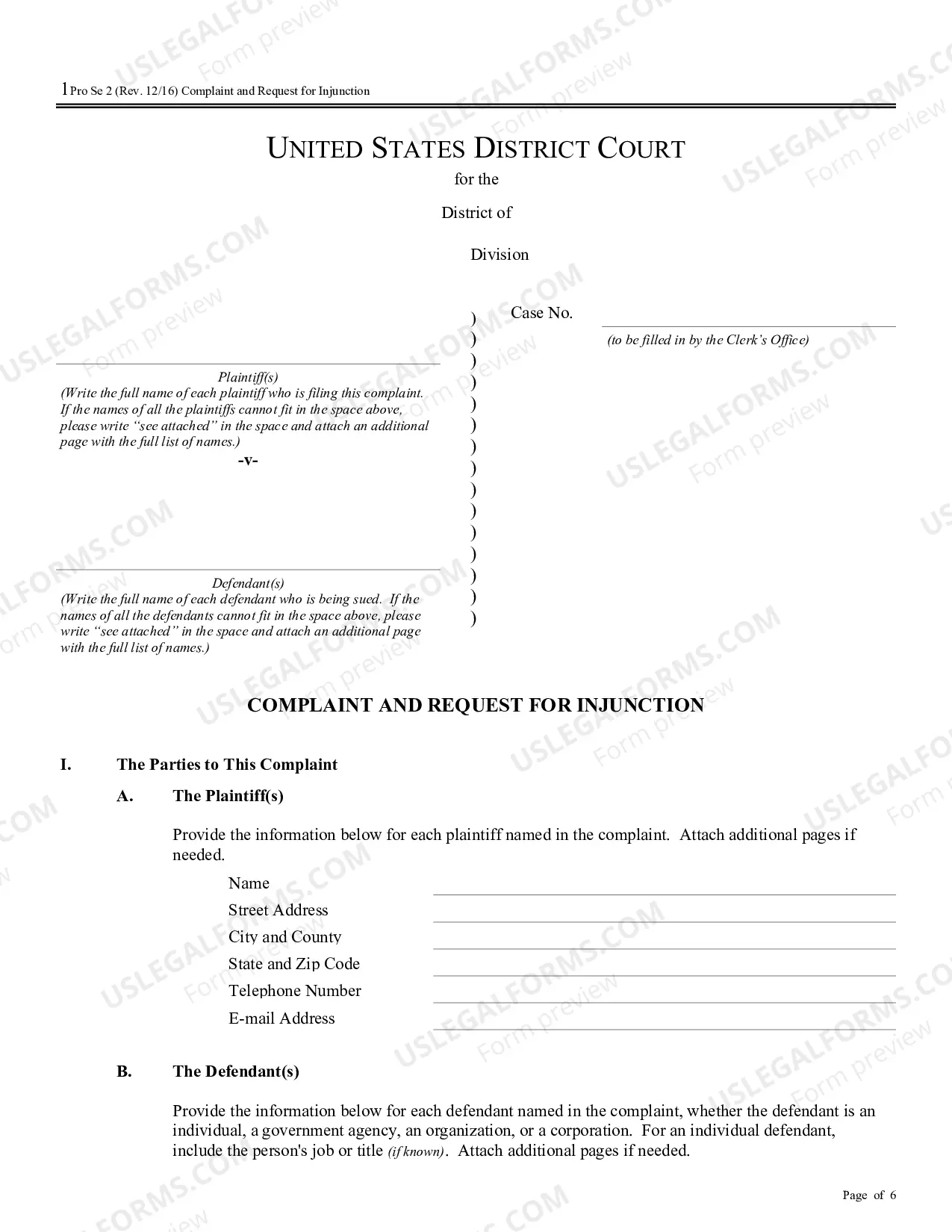
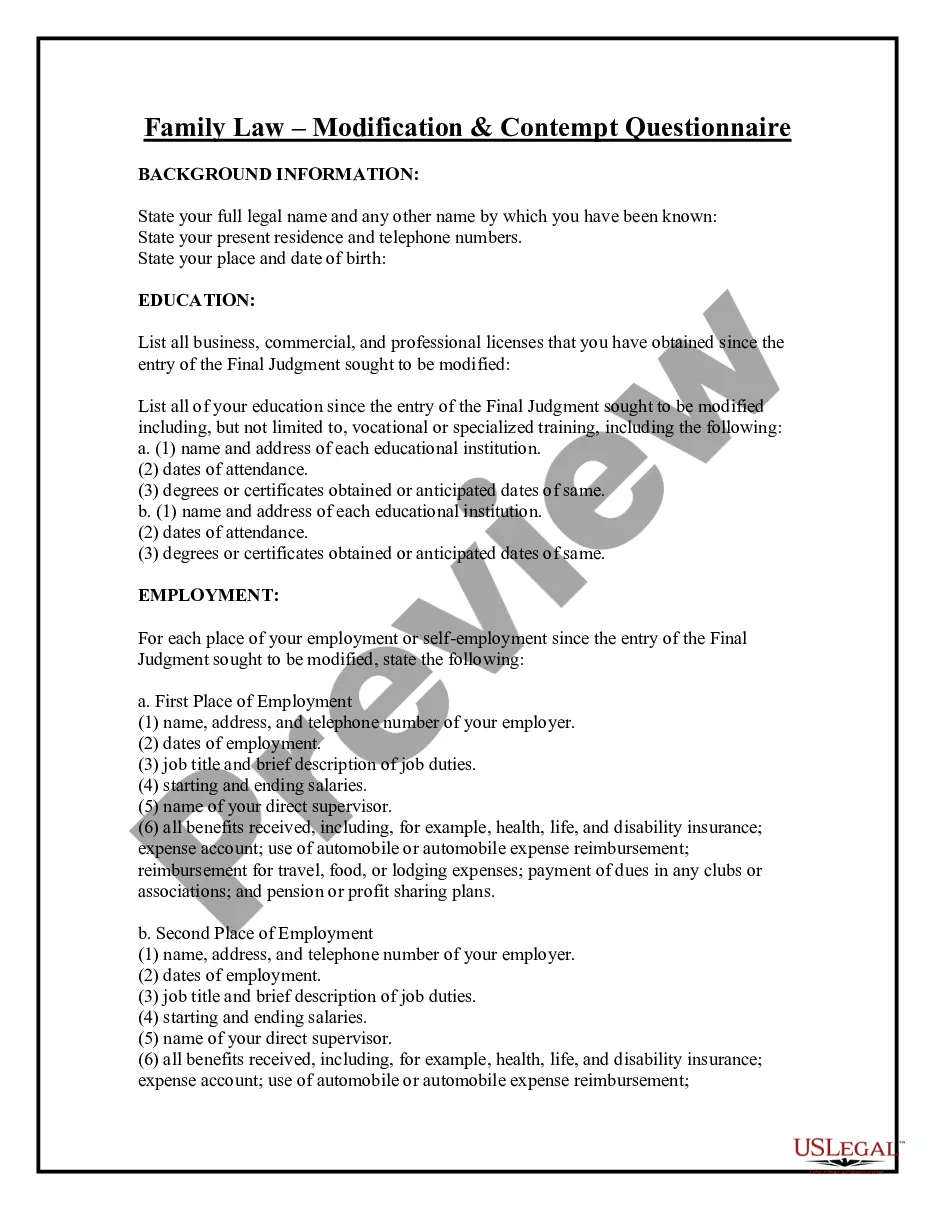
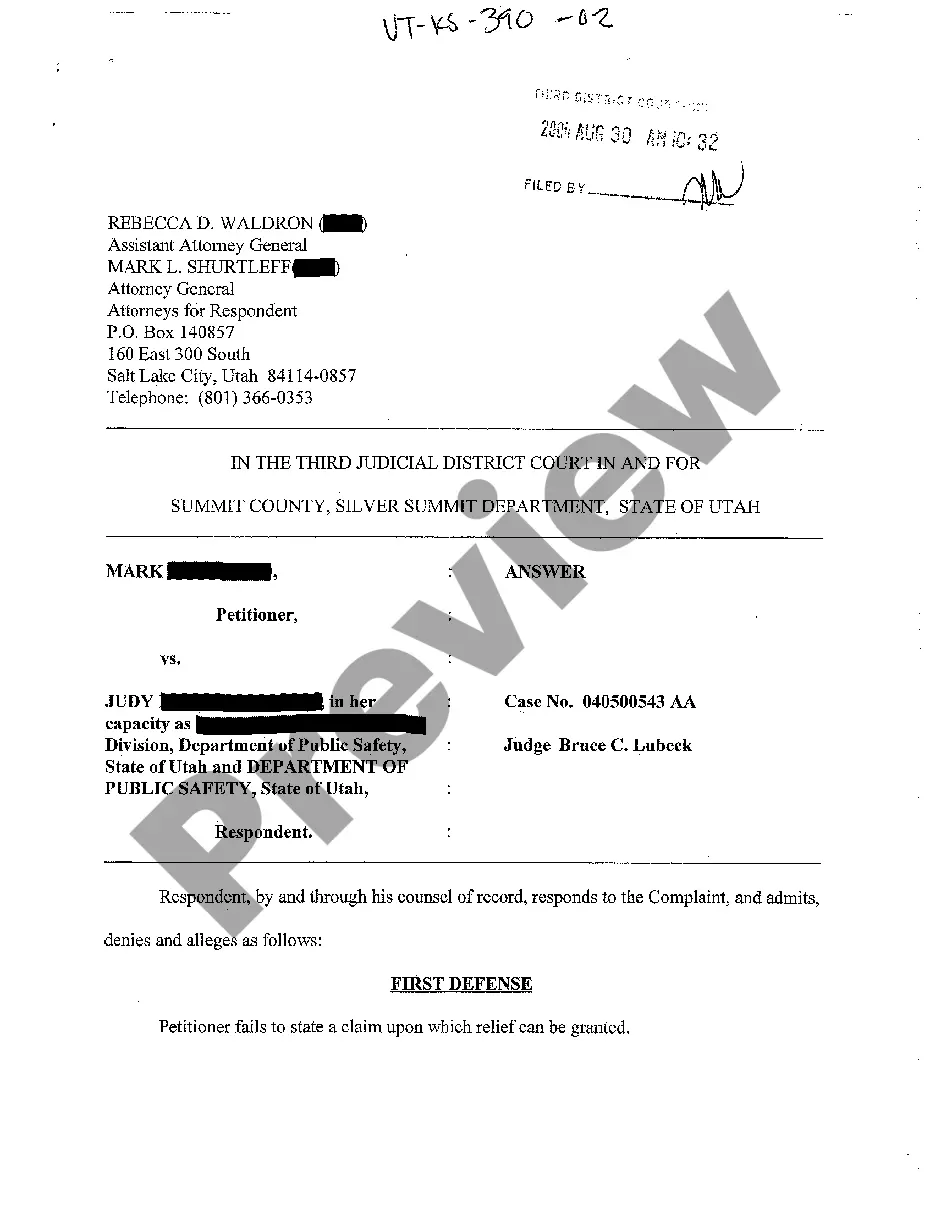
Massachusetts Request For Assignment of Contempt complaint
Does this document require notarization?
This form does not typically require notarization to be legally valid. However, some jurisdictions or document types may still require it. US Legal Forms provides secure online notarization powered by Notarize, available 24/7 for added convenience.
Get your form ready online
Our built-in tools help you complete, sign, share, and store your documents in one place.
Make edits, fill in missing information, and update formatting in US Legal Forms—just like you would in MS Word.
Download a copy, print it, send it by email, or mail it via USPS—whatever works best for your next step.
Sign and collect signatures with our SignNow integration. Send to multiple recipients, set reminders, and more. Go Premium to unlock E-Sign.
If this form requires notarization, complete it online through a secure video call—no need to meet a notary in person or wait for an appointment.
We protect your documents and personal data by following strict security and privacy standards.

Make edits, fill in missing information, and update formatting in US Legal Forms—just like you would in MS Word.

Download a copy, print it, send it by email, or mail it via USPS—whatever works best for your next step.

Sign and collect signatures with our SignNow integration. Send to multiple recipients, set reminders, and more. Go Premium to unlock E-Sign.

If this form requires notarization, complete it online through a secure video call—no need to meet a notary in person or wait for an appointment.

We protect your documents and personal data by following strict security and privacy standards.
Looking for another form?
Form popularity
FAQ
Wearing professional slacks or a dress. While a dress is often recommended, you can also wear slacks and a tasteful button-down shirt. Above all, make sure that you look comfortable and polished.
What is a failure to appear in divorce court? Failure to appear means you have skipped a scheduled court date without notifying the court that you could not make it. Failure to appear is technically a crime. You can be charged with contempt of court, and the judge can issue a bench warrant for your arrest.
If the answer is yes, the judge may also ask some of these questions: Please state the name(s) and date(s) of birth of your child(ren).Is there any previous orderfrom any court anywhereabout the custody, visitation, or support of the child(ren)? Have you and your spouse agreed about custody of the child(ren)?
In Massachusetts, the Probate and Family Court official time-standard for contested divorces is fourteen months (under Standing Order 1-06) that is, the divorce process, from filing to entry of a judgment, should take no more than fourteen months.
The final divorce hearing is a meeting between you, your spouse, your respective lawyers, and potentially a family court judge. You'll typically be asked basic questions about your marriage, divorce, and any agreements you and your spouse have made about division of property, child custody and support.
With a hearing, the judge will consider evidence and testimony on one or more aspects of your divorce, perhaps child custody or visitation or temporary alimony, for example. The judge will render a decision on those issues only, removing some of the roadblocks and answering some questions about your divorce.
Please state the name(s) and date(s) of birth of your child(ren). Where does each child currently live? Is there any previous orderfrom any court anywhereabout the custody, visitation, or support of the child(ren)? Have you and your spouse agreed about custody of the child(ren)?
Step 1: Meet With Your Attorney. Step 2: Gather all your documents and paperwork. Step 3: Get support. Step 4: Don't spend all your time and energy focused on the trial. Step 5: Keep your emotions in check. Step 6: Don't give up on the idea of settling your case.
A preliminary divorce hearing is an initial meeting after divorce is filed to see if both sides can agree on certain aspects of the divorce and division of properties and marital assets. If the former couple can be civil and reach agreements, it will prevent the judge from making all decisions on their behalf.