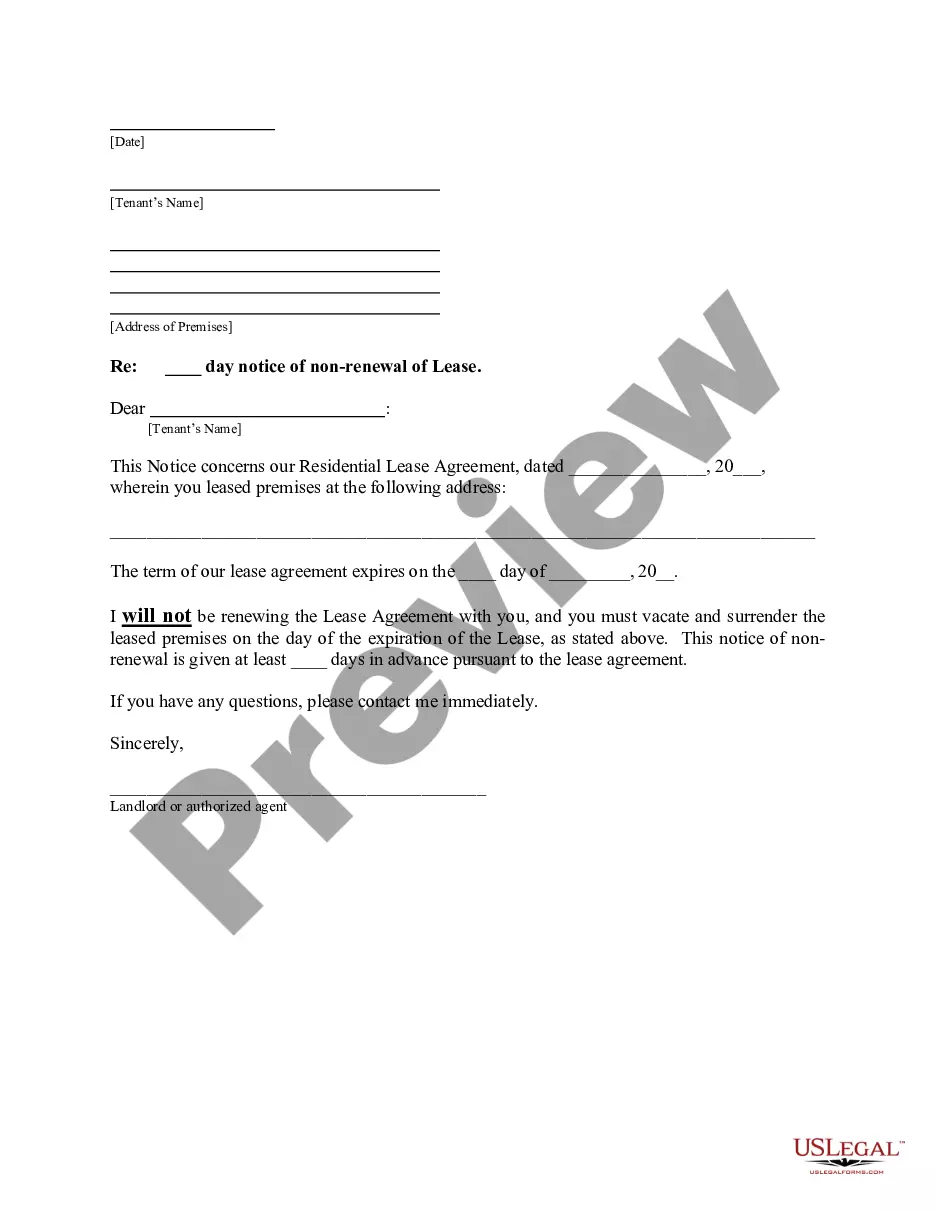
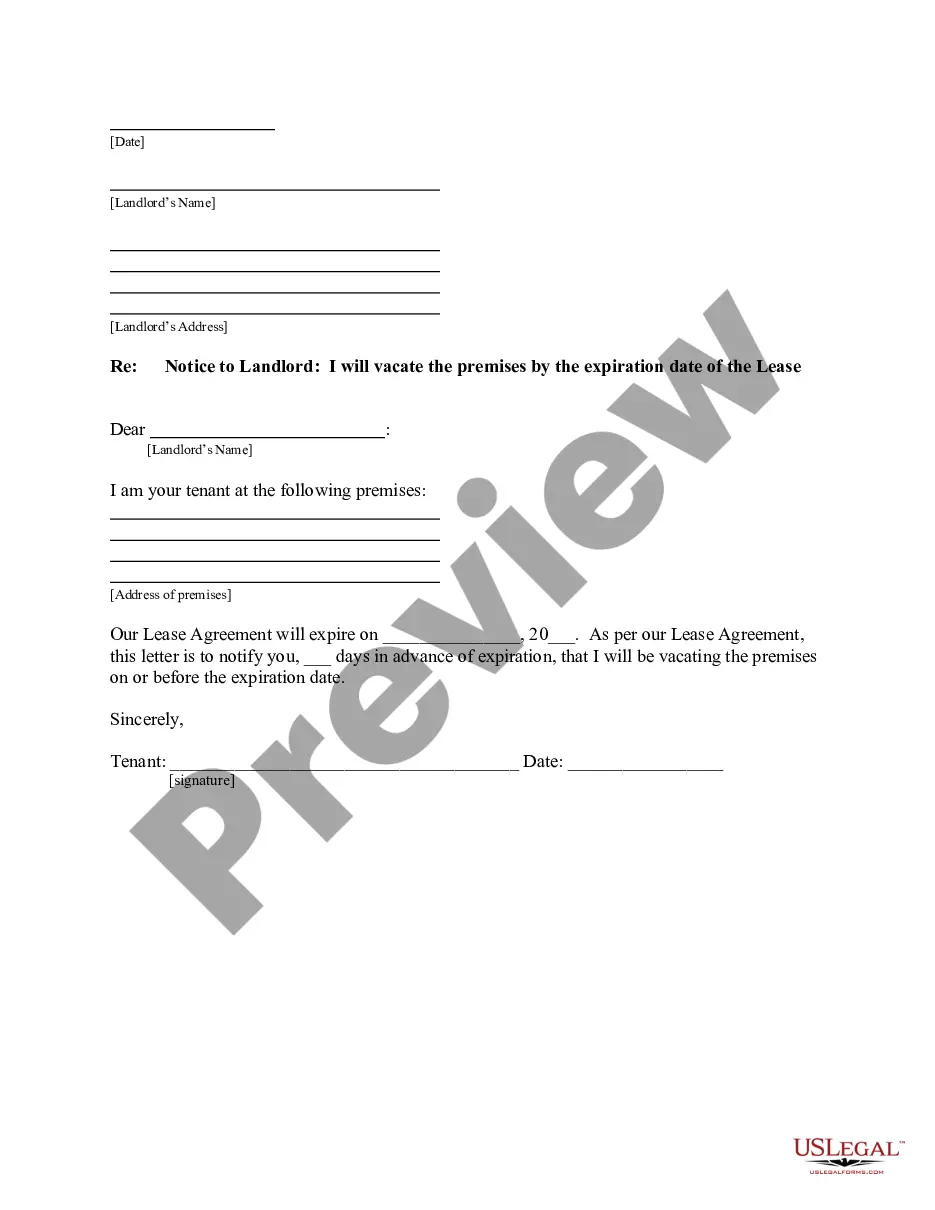
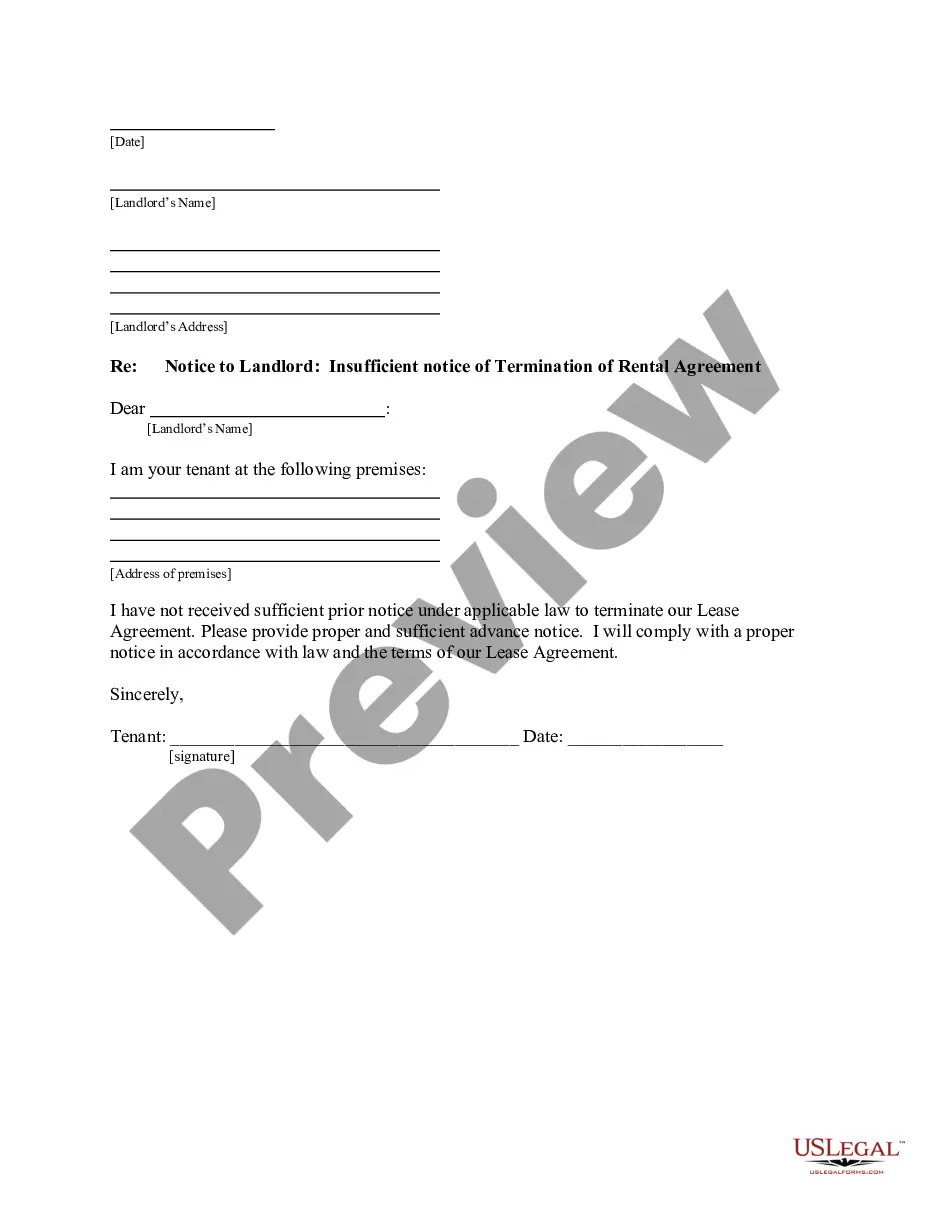
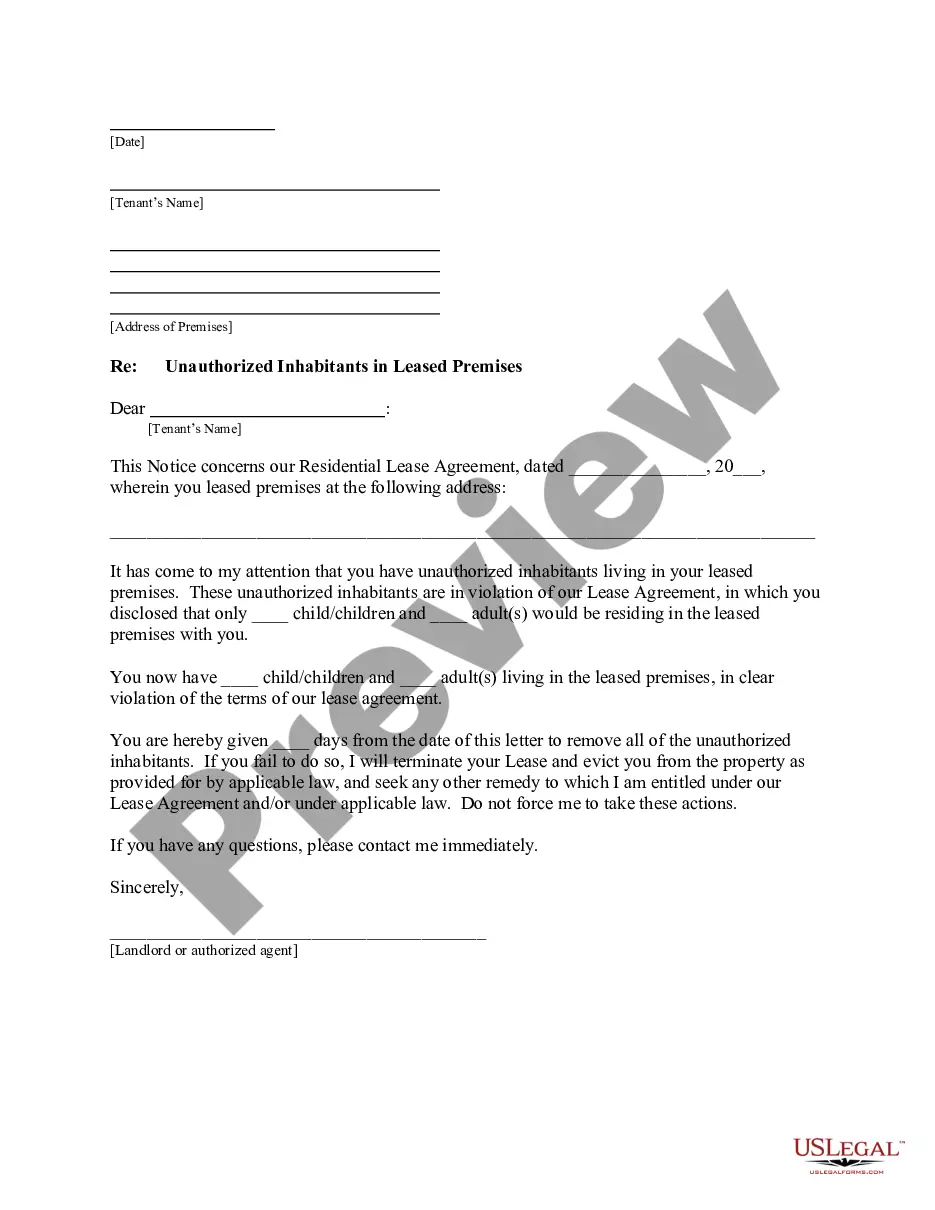
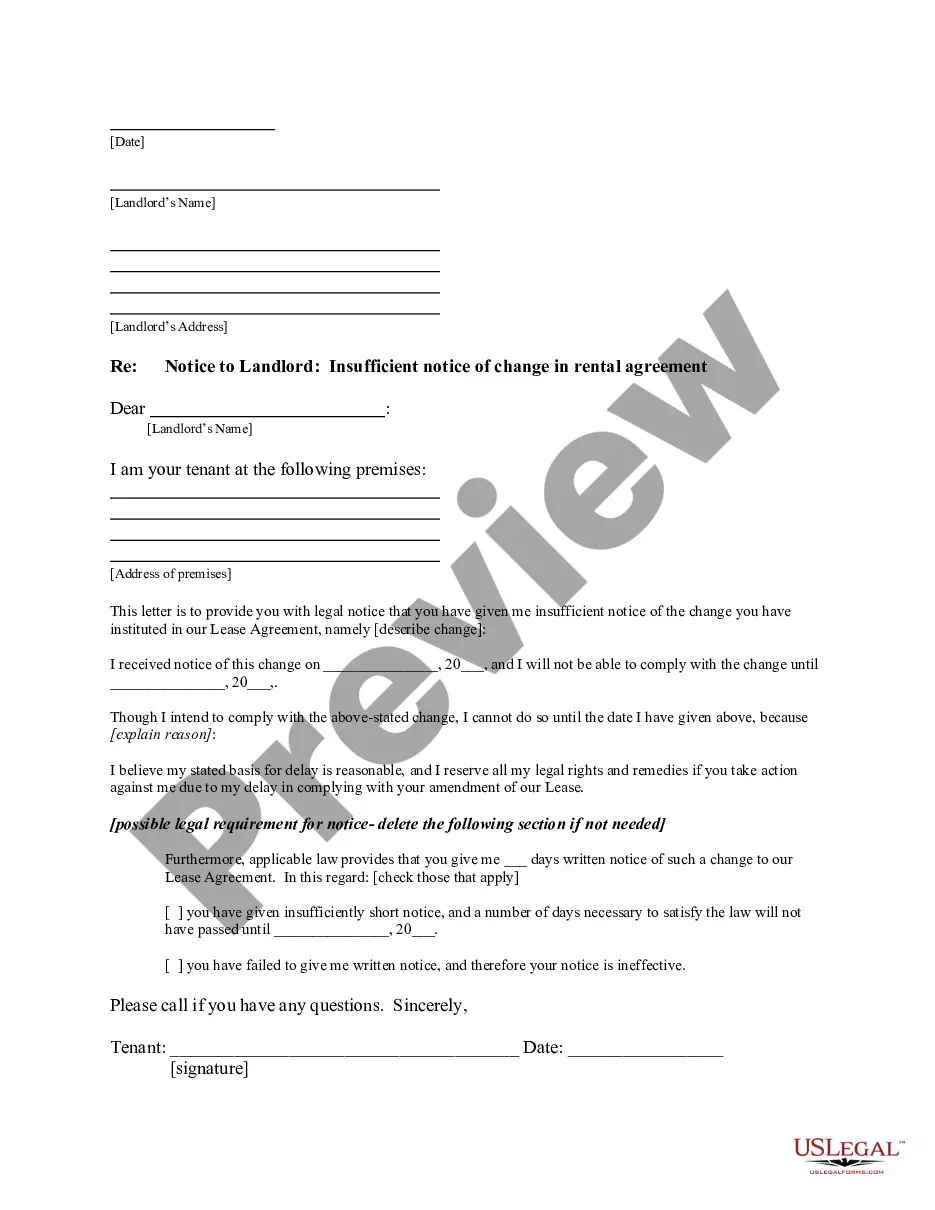
Family Law - Modification - Contempt Questionnaire
Overview of this form
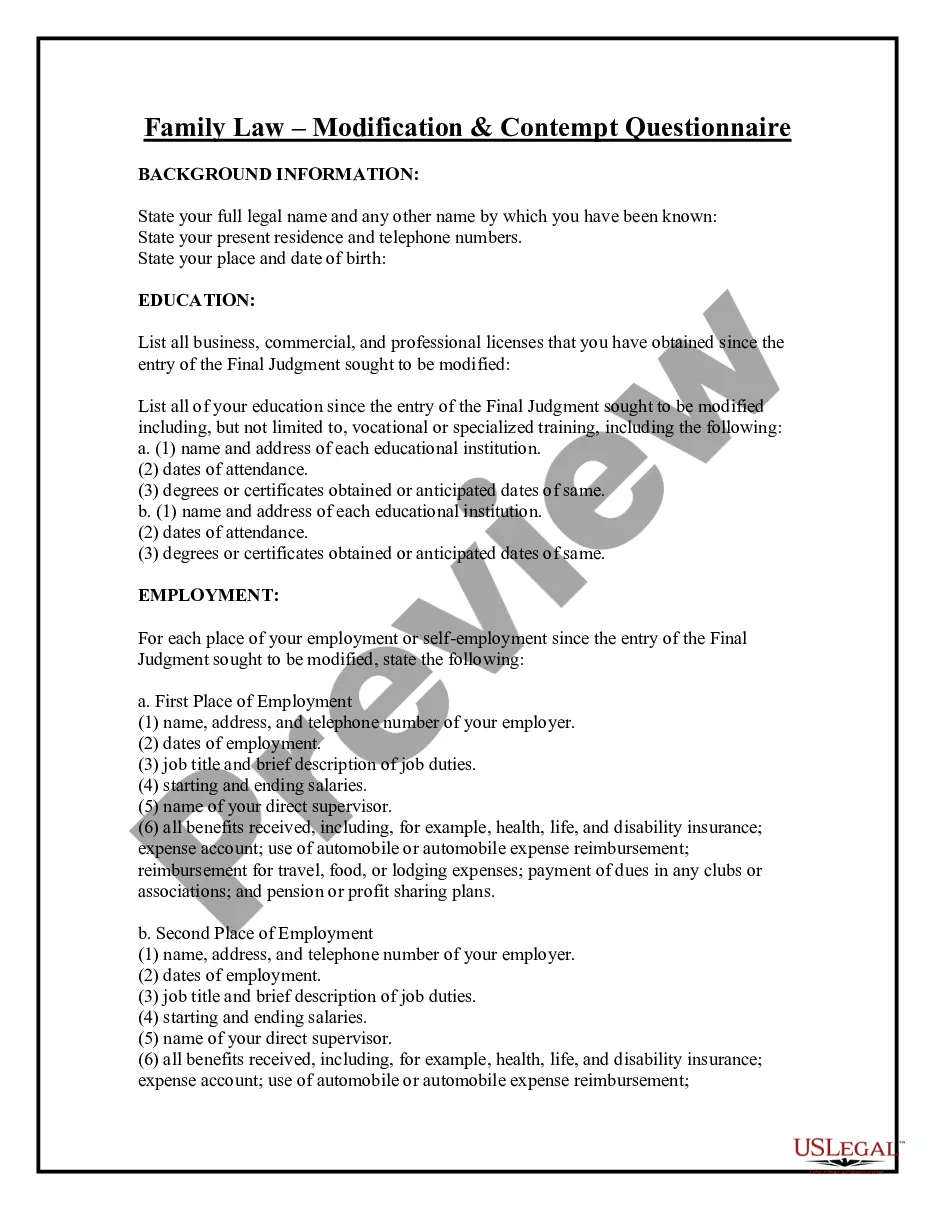
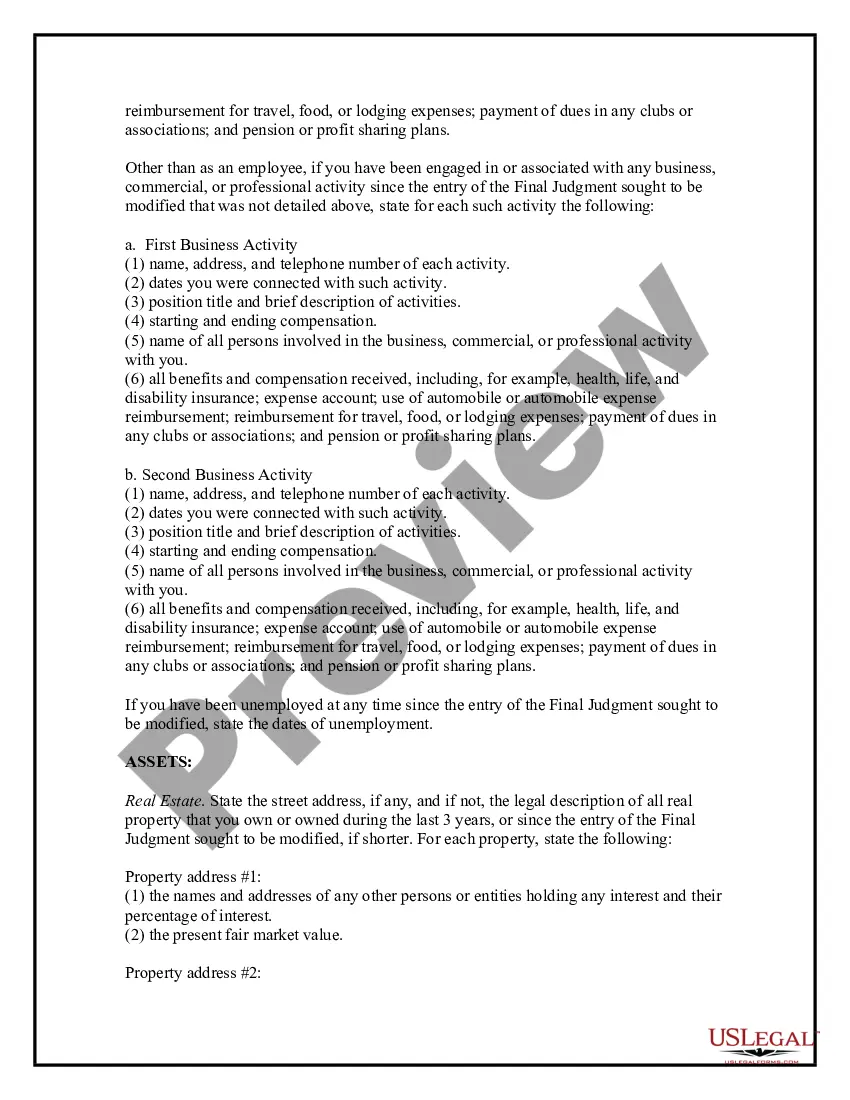
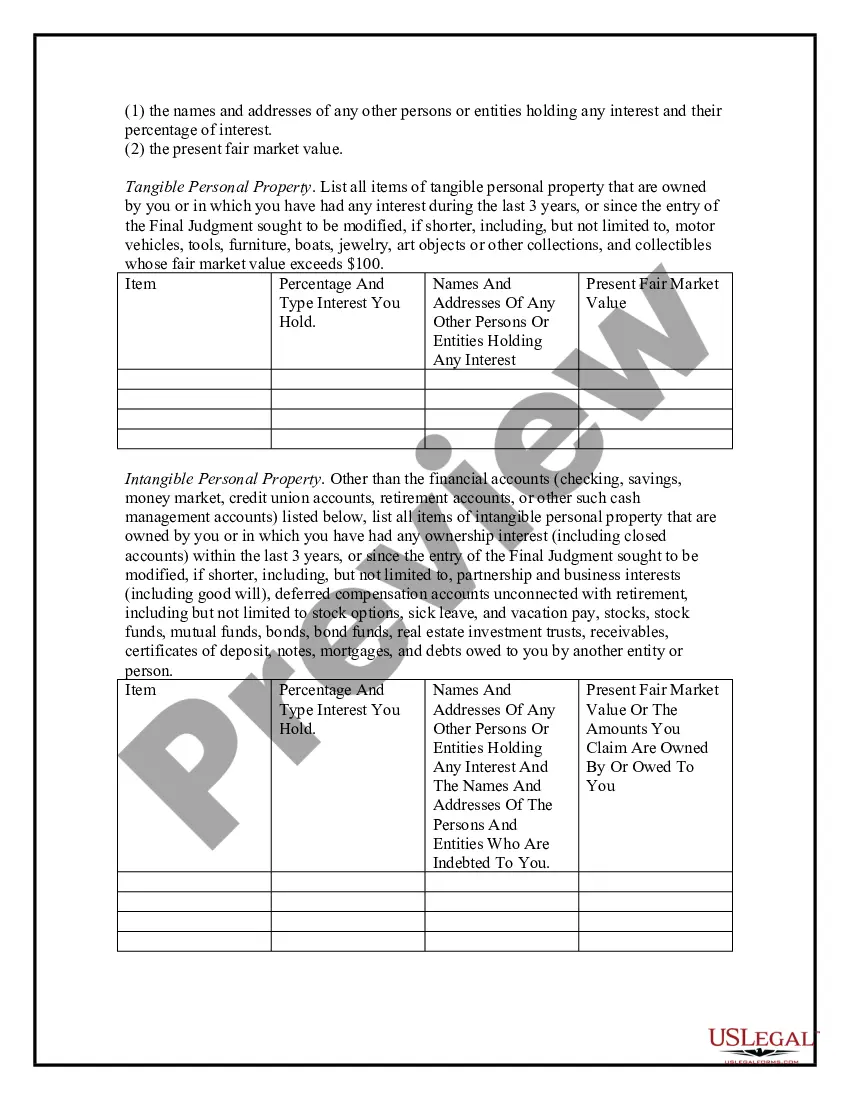
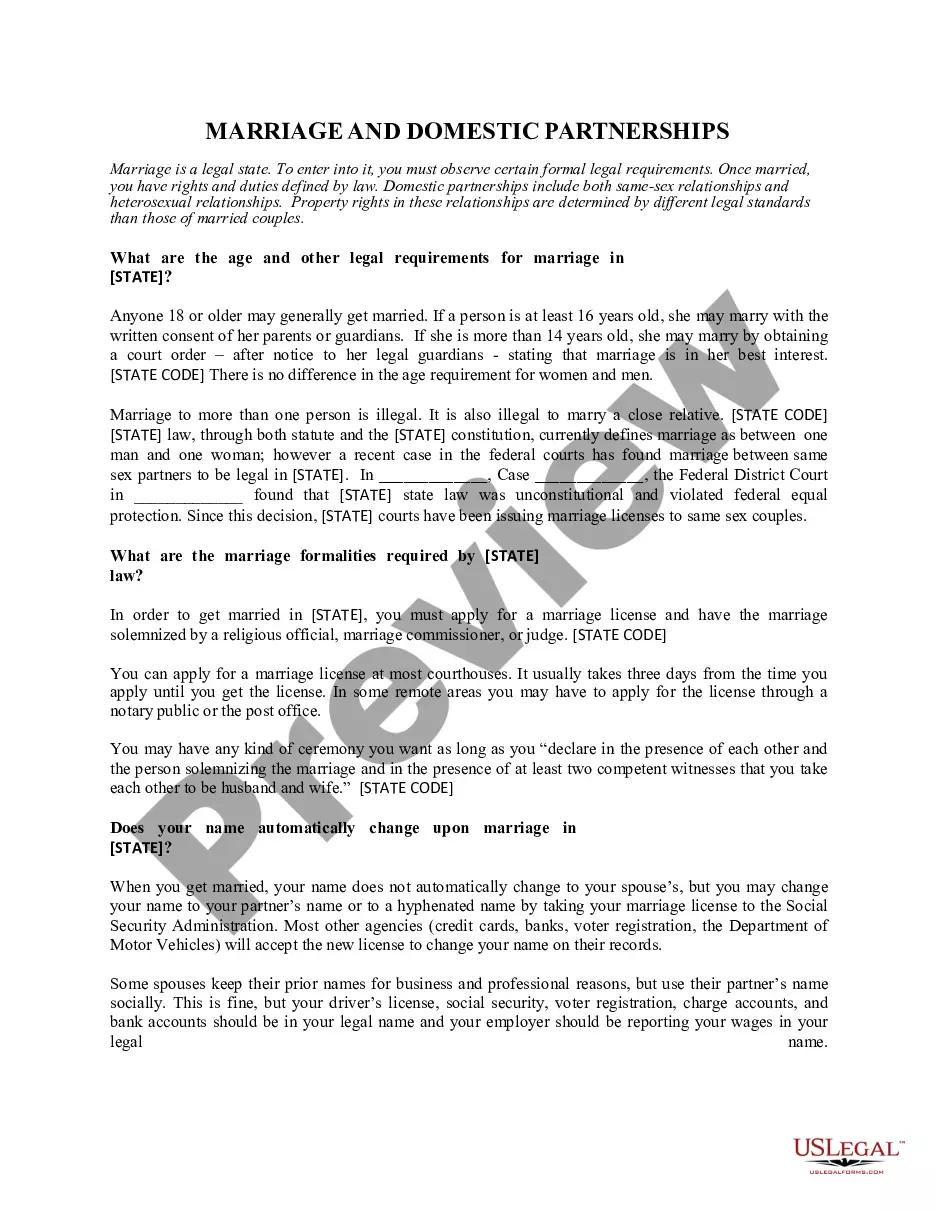
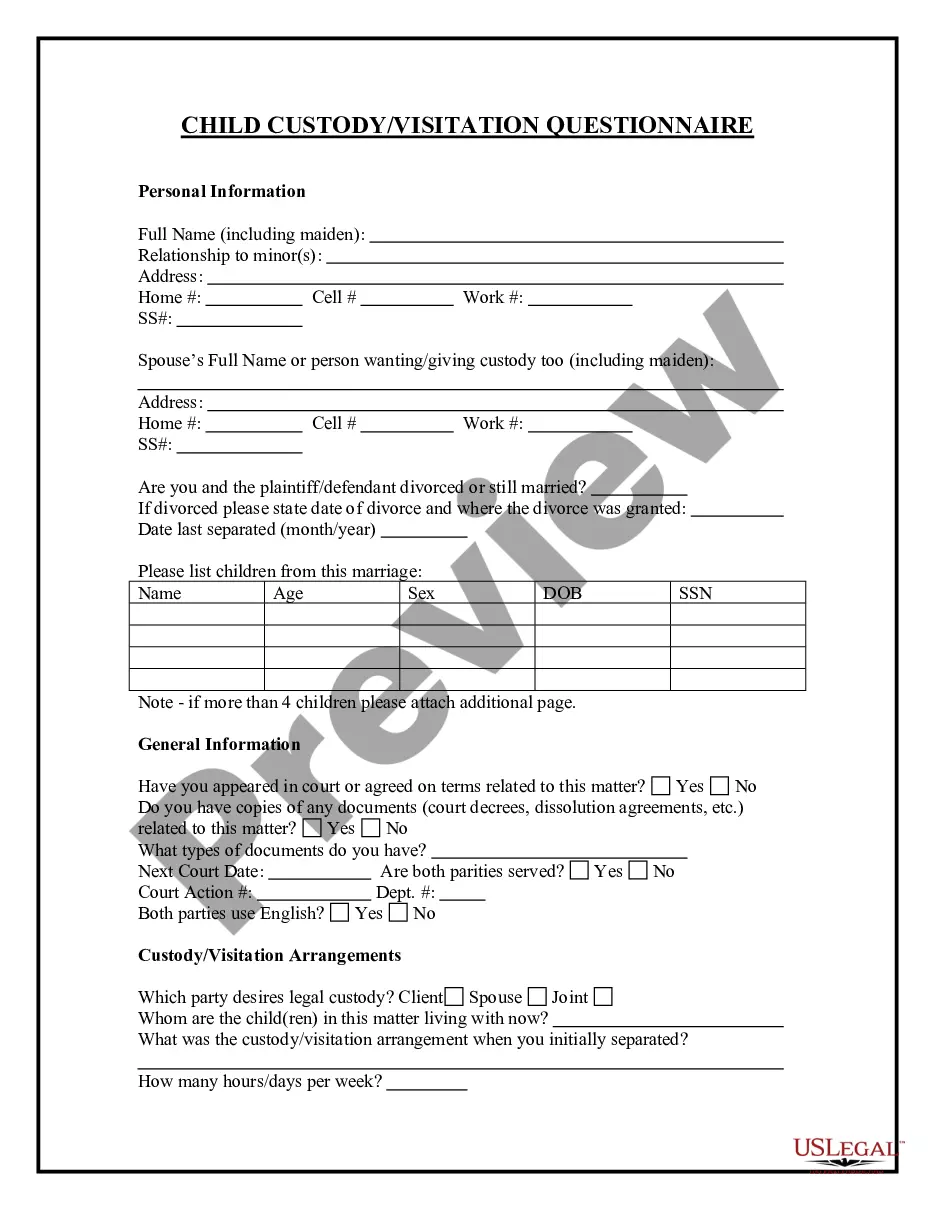
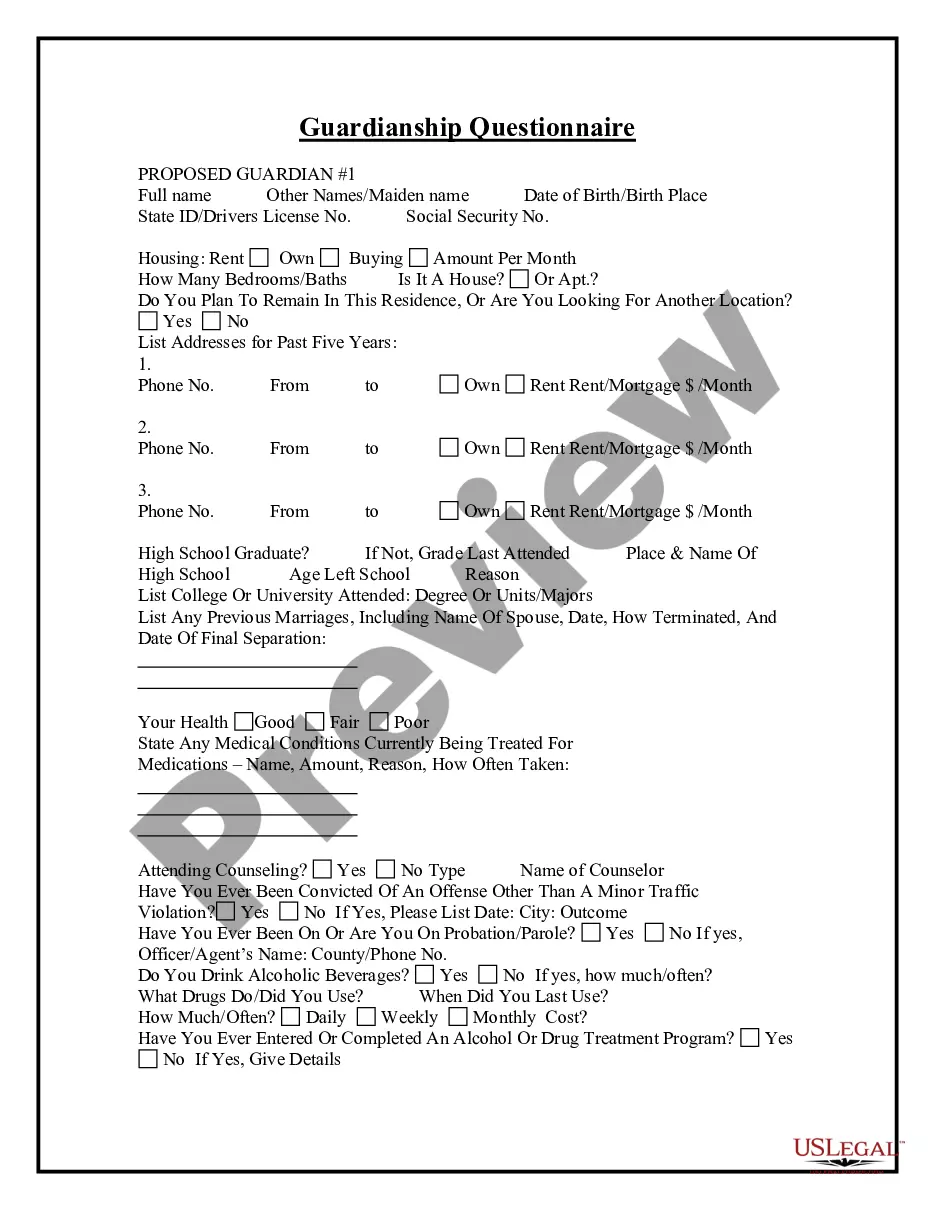
The Family Law - Modification - Contempt Questionnaire is designed to help individuals identify important legal considerations when modifying a domestic relations order or addressing contempt issues. This form is crucial for gathering relevant information, which facilitates thorough case preparation and enhances the evaluation of legal matters. Unlike other forms, this questionnaire focuses specifically on modifications and contempt situations, providing both clients and attorneys with essential insights for effective case management.
Key components of this form
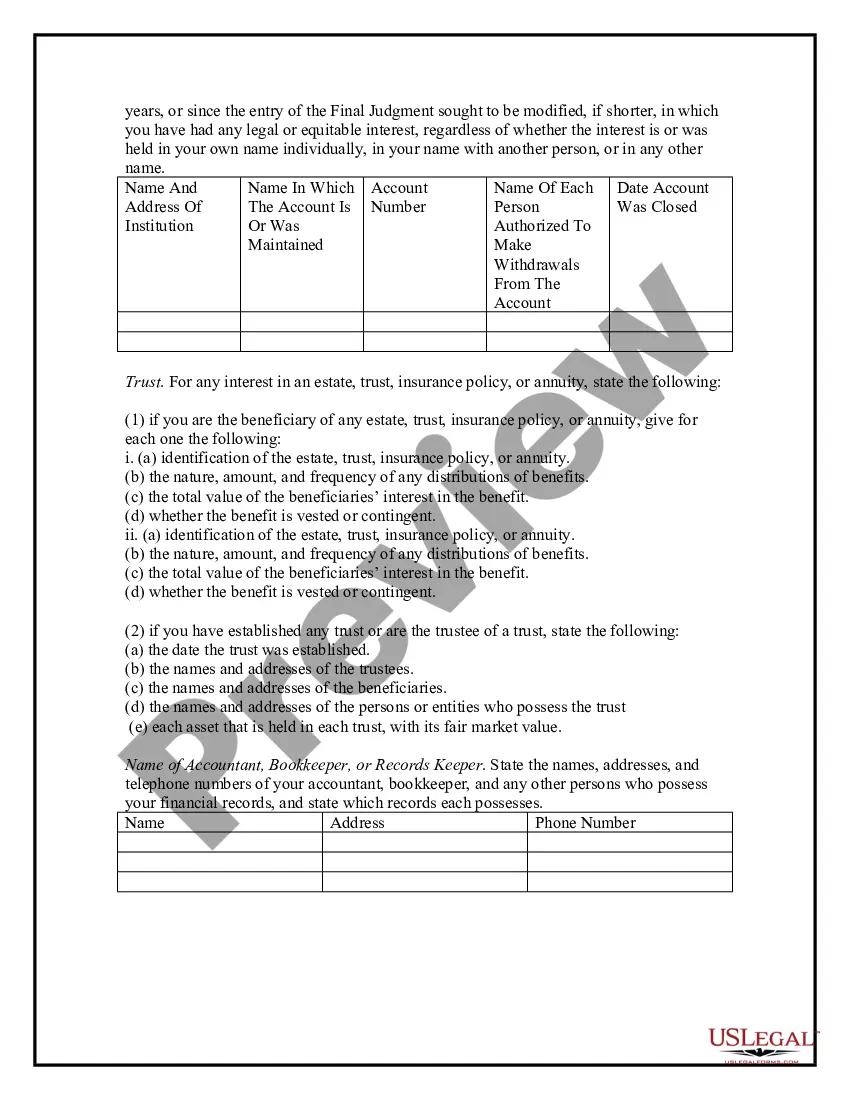
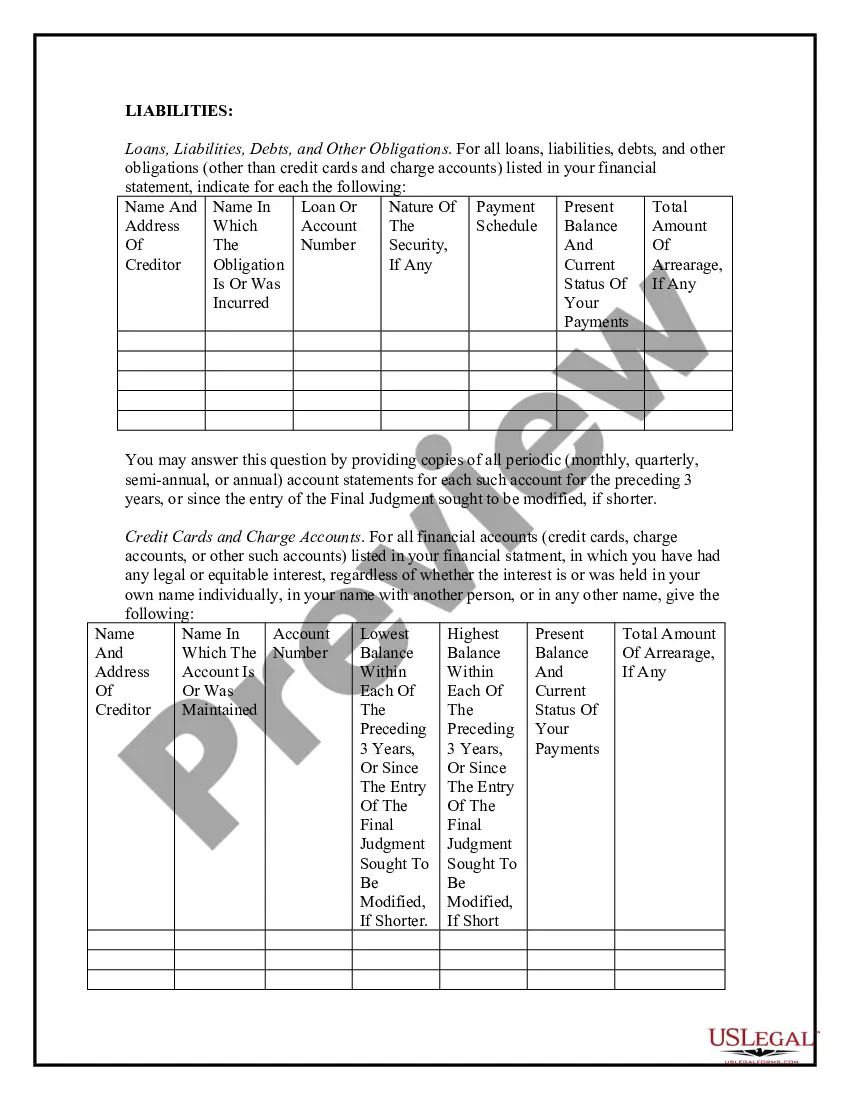
- Identification of financial accounts, including balances and account holders.
- Personal and contact information of parties involved in the legal matter.
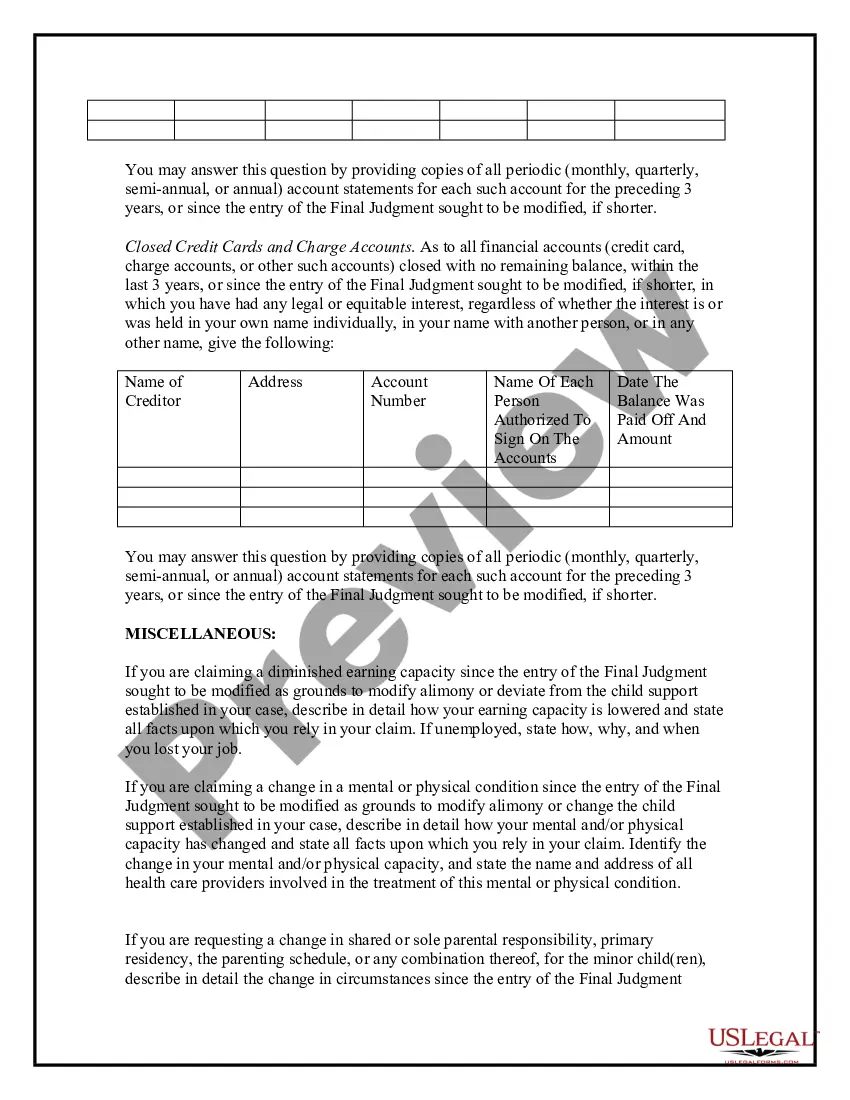
- Details of income and expenses relevant to the case.
- Information on any previous legal orders or judgments.
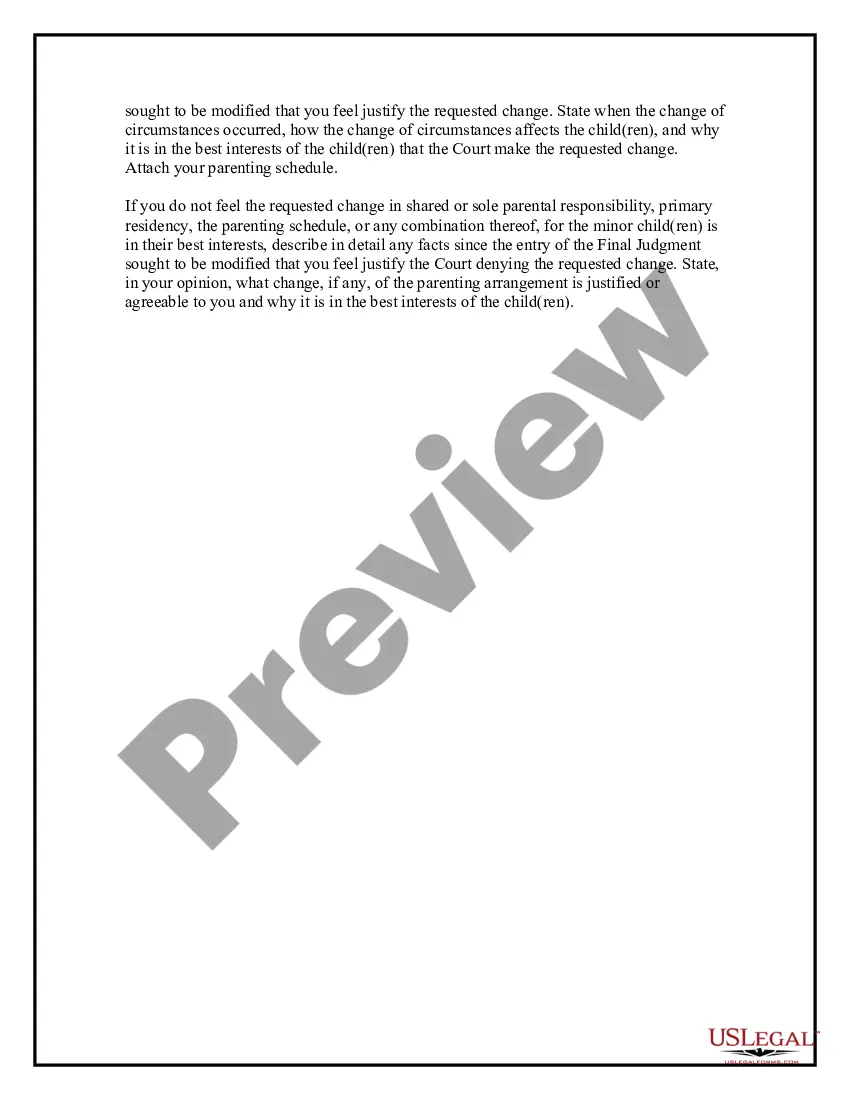
- Questions addressing specific circumstances leading to the modification or contempt claim.

When to use this document
This form is necessary when individuals are seeking legal assistance to modify a domestic relations order, such as child support or custody arrangements, or when filing a contempt motion due to non-compliance with existing orders. It is beneficial for clients who need to clearly outline their issues in preparation for a legal consultation or court proceedings.
Intended users of this form
This form is intended for:
- Individuals involved in a family law dispute requiring modification of a domestic relations order.
- Parents seeking to enforce or change child support or custody arrangements.
- Parties who believe the other party is in contempt of a court order.
- Attorneys gathering information from new clients regarding their family law issues.
How to prepare this document
- Gather all necessary personal and financial documents relevant to the case.
- Fill in the identification section with all parties' names and contact information.
- List all financial accounts, including account numbers and balances as required.
- Detail your income and expenses as accurately as possible.
- Answer all specific questions regarding previous orders and the reasons for modification or contempt.
Notarization requirements for this form
This form usually doesn’t need to be notarized. However, local laws or specific transactions may require it. Our online notarization service, powered by Notarize, lets you complete it remotely through a secure video session, available 24/7.
Get your form ready online
Our built-in tools help you complete, sign, share, and store your documents in one place.
Make edits, fill in missing information, and update formatting in US Legal Forms—just like you would in MS Word.
Download a copy, print it, send it by email, or mail it via USPS—whatever works best for your next step.
Sign and collect signatures with our SignNow integration. Send to multiple recipients, set reminders, and more. Go Premium to unlock E-Sign.
If this form requires notarization, complete it online through a secure video call—no need to meet a notary in person or wait for an appointment.
We protect your documents and personal data by following strict security and privacy standards.

Make edits, fill in missing information, and update formatting in US Legal Forms—just like you would in MS Word.

Download a copy, print it, send it by email, or mail it via USPS—whatever works best for your next step.

Sign and collect signatures with our SignNow integration. Send to multiple recipients, set reminders, and more. Go Premium to unlock E-Sign.

If this form requires notarization, complete it online through a secure video call—no need to meet a notary in person or wait for an appointment.

We protect your documents and personal data by following strict security and privacy standards.
Common mistakes
- Failing to provide complete financial information.
- Not substantiating claims with documented evidence.
- Overlooking important deadlines related to filing the questionnaire.
- Inaccurate information that could affect the outcome of the case.
Benefits of using this form online
- Conveniently accessible for immediate download and use.
- Edit and customize the form as needed before printing.
- Reliable templates drafted by licensed attorneys, ensuring legal compliance.
- Saves time and reduces potential errors in legal documentation.
Main things to remember
- The Family Law - Modification - Contempt Questionnaire is essential for preparing legal cases regarding modifications and contempt issues.
- Completing the form accurately ensures that both clients and attorneys can address all vital points in legal discussions.
- It's user-friendly and designed to assist both legal professionals and individuals in navigating their family law matters.
Looking for another form?

Form popularity
FAQ
Depending on the infraction, contempt of court consequences can include fines, compensatory visitation, a modification to the custody arrangement, and in some instances even jail time. In most cases, if someone is held in contempt, the court will first give them the opportunity to make amends for the violation.
Read the summons and make sure you know the date you must answer by. Read the complaint carefully. Write your answer. Sign and date the answer. Make copies for the plaintiff and yourself. Mail a copy to the plaintiff. File your answer with the court by the date on the summons.
A motion for contempt of court in a child custody context simply alleges that the ex violated the court's custody order. This can happen by them either doing or failing to do something. You must first serve the motion on your ex, and the ex will then be given a limited amount of time to respond.
To stay out of jail, go to the contempt of court hearing prepared to show that you have not deliberately disobeyed the court's order to pay child support. You may have to convince the judge that you're not as irresponsible as it appears. Preparing evidence is a must. Your first step is to show why you didn't pay.
The word contempt is used to describe the situation when an individual has intentionally disobeyed a court order. In family law, a finding of contempt is a way for the Court to enforce child support, spousal support, custody and visitation orders that a party has violated.
If a person is found to be in contempt, the court is able to impose sanctions, which may include the following: jail time (usually 1-30 days) ordering the party held in contempt to pay the money owed. ordering the party held in contempt to pay the other party's attorney's fees.
Contempt of court, often referred to simply as "contempt", is the offense of being disobedient to or disrespectful toward a court of law and its officers in the form of behavior that opposes or defies the authority, justice and dignity of the court.
There is a valid court order in effect. The other person knows about the court order. The facts show a plain violation of the order. You have given the person notice of the contempt hearing and a chance to be heard. Contempt is an appropriate remedy for the violation.