Affirmative Actions
Description

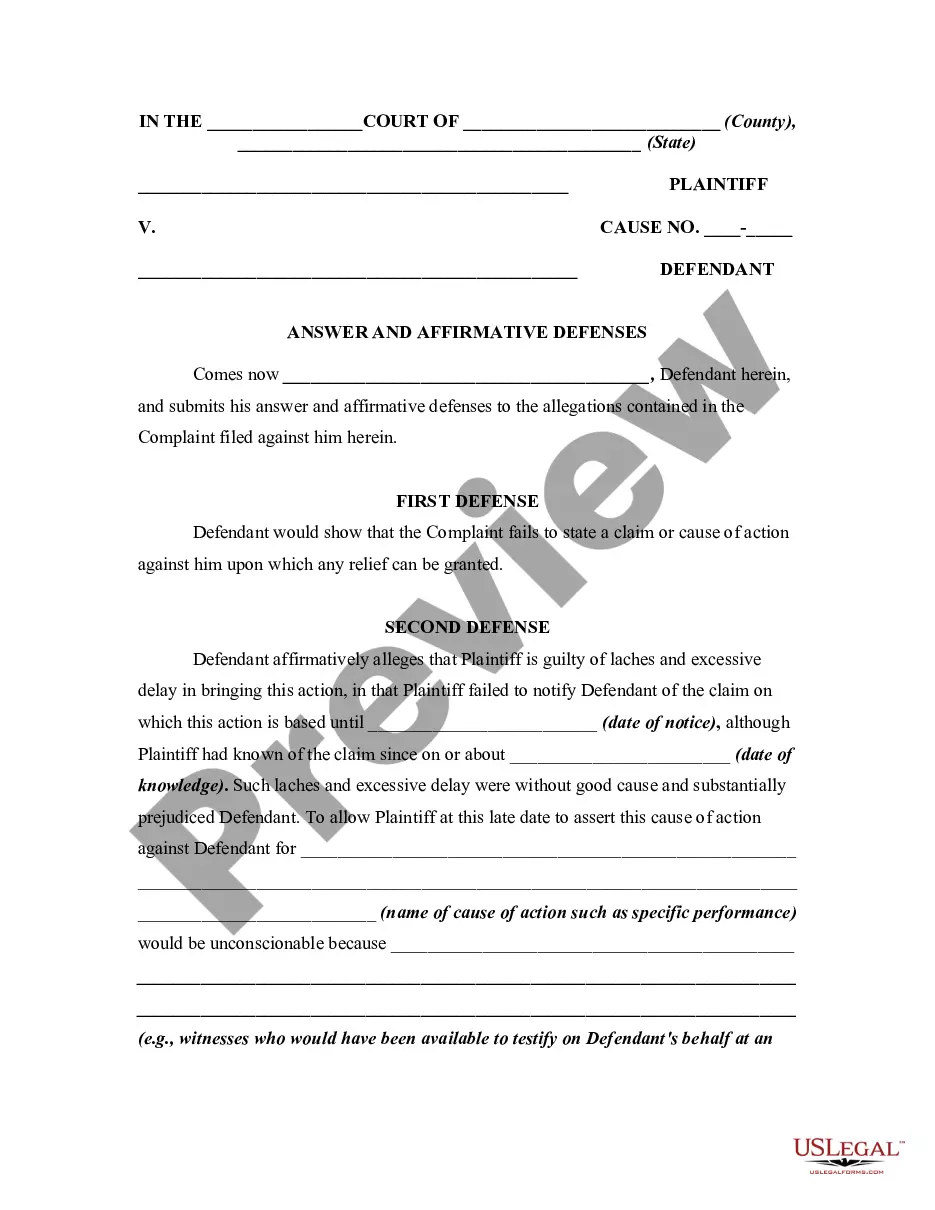
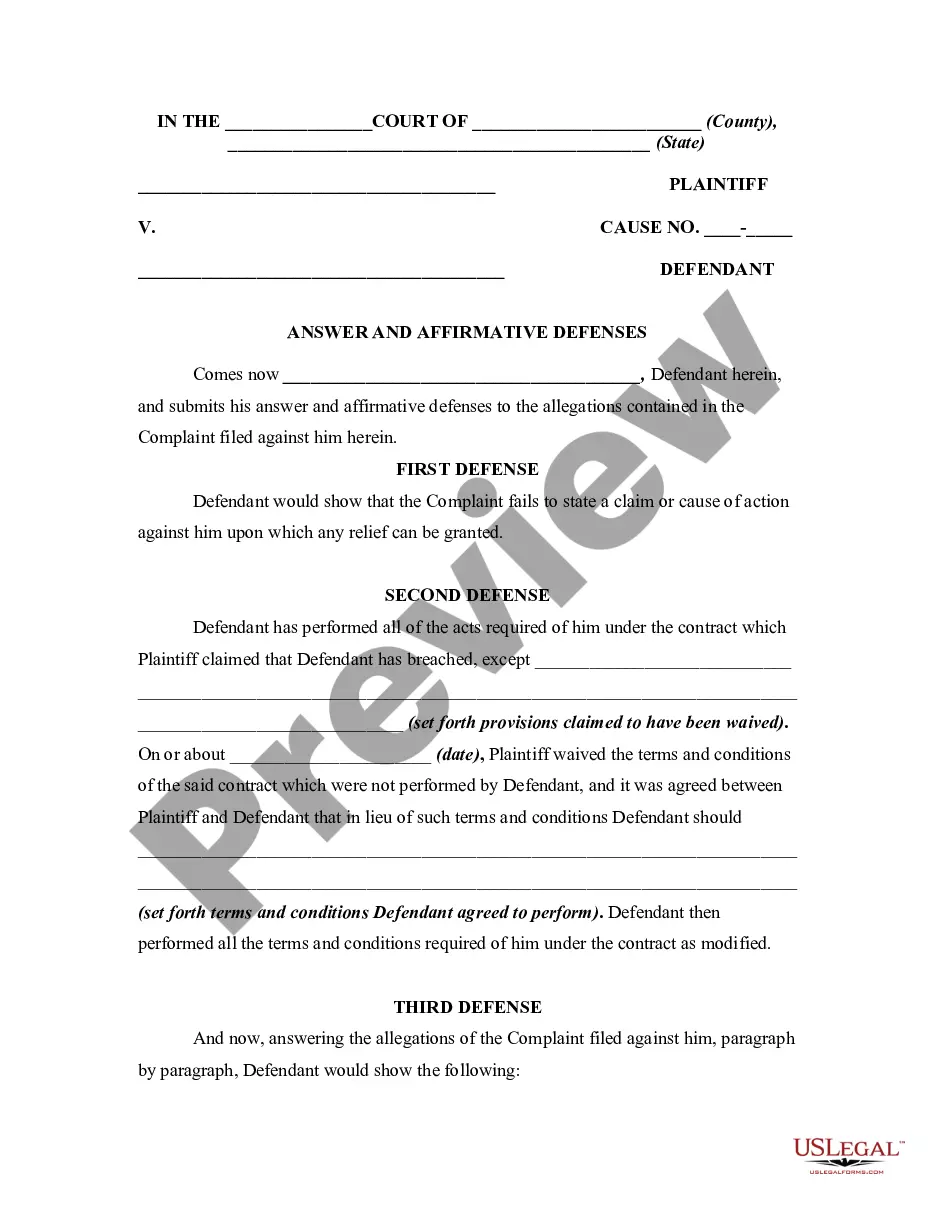
Get your form ready online
Our built-in tools help you complete, sign, share, and store your documents in one place.
Make edits, fill in missing information, and update formatting in US Legal Forms—just like you would in MS Word.
Download a copy, print it, send it by email, or mail it via USPS—whatever works best for your next step.
Sign and collect signatures with our SignNow integration. Send to multiple recipients, set reminders, and more. Go Premium to unlock E-Sign.
If this form requires notarization, complete it online through a secure video call—no need to meet a notary in person or wait for an appointment.
We protect your documents and personal data by following strict security and privacy standards.

Make edits, fill in missing information, and update formatting in US Legal Forms—just like you would in MS Word.

Download a copy, print it, send it by email, or mail it via USPS—whatever works best for your next step.

Sign and collect signatures with our SignNow integration. Send to multiple recipients, set reminders, and more. Go Premium to unlock E-Sign.

If this form requires notarization, complete it online through a secure video call—no need to meet a notary in person or wait for an appointment.

We protect your documents and personal data by following strict security and privacy standards.
Looking for another form?
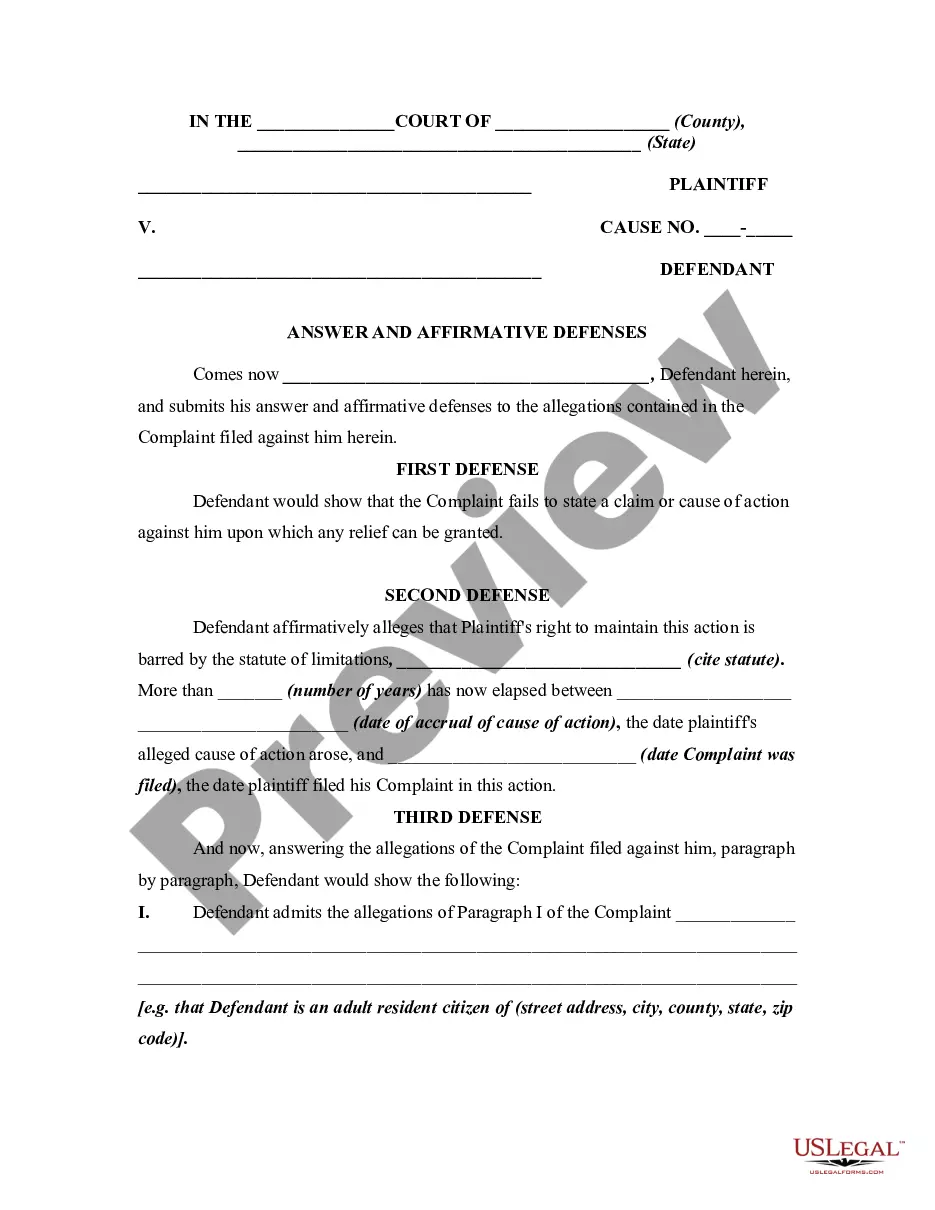
How to fill out Answer By Defendant In A Civil Lawsuit Alleging The Affirmative Defense Of The Cause Of Action Being Barred By The Appropriate Statute Of Limitations?
- If you are a returning user, log in and select the form you need from your account, ensuring your subscription is active.
- For first-time users, start by browsing the library. Preview the form details to verify it fits your requirements and complies with your local regulations.
- Should you need a different document, utilize the Search function to find a more suitable template.
- Once you've chosen your document, click the Buy Now button and select a subscription plan that fits your needs. You'll need to create an account for full access.
- Complete your purchase using your credit card or PayPal account to finalize your subscription.
- Download your selected form and save it to your device. You can always access it later in the My Forms section of your profile.
By following these simple steps, you can efficiently acquire the necessary legal documents while benefiting from the vast resources US Legal Forms offers.
Start your journey to confidently navigate legal processes today—discover the advantages of US Legal Forms for your affirmative actions!
Form popularity
FAQ
Affirmative actions have been removed in some instances due to public sentiment that favors merit-based systems. Critics often claim these policies can lead to a sense of entitlement or unfair advantages. Over time, such viewpoints have influenced legislation and legal challenges, illustrating a shift in societal values around diversity. Staying informed on these changes can empower individuals and organizations to navigate these issues effectively.
The key issue of affirmative action revolves around the balance between equality and equity. Proponents argue that these policies are necessary to counteract systemic discrimination, while opponents raise concerns about fairness in competition. This debate is vital for shaping future educational and workplace environments. Engaging with these perspectives can lead to more informed discussions and potential solutions.
The US has seen affirmative actions banned due to beliefs that such policies create reverse discrimination. Critics argue that they may disadvantage more qualified candidates based on race or gender. These views have led to legislative changes and court rulings, reflecting broader societal debates about equity and fairness. Understanding these discussions is crucial for anyone involved in advocacy or policymaking.
The banning of affirmative actions has occurred at various times and places across the United States, often through state ballot initiatives or court decisions. One significant event was the 2020 California Supreme Court ruling, which effectively shifted how affirmative actions could be applied in the state. This indicates a complex and evolving legal landscape that affects many institutions. Ongoing discussions about these changes continue to impact social policies.
Affirmative action means taking proactive steps to ensure equal opportunity for underrepresented groups. This often includes policies in hiring, promotions, and college admissions designed to level the playing field. By emphasizing diversity, affirmative actions seek to rectify historical injustices, allowing everyone a fair chance. Engaging with this topic can enhance awareness of social equity issues.
Affirmative action in US history refers to policies and practices that aim to improve opportunities for historically marginalized groups. These actions emerged during the civil rights movement, aiming to address past discrimination in education and employment. Key initiatives began in the 1960s, promoting diversity and inclusion in various sectors. Understanding this context helps clarify current debates around affirmative actions.
Affirmative actions can be implemented through various methods, including targeted recruitment, specialized training programs, and outreach initiatives. These strategies aim to attract and retain a diverse workforce by focusing on underrepresented groups. Regular reporting and assessments are also crucial to ensure these methods are effective. Platforms like US Legal Forms can assist in developing a comprehensive affirmative action plan tailored to your organization.
Certain organizations and positions may be exempt from affirmative actions, primarily depending on their funding and legal status. Smaller businesses and those not receiving federal contracts often do not fall under these regulations. Additionally, specific roles that do not require adherence to these policies may also be exempt. Understanding your organization’s status can clarify how affirmative actions impact you.
Individuals who belong to historically marginalized groups typically qualify for affirmative actions. This includes people of different races, ethnicities, genders, and individuals with disabilities. By targeting these groups, affirmative actions help create a fairer workplace. Knowing if you qualify can empower you when seeking employment or promotions.
The criteria for affirmative actions focus on promoting equal opportunities for individuals based on race, gender, and other protected characteristics. It often requires organizations to establish specific goals and timelines to enhance workforce diversity. Companies must regularly assess their hiring practices to ensure compliance with these criteria. Utilizing tools available on platforms like US Legal Forms can streamline the process of establishing effective affirmative action plans.