Vendor Oriented Source Code Escrow Agreement
What this document covers
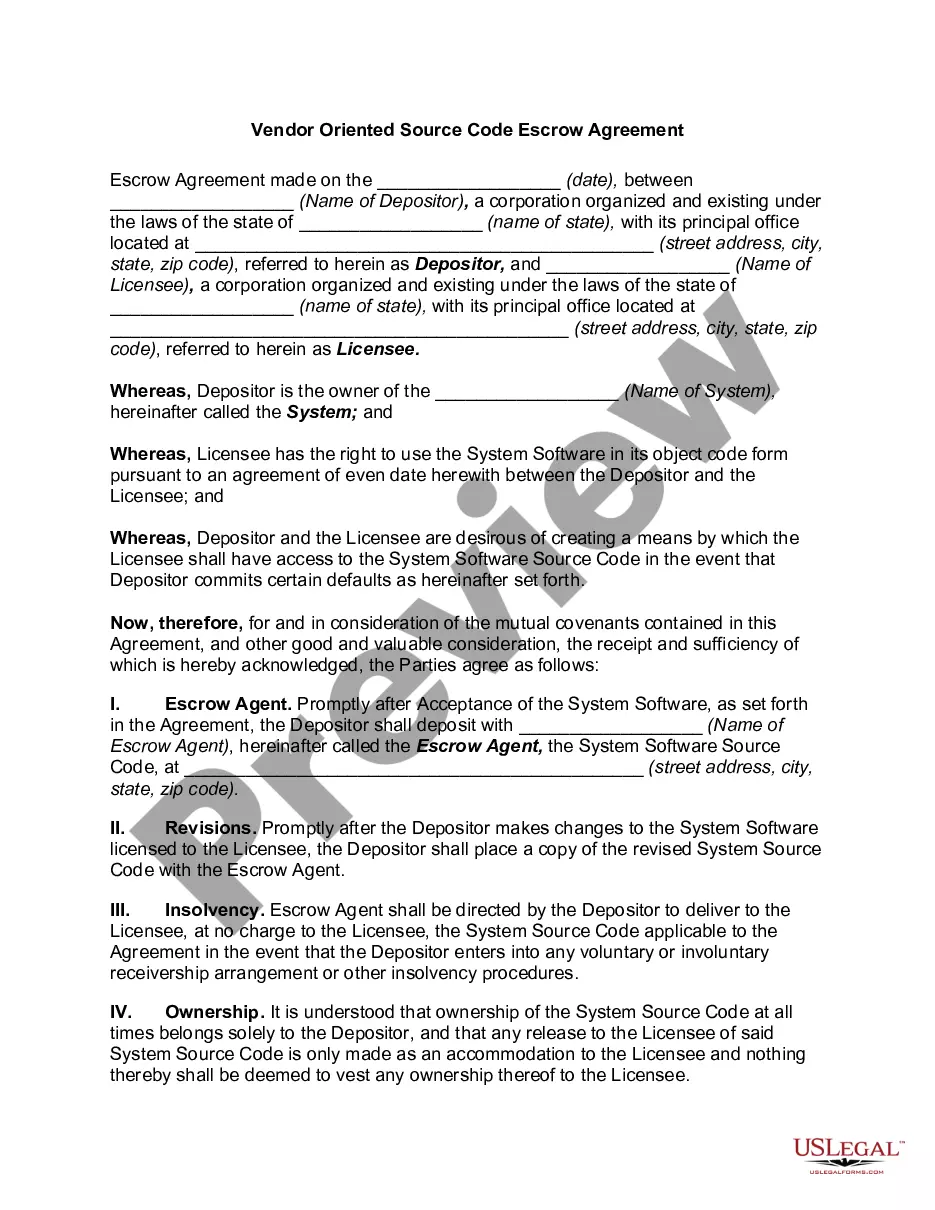
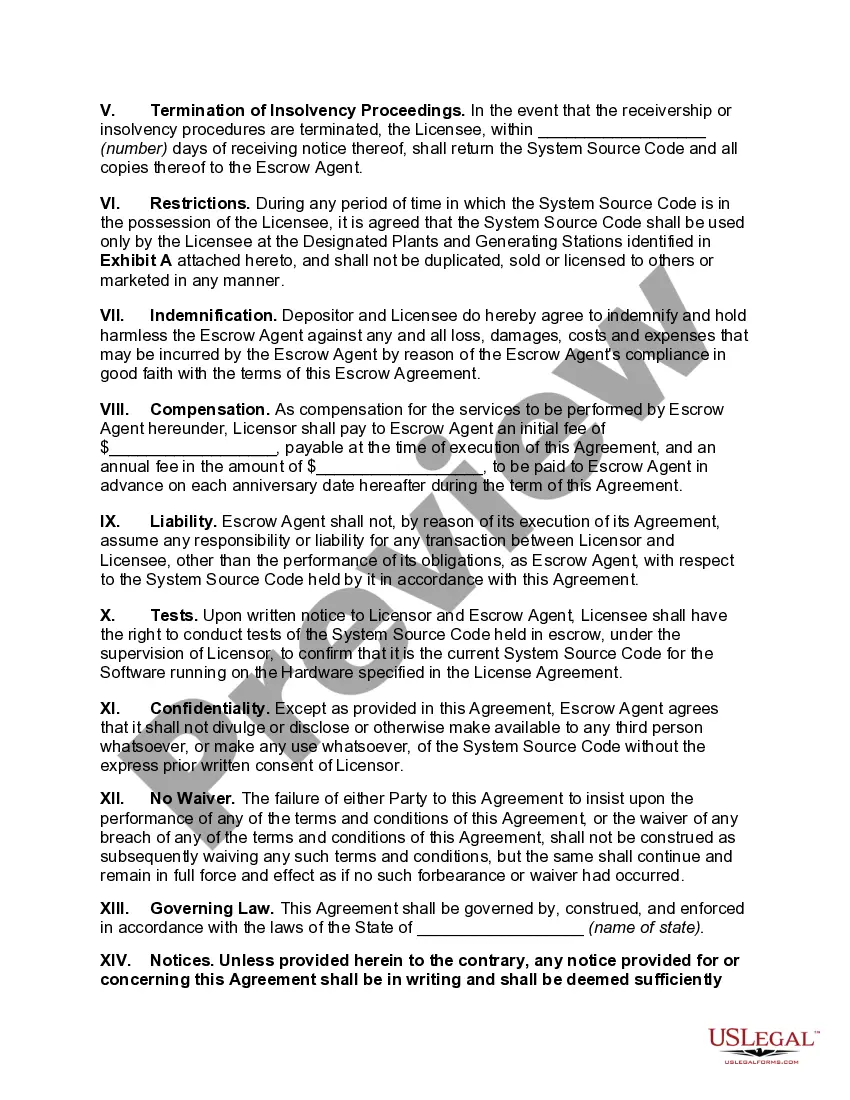
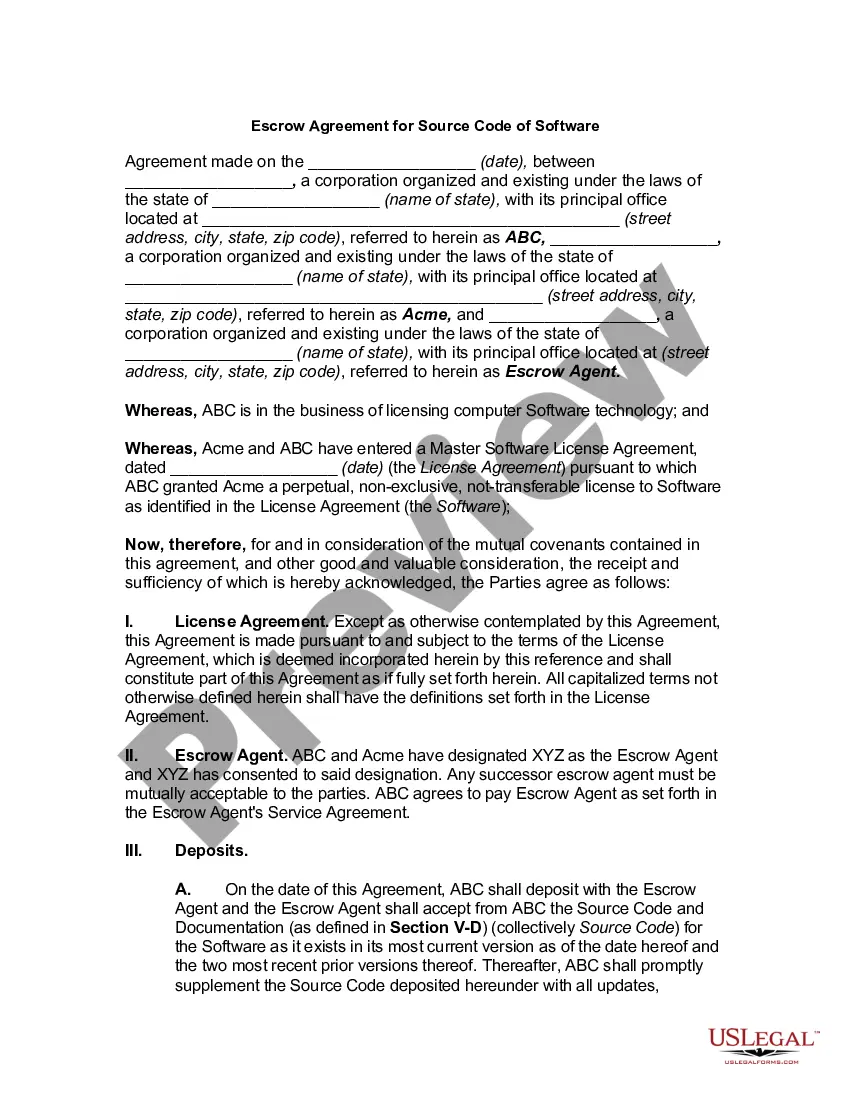
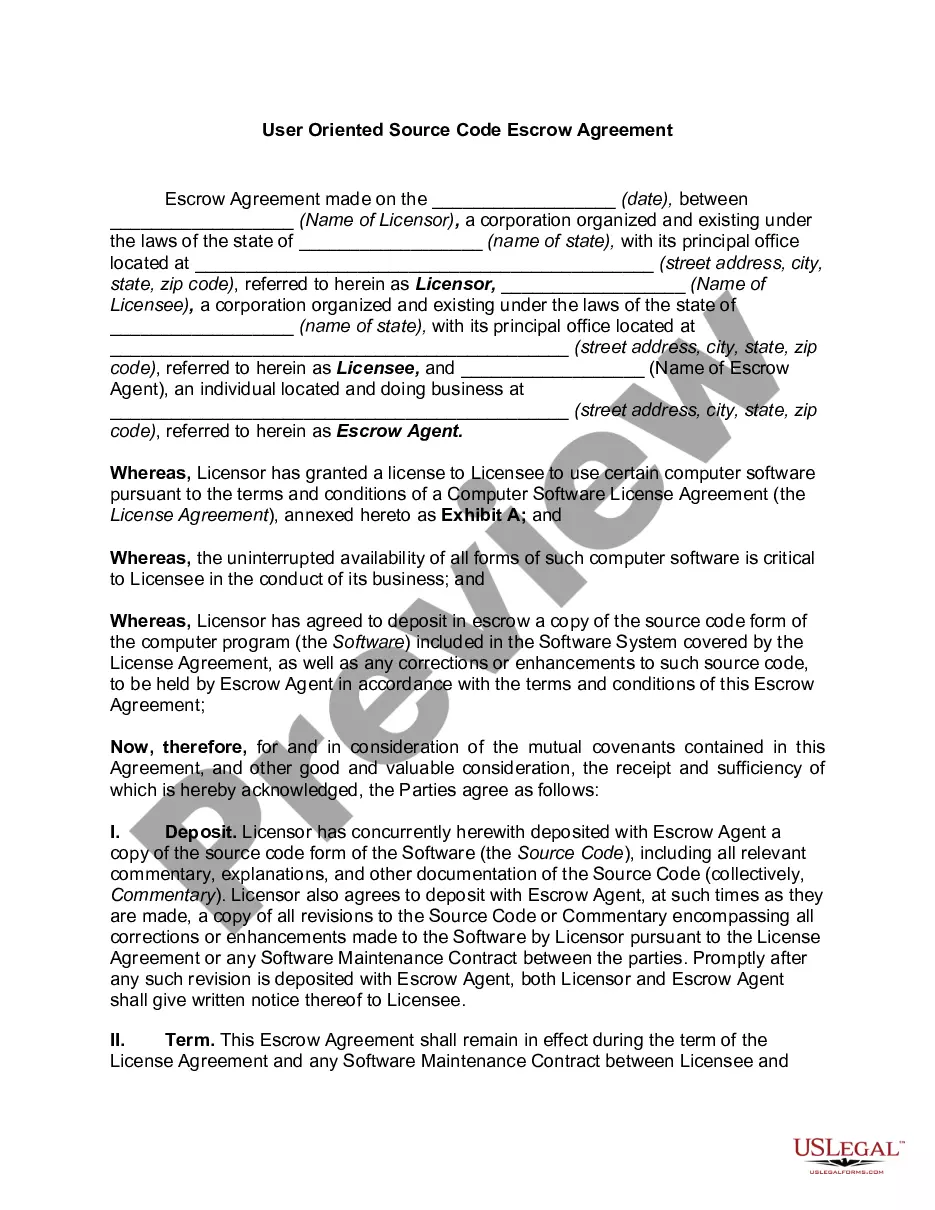
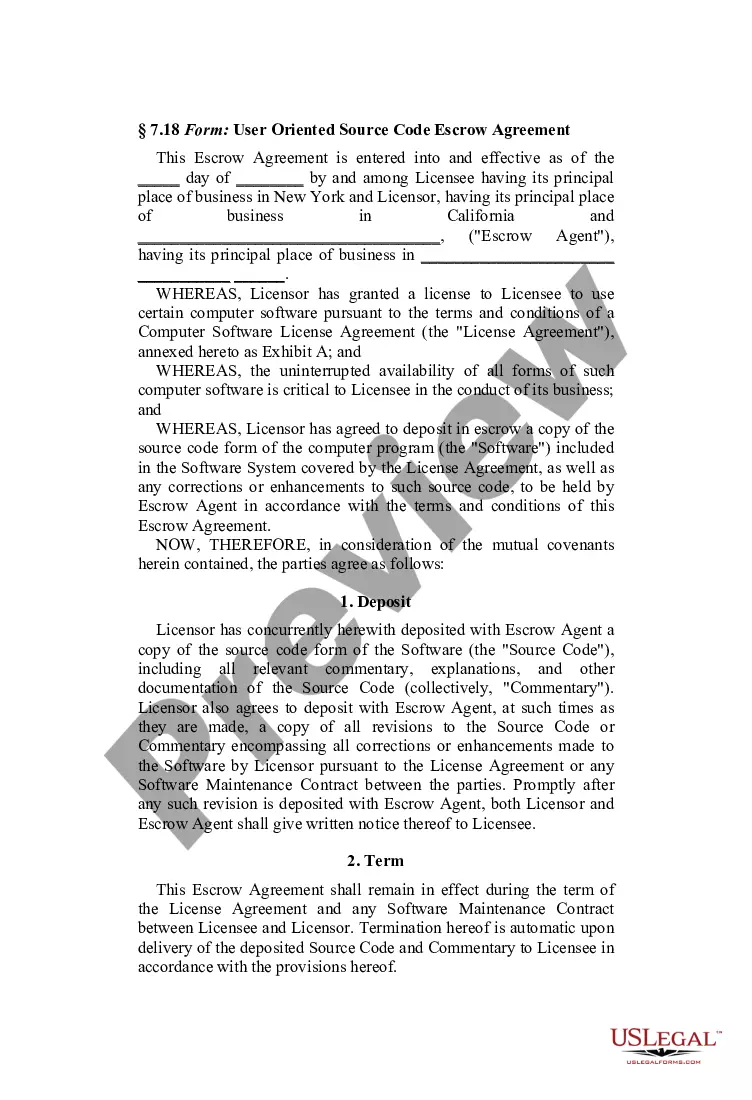
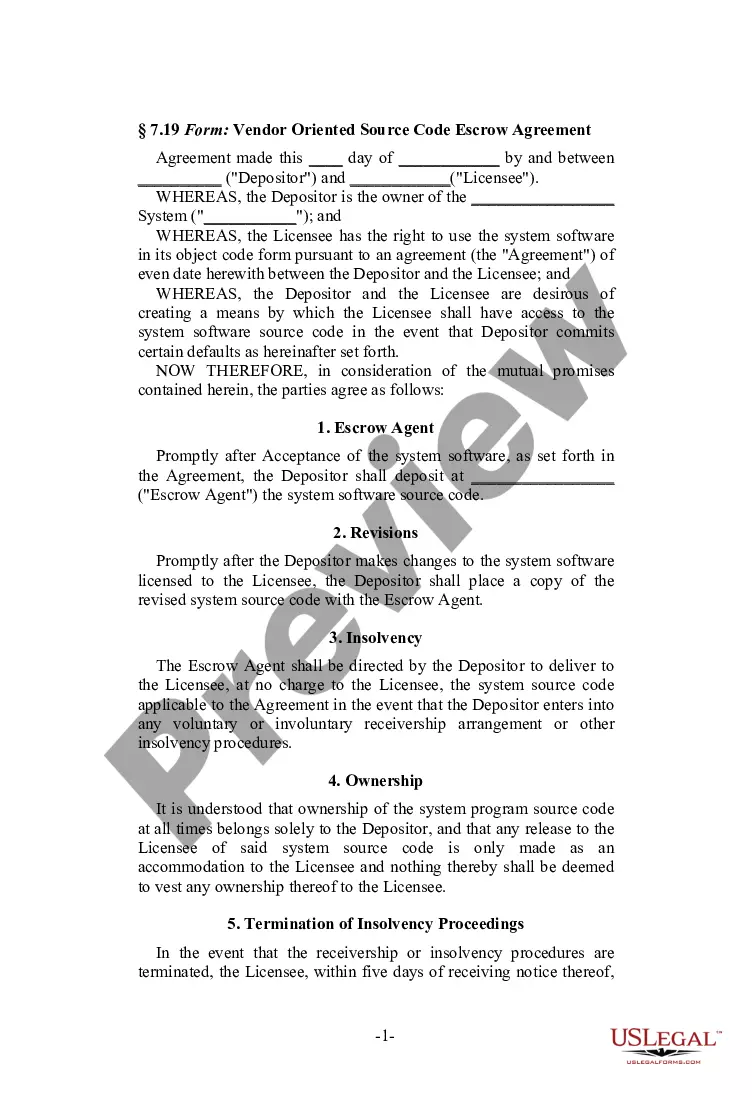
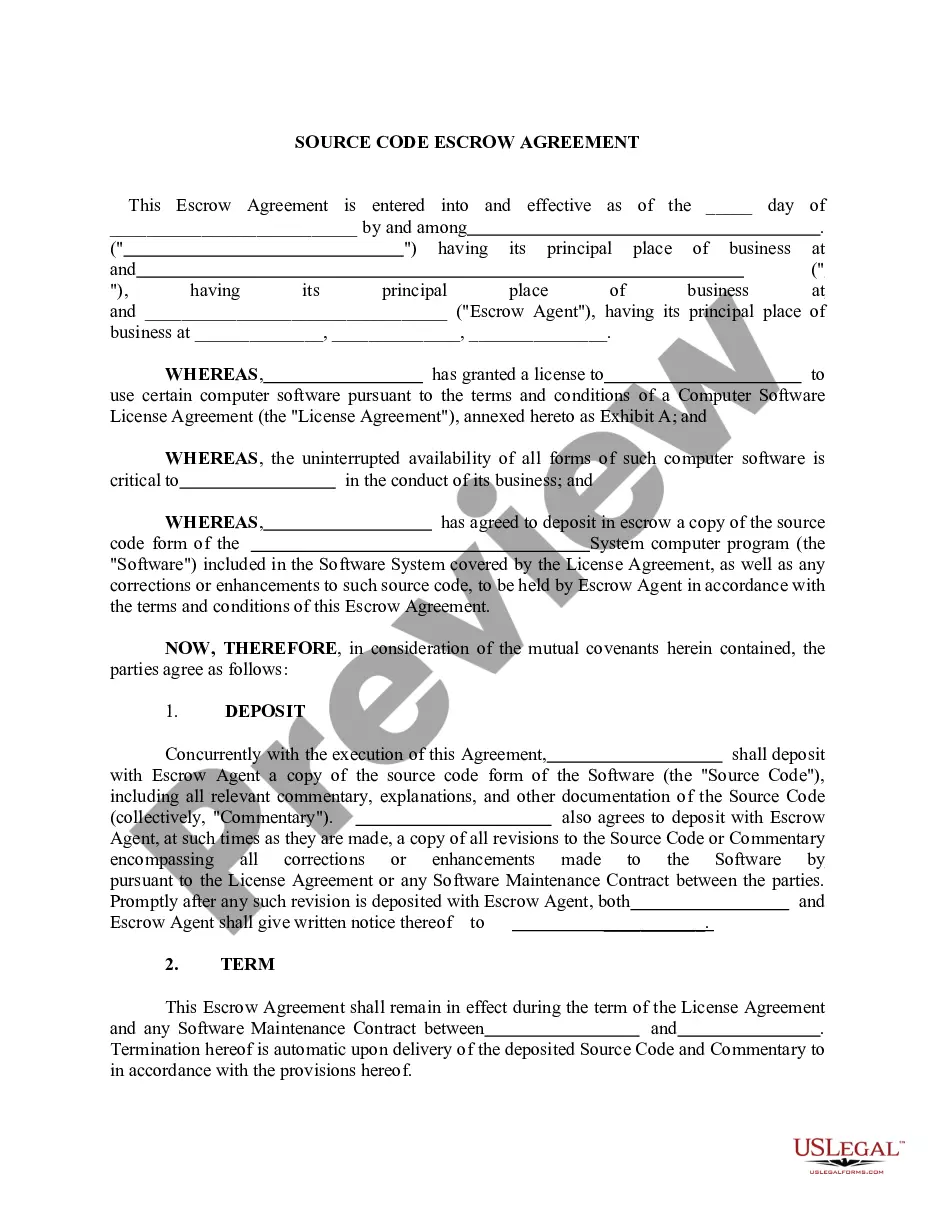
The Vendor Oriented Source Code Escrow Agreement is a legal document designed to protect the interests of software licensees and distributors by establishing a method for accessing the source code of software under specific conditions. In contrast to other escrow agreements, this form specifically addresses the obligations and rights between a software vendor and a licensee, ensuring the licensee can access the source code in case the vendor faces defaults or insolvency. This is critical for businesses relying on proprietary software for their operations.
Main sections of this form
- Identification of the parties involved, including the Depositor (software vendor) and Licensee.
- Escrow provisions detailing how and when the source code is deposited and updated.
- Conditions under which the Licensee gains access to the source code, particularly in the event of the Depositor's insolvency.
- Terms regarding confidentiality and limitations on the use of the source code.
- Indemnification clauses to protect the Escrow Agent and both parties from liabilities.
- Compensation details for the services rendered by the Escrow Agent.
Situations where this form applies
This form is crucial when a company licenses software that relies on source code ownership for continued operations. It should be used when the vendor and licensee want to ensure that the licensee can access the source code if the vendor faces issues such as bankruptcy or fails to provide ongoing support. Use this agreement to mitigate risks associated with software dependency and to ensure business continuity.
Who this form is for
- Software vendors who want to protect their intellectual property while providing access to their software's source code.
- Businesses that license software and want assurance of access to source code for ongoing functionality and updates.
- Legal professionals drafting agreements for clients involved in software licensing.
- Investors or stakeholders concerned about the viability of software solutions dependent on proprietary code.
Steps to complete this form
- Identify the parties: Fill in the names and addresses of both the Depositor (vendor) and Licensee.
- Specify the system: Clearly state the name of the software system that is subject to this escrow agreement.
- Designate the Escrow Agent: Enter the name and address of the third-party escrow agent responsible for holding the source code.
- Outline the terms: Define conditions under which the source code can be accessed by the Licensee, including insolvency scenarios.
- Indicate fees: Fill in the initial fee and annual fee for the Escrow Agent's services.
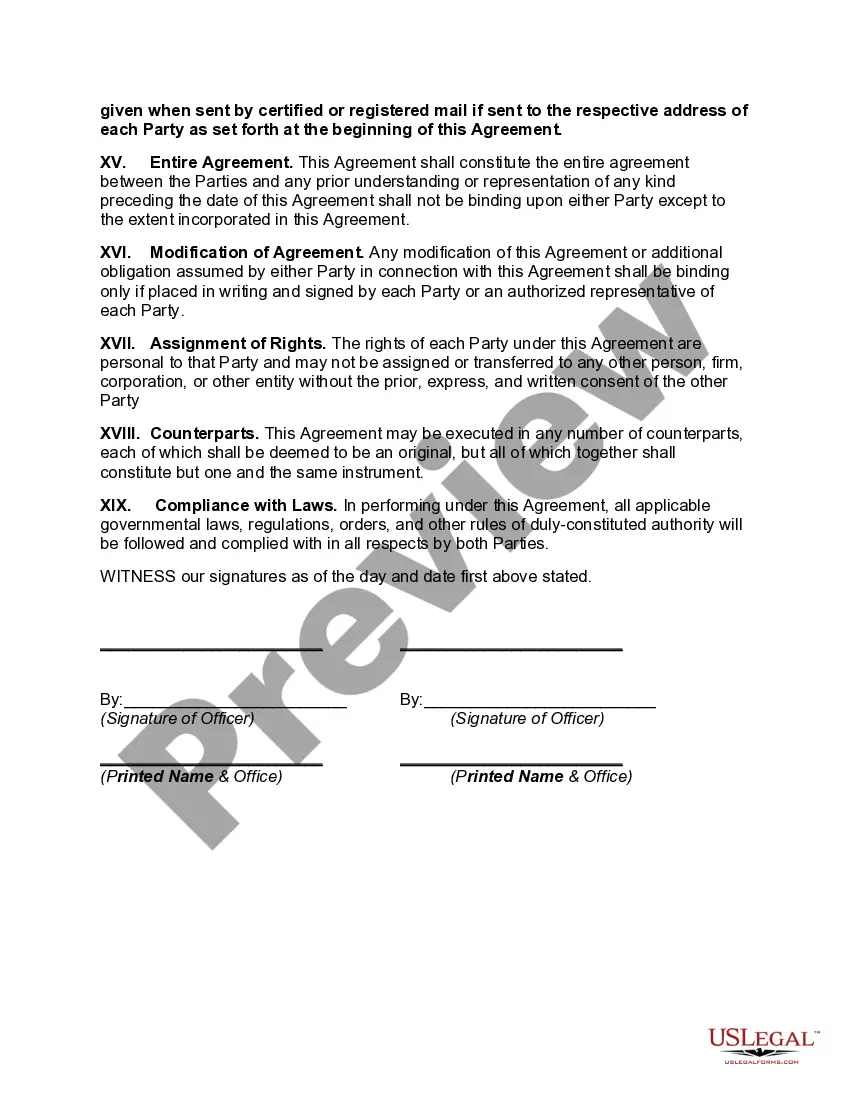
- Sign and date: Ensure authorized representatives from both parties sign and date the agreement for validity.
Does this form need to be notarized?
This form does not typically require notarization unless specified by local law. However, it is advisable to check state regulations or consult legal counsel to ensure compliance with any specific requirements.
Get your form ready online
Our built-in tools help you complete, sign, share, and store your documents in one place.
Make edits, fill in missing information, and update formatting in US Legal Forms—just like you would in MS Word.
Download a copy, print it, send it by email, or mail it via USPS—whatever works best for your next step.
Sign and collect signatures with our SignNow integration. Send to multiple recipients, set reminders, and more. Go Premium to unlock E-Sign.
If this form requires notarization, complete it online through a secure video call—no need to meet a notary in person or wait for an appointment.
We protect your documents and personal data by following strict security and privacy standards.

Make edits, fill in missing information, and update formatting in US Legal Forms—just like you would in MS Word.

Download a copy, print it, send it by email, or mail it via USPS—whatever works best for your next step.

Sign and collect signatures with our SignNow integration. Send to multiple recipients, set reminders, and more. Go Premium to unlock E-Sign.

If this form requires notarization, complete it online through a secure video call—no need to meet a notary in person or wait for an appointment.

We protect your documents and personal data by following strict security and privacy standards.
Mistakes to watch out for
- Failing to clearly define the conditions under which the source code can be released.
- Not specifying the responsibilities for updating the escrowed source code after modifications.
- Omitting signatures or not having authorized individuals sign the document.
- Forgetting to include compensation details for the escrow agent.
- Not reviewing state laws that may affect the agreement's enforceability.
Benefits of completing this form online
- Convenience of downloading and completing the form at your own pace.
- Editability allows for adjustments tailored to specific agreements and situations.
- Access to professionally drafted templates ensures legal compliance and reduces risks.
- Easy storage and sharing options facilitate collaboration among parties.
Looking for another form?
Form popularity
FAQ
You can verify your identity on Escrow.com by visiting the Verify Your Identity page and select 'Verify as Company'. On this page you must confirm your personal details and address. Then you must upload a valid government-issued ID and a proof of address document such as a recent utility bill or bank statement.
A thorough verification of the materials provides assurance that, in the event of a deposit release, the technology user (also known as the licensee or the escrow beneficiary) would be able to read, recreate and maintain the developer's technology in-house in essence, step into the shoes of their vendor.
Escrow is a legal arrangement in which a third party temporarily holds large sums money or property until a particular condition has been met (e.g., the fulfillment of a purchase agreement).
Each month, the lender deposits the escrow portion of your mortgage payment into the account and pays your insurance premiums and real estate taxes when they are due. Your lender may require an escrow cushion, as allowed by state law, to cover unanticipated costs, such as a tax increase.
Source code escrow is the deposit of the source code of software with a third-party escrow agent. Escrow is typically requested by a party licensing software (the licensee), to ensure maintenance of the software instead of abandonment or orphaning.
Software escrow, also known as technology escrow, is for both the developer and the licensee to mitigate risk when negotiating a software or technology license.The goal is to get the end user up and running whether the technology is on-premises or Software-as-a-Service.
A rough calculation of escrow fees in California usually comes out to $2 per $1,000 of the property, plus $250.
A software escrow is a service that helps protect all parties involved in a software license by having a neutral 3rd party escrow agent hold source code, data, and documentation until a mutually-agreed-upon event occurs.
When it comes to the escrow fees that you'll need to pay, they are different for each escrow company, although they typically range from $1.75 to $2.75 per every thousand of the purchase price. Along with these fees, you will also need to pay a base fee of around $200-$400 depending on the escrow company you use.
Escrow is a legal arrangement in which a third party temporarily holds large sums money or property until a particular condition has been met (e.g., the fulfillment of a purchase agreement).