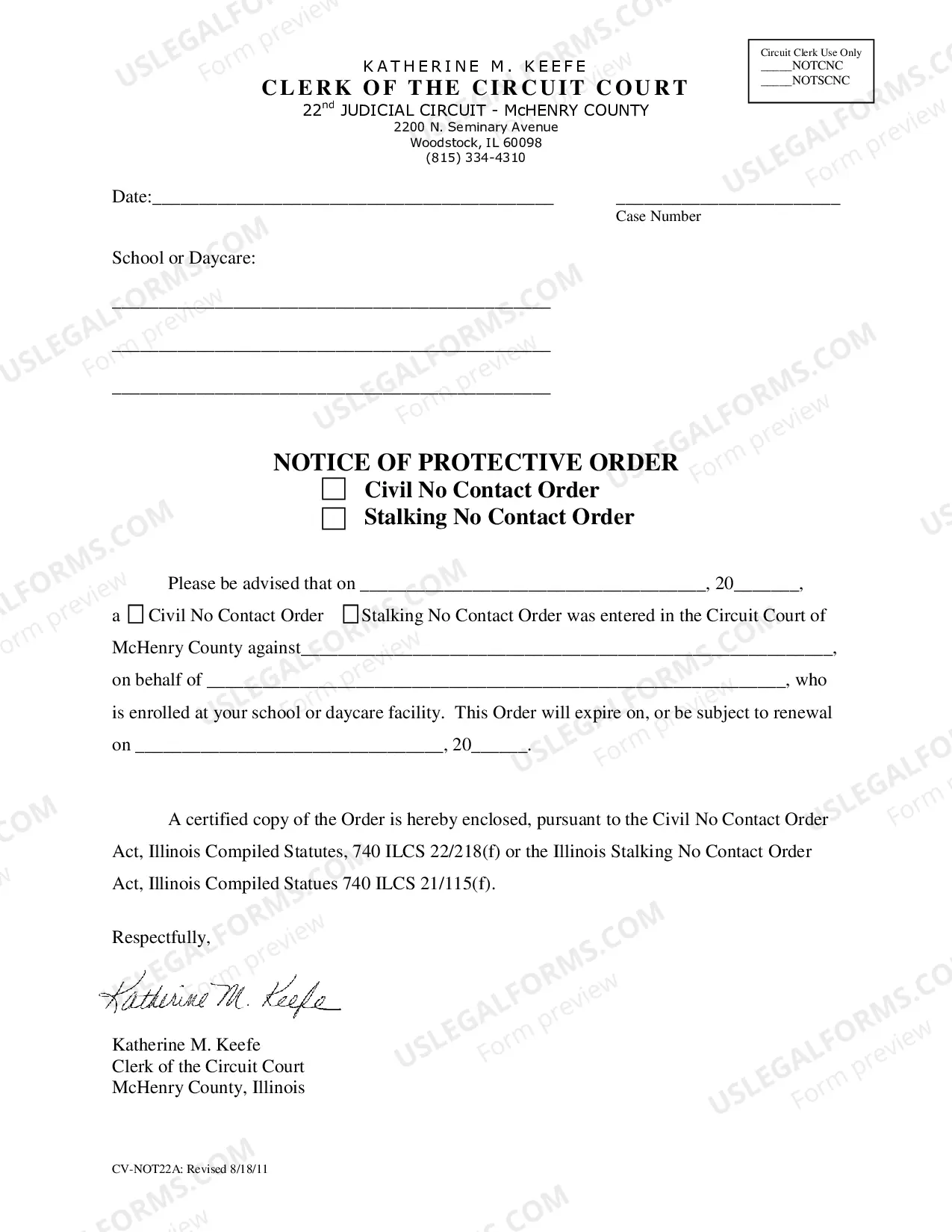
Illinois Last Will and Testament for a Civil Union Partner with No Children
What this document covers
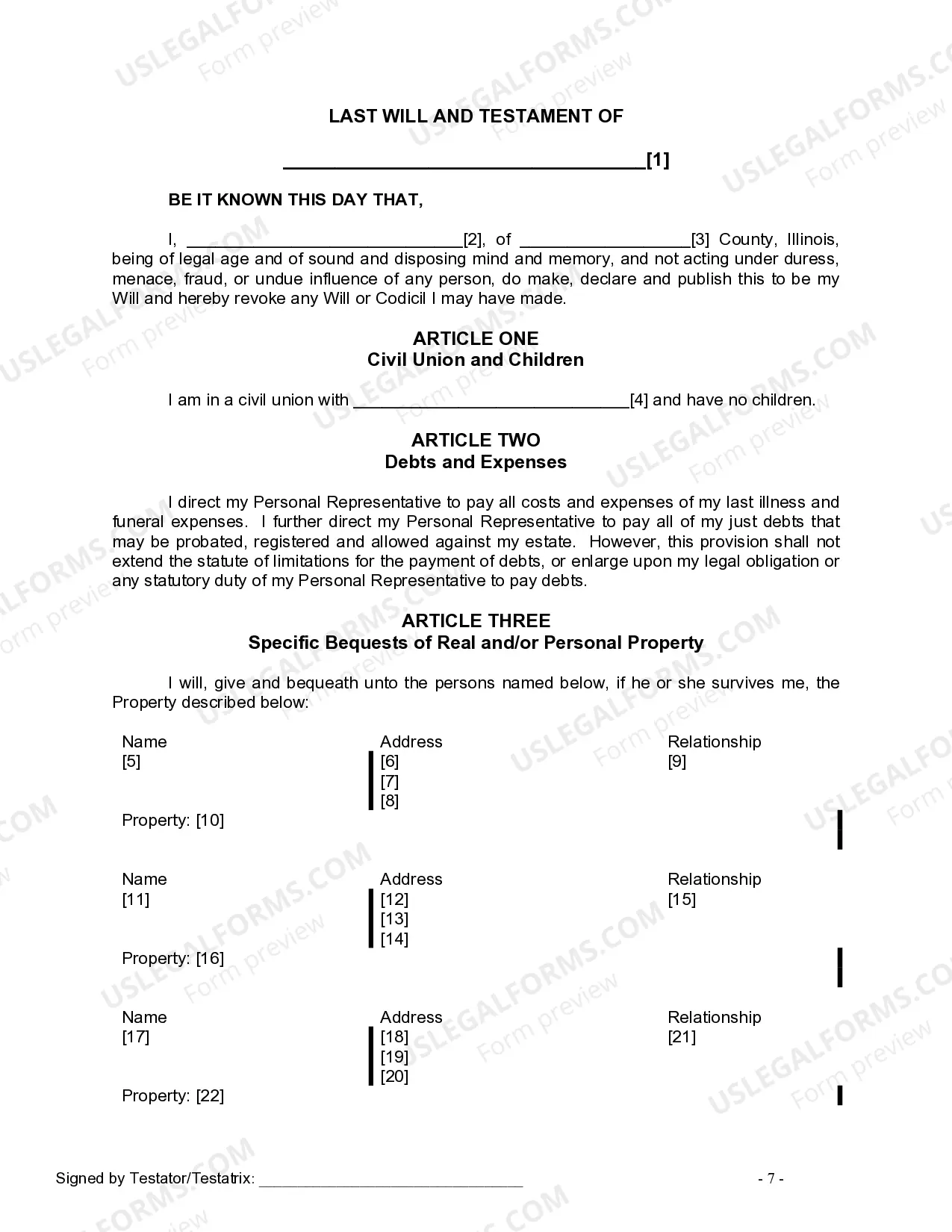
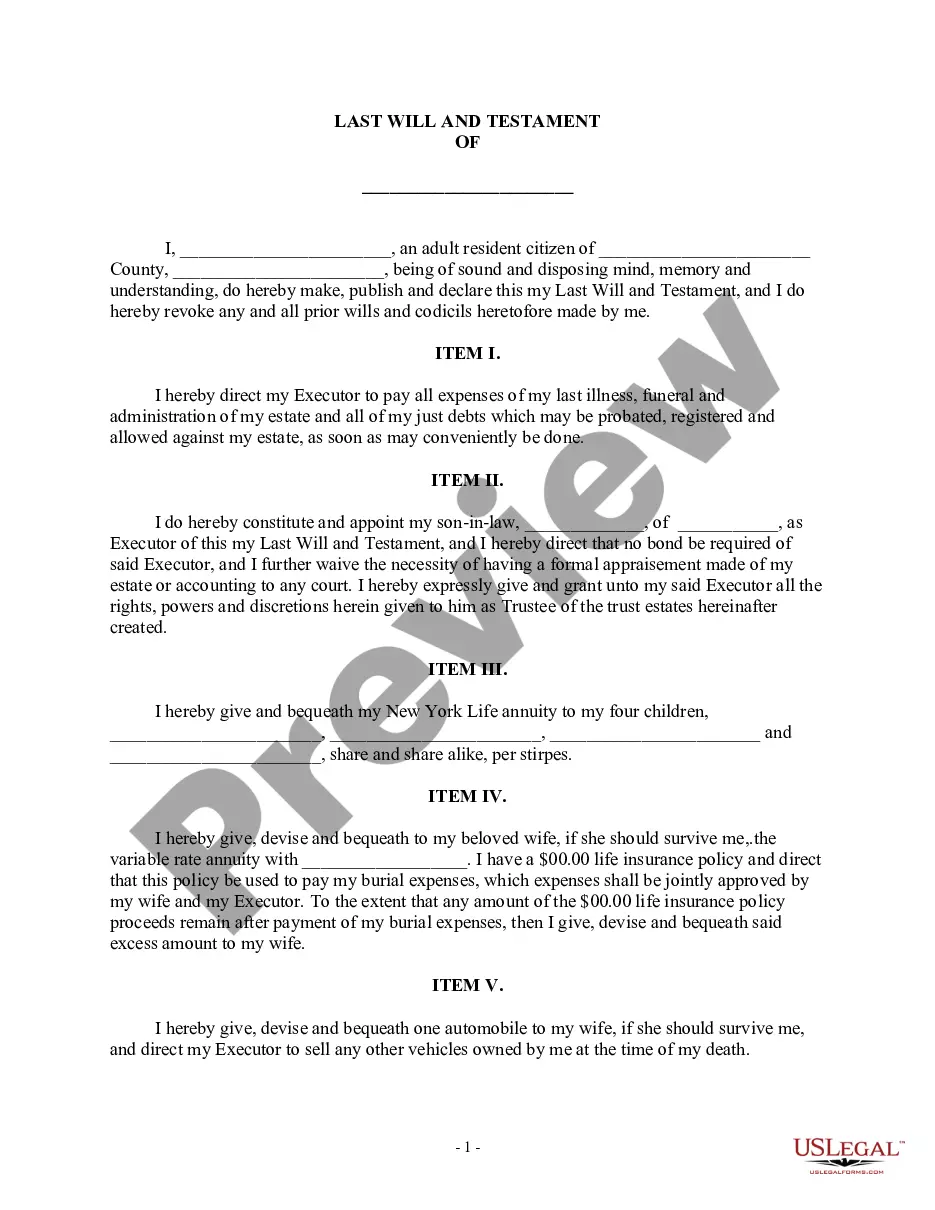
The Last Will and Testament for a Civil Union Partner with No Children is a legal document that specifies how a personâs assets will be distributed after their death. This will specifically caters to individuals in a civil union without children, allowing them to designate a partner as the primary beneficiary of their estate. It includes provisions for appointing a personal representative and outlines debts and specific bequests, setting it apart from general wills or those intended for traditional marriages or different family structures.
Key components of this form
- Appointment of Personal Representative: Designates an individual to manage the estate.
- Specific Bequests: Outlines specific distributions of property to designated beneficiaries.
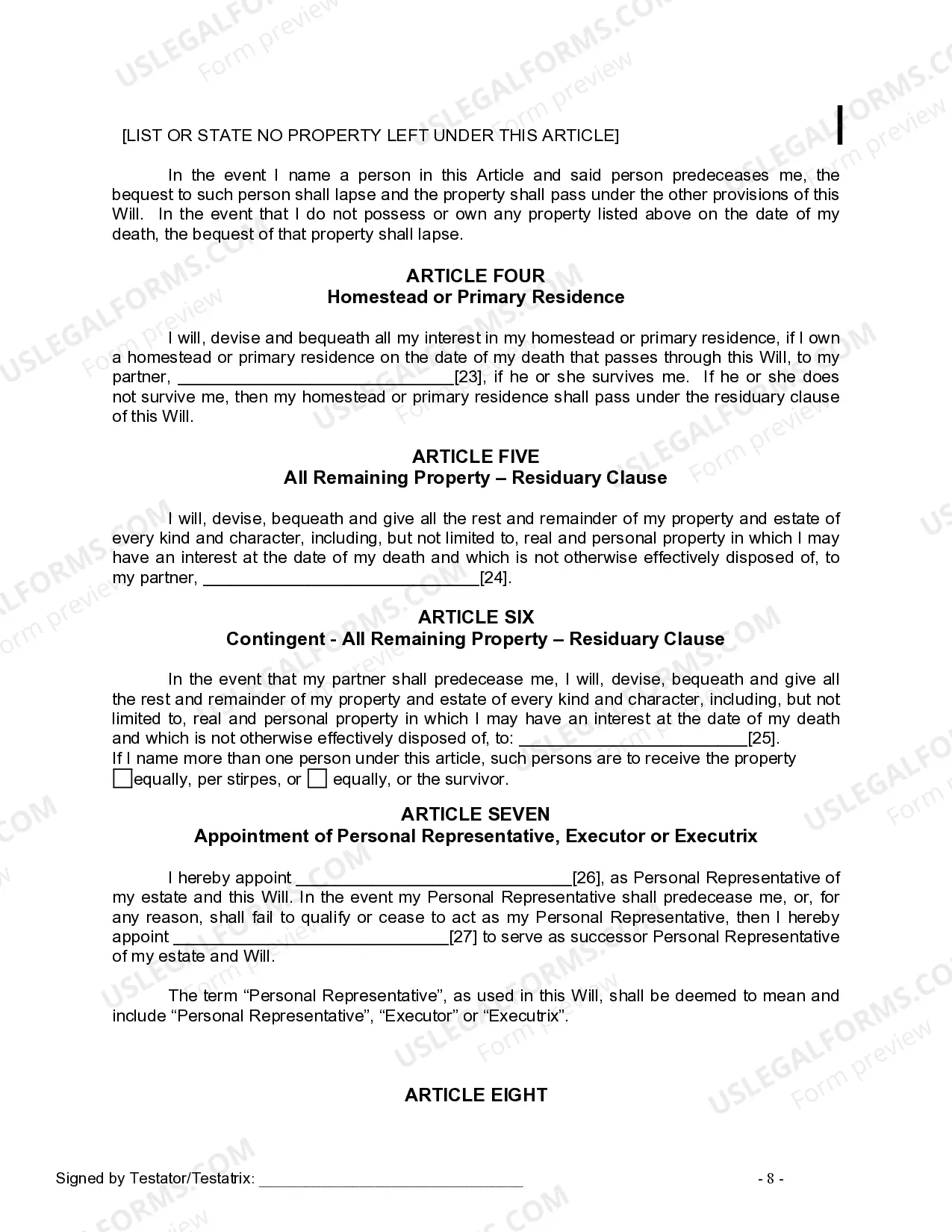
- Residuary Clause: Specifies how remaining assets will be distributed after specific bequests are fulfilled.
- Homestead Clause: Addresses the distribution of the primary residence.
- Witness and Notary Requirements: Includes rules for signing in front of witnesses and notarization.




When to use this document
This form is used when an individual in a civil union wants to ensure that their partner is the primary heir to their estate, particularly when there are no children involved. It is appropriate when planning for end-of-life scenarios, especially for those who wish to legally define their wishes regarding asset distribution and appoint a personal representative to manage their estate after death.
Who should use this form
- Individuals in a civil union without children.
- Anyone wishing to specify an estate plan that focuses on their partner.
- Those who want to ensure a clear division of assets post-death.
- Partners looking to formalize their wishes regarding debt and property management.
Instructions for completing this form
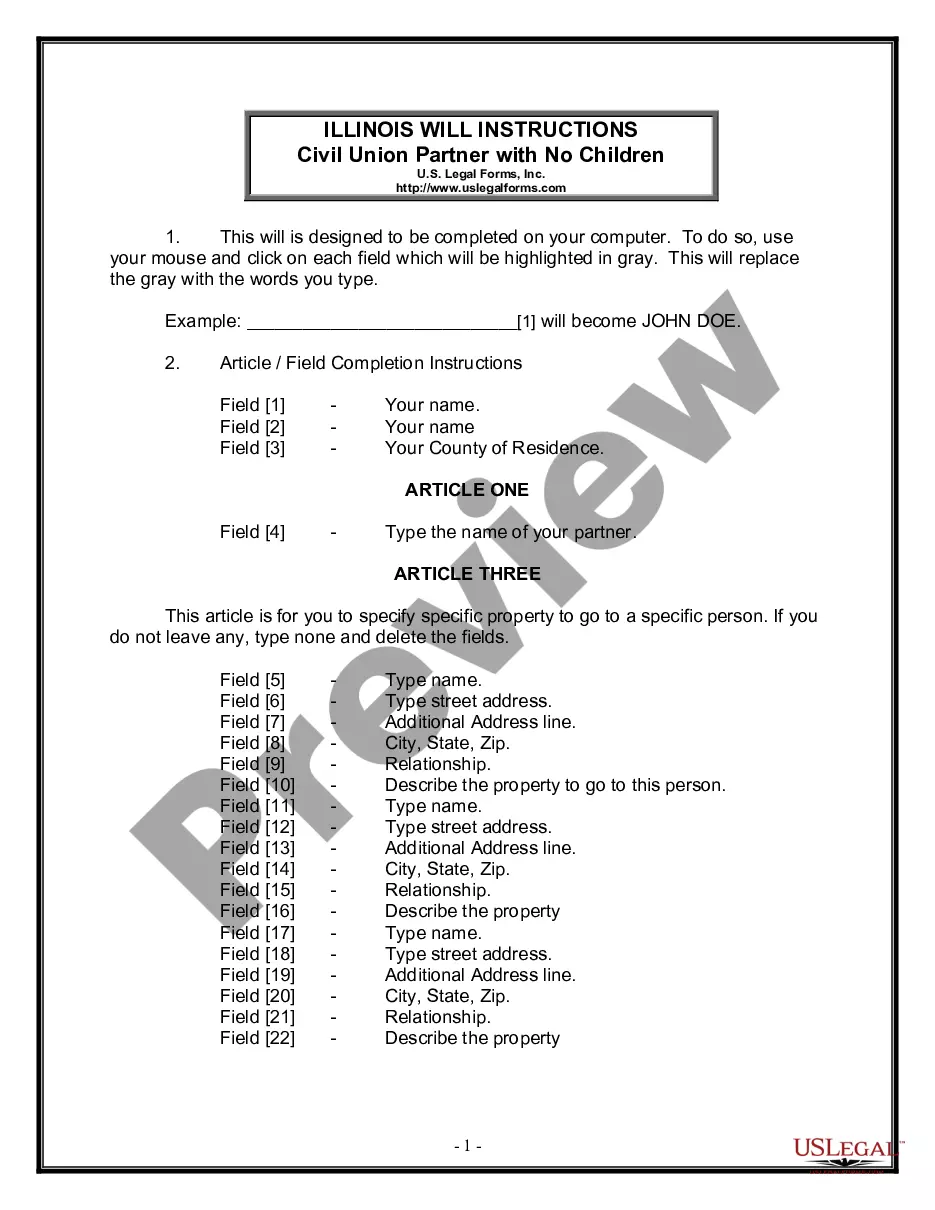
- Identify the testator: Enter the name and address of the individual creating the will.
- Designate a partner: Clearly state the name of your civil union partner and confirm that you have no children.
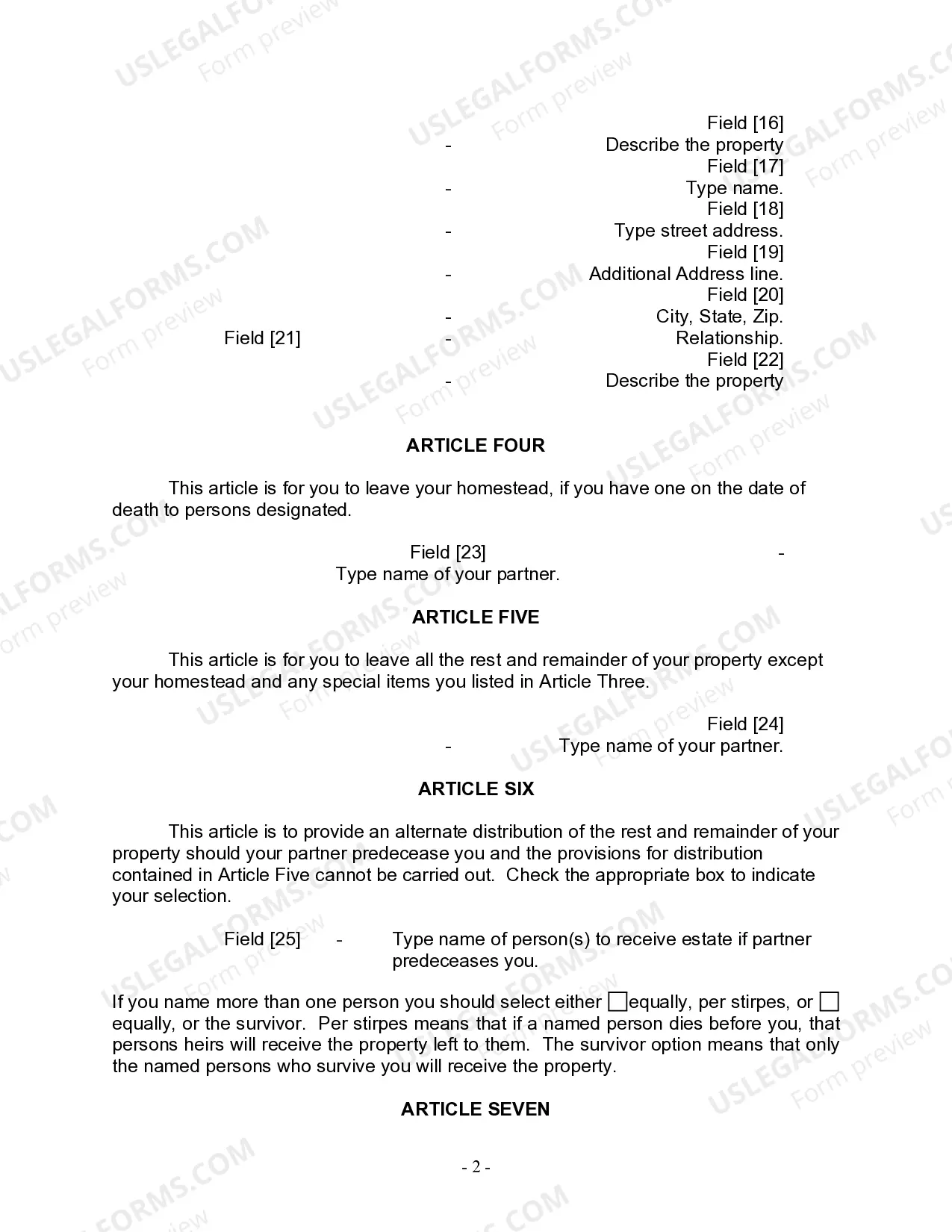
- Outline specific bequests: List any specific property you want to bequeath to others.
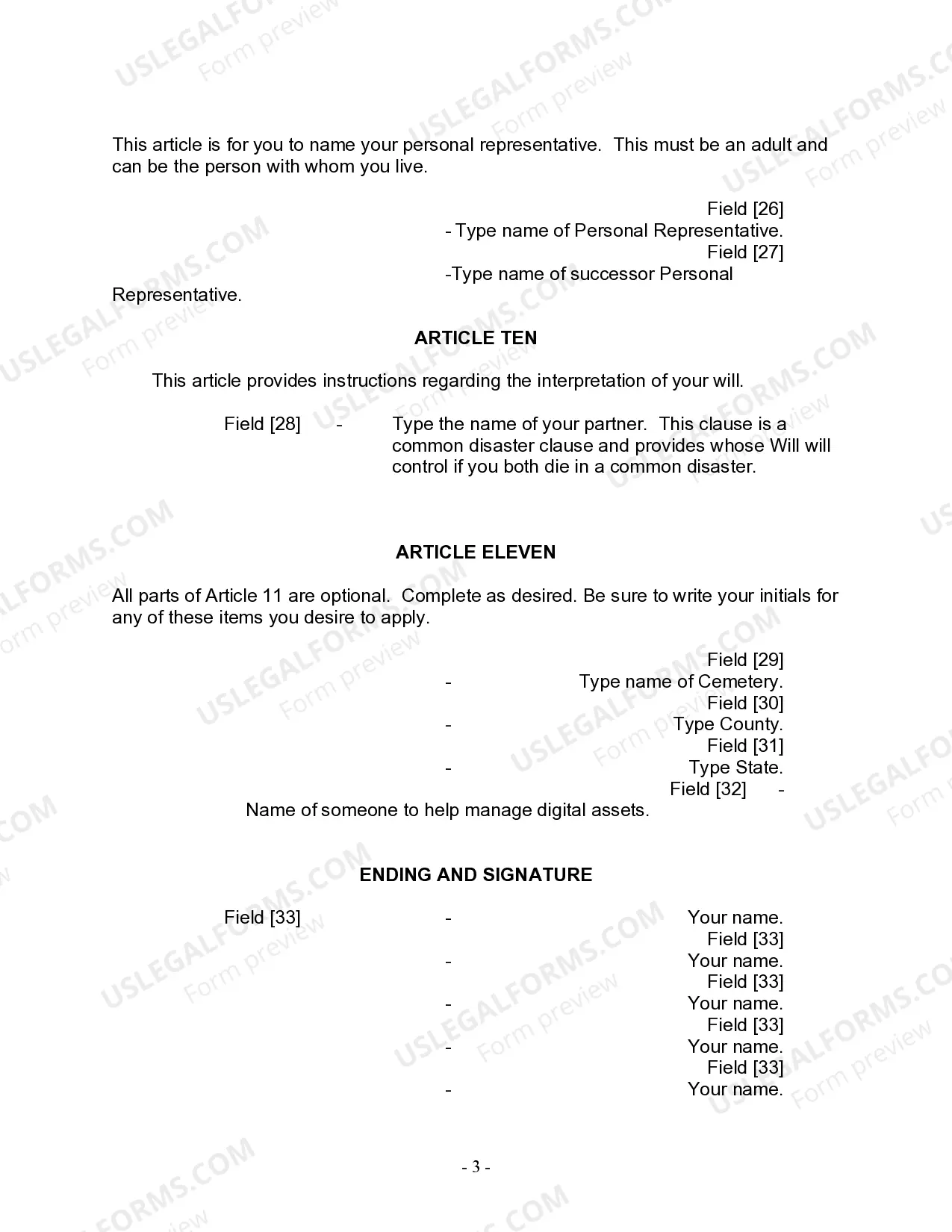
- Appoint a personal representative: Name the individual who will manage your estate.
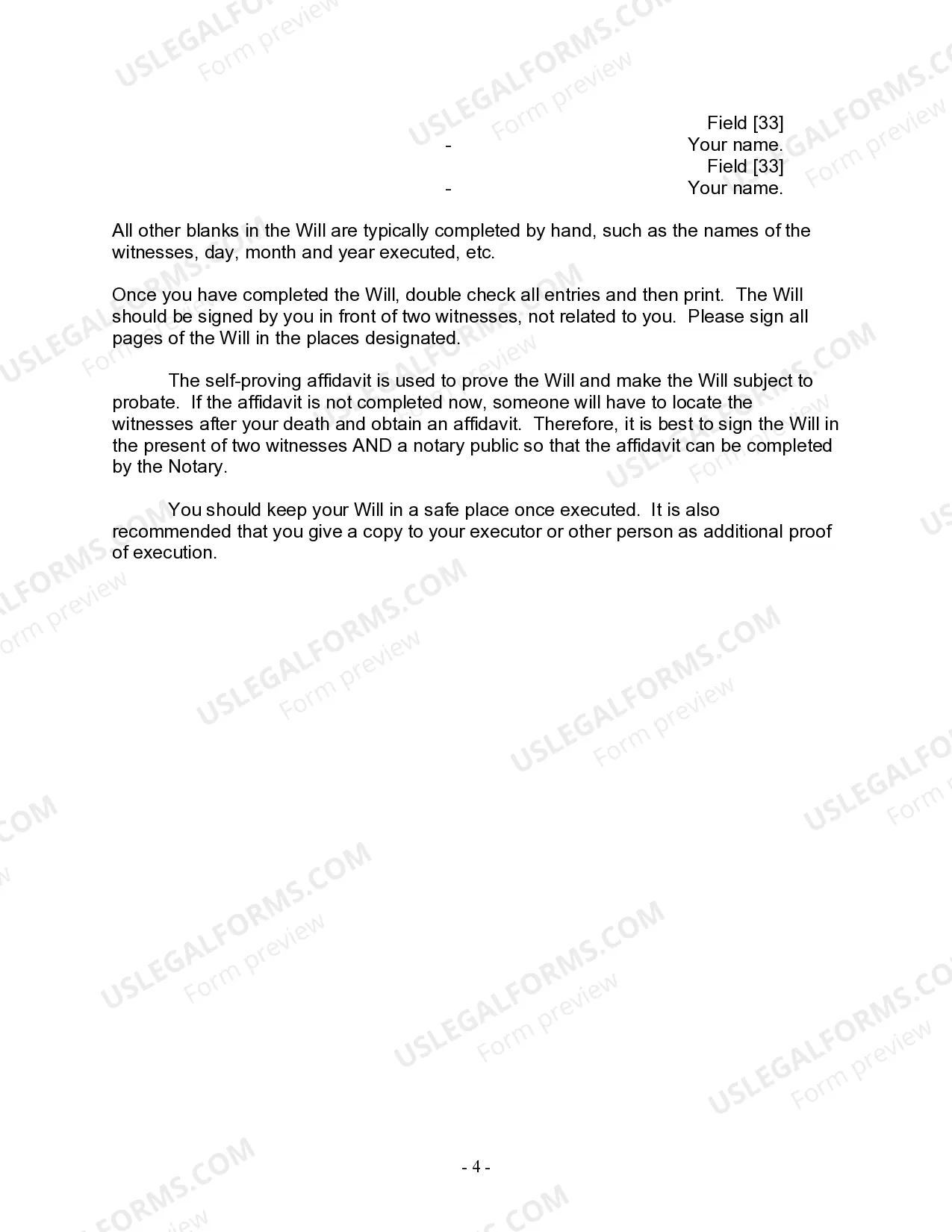
- Sign in the presence of witnesses: Ensure that two witnesses sign the will in your presence for it to be valid.
Notarization guidance
Yes, this form must be notarized to be legally valid. Notarization helps ensure that the signatures are verified and that the document adheres to legal standards. US Legal Forms offers integrated online notarization, allowing you to complete this process securely through a video call at your convenience, without the need to travel.
Get your form ready online
Our built-in tools help you complete, sign, share, and store your documents in one place.
Make edits, fill in missing information, and update formatting in US Legal Forms—just like you would in MS Word.
Download a copy, print it, send it by email, or mail it via USPS—whatever works best for your next step.
Sign and collect signatures with our SignNow integration. Send to multiple recipients, set reminders, and more. Go Premium to unlock E-Sign.
If this form requires notarization, complete it online through a secure video call—no need to meet a notary in person or wait for an appointment.
We protect your documents and personal data by following strict security and privacy standards.

Make edits, fill in missing information, and update formatting in US Legal Forms—just like you would in MS Word.

Download a copy, print it, send it by email, or mail it via USPS—whatever works best for your next step.

Sign and collect signatures with our SignNow integration. Send to multiple recipients, set reminders, and more. Go Premium to unlock E-Sign.

If this form requires notarization, complete it online through a secure video call—no need to meet a notary in person or wait for an appointment.

We protect your documents and personal data by following strict security and privacy standards.
Common mistakes to avoid
- Not having two witnesses present during the signing of the will.
- Failing to include a self-proving affidavit when required by state law.
- Not clearly specifying who should receive particular assets.
- Leaving out necessary provisions regarding debts and expenses.
Benefits of completing this form online
- Convenience of downloading and completing the form at your own pace.
- Editability to ensure all personal details and preferences are accurately reflected.
- Access to templates drafted by licensed attorneys for legal reliability.
- Instant availability eliminates the need for a lawyerâs appointment.
Legal use & context
- This will is legally binding and enforceable under Illinois law.
- It ensures that the assets are distributed according to the testator's wishes.
- Failure to properly execute the will may result in contested claims or a distribution that does not align with the testator's intentions.
Key takeaways
- Always ensure the will meets local legal requirements for validity.
- Consider appointing a trusted personal representative.
- Regularly review and update your will to reflect any changes in circumstances.
Looking for another form?

Form popularity
FAQ
Decide what property to include in your will. Decide who will inherit your property. Choose an executor to handle your estate. Choose a guardian for your children. Choose someone to manage children's property. Make your will. Sign your will in front of witnesses.
In Illinois, to have a valid will it is required that two or more credible witnesses validate or attest the will. This means each witness must watch the testator (person making his or her will) sign or acknowledge the will, determine the testator is of sound mind, and sign the will in front of the testator.
Many states allow you to make your will "self-proving," which allows the probate court to accept the will without contacting your witnesses. However, Illinois allows your will to be self-proved without a self-proving affidavit, as long as you sign and witness it correctly.
A will doesn't have to be notarized to be valid. But in most states, you'll want to add a self-proving affidavit to your will, which must be signed by your witnesses and notarized.If you sign your will in a lawyer's office, the lawyer will provide a notary public.
Write an Introduction. Select an Executor. Identify Your Heirs and Beneficiaries. Nominate a Guardian for Your Minor or Dependent Children. Assess and Divide Your Property. State Your Funeral Wishes (If You Have Any) Sign and Notarize the Document.
Find an online template or service. Make a list of your assets. Be specific about who gets what. If you have minor children, choose a guardian. Give instructions for your pet. Choose an executor. Name a 'residuary beneficiary' List your funeral preferences.
Create the initial document. Start by titling the document Last Will and Testament" and including your full legal name and address. Designate an executor. Appoint a guardian. Name the beneficiaries. Designate the assets. Ask witnesses to sign your will. Store your will in a safe place.
Handwritten Wills in Illinois In the state of Illinois, holographic wills are not considered to be valid. Illinois does recognize, however, handwritten wills that are signed by two witnesses and satisfy all other requirements for wills as stated in the law.
Create the initial document. Start by titling the document Last Will and Testament" and including your full legal name and address. Designate an executor. Appoint a guardian. Name the beneficiaries. Designate the assets. Ask witnesses to sign your will. Store your will in a safe place.