State Court Motion For Continuance
Description
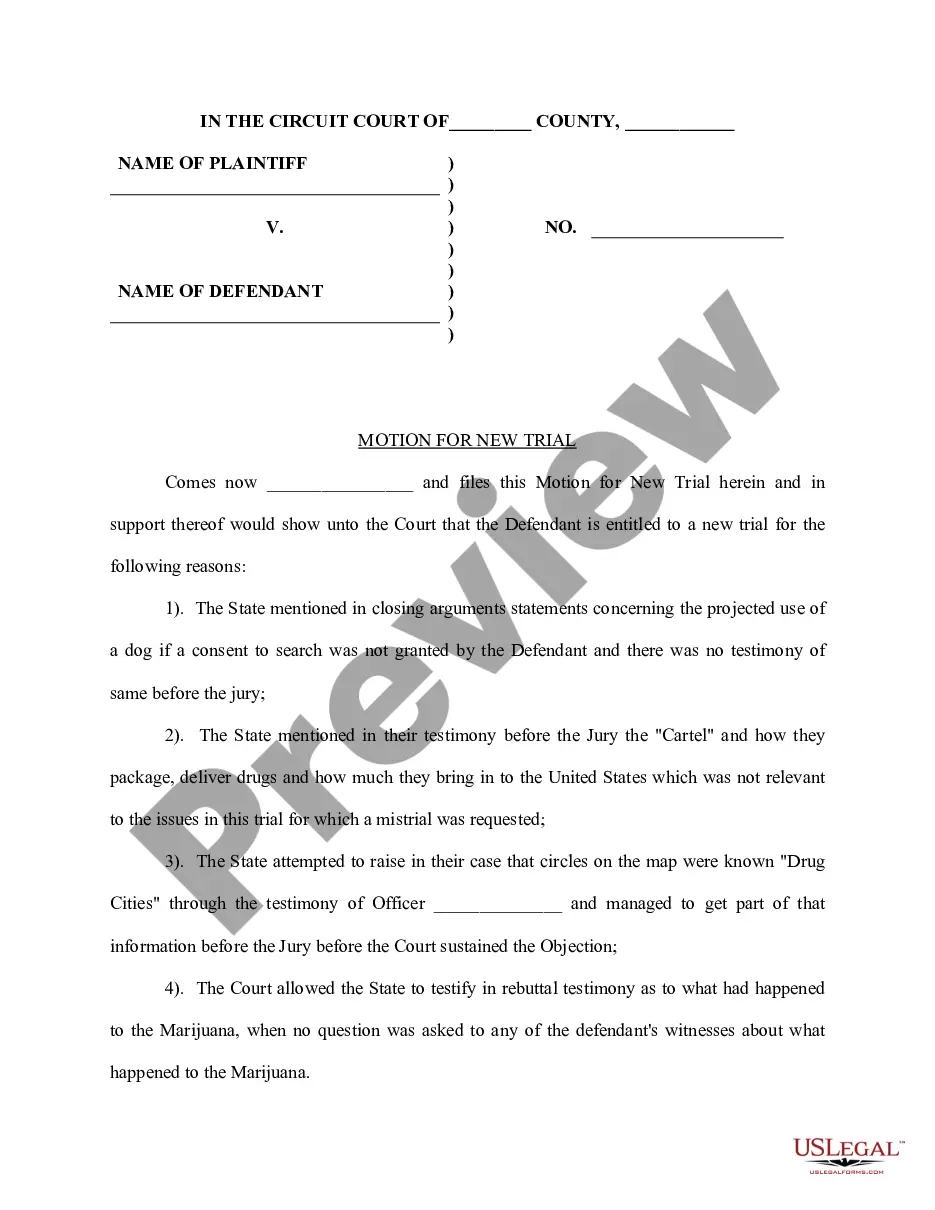
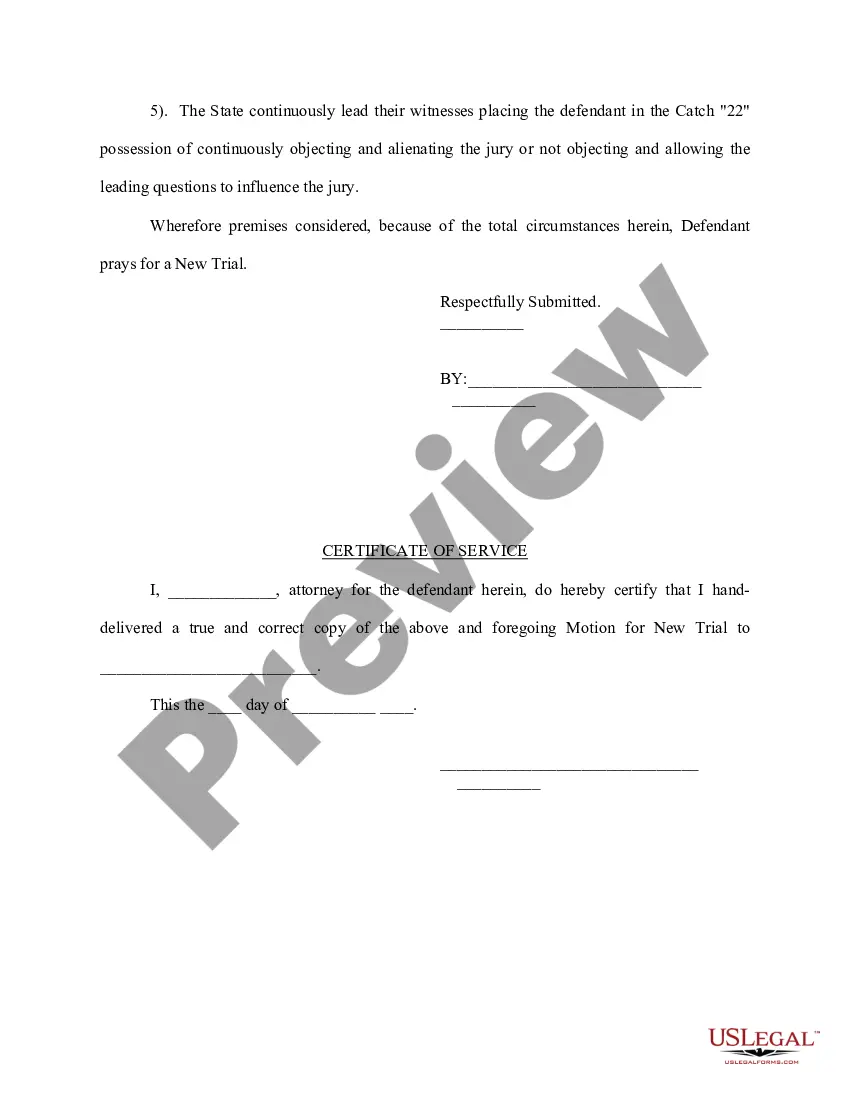
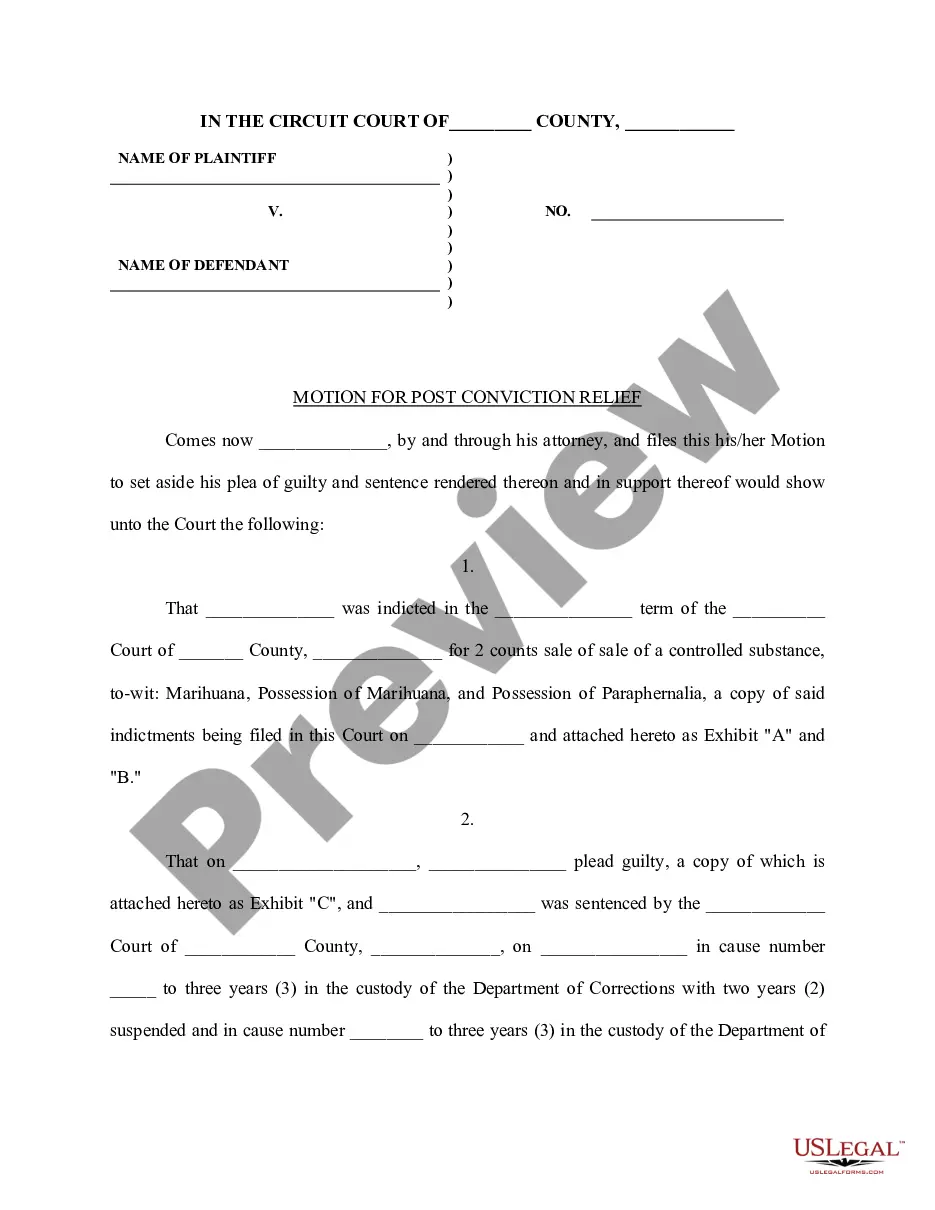
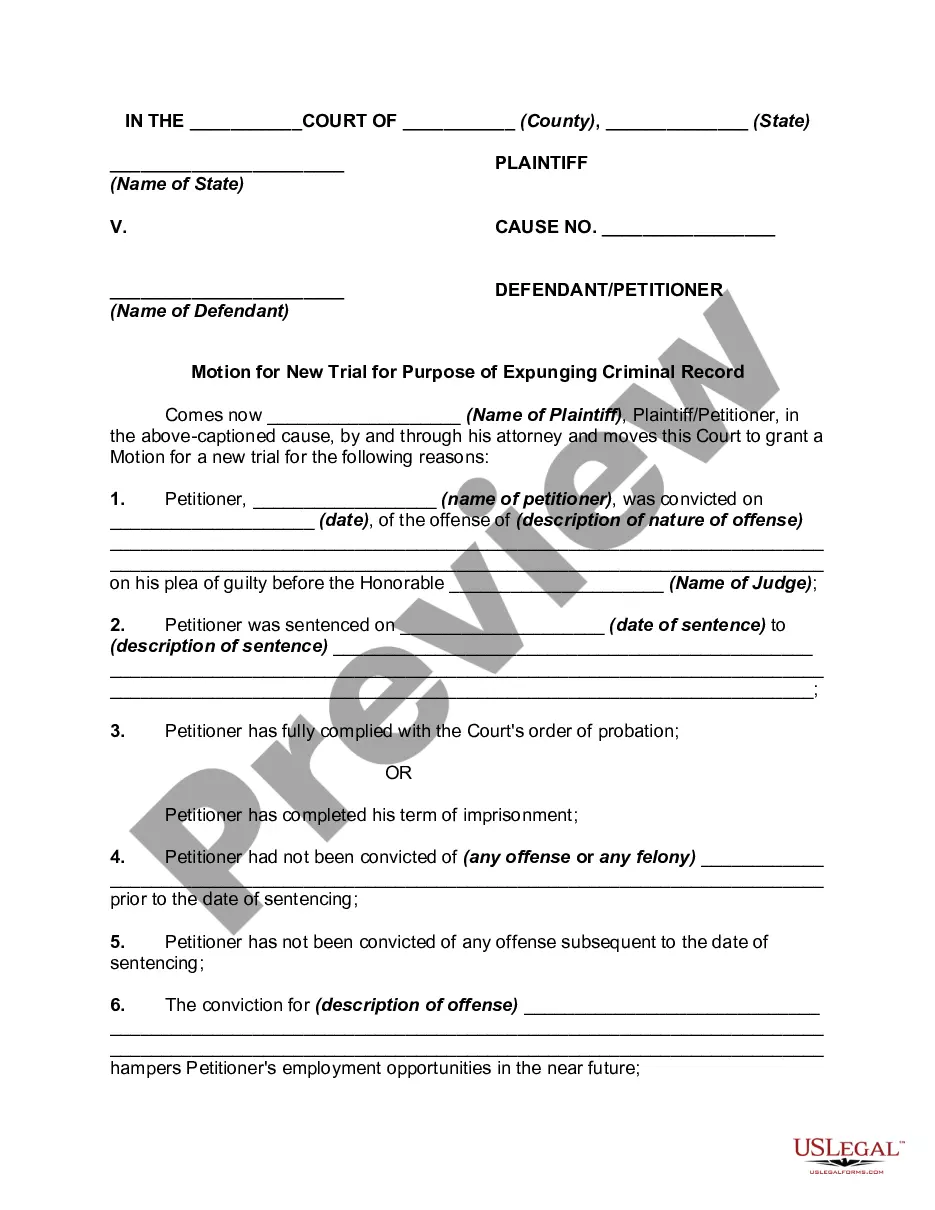
Get your form ready online
Our built-in tools help you complete, sign, share, and store your documents in one place.
Make edits, fill in missing information, and update formatting in US Legal Forms—just like you would in MS Word.
Download a copy, print it, send it by email, or mail it via USPS—whatever works best for your next step.
Sign and collect signatures with our SignNow integration. Send to multiple recipients, set reminders, and more. Go Premium to unlock E-Sign.
If this form requires notarization, complete it online through a secure video call—no need to meet a notary in person or wait for an appointment.
We protect your documents and personal data by following strict security and privacy standards.

Make edits, fill in missing information, and update formatting in US Legal Forms—just like you would in MS Word.

Download a copy, print it, send it by email, or mail it via USPS—whatever works best for your next step.

Sign and collect signatures with our SignNow integration. Send to multiple recipients, set reminders, and more. Go Premium to unlock E-Sign.

If this form requires notarization, complete it online through a secure video call—no need to meet a notary in person or wait for an appointment.

We protect your documents and personal data by following strict security and privacy standards.
Looking for another form?






How to fill out Motion For New Trial?
Whether for commercial intentions or personal concerns, everyone must handle legal matters eventually in their lifetime.
Completing legal documents requires meticulous attention, starting with selecting the correct form template.
With an extensive US Legal Forms library available, you never have to waste time seeking the right template across the internet. Utilize the library’s straightforward navigation to locate the suitable template for any situation.
- Locate the template you require using the search option or catalog browsing.
- Review the form’s details to confirm it suits your case, state, and county.
- Click on the form’s preview to examine it.
- If it is the incorrect document, return to the search feature to find the State Court Motion For Continuance template you need.
- Download the template when it fits your requirements.
- If you already possess a US Legal Forms account, simply click Log in to access previously saved documents in My documents.
- In case you do not have an account yet, you may obtain the form by clicking Buy now.
- Select the appropriate pricing option.
- Complete the account registration form.
- Choose your payment method: use a credit card or a PayPal account.
- Select the file format you prefer and download the State Court Motion For Continuance.
- Once it is downloaded, you can fill out the form with the help of editing software or print it and complete it by hand.
Form popularity
FAQ
A good excuse to reschedule a court date often involves significant conflicts that hinder your ability to appear. This could include health issues, emergencies, or important prior commitments. When filing a state court motion for continuance, outline your reasons clearly and provide any relevant proof. This way, the court can assess the legitimacy of your request.
Individuals often ask for a continuance to ensure they can present their case effectively. Whether it's due to the need for more time to gather evidence or to address personal obligations, it's vital to communicate your needs clearly. In many cases, a state court motion for continuance allows parties to better prepare, ultimately leading to a fairer process. Always aim for open communication with the court regarding your request.
A good cause for continuance includes situations that prevent you from adequately preparing for your case. Examples may involve serious illness, sudden emergency situations, or legal representation conflicts. When you present a state court motion for continuance, detail these circumstances so the court recognizes the need for additional time. Supporting documentation can strengthen your case.
Good reasons for a continuance typically include conflicting schedules, unavailability of key evidence or witnesses, and unforeseen personal circumstances. When you file a state court motion for continuance, it's essential to be honest and clear about your situation. This transparency helps the court understand your reasoning. Be mindful that the more compelling your reason, the more likely it will be granted.
To write a motion for continuance, you should start by addressing the court and stating the case number. Clearly outline the reasons for needing the continuance, providing any supporting details or evidence. It's important to state your request formally and respectfully, while also indicating a specific date when you hope to have the matter resolved. Using resources from platforms like US Legal Forms can guide you through this process.
Valid reasons for a continuance often encompass scheduling conflicts, health issues, or the need for more preparation time. Additionally, if a key witness is unavailable or new evidence arises that requires further examination, these can be strong grounds for a continuance. Always, the party requesting the continuance must clearly articulate their reasoning in the State court motion for continuance.
A good reason for a continuance in a court case may include the need for additional time to gather crucial evidence or to interview witnesses. Health issues or unforeseen emergencies can also qualify as valid reasons. Ultimately, the reason should demonstrate the necessity for the extra time and show that it will help achieve a fair outcome.
A continuance Motion must include specific information to be effective. This typically involves the case number, the names of the parties, a detailed explanation of the reasons for the request, and the specific date being sought for the continuance. Additionally, it should cite any applicable rules or statutes to support the request.
A continuance in court can be beneficial, depending on the circumstances. It provides parties extra time to prepare, gather evidence, or resolve issues outside of court. However, it can also prolong uncertainty, so it’s essential to weigh the pros and cons before filing a State court motion for continuance.
A judge may deny a Motion for continuance if they believe the request lacks sufficient justification. For instance, if the reasons presented are not compelling or if the case has already experienced delays, the judge may view it as unnecessary. Additionally, courts strive to maintain schedules, and unnecessary continuances can disrupt case flow.