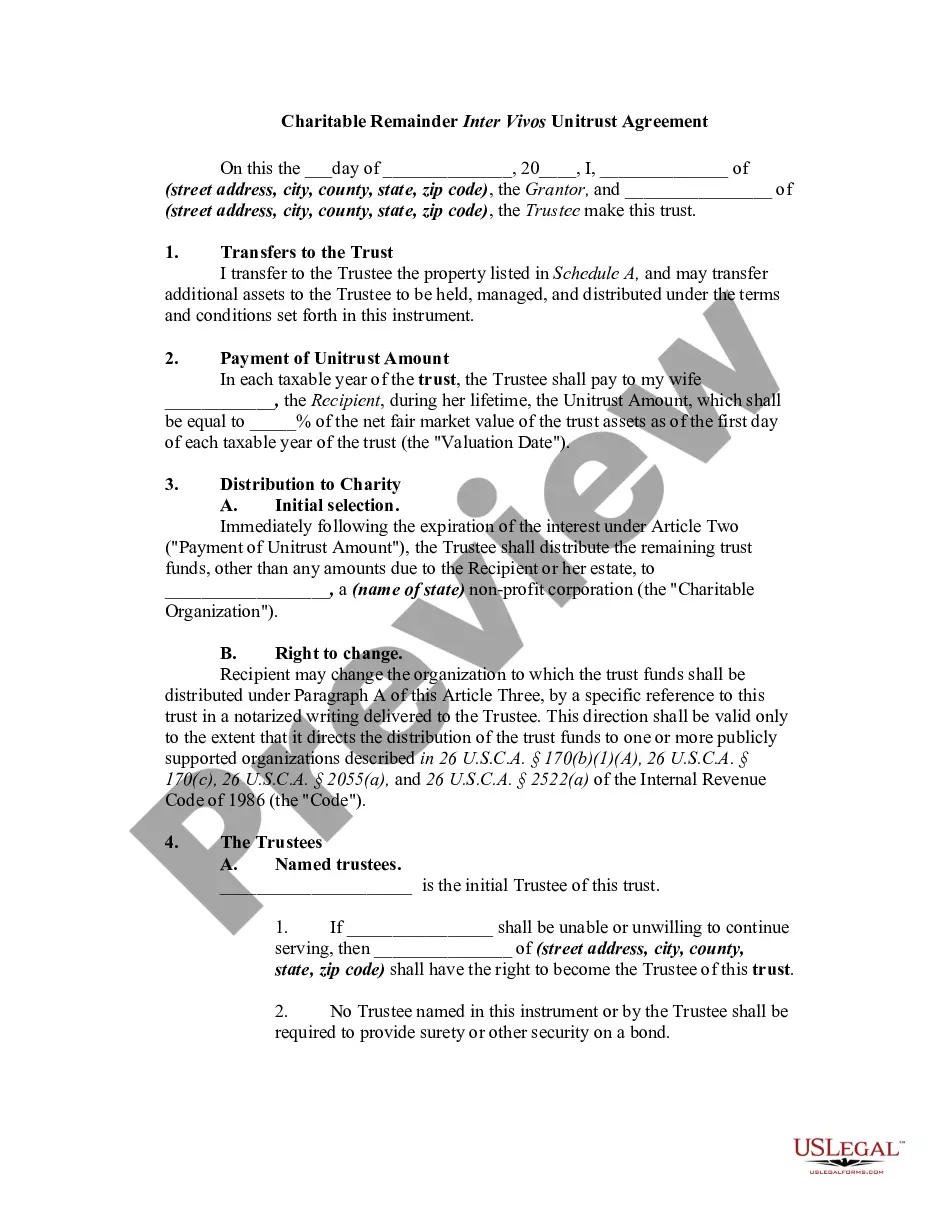
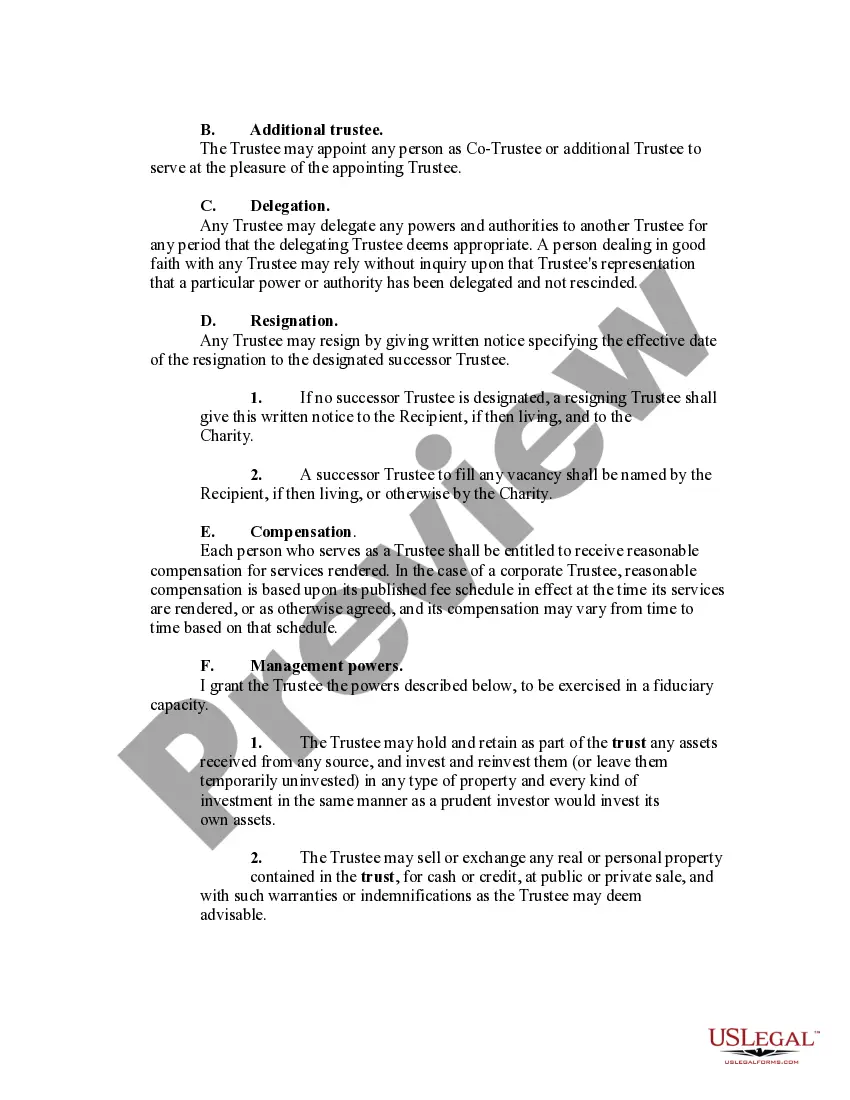
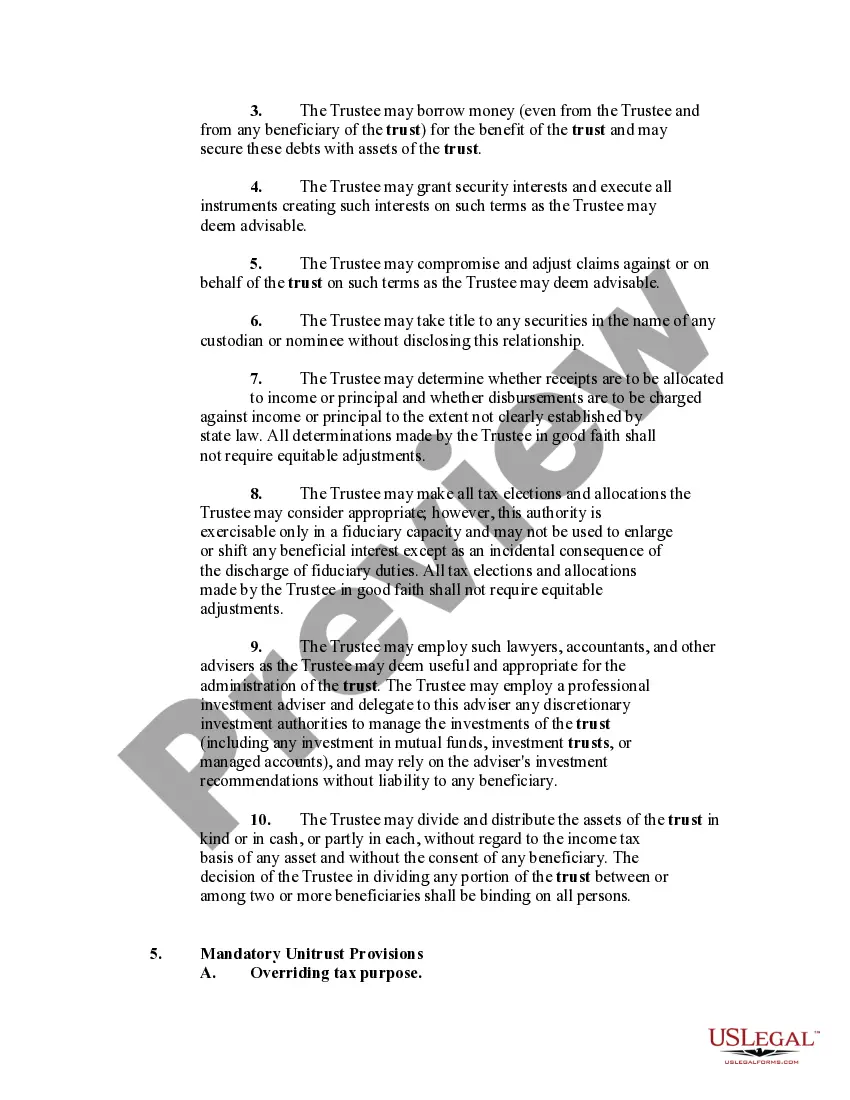
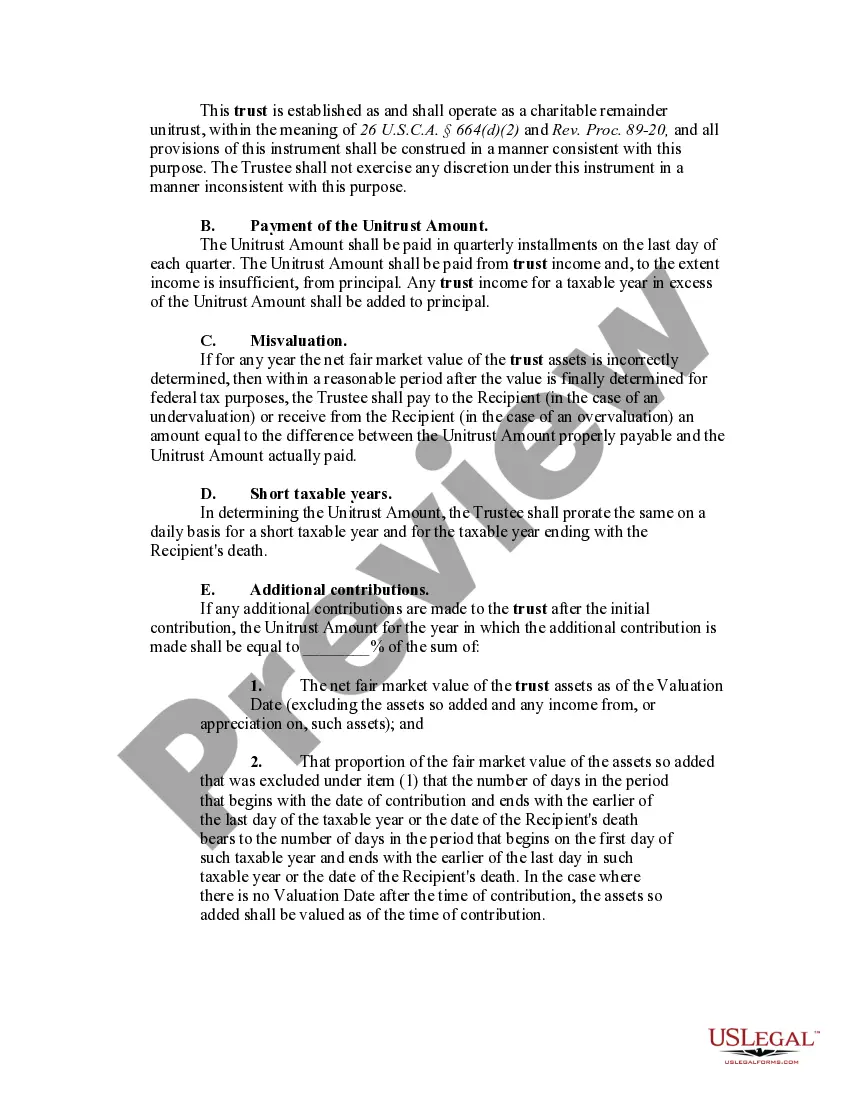
Charitable Remainder Agreement Form Trust For Historic Preservation
Description
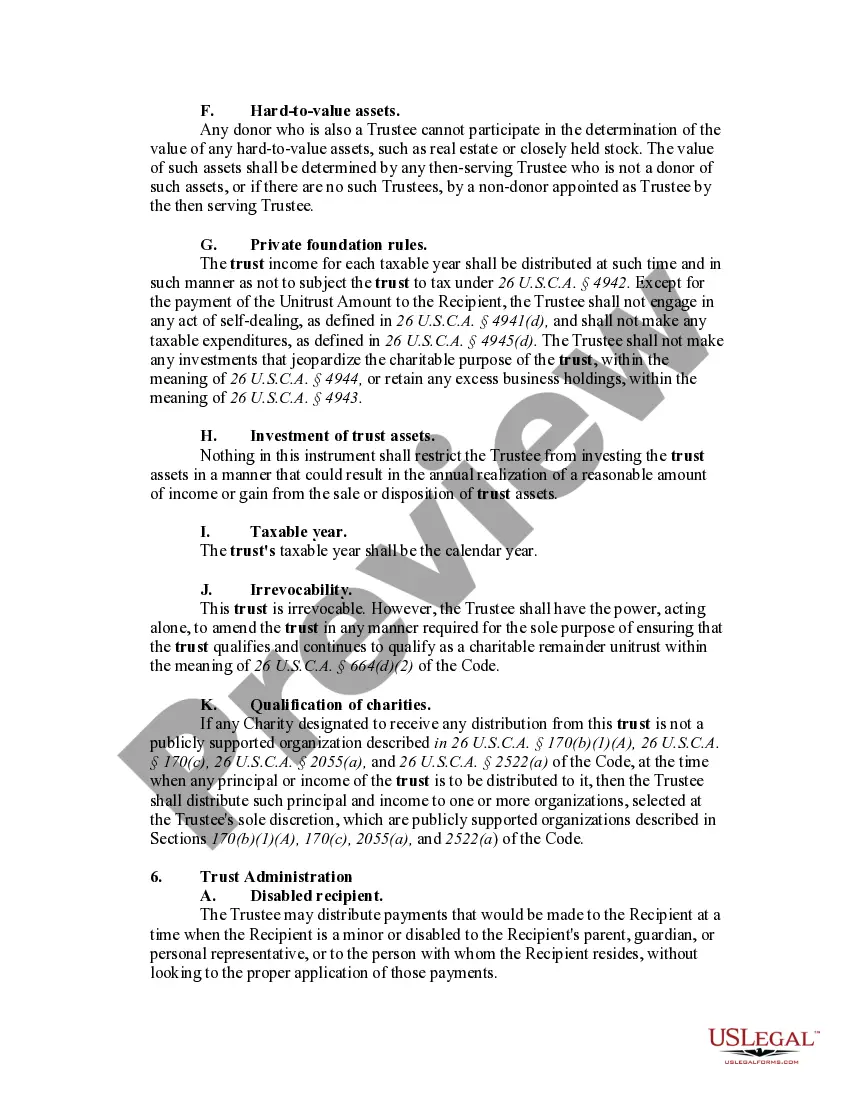
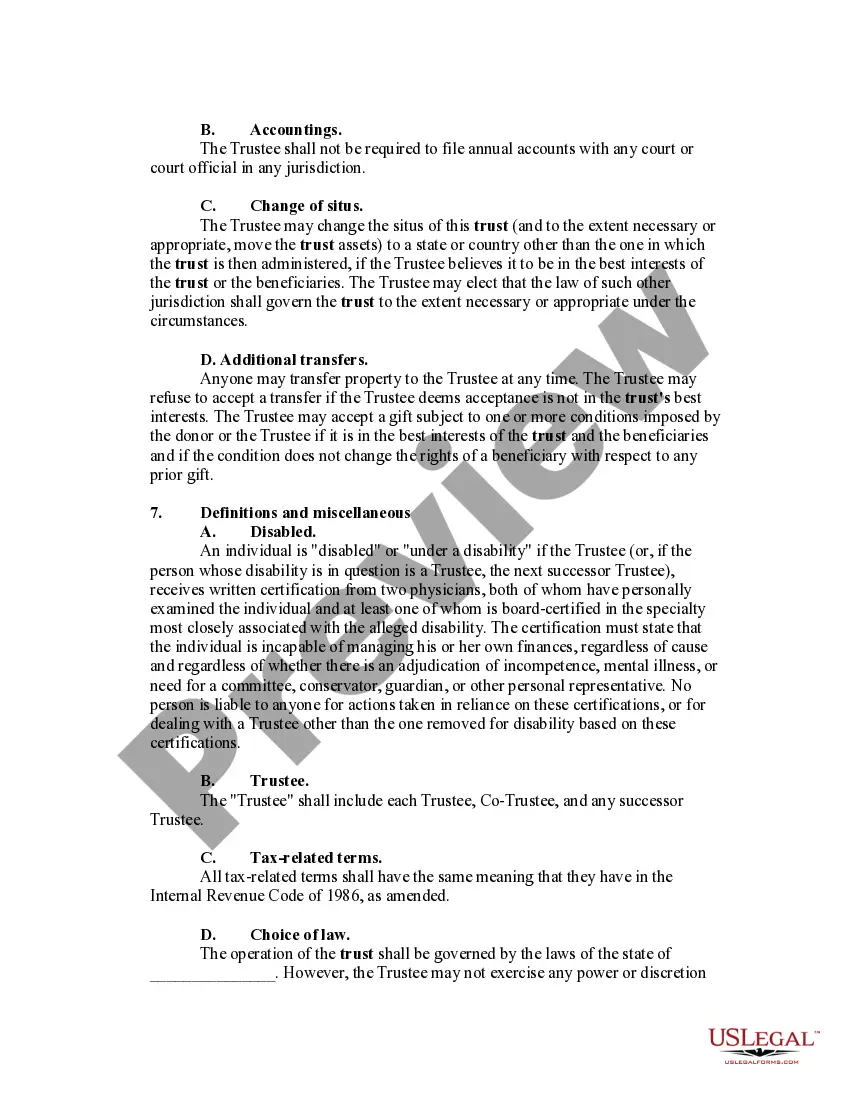
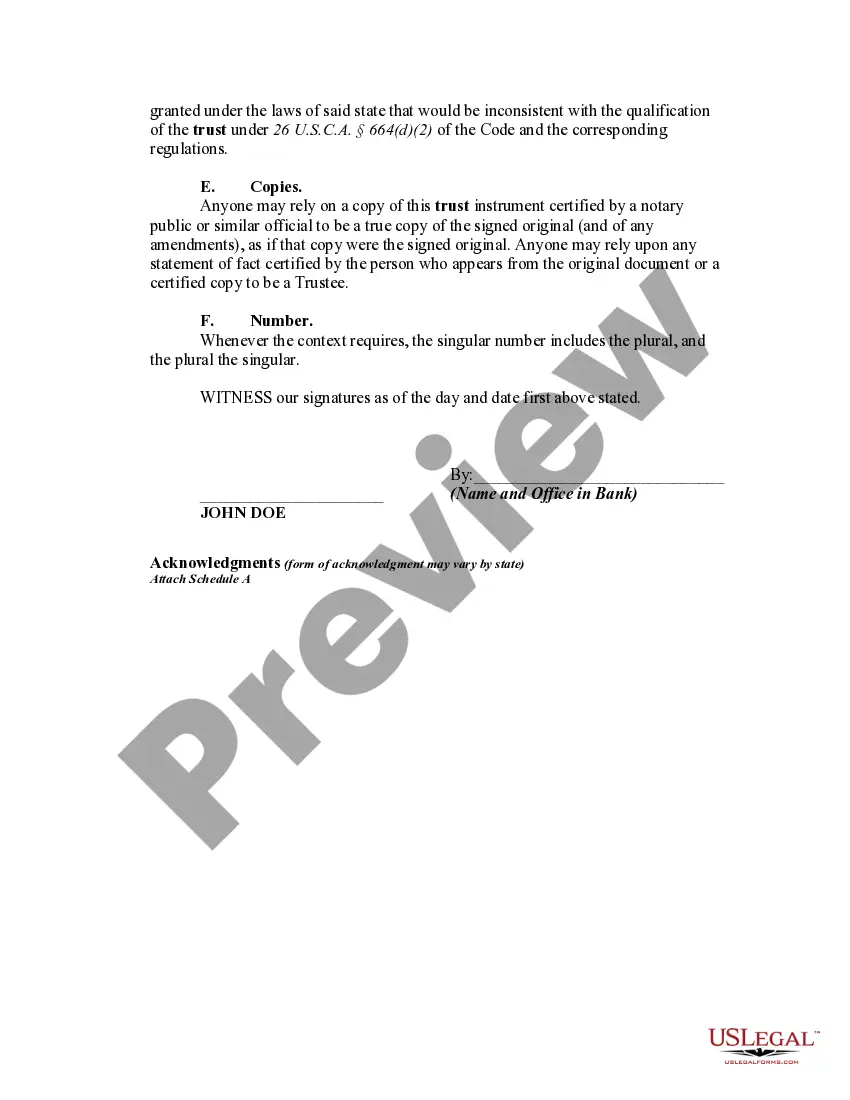
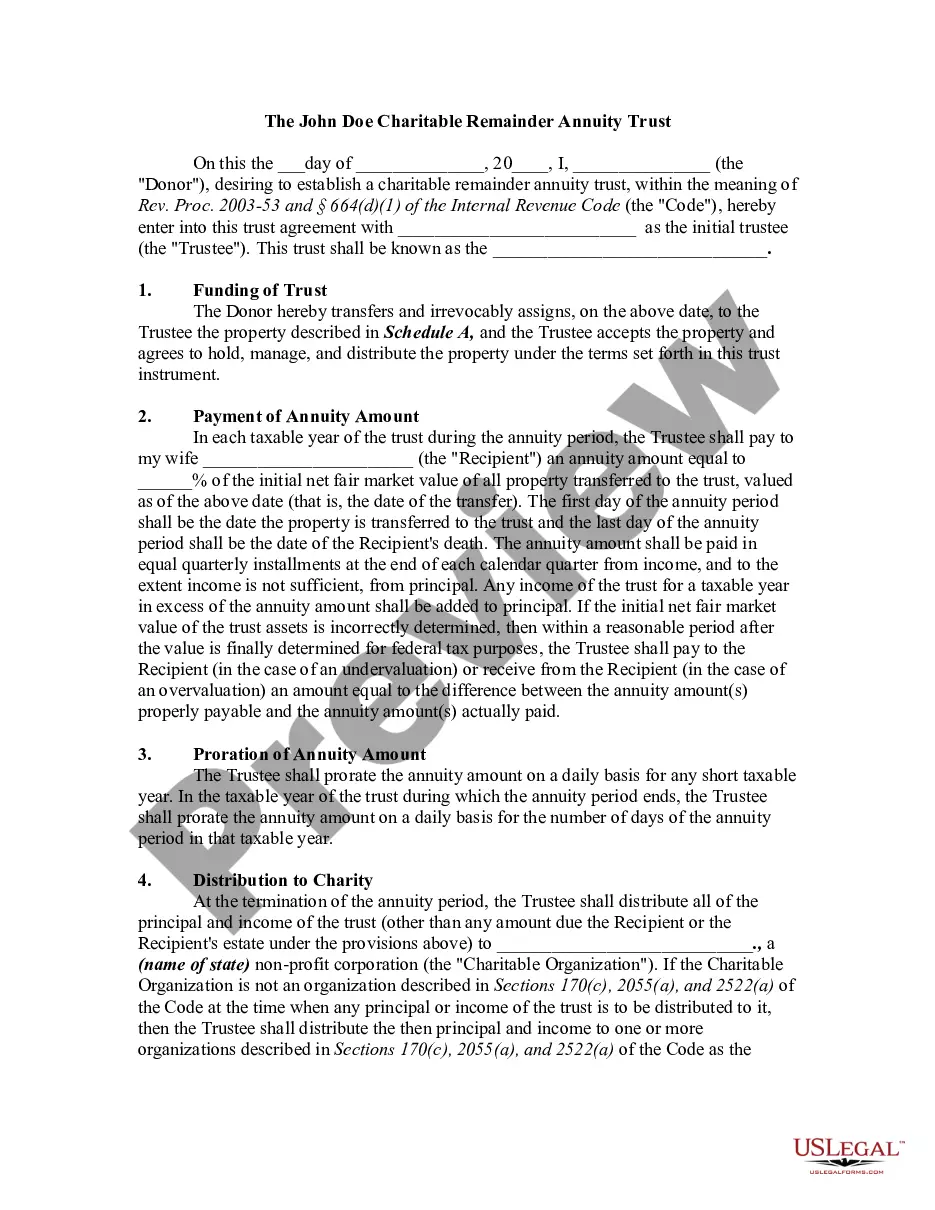
Get your form ready online
Our built-in tools help you complete, sign, share, and store your documents in one place.
Make edits, fill in missing information, and update formatting in US Legal Forms—just like you would in MS Word.
Download a copy, print it, send it by email, or mail it via USPS—whatever works best for your next step.
Sign and collect signatures with our SignNow integration. Send to multiple recipients, set reminders, and more. Go Premium to unlock E-Sign.
If this form requires notarization, complete it online through a secure video call—no need to meet a notary in person or wait for an appointment.
We protect your documents and personal data by following strict security and privacy standards.

Make edits, fill in missing information, and update formatting in US Legal Forms—just like you would in MS Word.

Download a copy, print it, send it by email, or mail it via USPS—whatever works best for your next step.

Sign and collect signatures with our SignNow integration. Send to multiple recipients, set reminders, and more. Go Premium to unlock E-Sign.

If this form requires notarization, complete it online through a secure video call—no need to meet a notary in person or wait for an appointment.

We protect your documents and personal data by following strict security and privacy standards.
Looking for another form?
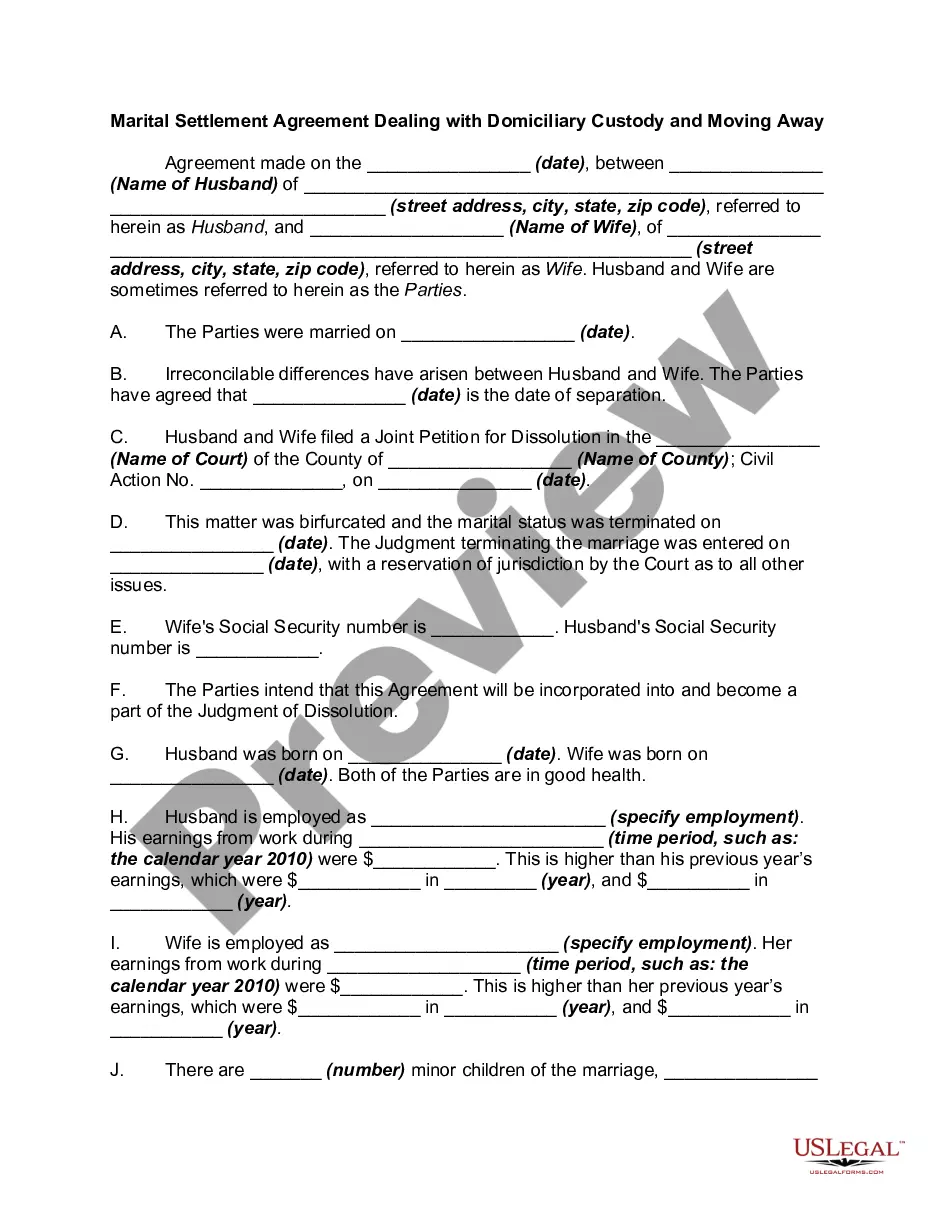




How to fill out Charitable Remainder Inter Vivos Unitrust Agreement?
Whether for commercial purposes or personal affairs, everyone has to confront legal matters at some stage in their life.
Filling out legal paperwork requires meticulous care, starting with selecting the correct form template.
With a comprehensive US Legal Forms library available, you do not need to waste time searching for the right sample online. Utilize the library’s intuitive navigation to find the correct template for any occasion.
- Obtain the template you require through the search bar or catalog browsing.
- Review the form’s details to ensure it aligns with your needs, state, and region.
- Click on the form’s preview to examine it.
- If it is the wrong form, return to the search tool to locate the Charitable Remainder Agreement Form Trust For Historic Preservation sample you require.
- Download the document if it meets your specifications.
- If you already possess a US Legal Forms account, simply click Log in to access previously stored documents in My documents.
- If you do not yet have an account, you can acquire the form by clicking Buy now.
- Select the relevant pricing option.
- Complete the account registration form.
- Select your payment method: you can use a credit card or PayPal account.
- Choose the file format you wish and download the Charitable Remainder Agreement Form Trust For Historic Preservation.
- Once saved, you can fill out the form using editing software or print it and complete it manually.
Form popularity
FAQ
One notable downside of a charitable remainder trust includes the complexity of setting it up and maintaining it, which may require legal assistance, potentially increasing costs. Additionally, if the trust assets perform poorly, the income for the beneficiaries can decrease, which may not meet their expectations. Understanding these aspects is crucial when considering a charitable remainder agreement form trust for historic preservation, as it helps ensure that it aligns with your financial goals and preservation commitments.
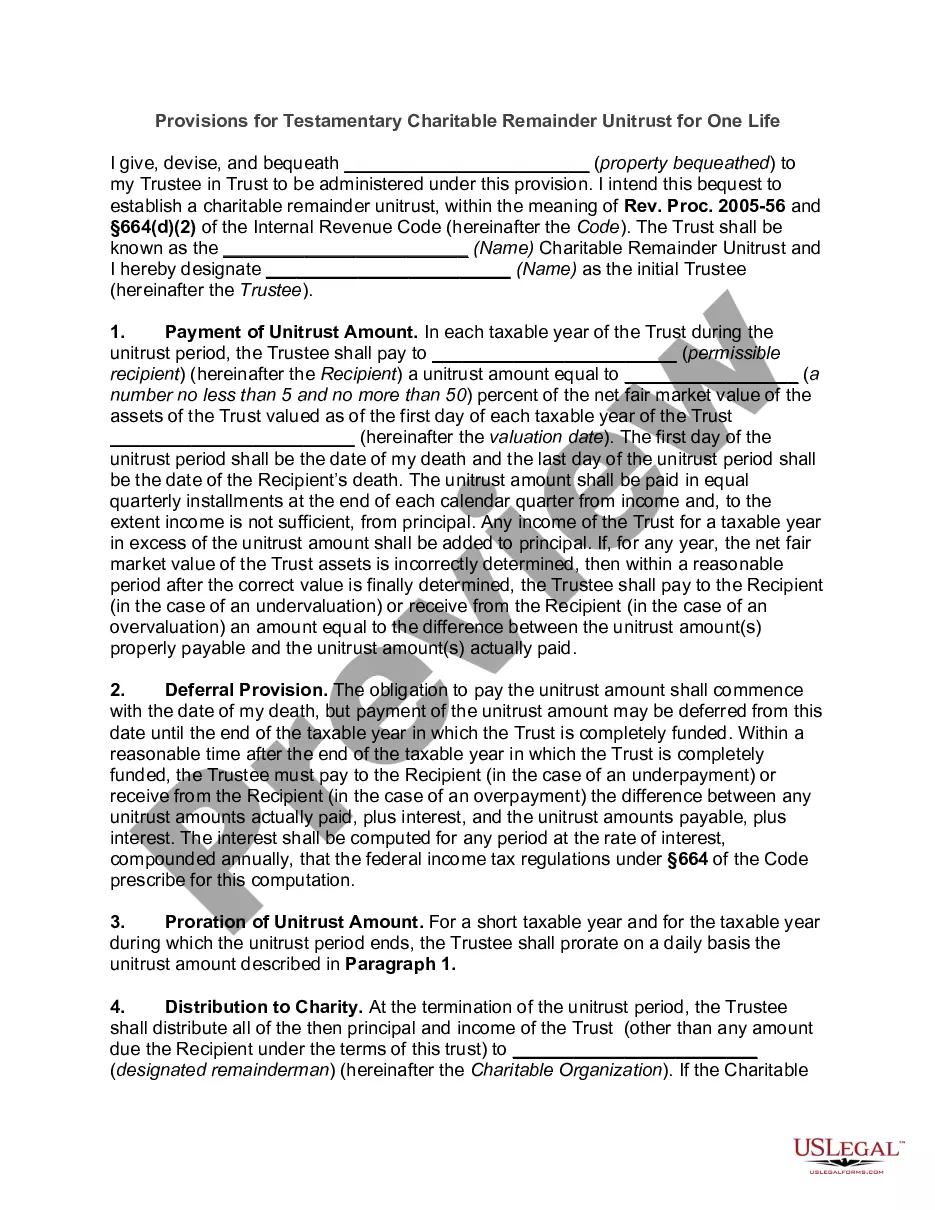
A common example of a charitable remainder trust involves a donor contributing assets, such as real estate or investments, into the trust. The trust then pays a fixed percentage or amount annually to the donor or beneficiaries for a set term or their lifetime. After this period, the remaining assets in the charitable remainder agreement form trust for historic preservation are transferred to a designated charitable organization, supporting causes like preserving historic sites.
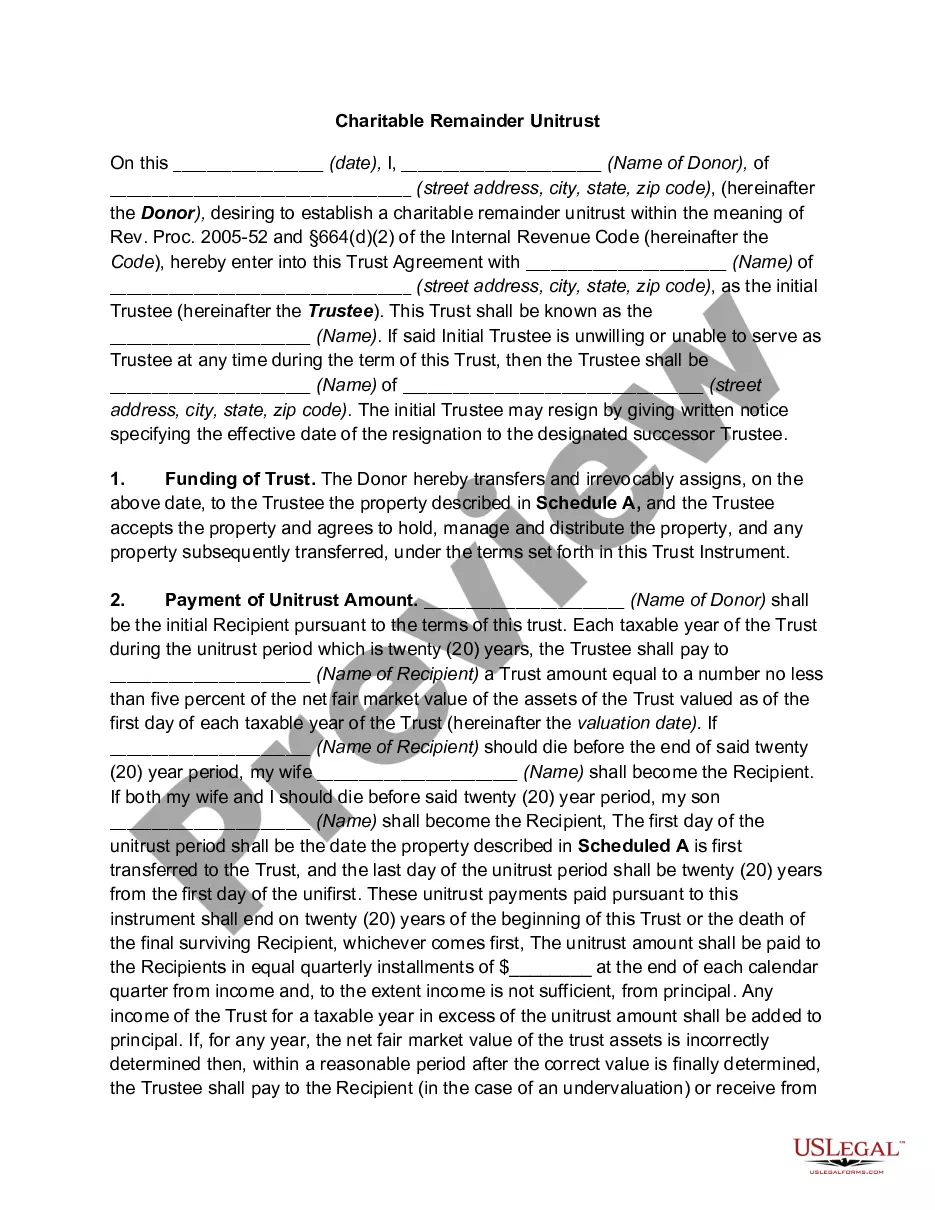
The 5% rule for a charitable remainder trust states that the annual distribution to the beneficiary must be at least 5% of the fair market value of the trust's assets. This percentage ensures that beneficiaries receive a reasonable payout while preserving the trust's value for charitable purposes. When creating a charitable remainder agreement form trust for historic preservation, understanding this rule helps in effectively managing the trust, balancing beneficiary needs with preservation goals.
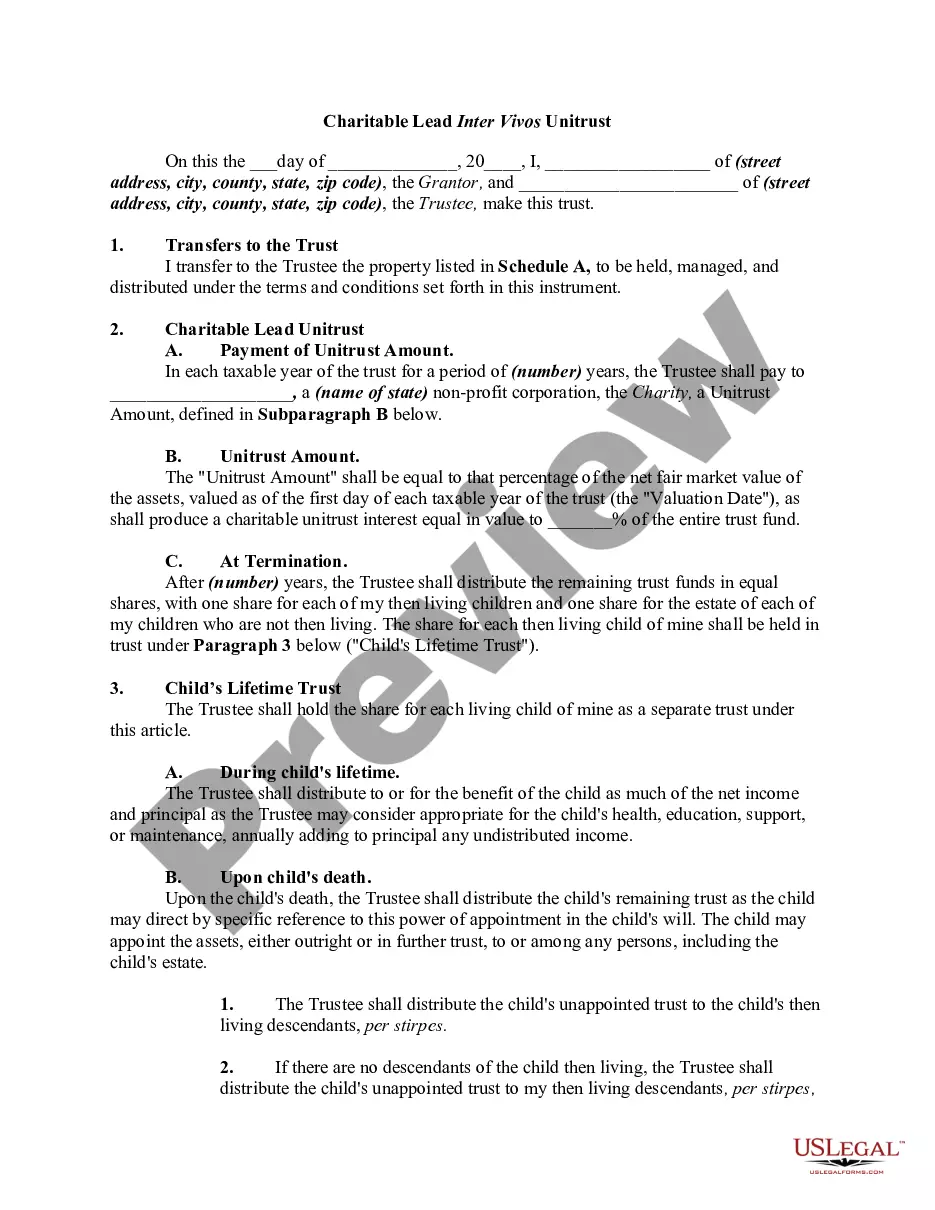
A charitable remainder trust (CRT) allows for income payments to the donor or beneficiaries before the remainder goes to charity, while a charitable lead trust (CLT) pays income to a charity for a specified term, with the remaining assets going to non-charitable beneficiaries. Both serve different financial and philanthropic objectives, and a Charitable remainder agreement form trust for historic preservation can illustrate how to structure donations effectively to support preservation initiatives.
The main difference lies in the income structure: a traditional charitable remainder trust offers either a fixed payment or a variable payment, while a Charitable Remainder Unitrust (CRUT) pays a percentage of the trust's value, recalculated annually. Both options allow for charitable deductions and support causes like historic preservation, making the Charitable remainder agreement form trust for historic preservation a valuable resource for those considering their philanthropic impact.
Form 8283 is an IRS tax form used by donors who claim a deduction for contributions of property valued at more than $500, which can include a charitable remainder trust. This form requires taxpayers to provide detailed information about the property, along with the intended charitable purposes. Using a Charitable remainder agreement form trust for historic preservation may simplify the process of completing Form 8283 for your tax benefits.
No, a charitable remainder trust can be established as either a standard trust or a Unitrust. A Charitable Remainder Unitrust (CRUT) offers a variable income, based on a percentage of the trust's assets, while a Charitable Remainder Annuity Trust (CRAT) provides a fixed income amount. Both options serve distinct financial and philanthropic goals, which the Charitable remainder agreement form trust for historic preservation can effectively support.
Advised Fund (DAF) allows donors to make contributions, receive immediate tax benefits, and recommend grants to charitable organizations over time. In contrast, a Charitable Remainder Trust (CRT) provides a fixed or variable income stream to the donor or beneficiaries, with the remainder going to charity after a specified period. The Charitable remainder agreement form trust for historic preservation focuses on allowing individuals to support preservation efforts while potentially receiving tax advantages and income.
To form a charitable remainder trust, begin by consulting with a tax advisor or an attorney to understand your options. Draft a charitable remainder agreement form trust for historic preservation that outlines your contributions and beneficiaries. After that, fund the trust according to your plan and ensure all IRS requirements are met to maintain its compliance.
Currently, Form 5227 cannot be filed electronically directly with the IRS; it must be submitted by mail. However, using tax software may help you fill it out and organize your information efficiently. As you handle your charitable remainder agreement form trust for historic preservation, remember to allow enough time for postal delivery.