Charitable Agreement Trust With Ira
Description
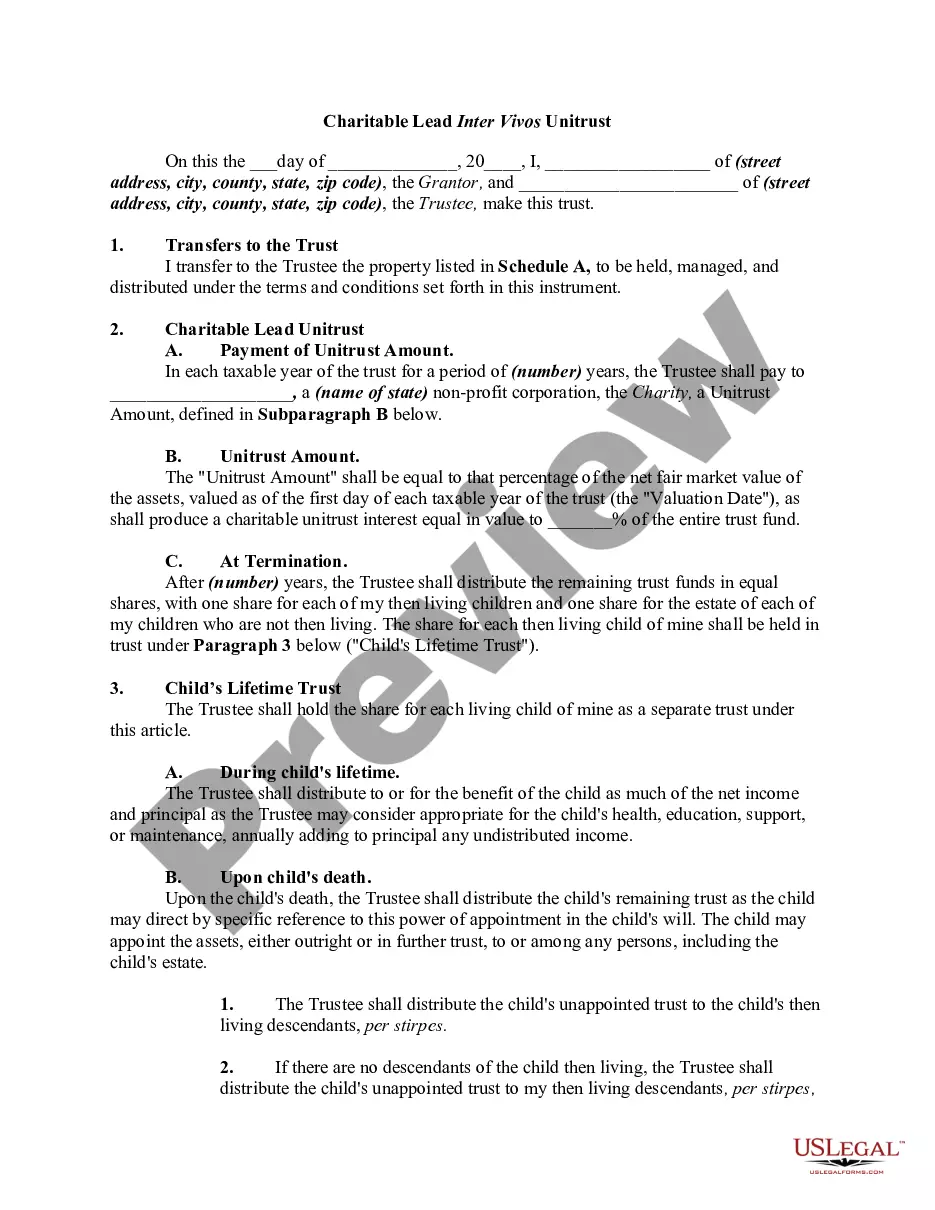
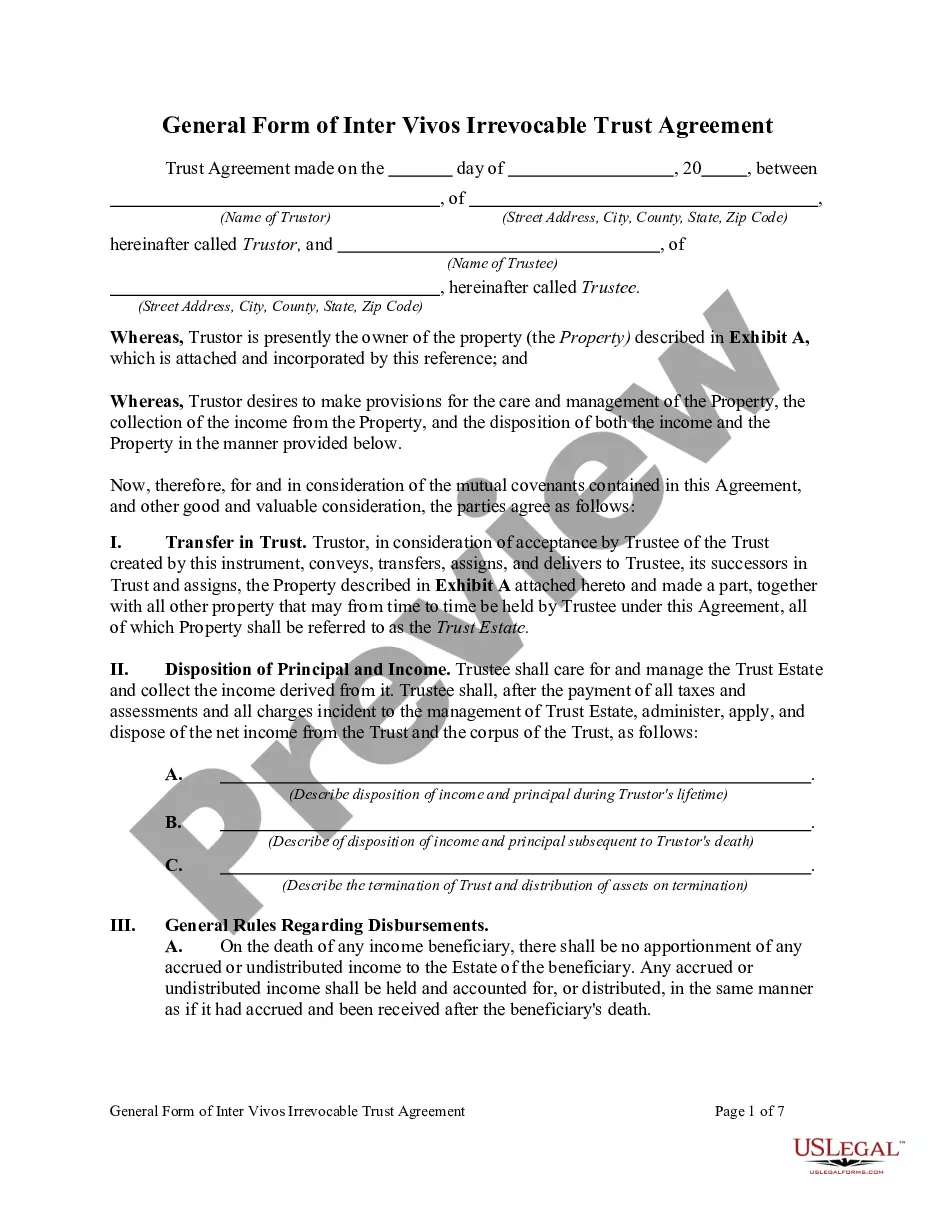
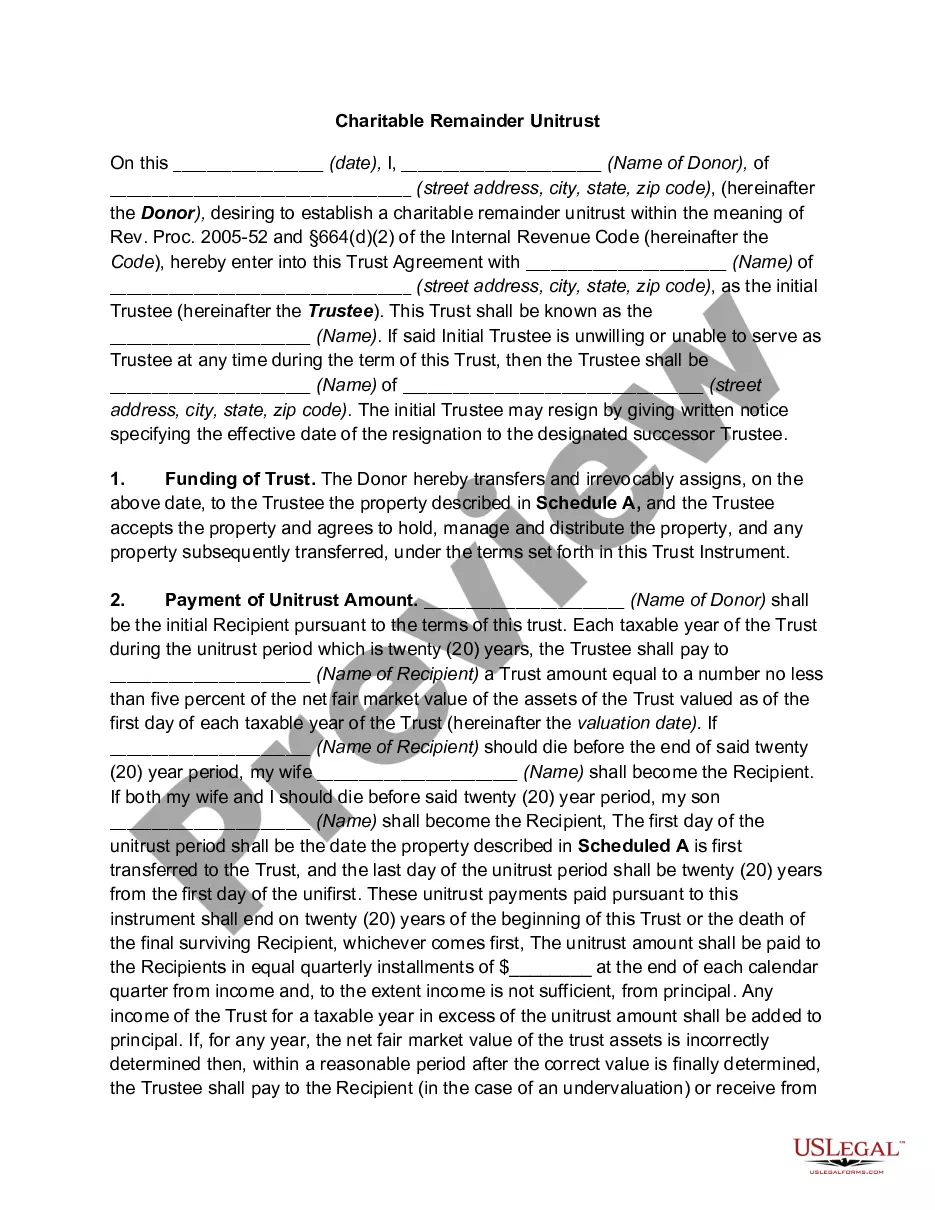
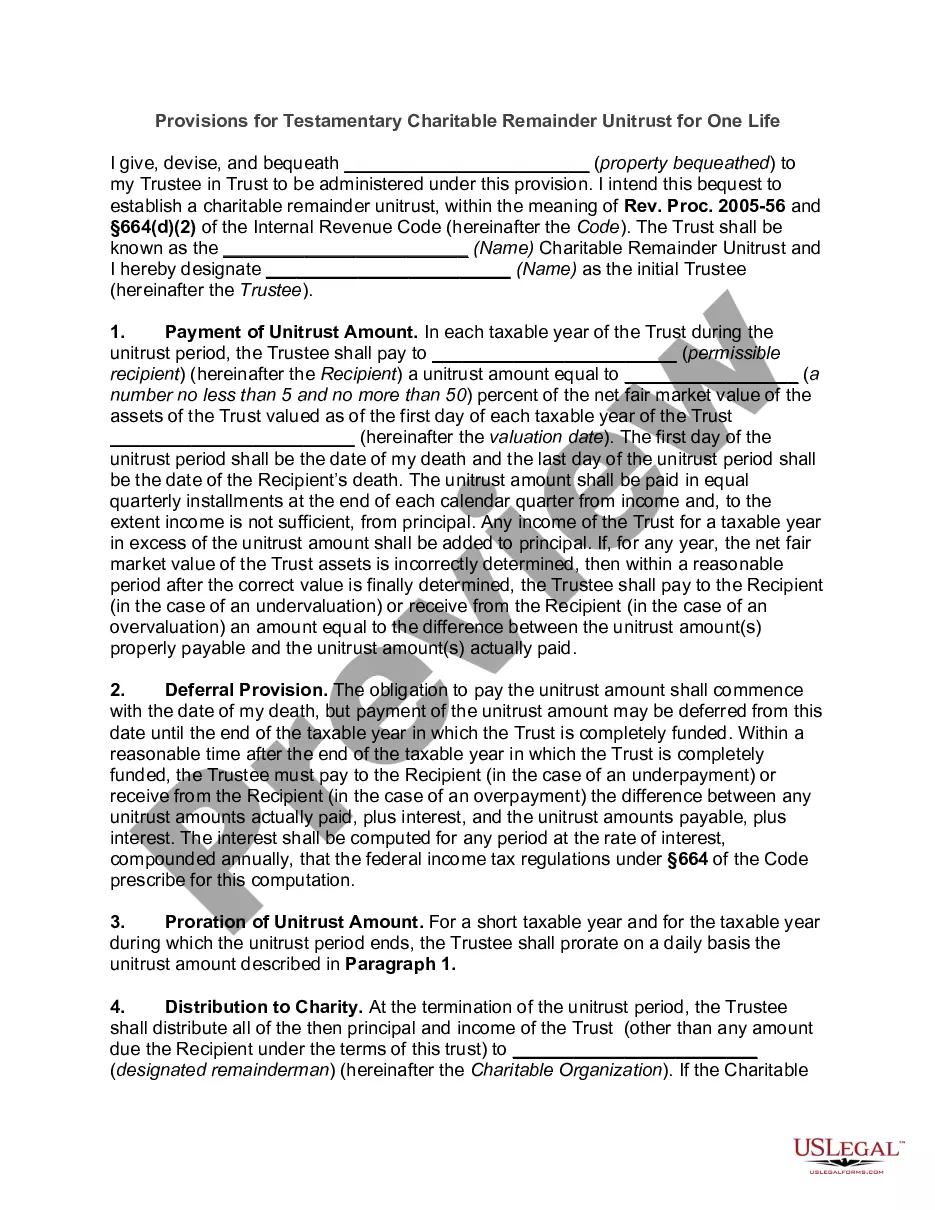
Get your form ready online
Our built-in tools help you complete, sign, share, and store your documents in one place.
Make edits, fill in missing information, and update formatting in US Legal Forms—just like you would in MS Word.
Download a copy, print it, send it by email, or mail it via USPS—whatever works best for your next step.
Sign and collect signatures with our SignNow integration. Send to multiple recipients, set reminders, and more. Go Premium to unlock E-Sign.
If this form requires notarization, complete it online through a secure video call—no need to meet a notary in person or wait for an appointment.
We protect your documents and personal data by following strict security and privacy standards.

Make edits, fill in missing information, and update formatting in US Legal Forms—just like you would in MS Word.

Download a copy, print it, send it by email, or mail it via USPS—whatever works best for your next step.

Sign and collect signatures with our SignNow integration. Send to multiple recipients, set reminders, and more. Go Premium to unlock E-Sign.

If this form requires notarization, complete it online through a secure video call—no need to meet a notary in person or wait for an appointment.

We protect your documents and personal data by following strict security and privacy standards.
Looking for another form?



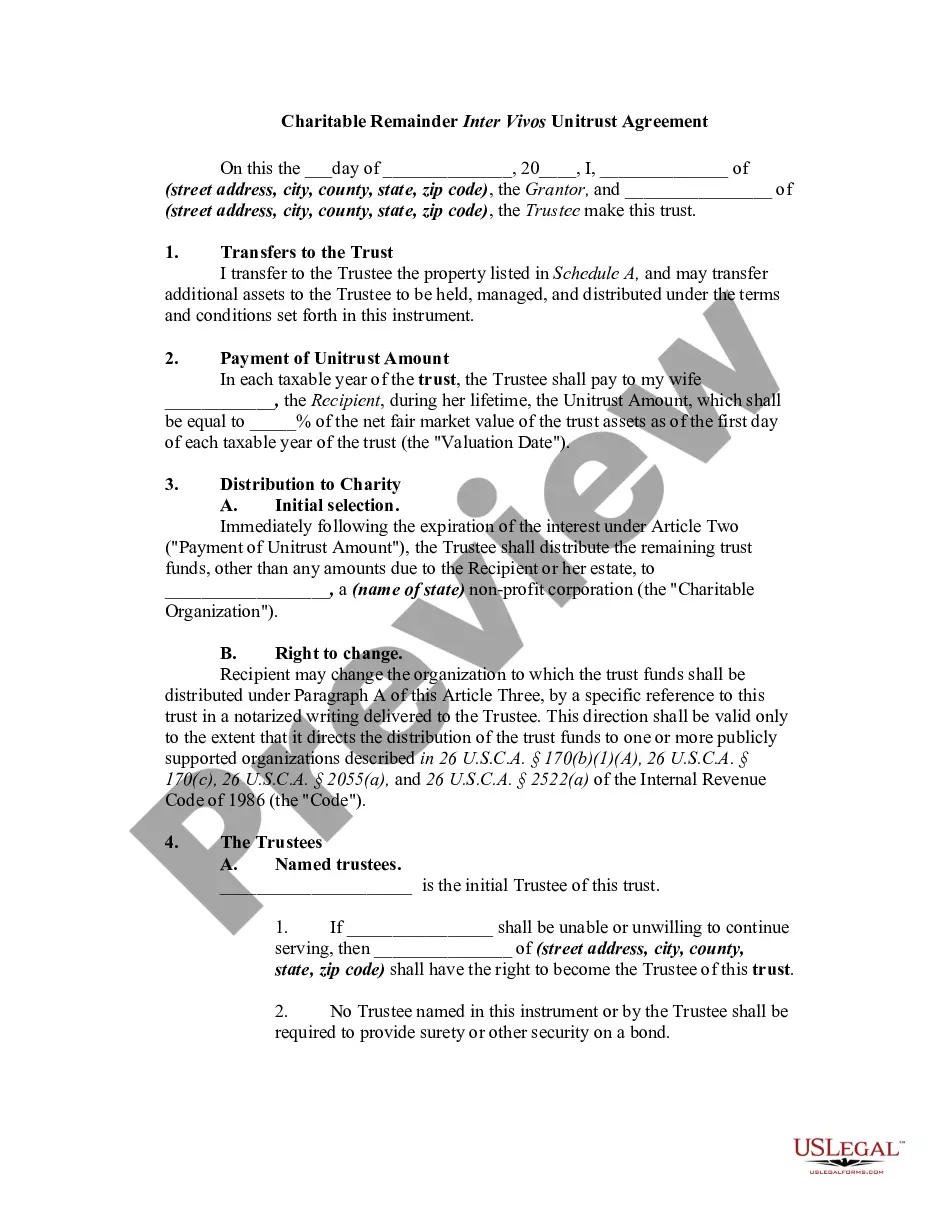
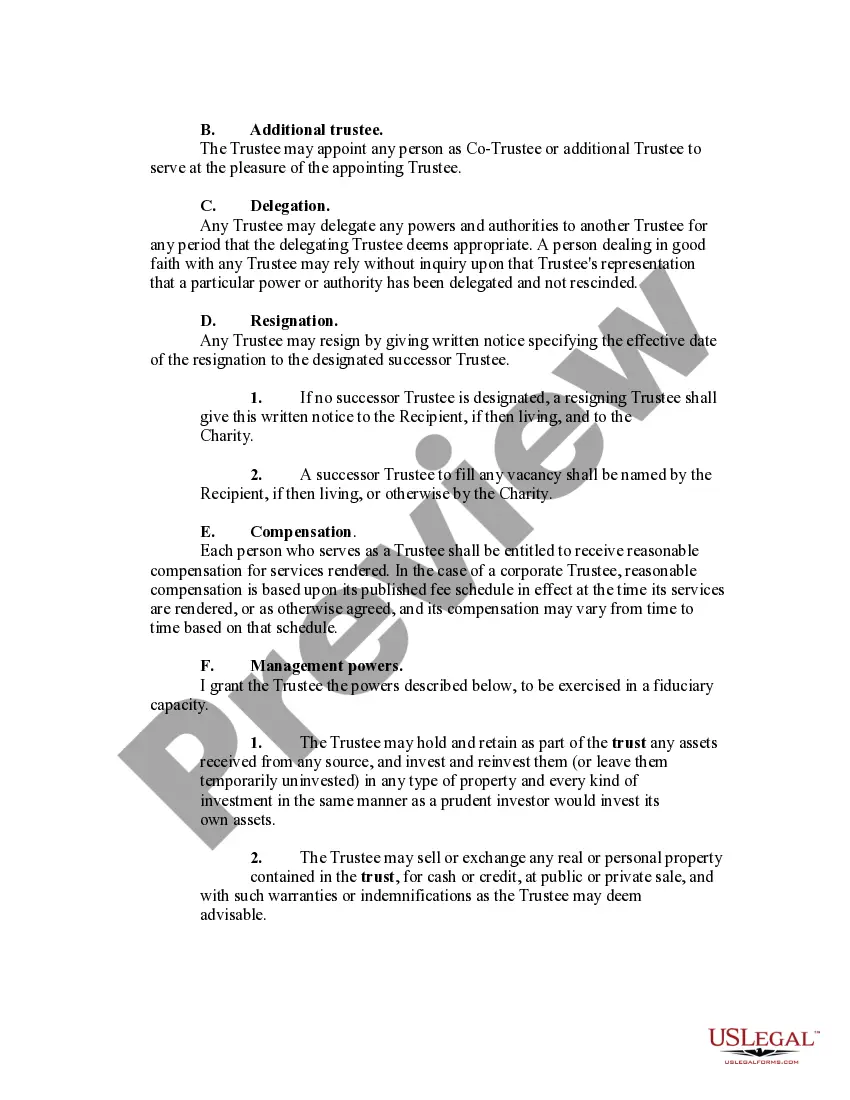
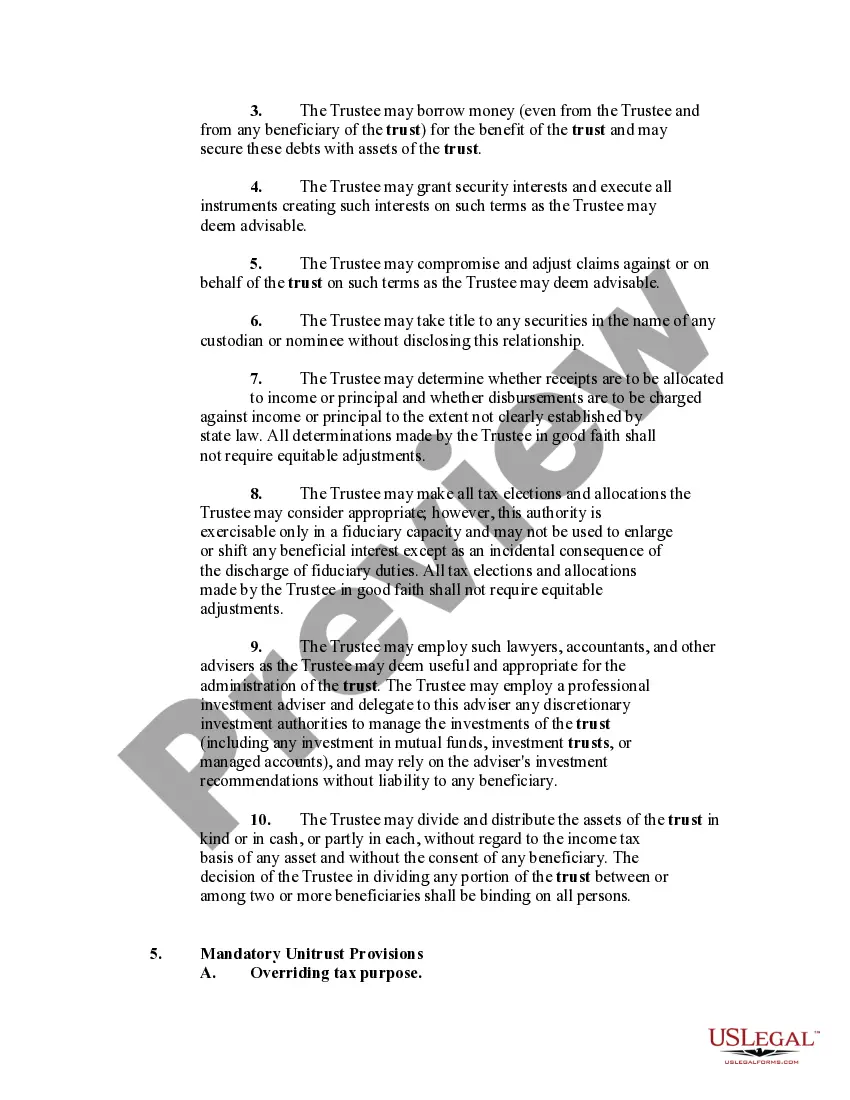
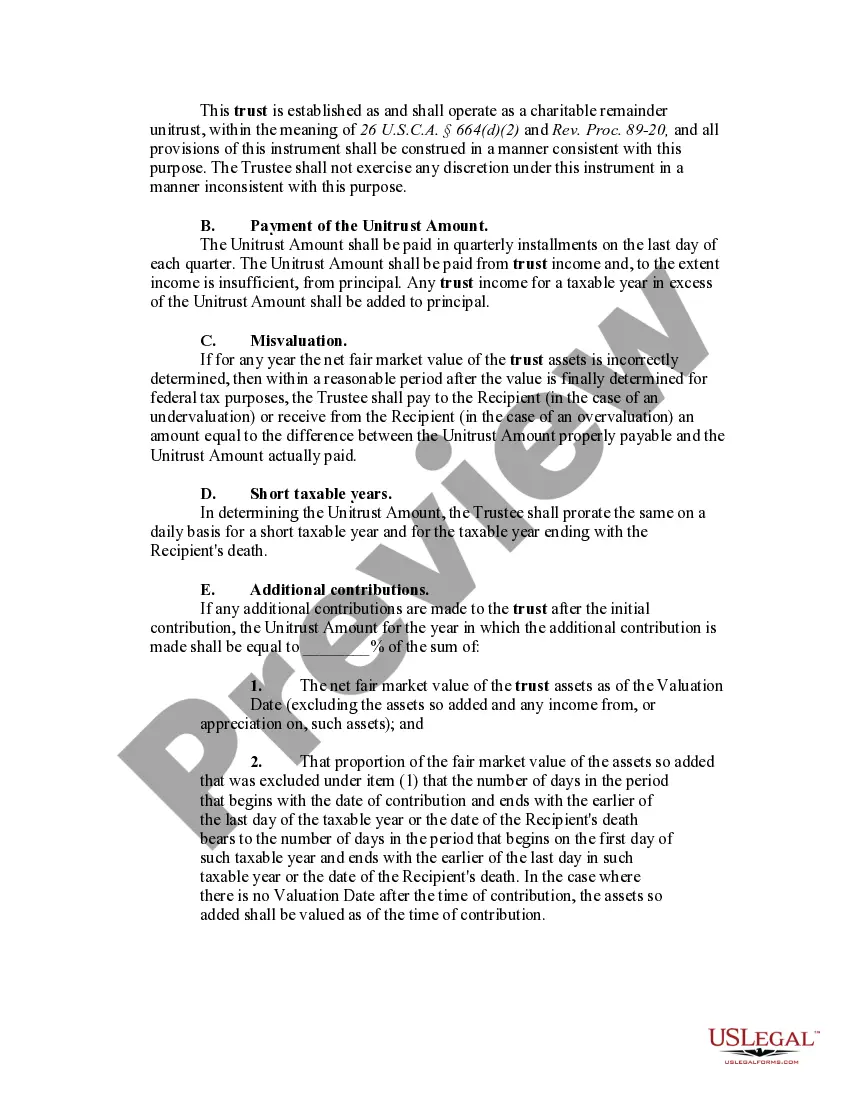
How to fill out Charitable Remainder Inter Vivos Unitrust Agreement?
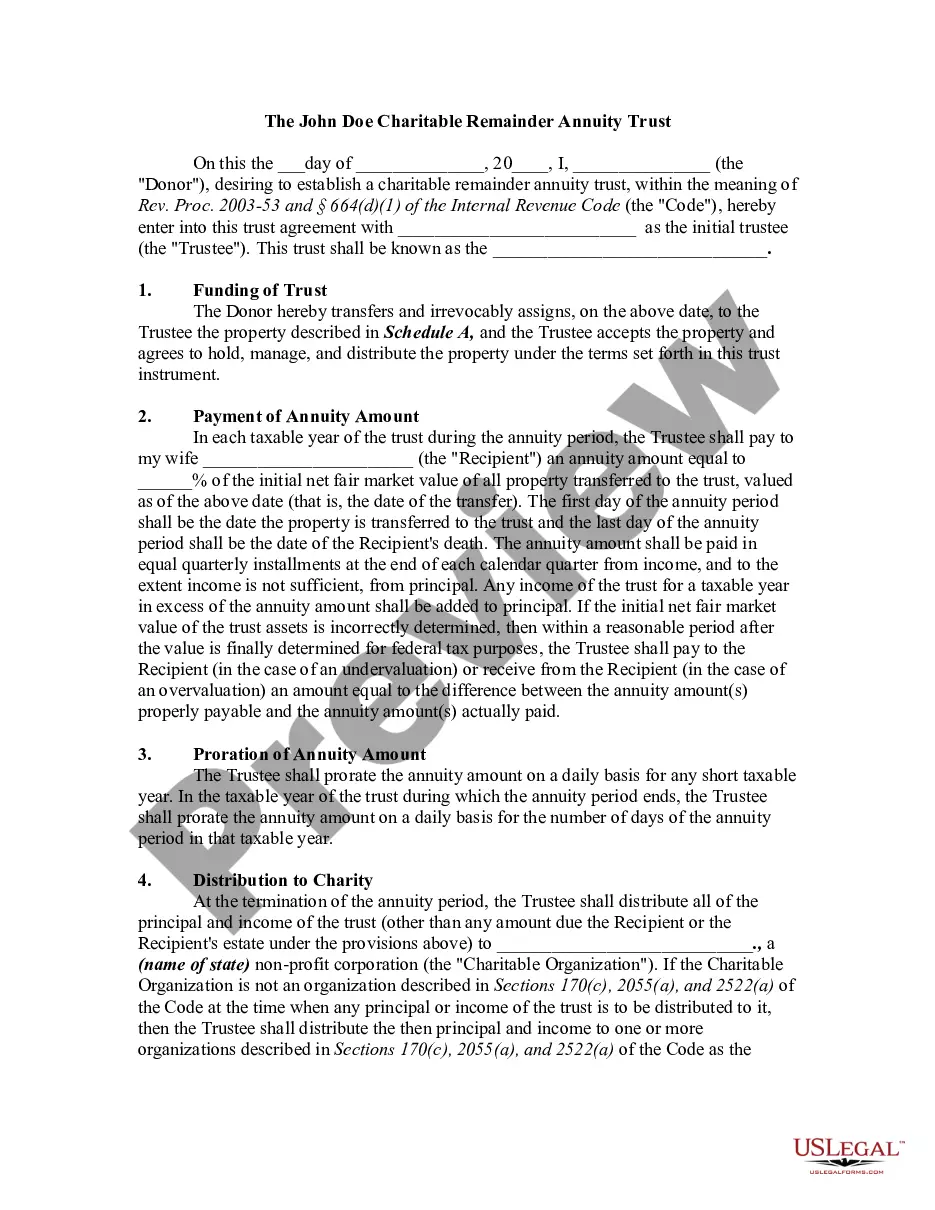
The Charitable Agreement Trust With Ira displayed on this webpage is a versatile formal template created by qualified attorneys in line with federal and state statutes and regulations.
For over 25 years, US Legal Forms has supplied individuals, enterprises, and legal experts with more than 85,000 validated, state-specific forms for any business and personal event. It’s the quickest, most straightforward, and most dependable way to secure the documentation you require, as the service ensures the utmost level of data security and protection against malware.
Subscribe to US Legal Forms to have authenticated legal templates for all of life's situations readily available.
- Search for the document you require and verify it.
- Browse through the file you searched and preview it or check the form details to confirm it suits your requirements. If it doesn’t, use the search bar to find the appropriate one. Click Buy Now once you have found the template you need.
- Register and Log In.
- Choose the pricing option that works for you and create an account. Use PayPal or a credit card to make a swift payment. If you already possess an account, Log In and review your subscription to proceed.
- Acquire the fillable template.
- Select the format you prefer for your Charitable Agreement Trust With Ira (PDF, Word, RTF) and download the sample onto your device.
- Fill out and sign the documentation.
- Print the template to complete it by hand. Alternatively, utilize an online multifunctional PDF editor to quickly and accurately fill out and sign your form with an electronic signature.
- Redownload your documents.
- Use the same document again whenever necessary. Access the My documents tab in your profile to rediscover any forms you previously purchased.
Form popularity
FAQ
A trust can indeed hold IRA assets and investments. Here's how it works: An IRA owner creates a trust. This trust is named as the beneficiary of the IRA, so if there is a remaining account balance when the account owner dies, these funds will pass to the trust instead of a direct heir.
You cannot put your individual retirement account (IRA) in a trust while you are living. You can, however, name a trust as the beneficiary of your IRA and dictate how the assets are to be handled after your death. This applies to all types of IRAs, including traditional, Roth, SEP, and SIMPLE IRAs.
To report a qualified charitable distribution on your Form 1040 tax return, you generally report the full amount of the charitable distribution on the line for IRA distributions. On the line for the taxable amount, enter zero if the full amount was a qualified charitable distribution. Enter "QCD" next to this line.
IRA owners can fund a CRT by either using their entire IRA distribution or over a period of years. The unitrust is preferred because it allows the owner to make contributions after the first year, and the beneficiary is not required to make withdrawals.
The IRA with its remaining assets does not pass under the terms of your will or trust, but instead passes to whomever you have named in the IRA beneficiary designation. The most common designations are to individuals ? for example, all to a spouse or in equal shares to children.