Agreement Between Partnership Without In Hillsborough
Description

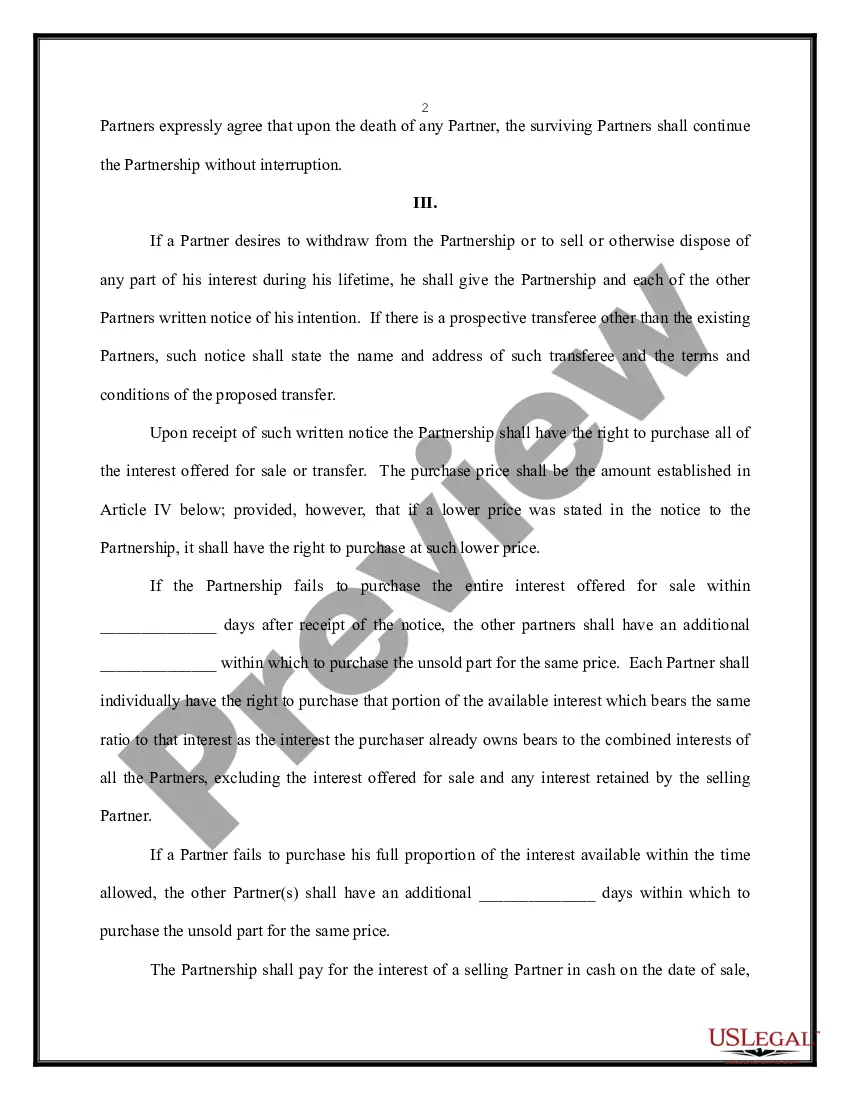
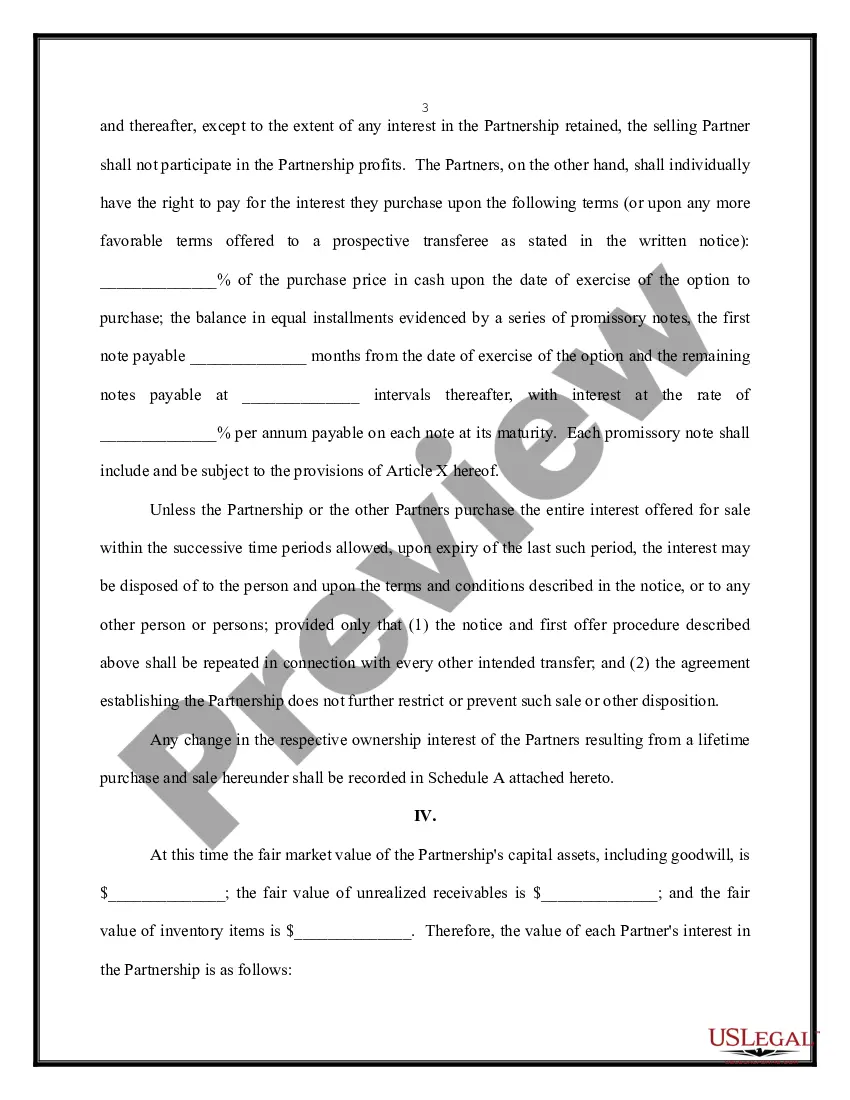
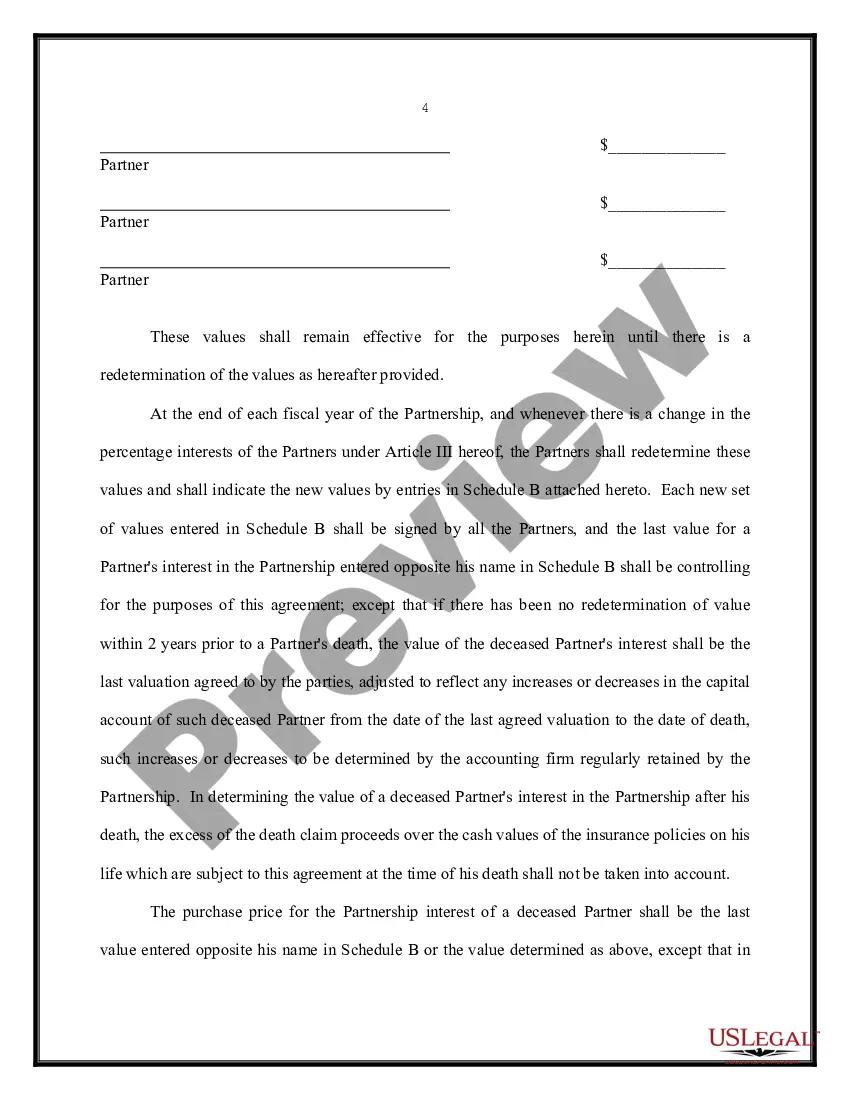
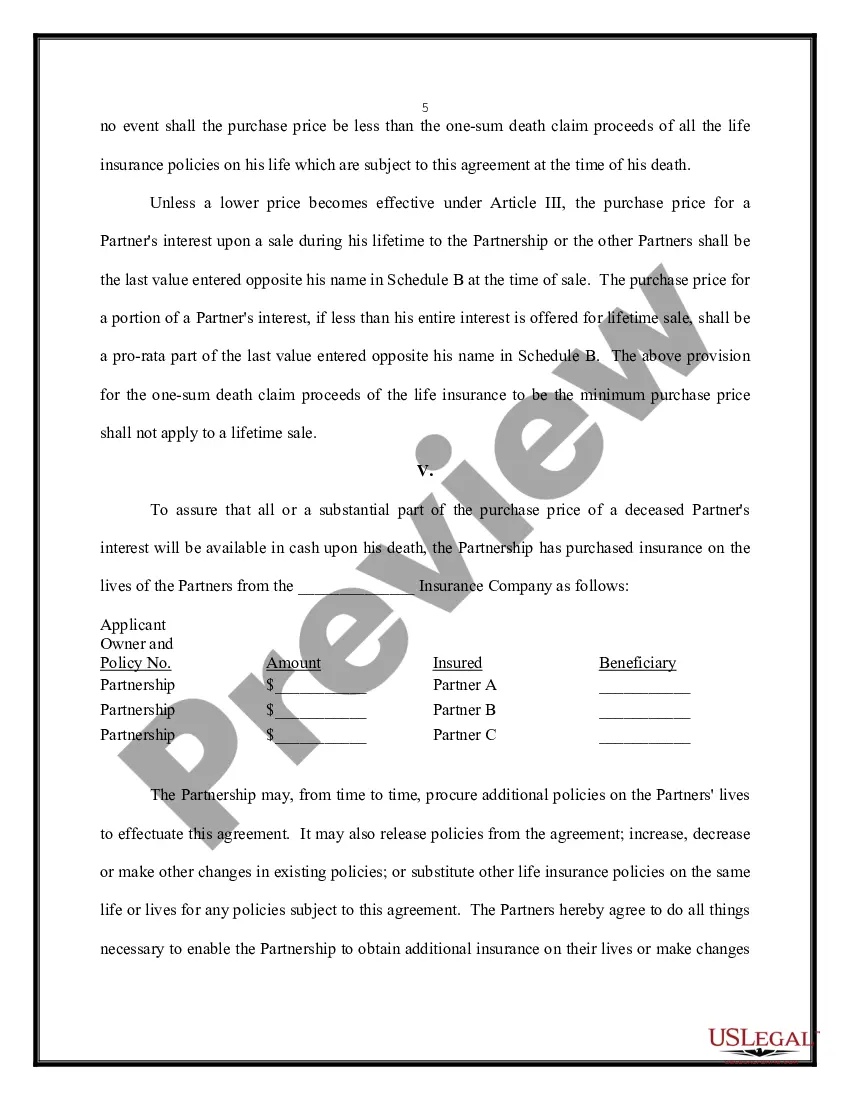
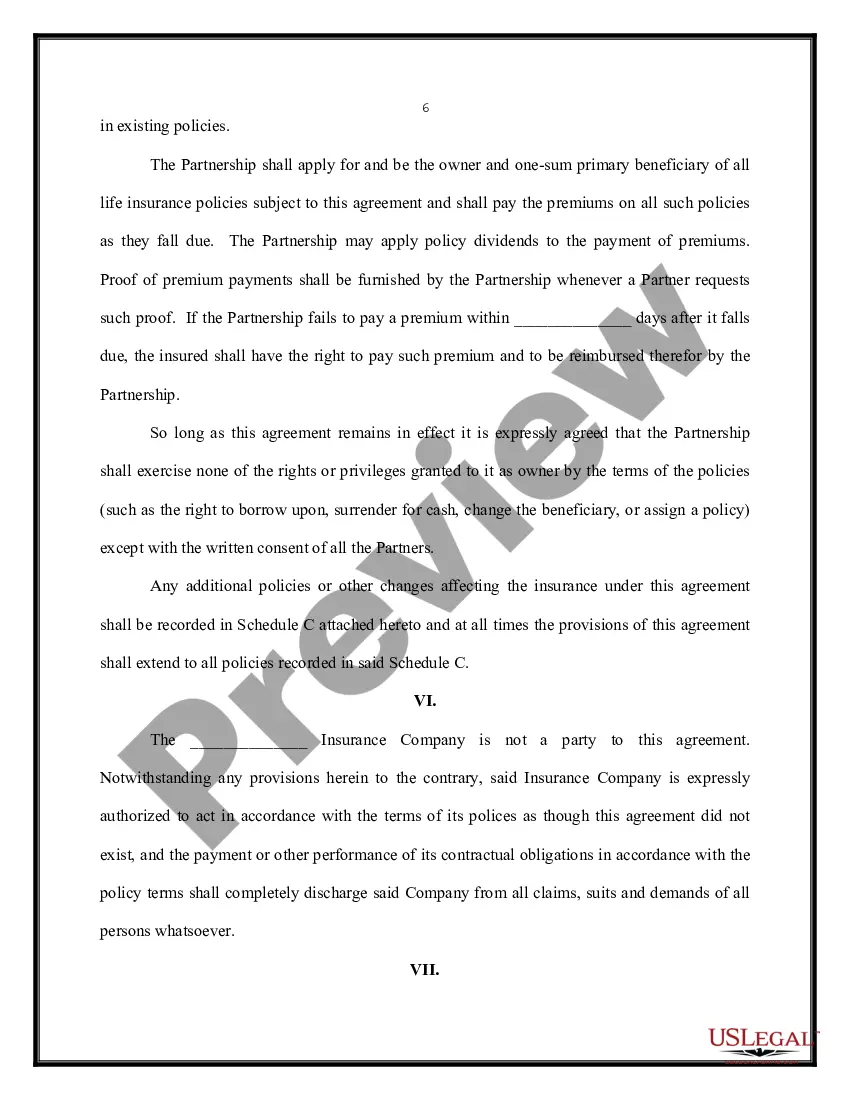
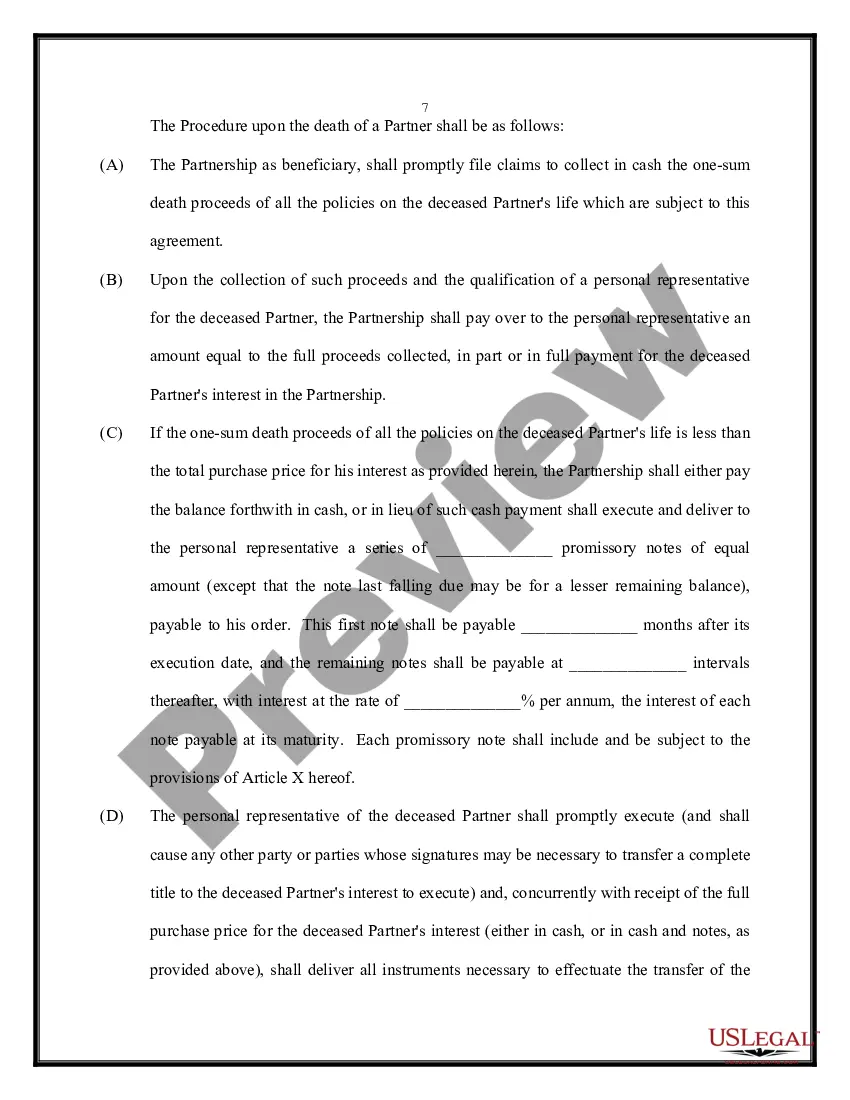
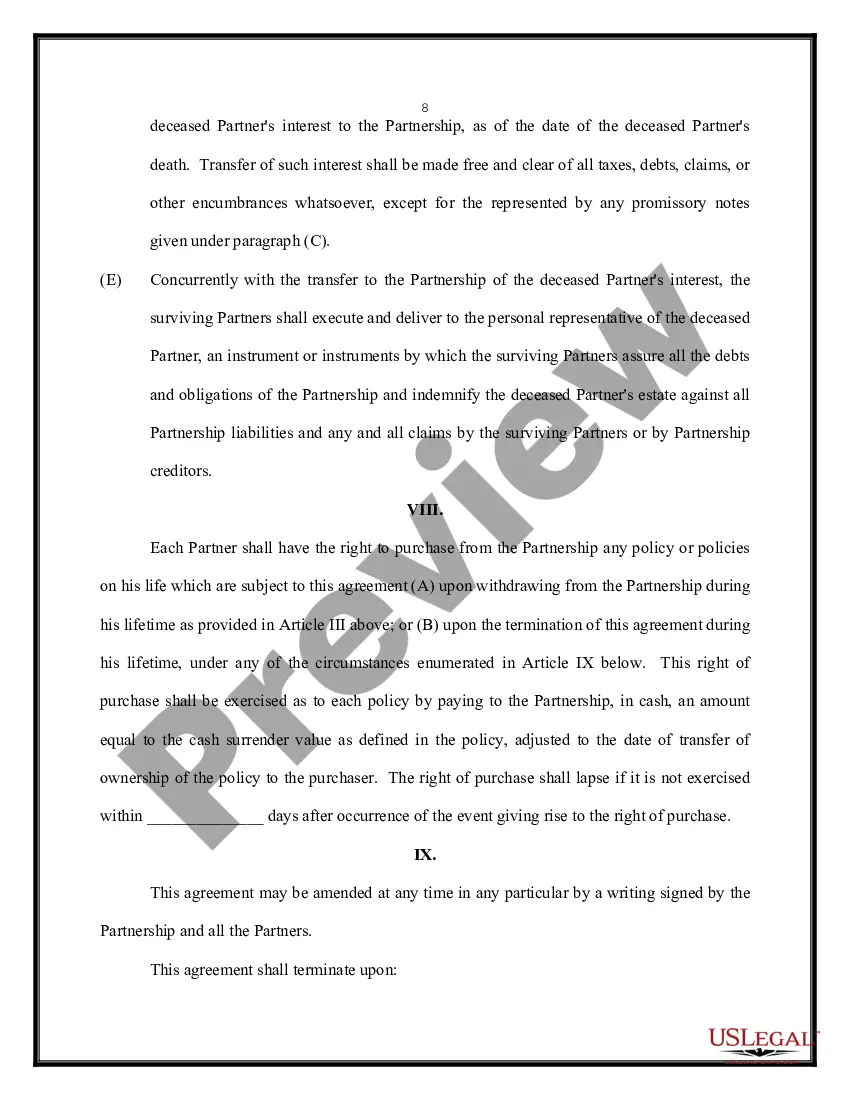
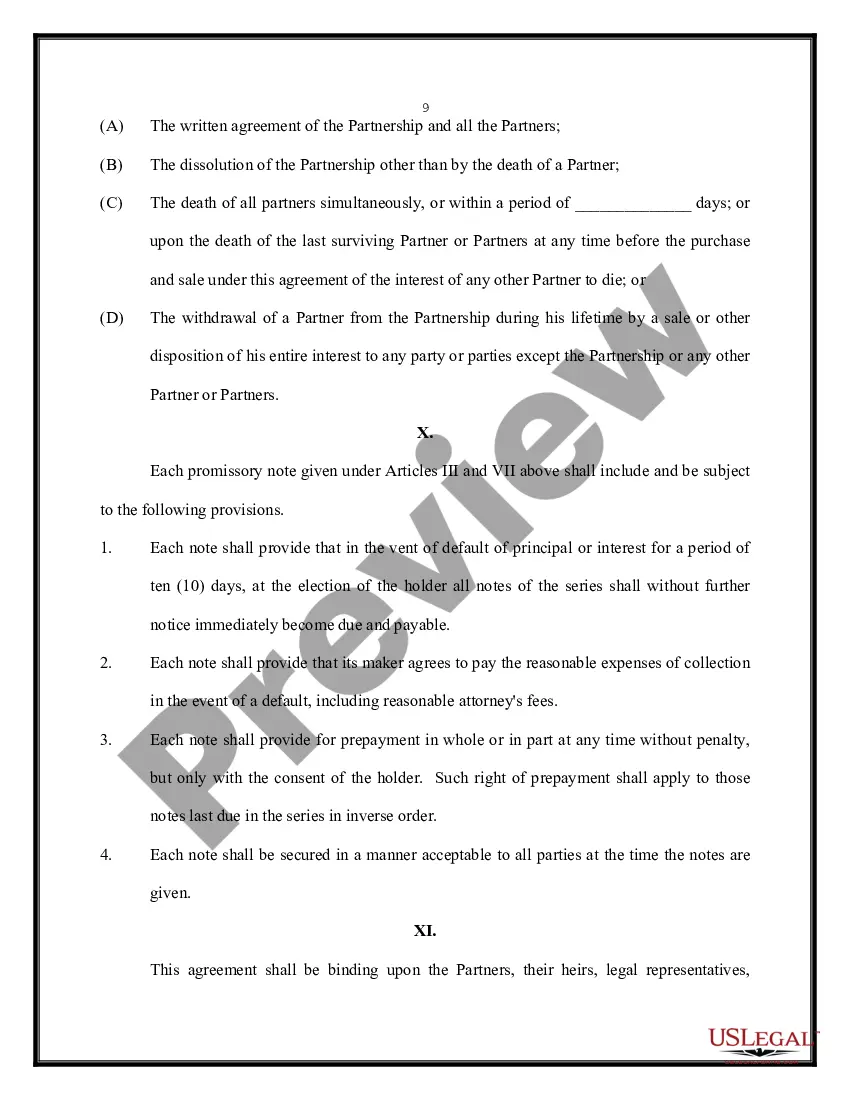
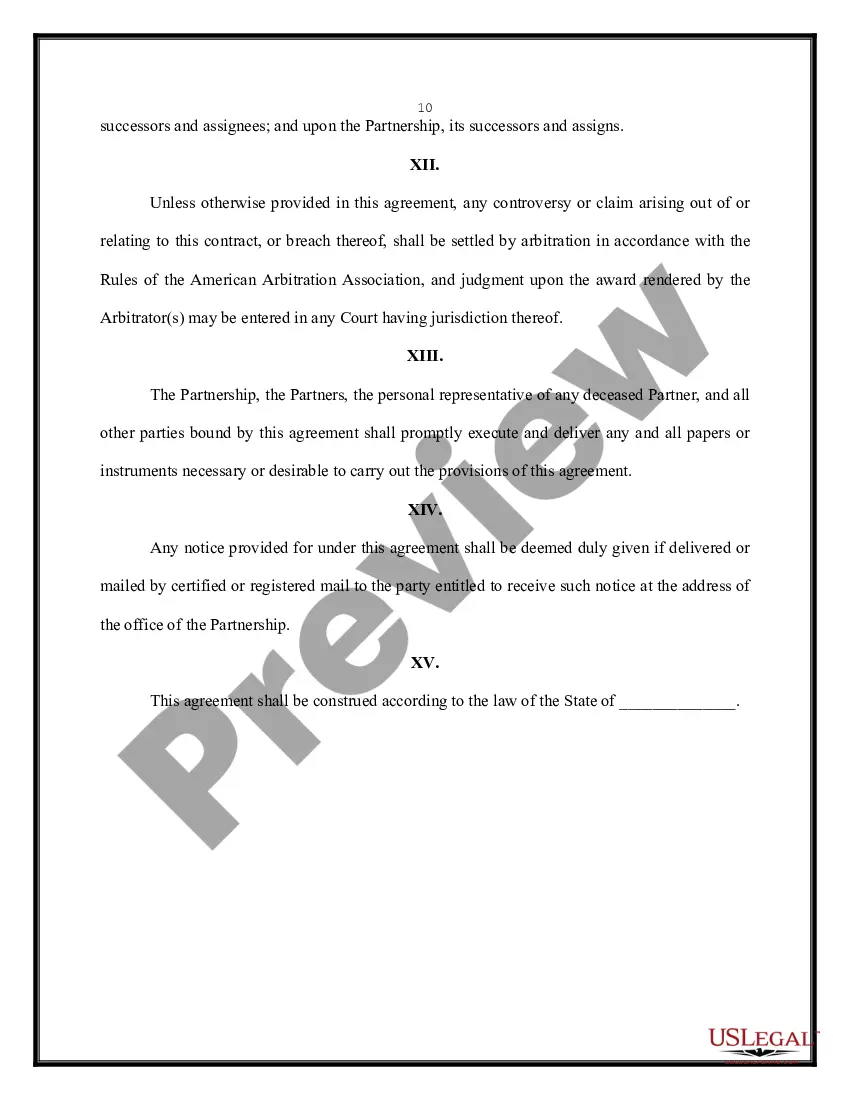


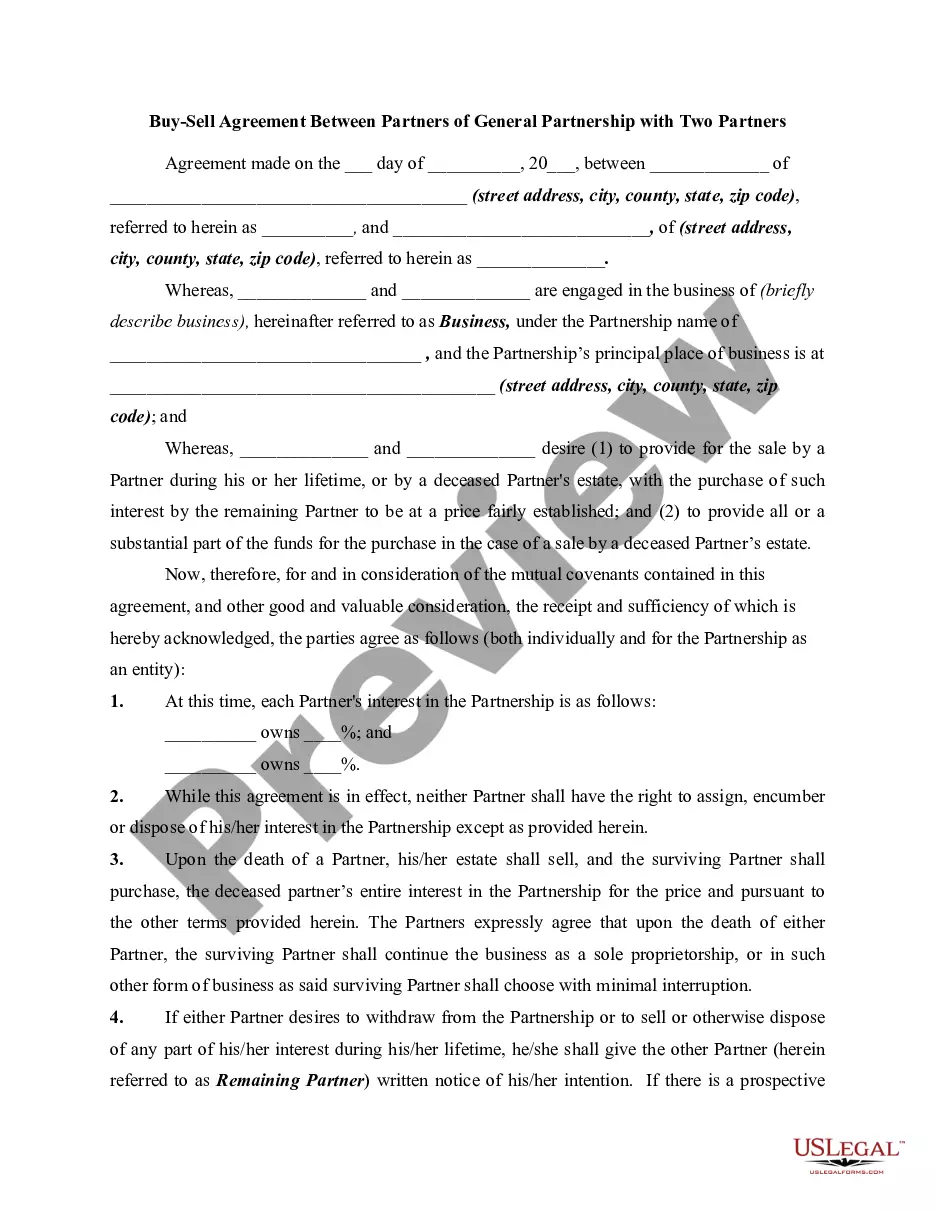
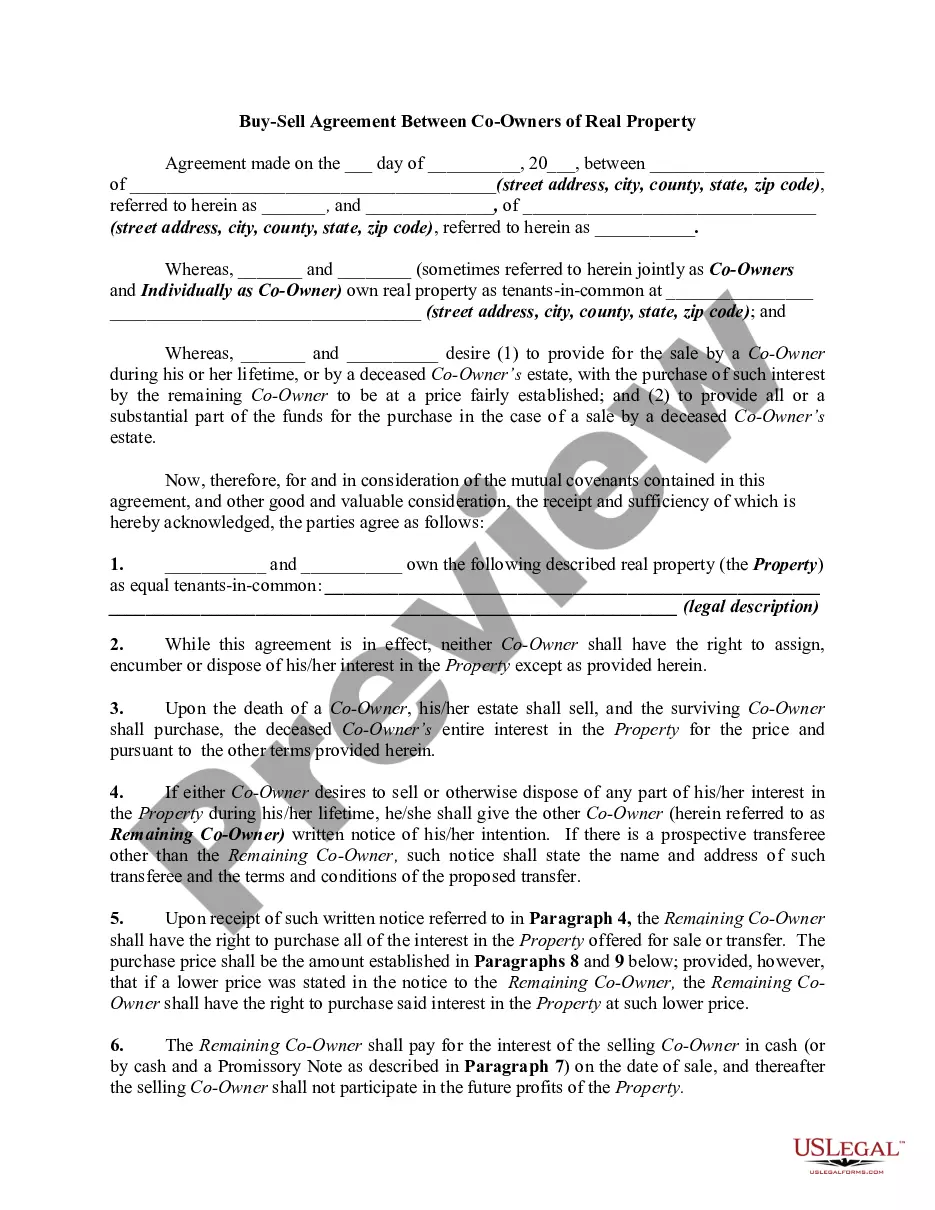
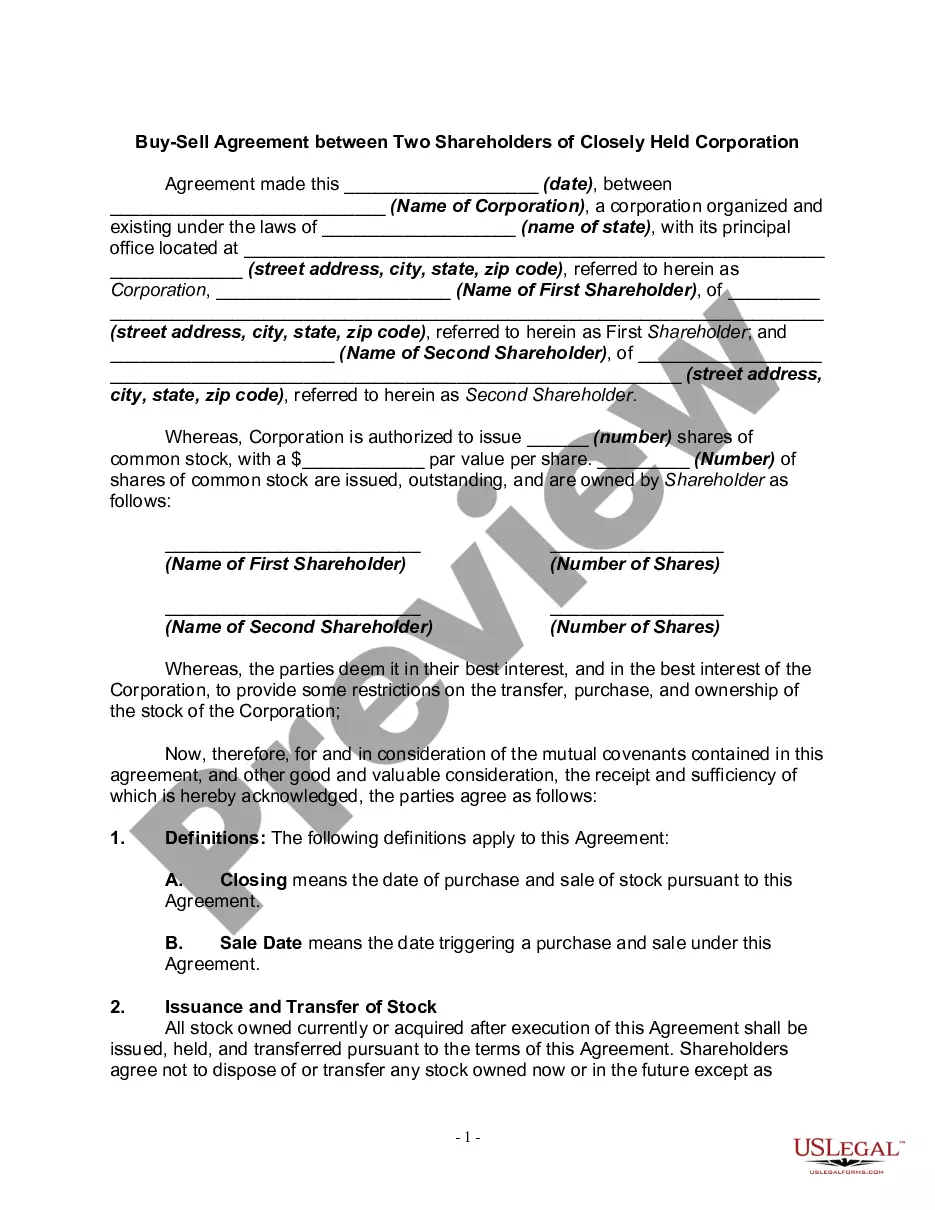
Get your form ready online
Our built-in tools help you complete, sign, share, and store your documents in one place.
Make edits, fill in missing information, and update formatting in US Legal Forms—just like you would in MS Word.
Download a copy, print it, send it by email, or mail it via USPS—whatever works best for your next step.
Sign and collect signatures with our SignNow integration. Send to multiple recipients, set reminders, and more. Go Premium to unlock E-Sign.
If this form requires notarization, complete it online through a secure video call—no need to meet a notary in person or wait for an appointment.
We protect your documents and personal data by following strict security and privacy standards.
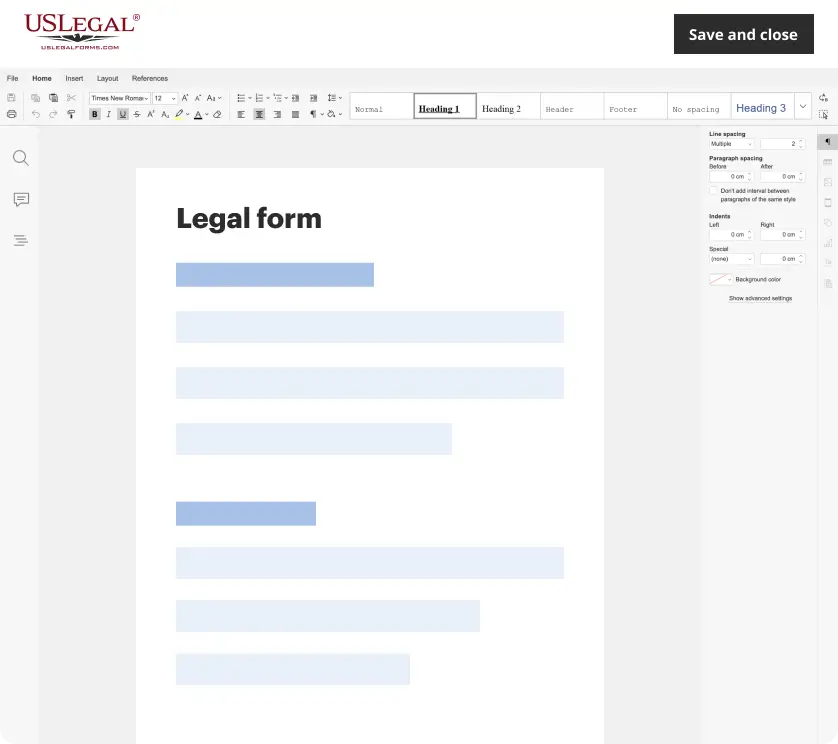
Make edits, fill in missing information, and update formatting in US Legal Forms—just like you would in MS Word.
Download a copy, print it, send it by email, or mail it via USPS—whatever works best for your next step.
Sign and collect signatures with our SignNow integration. Send to multiple recipients, set reminders, and more. Go Premium to unlock E-Sign.
If this form requires notarization, complete it online through a secure video call—no need to meet a notary in person or wait for an appointment.
We protect your documents and personal data by following strict security and privacy standards.
Looking for another form?

Form popularity
FAQ
The legislation is a one size fits all approach — it is beneficial to have a partnership agreement tailored to your specific relationship, intentions and circumstances. Minor disagreements may become insurmountable problems and possibly, result in dissolution of the partnership.
It is not required by law to create a formal Partnership Agreement. However, if business owners enter into a partnership without one, their arrangement will be governed by the Partnership Act 1890 (the “1890 Act”).
What does a Partnership Agreement do? It is not required by law to create a formal Partnership Agreement. However, if business owners enter into a partnership without one, their arrangement will be governed by the Partnership Act 1890 (the “1890 Act”).
For example, when there is no partnership agreement specifying the terms on which a partner can leave the business, the partners will have to follow the default rules. Under the default rules, the partnership would need to be dissolved and re-formed when one of the partners wants to leave the business.
Written partnership agreements are not required by law, but whenever you and at least one other person decide to go into business together, you should draft one as soon as possible.
If, as a Partnership, there has been no Partnership Agreement drawn up, the default provisions may come as a surprise, including to some of the actual Partners! Examples of some default provisions of the Act include: Partners must share equally in capital and profits (regardless of their initial capital contributions);
Because partners can legally bind each other, it is critical to sign a partnership agreement. And there are a number of important clauses that should be included in a partnership agreement.
A partnership must be a result of an agreement between two or more individuals. The agreement must be built to share the profits obtained from the business. The business must be run by all or any of them representing the rest.
How to Write a Partnership Agreement Define Partnership Structure. Outline Capital Contributions and Ownership. Detail Profit, Loss, and Distribution Arrangements. Set Decision-Making and Management Protocols. Plan for Changes and Contingencies. Include Legal Provisions and Finalize the Agreement.
Without a Partnership Agreement, your options are very limited. You accept anything your partner is willing to give you, or you can dissolve the business. That's about it for options. Sure, you can try to sell your stake in the business, but few people will be willing to step into a partnership with a hostile partner.
