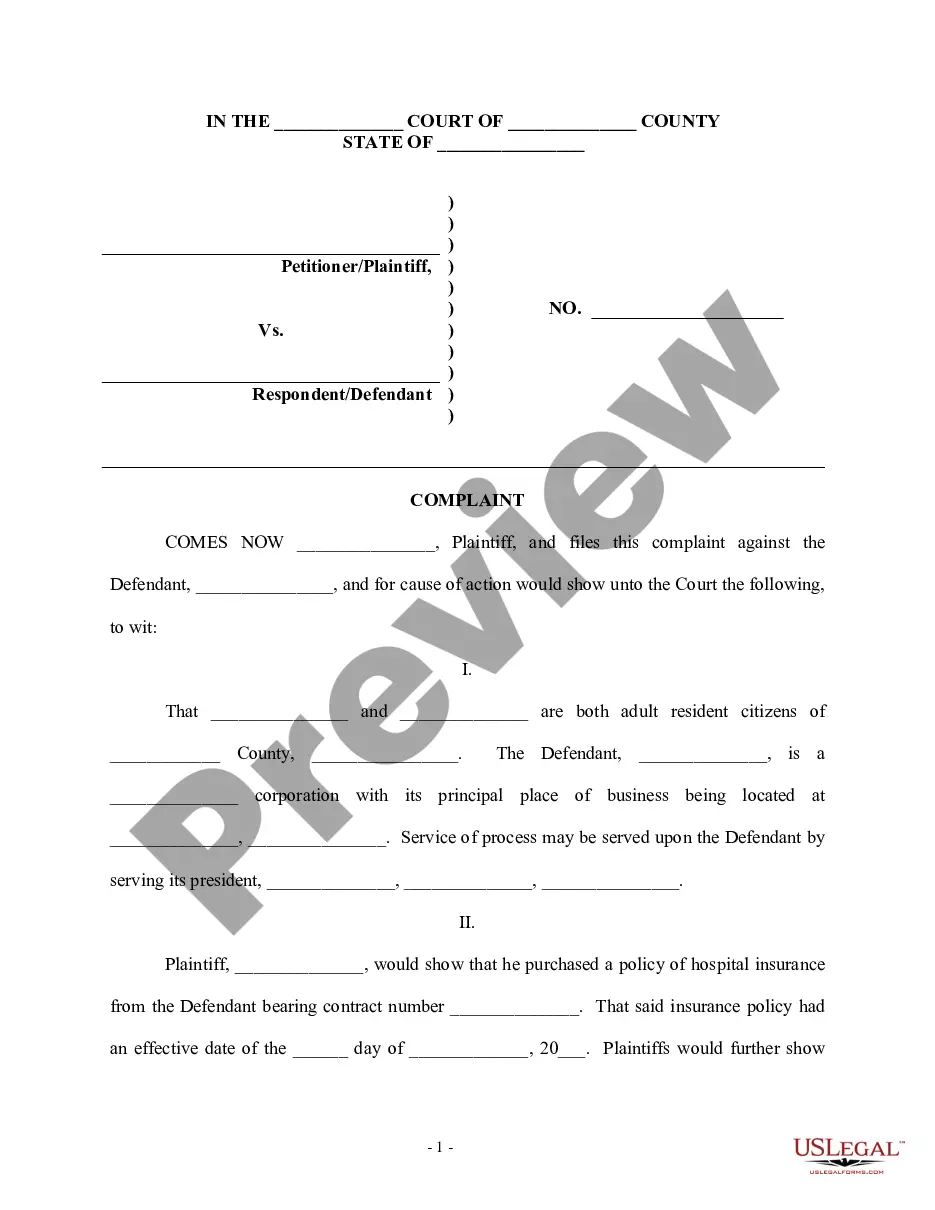
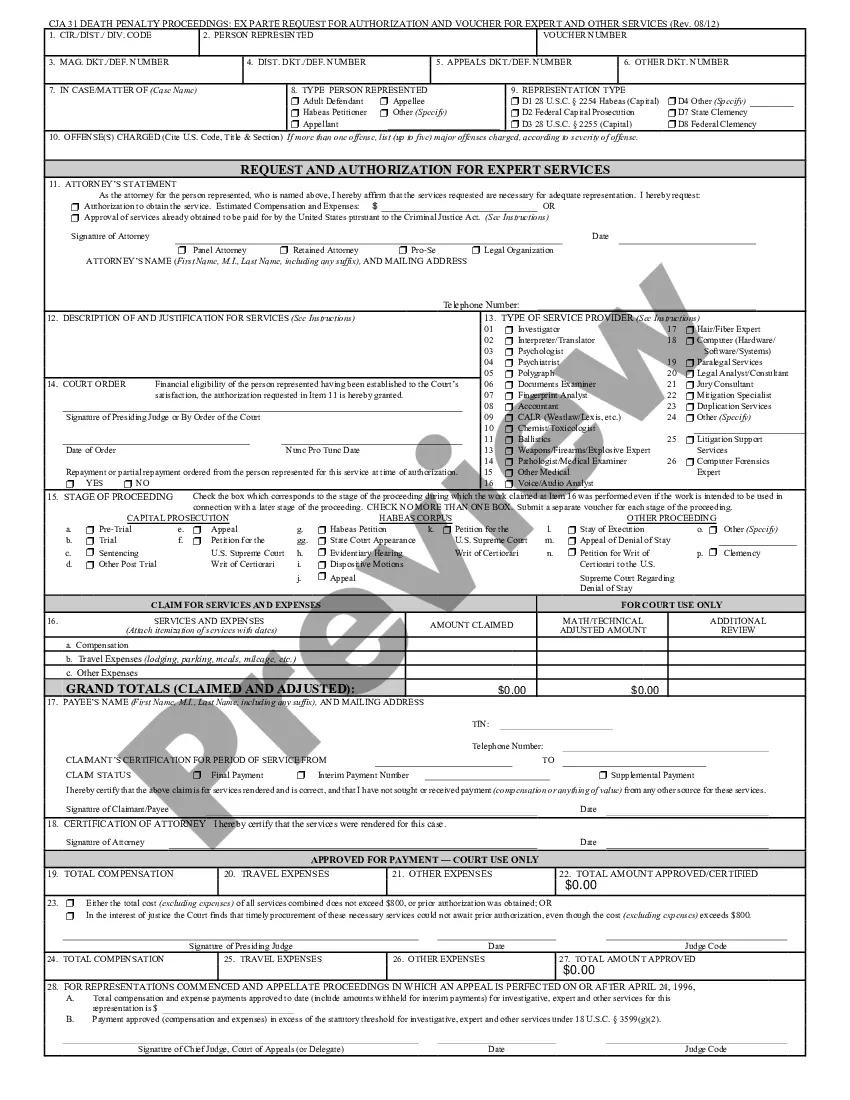
Complaint Waived File Format In San Diego
Description




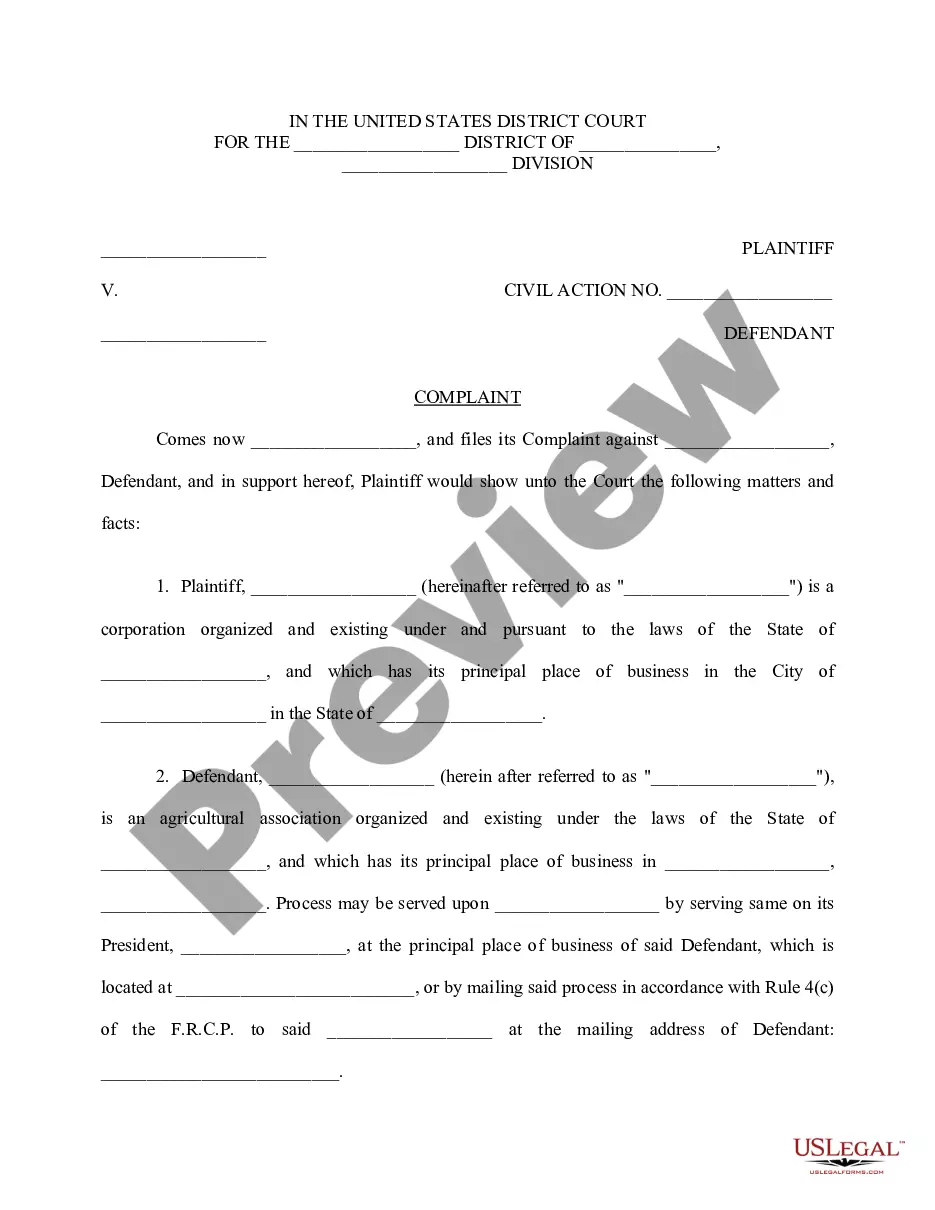
Get your form ready online
Our built-in tools help you complete, sign, share, and store your documents in one place.
Make edits, fill in missing information, and update formatting in US Legal Forms—just like you would in MS Word.
Download a copy, print it, send it by email, or mail it via USPS—whatever works best for your next step.
Sign and collect signatures with our SignNow integration. Send to multiple recipients, set reminders, and more. Go Premium to unlock E-Sign.
If this form requires notarization, complete it online through a secure video call—no need to meet a notary in person or wait for an appointment.
We protect your documents and personal data by following strict security and privacy standards.

Make edits, fill in missing information, and update formatting in US Legal Forms—just like you would in MS Word.

Download a copy, print it, send it by email, or mail it via USPS—whatever works best for your next step.

Sign and collect signatures with our SignNow integration. Send to multiple recipients, set reminders, and more. Go Premium to unlock E-Sign.

If this form requires notarization, complete it online through a secure video call—no need to meet a notary in person or wait for an appointment.

We protect your documents and personal data by following strict security and privacy standards.
Looking for another form?

Form popularity
FAQ
(d) Timing of responsive pleadings The parties may stipulate without leave of court to one 15-day extension beyond the 30-day time period prescribed for the response after service of the initial complaint.
Electronic filing (e-Filing) for unlimited, limited, complex civil, unlawful detainers and small claims cases will start as optional with the anticipation of e-Filing being mandated for attorneys and represented parties effective September 1, 2021, unless there is an exemption.
If the defendant didn't file a response by the deadline, the next day you can ask the court to end their chance to respond and to rule in your favor. This is called asking for entry of a default. You should file this within 10 days after the deadline to respond passed. California Rules of Court 3.110(g).
If USCIS denies your I-601A, it might send you a Notice to Appear (NTA) for a deportation hearing. Under current USCIS policies, an NTA is issued when an immigration benefit is denied to an alien who is unlawfully present in the U.S, which includes most people who apply for I-601A waivers.
