District of Columbia Letter from Tenant to Landlord about Sexual Harassment
What this document covers
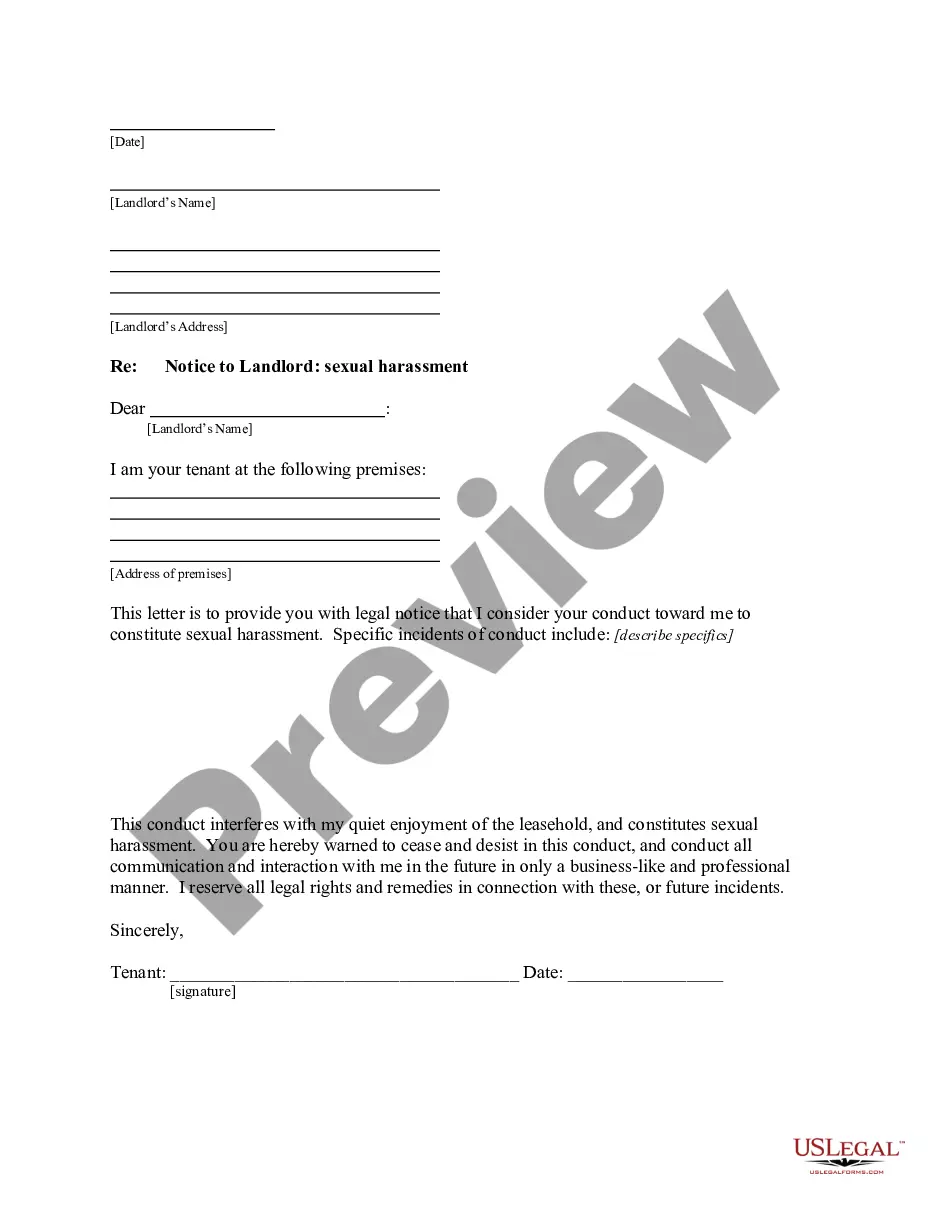
This form is a Letter from Tenant to Landlord about Sexual Harassment. It serves to formally notify the landlord of inappropriate and illegal conduct towards the tenant. This letter not only outlines the tenant's experience but also demands that the landlord cease such conduct to ensure a respectful and business-like relationship moving forward. It is vital to address incidents of harassment promptly and clearly to uphold tenants' rights and ensure their quiet enjoyment of the premises.
Form components explained
- Identification of the tenant and landlord involved.
- A detailed account of the harassing behavior.
- A statement emphasizing the illegality of the landlord's actions.
- A clear warning to the landlord to stop the harassment.
- Instructions on how the landlord ought to communicate with the tenant.
- Space for tenant signatures and date of delivery.

When to use this form
This letter should be used when a tenant experiences sexual harassment or inappropriate behavior from their landlord. It is an essential step for tenants who wish to formally communicate their discomfort and assert their rights. This form is particularly useful before pursuing further legal action or complaints to housing authorities.
Who can use this document
The following individuals may benefit from this form:
- Tenants who have experienced sexual harassment from their landlords.
- Individuals seeking to document inappropriate conduct by a landlord.
- Anyone needing to communicate formally about their living conditions in rental properties.
Completing this form step by step
- Identify the parties by providing the names of the tenant and landlord.
- Clearly describe the incidents of harassment experienced.
- State the legal ramifications of the landlord's behavior.
- Indicate a request for the landlord to cease all harassing conduct.
- Sign and date the letter to formalize the notice.
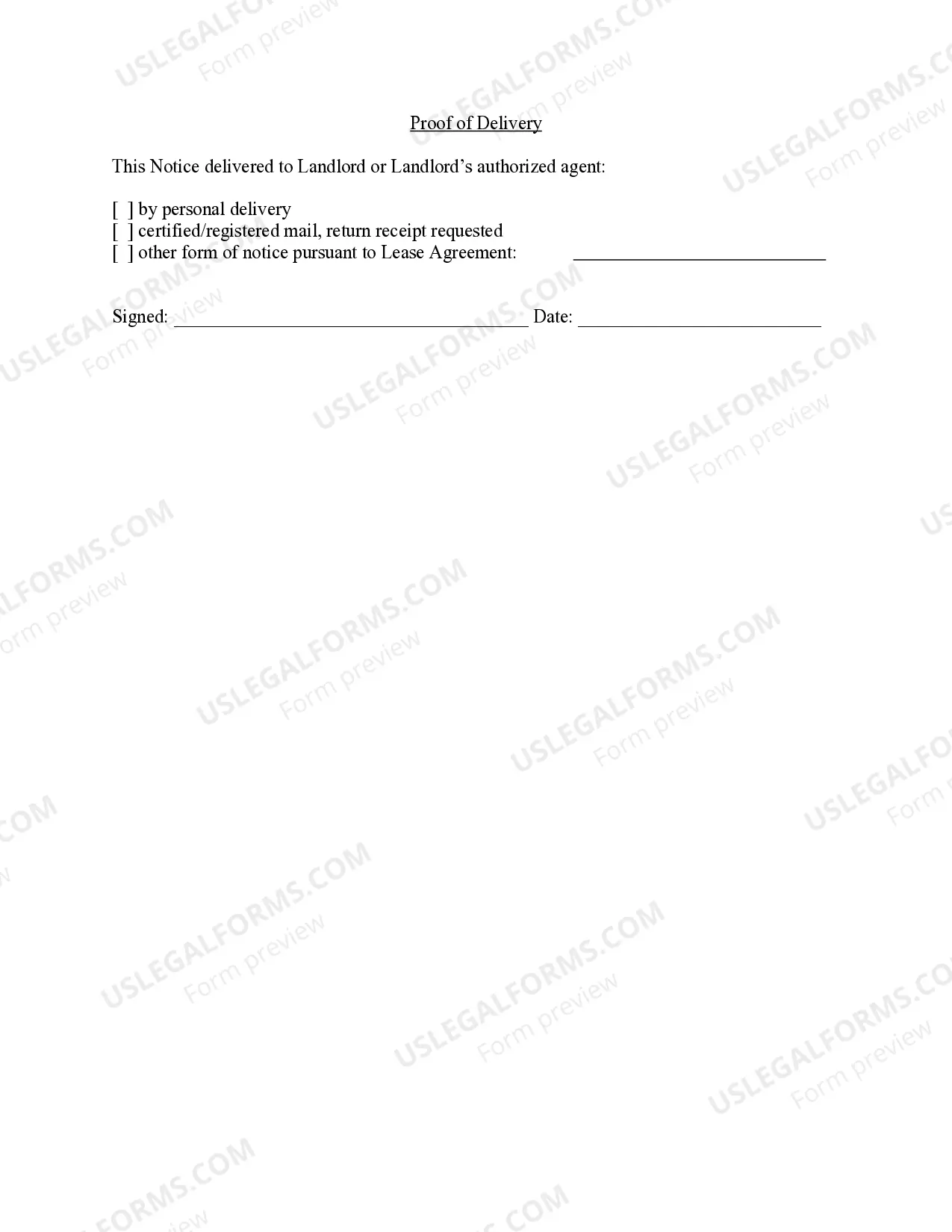
- Ensure proper delivery of the letter to the landlord or their authorized agent.
Is notarization required?
Notarization is not commonly needed for this form. However, certain documents or local rules may make it necessary. Our notarization service, powered by Notarize, allows you to finalize it securely online anytime, day or night.
Get your form ready online
Our built-in tools help you complete, sign, share, and store your documents in one place.
Make edits, fill in missing information, and update formatting in US Legal Forms—just like you would in MS Word.
Download a copy, print it, send it by email, or mail it via USPS—whatever works best for your next step.
Sign and collect signatures with our SignNow integration. Send to multiple recipients, set reminders, and more. Go Premium to unlock E-Sign.
If this form requires notarization, complete it online through a secure video call—no need to meet a notary in person or wait for an appointment.
We protect your documents and personal data by following strict security and privacy standards.

Make edits, fill in missing information, and update formatting in US Legal Forms—just like you would in MS Word.

Download a copy, print it, send it by email, or mail it via USPS—whatever works best for your next step.

Sign and collect signatures with our SignNow integration. Send to multiple recipients, set reminders, and more. Go Premium to unlock E-Sign.

If this form requires notarization, complete it online through a secure video call—no need to meet a notary in person or wait for an appointment.

We protect your documents and personal data by following strict security and privacy standards.
Common mistakes
- Using vague language when describing the harassment.
- Failing to sign and date the letter, which could render it ineffective.
- Not keeping a copy of the letter for personal records.
- Neglecting to confirm that the letter was delivered to the landlord.
Why complete this form online
- Easy access to a professionally drafted letter tailored to your needs.
- Convenience of completing the form at your own pace.
- Ability to customize the letter to accurately reflect your situation.
- Reliable support through comprehensive guidance and legal form templates.
Main things to remember
- This form provides an essential means to address sexual harassment by a landlord.
- It is important to clearly document and communicate harassment experiences.
- Understanding state-specific laws can enhance the effectiveness of your notice.
Looking for another form?

Form popularity
FAQ
Filing an Equal Employment Opportunity (EEO) complaint in DC involves submitting a written complaint to the DC Office of Human Rights within one year of the alleged discrimination. It is essential to clearly outline the incidents and gather any supporting evidence. If the complaint pertains to a housing issue, consider using a District of Columbia Letter from Tenant to Landlord about Sexual Harassment to present your case.
To file a fair housing complaint under the DC Human Rights Act, an individual must provide specific information about the discrimination encountered. This normally includes your name, the name of the alleged violator, the nature of the discrimination, and pertinent evidence. Employing a District of Columbia Letter from Tenant to Landlord about Sexual Harassment can effectively document your experience.
Writing a harassment complaint letter to your landlord involves being concise and clear. Start with a summary of the harassment incidents, including dates and details. Incorporate the language from a District of Columbia Letter from Tenant to Landlord about Sexual Harassment template to help convey the seriousness of your claims and to formally request that the landlord address the issue promptly.
To threaten legal action against a landlord, clearly outline the issues you are facing in a formal letter. It should include a description of the problem, your attempts to resolve it, and a request for action. A well-crafted District of Columbia Letter from Tenant to Landlord about Sexual Harassment can be an effective way to communicate your concerns and show you are serious about pursuing legal remedies.
Dealing with a disrespectful tenant requires a balanced approach. Start by addressing their behavior directly, clearly stating what actions are unacceptable. If the disrespect continues, you may want to send a formal communication, such as a District of Columbia Letter from Tenant to Landlord about Sexual Harassment, to document the issues and outline potential consequences.
Landlord harassment in California occurs when a landlord uses unfair tactics to intimidate tenants or violate their rights. This includes entering a rental property without notice or retaliating against tenants for asserting their rights. Tenants facing such issues can benefit from services like US Legal Forms, which provides templates for a District of Columbia Letter from Tenant to Landlord about Sexual Harassment, helping to protect their rights.
If a tenant is harassing you as a landlord, it is essential to document all incidents thoroughly. Collect evidence, such as emails or messages, detailing the harassment. If the situation escalates, consider seeking legal advice on how to proceed, including issuing a formal District of Columbia Letter from Tenant to Landlord about Sexual Harassment to notify them of their unacceptable behavior.
While disrespectful behavior may not always be grounds for eviction, consistent harassment or violation of lease terms can justify action. Landlords must adhere to specific legal procedures, often requiring documented evidence of the tenant's behavior. Utilizing a District of Columbia Letter from Tenant to Landlord about Sexual Harassment can help clarify issues and establish a formal record. It is advisable to seek legal guidance to ensure that actions taken are justified and lawful.
A toxic landlord is one who creates a distressing living environment, often through neglect, harassment, or intimidation. This behavior can lead to significant emotional and financial strain for tenants. In cases of sexual harassment, it's important to address these issues swiftly, potentially through a District of Columbia Letter from Tenant to Landlord about Sexual Harassment. This letter can assist in formalizing complaints and seeking fair treatment.
Harassment from a tenant can include behaviors that create a hostile living environment for the landlord or other tenants. This can be through verbal abuse, threats, or disruptive actions. Understanding the implications of a District of Columbia Letter from Tenant to Landlord about Sexual Harassment is crucial for both tenants and landlords. This document can serve as a formal complaint, helping to address the situation legally and appropriately.