Colorado Warranty Deed for Correction
What is this form?
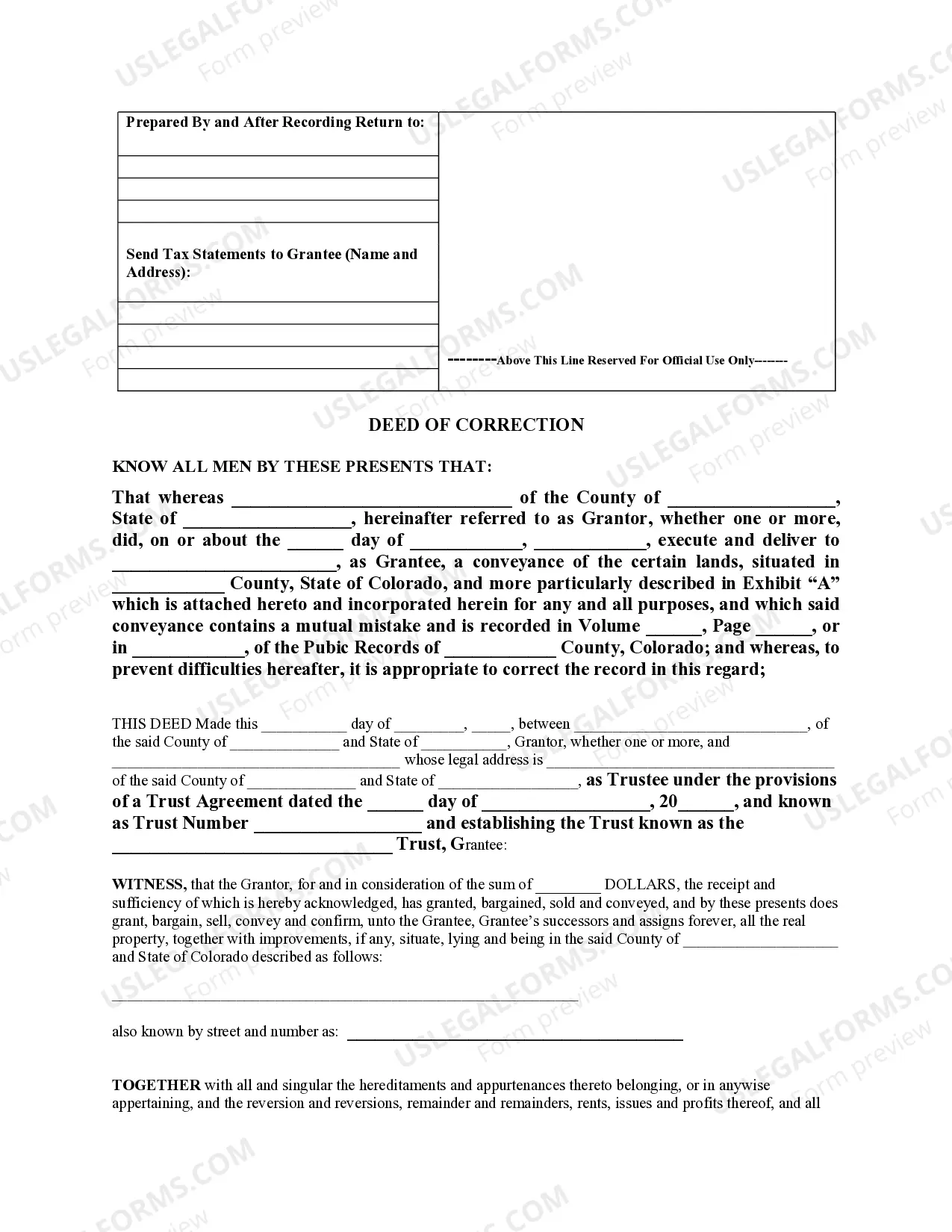
The Warranty Deed for Correction serves to rectify mutual mistakes made during the conveyance of property. Unlike standard warranty deeds that facilitate the transfer of ownership, this specific form is designed to amend errors in an already executed deed, ensuring that property titles remain clear and enforceable.
Form components explained
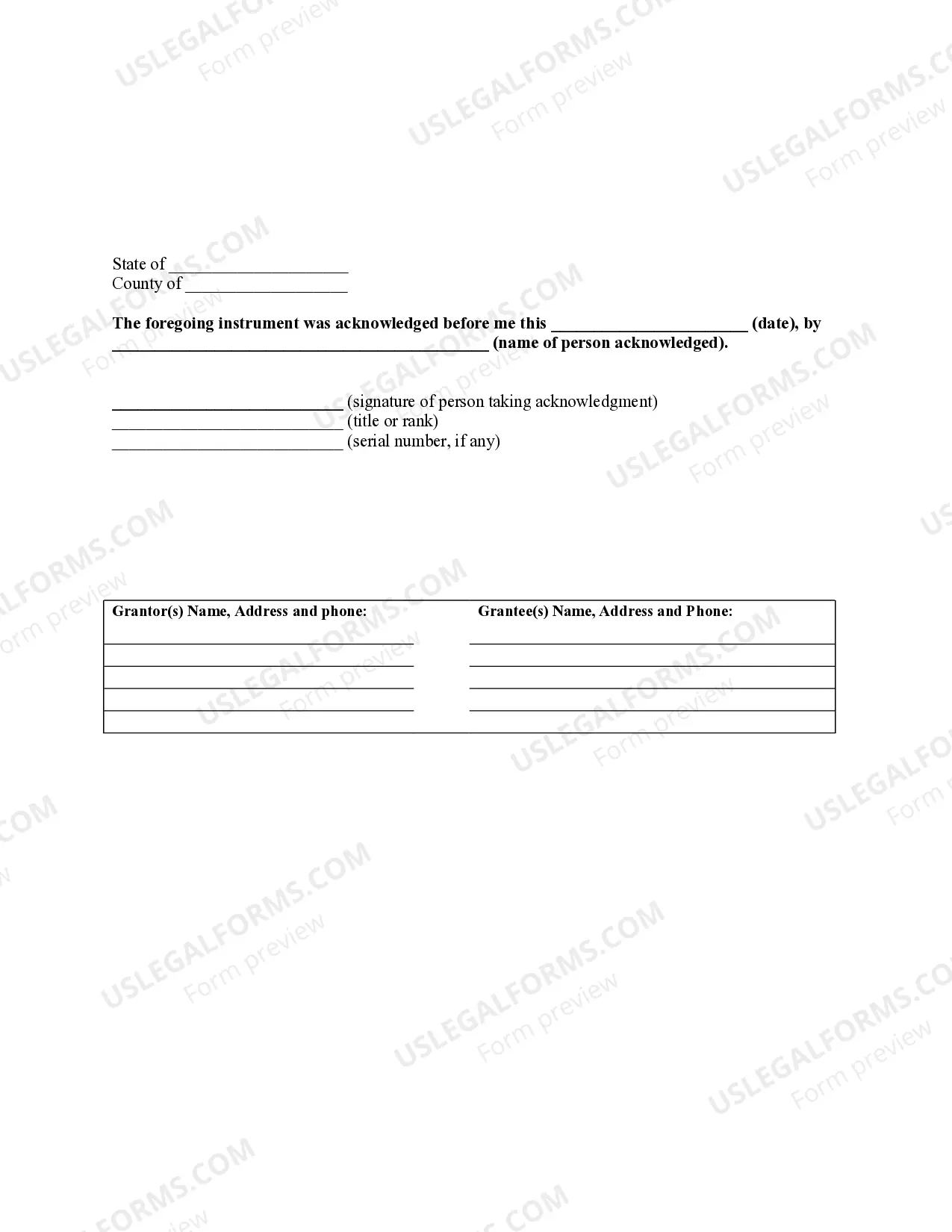
- Grantor and Grantee Information: Details of the parties involved in the property transaction.
- Property Description: A full legal description of the property being conveyed.
- Consideration Amount: The monetary value exchanged for the property, typically stated in dollars.
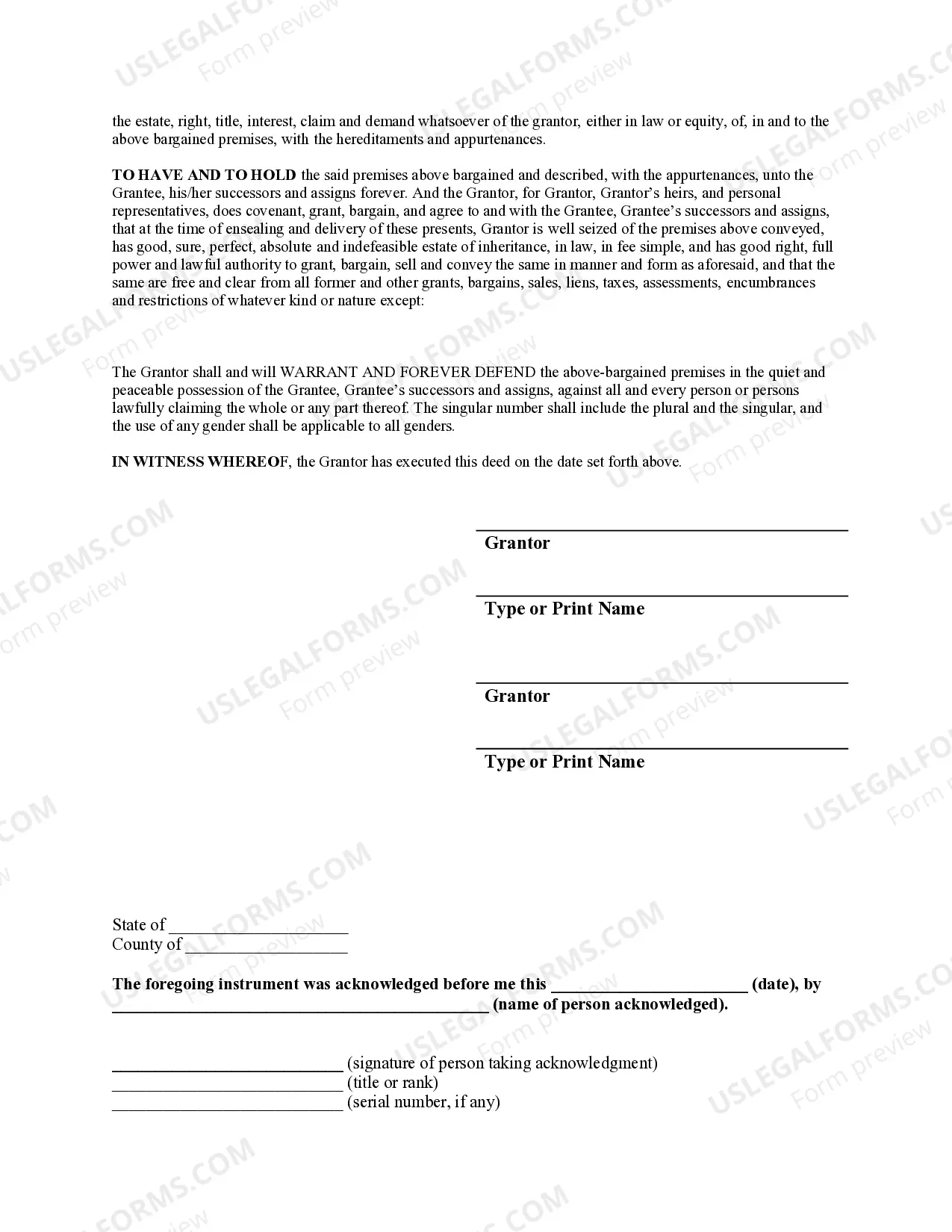
- Covenants: Assurances by the grantor regarding their ownership and the transfer of rights to the grantee.
- Execution Date: The date on which the deed is executed, which is crucial for record-keeping purposes.




Situations where this form applies
This form should be used when errors need correction in an existing deed, such as incorrect names, property descriptions, or other vital information. Common scenarios include correcting typographical errors or clarifying the parties involved in the transaction.
Intended users of this form
This form is intended for:
- Property owners who have discovered discrepancies in their property deed.
- Trustees managing property on behalf of a trust that contains errors in the deed.
- Individuals involved in property transactions requiring clarification or rectification of past deeds.
How to complete this form
- Identify the parties involved: Fill in the names of the grantor and grantee.
- Describe the property: Provide a complete legal description of the property so there is no ambiguity.
- Enter the consideration amount: Specify the dollar amount exchanged for the property.
- Include the correction details: State the nature of the correction clearly to avoid future disputes.
- Execute the deed: Ensure all required signatures date the document appropriately for validity.
Is notarization required?
This form does not typically require notarization unless specified by local law. However, notarization is strongly recommended to ensure the form's acceptance and validity, especially in property-related matters.
Get your form ready online
Our built-in tools help you complete, sign, share, and store your documents in one place.
Make edits, fill in missing information, and update formatting in US Legal Forms—just like you would in MS Word.
Download a copy, print it, send it by email, or mail it via USPS—whatever works best for your next step.
Sign and collect signatures with our SignNow integration. Send to multiple recipients, set reminders, and more. Go Premium to unlock E-Sign.
If this form requires notarization, complete it online through a secure video call—no need to meet a notary in person or wait for an appointment.
We protect your documents and personal data by following strict security and privacy standards.

Make edits, fill in missing information, and update formatting in US Legal Forms—just like you would in MS Word.

Download a copy, print it, send it by email, or mail it via USPS—whatever works best for your next step.

Sign and collect signatures with our SignNow integration. Send to multiple recipients, set reminders, and more. Go Premium to unlock E-Sign.

If this form requires notarization, complete it online through a secure video call—no need to meet a notary in person or wait for an appointment.

We protect your documents and personal data by following strict security and privacy standards.
Mistakes to watch out for
- Failing to verify the accuracy of the property description, leading to further disputes.
- Not including the correct names of the grantor and grantee.
- Omitting the consideration amount or entering an incorrect figure.
- Not signing or dating the document appropriately before filing.
Why use this form online
- Convenient access to legally vetted templates available for immediate download.
- Editability allows for easy corrections and adaptations to suit your specific situation.
- Structured fields guide users through the completion process, minimizing errors.
Quick recap
- The Warranty Deed for Correction is crucial for fixing errors in a property deed.
- Accurate completion of the form is essential to avoid future disputes.
- Consult local laws or legal experts when in doubt about the process.
Looking for another form?




Form popularity
FAQ
To fill out a warranty deed form, start by entering the names of the grantor and grantee, followed by the legal description of the property. Clearly outline the consideration amount, and date the document properly. It’s crucial to follow your state's specific requirements when drafting a Colorado Warranty Deed for Correction. If you're unsure, uslegalforms can provide assistance with templates and guidance to ensure accuracy.
A corrective deed serves to rectify mistakes found in an original deed. For instance, if a spouse's name was omitted in a property transfer, a Colorado Warranty Deed for Correction can be drafted to include that spouse's name correctly. This ensures all parties involved are properly represented in legal documents. Examples like these highlight how important it is to regularly review property documentation.
A warranty deed can be considered invalid for several reasons. These include issues like a lack of signatures, missing legal descriptions, or if the property was transferred without proper authorization. Additionally, any fraudulent information or errors in documentation can render the deed invalid. Therefore, when creating a Colorado Warranty Deed for Correction, ensure that all details are accurate and verified to avoid future legal challenges.
If you've lost your warranty deed, don't worry; you can still obtain a replacement. Contact your county clerk and recorder's office to request a new copy of your Colorado Warranty Deed for Correction. Providing them with the property's details will help expedite the process. You can also explore US Legal Forms for additional resources and assistance in recovering your important documents.
To get a copy of your home's warranty deed, reach out to the county clerk and recorder's office in your area. They keep official records, including your Colorado Warranty Deed for Correction. You may need to furnish the address of your home for them to assist you better. Additionally, consider using US Legal Forms to quickly find and retrieve the documents you need, making the process quicker and more convenient.
To obtain a copy of your warranty deed in Colorado, you can start by contacting the county clerk and recorder's office where the property is located. They can provide you with an official copy of your Colorado Warranty Deed for Correction. You may need to provide specific details like the property address and the names of the parties involved. Alternatively, platforms like US Legal Forms offer easy access to these documents and can help simplify the process.
Yes, a warranty deed can be changed, typically through the use of a correction deed. This allows property owners to amend any mistakes made in the original warranty deed. By fixing these inaccuracies, you secure your ownership rights. US Legal Forms offers support in creating a Colorado Warranty Deed for Correction, making the amendment process easier for you.
The most commonly used document to correct errors in a property deed is the correction deed. This deed directly addresses and rectifies any inaccuracies in the original title. Correcting these errors is crucial to maintaining clear property records. If you’re unsure how to proceed, US Legal Forms provides templates for a Colorado Warranty Deed for Correction to simplify the process.
A corrective deed is utilized to fix errors in a previously filed deed, whereas a confirmatory deed serves to affirm the validity of an existing deed. Both documents help ensure accuracy in property records but serve slightly different purposes. When dealing with property issues, having accurate documentation is vital, making the Colorado Warranty Deed for Correction an essential tool.
A correction deed in Colorado is a legal document used to amend errors found in a previously recorded deed. It specifically addresses mistakes in the title, such as incorrect names, descriptions, or dates. This ensures the legal record accurately reflects ownership. If you need assistance with this process, platforms like US Legal Forms offer resources to help you file a Colorado Warranty Deed for Correction.