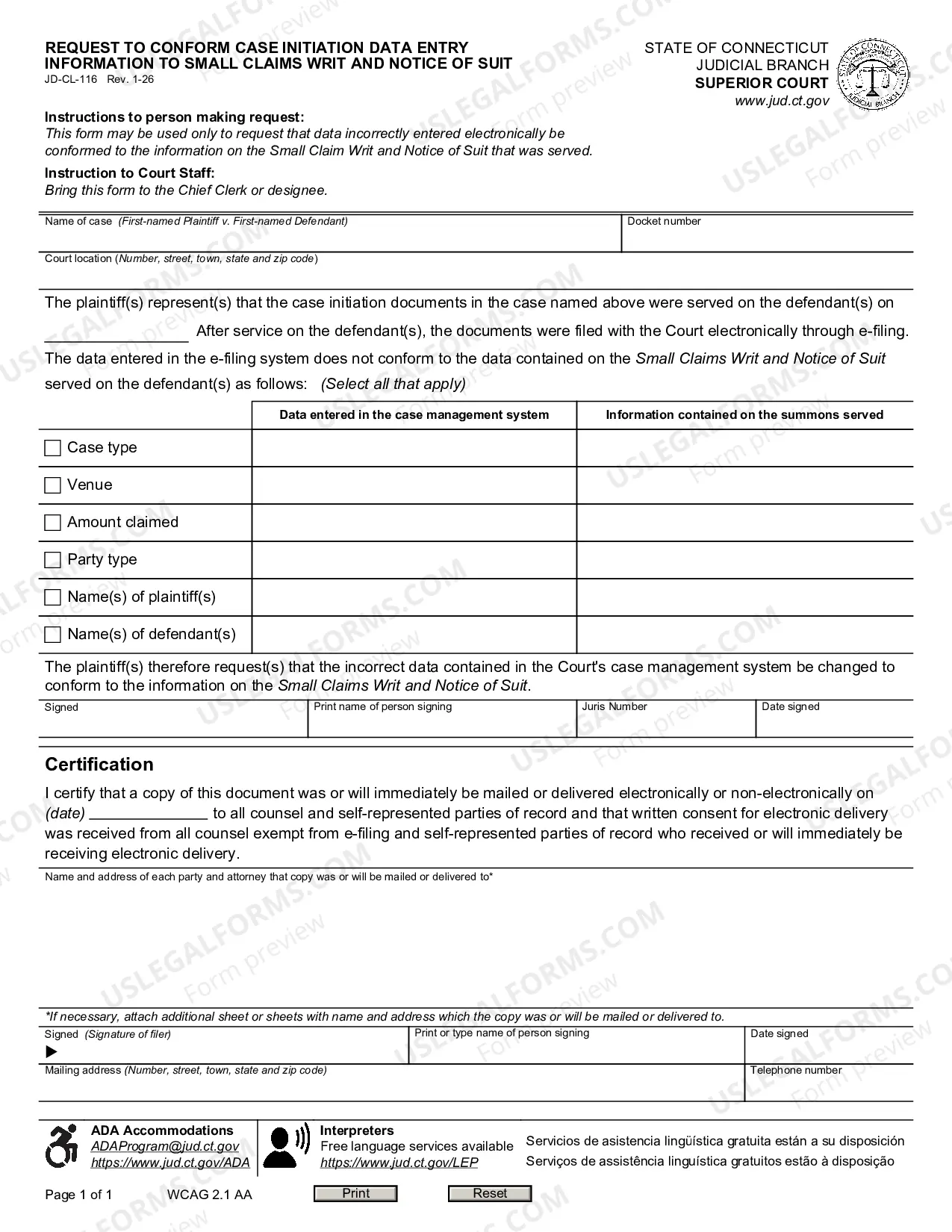
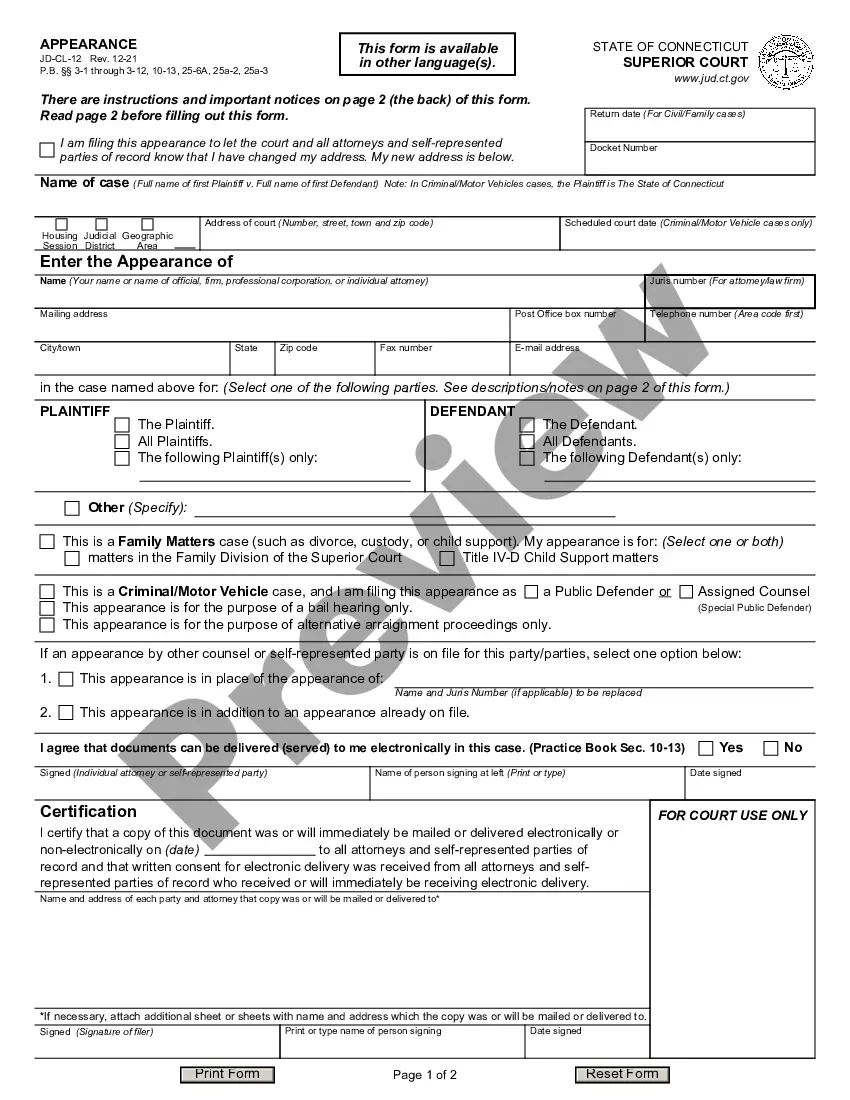
Alabama Letter from Tenant to Landlord about Illegal entry by landlord
Overview of this form
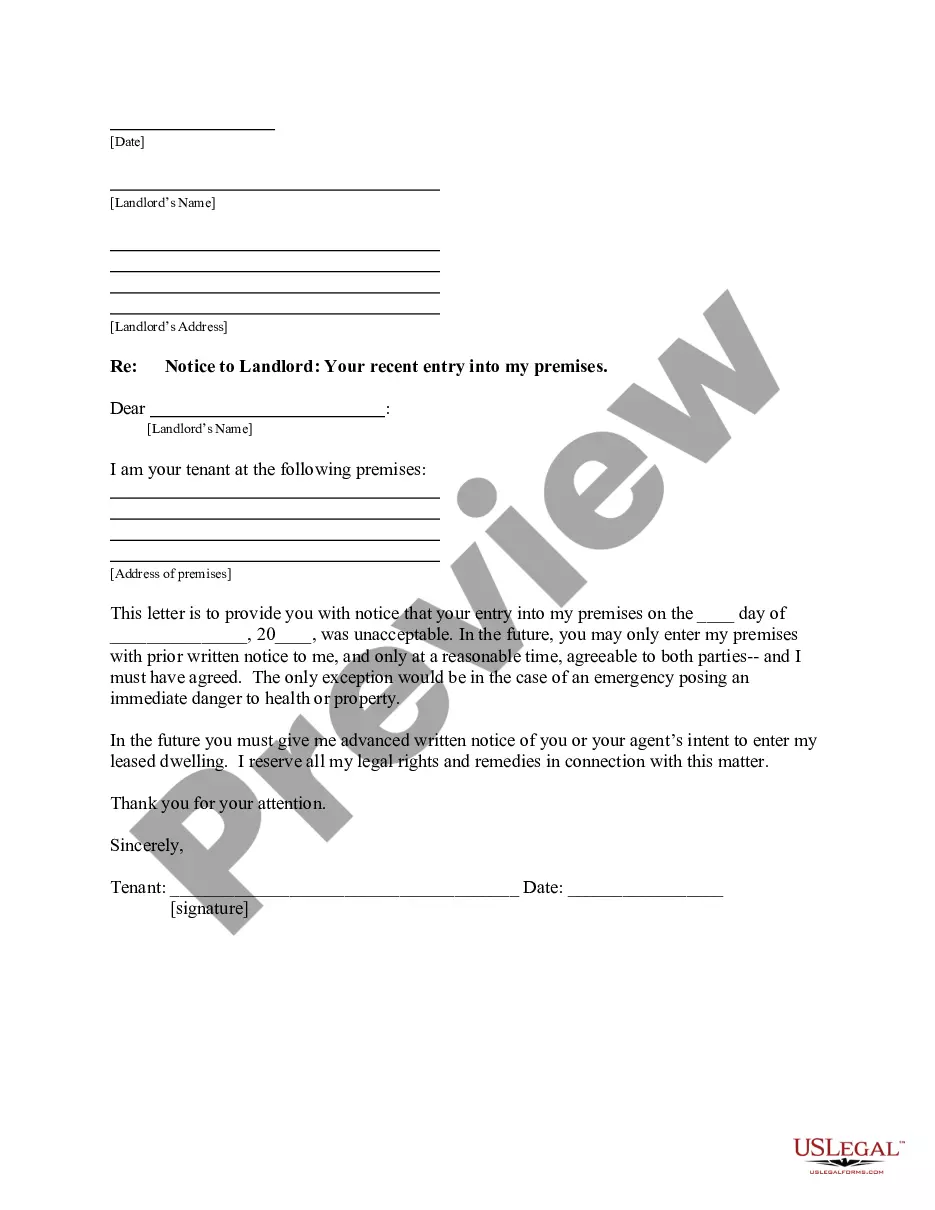
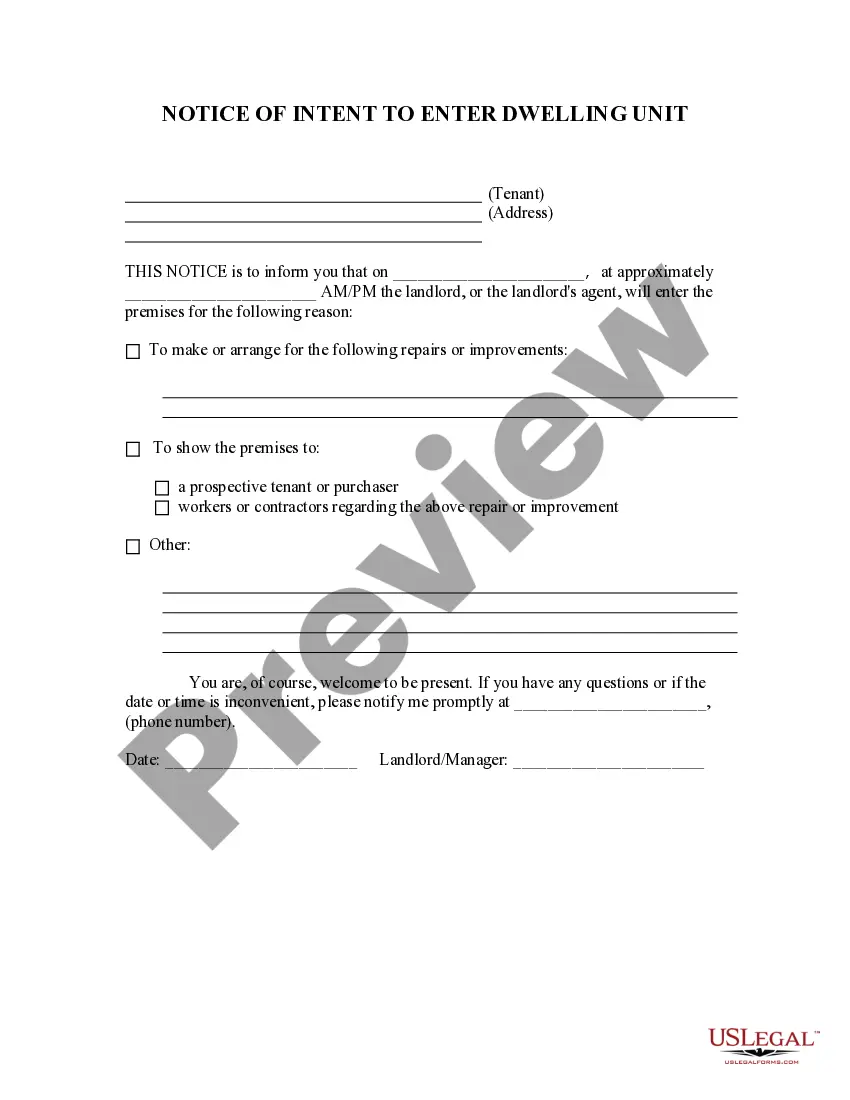
This letter from tenant to landlord addresses unauthorized entry by the landlord. It requests that the landlord give prior written notice before entering the tenant's home, establishing clear boundaries for access. This form outlines the tenant's rights and emphasizes the necessity of consent for entry, except in emergencies, distinguishing it from more general rental agreements.
Key parts of this document
- Advanced written notice requirement for landlord entry
- Specification of reasonable entry times agreeable to both parties
- Declaration of tenant's reserved legal rights
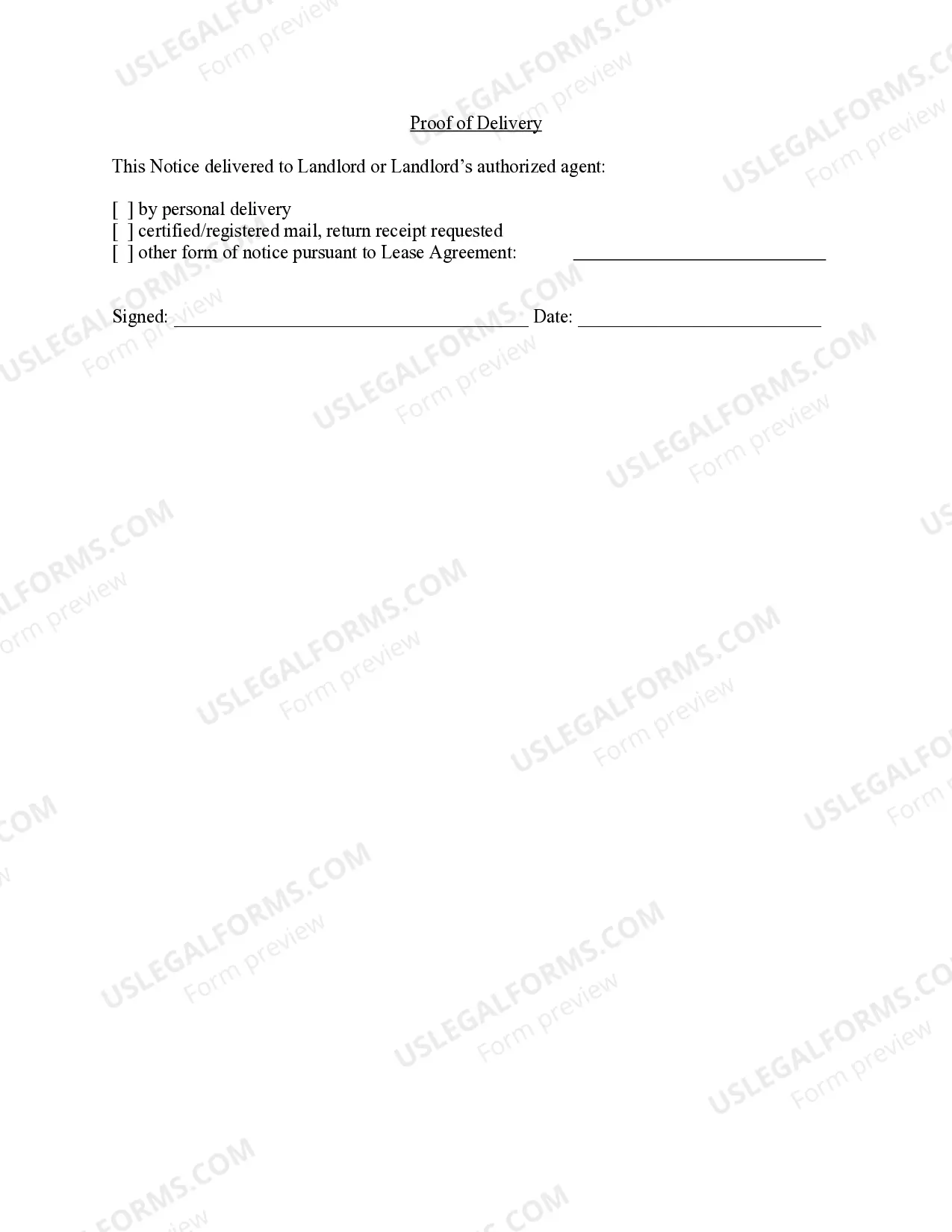
- Proof of delivery options to the landlord

When to use this form
This form should be used when a tenant feels their privacy and rights are being compromised due to unlawful entries by the landlord. If the landlord has previously entered the property without proper consent or notice, this letter serves to formally request compliance with legal requirements for future entries.
Who needs this form
- Tenants who experience unauthorized entries by their landlord
- Individuals who wish to assert their rights regarding property access
- Renters looking to establish clear communication about privacy and safety concerns
Completing this form step by step
- Identify and enter the names of the tenant and landlord.
- Specify the address of the rented dwelling.
- Clearly state the requirement for written notice before entry.
- Include any exceptions, such as emergencies.
- Sign and date the letter, keeping a copy for your records.
Does this document require notarization?
In most cases, this form does not require notarization. However, some jurisdictions or signing circumstances might. US Legal Forms offers online notarization powered by Notarize, accessible 24/7 for a quick, remote process.
Get your form ready online
Our built-in tools help you complete, sign, share, and store your documents in one place.
Make edits, fill in missing information, and update formatting in US Legal Forms—just like you would in MS Word.
Download a copy, print it, send it by email, or mail it via USPS—whatever works best for your next step.
Sign and collect signatures with our SignNow integration. Send to multiple recipients, set reminders, and more. Go Premium to unlock E-Sign.
If this form requires notarization, complete it online through a secure video call—no need to meet a notary in person or wait for an appointment.
We protect your documents and personal data by following strict security and privacy standards.

Make edits, fill in missing information, and update formatting in US Legal Forms—just like you would in MS Word.

Download a copy, print it, send it by email, or mail it via USPS—whatever works best for your next step.

Sign and collect signatures with our SignNow integration. Send to multiple recipients, set reminders, and more. Go Premium to unlock E-Sign.

If this form requires notarization, complete it online through a secure video call—no need to meet a notary in person or wait for an appointment.

We protect your documents and personal data by following strict security and privacy standards.
Common mistakes
- Failing to include the correct date of delivery.
- Not specifying the emergency exception appropriately.
- Neglecting to sign the document before sending it.
Advantages of online completion
- Immediate access to a legally compliant template.
- Convenient editing features to customize the letter.
- Easy download options for record keeping.
Looking for another form?

Form popularity
FAQ
Put cameras everywhere (Nest Cam is a good brand), make sure you put signs "Premises secured by video surveillance" and you will be good to go. While it won't prevent the landlord from entering, it will prevent the landlord from doing anything funky, and who knows, with time even stop.
Alabama tenants are protected under Alabama's Uniform Residential Landlord and Tenant Act.Landlords can enter the premises, but only after giving notice in most cases. A landlord must generally provide tenants with at least two days' notice before entering a rental unit, according to the Alabama code.
Tenants in the state of Alabama have the right to freedom from discrimination in housing-related activities. However, unlike most states, there is no statewide fair housing law that specifically protects tenants in Alabama. Instead, Alabama tenants must rely on protection under the Federal Fair Housing Act.
ENTRY WITHOUT NOTICE The landlord may enter the residential premises without permission and without giving the tenant any notice for two reasons: If the landlord believes there is an emergency; 2022 If the landlord believes the tenant has abandoned the residential premises.
The big take-away is that in most circumstances a landlord cannot enter a property without agreement from the tenant. And If the landlord ignores the law and enters the property without permission, the tenant may be able to claim damages or gain an injunction to prevent the landlord doing it again.
In all states, a landlord can enter the property in an emergency without notice or permission.Even if your landlord gives you notice, he or she must have a good reason to enter the property. In most cases, your landlord can enter your home: In an emergency.
Apply to the Tribunal for orders: to stop the landlord/agent entering the premises. (Apply within 3 months after you become aware of the landlord's/agent's breach.) report trespass to the police. complain to NSW Fair Trading.