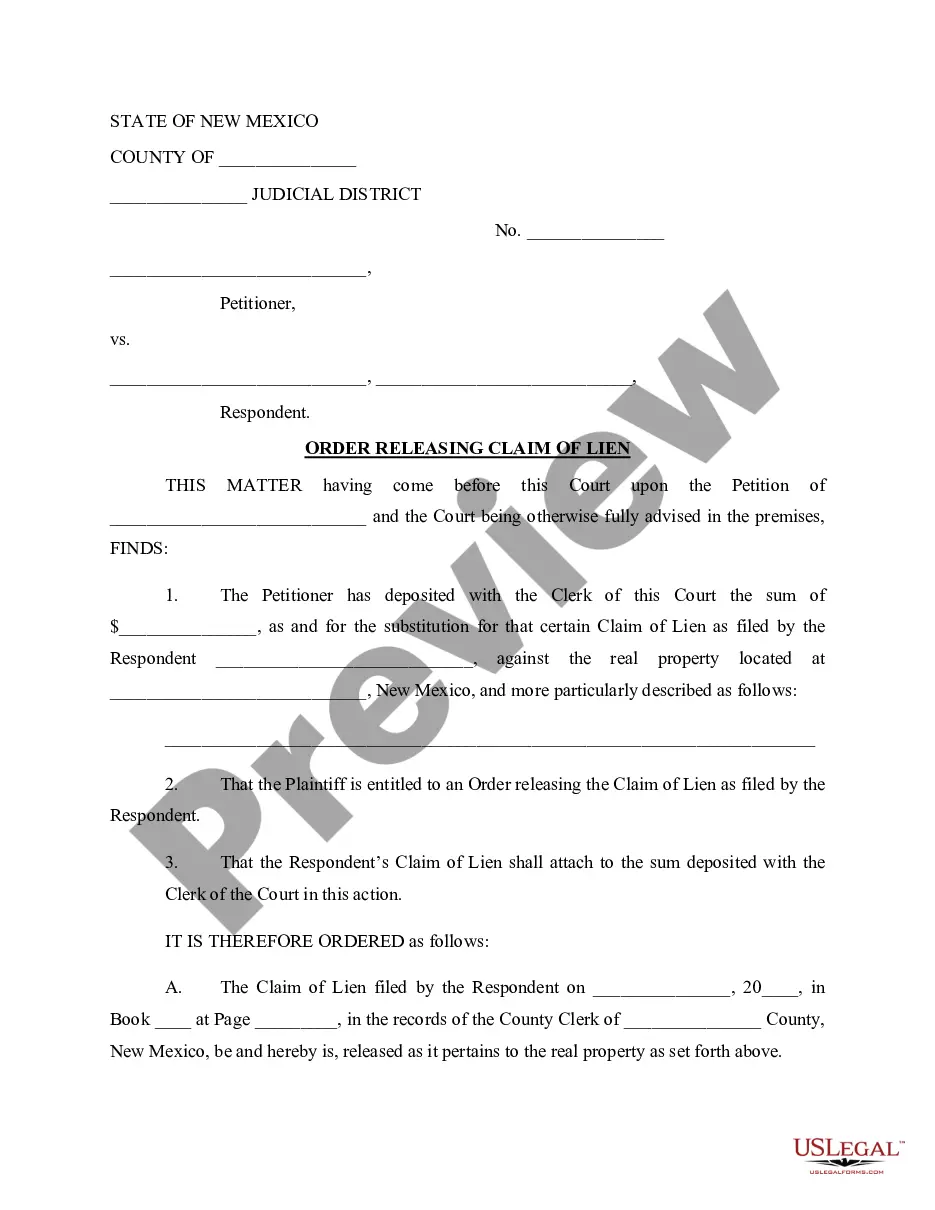
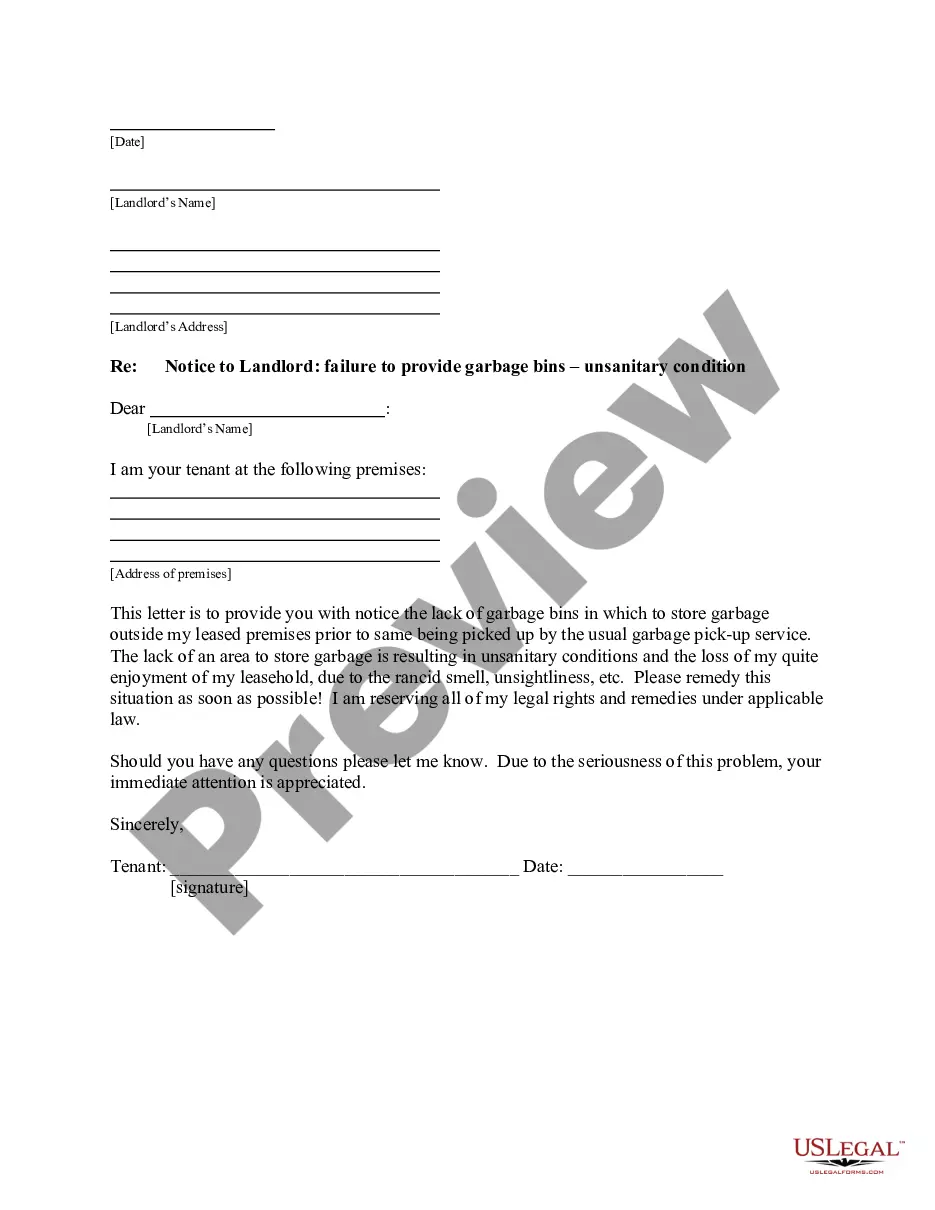
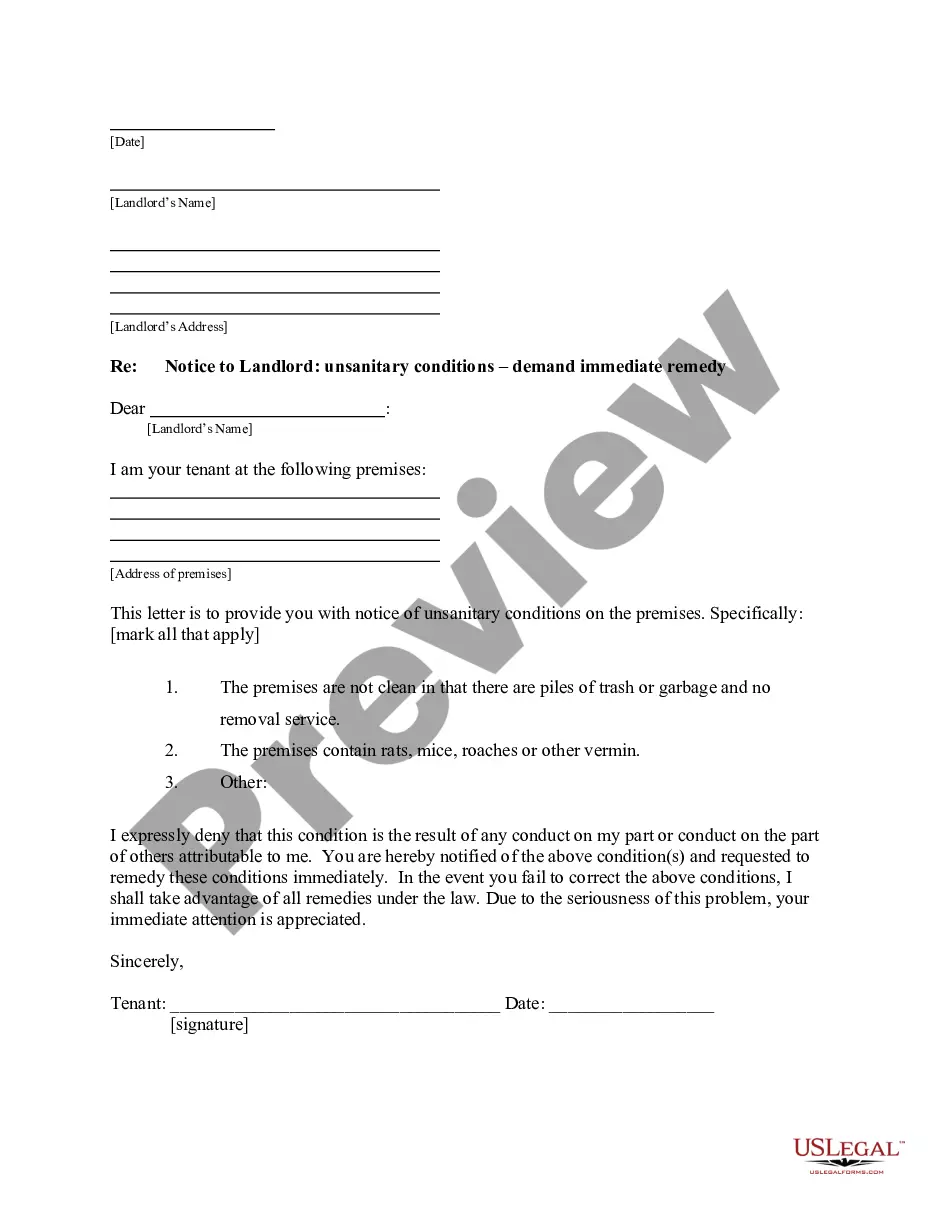
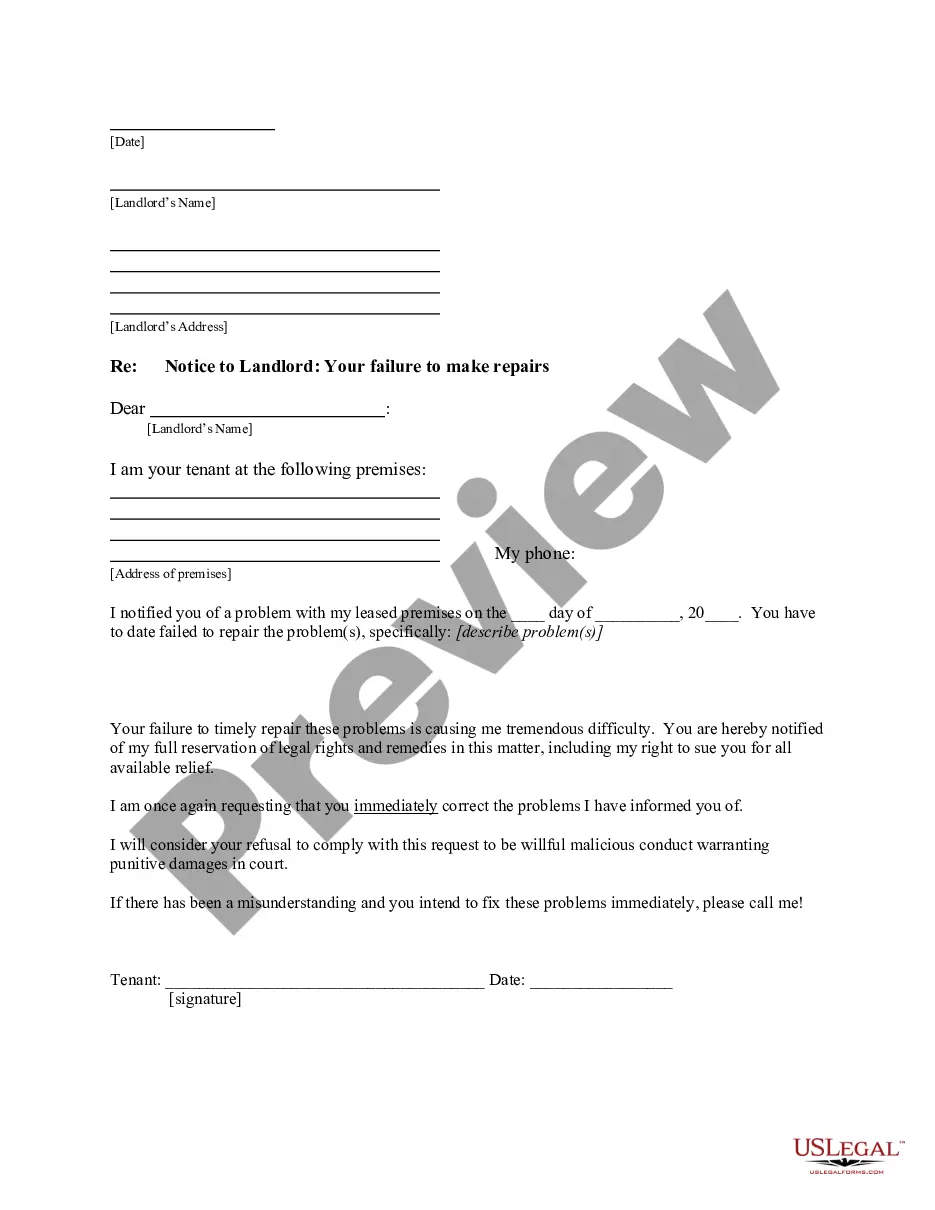
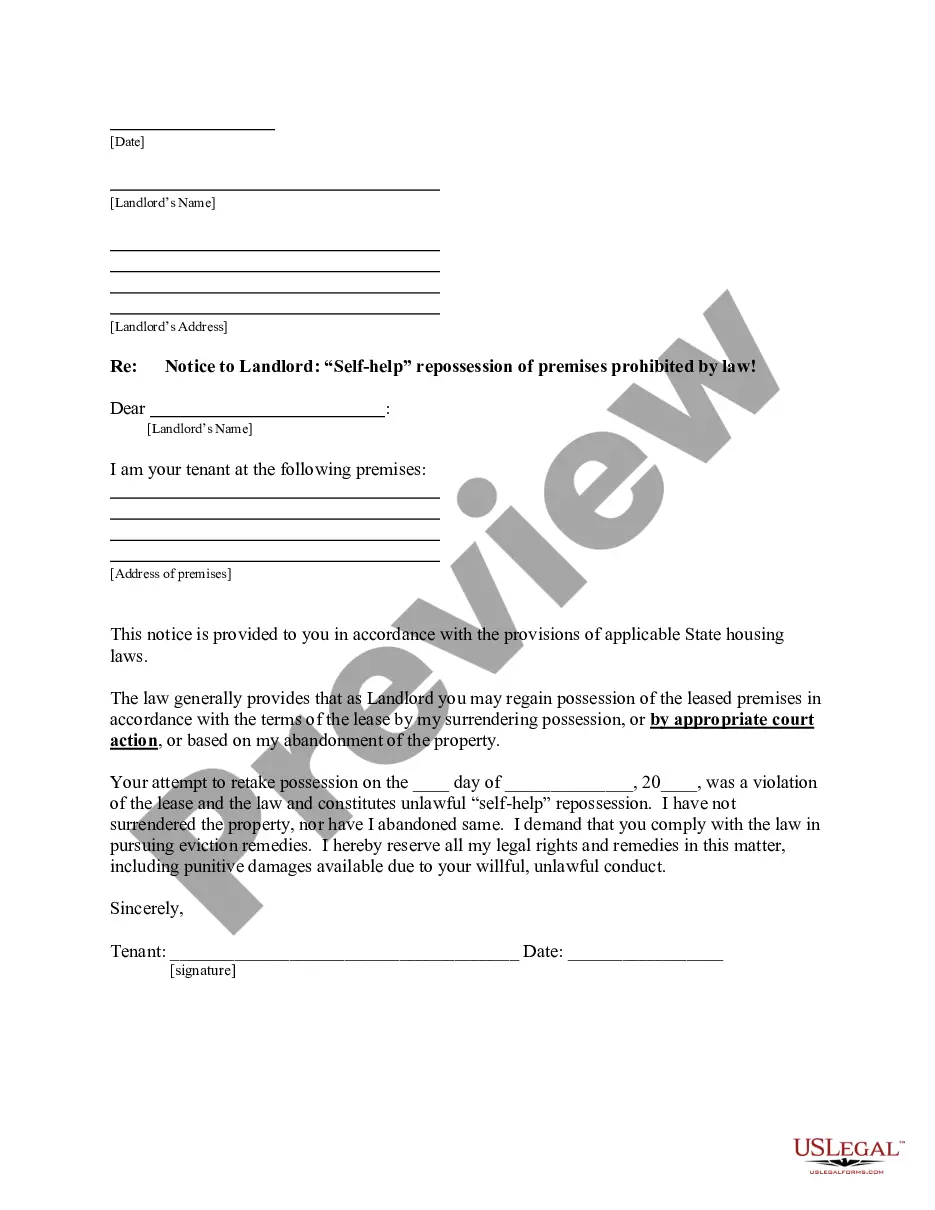
Maryland Letter from Tenant to Landlord containing Notice to landlord to withdraw improper rent increase during lease
Understanding this form
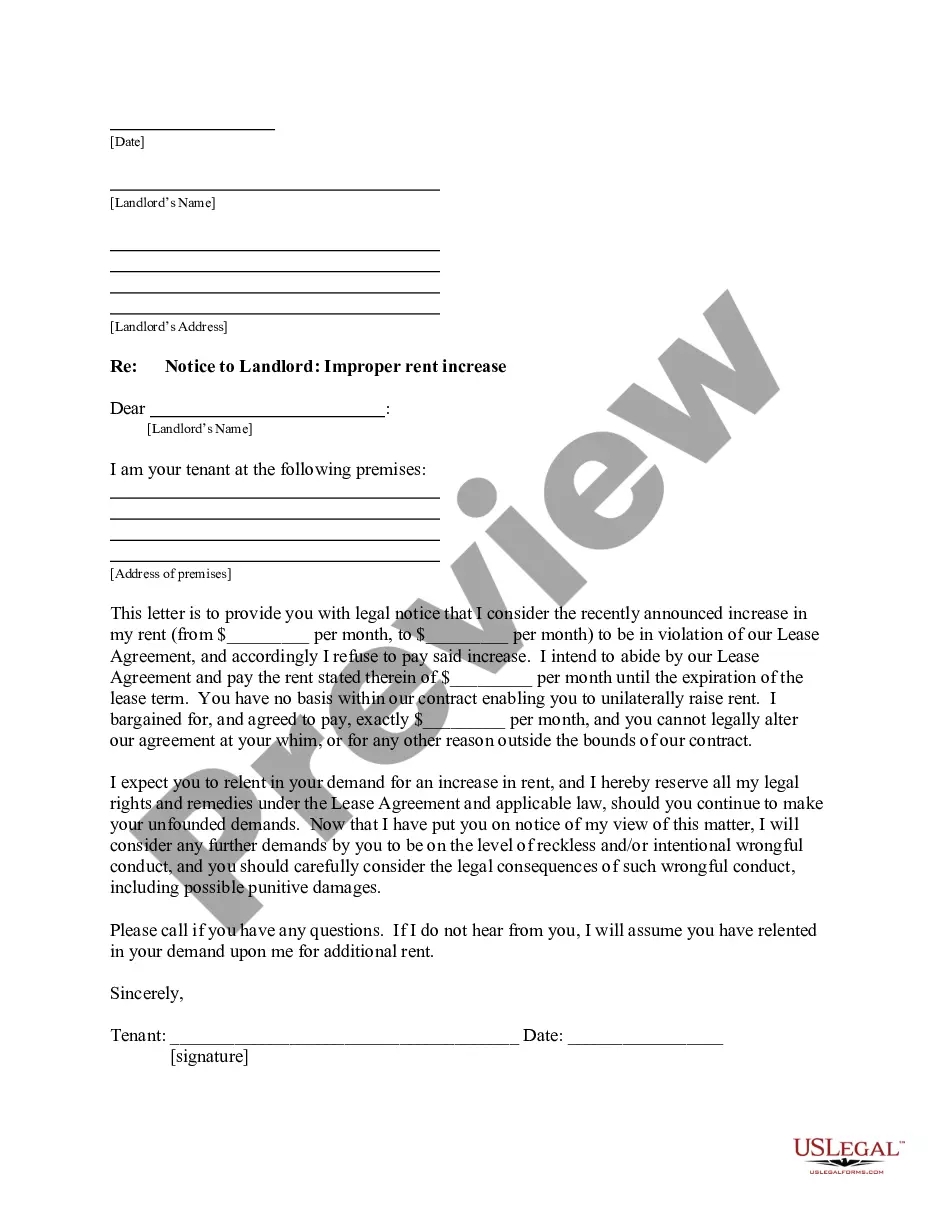
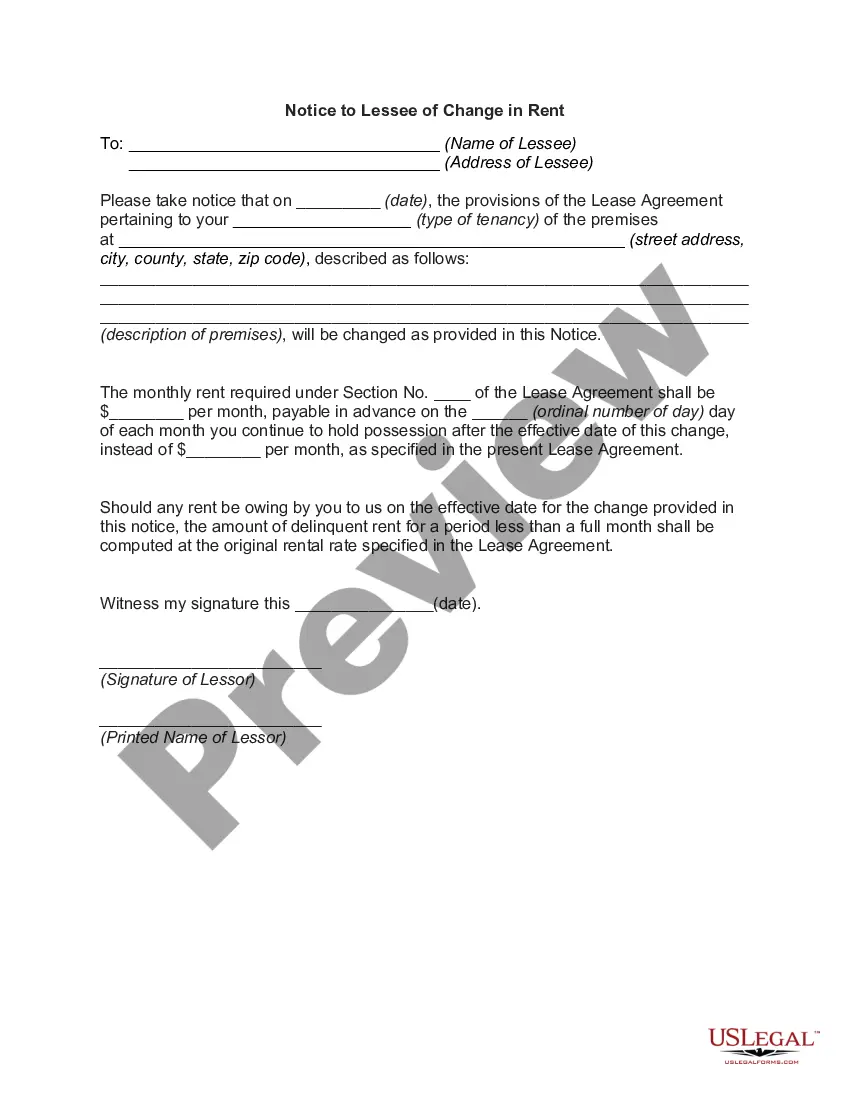
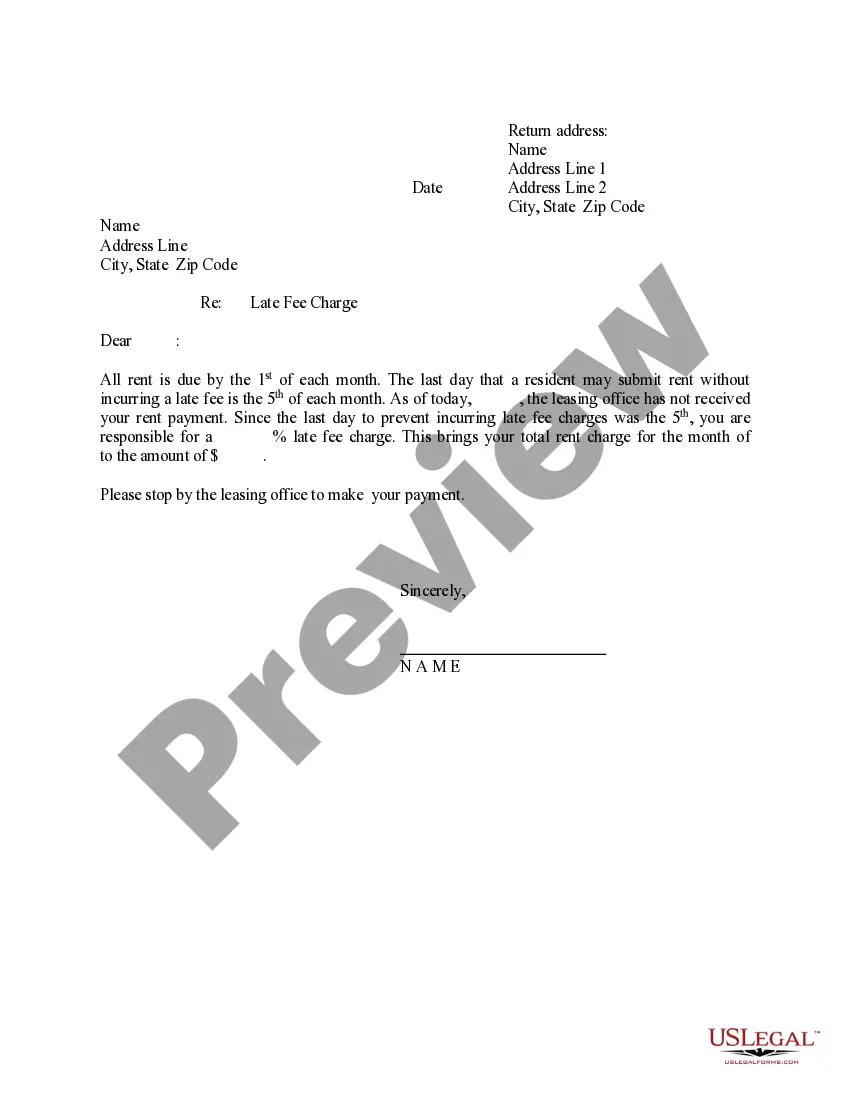
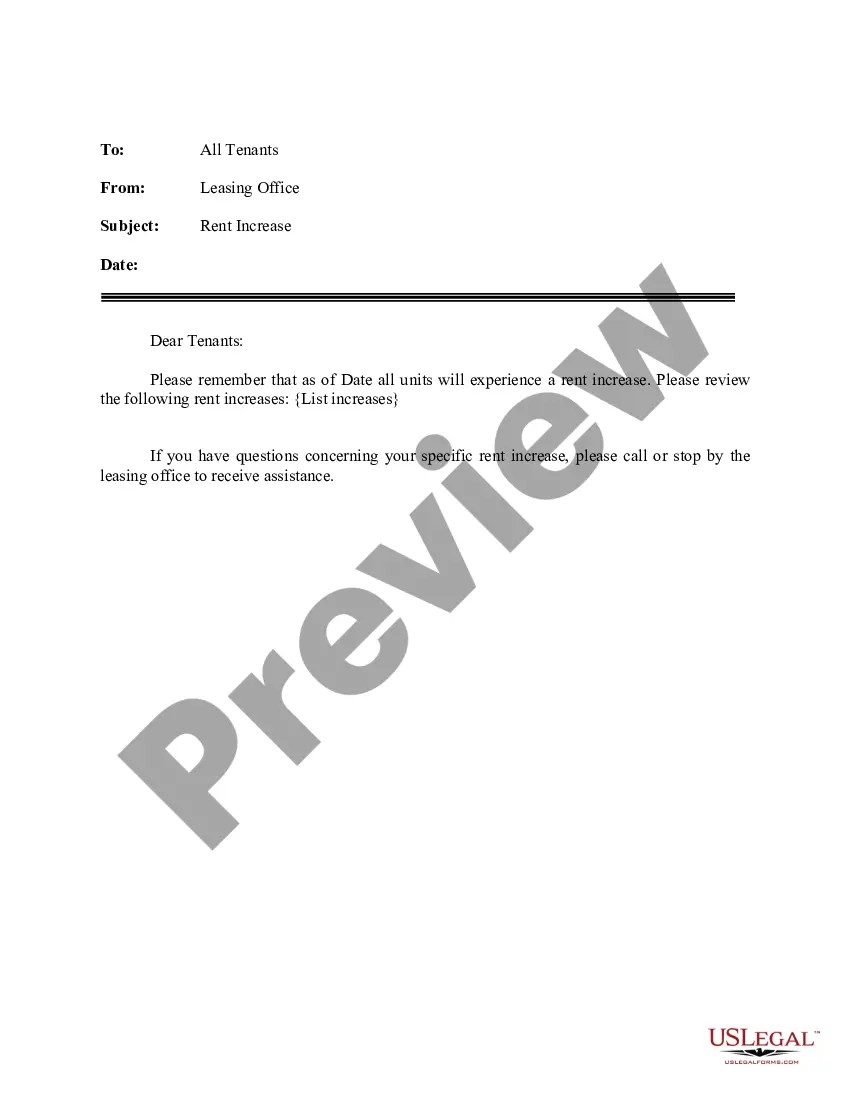
This Letter from Tenant to Landlord containing Notice to landlord to withdraw improper rent increase during lease is a formal notice that a tenant can use to contest an unreasonable or improper rent increase. This letter serves to communicate the tenant's objection to the rent increase and indicates that the tenant reserves their legal rights. Unlike standard lease renewal letters, this notice specifically addresses disputes regarding rent increases during an active lease term.
Main sections of this form
- Identification of the tenant and landlord involved.
- Statement expressing the tenant's objection to the rent increase.
- Reservation of rights under the lease agreement and applicable law.
- A response deadline for the landlord.
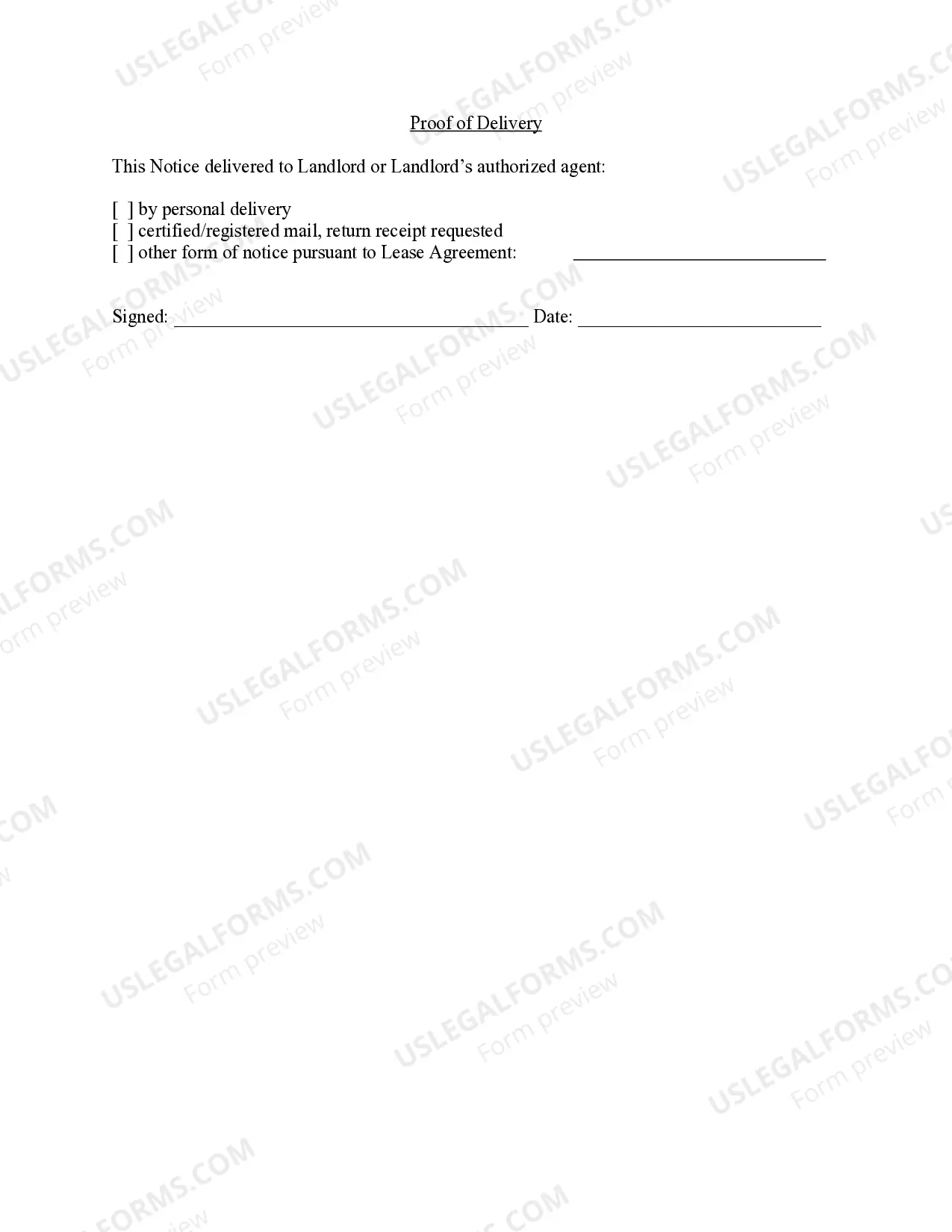
- Proof of delivery details to document the notice was received.


When to use this form
Use this form when you have received a notice of a rent increase from your landlord that you believe is unjust or improper. This is applicable during the lease term when you wish to formally notify your landlord that you do not agree with the rent increase and to preserve your legal rights should the situation escalate. This notice is crucial to demonstrate that you have acted in good faith regarding the disputed rent increase.
Who this form is for
- Residential tenants facing an unsubstantiated rent increase from their landlord.
- Tenants looking to assert their rights under a lease agreement.
- Individuals seeking to document their objection to a rent increase formally.
- Any tenant wanting to ensure that they have legal grounds to dispute further demands for increased rent.
Steps to complete this form
- Identify and enter your name (the tenant) and the landlord's name.
- Clearly state your objection to the rent increase in the designated section.
- Include any relevant details regarding the lease agreement.
- Set a date by which you expect a response from the landlord.
- Sign and date the letter, and maintain a record of delivery.
Is notarization required?
This form does not typically require notarization unless specified by local law. However, it's advisable to check local requirements to ensure compliance.
Get your form ready online
Our built-in tools help you complete, sign, share, and store your documents in one place.
Make edits, fill in missing information, and update formatting in US Legal Forms—just like you would in MS Word.
Download a copy, print it, send it by email, or mail it via USPS—whatever works best for your next step.
Sign and collect signatures with our SignNow integration. Send to multiple recipients, set reminders, and more. Go Premium to unlock E-Sign.
If this form requires notarization, complete it online through a secure video call—no need to meet a notary in person or wait for an appointment.
We protect your documents and personal data by following strict security and privacy standards.

Make edits, fill in missing information, and update formatting in US Legal Forms—just like you would in MS Word.

Download a copy, print it, send it by email, or mail it via USPS—whatever works best for your next step.

Sign and collect signatures with our SignNow integration. Send to multiple recipients, set reminders, and more. Go Premium to unlock E-Sign.

If this form requires notarization, complete it online through a secure video call—no need to meet a notary in person or wait for an appointment.

We protect your documents and personal data by following strict security and privacy standards.
Common mistakes
- Not clearly stating the objection to the rent increase.
- Failing to include important details from the lease agreement.
- Neglecting to sign and date the letter.
- Not sending the notice using a method that provides proof of delivery.
Why complete this form online
- Convenient access to a professionally drafted form at any time.
- Easy to customize with your specific details without needing legal assistance.
- Immediacy in delivering the notice can help resolve disputes quickly.
Legal use & context
- The letter serves to formally document the tenant's objection to the rent increase.
- Sending this notice may be necessary before taking further legal action.
- It helps preserve the tenant's rights under the lease agreement and relevant laws.
Main things to remember
- The letter serves as a formal objection to an unjustified rent increase.
- It protects the tenant's legal rights and prepares for possible further action.
- Completion requires clarity, specificity, and proper documentation of the issue.
Looking for another form?


Form popularity
FAQ
Tenant Rights to Withhold Rent in Maryland Tenants may withhold rent if a landlord fails to take care of important repairs, such as a broken heater.
Gives the landlord 30 days' written notice either hand-delivered or by first-class mail prior to ending the lease, along with a copy of the court order.
In order to withhold rent for conditions that constitute a threat to life, health, or safety, you must provide actual notice of the defects. You can notify the landlord by certified mail, or they may be notified of the violations from an appropriate government agency, such as the local housing department.
Rent Stabilization in MarylandMaryland has no statewide rent control, but at least one city (Takoma Park) has rent stabilization laws that limit how much rent landlords may charge or the frequency of rent increases.
Is there a rent increase limit? The state of Maryland has no regulations regarding rent increases.
You can help the situation a lot by providing as much notice as possible and writing a sincere letter to your landlord explaining why you need to leave early. Ideally you can offer your landlord a qualified replacement tenant, someone with good credit and excellent references, to sign a new lease with your landlord.
For failure to pay rent cases the eviction process cannot start until 4 business days have passed from the time the court entered a judgment for possession in favor of the landlord. For breach of lease cases, or tenant holding over cases ( refuses to leave), the landlord may seek eviction immediately.
Under Maryland law, tenants have a right to freedom from housing discrimination, a right to certain security deposit protections, the right to freedom from landlord retaliation, and the right to be protected after domestic violence.