New Mexico Letter from Tenant to Landlord about Landlord using Unlawful Self-Help to Gain Possession
What is this form?
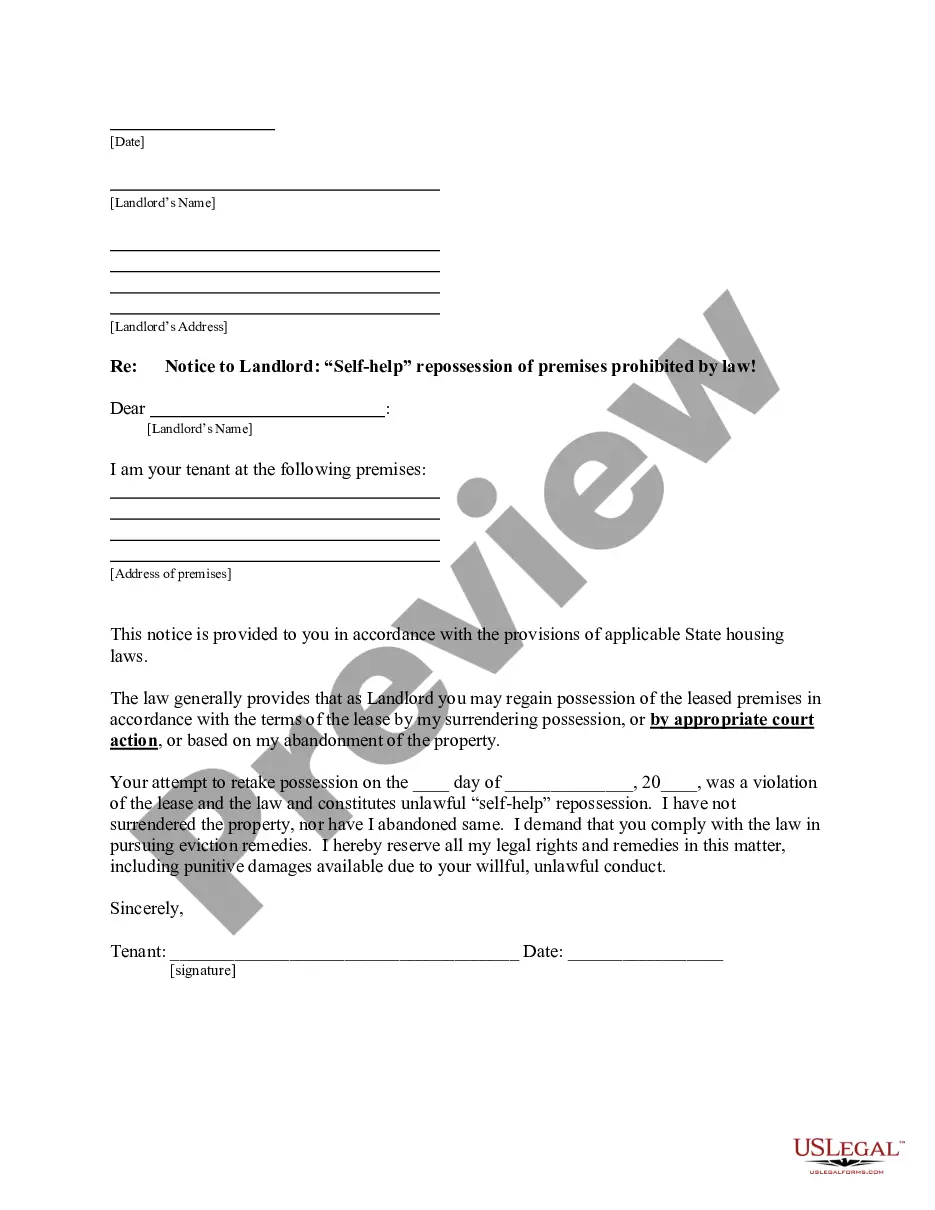
This form is a Letter from Tenant to Landlord regarding unlawful self-help to gain possession of a rental property. It serves to formally notify the landlord that their actions to reclaim possession outside of legal procedures are illegal. This letter emphasizes the tenant's right to due process and outlines the appropriate methods for recovering possession, differentiating it from other lease-related forms that may not address unlawful self-help actions specifically.
Form components explained
- Date of the unlawful action by the landlord.
- Statement of the tenant's continued possession of the property.
- Demand for compliance with legal eviction procedures.
- Reservation of the tenant's legal rights and remedies.
- Signature and date of the tenant sending the letter.
When to use this form
This letter should be used when a landlord attempts to reclaim possession of a rental property through illegal means, such as changing locks or removing the tenant's belongings without court approval. It is essential for tenants to use this form to assert their rights and to document that the landlord's actions are unlawful, thereby protecting themselves from possible retaliatory eviction or further illegal actions.
Intended users of this form
- Tenants currently renting a property where the landlord is attempting illegal repossession.
- Individuals who have experienced unlawful self-help measures by their landlord.
- Those seeking to formally communicate their legal rights to their landlord.
Steps to complete this form
- Identify the date when the landlord attempted unlawful repossession.
- Clearly state that you have not surrendered or abandoned the property.
- Demand that the landlord comply with legal eviction remedies.
- Sign and date the letter to formally send it to your landlord.
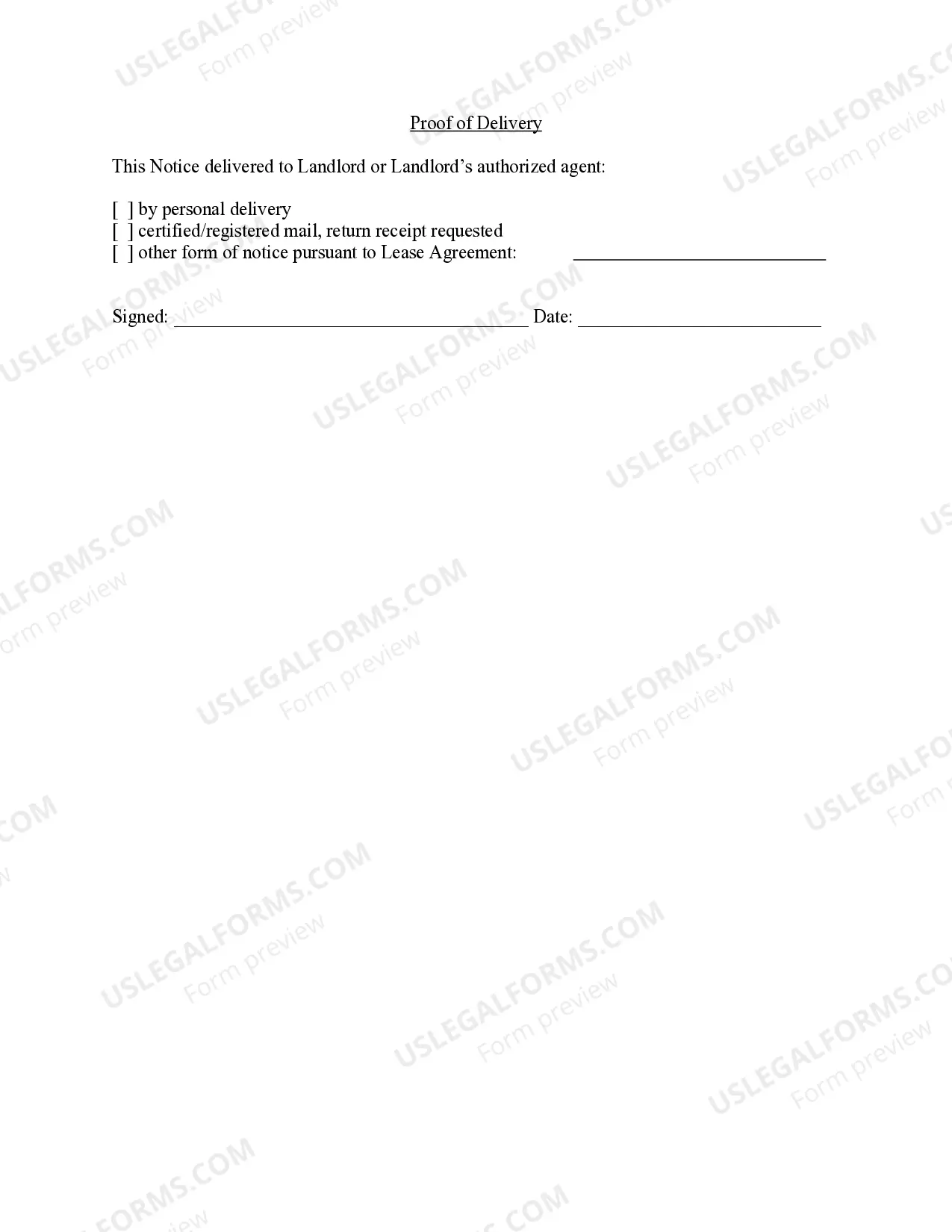
- Deliver the letter personally or via a method that allows for proof of delivery.
Notarization guidance
This form does not typically require notarization to be legally valid. However, some jurisdictions or document types may still require it. US Legal Forms provides secure online notarization powered by Notarize, available 24/7 for added convenience.
Get your form ready online
Our built-in tools help you complete, sign, share, and store your documents in one place.
Make edits, fill in missing information, and update formatting in US Legal Forms—just like you would in MS Word.
Download a copy, print it, send it by email, or mail it via USPS—whatever works best for your next step.
Sign and collect signatures with our SignNow integration. Send to multiple recipients, set reminders, and more. Go Premium to unlock E-Sign.
If this form requires notarization, complete it online through a secure video call—no need to meet a notary in person or wait for an appointment.
We protect your documents and personal data by following strict security and privacy standards.

Make edits, fill in missing information, and update formatting in US Legal Forms—just like you would in MS Word.

Download a copy, print it, send it by email, or mail it via USPS—whatever works best for your next step.

Sign and collect signatures with our SignNow integration. Send to multiple recipients, set reminders, and more. Go Premium to unlock E-Sign.

If this form requires notarization, complete it online through a secure video call—no need to meet a notary in person or wait for an appointment.

We protect your documents and personal data by following strict security and privacy standards.
Common mistakes to avoid
- Failing to document the date of the landlord's unlawful actions.
- Not clearly stating that possession has not been surrendered or abandoned.
- Omitting the demand for compliance with legal procedures.
Advantages of online completion
- Convenient access to legal forms that can be downloaded and customized.
- Editability allows you to tailor the letter to your specific situation.
- Reliable templates drafted by licensed attorneys ensuring compliance with legal standards.
Legal use & context
- Provides documented evidence of notice to the landlord in case of future disputes.
- Helps preserve the tenant's legal rights and remedies in scenarios of unlawful eviction.
- Should be sent through reliable delivery methods to maintain proof of notice.
Looking for another form?

Form popularity
FAQ
Begin the letter with the date on which you mail or deliver the letter in person. Include your name, address and phone number, followed by the tenant's name and address. You can also insert a subject line that summarizes the reason for the letter to vacate. Start with a salutation, followed by your tenant's name.
The date that the tenant warning letter was written. The name and the basic personal information of the tenant. The name of the landlord or the owner of the property. The reason why a tenant warning letter has been written.
To give you an idea, it's in good taste to start your letter "Dear Mr./Ms. Insert Name Here," as is the case with any polite letter. No matter how much you might want to give your landlord a piece of your mind, do yourself a favor and refrain from calling him a slumlord.
If your landlord breaches the warranty of habitability or the warranty of quiet enjoyment, you may be able to sue her to recover monetary damages.In some states, such as California and Arizona, you may be able to seek emotional distress damages if the landlord's actions were particularly egregious.
If you think your landlord is violating the Fair Housing Act, you can get that landlord in trouble by filing a complaint at HUD.gov. Your remedy for breach of quiet enjoyment is to terminate the lease and move or sue in small claims court.
Know your state's landlord/tenant laws. Read and respond to the court summons. Try to work out a settlement. Consider legal counsel. Show up for court. Look sharp and provide evidence.
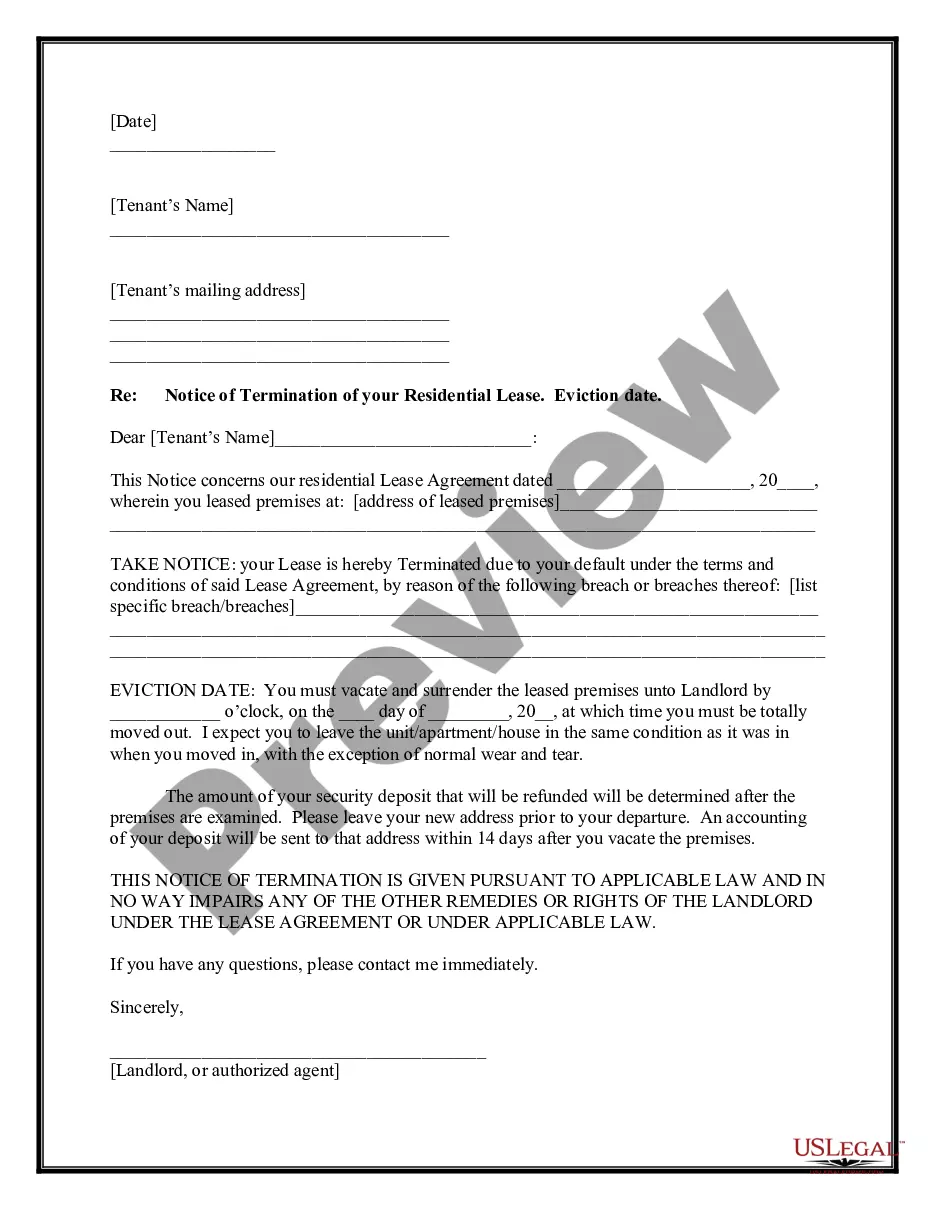
Addresses. Date. Tenant names. Status and date of the lease. Why the eviction notice is served (clear and concise explanation) Date tenant must vacate the property. Proof of service or delivery of notice.
If you're seeking damages for emotional distress caused by a landlord's discrimination, or punitive damages for especially blatant and intentional discrimination, a lawsuit may well be your best bet. Understand what's involved in suing your landlord. You may file a lawsuit in either federal or state court.
Tell Them The Problem & Consequences. Explain the reason that you want the tenant to go. Offer Them a Way Out. Let the tenant know that you are willing to give them a lump sum of cash in agreement for leaving the property. The Release.