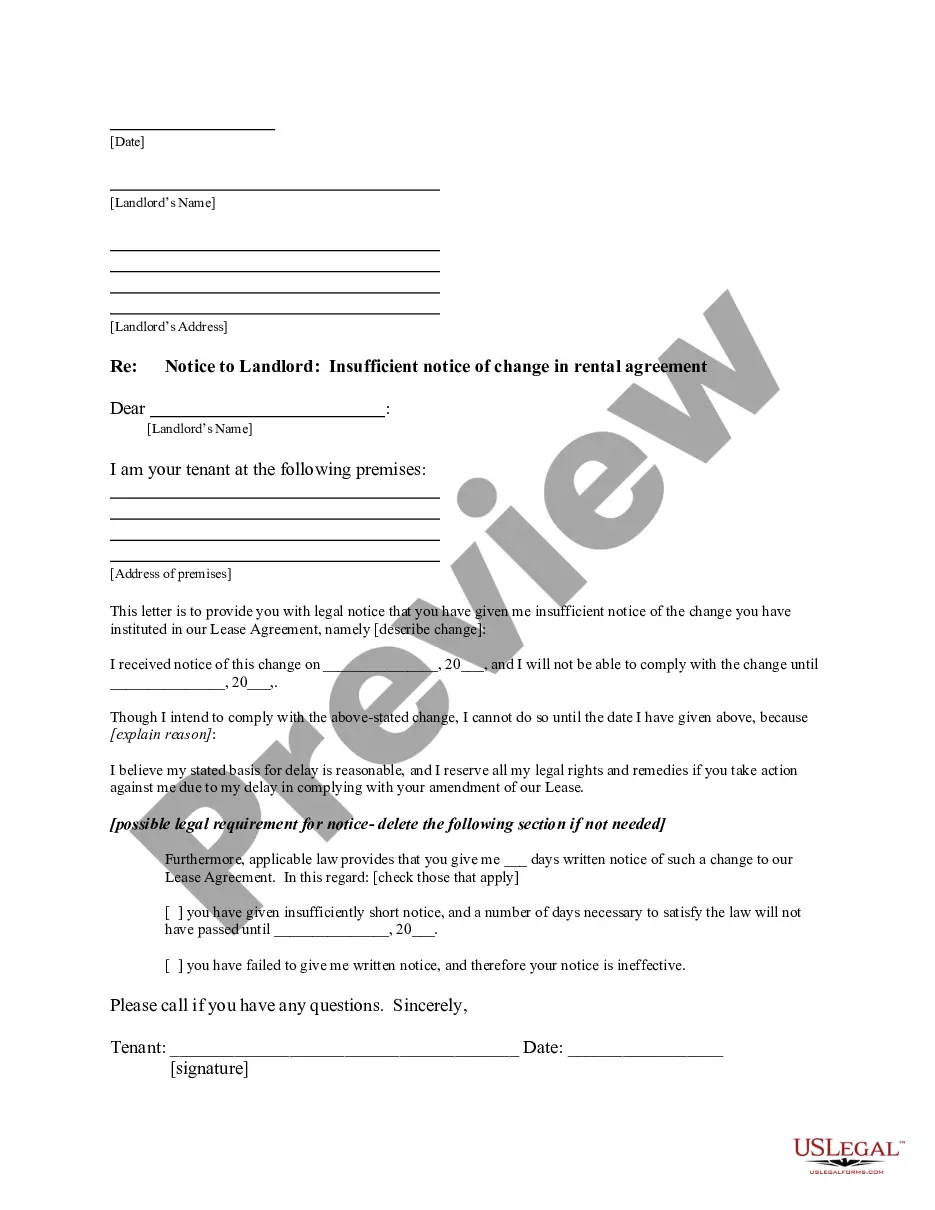
Wyoming Letter from Tenant to Landlord about Insufficient Notice of Change in Rental Agreement for other than rent increase
What this document covers
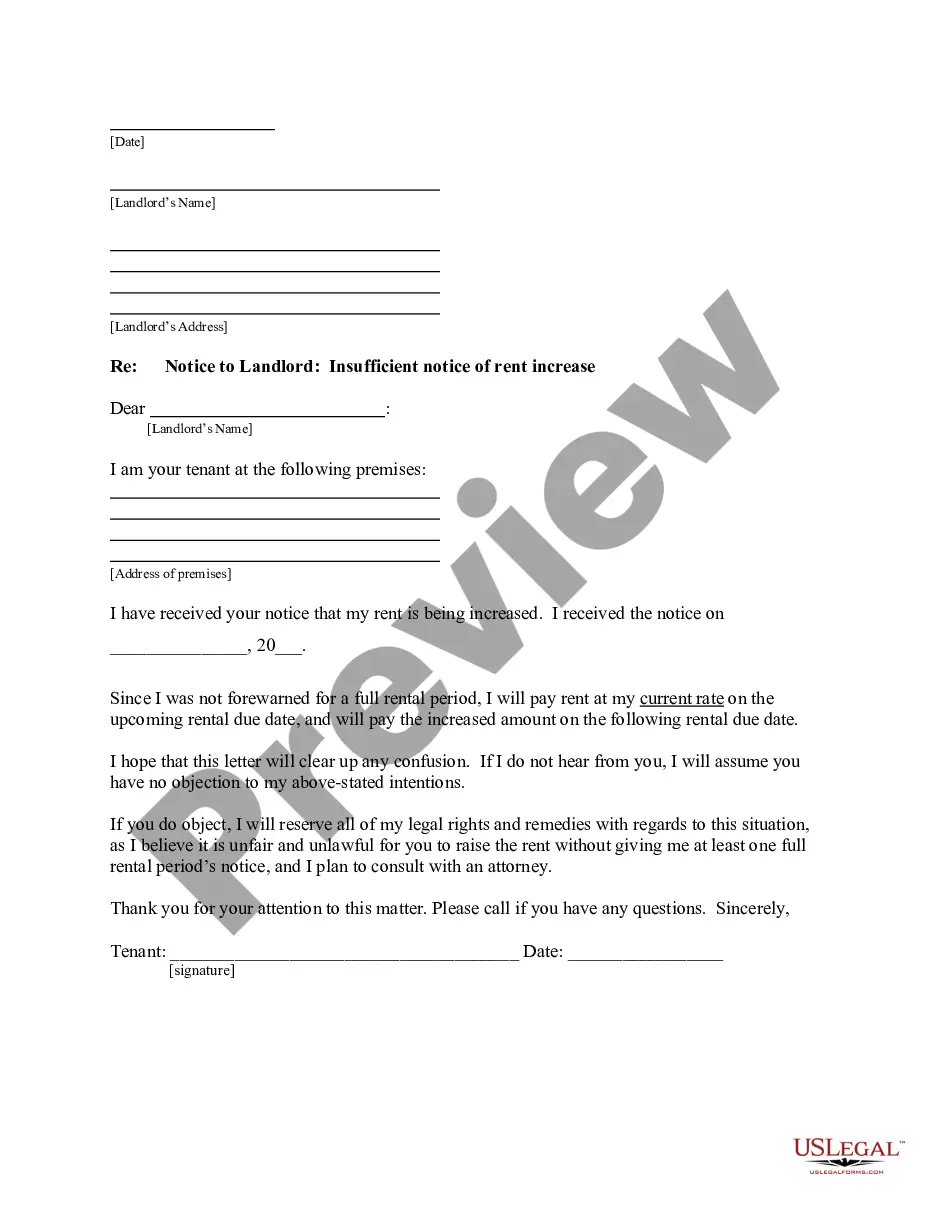
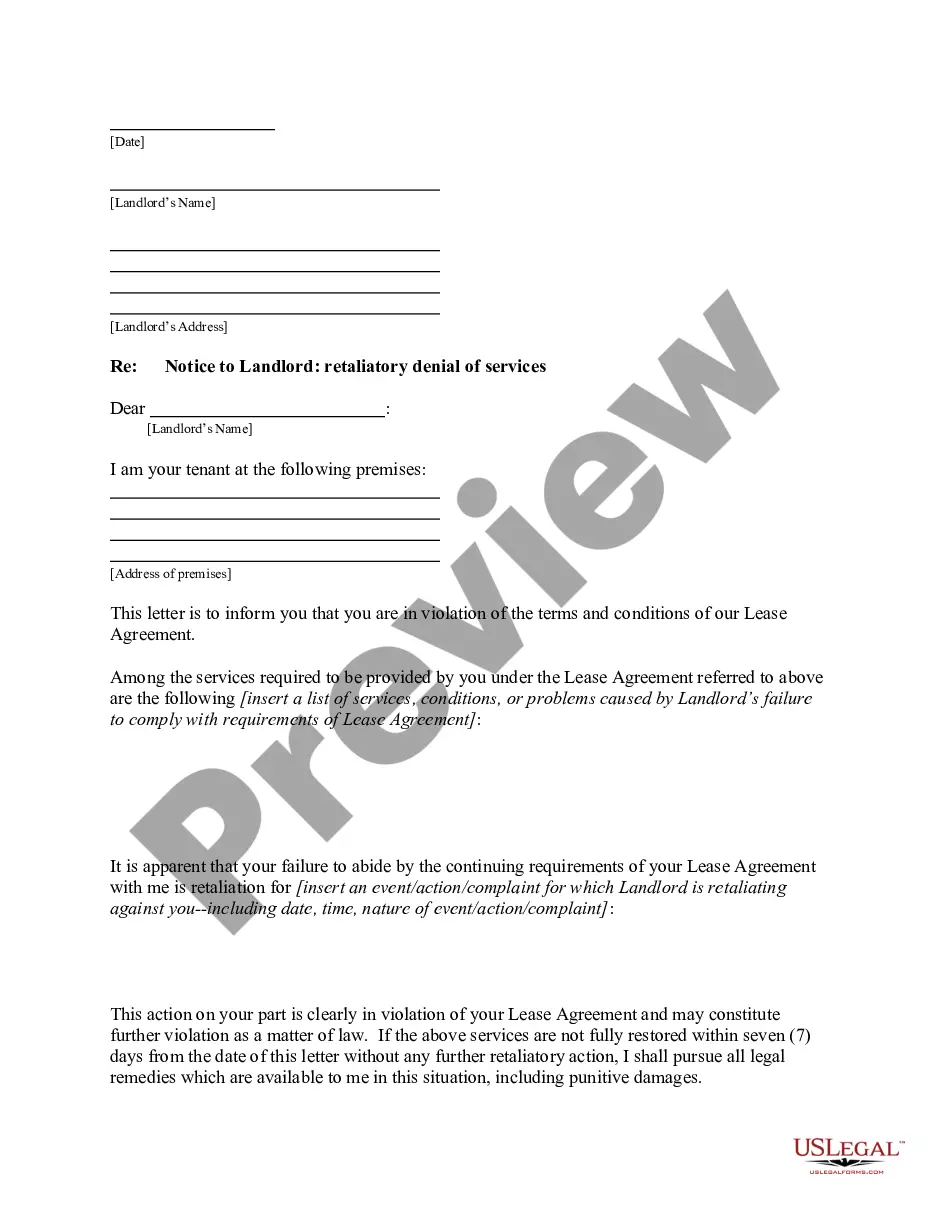
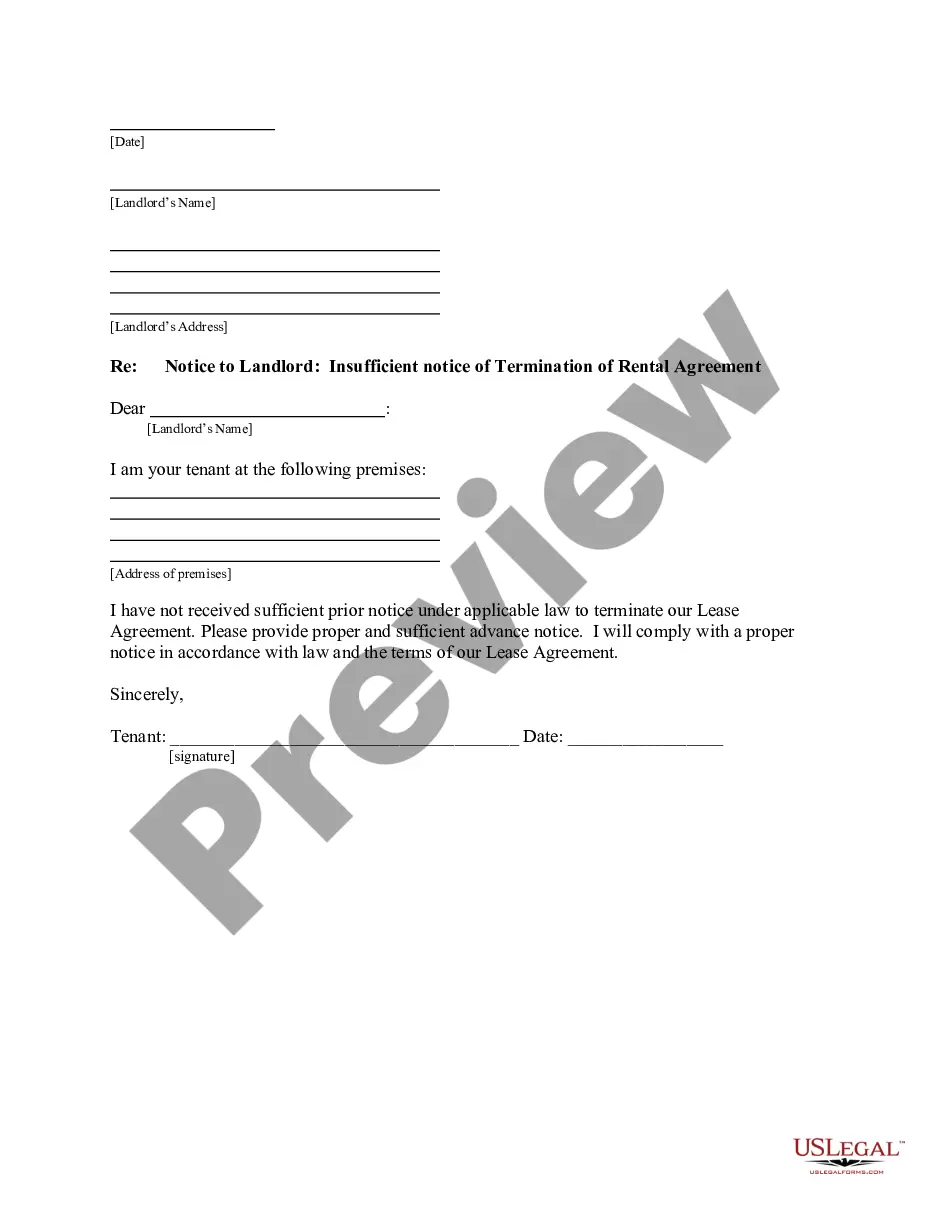
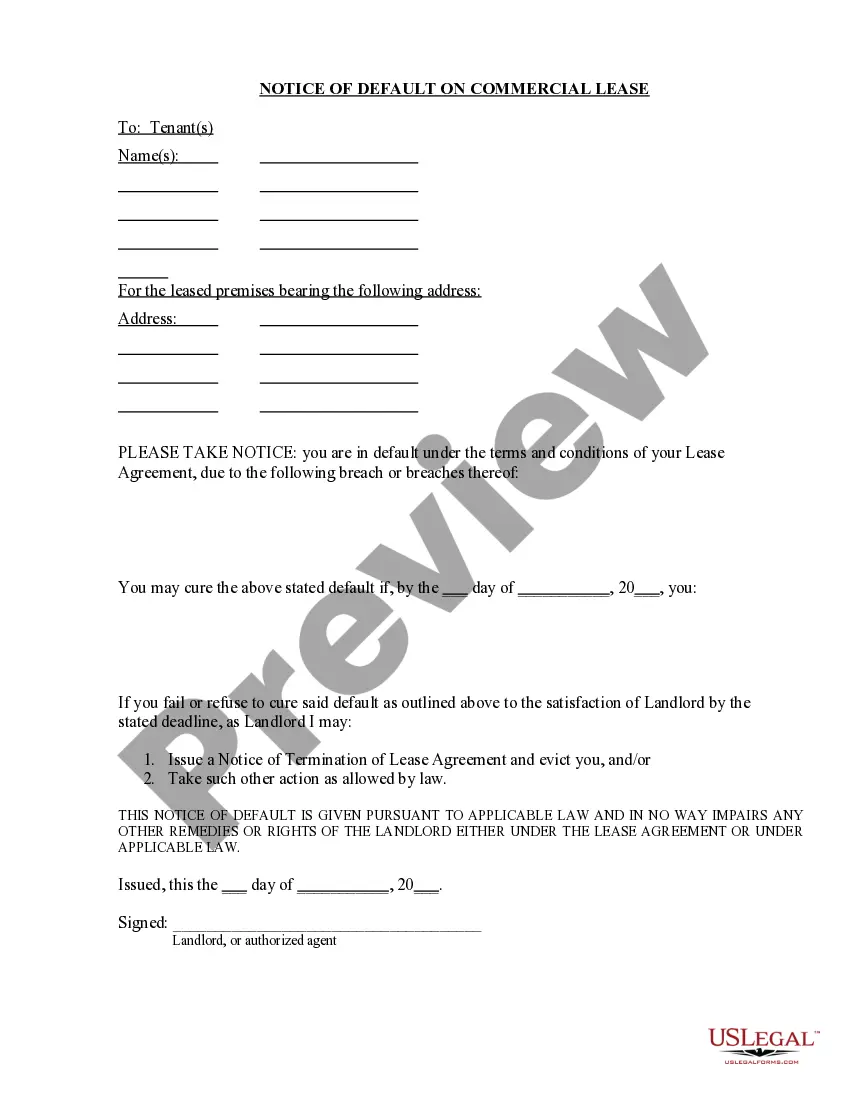
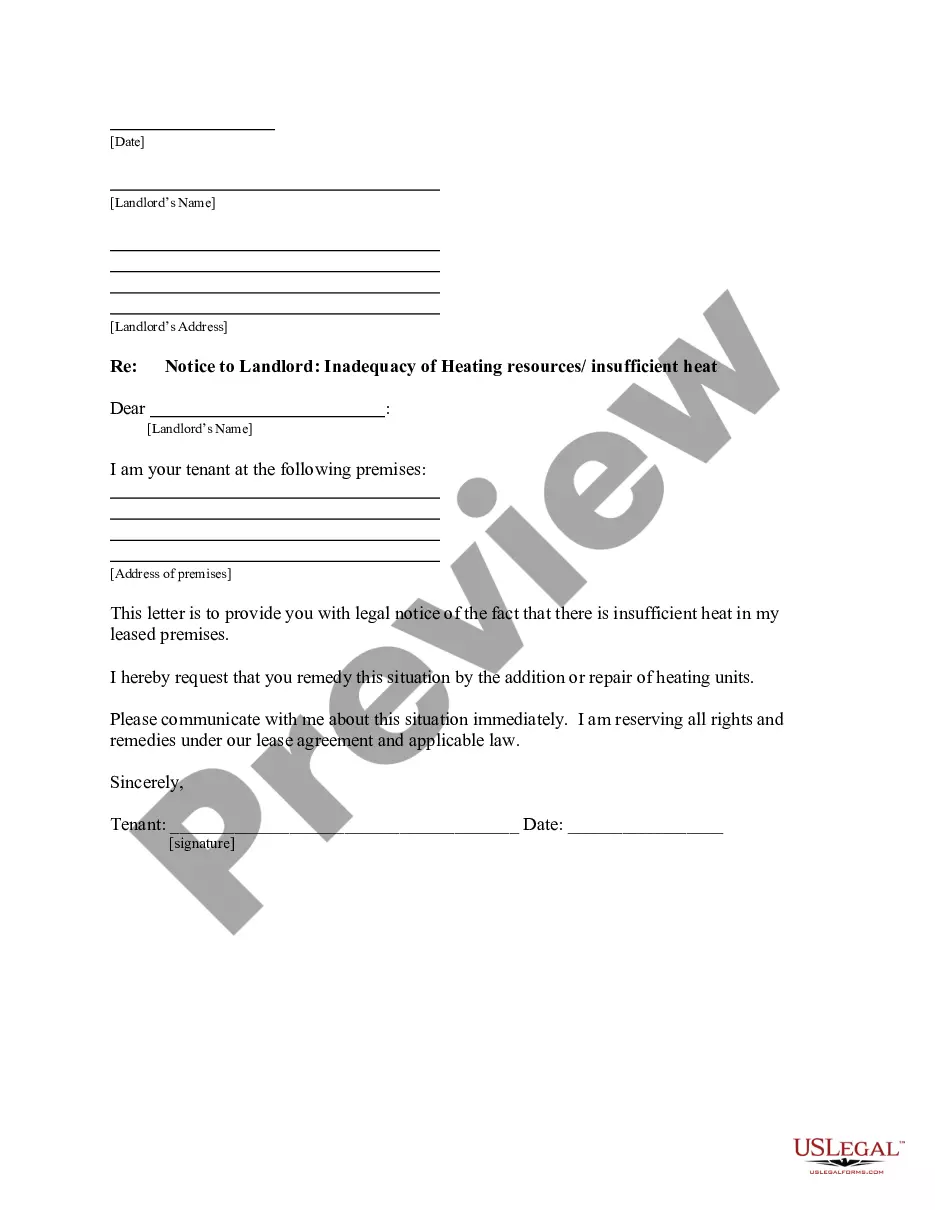
This letter from tenant to landlord about insufficient notice of change in rental agreement is a formal notification from the tenant to the landlord, indicating that the landlord has provided inadequate notice regarding changes to the lease that are not related to rent increases. This form serves to inform the landlord of the tenant's intention to withhold compliance with the changes until the proper notice period has elapsed.
Key parts of this document
- Identification of landlord and tenant parties
- Explanation of the specific lease changes and insufficient notice
- Statement of tenantâs intention regarding compliance
- Legal citation regarding required notice periods
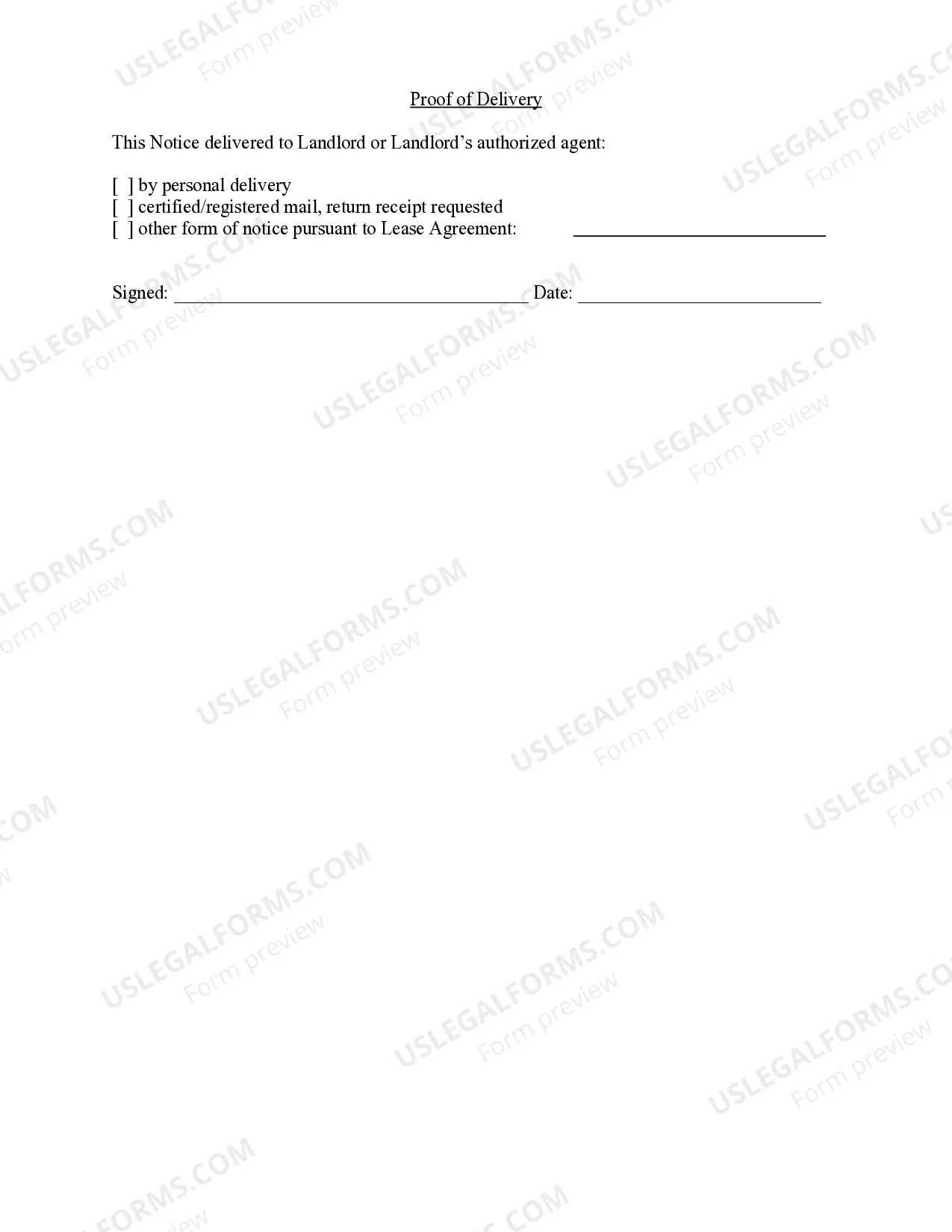
- Proof of delivery method
When to use this document
This form should be used when a landlord has made changes to the rental agreement, which do not include rent increases, without providing the legally required notice. It is essential for tenants to express their non-compliance due to insufficient notification and protect their rights in the lease agreement.
Intended users of this form
- Tenants who have received notice of changes to their lease agreement
- Individuals who believe the notice period provided by their landlord is insufficient
- Renters wishing to formally communicate their intention to contest the changes until proper notice is given
Steps to complete this form
- Identify the parties by entering your name and the landlordâs name.
- Specify the changes to the lease agreement that have been communicated.
- Fill in the date by which proper notice must be provided.
- Sign and date the letter to validate your notice.
- Choose and indicate the method of delivery for the notice to the landlord.
Notarization guidance
This form does not typically require notarization unless specified by local law. It is important to check local requirements to ensure compliance.
Get your form ready online
Our built-in tools help you complete, sign, share, and store your documents in one place.
Make edits, fill in missing information, and update formatting in US Legal Forms—just like you would in MS Word.
Download a copy, print it, send it by email, or mail it via USPS—whatever works best for your next step.
Sign and collect signatures with our SignNow integration. Send to multiple recipients, set reminders, and more. Go Premium to unlock E-Sign.
If this form requires notarization, complete it online through a secure video call—no need to meet a notary in person or wait for an appointment.
We protect your documents and personal data by following strict security and privacy standards.

Make edits, fill in missing information, and update formatting in US Legal Forms—just like you would in MS Word.

Download a copy, print it, send it by email, or mail it via USPS—whatever works best for your next step.

Sign and collect signatures with our SignNow integration. Send to multiple recipients, set reminders, and more. Go Premium to unlock E-Sign.

If this form requires notarization, complete it online through a secure video call—no need to meet a notary in person or wait for an appointment.

We protect your documents and personal data by following strict security and privacy standards.
Common mistakes to avoid
- Failing to provide the correct date for required notice.
- Not delivering the notice through a documented method.
- Omitting relevant lease changes that prompted the notice.
Why complete this form online
- Convenient access to a professionally drafted letter format.
- Editable templates tailored for specific situations.
- Reliable legal language ensuring clarity and compliance.
Legal use & context
- This letter serves as formal notice to the landlord, ensuring that the tenantâs concerns are documented.
- It provides legal protection by establishing that the landlord failed to meet notice requirements.
- Using this form helps clarify the tenant's position in case of disputes.
Main things to remember
- The form serves to officially notify the landlord of insufficient notice regarding lease changes.
- It is crucial for protecting tenant rights in rental agreements.
- Always verify state laws related to rental agreements for compliance.
Looking for another form?





Form popularity
FAQ
Names of the landlord and tenant and/or their agents. Description of the property. Amount of rent and due dates for payment, grace period, late charges. Mode of rent payment. Methods to terminate the agreement prior to the expiration date and charges if any.
Step 1: Title & Format Your Document. Step 2: Make a List of Lease Provisions. Step 3: Flesh Out Each Clause. Step 4: Check Local Laws. Step 5: Create a Signature Section.
When someone agrees to rent or lease a property, they sign a lease or rental agreement outlining the terms of the agreement. It is a legally binding contract between the tenant and the landlord that details the rights and responsibilities of each party.
When writing your own renters agreement you are able to include your own classes, such as tenants aren't allowed to have pets. However, these added clauses must be in line with both the landlord's and tenants' rights and if they infringe on these rights then they are void and can't stand up in a court of law.
Most rental agreements are short-term agreements, such as month-to-month tenancies, while lease agreements are usually for longer rental periods, such as six months, a year, or more.
These types of tenancy agreements are most commonly used by private landlords who are choosing to forgo using a letting agent or property management firm. People can even draw up their own tenancy agreements based on the free downloadable templates available on the internet.