Wyoming Buyer's Home Inspection Checklist
Overview of this form
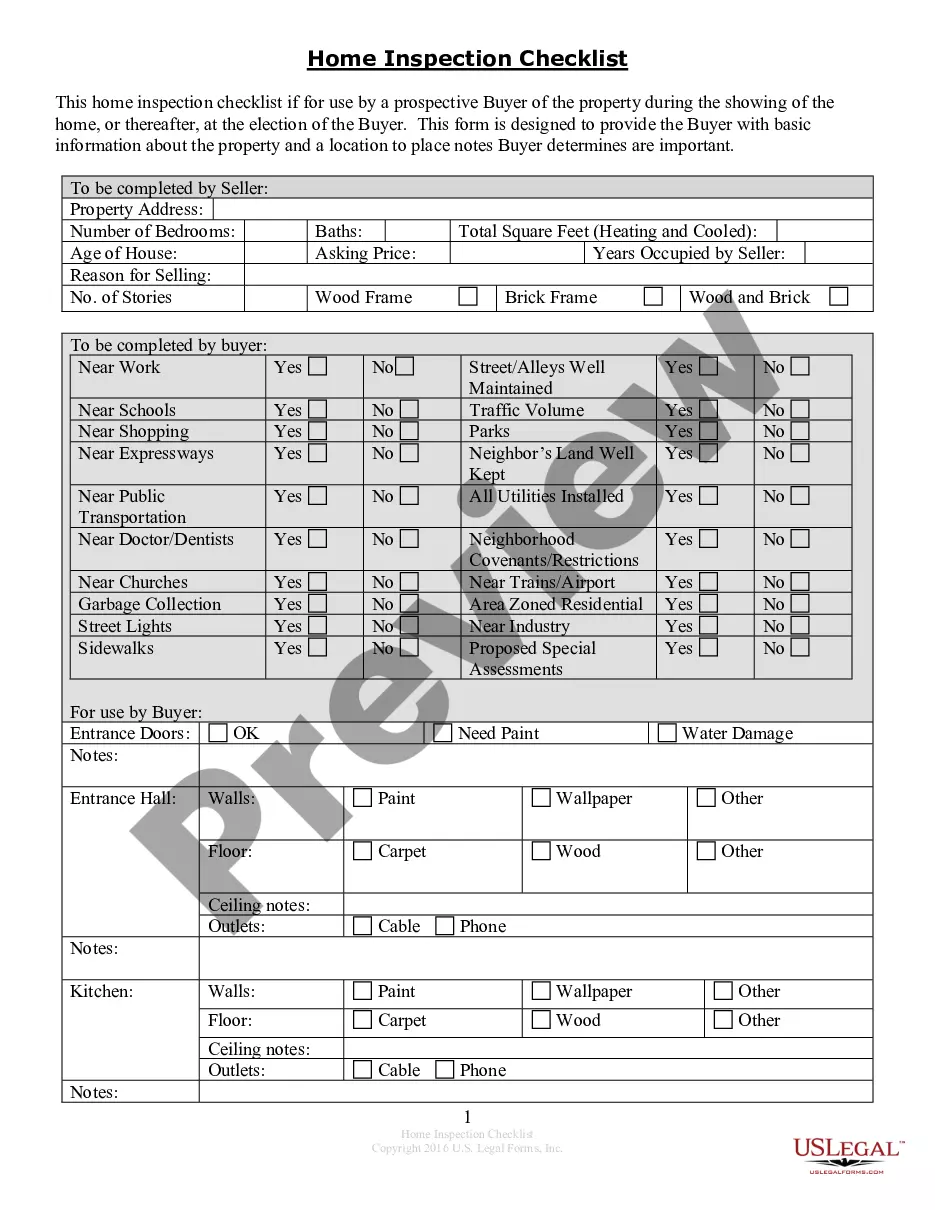
The Buyer's Home Inspection Checklist is a valuable tool for prospective homebuyers in Wyoming. This form provides a detailed list of items to evaluate during the initial viewing of a property. It helps buyers gather essential information and prepare questions for the seller before making an offer. Unlike general property inspection reports, this checklist is tailored specifically for home showings, ensuring that buyers focus on key aspects of the home that could influence their purchasing decision.
What’s included in this form
- A comprehensive list of items to check or inquire about during the home viewing.
- Space for notes on conditions and observations regarding the property.
- Sections addressing neighborhood features and amenities.
- Areas to assess utility availability and property maintenance.
- Indicators for various local resources like schools, shopping, and transportation.


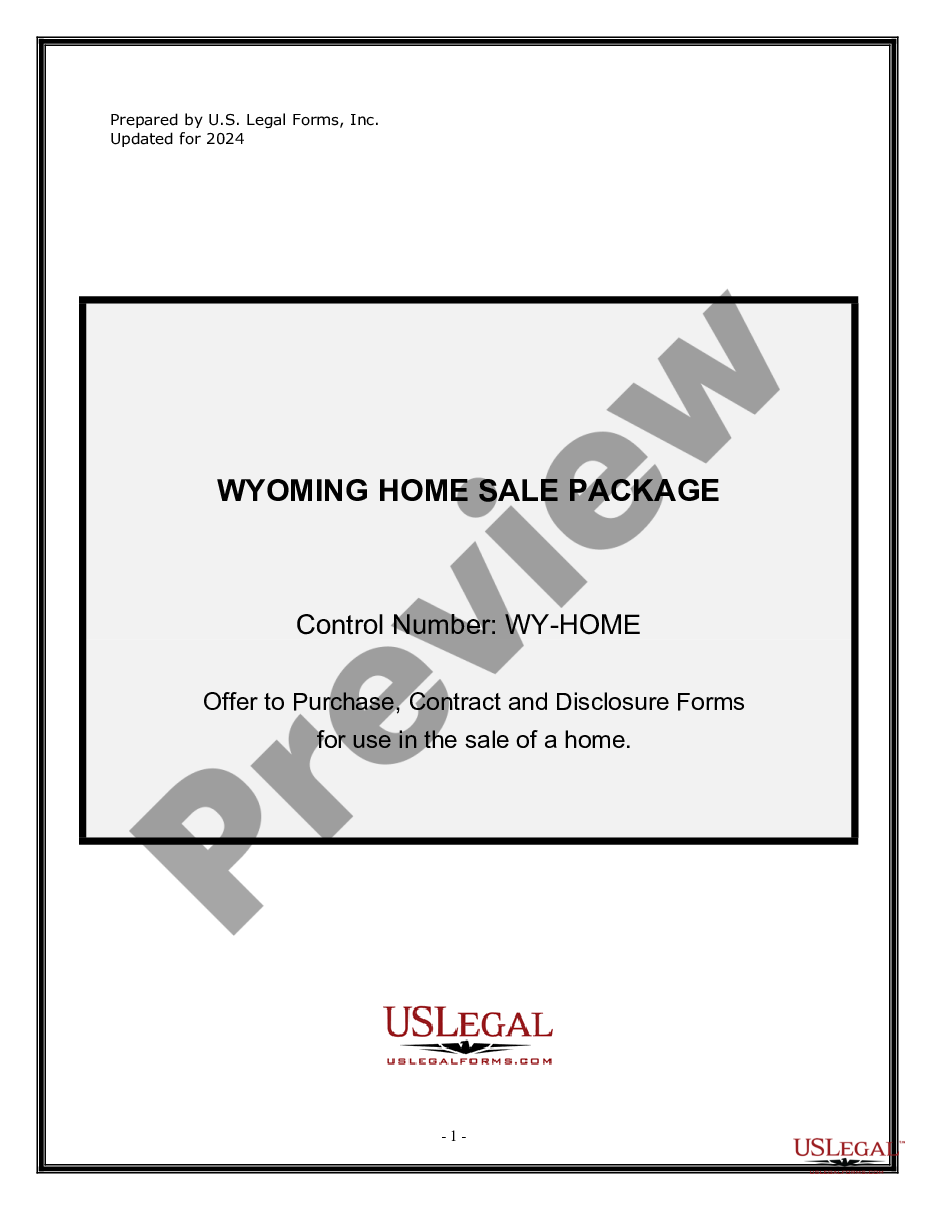
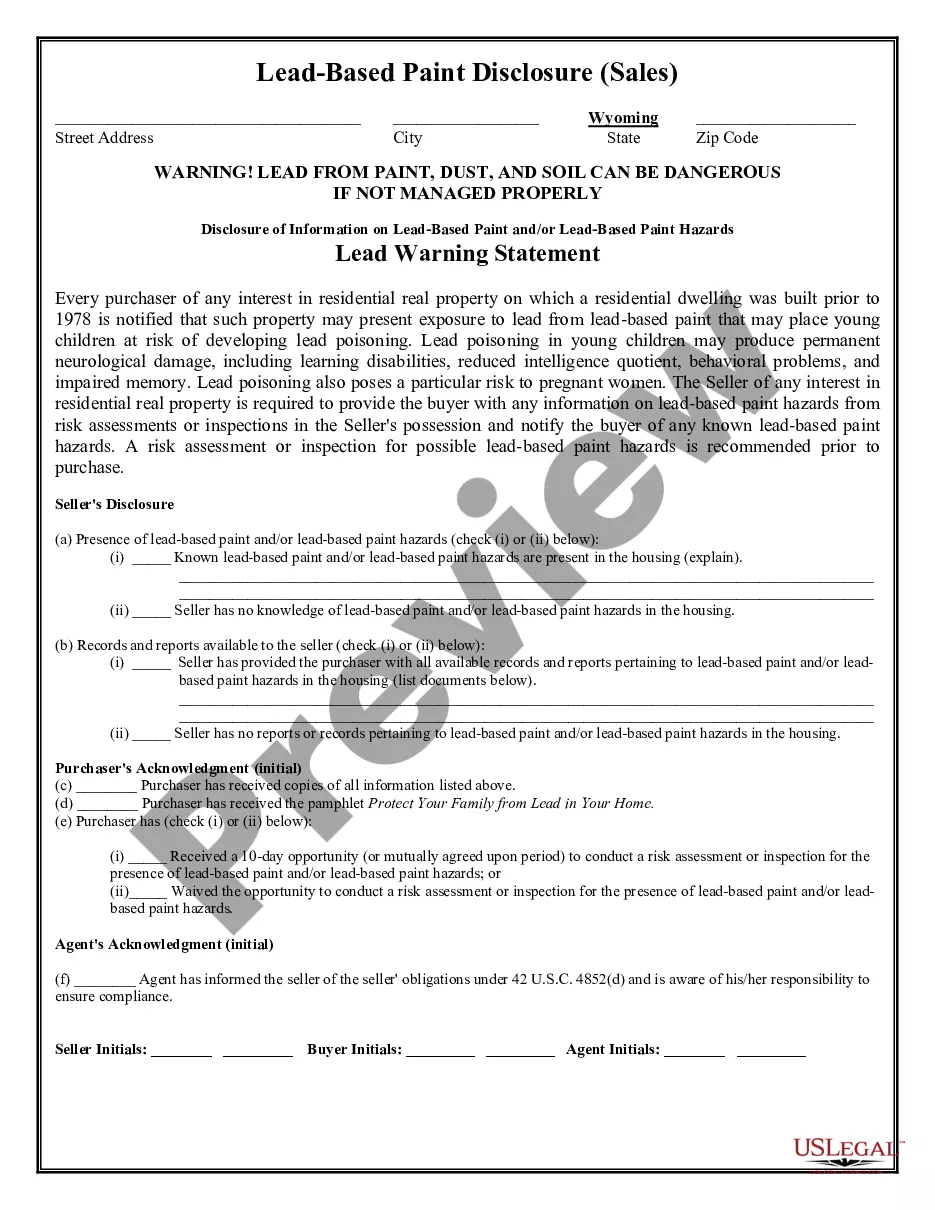
Situations where this form applies
This form is utilized when a buyer is evaluating potential homes to purchase. It is particularly helpful during open houses or property showings, allowing buyers to document their observations and questions directly related to the property. The checklist serves as a guide to ensure all important factors are considered before making an offer, ultimately facilitating a more informed decision.
Who needs this form
This checklist is intended for:
- Prospective homebuyers looking to assess a property before making an offer.
- Real estate agents assisting clients in the home buying process.
- Individuals unfamiliar with home inspections who need a structured approach to property viewing.
Instructions for completing this form
- Begin by identifying the property being viewed and noting its address.
- Systematically review each item on the checklist during the home viewing, marking "Yes" or "No" as applicable.
- Take personal notes in the space provided for any observations or questions that arise.
- Pay special attention to neighborhood features and conditions affecting property value.
- Discuss any significant concerns or queries with the seller or agent after the viewing to gather further details.
Does this document require notarization?
This form usually doesn’t need to be notarized. However, local laws or specific transactions may require it. Our online notarization service, powered by Notarize, lets you complete it remotely through a secure video session, available 24/7.
Get your form ready online
Our built-in tools help you complete, sign, share, and store your documents in one place.
Make edits, fill in missing information, and update formatting in US Legal Forms—just like you would in MS Word.
Download a copy, print it, send it by email, or mail it via USPS—whatever works best for your next step.
Sign and collect signatures with our SignNow integration. Send to multiple recipients, set reminders, and more. Go Premium to unlock E-Sign.
If this form requires notarization, complete it online through a secure video call—no need to meet a notary in person or wait for an appointment.
We protect your documents and personal data by following strict security and privacy standards.

Make edits, fill in missing information, and update formatting in US Legal Forms—just like you would in MS Word.

Download a copy, print it, send it by email, or mail it via USPS—whatever works best for your next step.

Sign and collect signatures with our SignNow integration. Send to multiple recipients, set reminders, and more. Go Premium to unlock E-Sign.

If this form requires notarization, complete it online through a secure video call—no need to meet a notary in person or wait for an appointment.

We protect your documents and personal data by following strict security and privacy standards.
Mistakes to watch out for
- Not bringing the checklist to the property viewing.
- Failing to ask important questions about the items listed on the form.
- Overlooking specific features of the home that may need further inspection.
- Waiting too long to review notes and observations after the showing.
Why complete this form online
- Conveniently downloadable for immediate use during home viewings.
- Edit this form easily to suit individual needs or specific properties.
- Access information from anywhere, ensuring buyers are prepared regardless of location.
Legal use & context
- The checklist serves as a guide for informal inspections and is not a substitute for a professional home inspection.
- It can help protect buyers by encouraging them to be more informed about the property features and potential issues.
- Buyers can use the results of the checklist to negotiate repairs or price adjustments with sellers.
Main things to remember
- The Buyer's Home Inspection Checklist is essential for prospective buyers in Wyoming.
- Utilize the checklist during home visits to make informed decisions.
- The form includes crucial local details, enhancing the home evaluation process.
Looking for another form?








Form popularity
FAQ
Provide open access to areas that need to be checked. Clear the perimeter. Check the roof. Keep a clean house. Replace any bulbs that are out. Make sure your toilets are functioning properly. Put in a fresh furnace return filter.
A home inspector will look at things like a home's foundation, structural components, roof, HVAC, plumbing, and electrical systems, then provide a written home inspection report with results. A home inspection generally takes two to four hours, but may take more time depending on the size of the house.
Problem #1: Rundown roofing. Problem #2: Drainage issues. Problem #3: Faulty foundation. Problem #4: Plumbing problems. Problem #5: Pest infestations. Problem #6: Hidden mold. Problem #7: Failing heating systems. Problem#8: Electrical wiring.
Foundation. Roof. Attic space. Rain gutters and downspouts. Exterior stucco or paint. Electrical panel, light switches, and power outlets. Thermostats and heating, cooling, and ventilation (HVAC) system. Plumbing fixtures, faucets, and water heater.
Potential red flags that can arise during a property home inspection include evidence of water damage, structural defects, problems with the plumbing or electrical systems, as well as mold and pest infestations. The presence of one or more of these issues could be a dealbreaker for some buyers.
Ask the seller to make the repairs themselves. Ask for credits toward your closing costs. Ask the seller to reduce the sales price to make up for the repairs. Back out of the transaction (if you have an inspection contingency in place) Move forward with the deal.
The standard home inspector's report will cover the condition of the home's heating system; central air conditioning system (temperature permitting); interior plumbing system; electrical system; the roof, attic and visible insulation; walls, ceilings, floors, windows and doors; and the foundation, basement and
Sellers have a legal obligation to either repair or disclose serious issues with the home. If the repair request is a big oneand it's not a surprise to themthey're almost always going to be required to spring for the cost or lose the sale.
The standard home inspector's report will cover the condition of the home's heating system; central air conditioning system (temperature permitting); interior plumbing system; electrical system; the roof, attic and visible insulation; walls, ceilings, floors, windows and doors; and the foundation, basement and