West Virginia Letter from Tenant to Landlord containing Notice of termination for landlord's noncompliance with possibility to cure
What is this form?
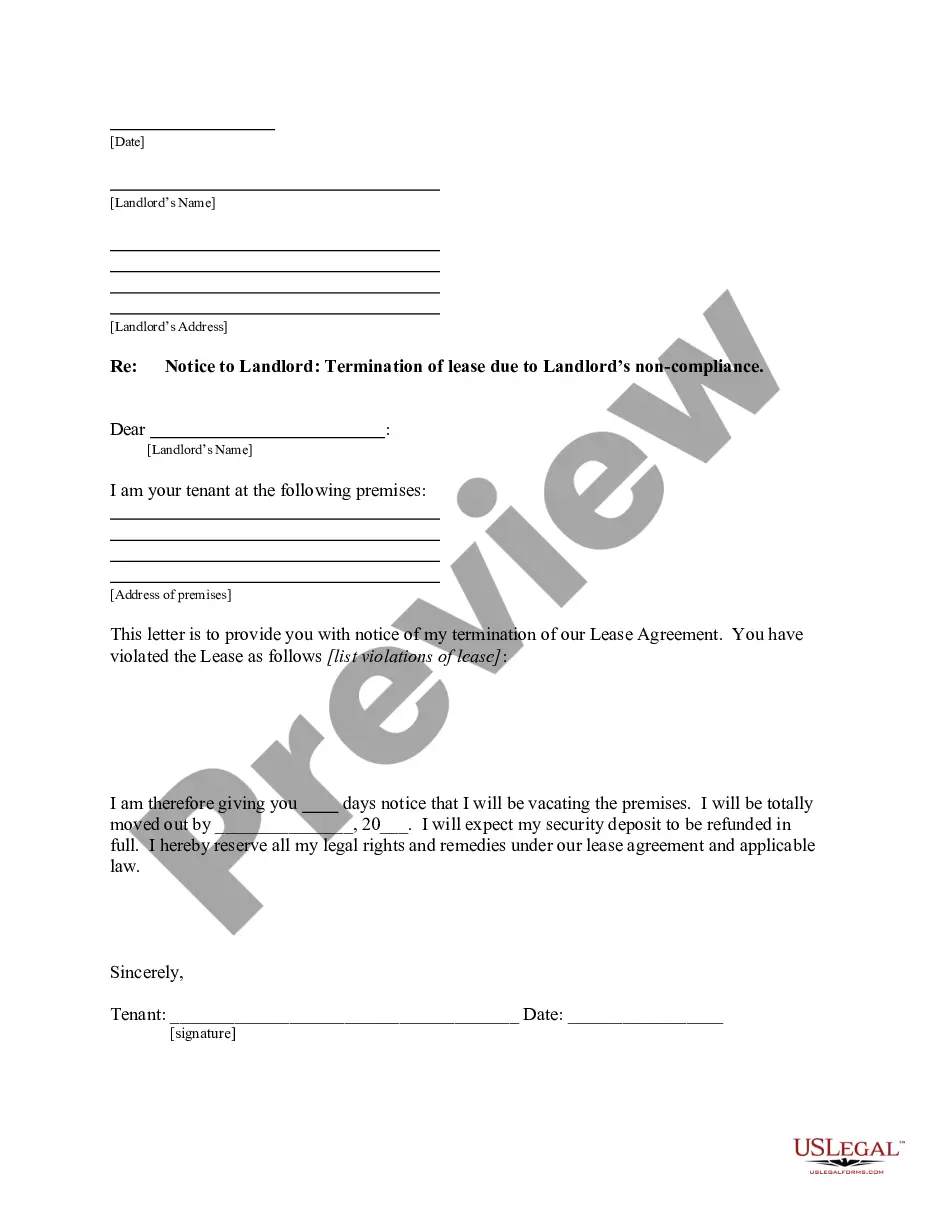
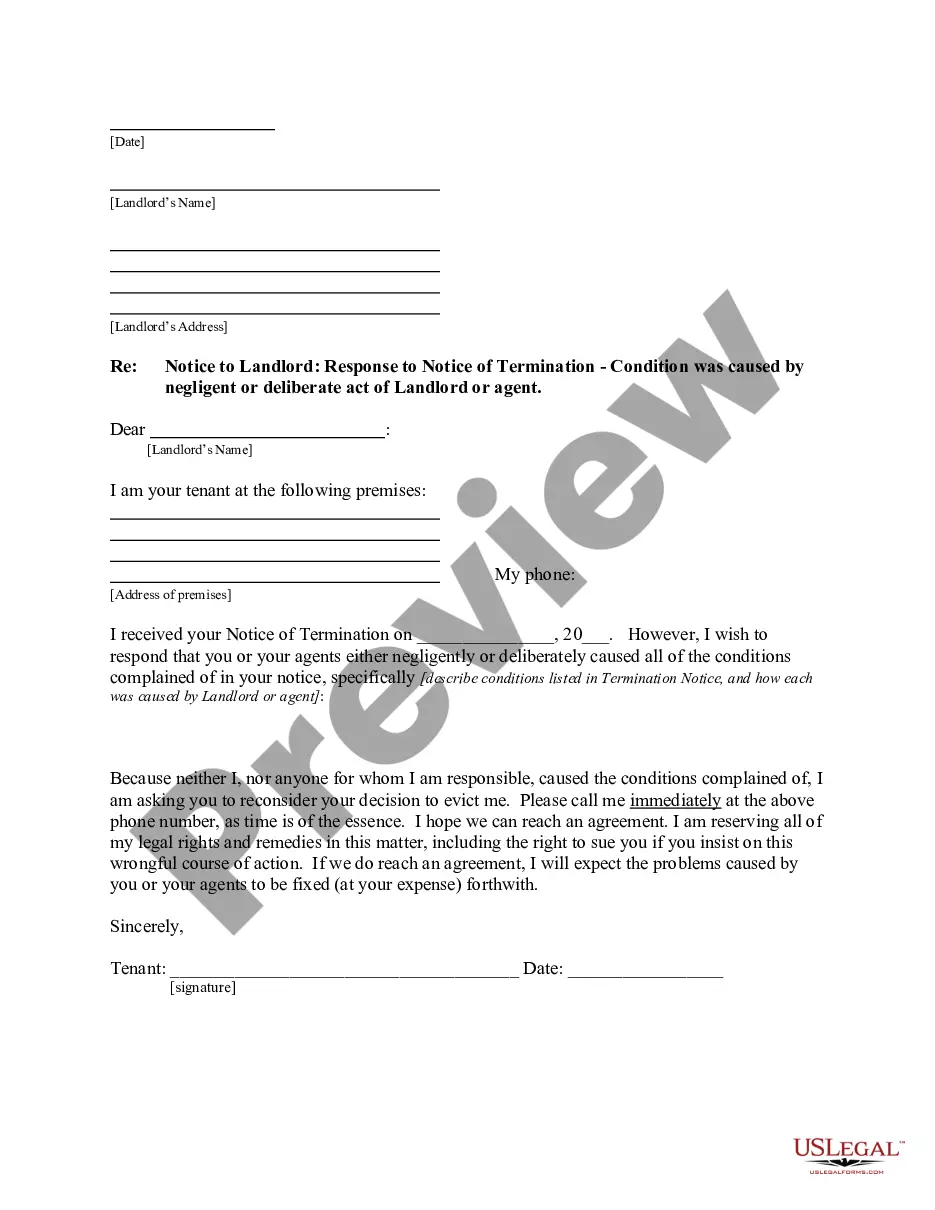
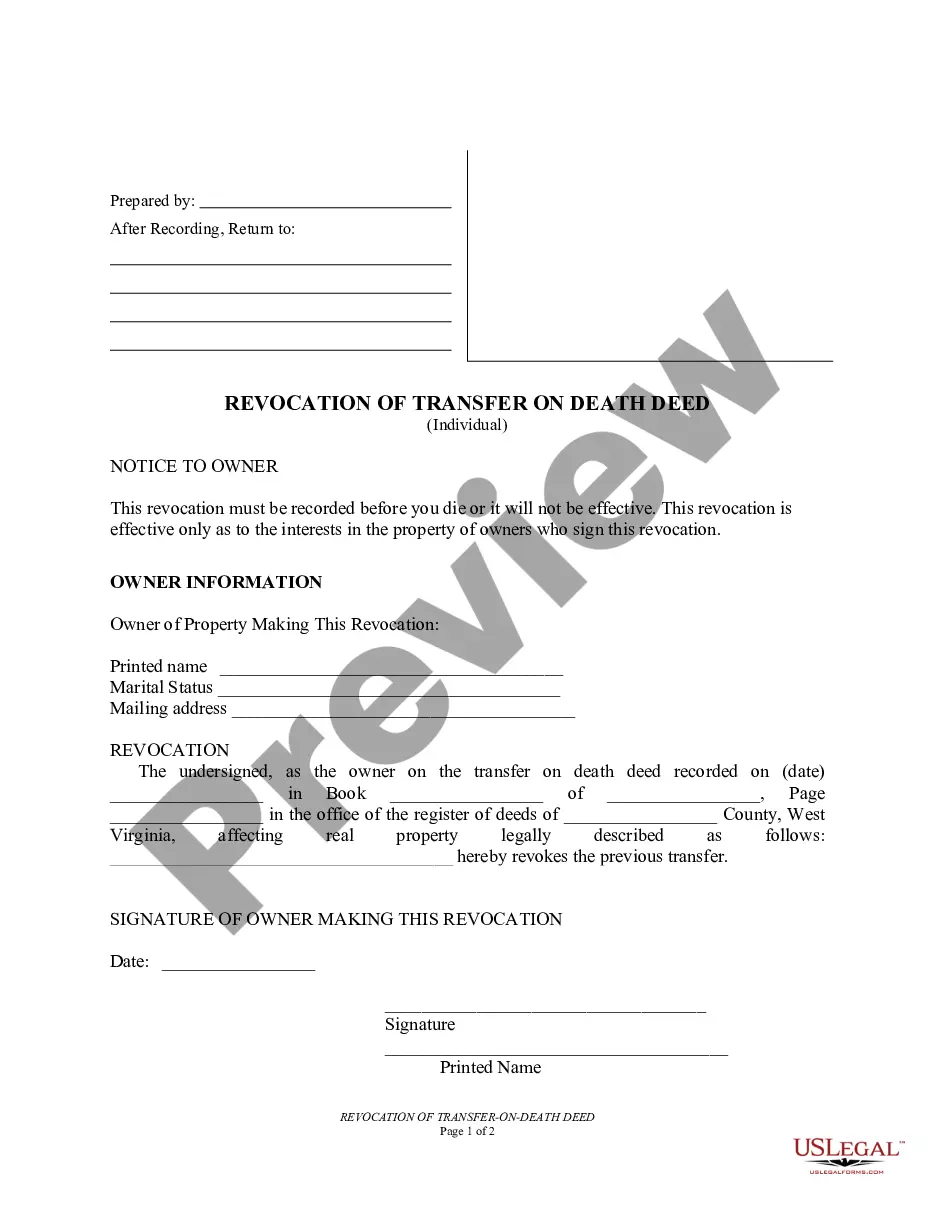
This Letter from Tenant to Landlord containing Notice of termination for landlord's noncompliance with possibility to cure is a legal document used by tenants to formally notify their landlord of their intent to terminate the lease due to the landlord's failure to comply with lease terms. This form allows the landlord an opportunity to address the issues before the tenant vacates the property, distinguishing it from other forms that may not include this possibility for the landlord to correct the problems.
Form components explained
- Tenant's name and address
- Landlord's name and address
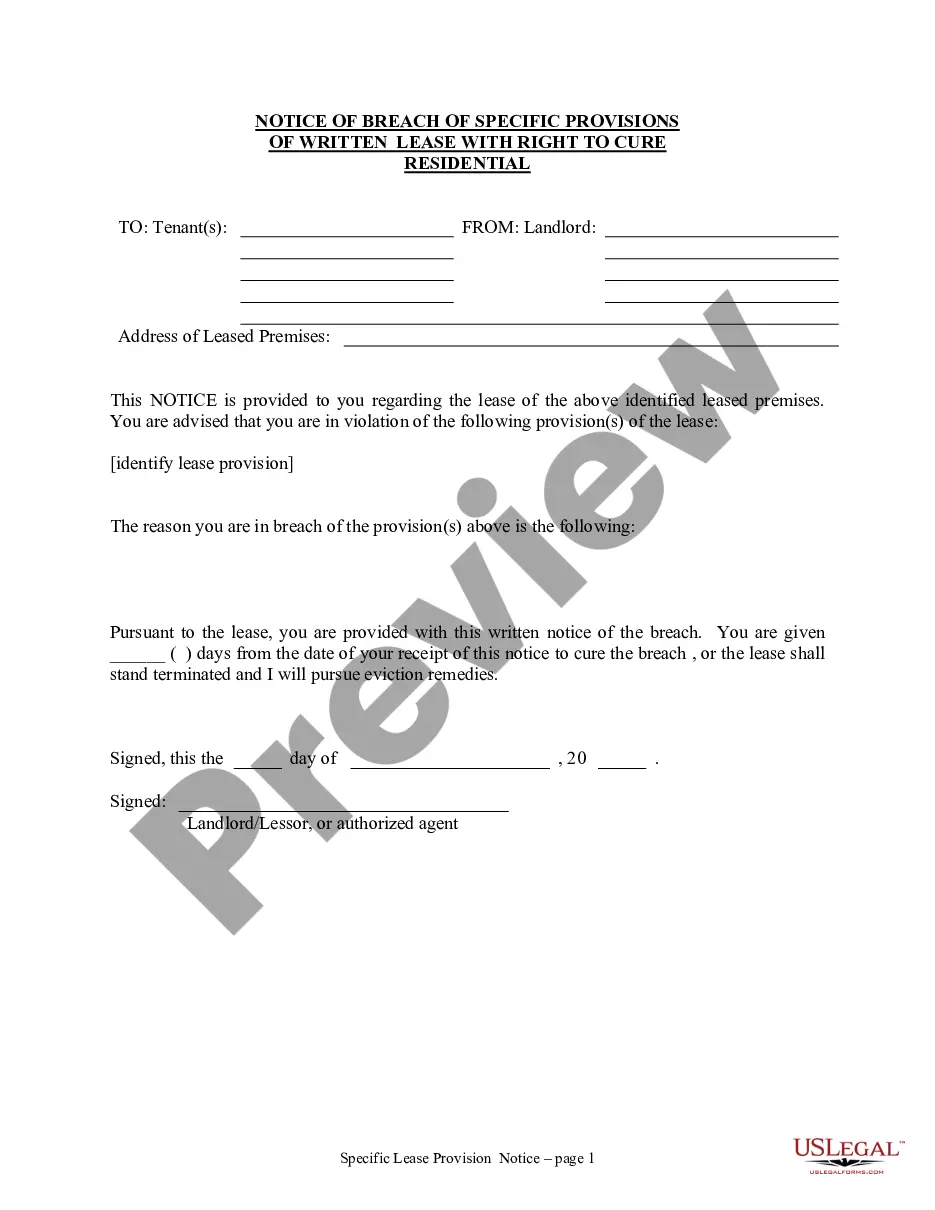
- Specific lease violations by the landlord
- Notice of termination of lease
- Opportunity for the landlord to cure the noted violations
- Date of notification
Common use cases
This form is necessary when a tenant experiences serious issues with the landlord, such as neglecting repairs, violating terms of the rental agreement, or any form of noncompliance. It can be used when tenants want to ensure that the landlord has a chance to rectify the situation before moving out.
Intended users of this form
- Tenants who have signed a lease agreement with a landlord.
- Individuals facing unresolved issues with their landlord that may violate the lease terms.
- Anyone seeking to formally communicate the intent to terminate a lease due to landlord noncompliance.
Completing this form step by step
- Identify and enter the tenant's name and address at the top of the document.
- Provide the landlord's name and address in the designated section.
- Clearly outline the specific breaches of the lease agreement by the landlord.
- Indicate the date by which the landlord must remedy the violations.
- Sign the document and include the date of signing.
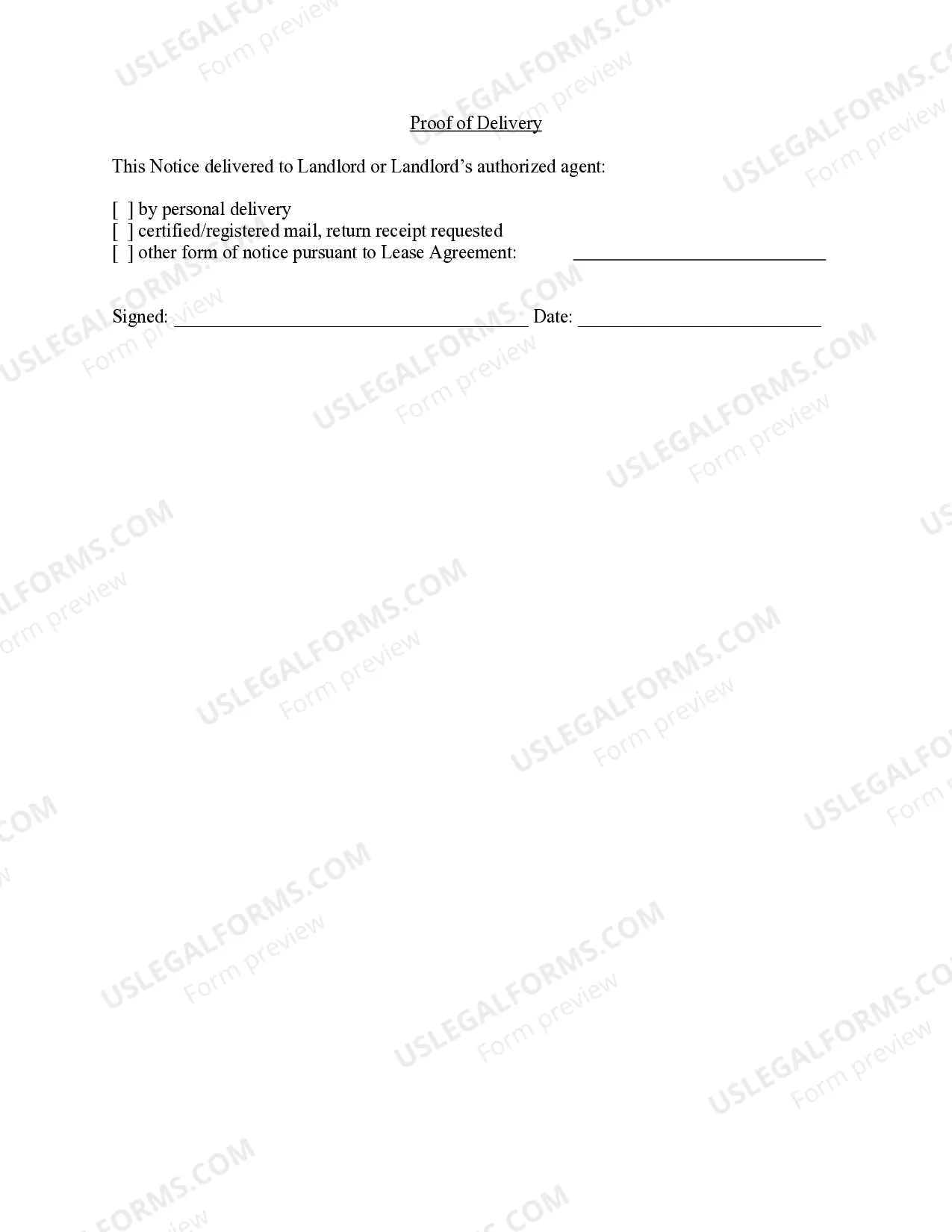
- Deliver the notice to the landlord or their authorized agent as specified.
Does this document require notarization?
This form does not typically require notarization unless specified by local law. However, verifying local requirements is advisable to ensure legal validity.
Get your form ready online
Our built-in tools help you complete, sign, share, and store your documents in one place.
Make edits, fill in missing information, and update formatting in US Legal Forms—just like you would in MS Word.
Download a copy, print it, send it by email, or mail it via USPS—whatever works best for your next step.
Sign and collect signatures with our SignNow integration. Send to multiple recipients, set reminders, and more. Go Premium to unlock E-Sign.
If this form requires notarization, complete it online through a secure video call—no need to meet a notary in person or wait for an appointment.
We protect your documents and personal data by following strict security and privacy standards.

Make edits, fill in missing information, and update formatting in US Legal Forms—just like you would in MS Word.

Download a copy, print it, send it by email, or mail it via USPS—whatever works best for your next step.

Sign and collect signatures with our SignNow integration. Send to multiple recipients, set reminders, and more. Go Premium to unlock E-Sign.

If this form requires notarization, complete it online through a secure video call—no need to meet a notary in person or wait for an appointment.

We protect your documents and personal data by following strict security and privacy standards.
Common mistakes to avoid
- Failing to provide specific details about the lease violations.
- Not signing and dating the notice, which may render it invalid.
- Sending the notice to the wrong address or person, leading to potential legal issues.
Why complete this form online
- Convenient downloading options allow for quick access to legal documents.
- Edit and customize the form easily to fit individual circumstances.
- Reliability of documents drafted by licensed attorneys ensures legal compliance.
Legal use & context
- This form serves as official notice and can be used in legal proceedings if necessary.
- It is important to keep a copy for personal records after delivering the notice.
- Failure to comply with the notice can strengthen a tenant's case for lease termination.
Quick recap
- This form allows tenants to notify landlords of lease violations with an opportunity to correct them.
- It is critical to provide accurate details and comply with state regulations.
- Using this online form ensures access to professionally drafted legal documentation.
Looking for another form?






Form popularity
FAQ
When you rent a property from a landlord it becomes your home. They should only enter the property without you being present, if you have given permission for them to do so, or in a genuine emergency.
The big take-away is that in most circumstances a landlord cannot enter a property without agreement from the tenant. And If the landlord ignores the law and enters the property without permission, the tenant may be able to claim damages or gain an injunction to prevent the landlord doing it again.
Dear Name of Apartment Manager, 200bI am writing you to let you know that I will be vacating the premises that I'm currently occupying at Current Address. My lease expires on Date, but it's necessary that I vacate earlier due to job relocation. I intend to vacate my apartment by Date.
The termination notice must be in writing, signed by the landlord/agent and set out: the address of the premises. the day by which the landlord/agent wants vacant possession. the grounds for termination (the reason/s, if any).
Contact Your Landlord You'll want to get in touch with your landlord as soon as possible, by phone or email, and explain your situation. There might be a simple agreement that benefits both of you, and in this case, you'll likely end up paying something like the remainder of your rent for the current period.
State law prohibits landlords from entering rental housing without either the consent of the tenant or providing reasonable notice in advance, unless circumstances require the landlord to perform emergency repairs.
Apply to the Tribunal for orders: to stop the landlord/agent entering the premises. (Apply within 3 months after you become aware of the landlord's/agent's breach.) report trespass to the police. complain to NSW Fair Trading.
Pay any delinquent rent that is due to the landlord within the allotted time of the notice. Move out of the premises within the allotted time of the notice. File an answer with the judicial court. File a motion to stay with the court.
Your landlord or their representatives may be allowed reasonable access to carry out inspections or repairs, but must first get your permission. According to Section 11, from The Landlord and Tenant Act 1985, your landlord needs to give you at least 24 hour notice before they come around and visit for any reason.