West Virginia Warranty Deed from Husband and Wife to an Individual
Overview of this form
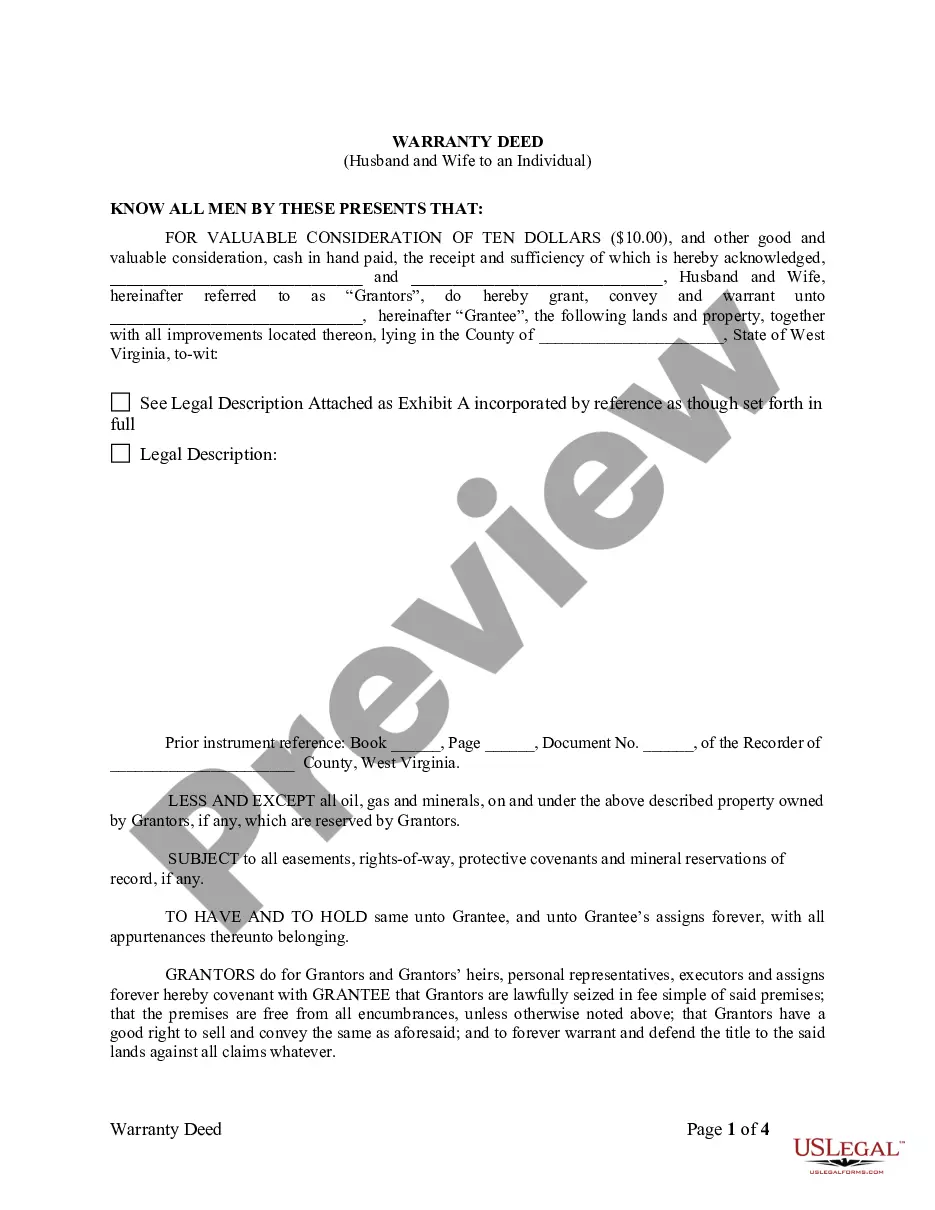
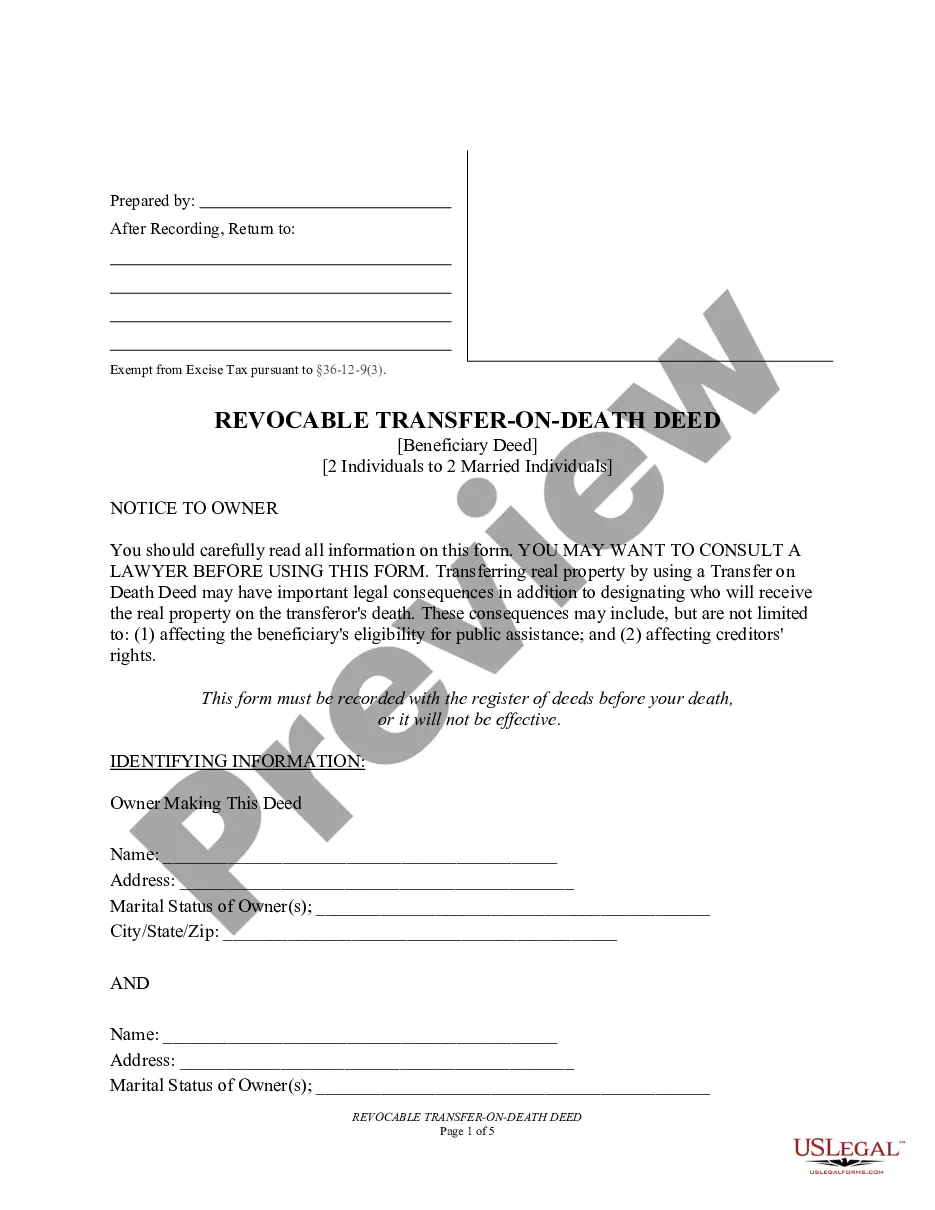
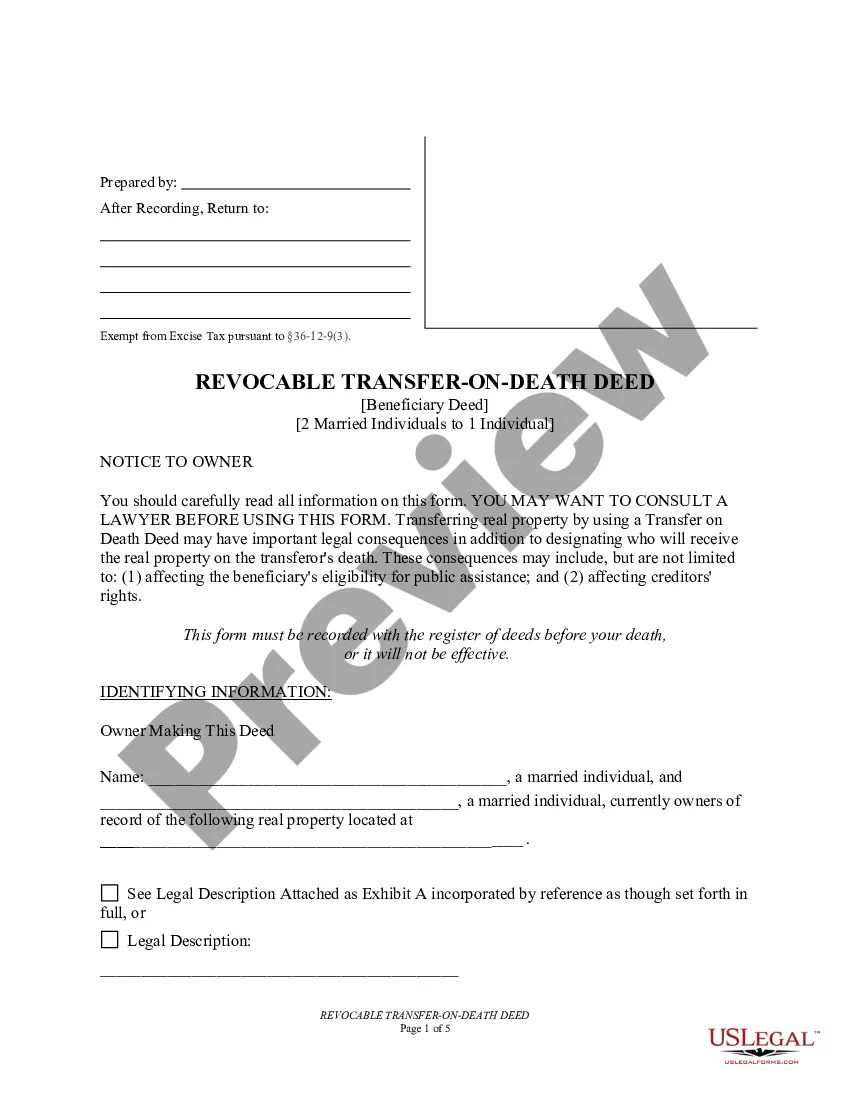
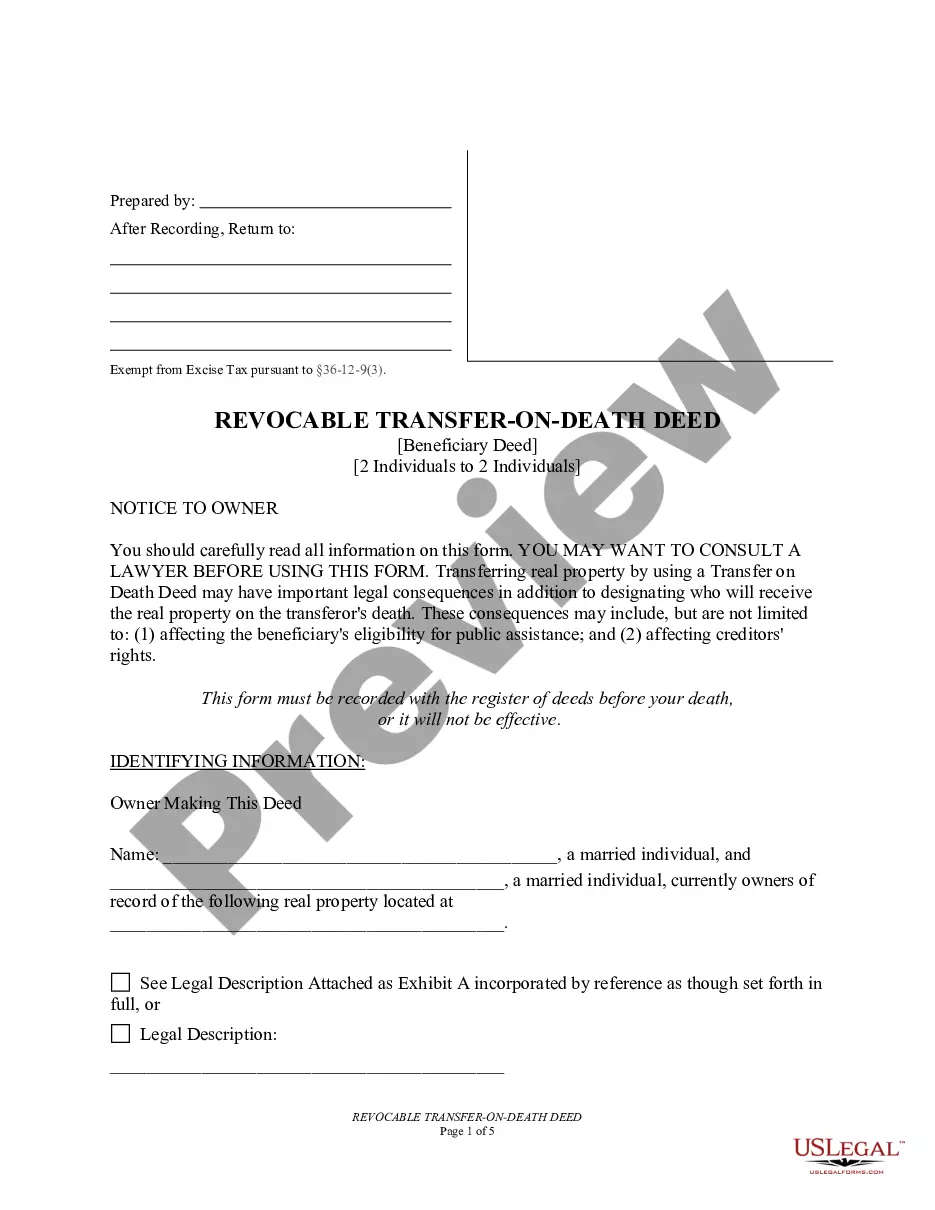
The Warranty Deed from Husband and Wife to an Individual is a legal document used to transfer ownership of property from a married couple (the grantors) to an individual (the grantee). This form serves as a guarantee from the grantors that they hold legal title to the property and that it is free from claims, allowing for clear ownership transfer. This warranty deed is distinct from other deed forms because it involves both spouses as grantors and ensures that the property is conveyed with certain warranties against future claims.
Main sections of this form
- The names of grantors (husband and wife) and grantee (individual).
- The legal description of the property being transferred.
- A statement acknowledging consideration (payment) for the property.
- Covenants assuring the grantee that the title is free from encumbrances.
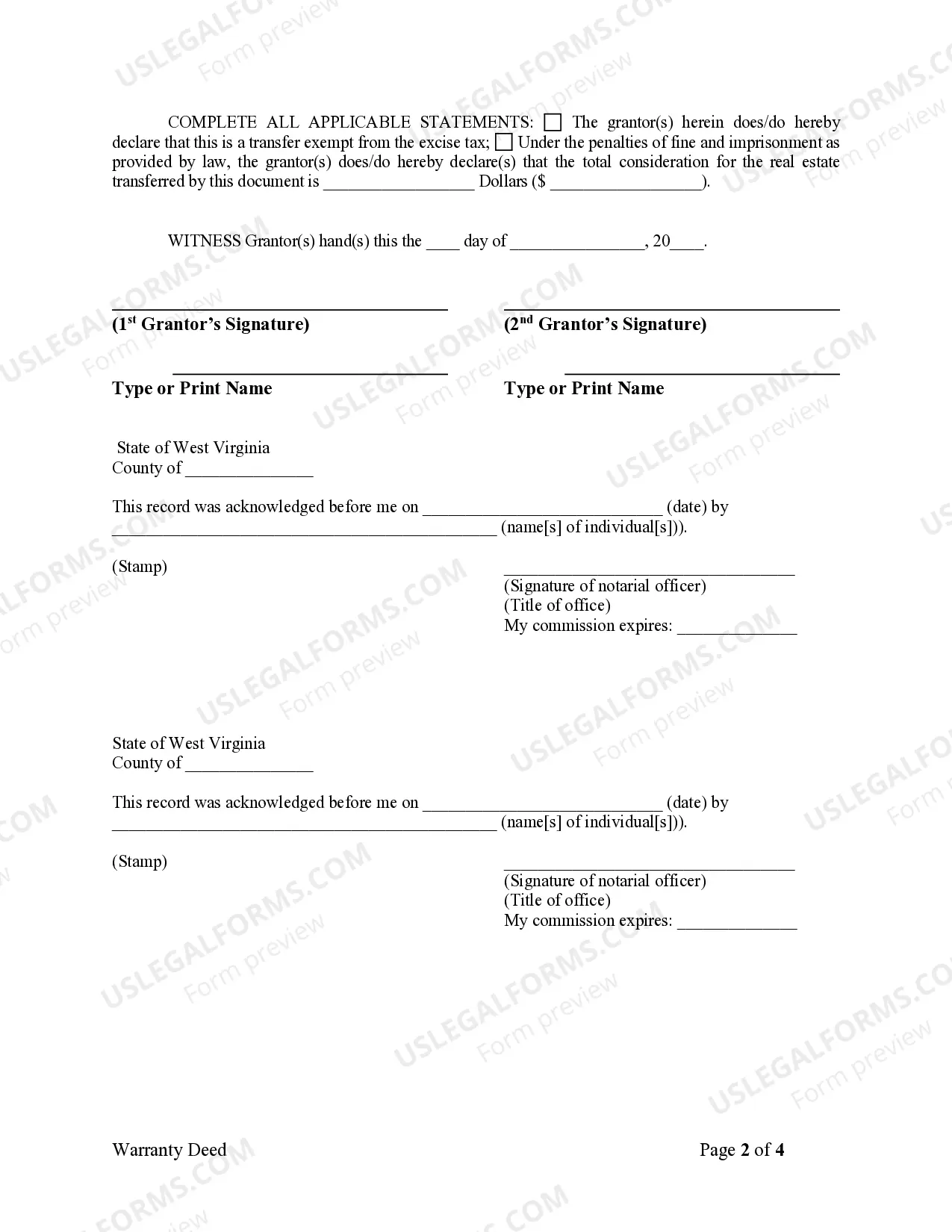
- Space for signatures of both grantors and a notary public.
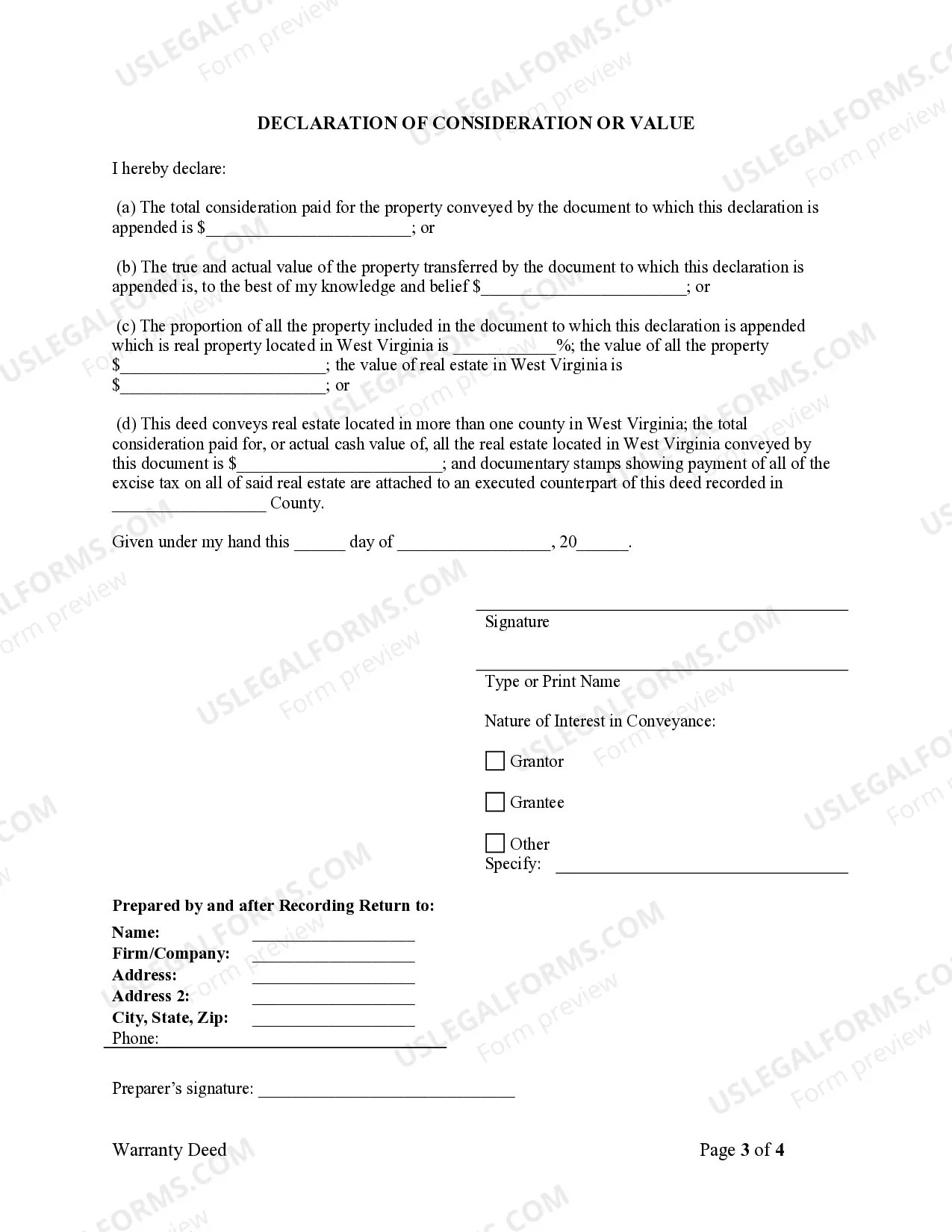
- Declarations regarding the consideration or value of the property.

When to use this document
This form is necessary when a married couple wants to transfer ownership of real estate to an individual, whether for personal reasons or as part of a larger transaction. Scenarios include gifting property to a family member, selling property, or clarifying ownership after a shared property agreement. Utilizing this warranty deed can help secure the property rights of the grantee against any future claims.
Who can use this document
- Married couples who own real estate and wish to divide ownership.
- Individuals interested in acquiring property from a married couple.
- Legal representatives or agents handling property transactions involving married clients.
Steps to complete this form
- Identify the grantors by entering the full names of both the husband and wife.
- Specify the grantee's name (the individual receiving the property).
- Provide the legal description of the property as referenced under Exhibit A.
- Enter the dollar amount of consideration for the property transfer.
- Have both grantors sign and date the document in the appropriate spaces.
- Complete the notary section to finalize the document's validity.
Notarization requirements for this form
This form must be notarized to be legally valid. US Legal Forms provides secure online notarization powered by Notarize, allowing you to complete the process through a verified video call.
Get your form ready online
Our built-in tools help you complete, sign, share, and store your documents in one place.
Make edits, fill in missing information, and update formatting in US Legal Forms—just like you would in MS Word.
Download a copy, print it, send it by email, or mail it via USPS—whatever works best for your next step.
Sign and collect signatures with our SignNow integration. Send to multiple recipients, set reminders, and more. Go Premium to unlock E-Sign.
If this form requires notarization, complete it online through a secure video call—no need to meet a notary in person or wait for an appointment.
We protect your documents and personal data by following strict security and privacy standards.

Make edits, fill in missing information, and update formatting in US Legal Forms—just like you would in MS Word.

Download a copy, print it, send it by email, or mail it via USPS—whatever works best for your next step.

Sign and collect signatures with our SignNow integration. Send to multiple recipients, set reminders, and more. Go Premium to unlock E-Sign.

If this form requires notarization, complete it online through a secure video call—no need to meet a notary in person or wait for an appointment.

We protect your documents and personal data by following strict security and privacy standards.
Common mistakes
- Failing to provide a complete legal description of the property.
- Not having both grantors sign the document.
- Incomplete or inaccurate information in the declaration of consideration.
- Forgetting to have the document notarized as required in some jurisdictions.
Why use this form online
- Immediate access to legally vetted forms drafted by licensed attorneys.
- Convenient download options allow for quick and easy preparation.
- Editability ensures customization to meet specific needs and circumstances.
- Secure online storage options can help keep your documents organized.
Looking for another form?




Form popularity
FAQ
In states like California and Florida, the spouses may use a quitclaim deed to transfer the property without warranting title. Other stateslike Texasrecognize a similar type of deed called a deed without warranty.
You may be able to transfer your interest in the property through a quitclaim deed, where you relinquish all ownership of the property to someone else. Your lender may also agree to add another name to the mortgage. In this case, someone else would be able to legally make payments on the mortgage.
Title the deed and list the amount given for the transfer. If it is a quitclaim deed, title the deed Quitclaim Deed; for warranty deeds, title the deed Warranty Deed. Write In consideration of dollar amount to list the amount given for the transfer. List the names of the parties involved.
Discuss property ownership interests. Access a copy of your title deed. Complete, review and sign the quitclaim or warranty form. Submit the quitclaim or warranty form. Request a certified copy of your quitclaim or warranty deed.
You can gift property to spouse, child or any relative and register the same. Under section 122 of the Transfer of Property Act, 1882, you can transfer immovable property through a gift deed. The deed should contain your details as well as those of the recipient.
Identify the donee or recipient. Discuss terms and conditions with that person. Complete a change of ownership form. Change the title on the deed. Hire a real estate attorney to prepare the deed. Notarize and file the deed.
Special warranties allow the transfer of property title between seller and buyer. The purchase of title insurance can mitigate the risk of prior claims to the special warranty deed.
Two of the most common ways to transfer property in a divorce are through an interspousal transfer deed or quitclaim deed. When spouses own property together, but then one spouse executes an interspousal transfer or a quitclaim deed, this is known as transmutation.
The only way to forcibly change the ownership status is through a legal action and the resultant court order. However, if an owner chooses to be removed from the deed, it is simply a matter of preparing a new deed transferring that owner's interest in the property.