Wisconsin Warranty Deed from Husband to Himself and Wife
What this document covers
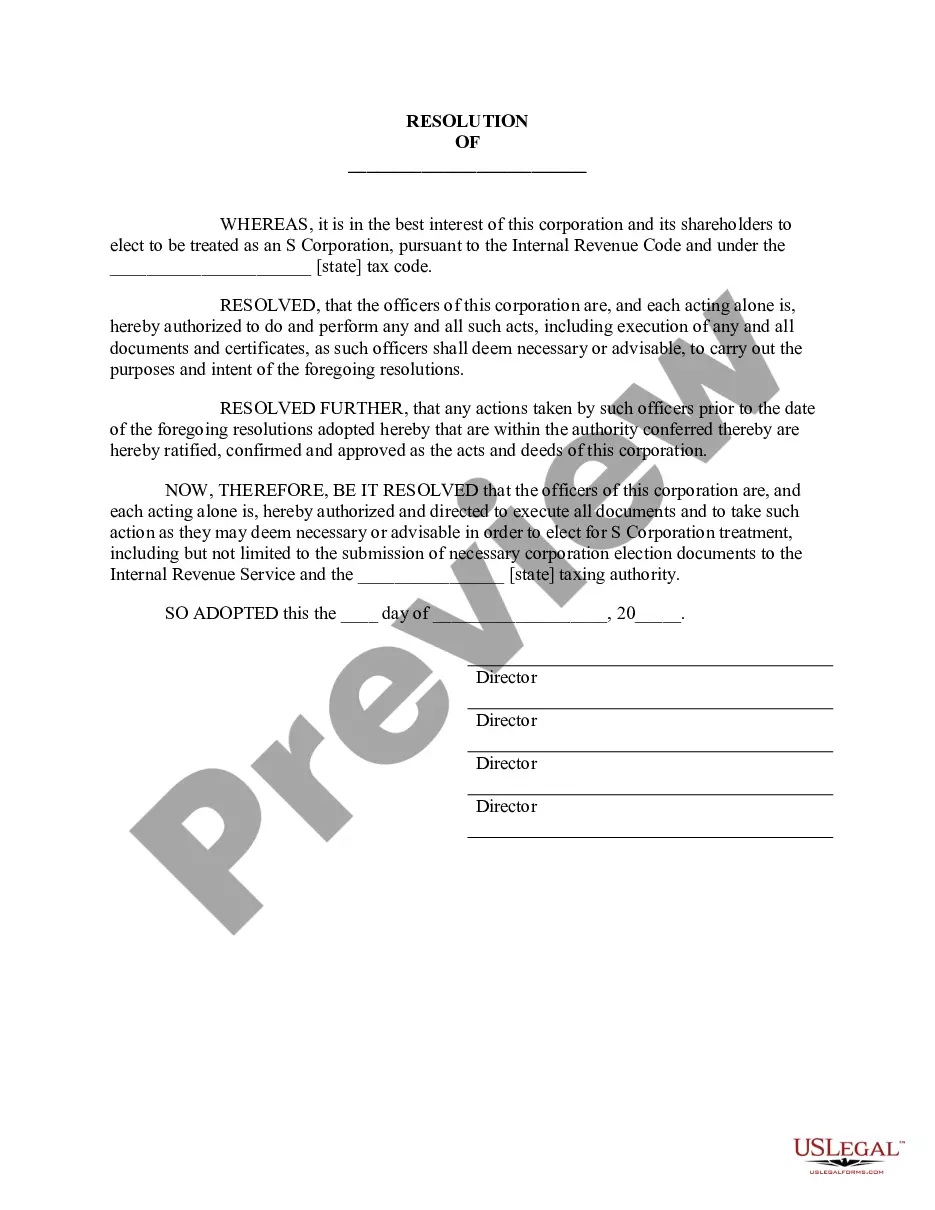
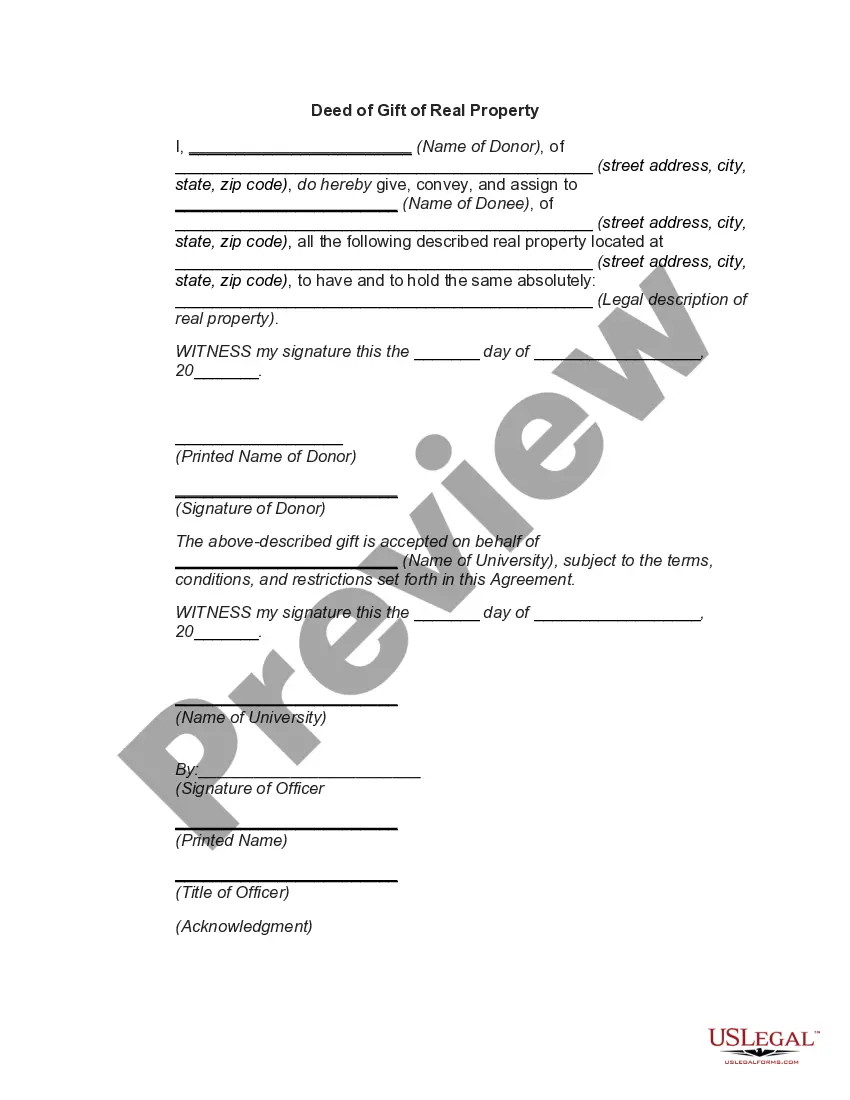
This Warranty Deed from Husband to Himself and Wife is a legal document that allows a husband to transfer property to himself and his wife as joint tenants with rights of survivorship. This form differs from other types of deeds, as it specifically addresses transfers between spouses and includes provisions for the reservation of oil, gas, and minerals under the property. This ensures that both parties have a shared ownership interest while also protecting any subsurface rights the grantor may retain.
Form components explained
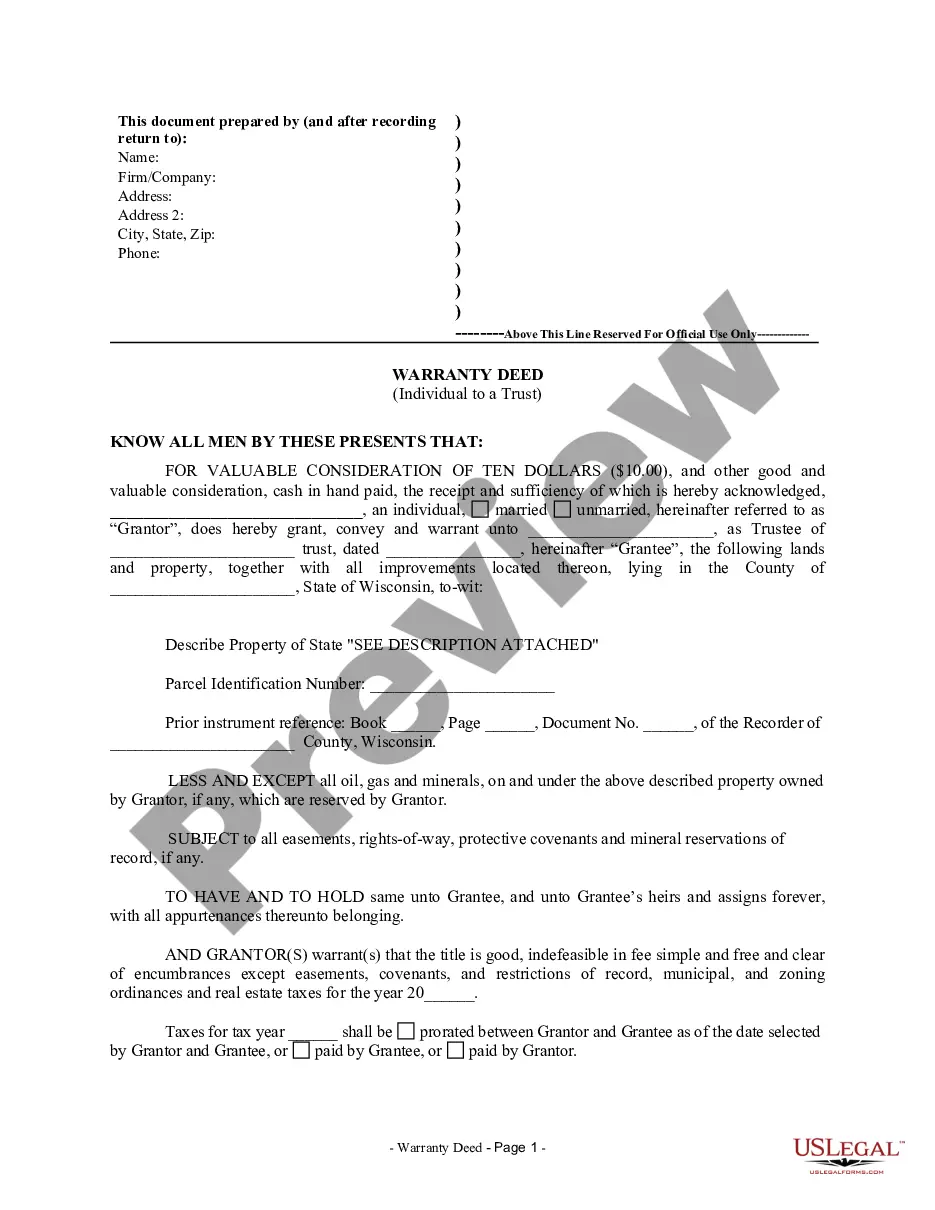
- Description of the property being conveyed
- Parcel identification number for property tracking
- Prior instrument reference to establish historical ownership
- Oil, gas, and mineral rights reservation clause
- Warranties regarding clear title and absence of encumbrances
- Tax proration information between the parties
- spaces for signatures, dates, and notary acknowledgment


Situations where this form applies
This form is typically used when a husband wishes to transfer property he owns to himself and his wife, particularly when they want to establish joint ownership with rights of survivorship. This might be necessary during estate planning, property division after marriage, or when consolidating property under joint ownership to ensure that both spouses have equal rights in the event of one spouse's passing.
Who can use this document
- Married couples looking to hold property jointly
- Husbands transferring property to include their wives as co-owners
- Individuals involved in estate planning
- Those seeking to clarify property ownership and rights of survivorship
How to prepare this document
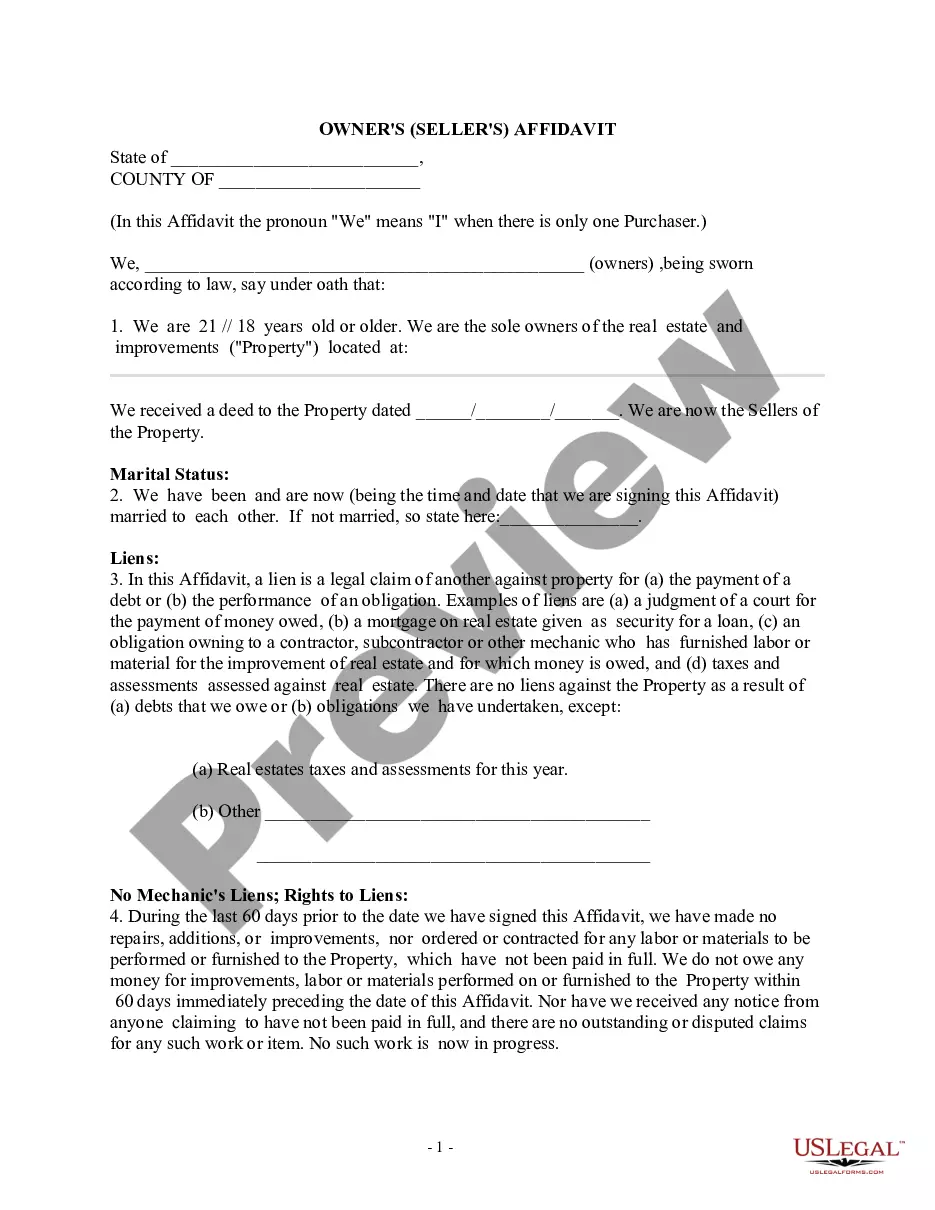
- Identify and describe the property being transferred, including its parcel identification number.
- Fill in the prior instrument reference details to trace ownership.
- Specify the reservation of oil, gas, and mineral rights if applicable.
- Complete the tax proration information, indicating how taxes will be handled.
- Sign the document where indicated, and include the date of signing.
- If required, arrange for notarization of the form for legality.
Notarization guidance
Yes, this form must be notarized to be legally valid. US Legal Forms offers integrated online notarization, allowing for 24/7 availability through secure video calls, ensuring legal equivalence with traditional notarization without the need for travel.
Get your form ready online
Our built-in tools help you complete, sign, share, and store your documents in one place.
Make edits, fill in missing information, and update formatting in US Legal Forms—just like you would in MS Word.
Download a copy, print it, send it by email, or mail it via USPS—whatever works best for your next step.
Sign and collect signatures with our SignNow integration. Send to multiple recipients, set reminders, and more. Go Premium to unlock E-Sign.
If this form requires notarization, complete it online through a secure video call—no need to meet a notary in person or wait for an appointment.
We protect your documents and personal data by following strict security and privacy standards.

Make edits, fill in missing information, and update formatting in US Legal Forms—just like you would in MS Word.

Download a copy, print it, send it by email, or mail it via USPS—whatever works best for your next step.

Sign and collect signatures with our SignNow integration. Send to multiple recipients, set reminders, and more. Go Premium to unlock E-Sign.

If this form requires notarization, complete it online through a secure video call—no need to meet a notary in person or wait for an appointment.

We protect your documents and personal data by following strict security and privacy standards.
Typical mistakes to avoid
- Failing to accurately describe the property being transferred.
- Omitting necessary identification numbers or prior deed references.
- Not addressing tax obligations adequately between grantor and grantees.
- Forgetting to have the form notarized if required by local law.
Benefits of completing this form online
- Convenience of downloading and printing from home.
- Editability allows personalization to fit specific needs.
- Reliability of forms drafted by licensed attorneys aware of current laws.
Looking for another form?
Form popularity
FAQ
What Is the Difference Between a Warranty Deed & a Survivorship Deed?A warranty deed is the most comprehensive and provides the most guarantees. Survivorship isn't so much a deed as a title. It's a way to co-own property where, upon the death of one owner, ownership automatically passes to the survivor.
Adding someone to your house deed requires the filing of a legal form known as a quitclaim deed. When executed and notarized, the quitclaim deed legally overrides the current deed to your home. By filing the quitclaim deed, you can add someone to the title of your home, in effect transferring a share of ownership.
If you live in a common-law state, you can keep your spouse's name off the title the document that says who owns the property.You can put your spouse on the title without putting them on the mortgage; this would mean that they share ownership of the home but aren't legally responsible for making mortgage payments.
In California, all property bought during the marriage with income that was earned during the marriage is deemed "community property." The law implies that both spouses own this property equally, regardless of which name is on the title deed.
A warranty deed guarantees that: The grantor is the rightful owner of the property and has the legal right to transfer the title.The title would withstand third-party claims to ownership of the property. The grantor will do anything to ensure the grantee's title to the property.
A In order to make your partner a joint owner you will need to add his name at the Land Registry, for which there is a fee of £280 (assuming you transfer half the house to him). You won't, however, have to pay capital gains tax, as gifts between civil partners (and spouses) are tax free.
If you've recently married and already own a home or other real estate, you may want to add your new spouse to the deed for your property so the two of you own it jointly. To add a spouse to a deed, all you have to do is literally fill out, sign and record a new deed in your county recorder's office.
A quitclaim deed will remove the out-spouse (or departing spouse) from the title to the property, effectively relinquishing their equity or ownership in the home. The execution of a quitclaim deed is typically a requirement of a divorce settlement in order to complete the division of assets.
You usually do this by filing a quitclaim deed, in which your ex-spouse gives up all rights to the property. Your ex should sign the quitclaim deed in front of a notary. One this document is notarized, you file it with the county. This publicly removes the former partner's name from the property deed and the mortgage.