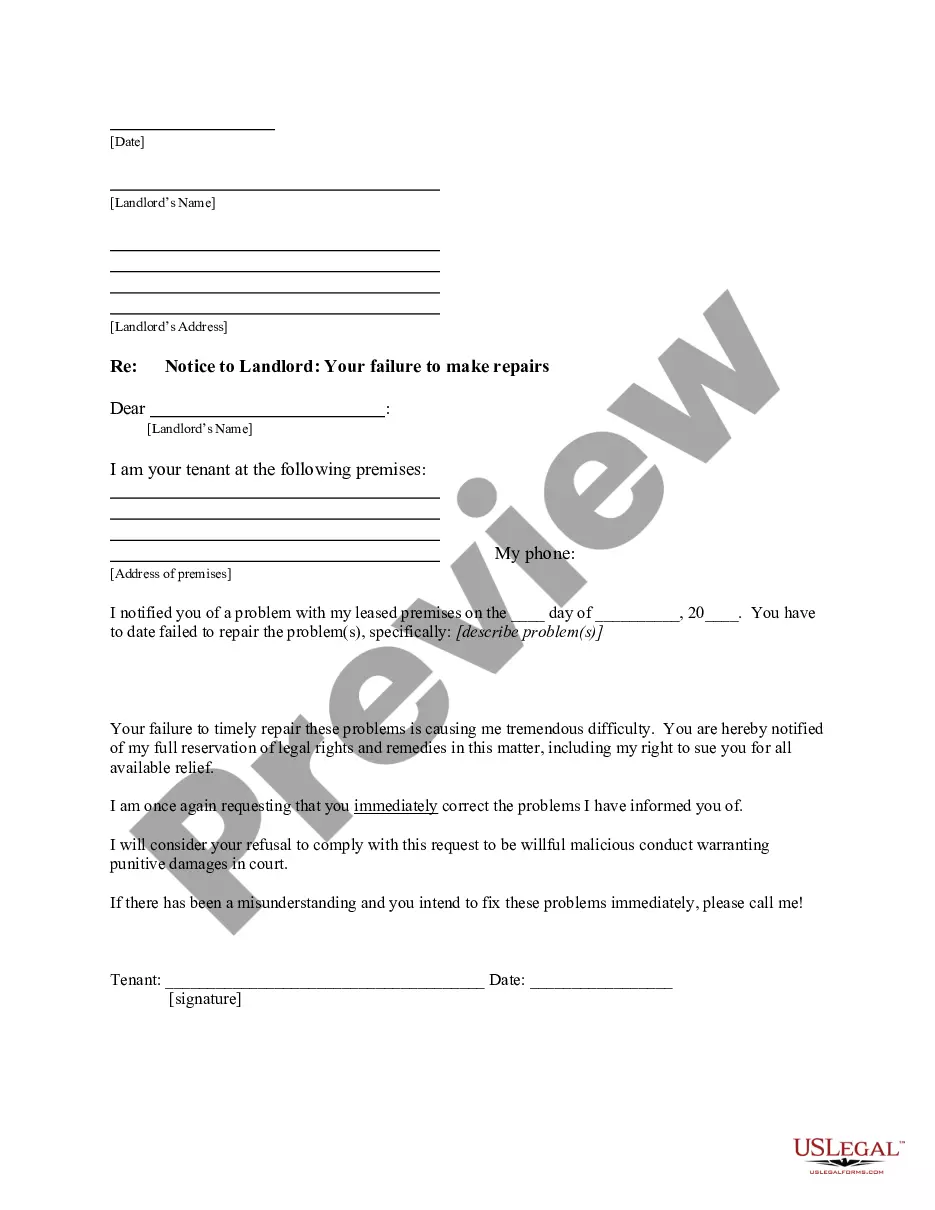
Missouri Heirship Affidavit - Descent

About this form
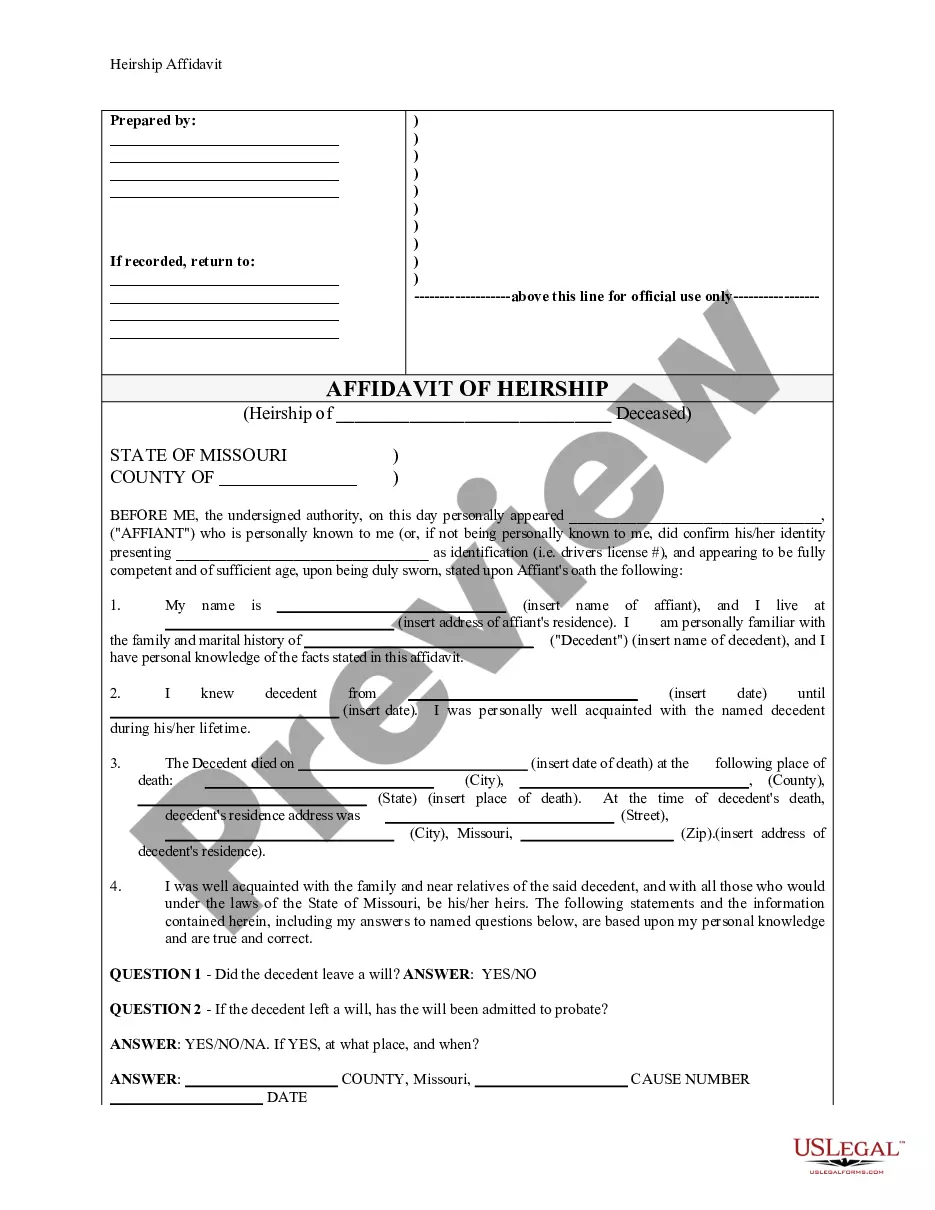
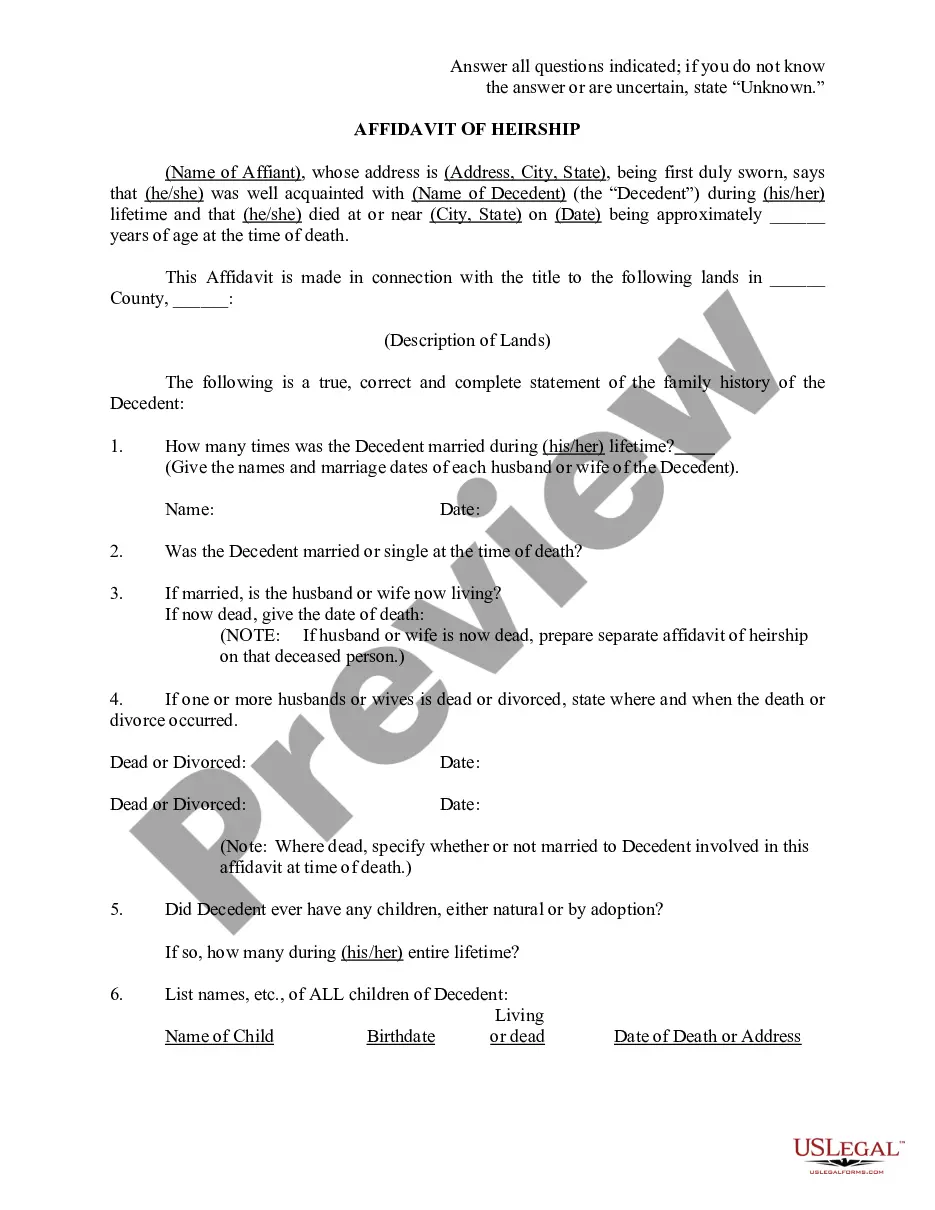
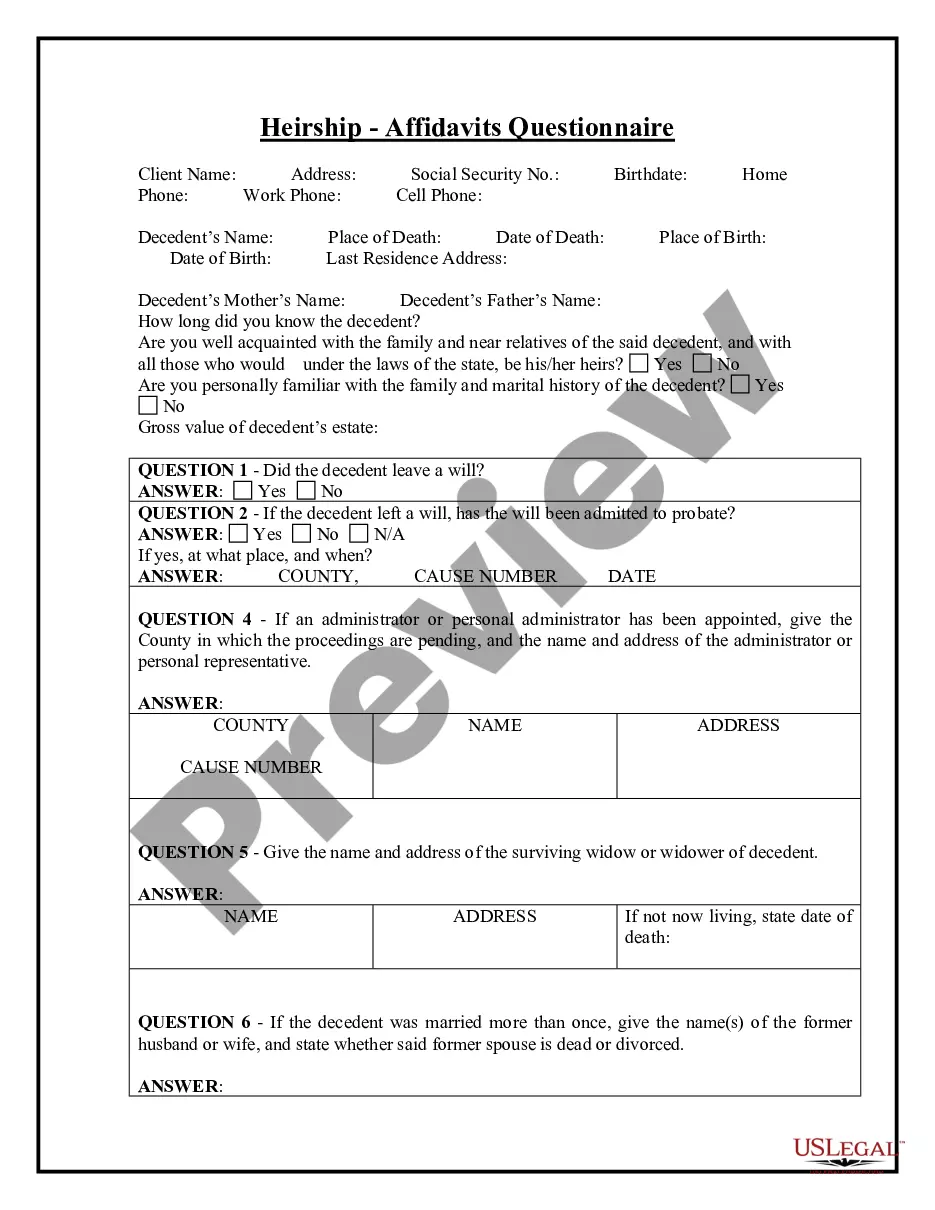
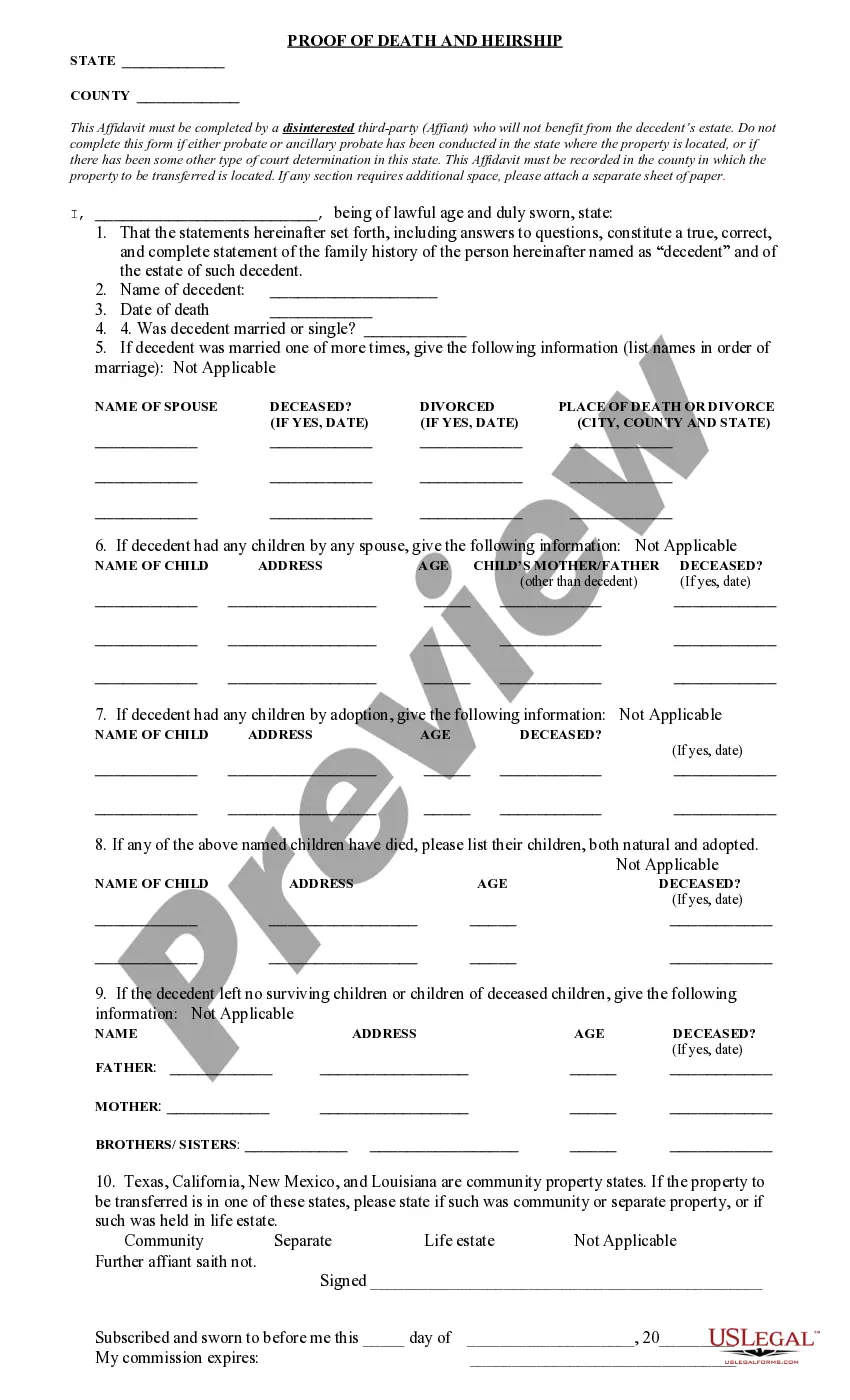
The Heirship Affidavit - Descent is a legal document used to declare the rightful heirs of a deceased individual. This form serves to establish ownership of both personal and real property owned by the deceased, especially in cases where no will exists. By completing this affidavit, individuals can identify heirs and facilitate the transfer of property without the need for formal probate proceedings. Unlike a will, which outlines a deceased person's wishes, the heirship affidavit verifies the relationships of heirs based on personal knowledge and may need to be recorded in official land records if necessary.
Key parts of this document
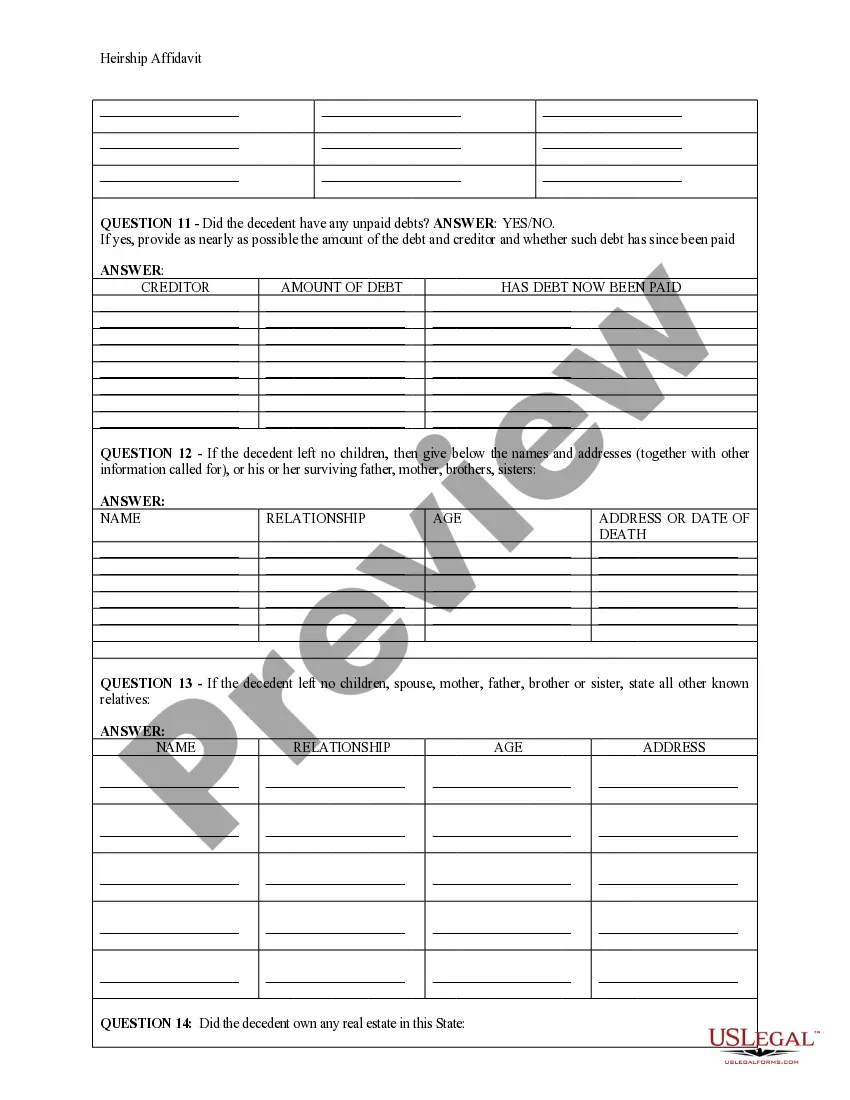
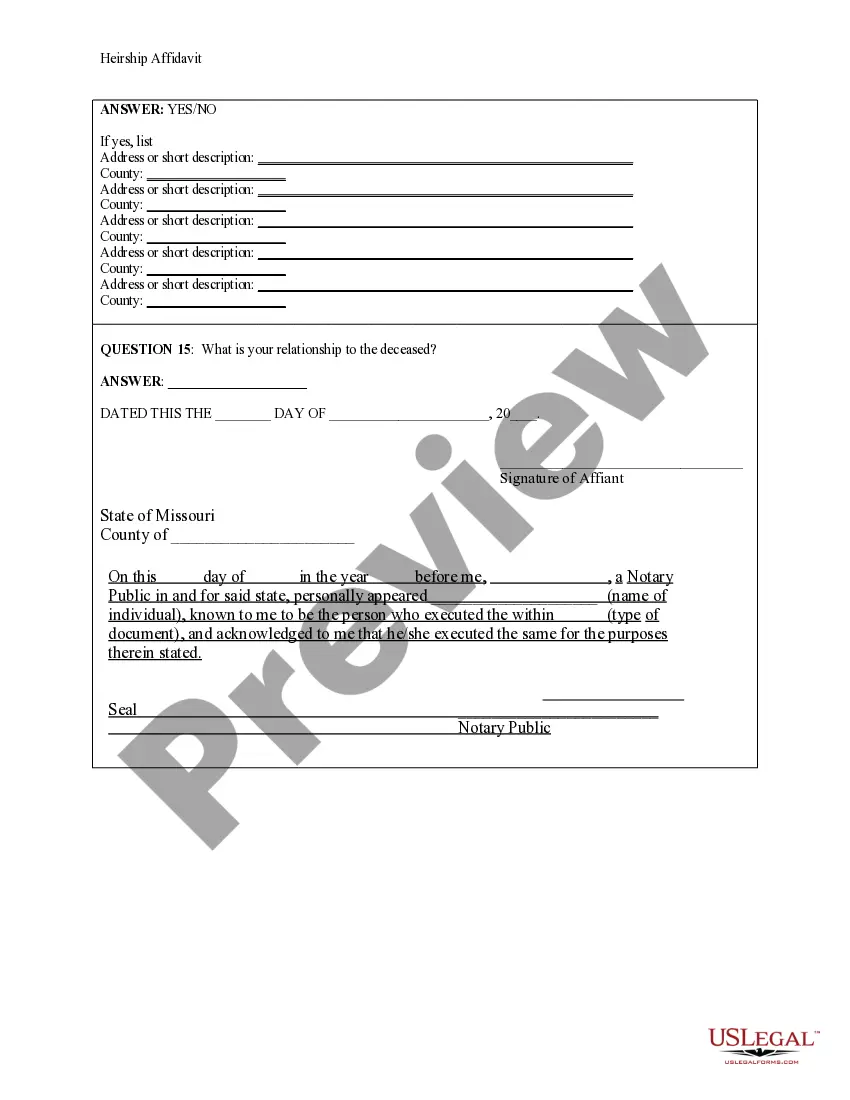
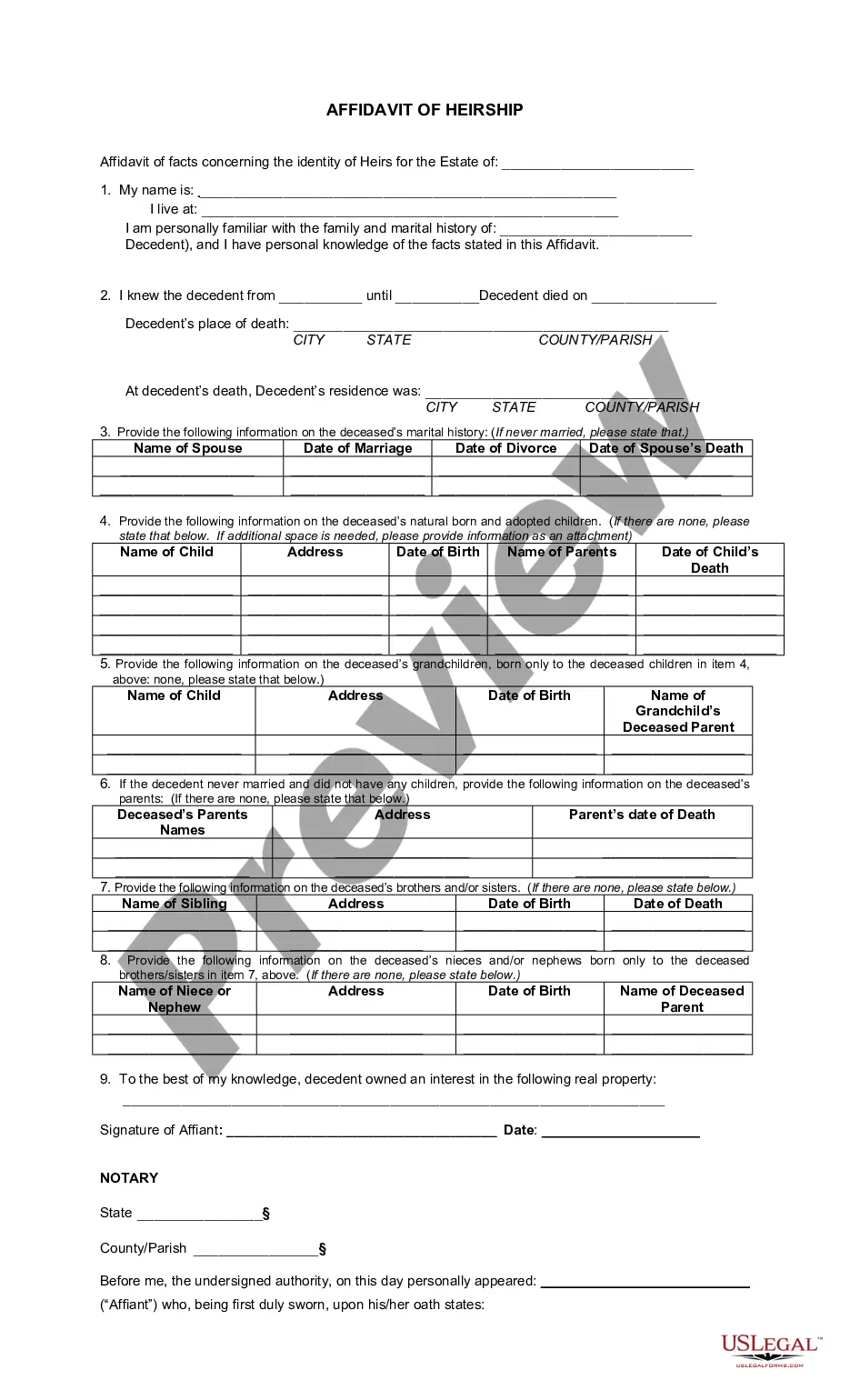
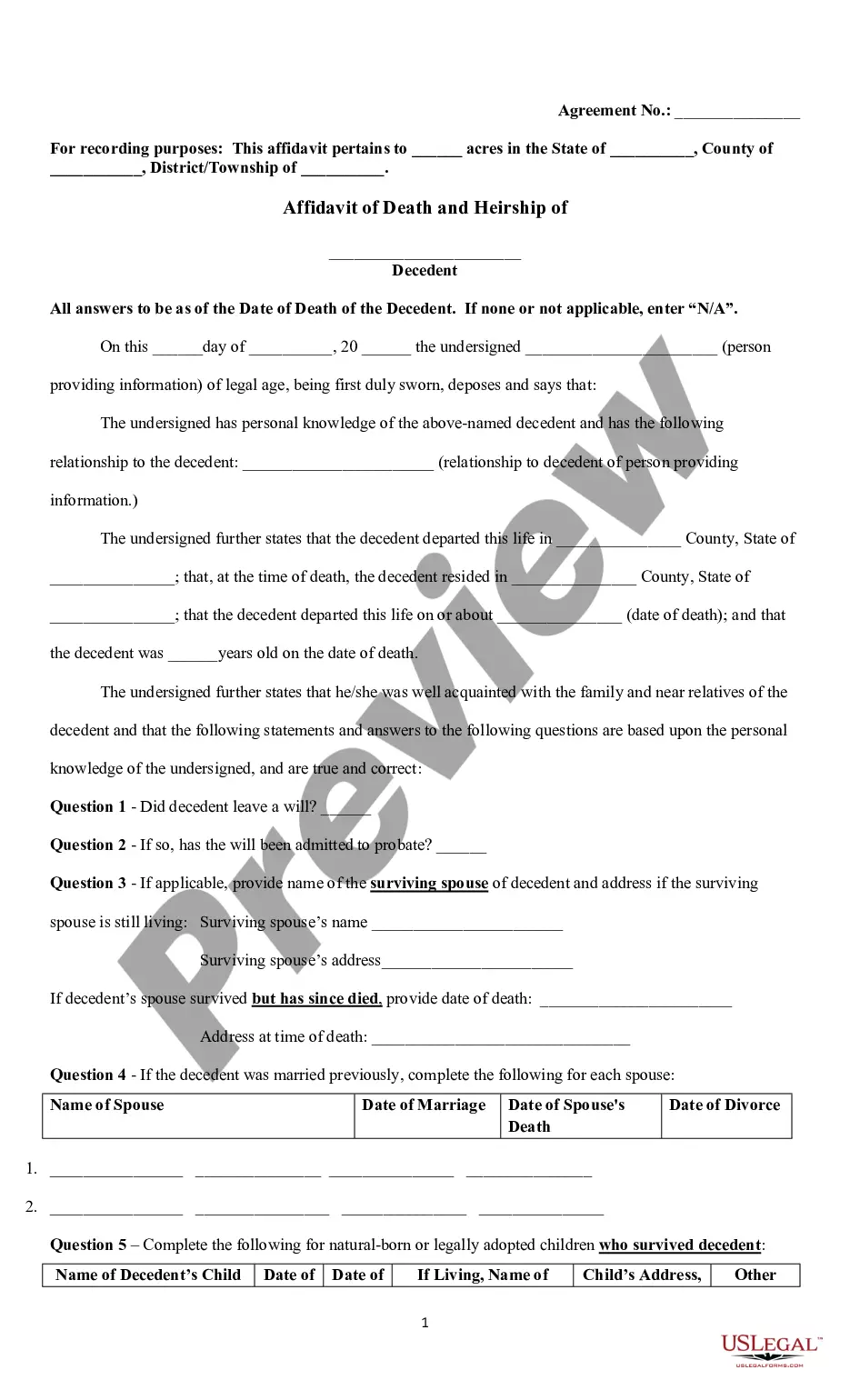
- Name and address of the affiant.
- Name and details of the deceased (decedent).
- Relationship of the affiant to the decedent.
- Information regarding any wills left by the decedent.
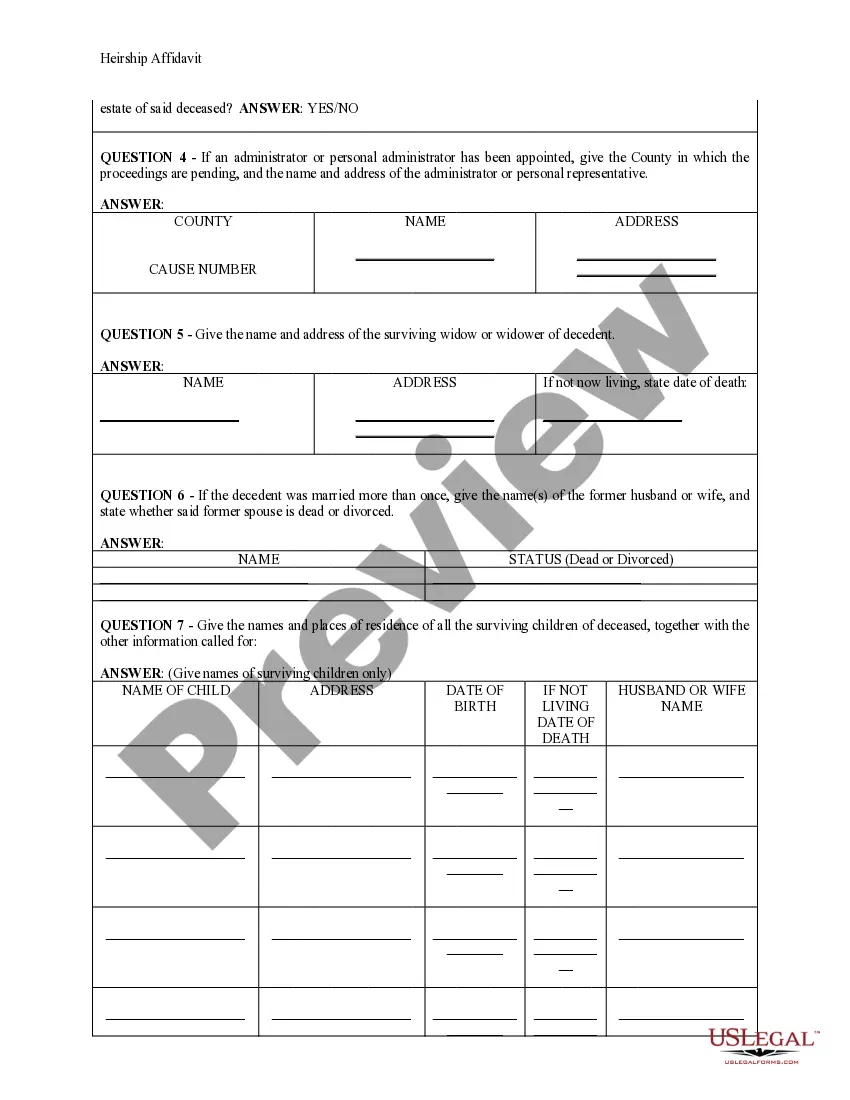
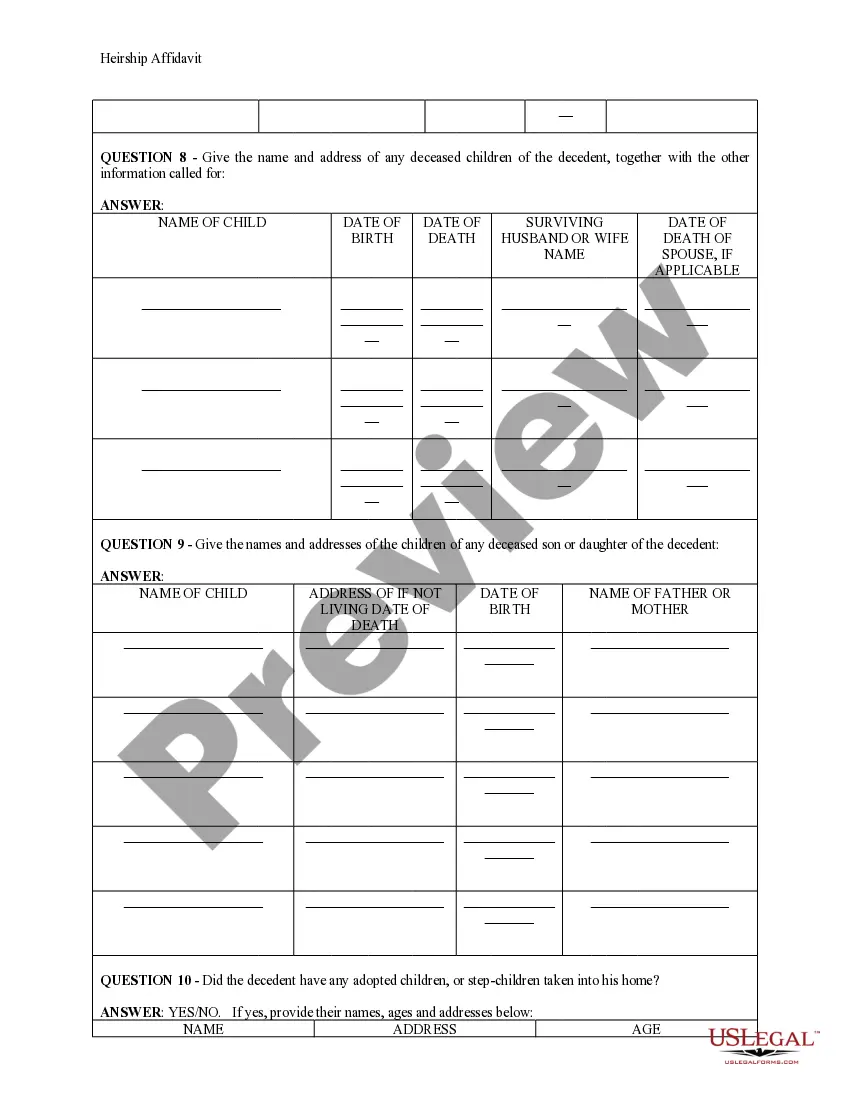
- List of surviving heirs, including spouse and children.
- Details of any real estate owned by the decedent.
When this form is needed
This affidavit is needed in situations where an individual has died without leaving a will and there is a necessity to establish the rightful heirs to their property. Common scenarios include selling inherited real estate, simplifying the transfer of assets, or addressing legal issues related to the decedent's estate. The form can clarify who has the legal right to inherit property and ensure that estate matters are resolved without delay.
Intended users of this form
- Individuals who are familiar with the family and marital history of the deceased.
- Heirs or potential heirs aiming to establish their claim to a decedent's property.
- Executors or administrators of an estate seeking to clarify heirship.
- Anyone involved in the sale or transfer of property belonging to a deceased person.
How to prepare this document
- Identify the affiantâs name and residence address.
- Fill in the deceased individualâs full name, date of death, and place of death.
- Document the relationship of the affiant to the deceased.
- Answer all questions regarding the deceased's marital status and any surviving heirs.
- Provide details on any real estate owned by the deceased.
- Sign the affidavit in the presence of a notary public.
Notarization guidance
Yes, this form must be notarized to be legally valid. When you complete the Heirship Affidavit, ensure that you sign it in the presence of a notary public, as this adds credibility and authenticity to the document.
Get your form ready online
Our built-in tools help you complete, sign, share, and store your documents in one place.
Make edits, fill in missing information, and update formatting in US Legal Forms—just like you would in MS Word.
Download a copy, print it, send it by email, or mail it via USPS—whatever works best for your next step.
Sign and collect signatures with our SignNow integration. Send to multiple recipients, set reminders, and more. Go Premium to unlock E-Sign.
If this form requires notarization, complete it online through a secure video call—no need to meet a notary in person or wait for an appointment.
We protect your documents and personal data by following strict security and privacy standards.

Make edits, fill in missing information, and update formatting in US Legal Forms—just like you would in MS Word.

Download a copy, print it, send it by email, or mail it via USPS—whatever works best for your next step.

Sign and collect signatures with our SignNow integration. Send to multiple recipients, set reminders, and more. Go Premium to unlock E-Sign.

If this form requires notarization, complete it online through a secure video call—no need to meet a notary in person or wait for an appointment.

We protect your documents and personal data by following strict security and privacy standards.
Common mistakes
- Failing to provide accurate personal details of the decedent.
- Neglecting to list all surviving heirs.
- Missing signatures or not having the affidavit notarized.
- Not answering all questions fully, which can lead to processing delays.
Why complete this form online
- Convenient access to download and fill out the form at your own pace.
- Easy editing capabilities to ensure that all information is accurate before submission.
- Reliability of professionally drafted templates to meet legal standards.
Legal use & context
- The heirship affidavit serves as a formal declaration of heirs, useful in property transactions.
- This affidavit is typically used in probate proceedings and can impact the distribution of the deceased's assets.
- It is essential to ensure all statements made within are factual to avoid potential legal disputes.
Key takeaways
- The Heirship Affidavit is essential for establishing heirs when someone dies without a will.
- It is important to accurately fill out the form to prevent legal issues.
- Notarization is mandatory for validity in most cases.
- Knowing your rights and the rights of other potential heirs can simplify property transfers.
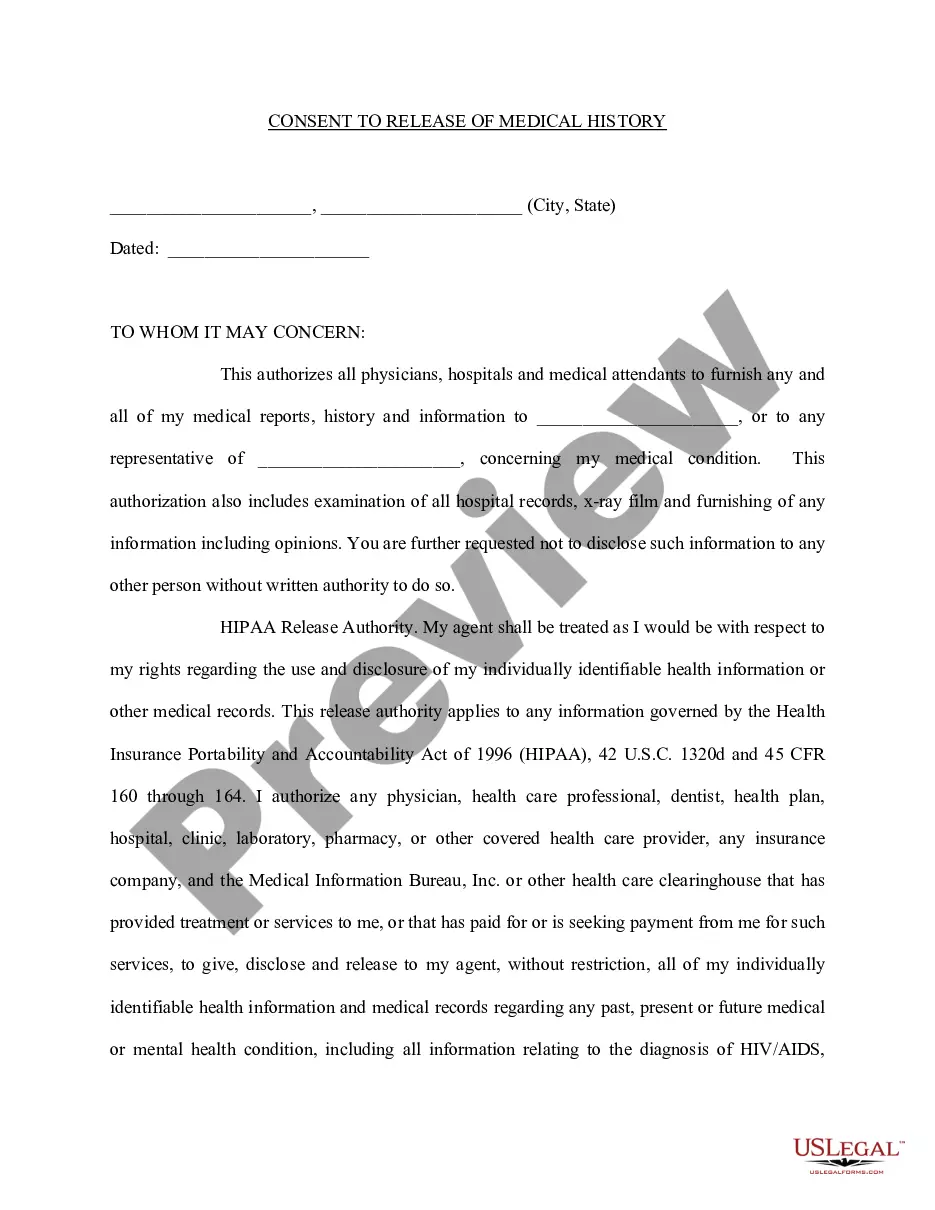
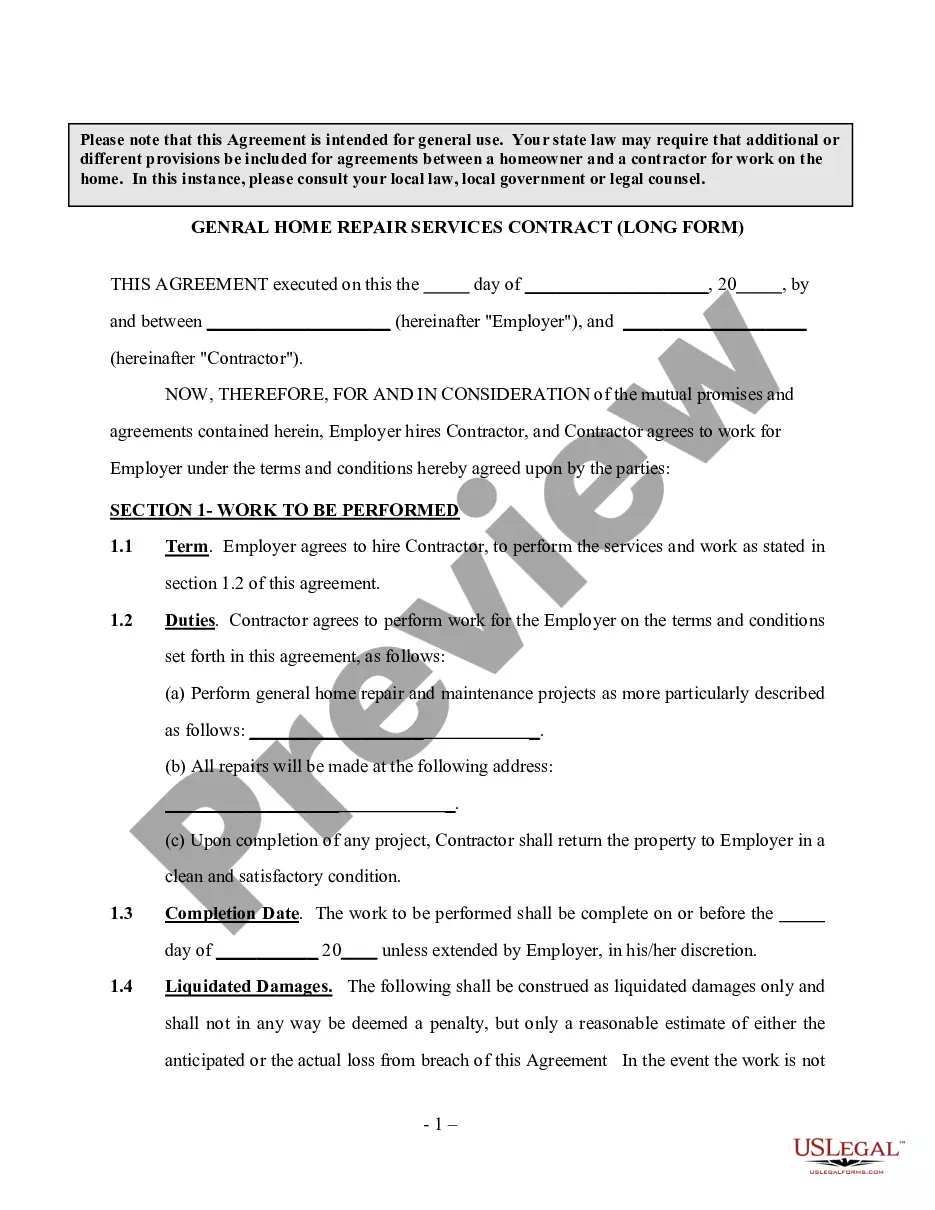
Looking for another form?

Form popularity
FAQ
The Missouri Heirship Affidavit - Descent is a legal document used to identify and declare the rightful heirs of a deceased person who died without a will. It helps establish ownership of both personal and real property and can facilitate transfers without formal probate; recording in land records may be needed to finalize title changes.
In Missouri, the determination of heirship identifies who has legal rights to a decedent’s property when there is no will. The Missouri Heirship Affidavit - Descent helps establish those relationships based on the affiant’s knowledge and lists surviving heirs, including spouses and children, to support transferring property without formal probate.
The form asks for the affiant’s name and address; the decedent’s name and details; the affiant’s relationship to the decedent; information regarding any wills; a list of surviving heirs, including the spouse and children; and details of any real estate owned by the decedent.
In Missouri, this form is intended for heirs or potential heirs to establish their claim when the decedent died without a will. It is used by heirs, executors, or administrators to clarify who is an heir and can support transferring property without formal probate; recording in land records may be necessary.
Yes, it can facilitate transferring property without formal probate, aligning with the form’s purpose. It does not create a will, and title transfer may require recording in land records and additional actions to clear title.
Unlike a will, which records the decedent’s wishes and usually passes through probate, the Missouri Heirship Affidavit - Descent identifies heirs based on relationships and personal knowledge and may be recorded to transfer property without formal probate.