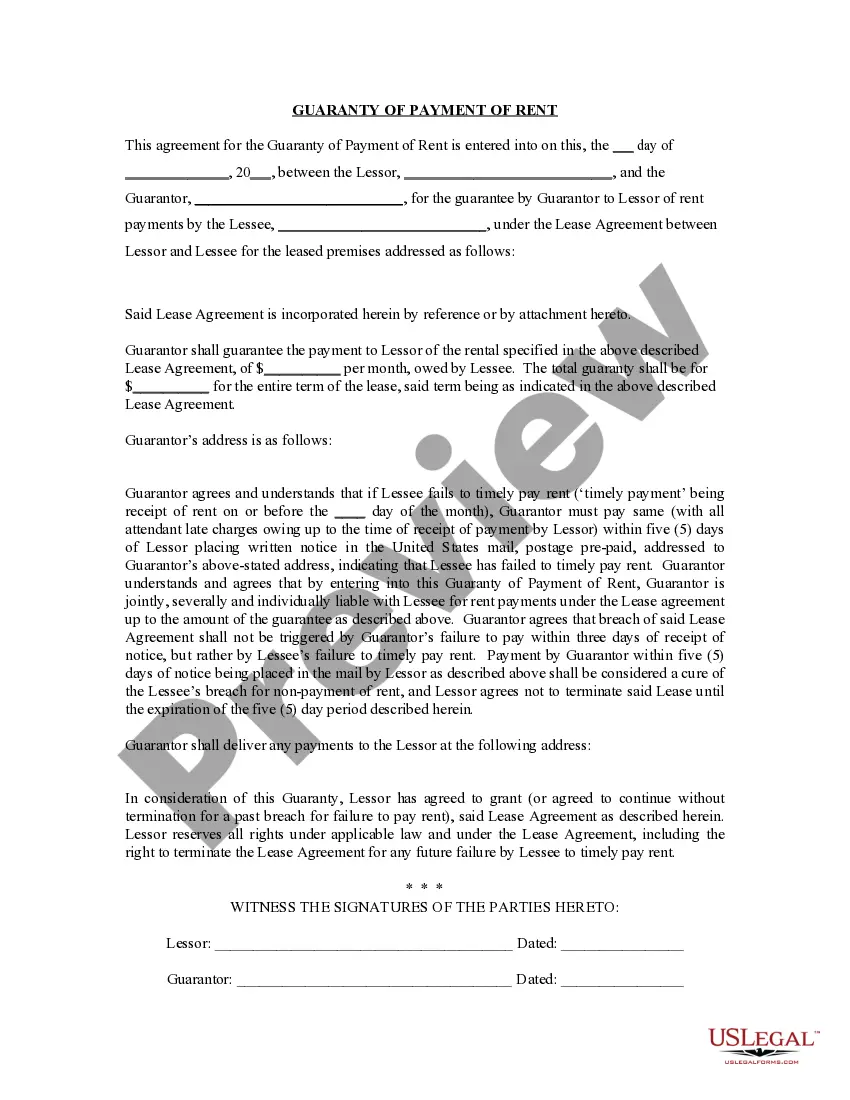
Washington Guaranty or Guarantee of Payment of Rent
Understanding this form
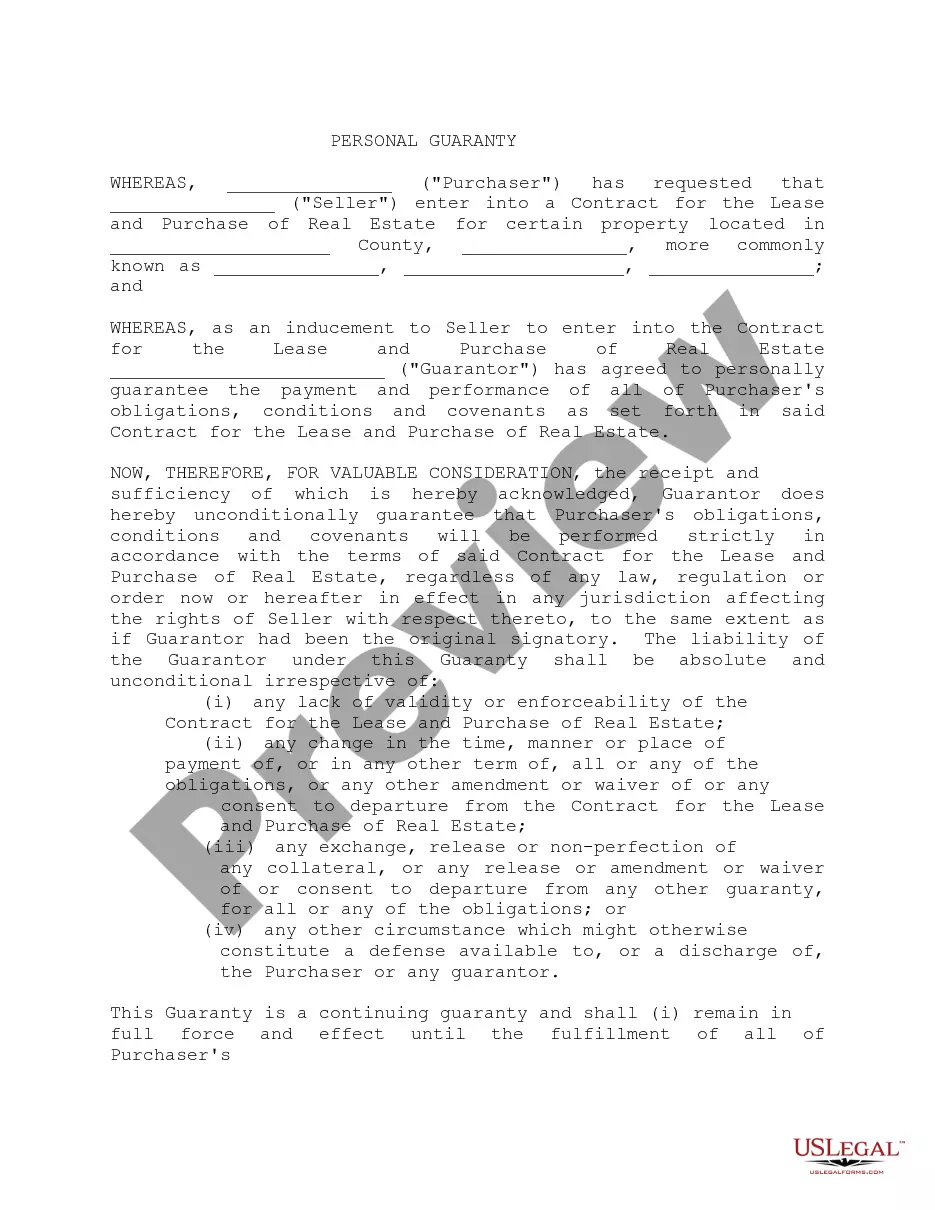
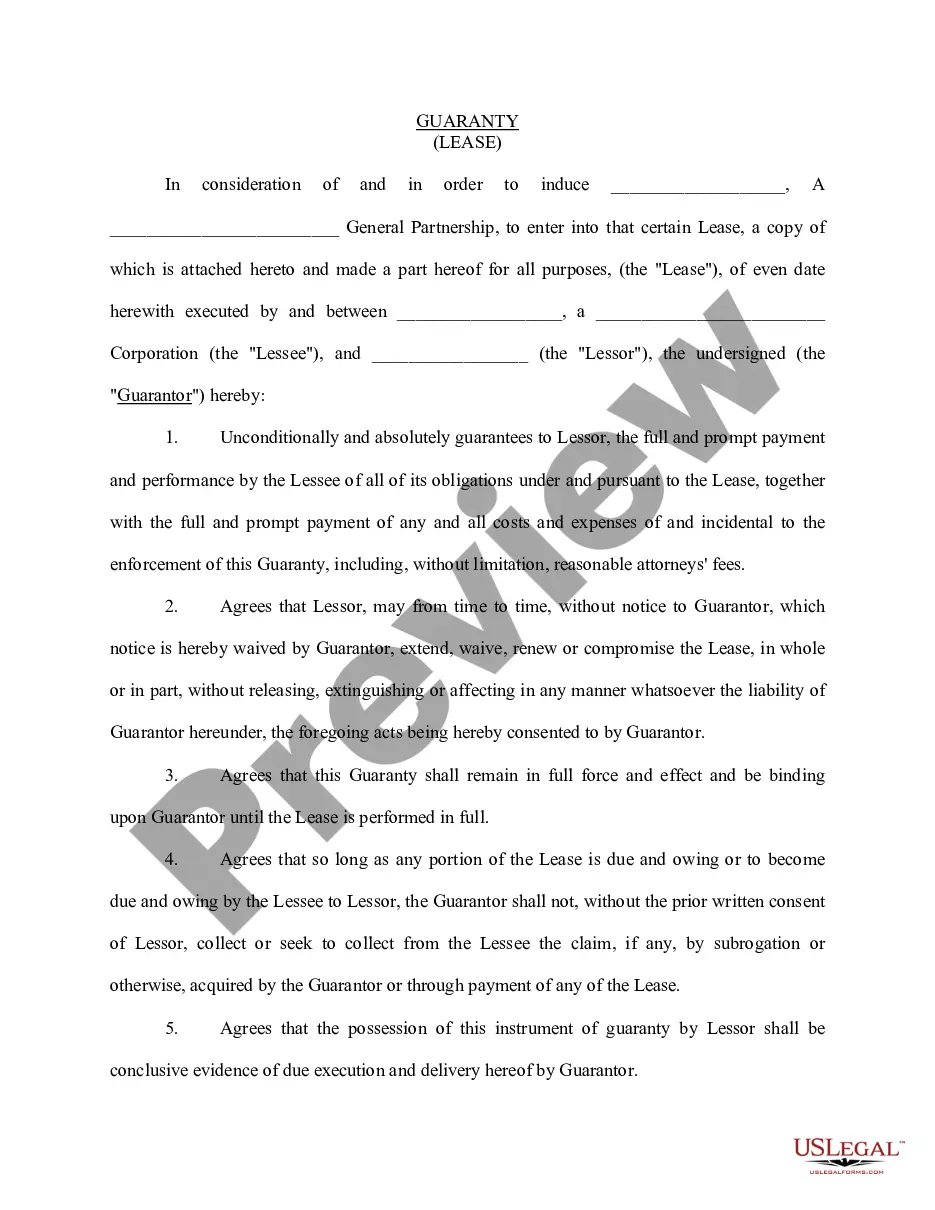
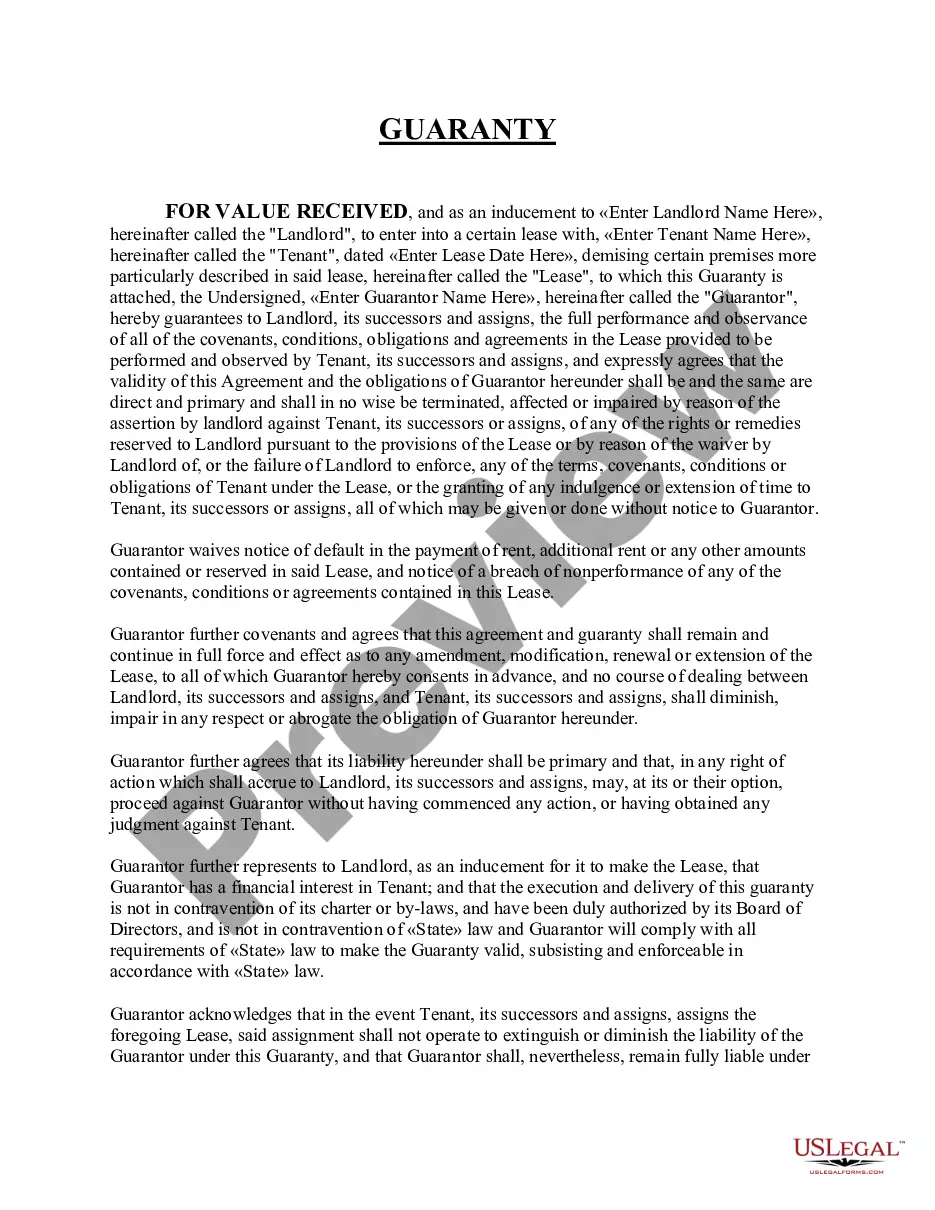
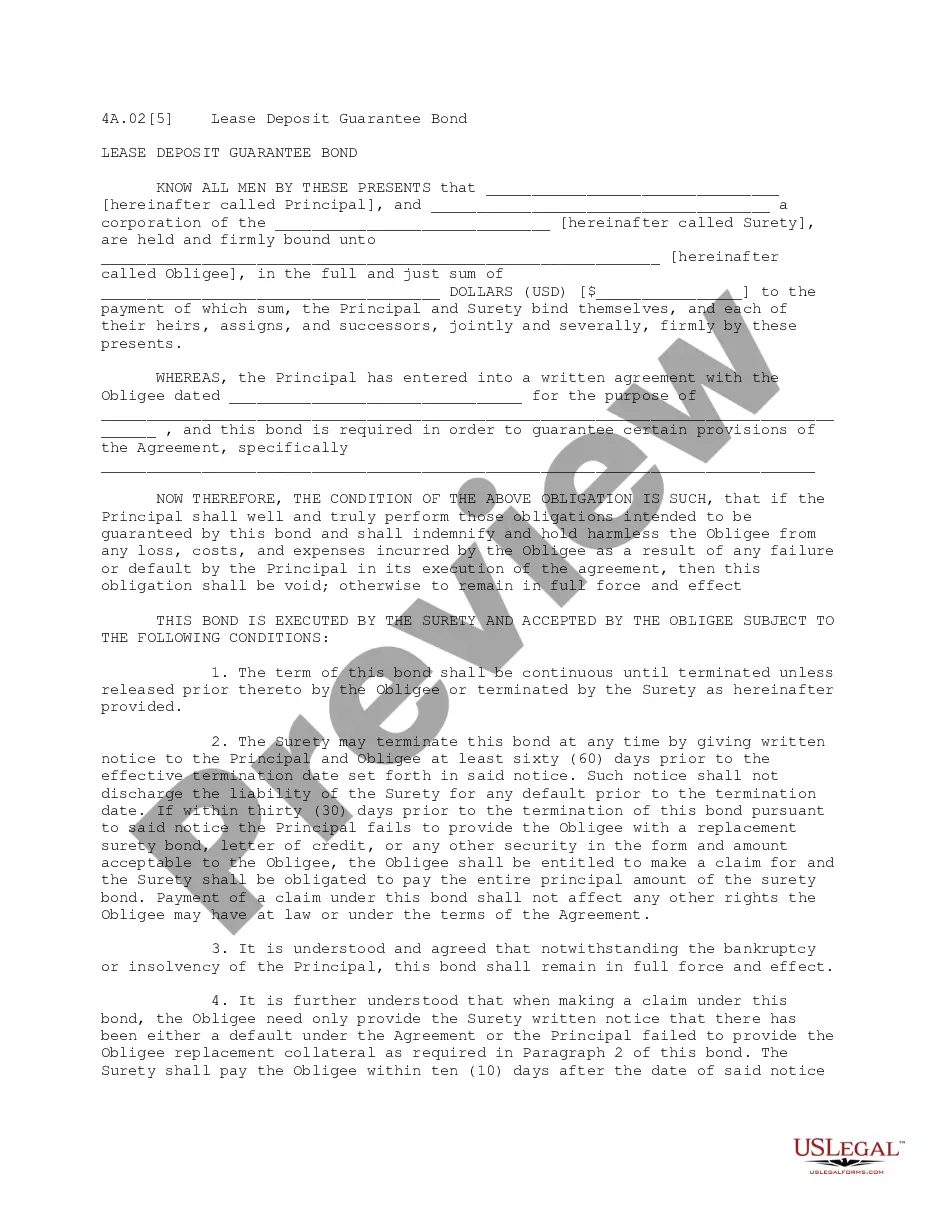
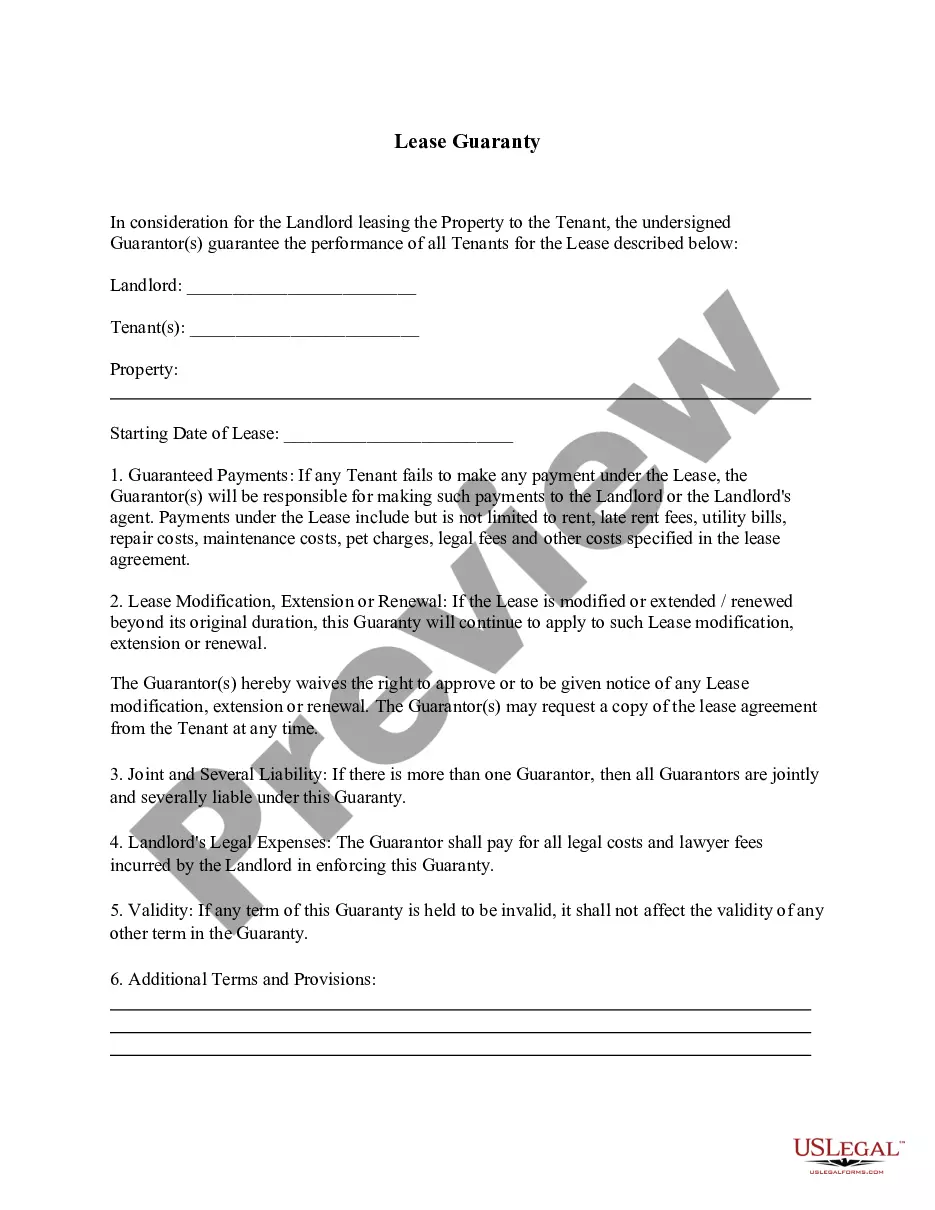
The Guaranty or Guarantee of Payment of Rent is a legal document where a guarantor agrees to pay rent on behalf of a tenant who might be unable to do so. This contract outlines the responsibilities of both the guarantor and the landlord, specifying the conditions that trigger the guarantor's obligation to pay. Unlike standard lease agreements, this guaranty provides added security for landlords by ensuring straightforward compensation in the event of tenant default.
What’s included in this form
- Guarantor's information: Requires the name and address of the guarantor.
- Lessor's information: Identifies the landlord's details.
- Terms of the guaranty: States the conditions under which the guarantor must pay.
- Signatures: Both parties must sign and date the agreement for it to be binding.
Common use cases
This form is necessary when a tenant is applying for a lease but may not have sufficient credit history or income to qualify. It is particularly useful for students, first-time renters, or those moving to a new area without prior rental history. Landlords may also require a guaranty to mitigate financial risks associated with leasing property.
Who this form is for
Individuals or entities who should consider using this form include:
- Tenants seeking to rent property without strong credit or rental history.
- Guarantors, often family or friends, willing to ensure rent payments.
- Landlords who require additional assurance for rent payments.
How to prepare this document
- Identify the parties involved: Fill in the names and addresses of both the guarantor and the landlord.
- Specify the lease terms: Clearly outline the rent amount and the duration of the lease covered by the guaranty.
- Detail the conditions for payment: Include the circumstances under which the guarantor must pay the rent.
- Sign the agreement: Both the guarantor and landlord must sign the document, including the date.
- Distribute copies: Ensure that all parties retain a copy for their records.
Does this form need to be notarized?
This form does not typically require notarization to be legally valid. However, some jurisdictions or document types may still require it. US Legal Forms provides secure online notarization powered by Notarize, available 24/7 for added convenience.
Get your form ready online
Our built-in tools help you complete, sign, share, and store your documents in one place.
Make edits, fill in missing information, and update formatting in US Legal Forms—just like you would in MS Word.
Download a copy, print it, send it by email, or mail it via USPS—whatever works best for your next step.
Sign and collect signatures with our SignNow integration. Send to multiple recipients, set reminders, and more. Go Premium to unlock E-Sign.
If this form requires notarization, complete it online through a secure video call—no need to meet a notary in person or wait for an appointment.
We protect your documents and personal data by following strict security and privacy standards.

Make edits, fill in missing information, and update formatting in US Legal Forms—just like you would in MS Word.

Download a copy, print it, send it by email, or mail it via USPS—whatever works best for your next step.

Sign and collect signatures with our SignNow integration. Send to multiple recipients, set reminders, and more. Go Premium to unlock E-Sign.

If this form requires notarization, complete it online through a secure video call—no need to meet a notary in person or wait for an appointment.

We protect your documents and personal data by following strict security and privacy standards.
Common mistakes to avoid
- Not including all parties' full names and addresses.
- Failing to specify the conditions that trigger the guarantor's obligation.
- Skipping signatures or dates, making the form unenforceable.
- Using vague language that could lead to misunderstandings about obligations.
Benefits of using this form online
- Convenient access: Obtain the form anytime without a physical visit to an attorney.
- Editable templates: Customize the form to fit specific needs and situations.
- Reliability: Forms are prepared by licensed attorneys, ensuring legal compliance.
Legal use & context
- The Guaranty ensures that the landlord has a means of recourse if the tenant does not pay rent.
- It is enforceable in most jurisdictions, provided that all parties fully understand its terms.
- Limitations may apply based on local landlord-tenant laws.
Looking for another form?



Form popularity
FAQ
Most landlords and letting agents require tenants to have a Guarantor in order to qualify as a suitable tenant. Some tenants for one reason or another can't arrange a Guarantor.The reality is, a guarantor is a prerequisite for every sensible landlord, and rightly so.
Most landlords and letting agents require tenants to have a Guarantor in order to qualify as a suitable tenant. Some tenants for one reason or another can't arrange a Guarantor.The reality is, a guarantor is a prerequisite for every sensible landlord, and rightly so.
You may be able to persuade your landlord to waive the need for a guarantor by offering them a larger deposit or 6 months' rent in advance. This may give them the greater sense of security they are looking for. However, neither option is ideal and you may not have the money to make such a suggestion.
A guaranty of lease is a covenant by the guarantor to be responsible for the obligations of the tenant.In these examples, a selective landlord would not enter into the lease without the tenant offering a creditworthy guarantor.
It's very common for a guarantee to last as long as the tenancy lasts. So, if the tenant remains in the property for four years, you will continue to be responsible for any arrears or damages during that entire period. Most tenancies will run for a fixed term and will then continue on a month-by-month basis.
Essentially, in the event of a tenant being unable to meet their obligations under the Tenancy Agreement contract, whether it is for overdue rent, damage to the property or whatever, the Guarantor is legally bound to accept the liabilities on behalf of the tenant.
If you are a guarantor and no longer wish to be, you must obtain the consent or agreement from the landlord before you will be released from your liabilities, which, if the rent is in arrears, the landlord is unlikely to agree to.
A guarantor is a third party who 'guarantees' a loan, mortgage or rental agreement. This means they agree to repay the total amount owed if the borrower or renter can't pay what they owe. By guaranteeing the agreement, you become responsible for any arrears that occur.
Landlords may require you to get a guarantor for other reasons other than credit or income.A guarantor must fill out an application, provide income documentation, have their credit pulled, and sign your lease. If you don't have a guarantor, you can use a third-party guarantor service.