Washington Letter from Tenant to Landlord containing Notice of wrongful deductions from security deposit and demand for return
Overview of this form
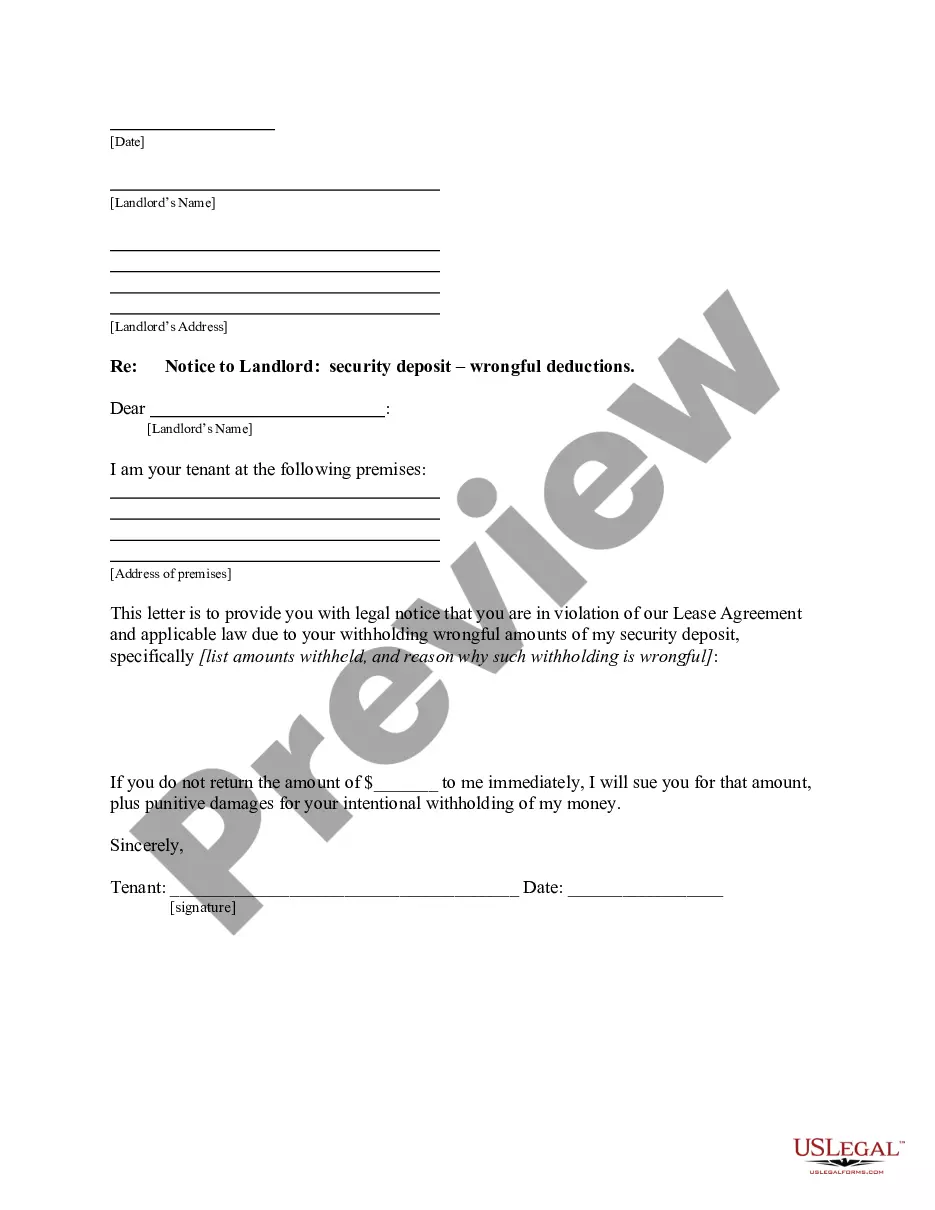
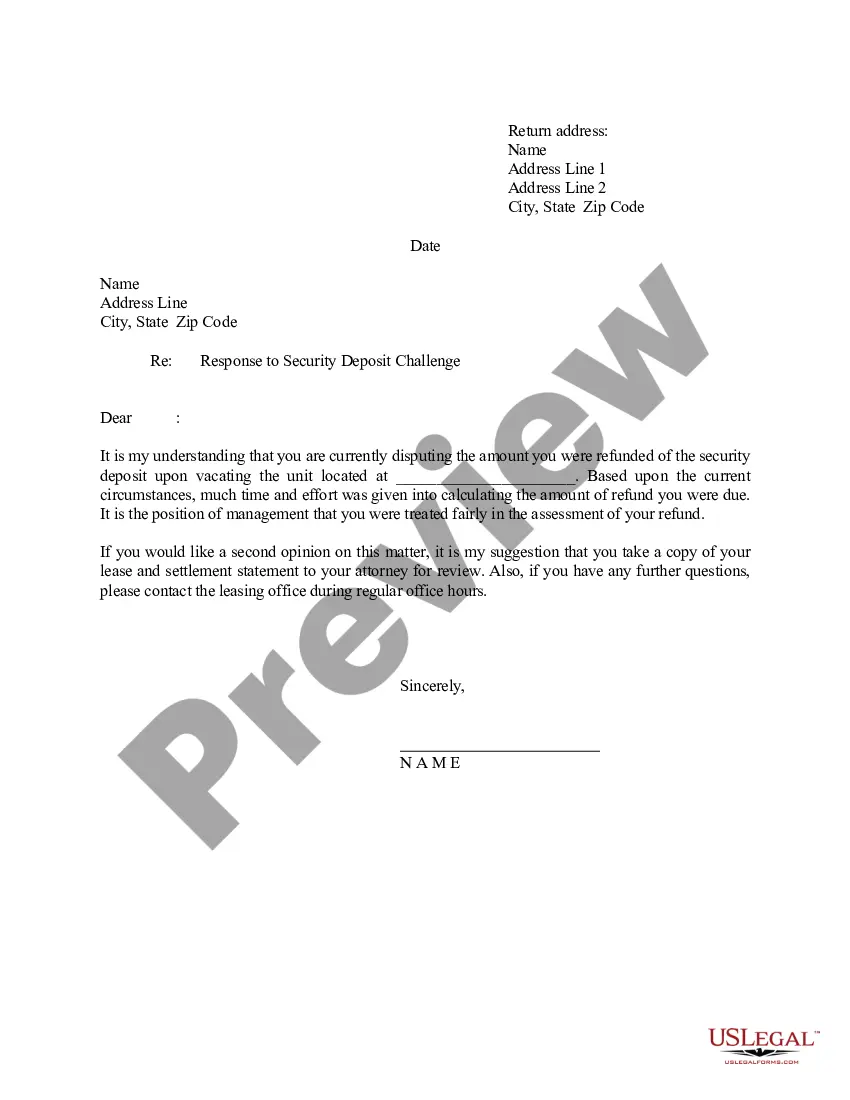
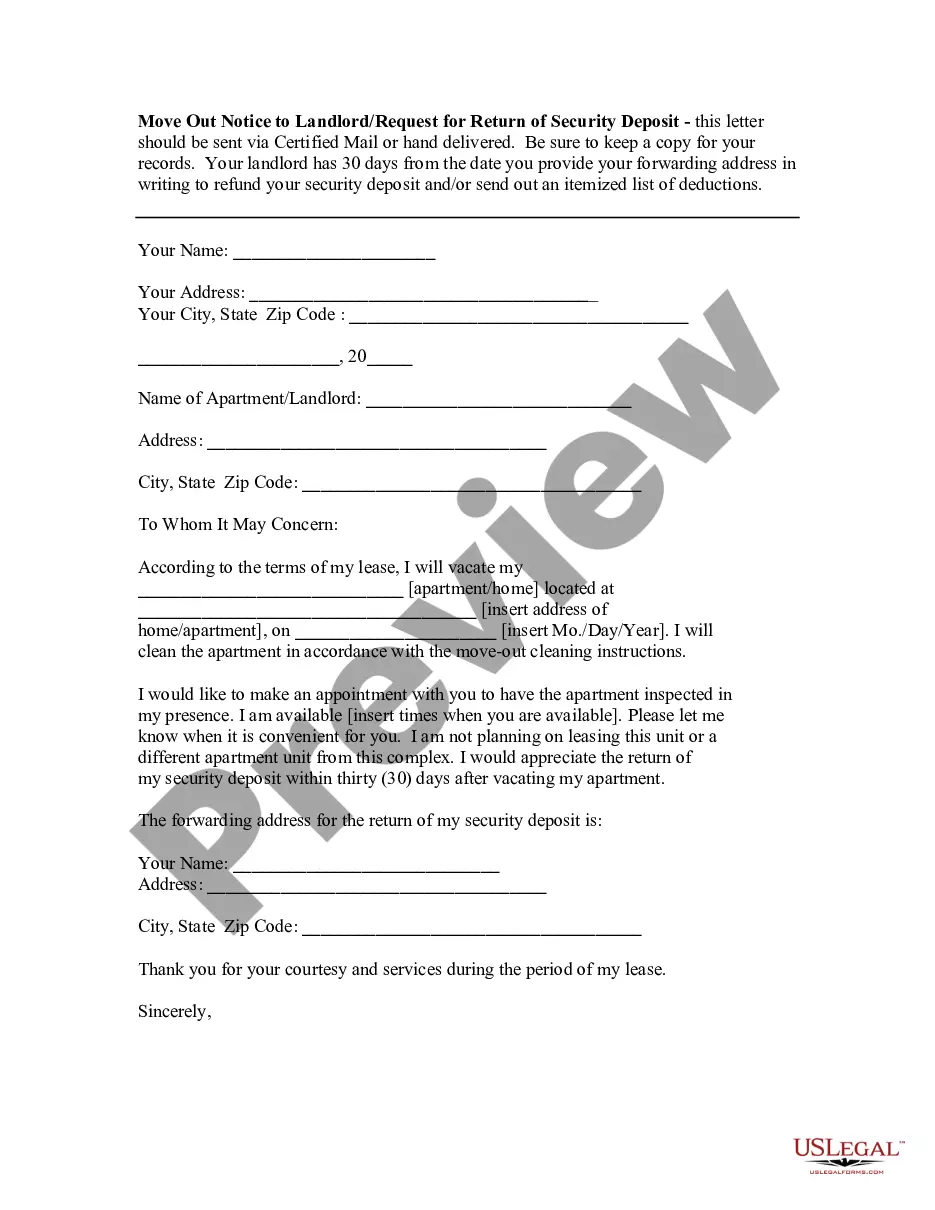
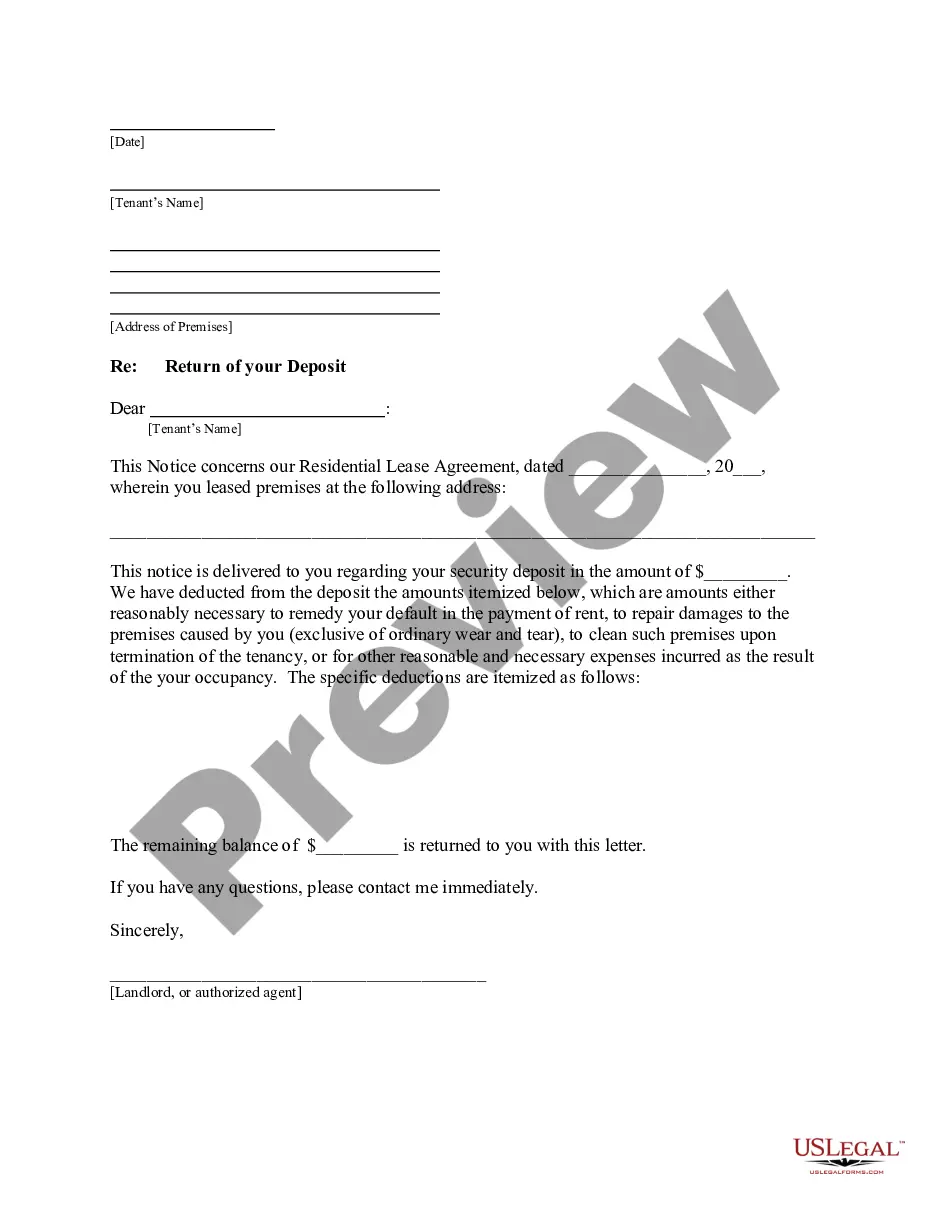
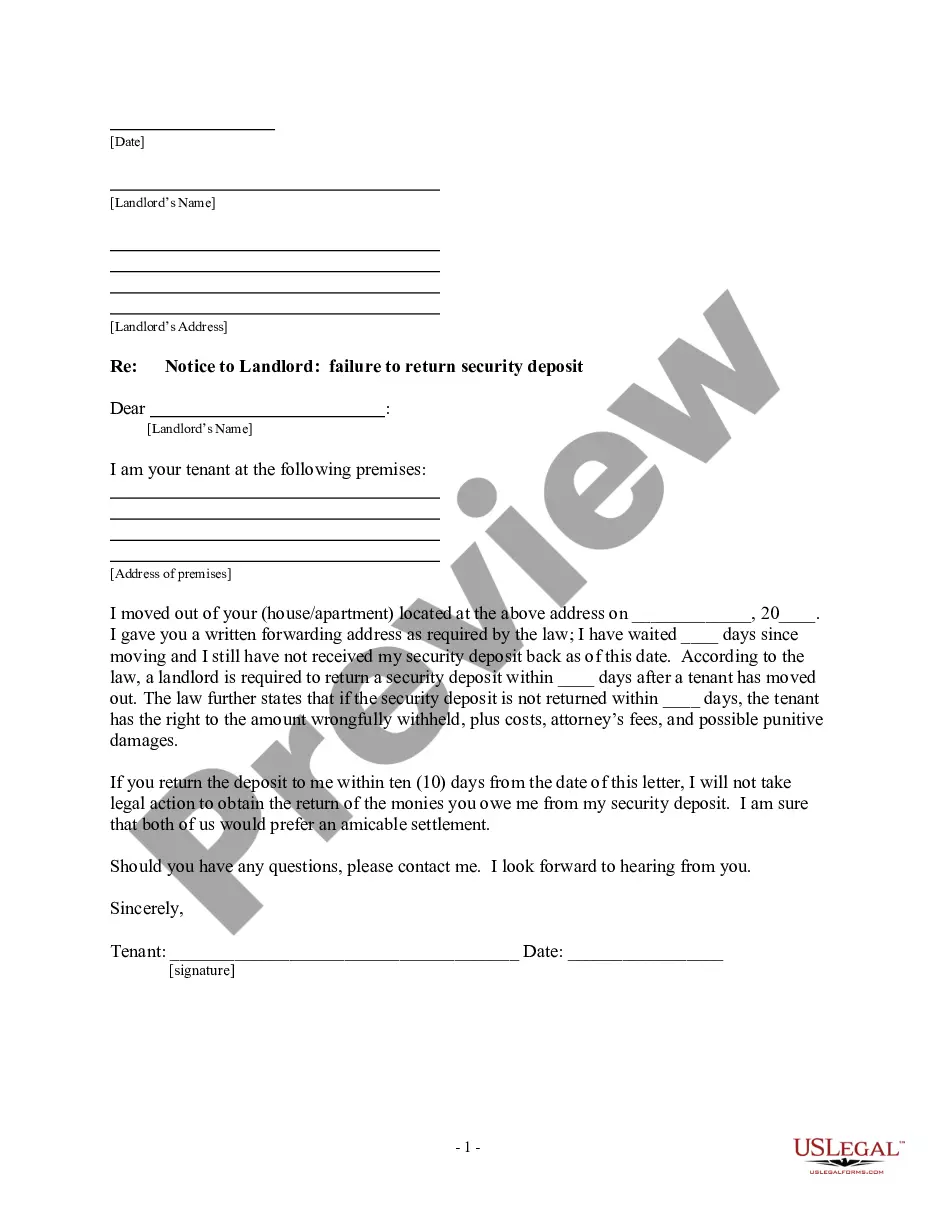
This form is a Letter from Tenant to Landlord containing notice of wrongful deductions from a security deposit and a demand for return. It serves as a formal communication to address unauthorized charges against the security deposit, ensuring compliance with state law. This form is distinct from general notice letters as it specifically outlines wrongful deductions, allowing tenants to assert their rights effectively.
Key parts of this document
- Tenant's name and address
- Landlord's name and address
- Date of the letter
- Detailed description of wrongful deductions
- Demand for return of the specified amount
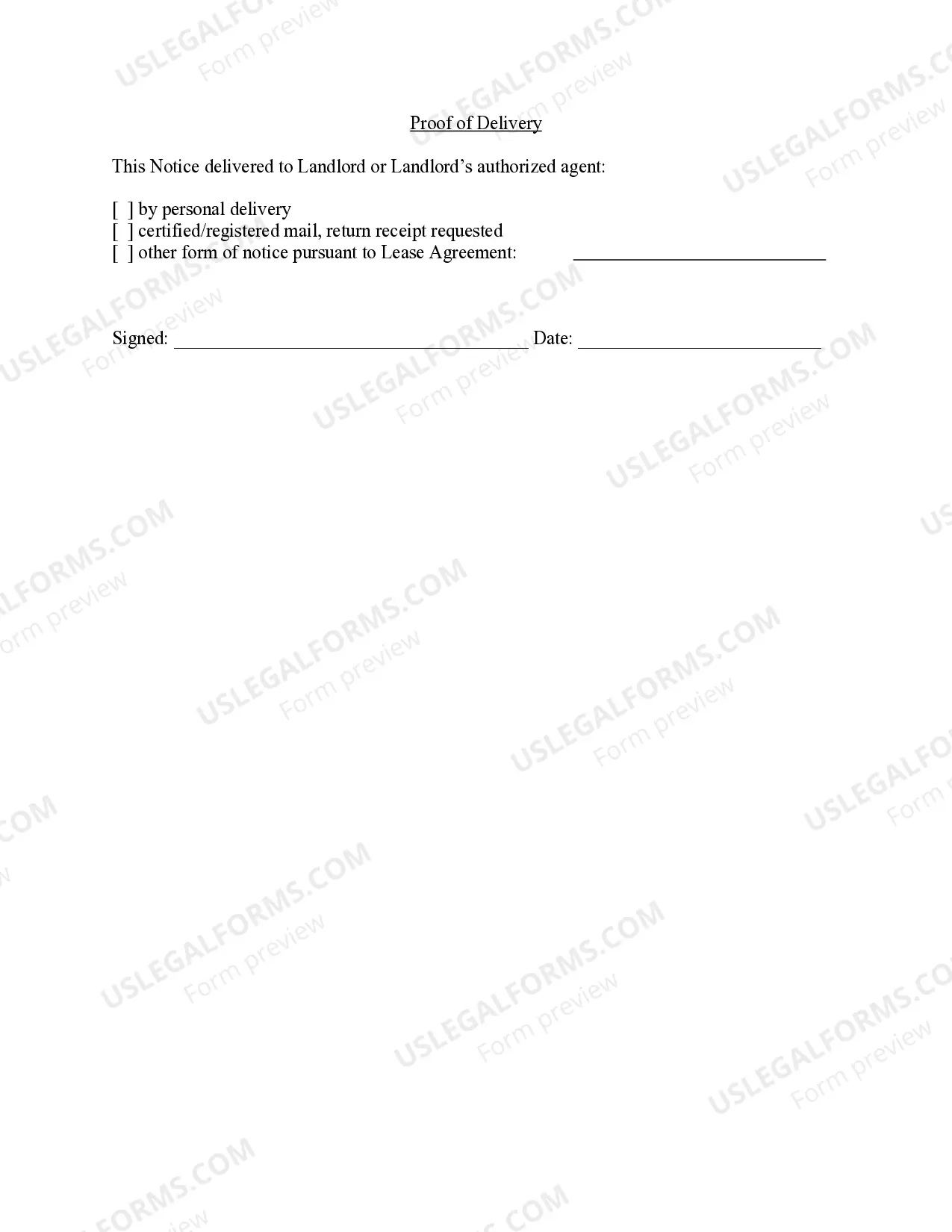
- Proof of delivery section
Situations where this form applies
You should use this form when you believe your landlord has wrongfully deducted amounts from your security deposit after you have vacated the rental property. This form allows you to communicate your concerns officially and demand the return of the disputed amount, providing a clear record of your request.
Who needs this form
- Tenants who have recently moved out of a rental property
- Individuals who received an itemized list of deductions that they believe are inaccurate
- Renters who seek to recover their security deposits in compliance with state regulations
Steps to complete this form
- Identify the parties involved by entering your name and address as the tenant, as well as the landlordâs name and address.
- Enter the date on which you are sending the letter.
- Clearly describe the wrongful deductions you are disputing from your security deposit.
- State the amount you are demanding to be returned.
- Sign the form and provide proof of delivery method, such as personal delivery or certified mail.
Notarization requirements for this form
This form does not typically require notarization unless specified by local law.
Get your form ready online
Our built-in tools help you complete, sign, share, and store your documents in one place.
Make edits, fill in missing information, and update formatting in US Legal Forms—just like you would in MS Word.
Download a copy, print it, send it by email, or mail it via USPS—whatever works best for your next step.
Sign and collect signatures with our SignNow integration. Send to multiple recipients, set reminders, and more. Go Premium to unlock E-Sign.
If this form requires notarization, complete it online through a secure video call—no need to meet a notary in person or wait for an appointment.
We protect your documents and personal data by following strict security and privacy standards.

Make edits, fill in missing information, and update formatting in US Legal Forms—just like you would in MS Word.

Download a copy, print it, send it by email, or mail it via USPS—whatever works best for your next step.

Sign and collect signatures with our SignNow integration. Send to multiple recipients, set reminders, and more. Go Premium to unlock E-Sign.

If this form requires notarization, complete it online through a secure video call—no need to meet a notary in person or wait for an appointment.

We protect your documents and personal data by following strict security and privacy standards.
Common mistakes to avoid
- Failing to include specific details about the wrongful deductions.
- Not providing a clear demand amount.
- Neglecting to sign the letter or forgetting to document the proof of delivery.
- Using vague language that could lead to misunderstandings.
Benefits of using this form online
- Convenience of immediate access to legally drafted templates.
- Editable format allows you to tailor the document to your specific needs.
- Reliability of forms that comply with current legal standards.
- Simplifies the document completion process without needing legal assistance.
Summary of main points
- This letter is essential for addressing disputes over security deposit deductions.
- Clear communication is crucial for resolving issues with landlords.
- Always retain a copy and proof of delivery for your records.
Looking for another form?
Form popularity
FAQ
The date of the letter and the landlord's full name and address. The address of the residence you rented and the date you moved in. A statement that you've been paying your rent timely and that you are current with your payments.
If you're seeking damages for emotional distress caused by a landlord's discrimination, or punitive damages for especially blatant and intentional discrimination, a lawsuit may well be your best bet. Understand what's involved in suing your landlord. You may file a lawsuit in either federal or state court.
Complaints can be filed with the U.S. Department of Housing and Urban Development and whichever state or local fair housing agency that has jurisdiction over the rental property. The Washington State Human Rights Commission has jurisdiction over rental housing in the entire state of Washington.
Type your letter. Concisely review the main facts. Be polite. Write with your goal in mind. Ask for exactly what you want. Set a deadline. End the letter by stating you will promptly pursue legal remedies if the other party does not meet your demand. Make and keep copies.
Start by simply saying the date and the tenants name and address. Make sure all the data is accurate, as this can serve as a written notice should you go to court. The letter should inform the tenant that they are late on the rent and by how many days.
Concisely review the main facts and lay out the reasons your landlord owes you money. Include copies of relevant letters and agreements, such as your notice to move out. Ask for exactly what you want, such as the full amount of your deposit within ten days. Cite state security deposit law.
Type your letter. Concisely review the main facts. Be polite. Write with your goal in mind. Ask for exactly what you want. Set a deadline. End the letter by stating you will promptly pursue legal remedies if the other party does not meet your demand. Make and keep copies.
State law regulates several rent-related issues, including late and bounced-check fees, the amount of notice (at least 30 days in Washington) landlords must give tenants to raise the rent and how much time (three days in Washington) a tenant has to pay rent or move before a landlord can file for eviction.
Before you go to court, a number of states require you to send a demand letter to your opposing party. An attorney is usually not necessary at this point and you can write a demand letter on your own. To write one, gather necessary documents, draft your letter, and send the letter to your opposing party.