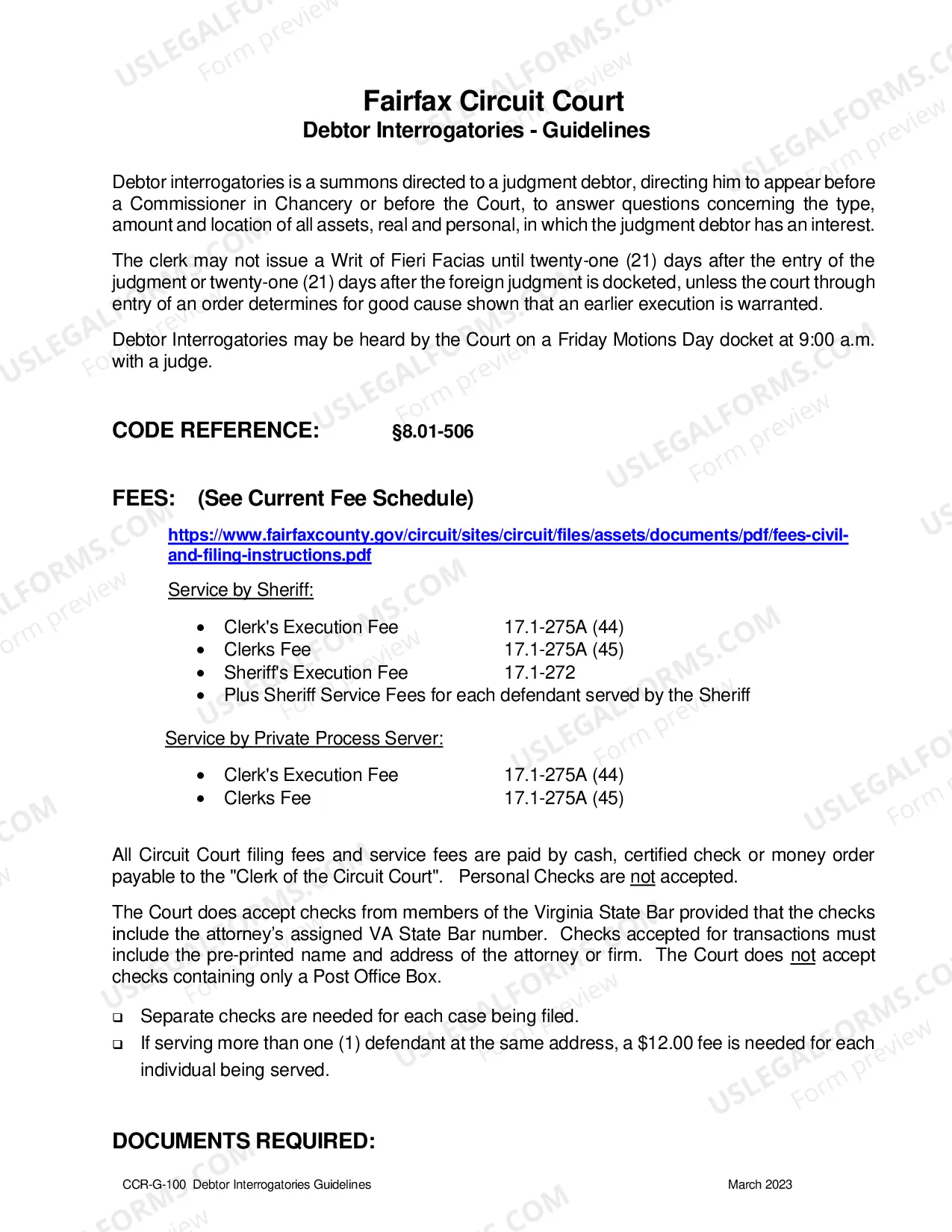
Washington Letter from Tenant to Landlord containing Notice to landlord to withdraw retaliatory rent increase
Understanding this form
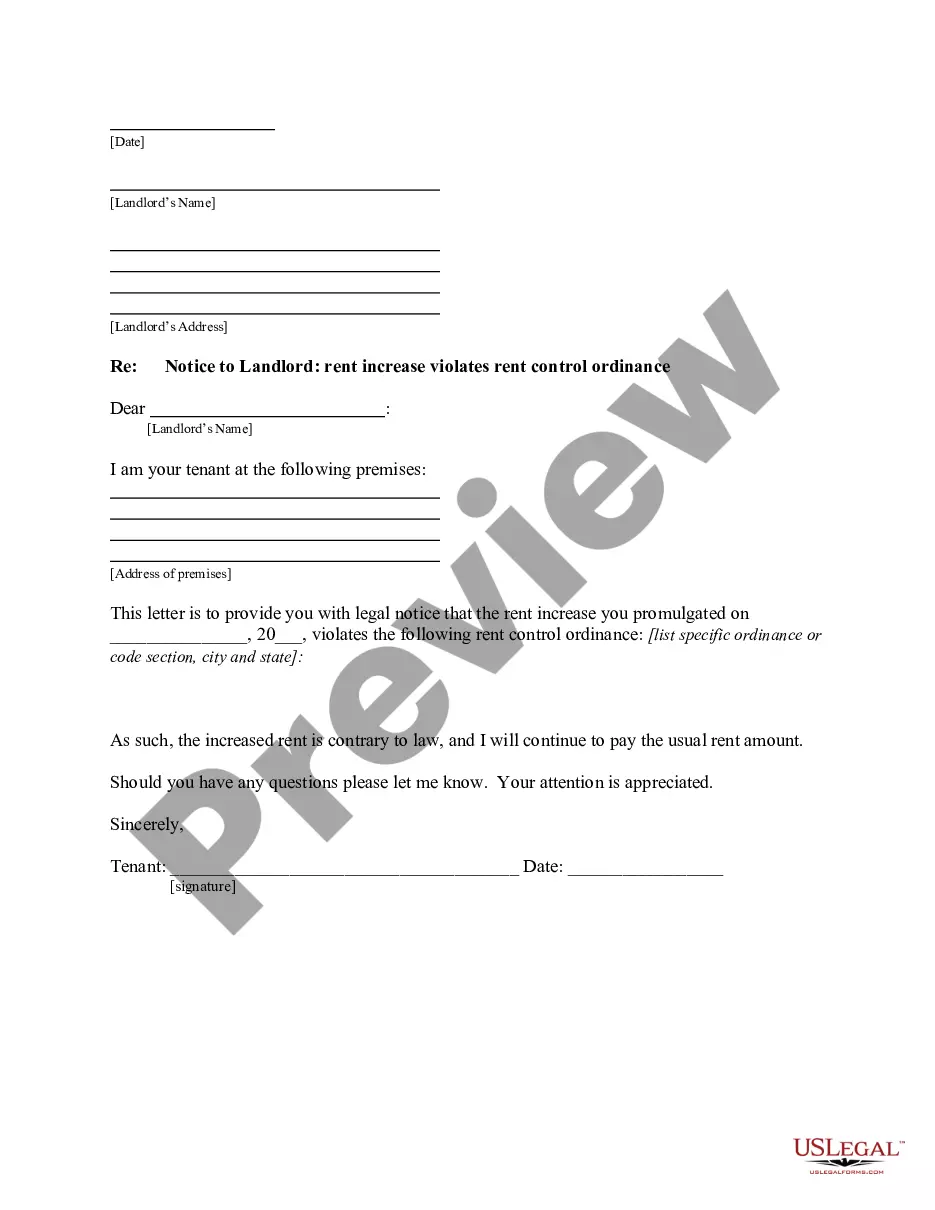
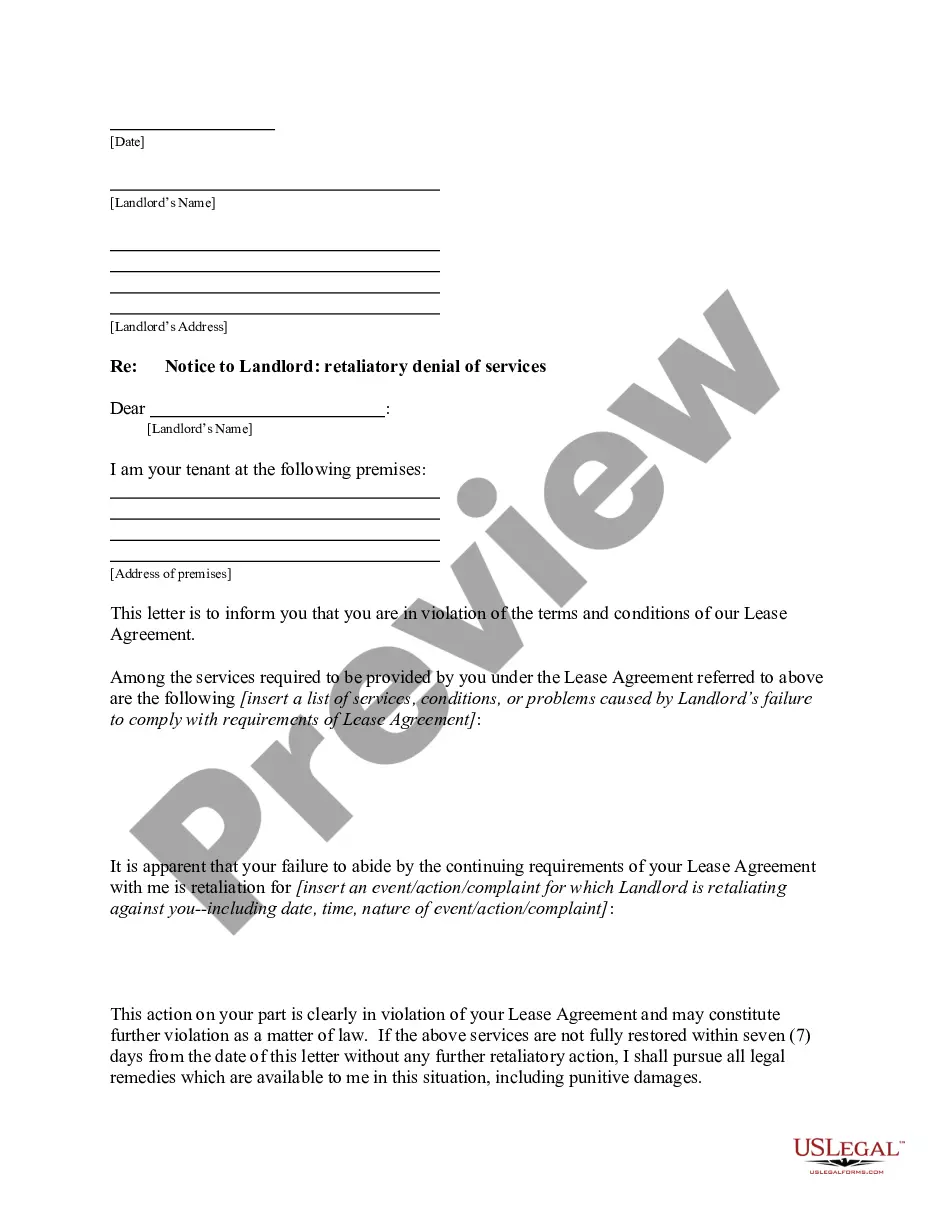
This Letter from Tenant to Landlord containing Notice to Landlord to Withdraw Retaliatory Rent Increase serves as a formal communication from a tenant to a landlord, addressing unlawful rent increases due to retaliatory actions. It ensures that tenants can inform their landlords that discriminatory rent increases are against the law, particularly when the increase is linked to the tenant's protected actions, such as reporting housing code violations or participating in tenant organizations. This form is essential for safeguarding tenants' rights and provides a structured way to address retaliatory conduct without escalating to legal action immediately.
What’s included in this form
- Information about the tenant and landlord, including names and addresses.
- Statement outlining the reason for the notice of retaliatory rent increase.
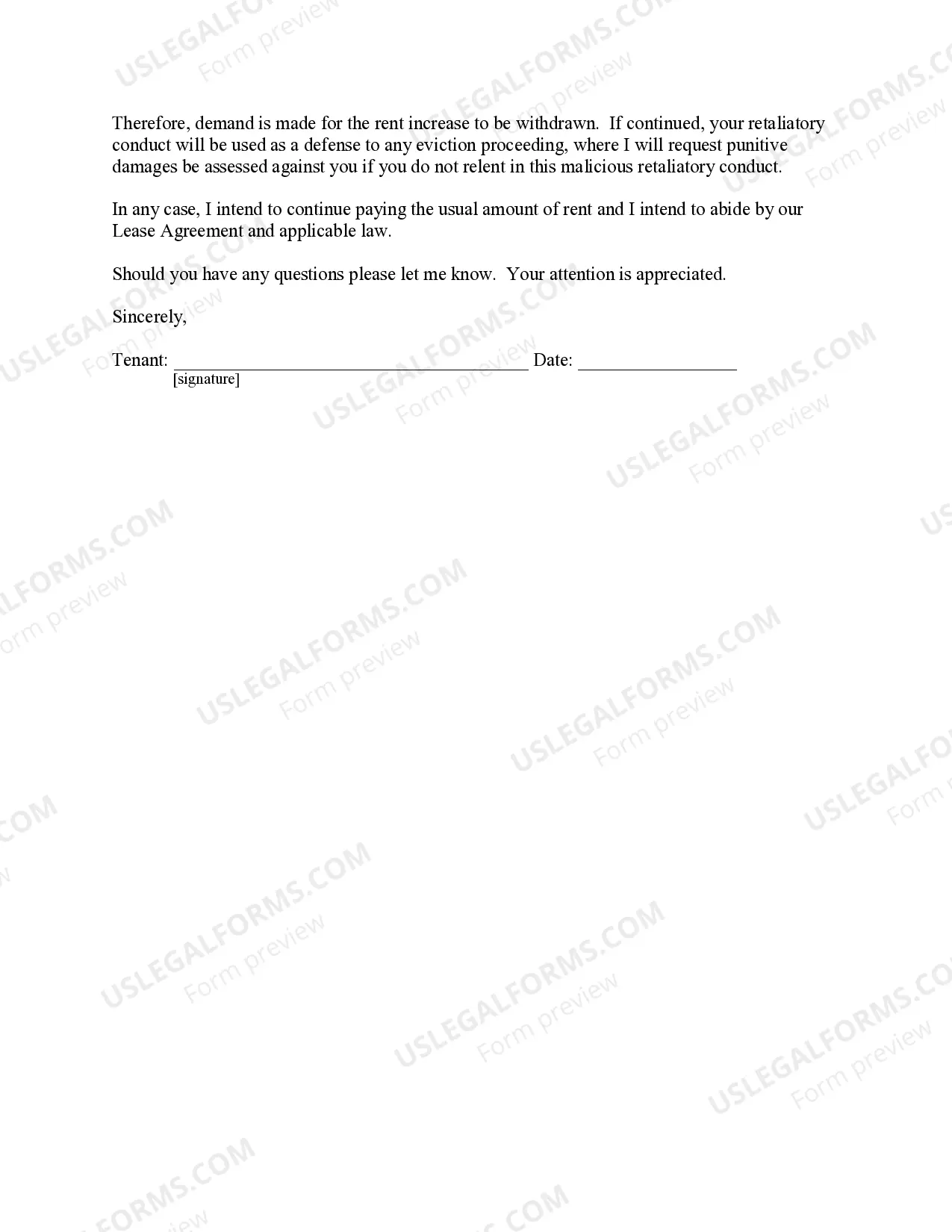
- Affirmation of the tenant's obligation to continue paying rent.
- Invitation for the landlord to discuss any questions regarding the notice.
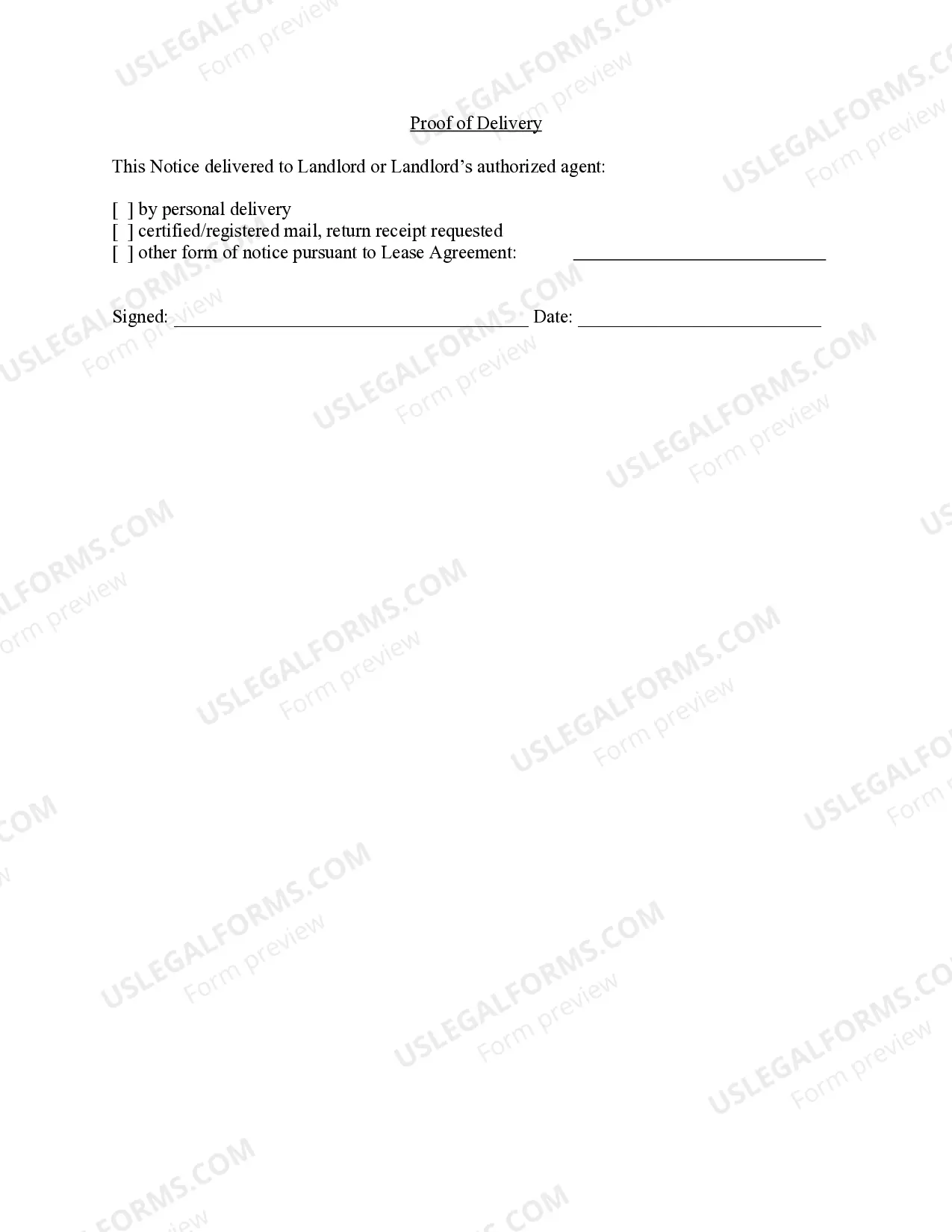
- Signature line for the tenant to confirm the delivery of the notice.
When to use this form
This form should be used when a tenant believes that their landlord is increasing rent in retaliation for lawful actions they have taken, such as filing complaints about the property or participating in tenant advocacy. It is appropriate to use this letter when the tenant wants to formally inform the landlord of their rights and to request the withdrawal of the rent increase without resorting to legal proceedings.
Who needs this form
- Tenants who have experienced a rent increase perceived as retaliatory.
- Individuals who have reported the landlord for code violations or maintenance issues.
- Members of tenant organizations facing retaliatory actions.
- Any tenant wishing to assert their rights against unlawful rent increases.
Steps to complete this form
- Provide your name and address at the top of the letter.
- Enter the name and address of your landlord.
- Clearly state the reason for notifying your landlord of the retaliatory rent increase.
- Affirm your intent to continue paying rent as per your lease agreement.
- Sign and date the letter before sending it to your landlord.
Does this form need to be notarized?
This form does not typically require notarization unless specified by local law. However, having a notarized copy may add an additional level of credibility in the event of a dispute.
Get your form ready online
Our built-in tools help you complete, sign, share, and store your documents in one place.
Make edits, fill in missing information, and update formatting in US Legal Forms—just like you would in MS Word.
Download a copy, print it, send it by email, or mail it via USPS—whatever works best for your next step.
Sign and collect signatures with our SignNow integration. Send to multiple recipients, set reminders, and more. Go Premium to unlock E-Sign.
If this form requires notarization, complete it online through a secure video call—no need to meet a notary in person or wait for an appointment.
We protect your documents and personal data by following strict security and privacy standards.

Make edits, fill in missing information, and update formatting in US Legal Forms—just like you would in MS Word.

Download a copy, print it, send it by email, or mail it via USPS—whatever works best for your next step.

Sign and collect signatures with our SignNow integration. Send to multiple recipients, set reminders, and more. Go Premium to unlock E-Sign.

If this form requires notarization, complete it online through a secure video call—no need to meet a notary in person or wait for an appointment.

We protect your documents and personal data by following strict security and privacy standards.
Avoid these common issues
- Failing to include accurate contact information for both parties.
- Not clearly stating the reason for the notice.
- Ignoring local laws that might affect the contents of the letter.
- Not keeping a copy of the letter for personal records.
Benefits of using this form online
- Convenience of immediate access to legally vetted templates.
- Editability to customize the form according to specific needs.
- Reliable format that meets legal standards.
Legal use & context
- This form serves as a formal assertion of tenant rights against retaliatory actions by landlords.
- It can be used to build a case if further legal action becomes necessary.
- Understanding the legal context helps in navigating tenant-landlord disputes more effectively.
Summary of main points
- The form is essential for tenants facing retaliatory rent increases.
- Completion of this document helps assert legal rights and protections.
- Always retain a copy for personal records and check local laws for specific requirements.
Looking for another form?





Form popularity
FAQ
Addresses. Date. Tenant names. Status and date of the lease. Why the eviction notice is served (clear and concise explanation) Date tenant must vacate the property. Proof of service or delivery of notice.
Every tenant has a right to enjoy peaceful possession of the property without any disturbance or encumbrance from anyone including the owner. At no point of time under your tenancy can your landlord ask you to evict or leave the premises without assigning a valid reason.
Explain the Situation Tell your tenant in straightforward terms what the problem is, and explain that they cannot stay on the property any longer. Describe the Consequences Calmly explain that they will be evicted with necessary court orders if they remain on the property.
1) Give your landlord at least 20 days written notice. The landlord must receive written notice of your move-out date 20 days before the end of the rental period.
Showing the premises to prospective tenants 'reasonable' notice / number of times. The law does not say what 'reasonable' means.If you refuse access, the landlord/agent can apply to the Tribunal for an order that authorises them or any other person to enter the premises.
While tenants cannot unreasonably deny access to a landlord, landlords must also follow all of the state and local rules regarding access to tenants' apartments. Roughly half of states have rules governing landlord entry into tenants' apartments.
If the tenant refuses, you are permitted to send them a notice to agree or quit the property. The tenant refusing you access constitutes a breach in the lease agreement, so they could be evicted if they continue to deny access.
You should say something like: I am giving 1 month's notice to end my tenancy, as required by law. I will be leaving the property on (date xxxxx). I would like you to be at the property on the day I move out to check the premises and for me to return the keys.
A landlord cannot legally evict you without a court order, whether or not you have a lease.) How long does it take for a landlord to evict a tenant? A landlord can evict a tenant only by going through a formal eviction proceeding, which can take a few weeks from start to finish.