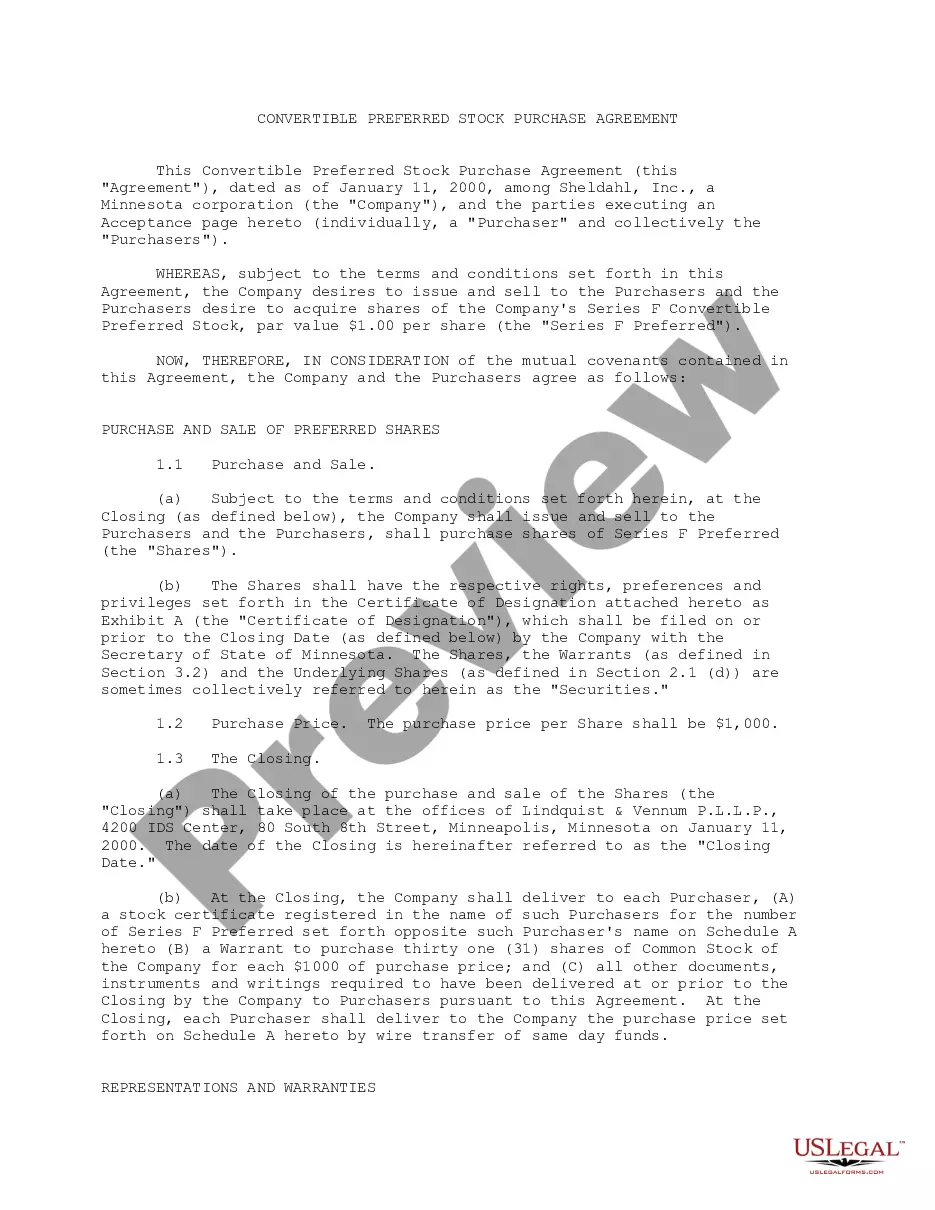
Vermont Letter from Tenant to Landlord about Fair Housing Reduction or Denial of services to Family with Children
About this form
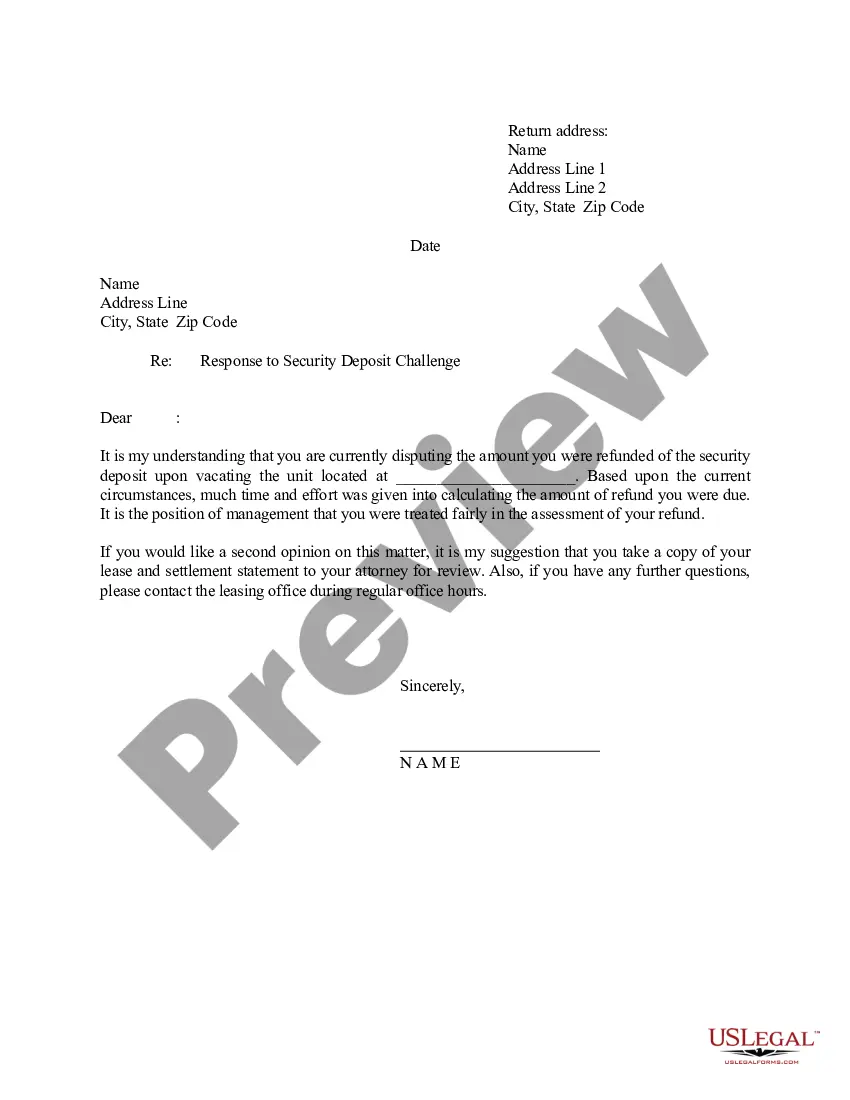
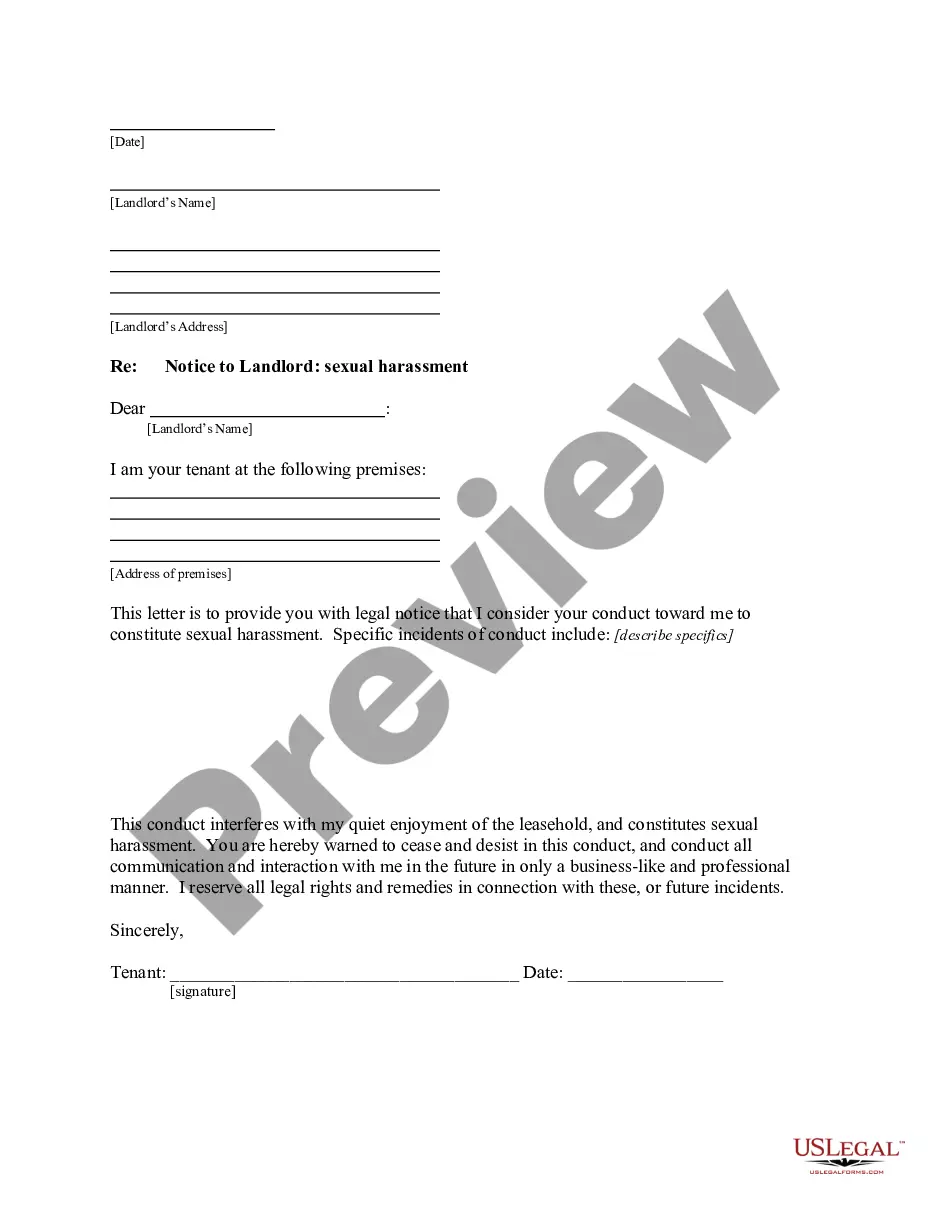
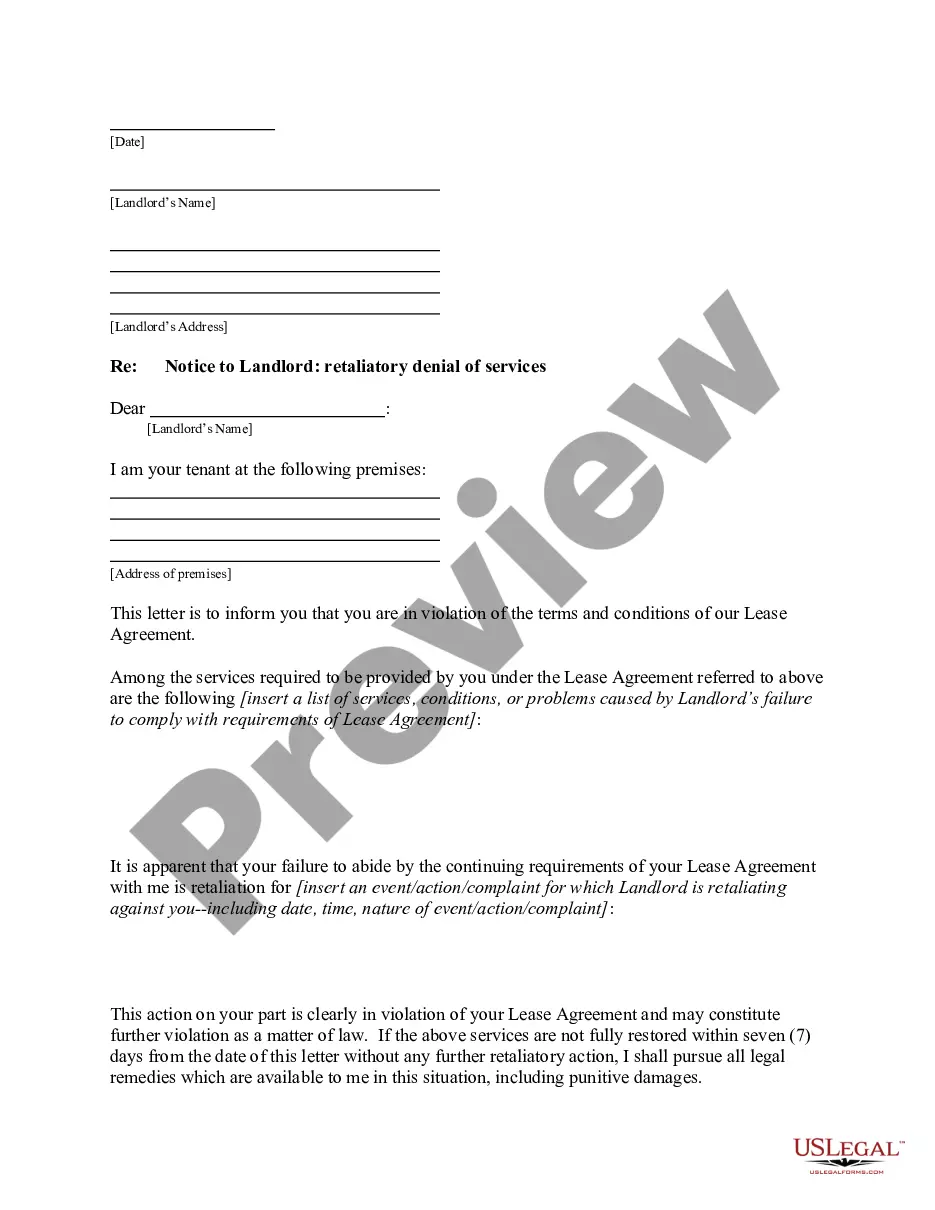
This form is a formal letter from a tenant to a landlord that addresses violations of the Fair Housing Act. It specifically concerns the reduction or denial of services to families with children. The purpose of this letter is to notify the landlord of their unlawful actions, which include discrimination based on familial status, among other protected characteristics. This form differs from other tenant-landlord communication letters by focusing specifically on fair housing rights and the obligations of landlords under federal law.
Main sections of this form
- Identification of the parties involved (Tenant and Landlord).
- Description of the violation, including specific instances of reduced services or denial.
- A reference to applicable sections of the Fair Housing Act.
- Statement of the tenantâs rights and requests for remedial actions.
- Notice of potential further action if the violation is not addressed.
When to use this form
You should use this form when you believe that your landlord is unfairly reducing or denying services specifically to families with children. This includes situations where your landlord restricts access to common areas, amenities, or utilities based on your family's status. It is vital to formally notify the landlord to ensure they are aware of the violation and to give them an opportunity to rectify the situation.
Who this form is for
- Tenants who have children and feel they are being discriminated against by their landlord.
- Individuals seeking to assert their rights under the Fair Housing Act.
- Families facing reductions in services or facilities that directly impact their living conditions.
Completing this form step by step
- Identify yourself as the tenant and provide your contact information.
- Clearly state the name and contact information of your landlord.
- Describe the specific reduction or denial of services experienced.
- Cite relevant sections of the Fair Housing Act that support your claim.
- Include a request for the landlord to rectify the situation within a specific timeframe.
- Sign and date the letter to make it official.
Is notarization required?
This form does not typically require notarization unless specified by local law. It is advisable to check your state's requirements to ensure compliance with any local regulations regarding tenant-landlord communication.
Get your form ready online
Our built-in tools help you complete, sign, share, and store your documents in one place.
Make edits, fill in missing information, and update formatting in US Legal Forms—just like you would in MS Word.
Download a copy, print it, send it by email, or mail it via USPS—whatever works best for your next step.
Sign and collect signatures with our SignNow integration. Send to multiple recipients, set reminders, and more. Go Premium to unlock E-Sign.
If this form requires notarization, complete it online through a secure video call—no need to meet a notary in person or wait for an appointment.
We protect your documents and personal data by following strict security and privacy standards.

Make edits, fill in missing information, and update formatting in US Legal Forms—just like you would in MS Word.

Download a copy, print it, send it by email, or mail it via USPS—whatever works best for your next step.

Sign and collect signatures with our SignNow integration. Send to multiple recipients, set reminders, and more. Go Premium to unlock E-Sign.

If this form requires notarization, complete it online through a secure video call—no need to meet a notary in person or wait for an appointment.

We protect your documents and personal data by following strict security and privacy standards.
Typical mistakes to avoid
- Failing to provide specific examples of the reduction or denial of services.
- Neglecting to cite the relevant sections of the Fair Housing Act.
- Using unprofessional language or tone in the correspondence.
- Forgetting to include a clear request for action within a timeline.
Benefits of completing this form online
- Convenience of downloading and using the form immediately.
- Editability to tailor the form according to your specific situation.
- Accessibility to legal templates drafted by licensed attorneys.
Legal use & context
- The Fair Housing Act protects tenants from discrimination based on familial status.
- Landlords who violate this act may face legal consequences, including fines and corrective actions.
- This form serves as a formal method of addressing potential violations before considering further legal action.
What to keep in mind
- The letter addresses violations of the Fair Housing Act regarding families with children.
- It's crucial to document specific instances of discrimination.
- Using this form can help establish a formal record of your concerns.
Looking for another form?
Form popularity
FAQ
The landlord verification form is a document used by a landlord when verifying the previous rental information of an applicant for tenancy. The requesting landlord must send the form to the applicant's current or past landlord in order to obtain all details related to the tenancy of the individual.
While tenants cannot unreasonably deny access to a landlord, landlords must also follow all of the state and local rules regarding access to tenants' apartments. Roughly half of states have rules governing landlord entry into tenants' apartments.
Every tenant has a right to enjoy peaceful possession of the property without any disturbance or encumbrance from anyone including the owner. At no point of time under your tenancy can your landlord ask you to evict or leave the premises without assigning a valid reason.
Start a written record. The problems with my landlord started almost immediately after I moved in. Check your lease agreement. If your landlord agreed to something in your lease, he has to follow it. Send written requests. Decide if you have a case. Seek legal assistance. File a civil lawsuit. Fight discrimination.
Ask the landlord if rent price is open to discussion. Highlight your strengths as a tenant. Inquire about extending the lease. Offer to end the lease in the summer. Research the property's value. Be open to compromise. Negotiate directly, follow up in writing.
If the tenant refuses, you are permitted to send them a notice to agree or quit the property. The tenant refusing you access constitutes a breach in the lease agreement, so they could be evicted if they continue to deny access.
Dear (property manager's name), I wanted to contact you today to ask if we could discuss lowering my rent. I love living here but lately, finances have been difficult and a slight reduction in rent would go a long way in helping. It's important to me to be a good and responsible tenant.
Prove You Deserve to Pay Less. Having a good reputation can come in handy when you're trying to reduce the price of your rent. Show You've Done Your Homework. Bring Something to the Table. Agree to Stay Put for Over a Year. Agree to Pay Before the First of the Month.
Showing the premises to prospective tenants 'reasonable' notice / number of times. The law does not say what 'reasonable' means.If you refuse access, the landlord/agent can apply to the Tribunal for an order that authorises them or any other person to enter the premises.