Virginia Mutual Wills Package for Married Couple with Adult and Minor Children
Overview of this form
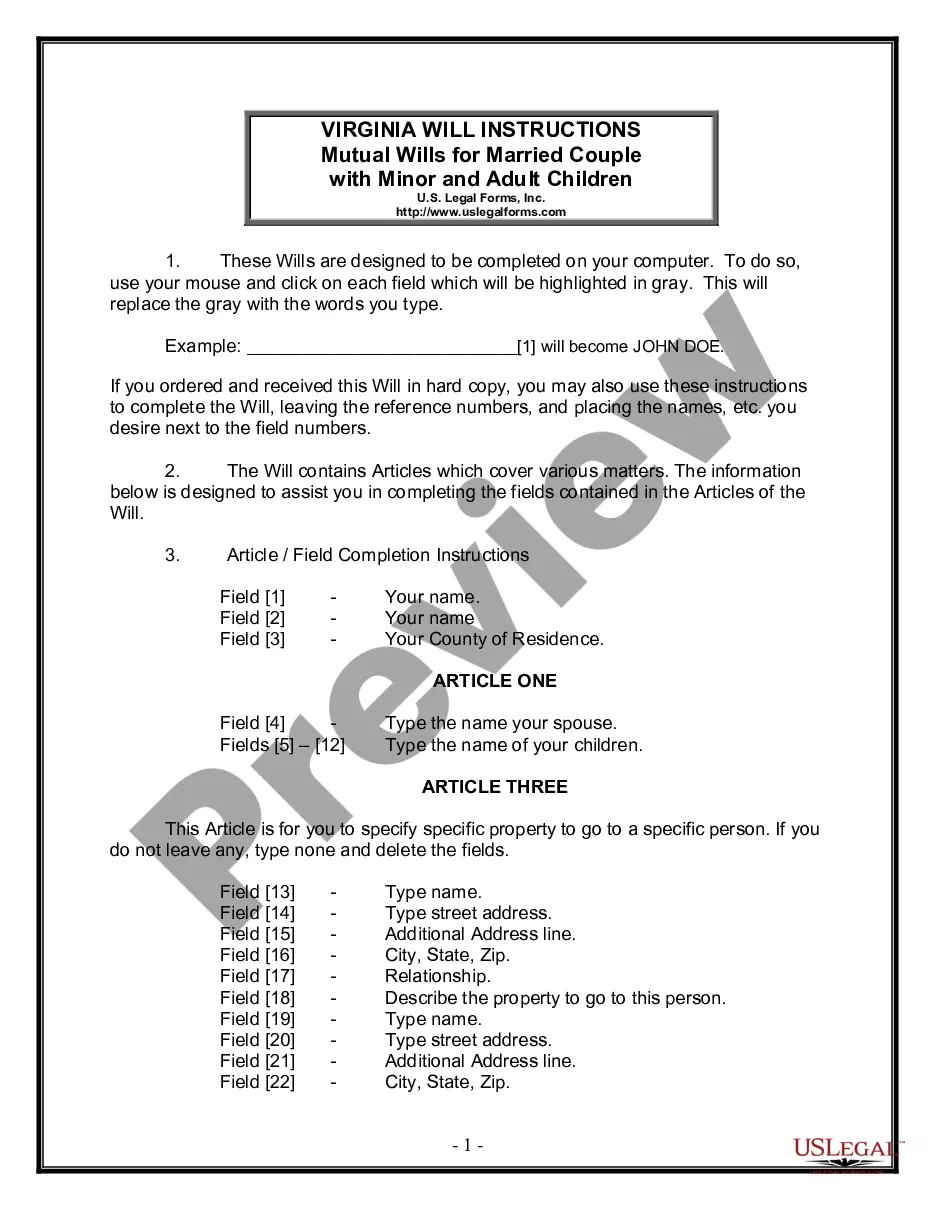
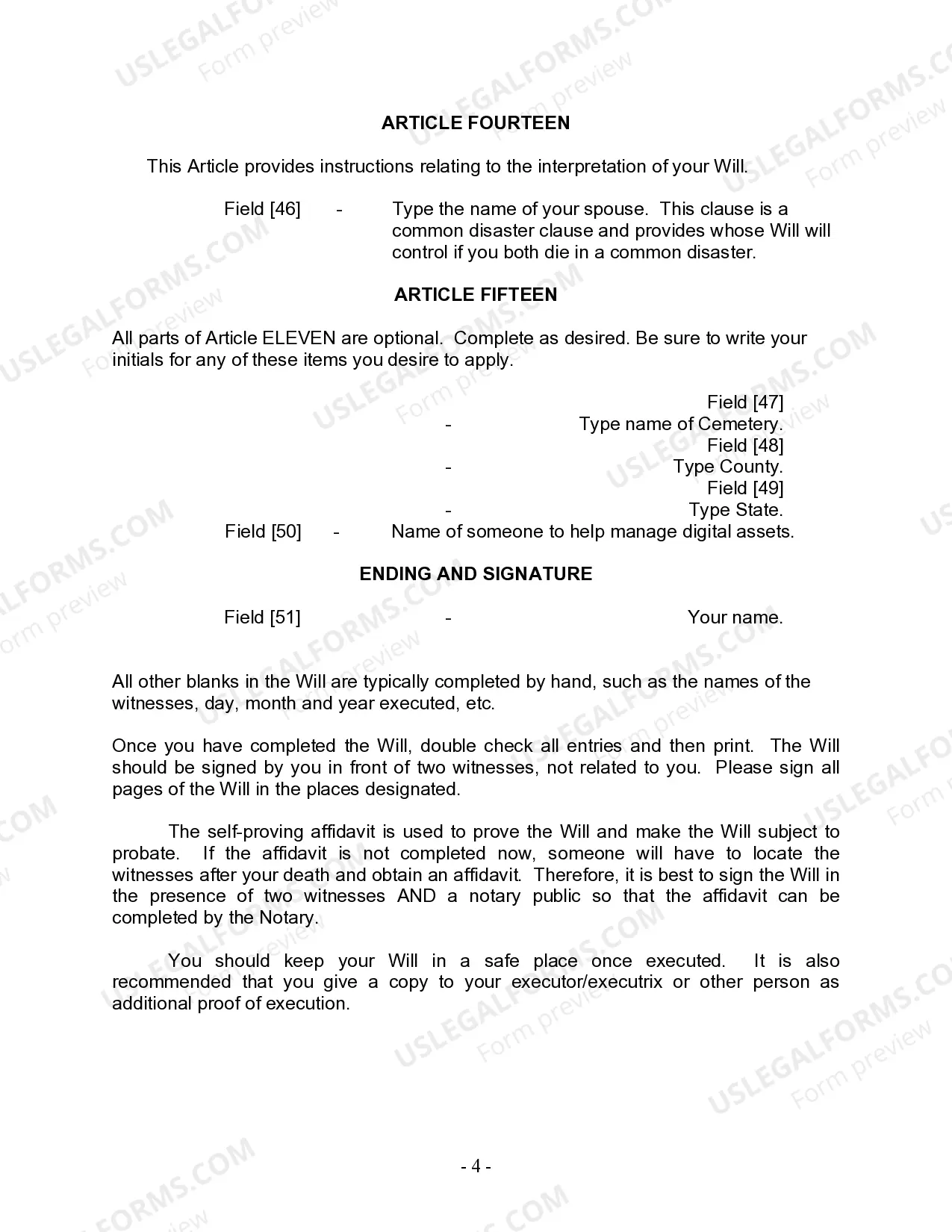
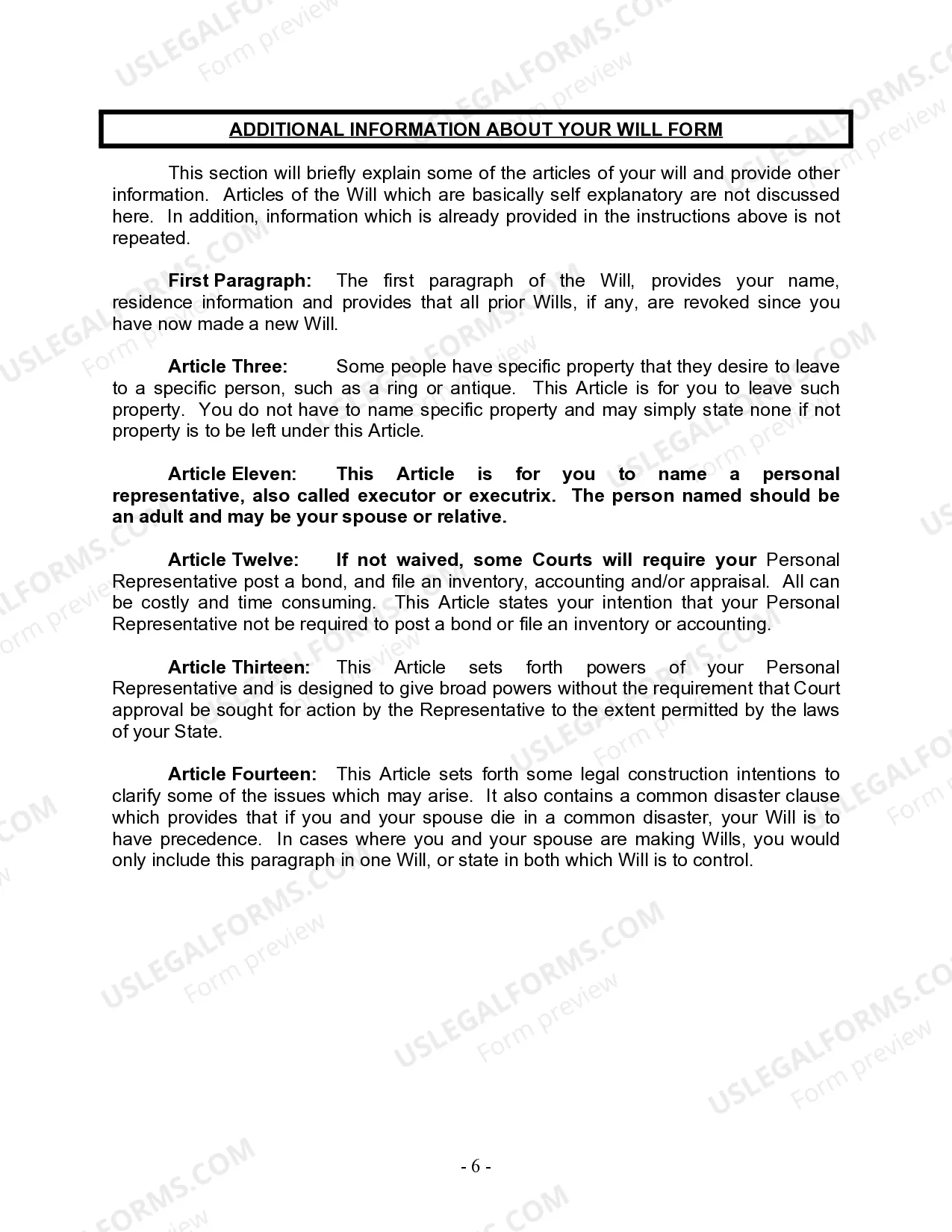
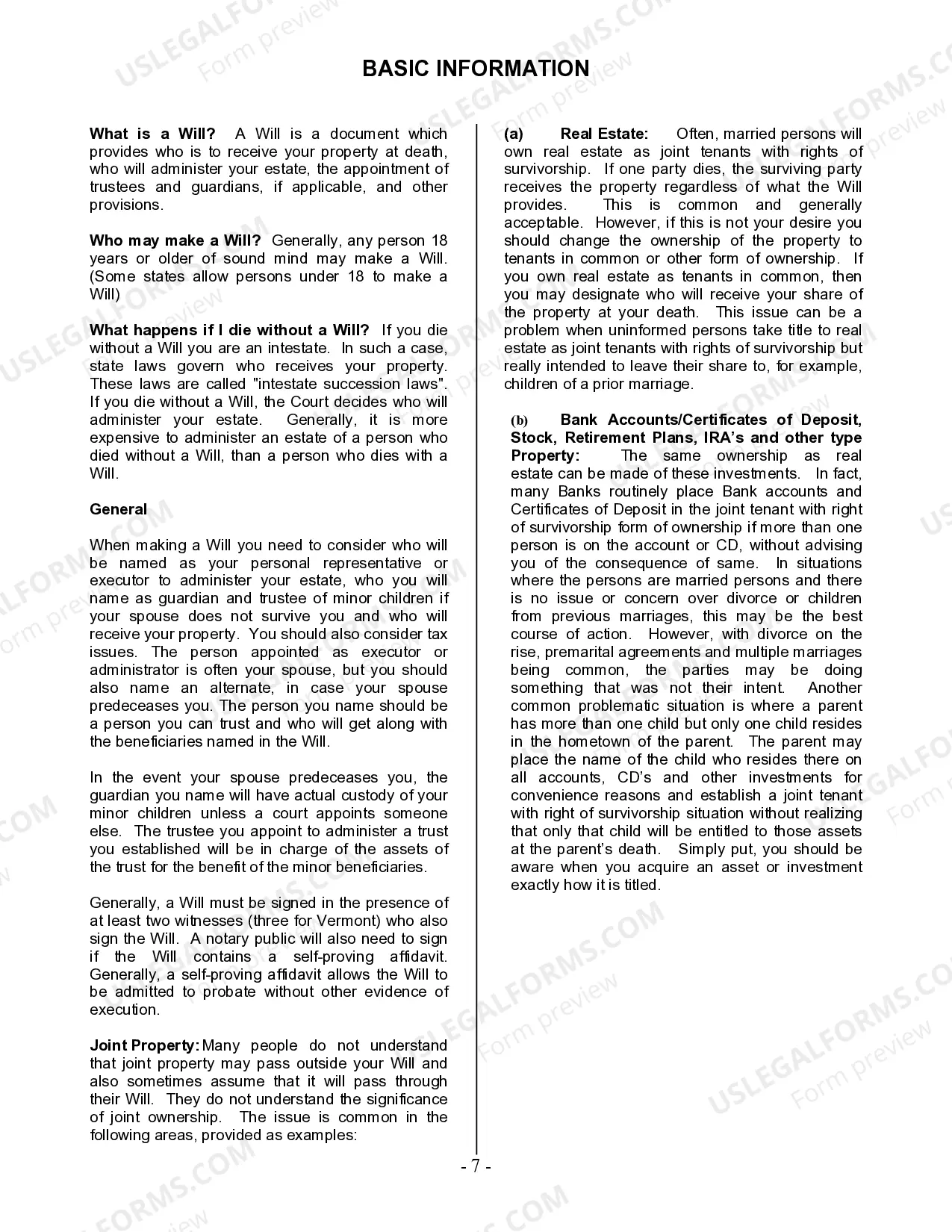
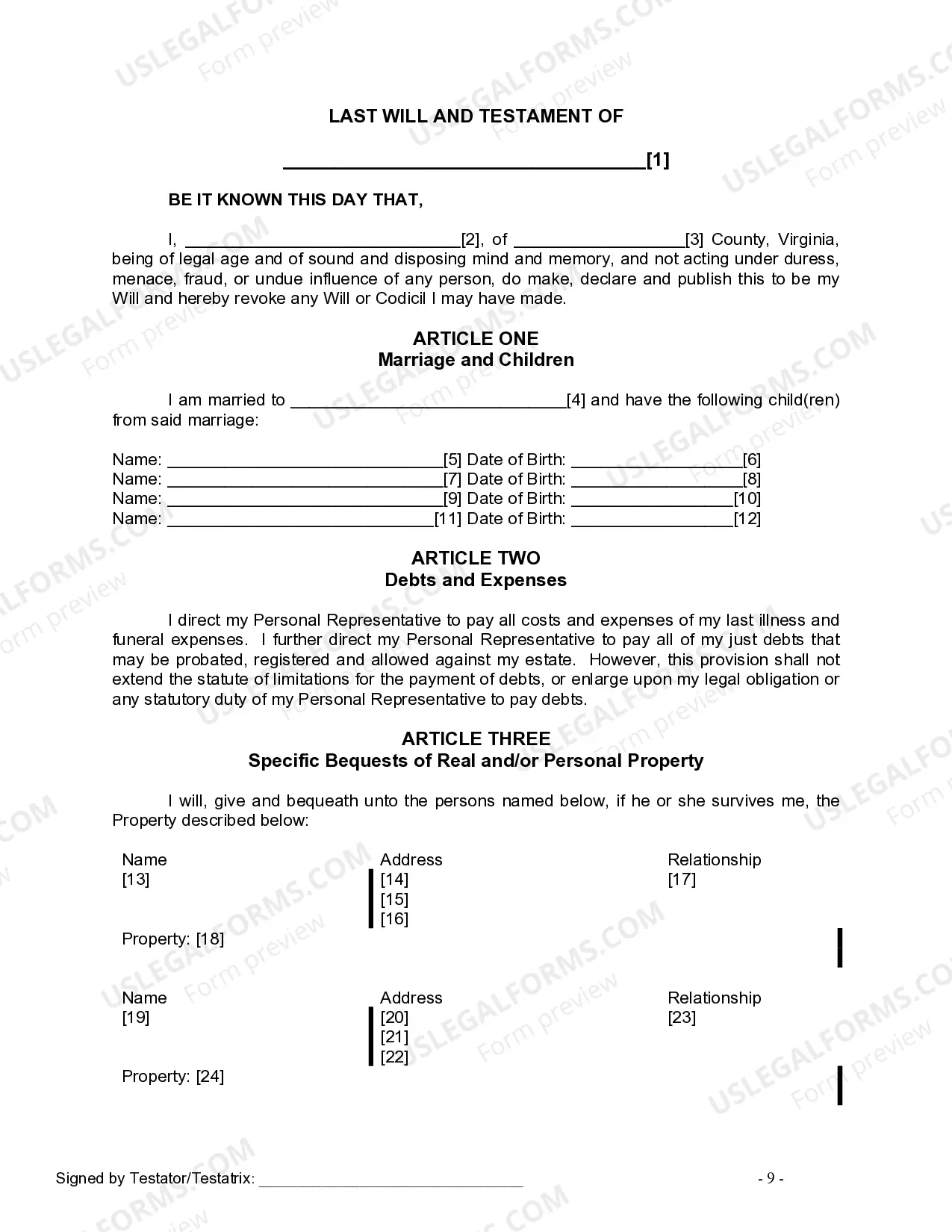
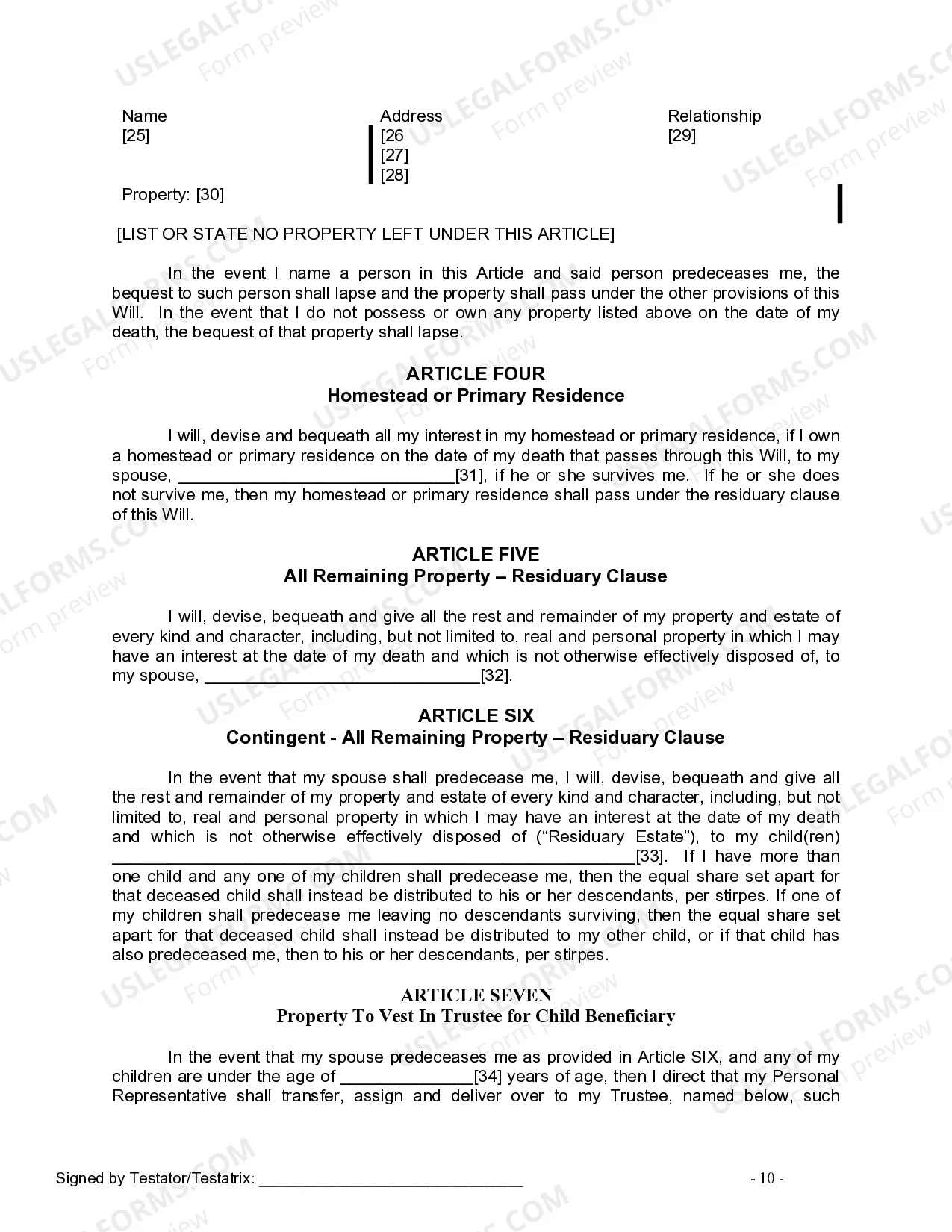
The Mutual Wills Package for a married couple with adult and minor children is a comprehensive legal tool that enables spouses to outline their wishes regarding the distribution of assets upon their passing. Unlike standard wills, this package includes provisions that cater specifically to families with children, ensuring that both minors and adults are considered in estate planning. This package creates two separate wills, one for each spouse, along with essential supporting documents to facilitate the appointment of guardians and trustees for minors, making it a vital resource for holistic family estate planning.
Form components explained
- Two separate wills, one for each spouse, ensuring mutual agreements are legally documented.
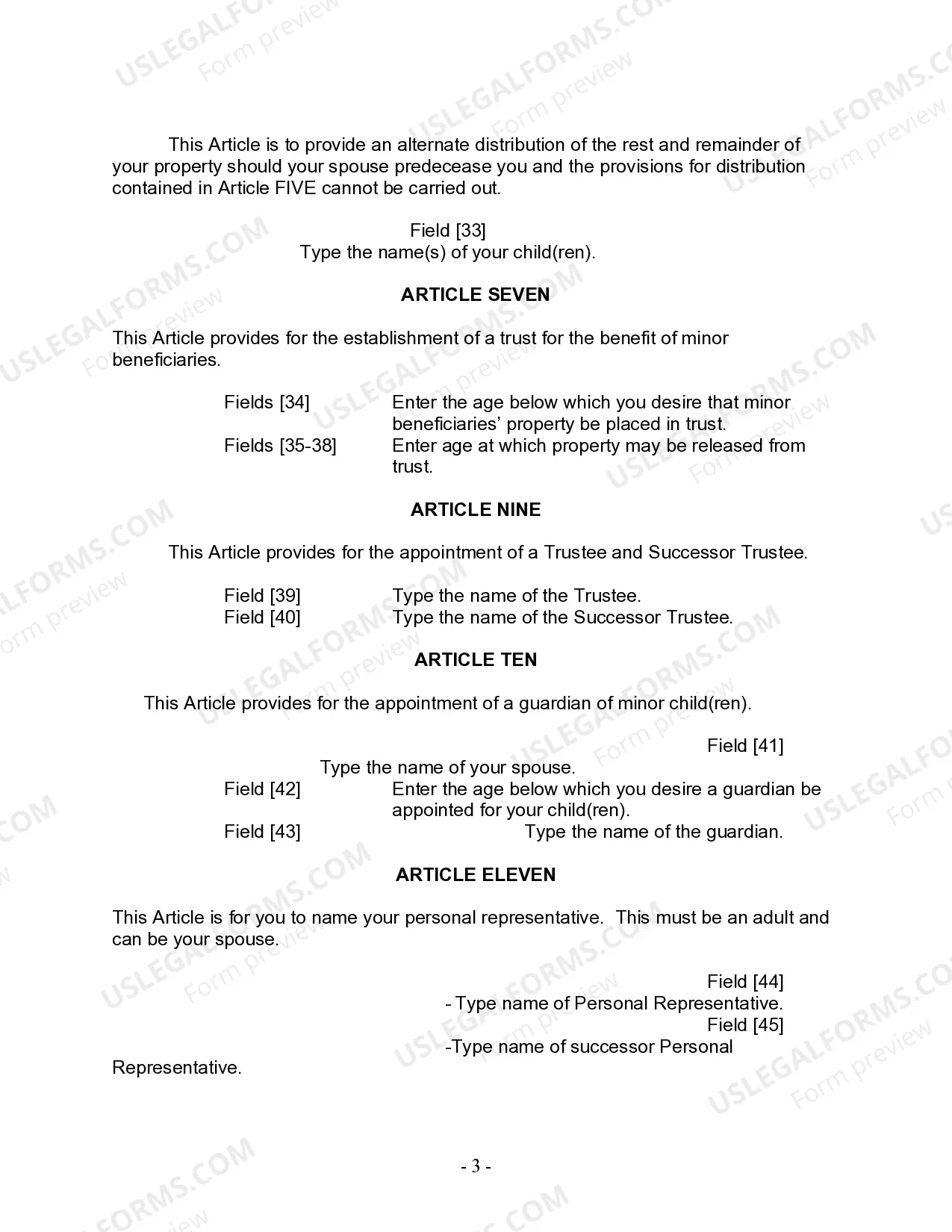
- Appointment of a personal representative or executor to manage estate affairs.
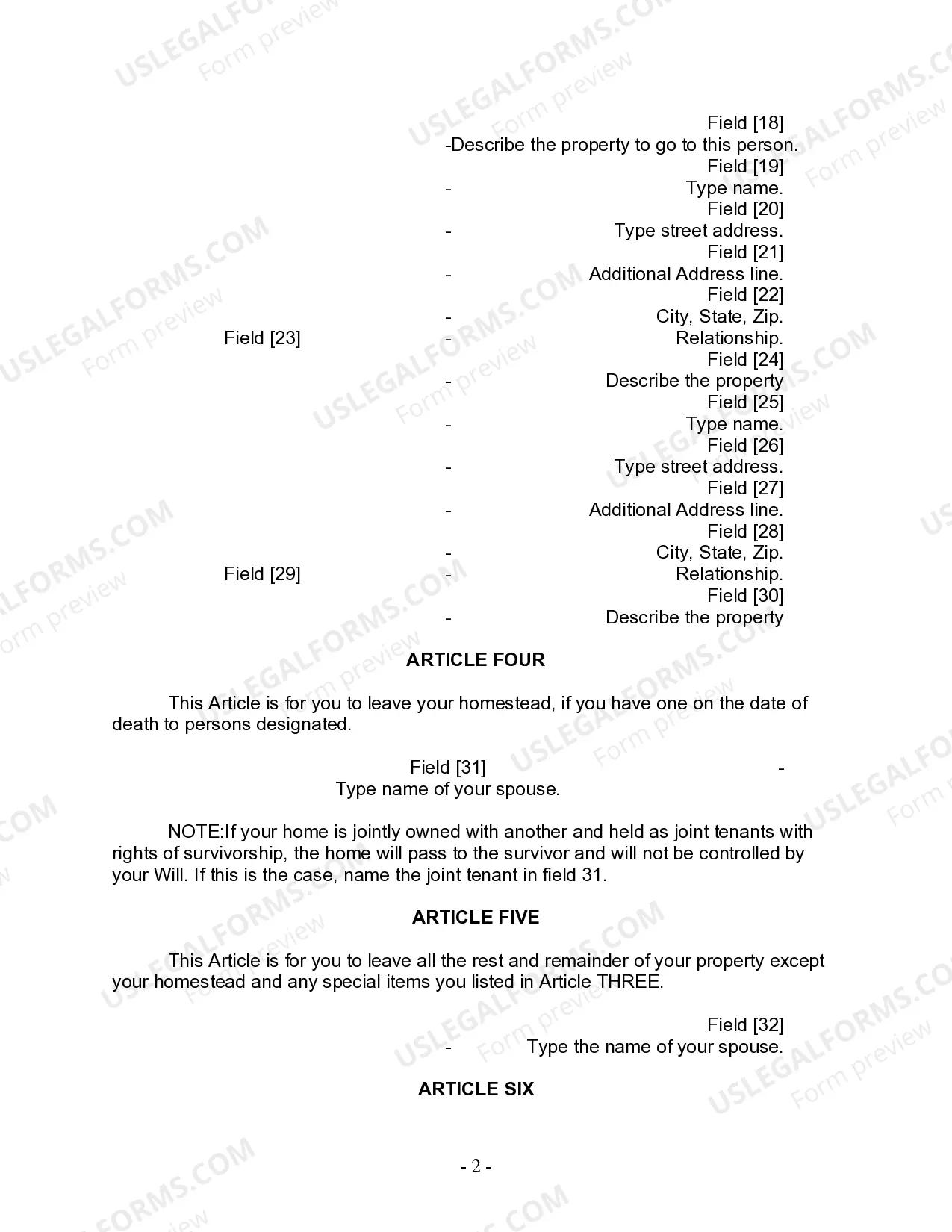
- Specific bequests for distributing particular assets to designated individuals.
- Provisions for establishing a trust for minor children's inheritance, ensuring their financial welfare.
- Options to designate guardians for minor children in case both parents pass away.
- Instructions for signing and witnessing the wills to ensure legal validity.





When to use this form
This form should be used when a married couple wants to clearly define how their assets will be distributed after their deaths, particularly when they have dependent minor children and adult children. It is essential during estate planning discussions or when couples decide to update their wills to reflect current family circumstances or changes in state law.
Who needs this form
Suitable users of this form include:
- Married couples with assets they wish to distribute after death.
- Parents with minor children needing designated guardians in the case of both parents' deaths.
- Couples looking for a comprehensive estate planning solution that includes provisions for both adult and minor beneficiaries.
- Individuals wanting to ensure a mutual agreement reflected in their wills, simplifying the estate administration process.
How to complete this form
To complete this form, follow these steps:
- Identify all parties involved, including both spouses and any children.
- Specify the assignment of property and assets to designated beneficiaries.
- Fill out sections that address guardianship for minor children and appoint a personal representative.
- Review all information for accuracy and completeness before signing.
- Ensure the wills are signed in front of the required witnesses and, if applicable, notarized.
Is notarization required?
Yes, this form must be notarized to be legally valid. Notarization ensures that all signers are authenticated and that the document is upheld in probate court. US Legal Forms offers integrated online notarization through secure video calls, available twenty-four hours a day, ensuring convenience and legal equability without the need to travel.
Get your form ready online
Our built-in tools help you complete, sign, share, and store your documents in one place.
Make edits, fill in missing information, and update formatting in US Legal Forms—just like you would in MS Word.
Download a copy, print it, send it by email, or mail it via USPS—whatever works best for your next step.
Sign and collect signatures with our SignNow integration. Send to multiple recipients, set reminders, and more. Go Premium to unlock E-Sign.
If this form requires notarization, complete it online through a secure video call—no need to meet a notary in person or wait for an appointment.
We protect your documents and personal data by following strict security and privacy standards.

Make edits, fill in missing information, and update formatting in US Legal Forms—just like you would in MS Word.

Download a copy, print it, send it by email, or mail it via USPS—whatever works best for your next step.

Sign and collect signatures with our SignNow integration. Send to multiple recipients, set reminders, and more. Go Premium to unlock E-Sign.

If this form requires notarization, complete it online through a secure video call—no need to meet a notary in person or wait for an appointment.

We protect your documents and personal data by following strict security and privacy standards.
Common mistakes
- Failing to name an alternate personal representative in case the primary cannot serve.
- Not ensuring that the wills are signed correctly per state requirements, including the necessary witness signatures.
- Overlooking the specific language needed for guardianship provisions, which can lead to confusion during probate.
- Neglecting to regularly update the wills following major life events such as births, deaths, or significant changes in assets.
Benefits of completing this form online
- Convenient online access and download, allowing for immediate use and customization.
- Documents crafted by licensed attorneys to ensure legal compliance and comprehensiveness.
- Editability on your computer makes it easier to personalize and reflect specific family wishes.
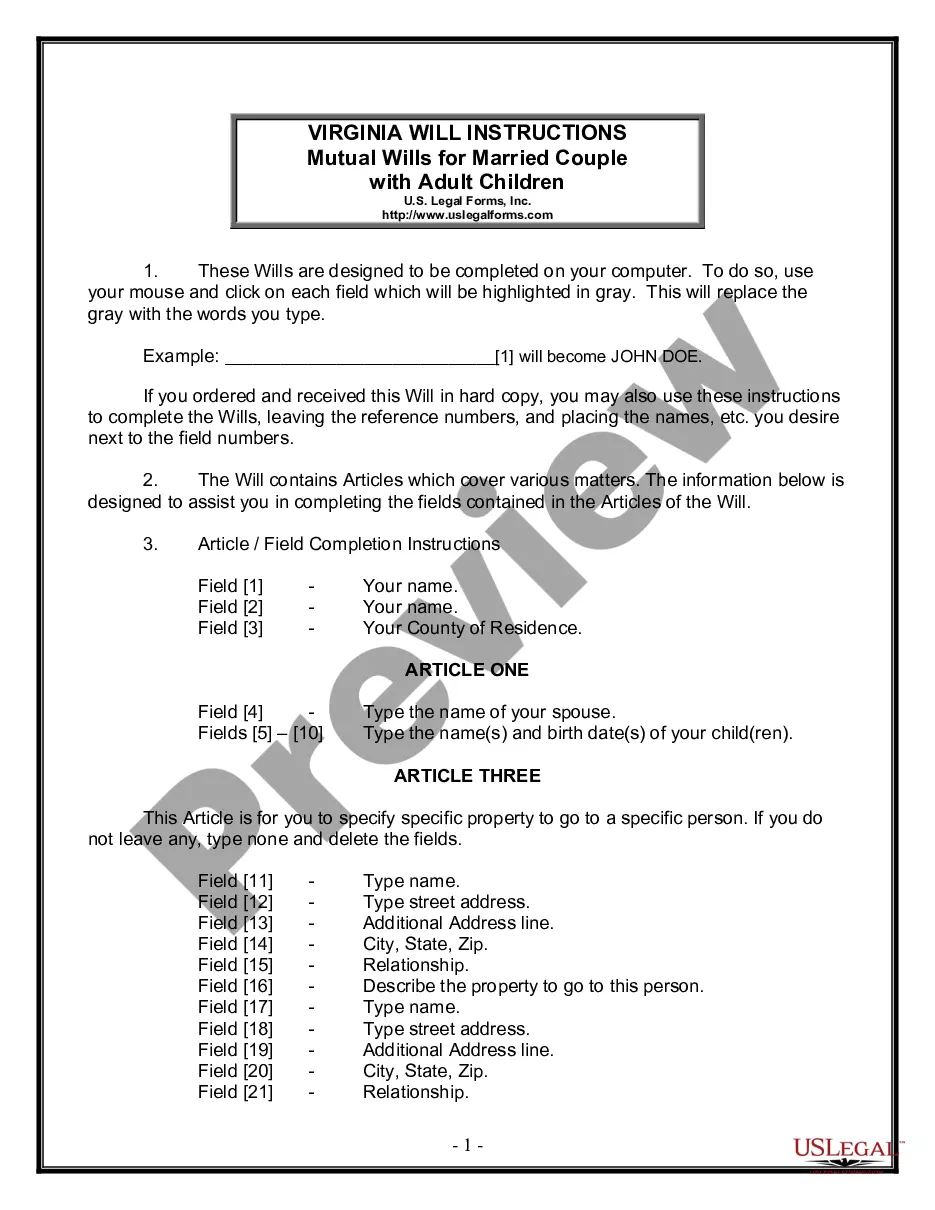
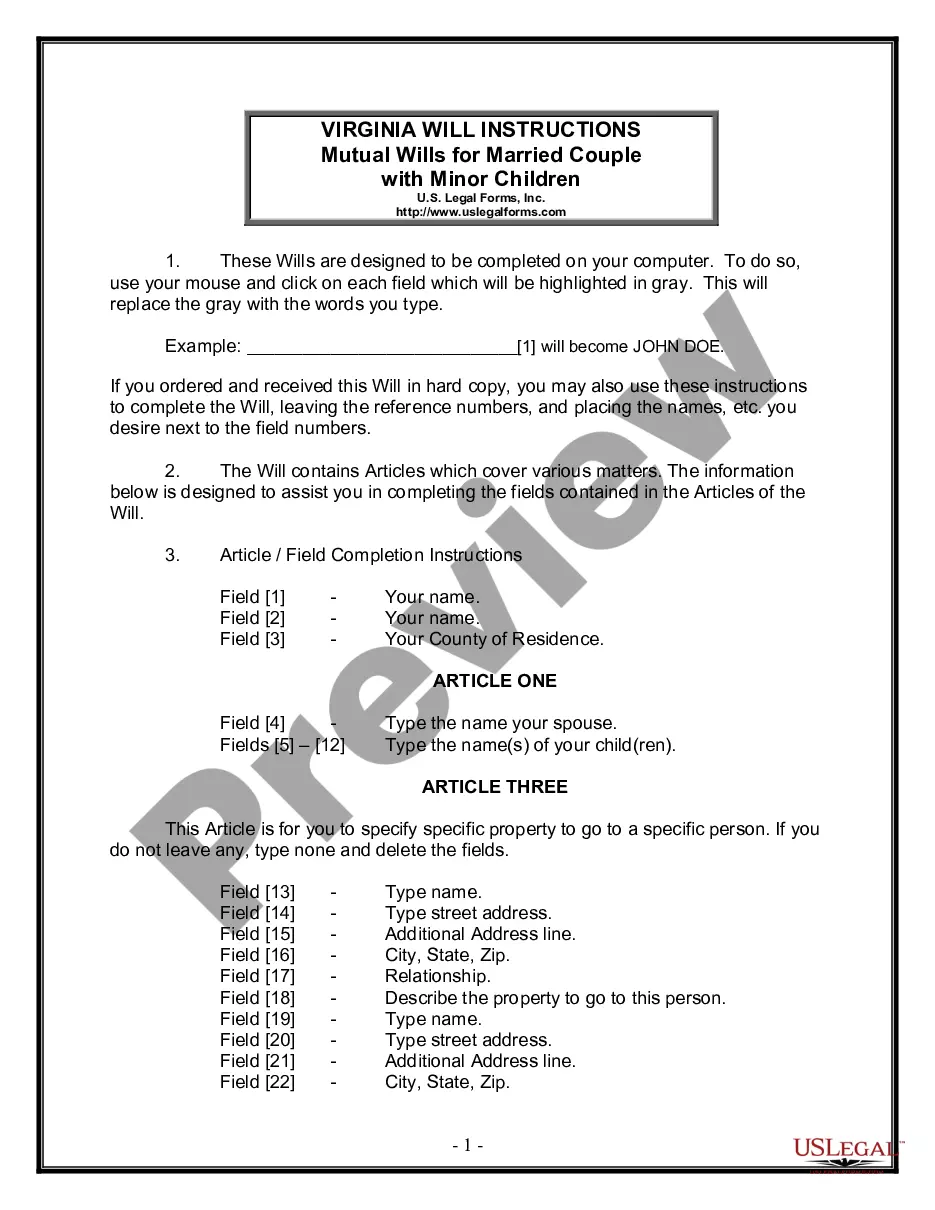
- Clear, step-by-step instructions provided to simplify the completion process.
Looking for another form?

Form popularity
FAQ
The only way that a spouse can obtain ownership and override the Will is if the law in the state in which they live allows a "right of election" against the Will.
In most states, if you have a will while you are married and then end the marriage, the will is automatically revoked. It's possible to leave an inheritance to your ex, but you have to write a new will that specifically states you are doing so. Disinheriting your spouse.
Joint wills are usually created by married couples. They often state that: After one spouse has died, all the couple's property will be left to the surviving spouse; and. After the surviving spouse dies, the remaining property will be left to the couple's children.
A joint will is one that two people, typically a married couple, sign together. Instead of each spouse having a separate will, they have one document that they've both agreed to.Then the entire estate goes to their children when the second spouse passes away.
Many married couples own most of their assets jointly with the right of survivorship. When one spouse dies, the surviving spouse automatically receives complete ownership of the property.Since one never knows which spouse will survive the other, it is important that both have a Will.
Effect of marriage on your will When you marry, any existing will is automatically revoked (cancelled) and becomes no longer valid. If you do not make a new one, then when you die the law of intestacy decides how your assets are divided. Usually, your entire estate would go to your wife, husband or civil partner.