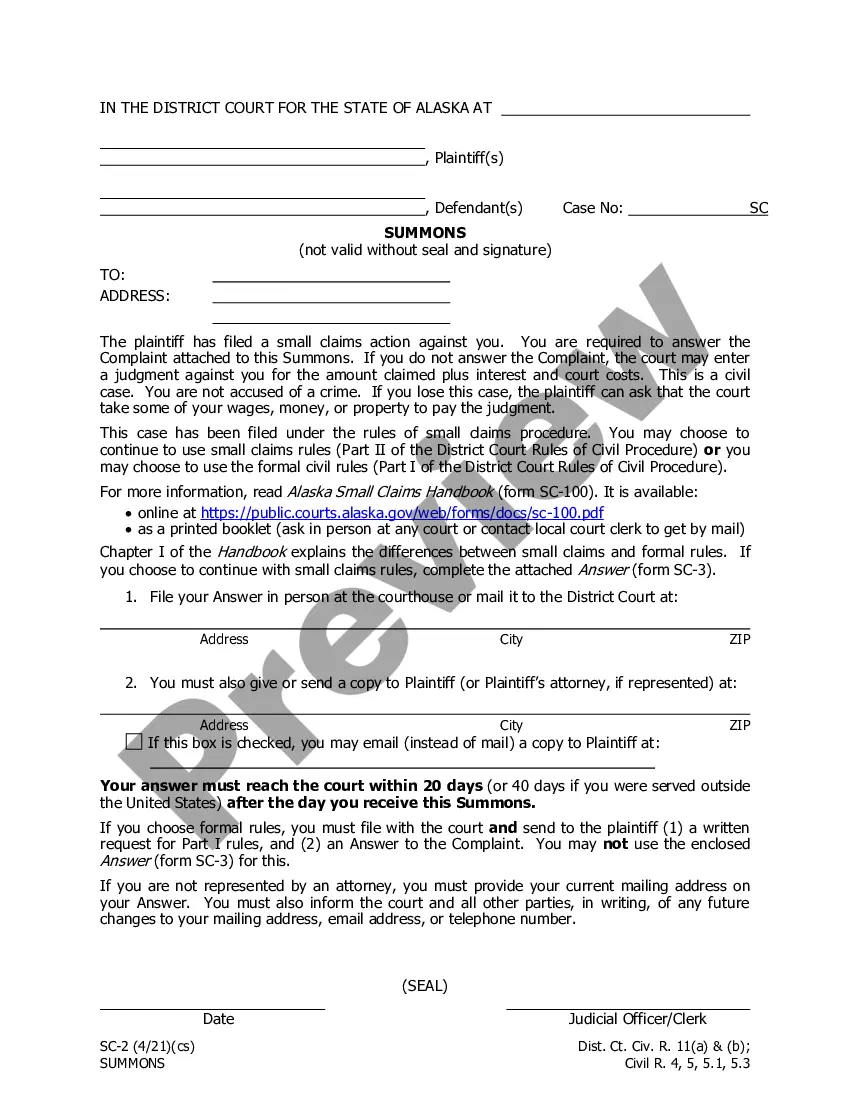
Security Agreement Covering Instruments and Investment Property
What this document covers
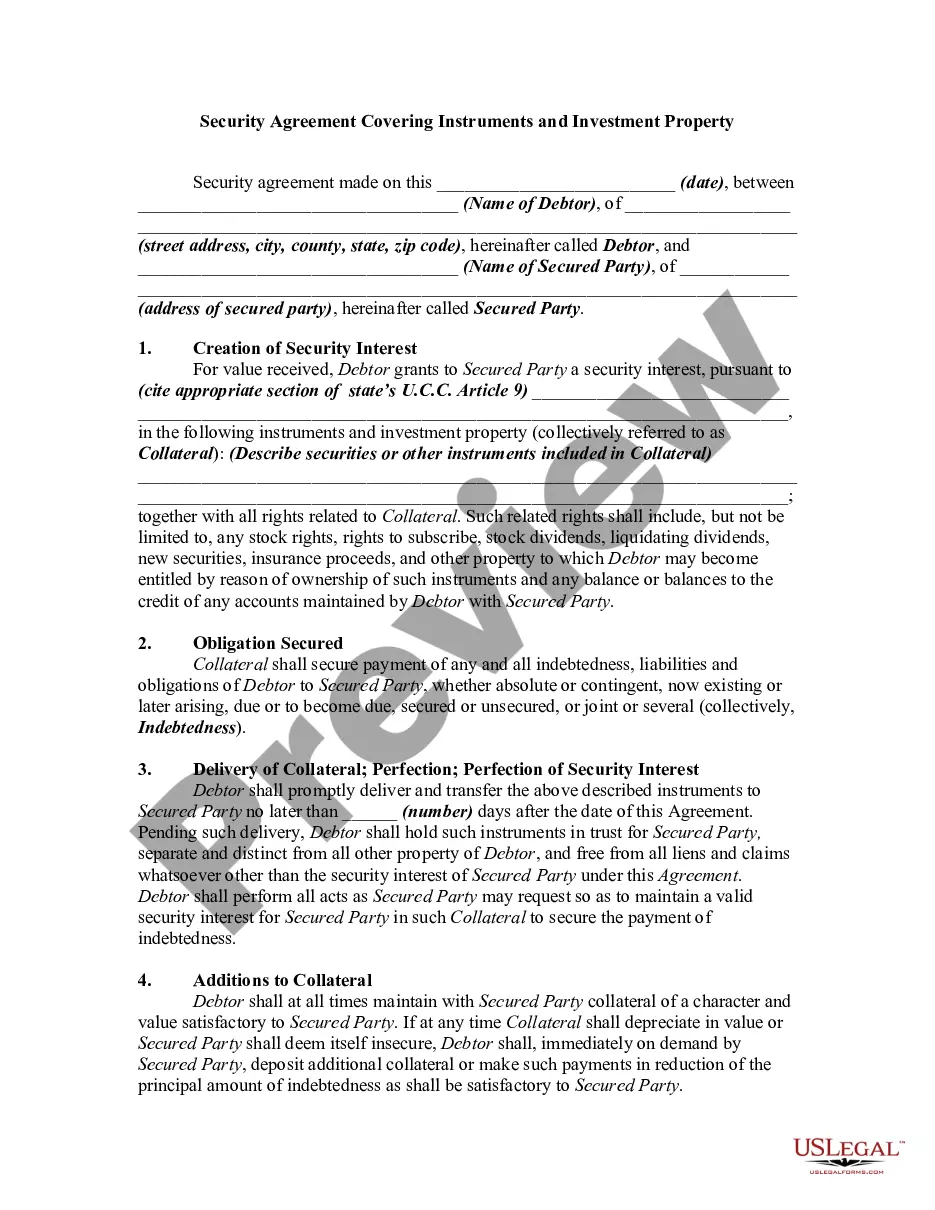
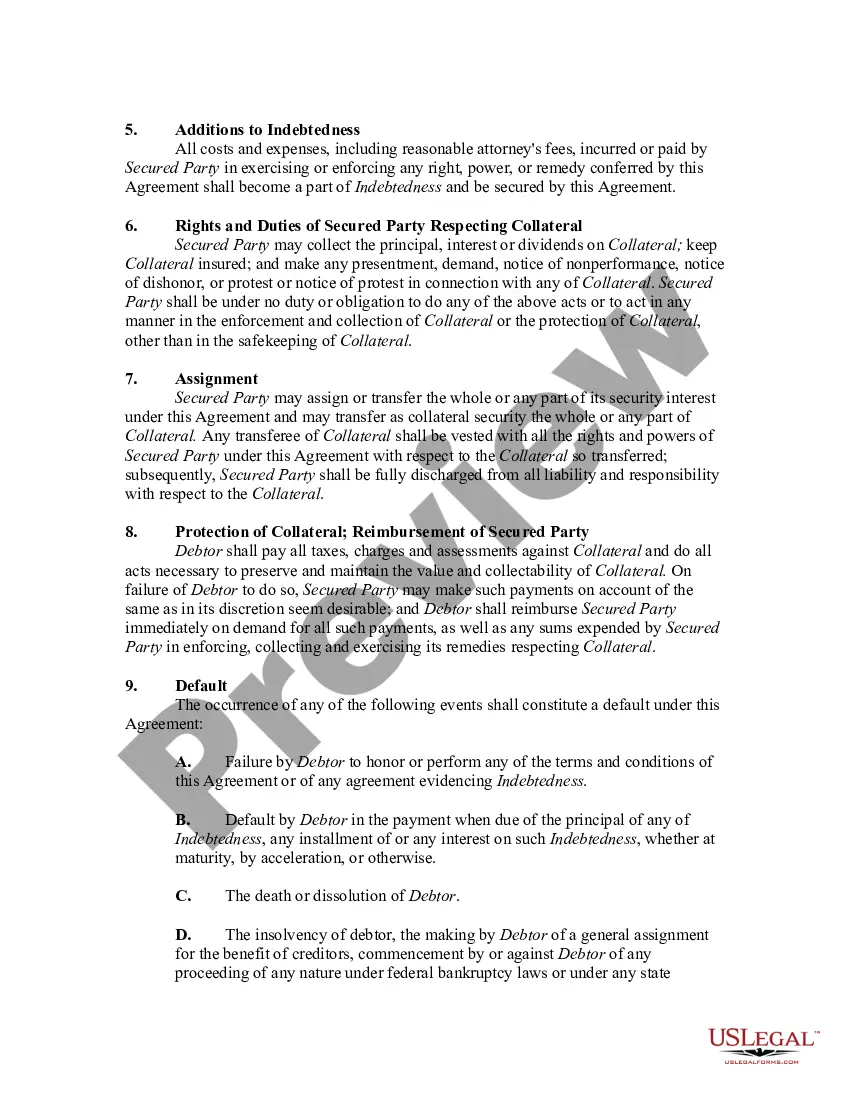
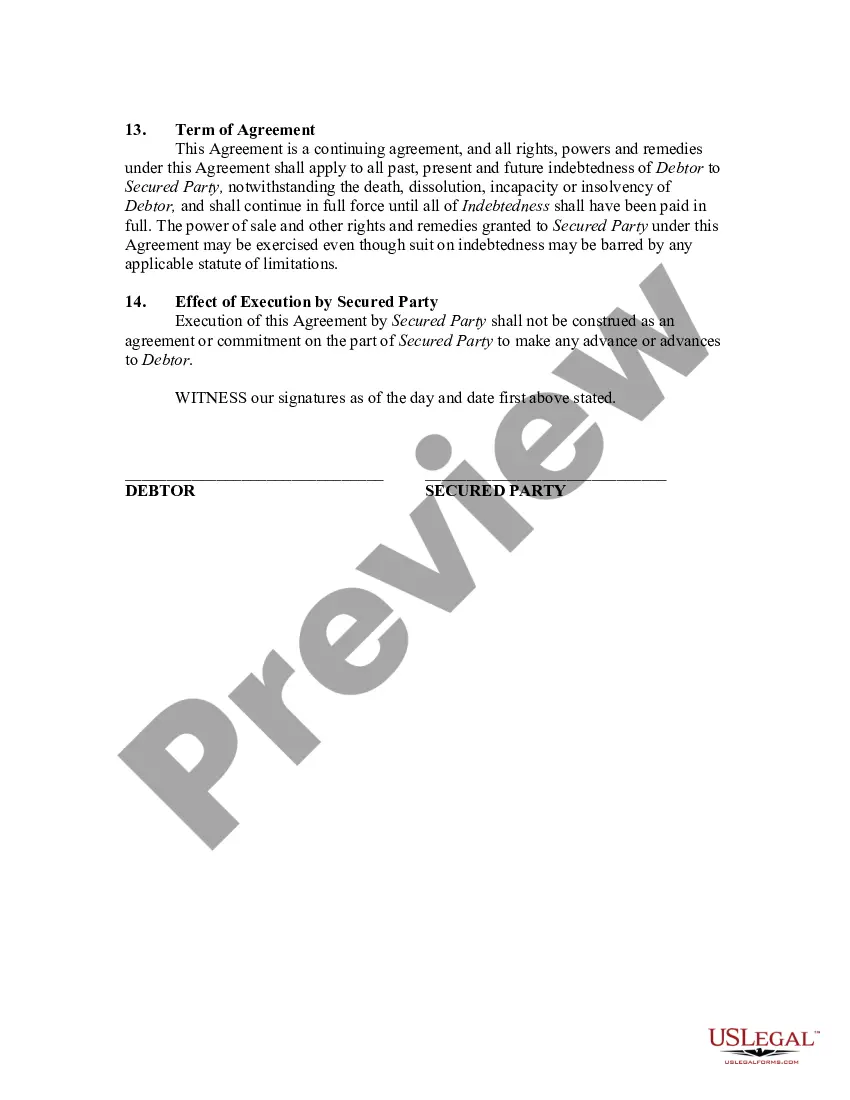
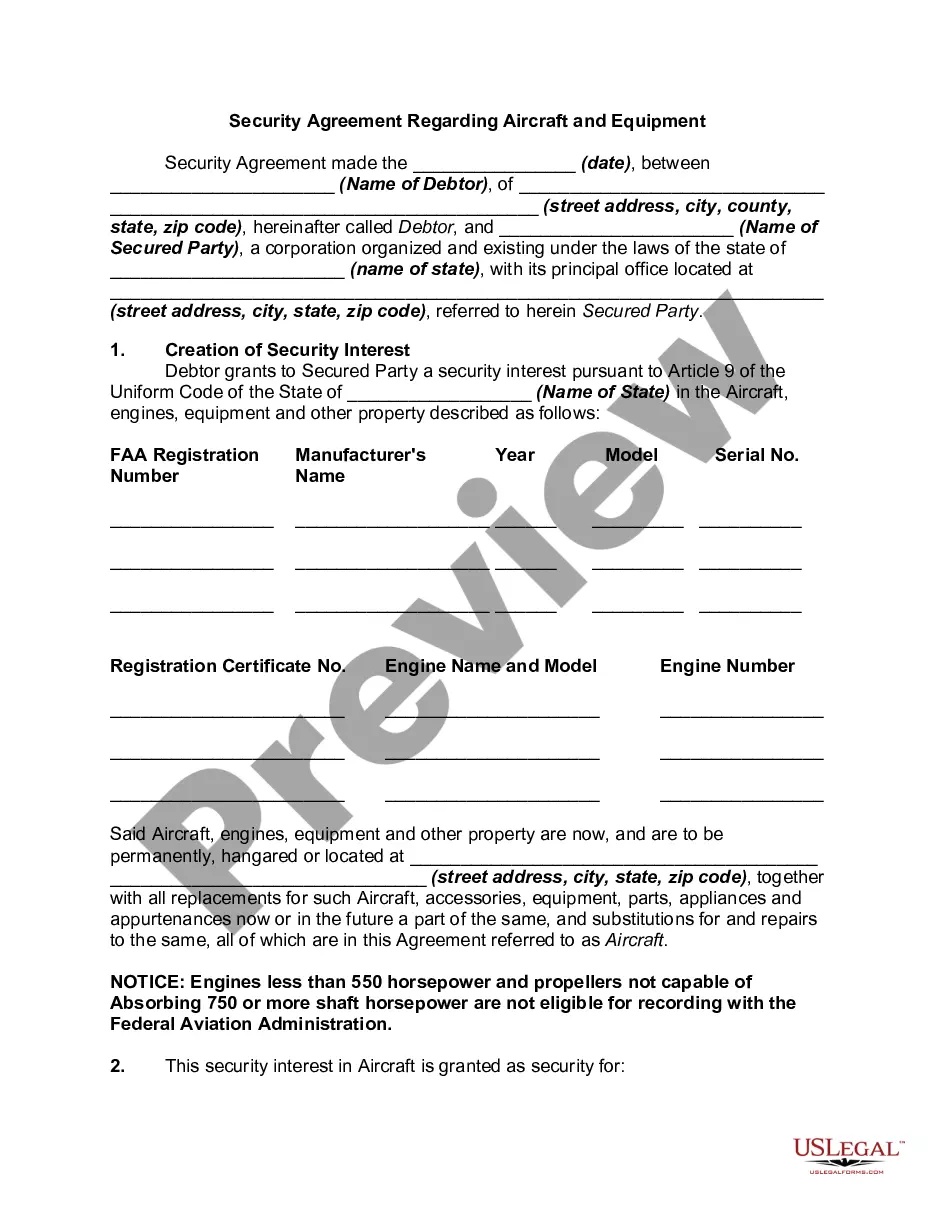
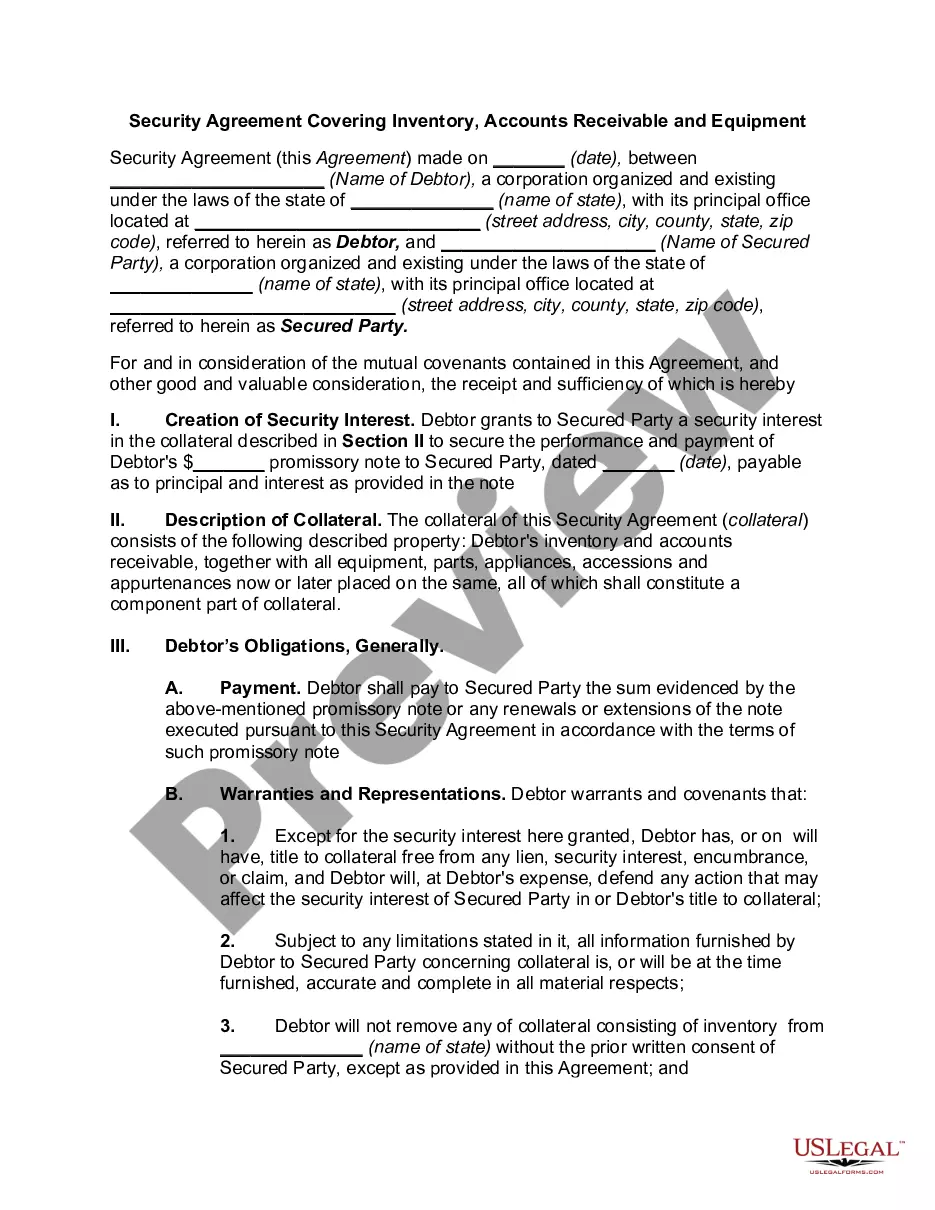
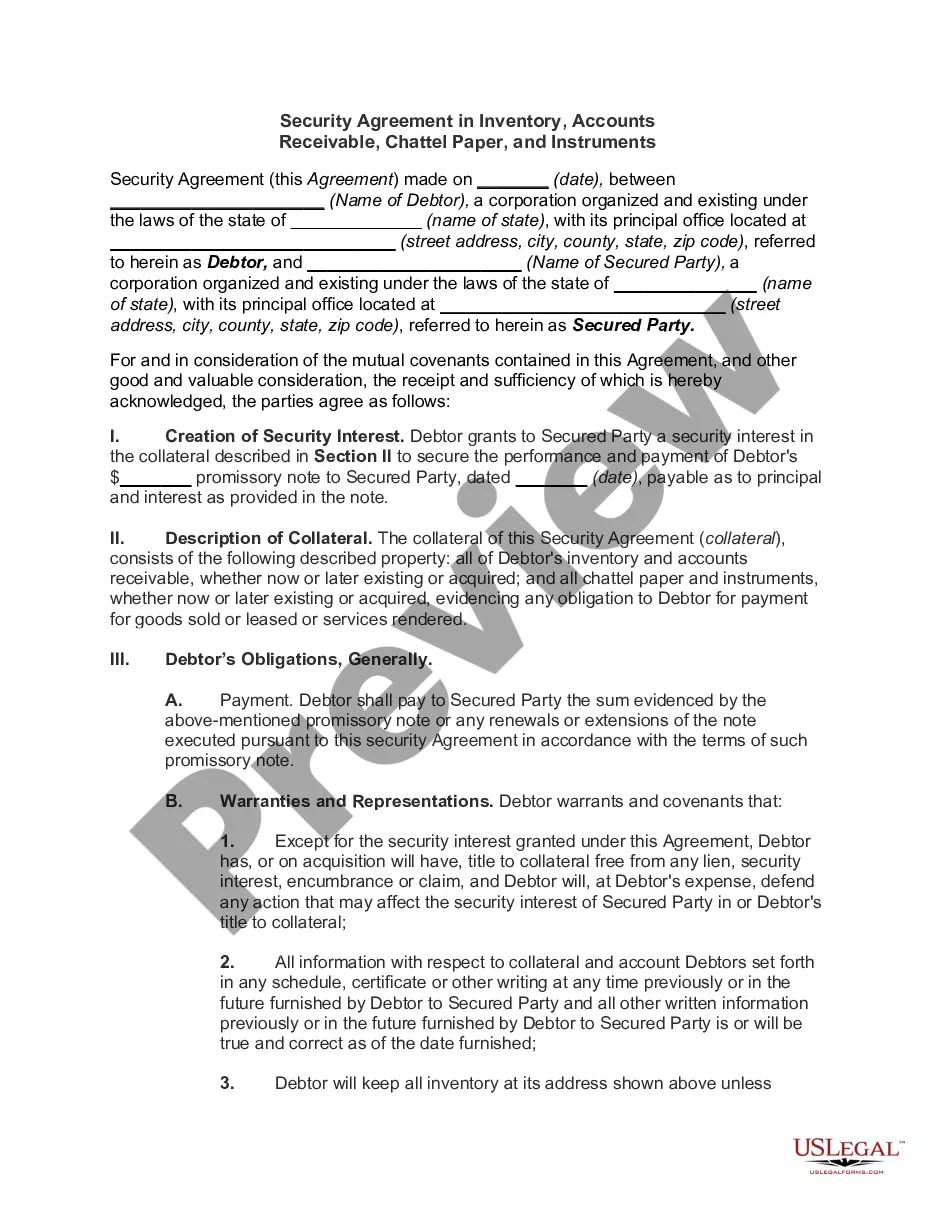
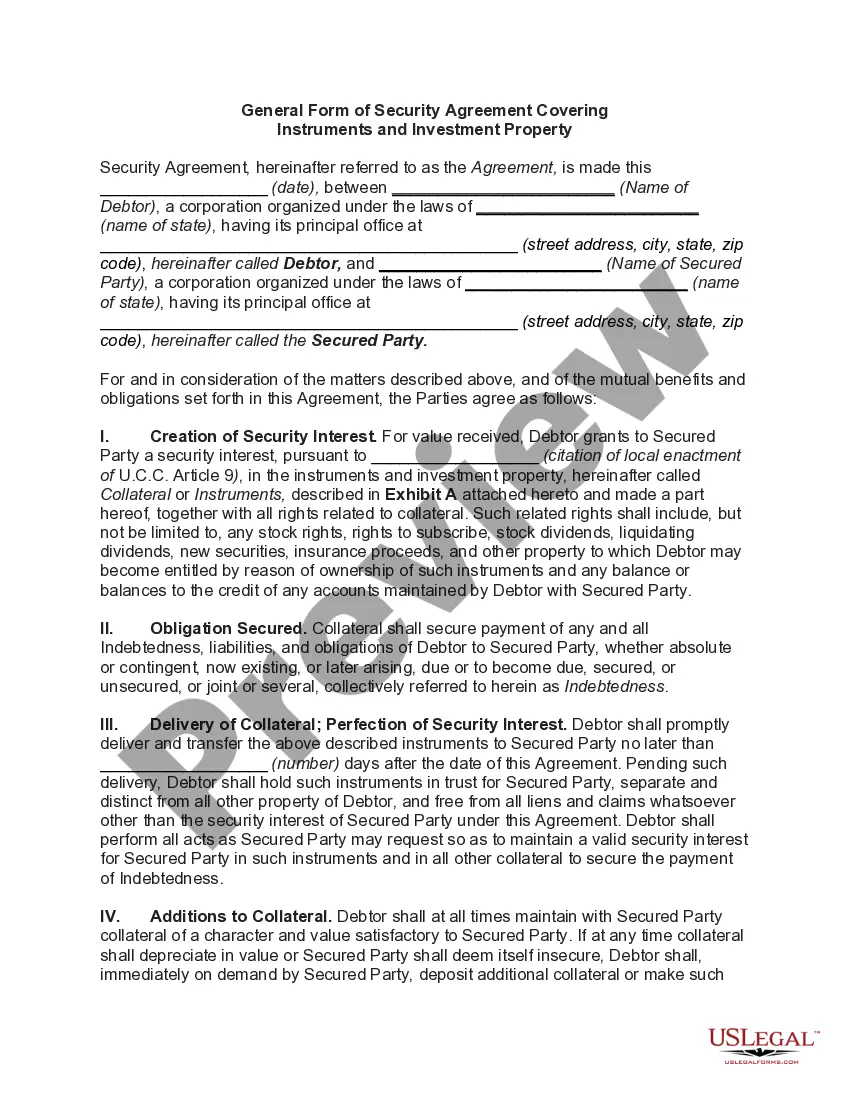
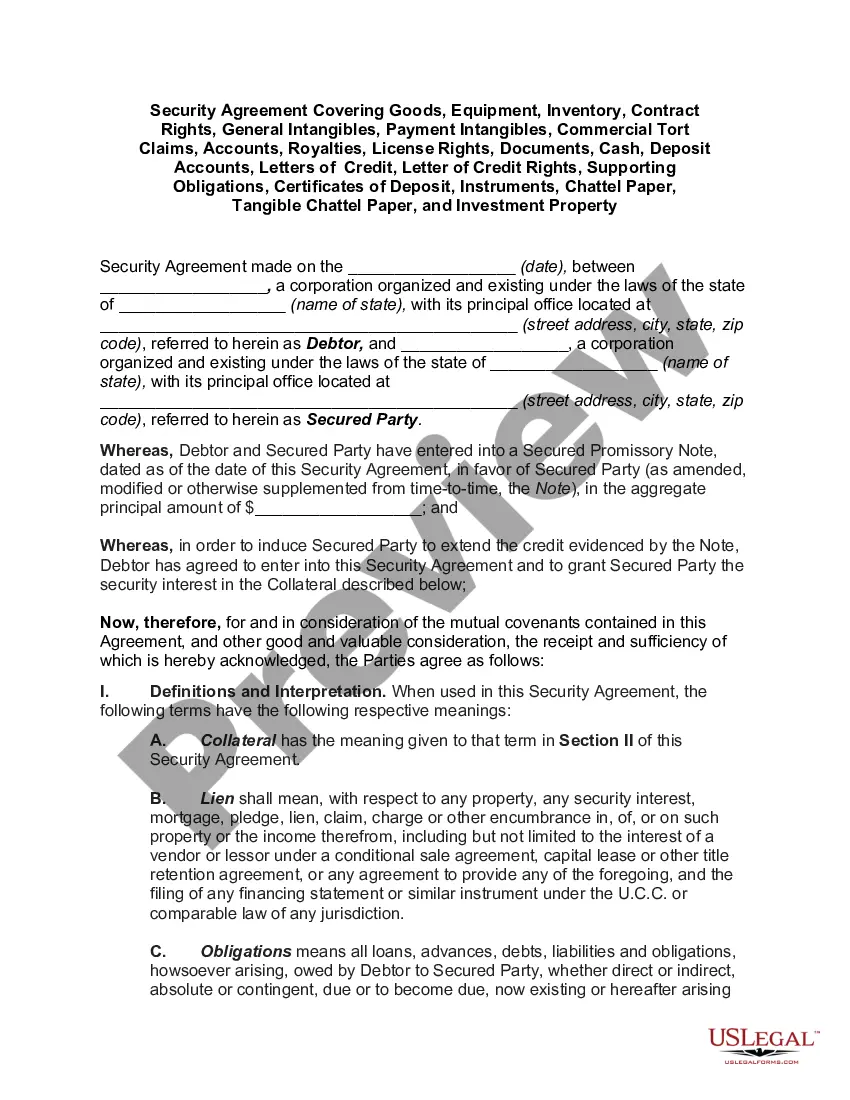
The Security Agreement Covering Instruments and Investment Property is a legal document that establishes a security interest in specific assets owned by a debtor. This form outlines the rights and obligations of both the debtor and the secured party, typically a lender, in case the debtor defaults on a loan. Unlike other agreements, this document specifically addresses investment property and instruments, defining the collateral and detailing the remedies available to the secured party upon default.
Main sections of this form
- Date of the agreement and identification of debtor and secured party.
- Description of the collateral, including instruments and investment property.
- Clauses outlining the obligations secured by the collateral.
- Details on the delivery and perfection of the security interest.
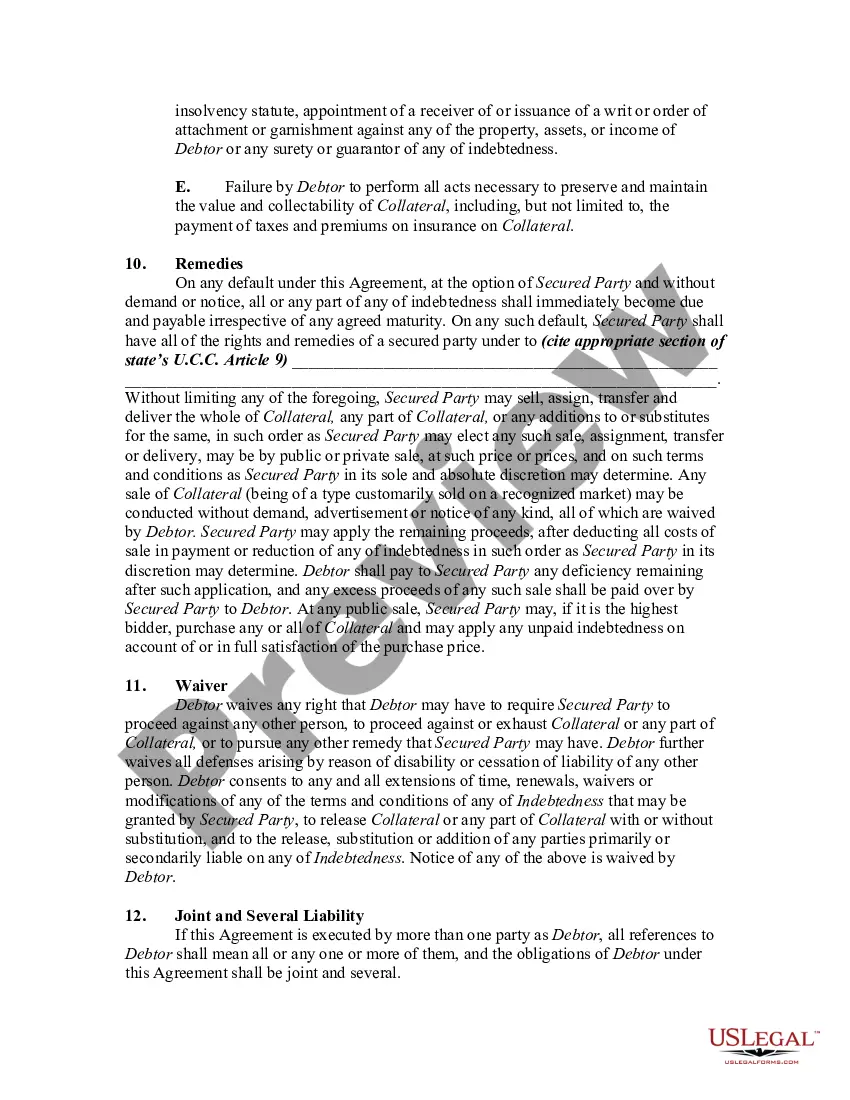
- Terms addressing default events and the rights of the secured party upon default.
- Provisions for joint and several liability if more than one debtor signs.
When this form is needed
This form is typically used when a debtor takes out a loan or line of credit and agrees to use specific instruments or investment property as collateral. It is appropriate for individuals or businesses that want to secure financing with tangible assets, thus protecting the lenderâs interests in the event of non-payment or financial instability.
Intended users of this form
- Debtors seeking to borrow funds secured by their instruments or investment property.
- Lenders and financial institutions requiring security for loans or credit extension.
- Business owners looking to secure commercial financing through their business assets.
How to complete this form
- Identify the parties involved by entering the names and addresses of the debtor and secured party.
- Specify the date of the agreement clearly.
- Describe the collateral, including any relevant investment property or instruments.
- State the obligations being secured, including the terms related to repayment.
- Review the sections on default and remedies to understand the implications fully.
- Ensure signatures are completed from both parties to finalize the agreement.
Notarization requirements for this form
This form does not typically require notarization unless specified by local law. However, depending on the jurisdiction or particular circumstances, it may be advisable to have it notarized to enhance its legal standing.
Get your form ready online
Our built-in tools help you complete, sign, share, and store your documents in one place.
Make edits, fill in missing information, and update formatting in US Legal Forms—just like you would in MS Word.
Download a copy, print it, send it by email, or mail it via USPS—whatever works best for your next step.
Sign and collect signatures with our SignNow integration. Send to multiple recipients, set reminders, and more. Go Premium to unlock E-Sign.
If this form requires notarization, complete it online through a secure video call—no need to meet a notary in person or wait for an appointment.
We protect your documents and personal data by following strict security and privacy standards.

Make edits, fill in missing information, and update formatting in US Legal Forms—just like you would in MS Word.

Download a copy, print it, send it by email, or mail it via USPS—whatever works best for your next step.

Sign and collect signatures with our SignNow integration. Send to multiple recipients, set reminders, and more. Go Premium to unlock E-Sign.

If this form requires notarization, complete it online through a secure video call—no need to meet a notary in person or wait for an appointment.

We protect your documents and personal data by following strict security and privacy standards.
Avoid these common issues
- Failing to accurately describe the collateral, leading to potential disputes.
- Neglecting to sign the agreement, which renders it unenforceable.
- Not understanding the terms of default, which can result in unintended liabilities.
Advantages of online completion
- Convenient access to customizable, legally vetted templates.
- Ability to download and complete the form at your own pace.
- Immediate access to needed legal documentation without lengthy appointments.
- This agreement provides a legal framework for securing debts against specified collateral.
- It indicates the rights of the secured party in case of default and outlines the process for recovering amounts owed.
Quick recap
- The Security Agreement establishes a clear legal relationship between the debtor and secured party.
- It defines the collateral and obligations, which are essential for enforcing the agreement.
- Proper completion and adherence to this agreement can protect the interests of the secured party effectively.
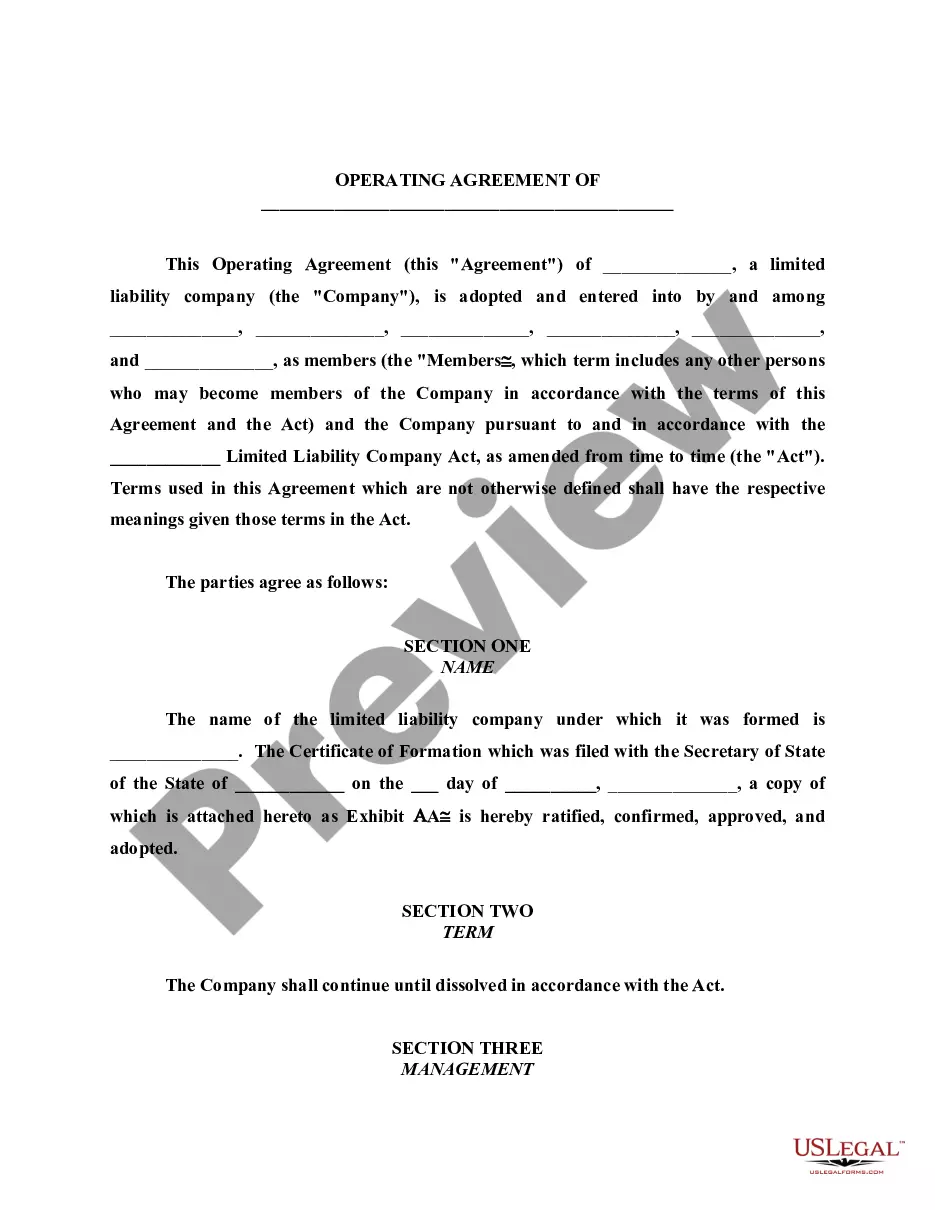
Looking for another form?

Form popularity
FAQ
By filing a financing statement with the appropriate public office. by possessing the collateral. by controlling the collateral; or. it's done automatically upon attachment of the security interest.
Crossed cheque is not a negotiable instrument. A cheque is a negotiable instrument. It can either be open or crossed. While a crossed cheque is not payable over the counter but shall be collected only through a banker.
A negotiable instrument is a signed document that promises a sum of payment to a specified person or the assignee.Common examples of negotiable instruments include checks, money orders, and promissory notes.
(1) A security interest in chattel paper or negotiable documents may be perfected by filing. A security interest in the right to proceeds of a written letter of credit can be perfected only by the secured party's taking possession of the letter of credit.
Promissory notes. Bill of exchange. Check. Government promissory notes. Delivery orders. Customs Receipts.
In order to perfect security in real estate, the original mortgage, duly executed, witnessed and acknowledged (i.e., notarized) must be recorded in the land records of the jurisdiction in which the real estate is located.
A negotiable instrument is a contract, albeit not obvious in formation of the required offer, and consideration. Unlike ordinary contract documents, the right to the performance of a negotiable instrument is linked to the possession of the document itself (with certain exceptions such as loss or theft).
To be valid, a secured transaction must contain an express agreement between the debtor and the secured party. The agreement must be in writing, must be signed by both parties, must describe the collateral, and must contain language indicating a grant of a security interest to the creditor.
An instrument here is a negotiable instrument (checks, drafts, notes, certificates of deposit) or any other writing that evidences a right to the payment of a monetary obligation, is not itself a security agreement or lease, and is of a type that in the ordinary course of business is transferred by delivery with any