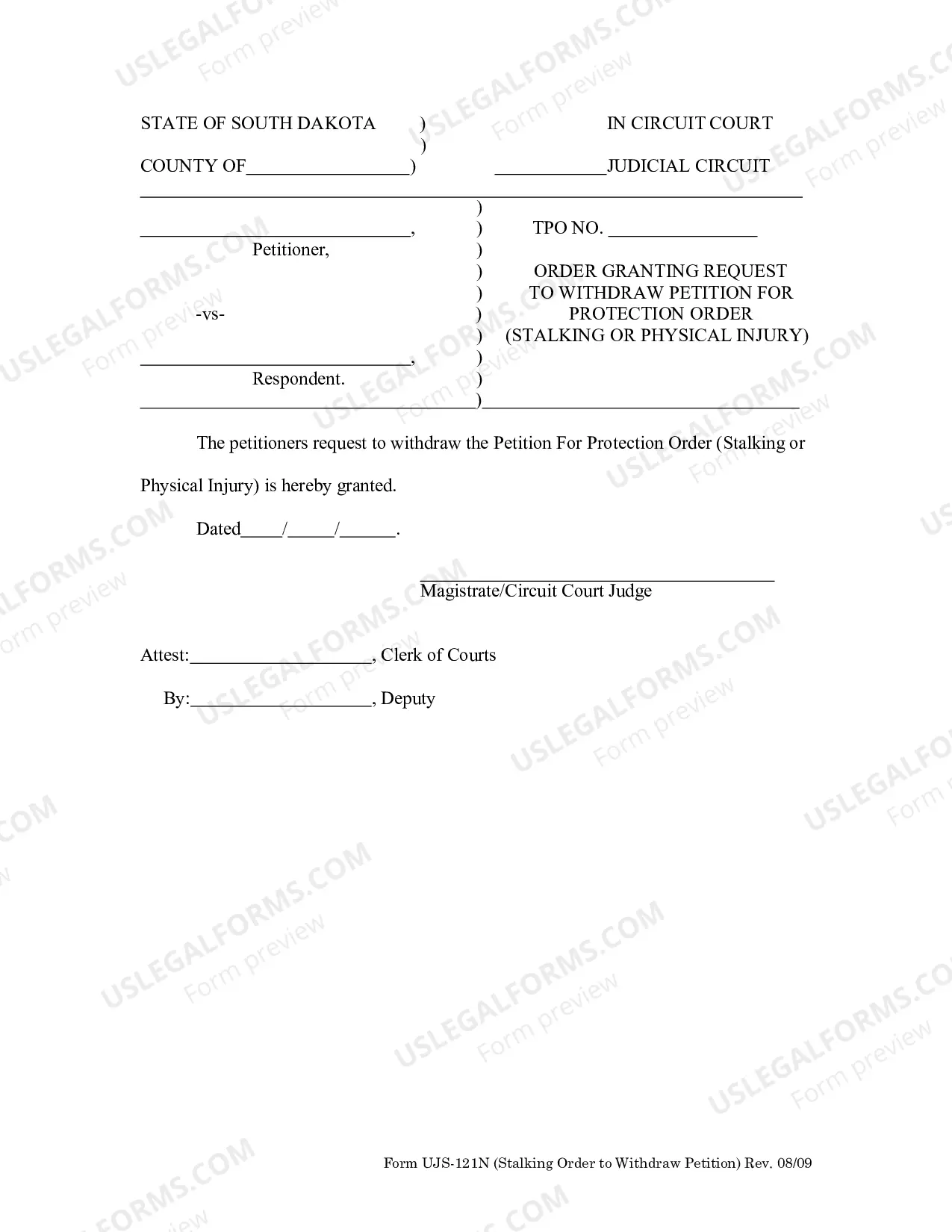
Utah Notice of Claim - Individual
About this form
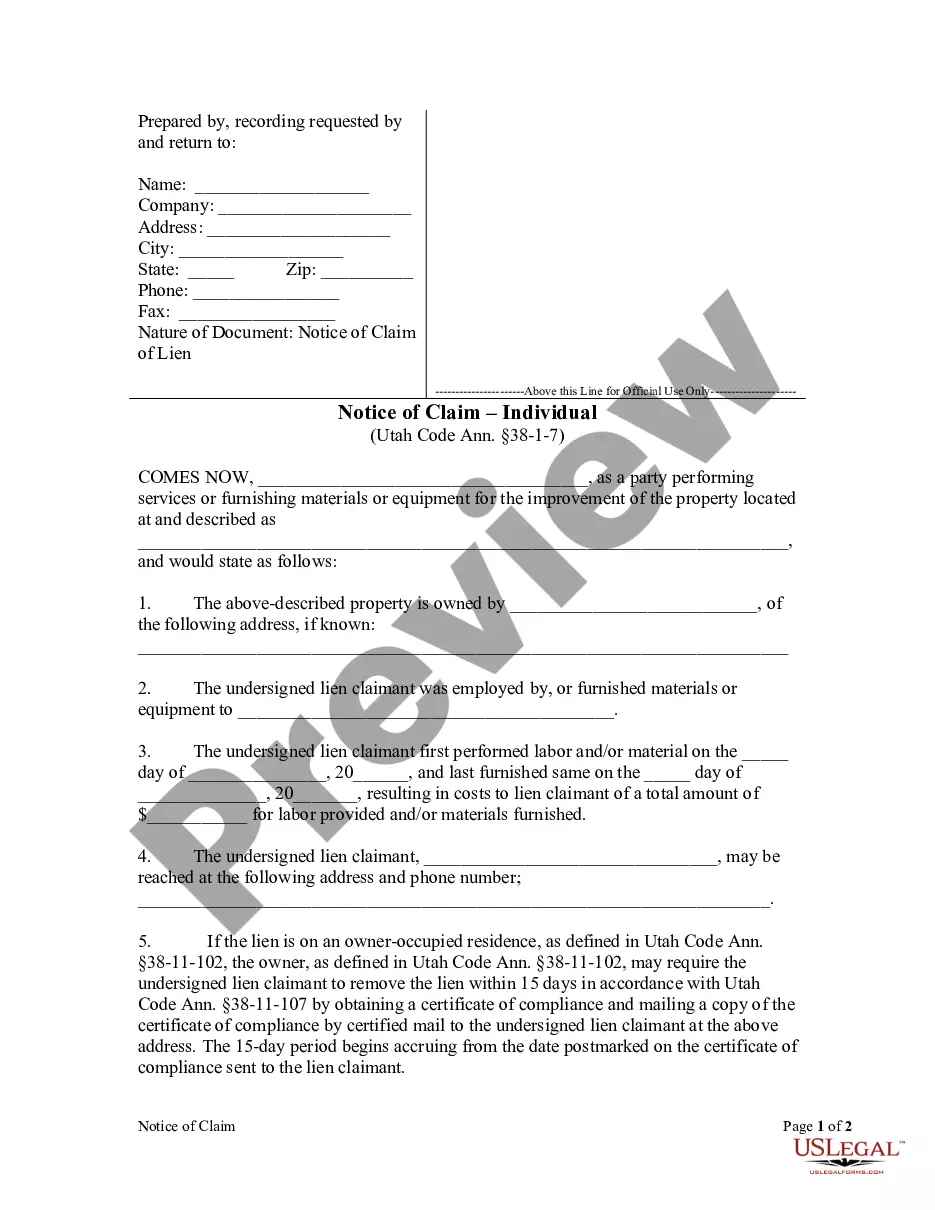
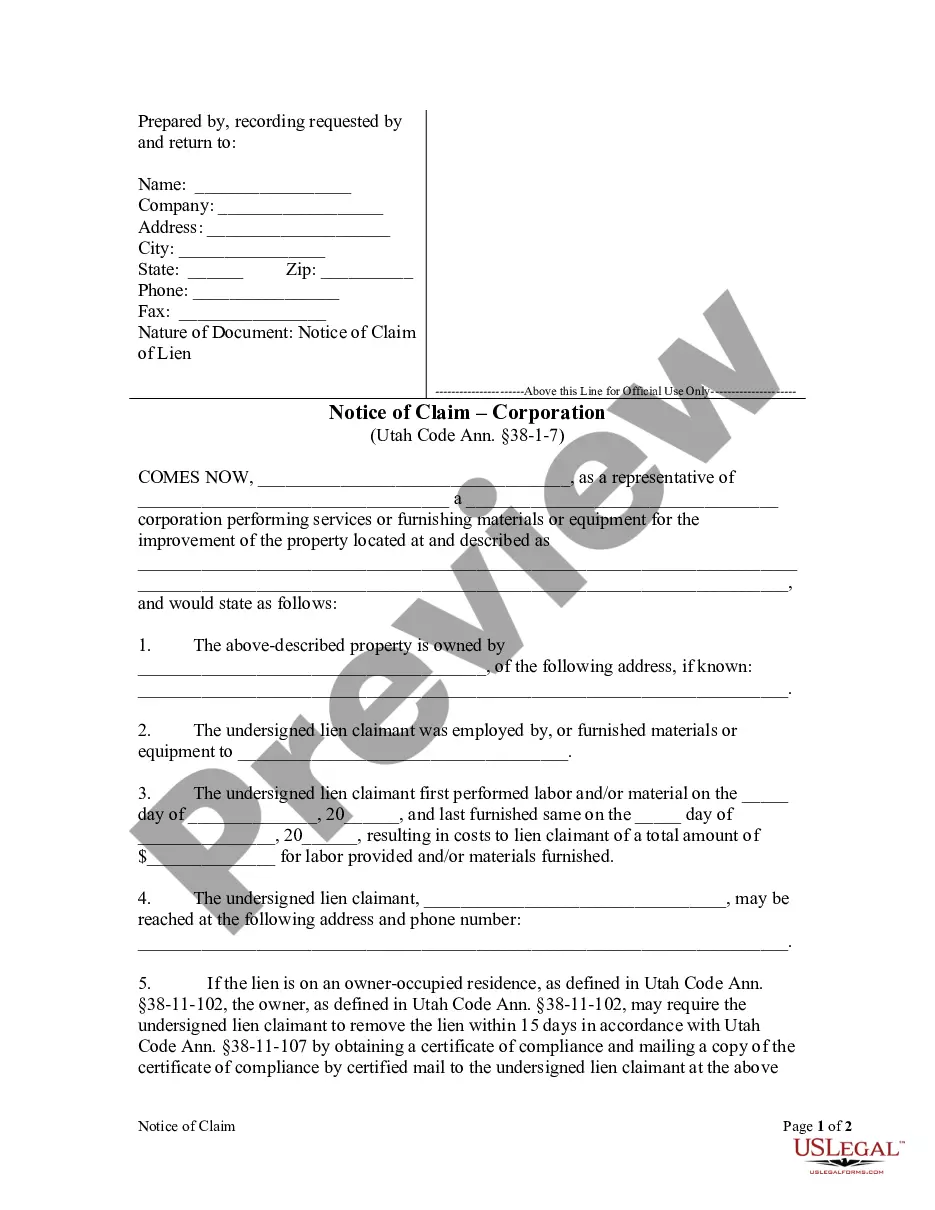
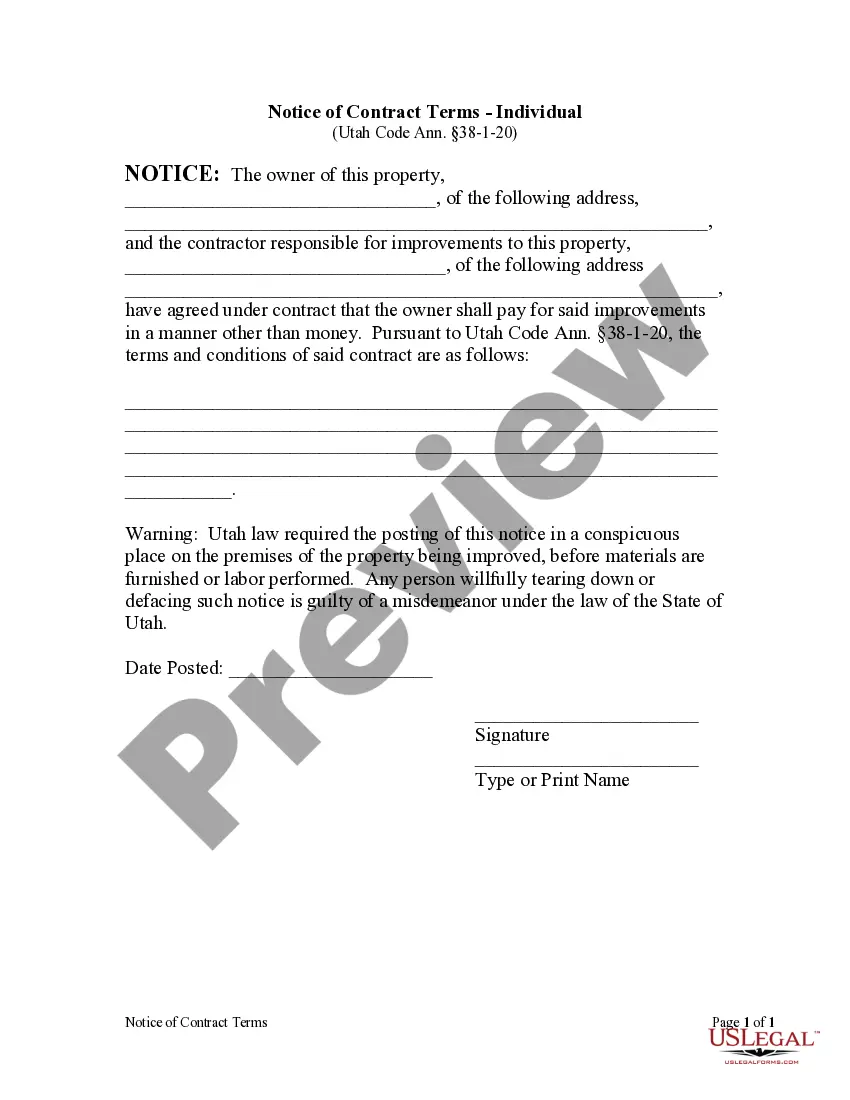
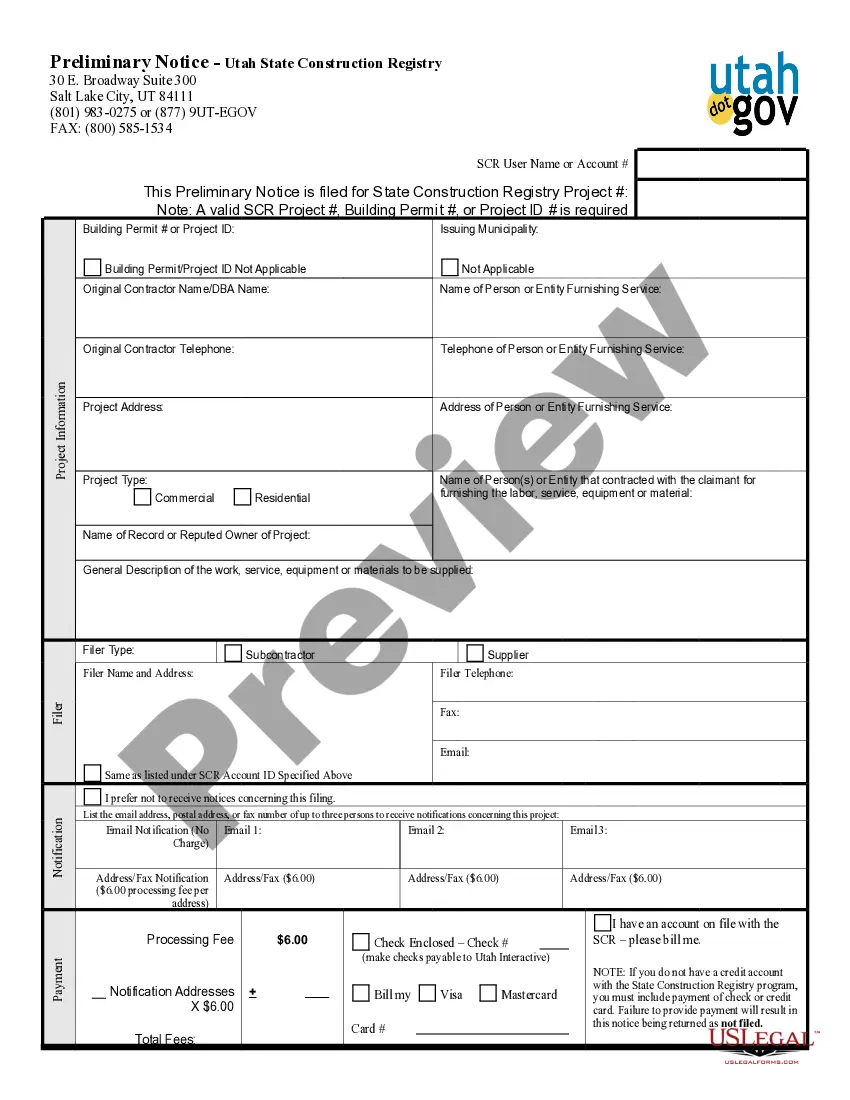
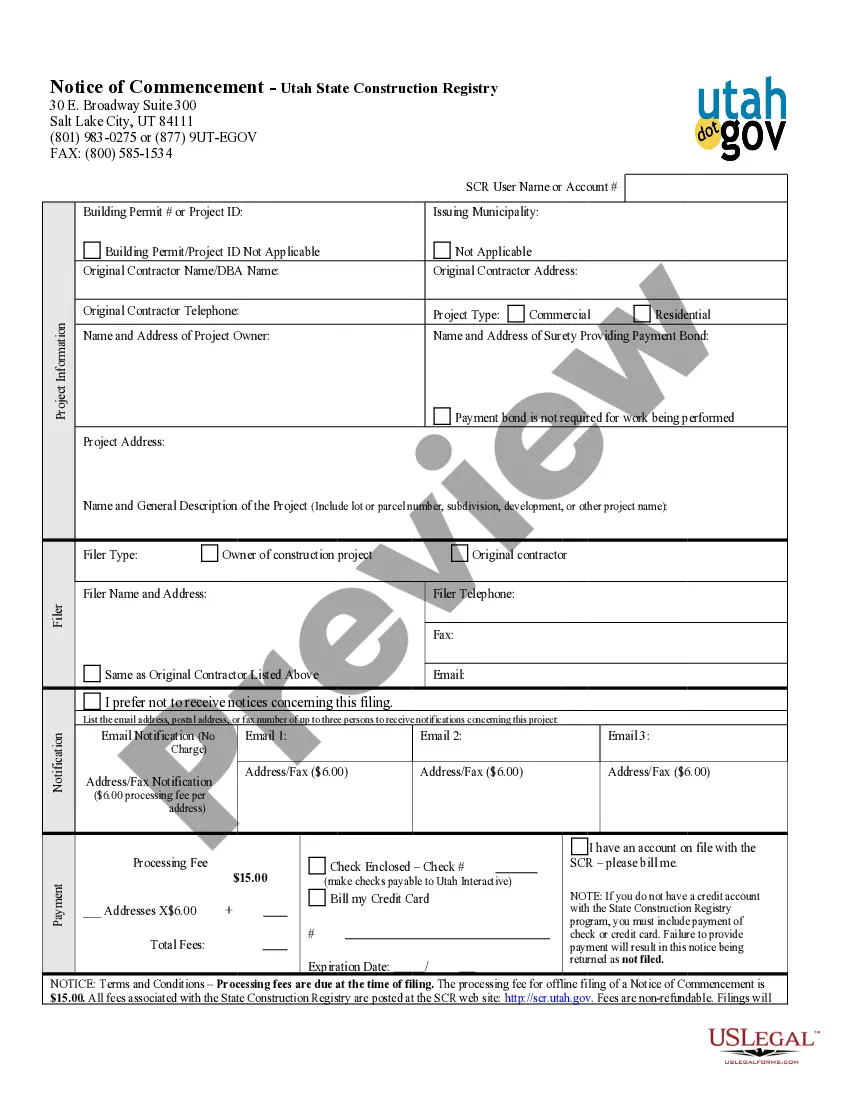
The Notice of Claim - Individual is a legal document used by individuals who are seeking to establish a lien on a property for unpaid services, materials, or equipment provided in relation to that property. This form is specifically designed for those who have performed labor or supplied materials for property improvements but have not received payment. It serves a crucial role in notifying property owners and relevant parties about the lien, distinguishing itself from general claims or other types of lien notices by adhering to specific statutory provisions.
What’s included in this form
- Claimant's name and contact information
- Description of the property related to the lien
- Details of the work performed or materials supplied
- Dates of service and total amount due
- Instructions for serving notice to property owners
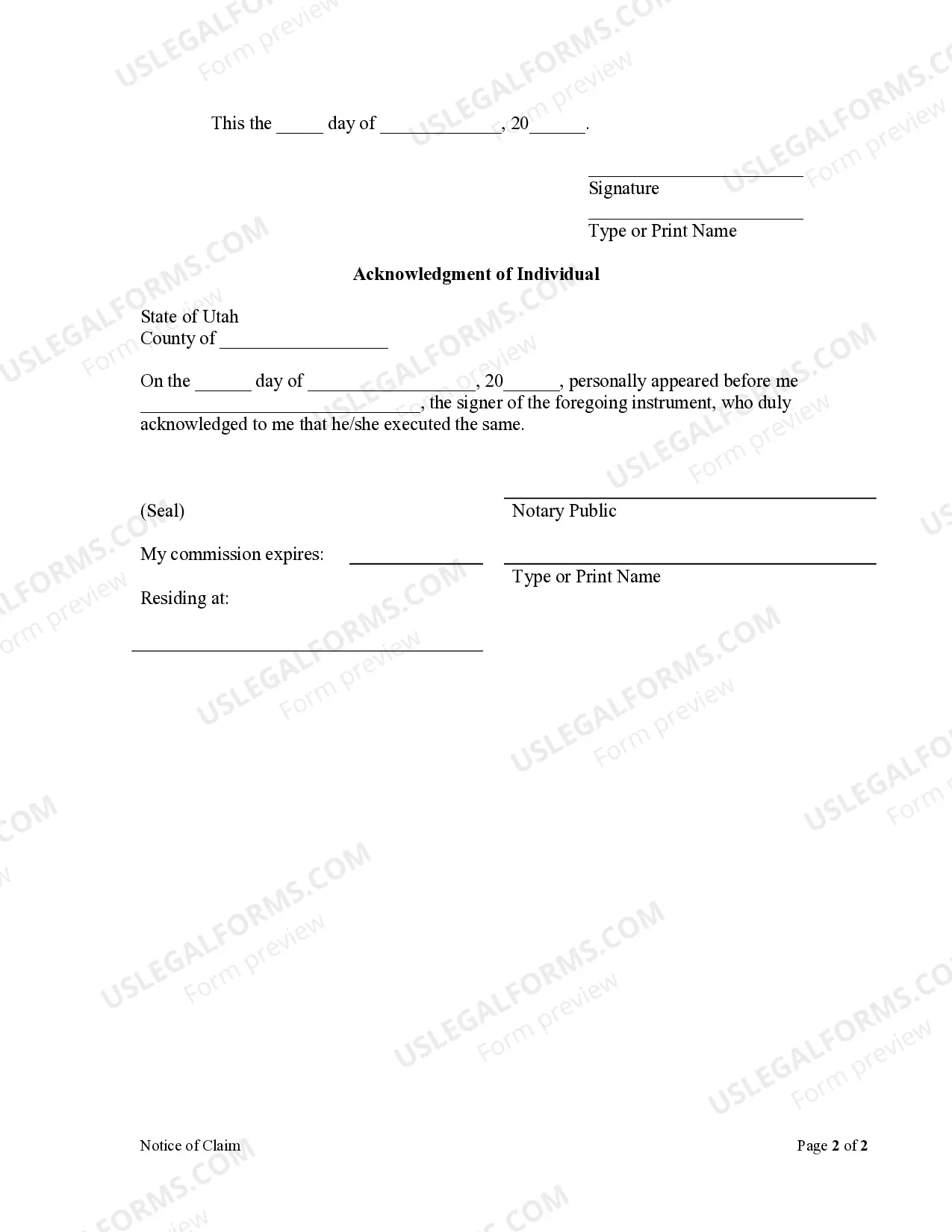
- Acknowledgment section for a notary
When this form is needed
You should use the Notice of Claim when you have provided labor or materials for the improvement of a property and have not been compensated within the legally required timeframe. This form must be filed within ninety days of either the last service provided or the final completion of a contract. It is essential to use this form to secure your right to payment and ensure that your claim is recognized legally, preventing potential issues down the line.
Intended users of this form
This form is intended for:
- Individual contractors or laborers who have not been paid for their work.
- Suppliers of materials or equipment for property improvements.
- Property owners who need to establish a legal claim to report unpaid services.
How to complete this form
- Identify and enter your name, company details, and contact information at the top of the form.
- Provide a clear description of the property on which the lien is claimed, including the address.
- Fill in the name of the property owner and address, if known.
- List the dates you performed services or supplied materials, along with the total amount owed.
- Sign and date the form to acknowledge its accuracy, and have it notarized if necessary.
Is notarization required?
To make this form legally binding, it must be notarized. Our online notarization service, powered by Notarize, lets you verify and sign documents remotely through an encrypted video session.
Get your form ready online
Our built-in tools help you complete, sign, share, and store your documents in one place.
Make edits, fill in missing information, and update formatting in US Legal Forms—just like you would in MS Word.
Download a copy, print it, send it by email, or mail it via USPS—whatever works best for your next step.
Sign and collect signatures with our SignNow integration. Send to multiple recipients, set reminders, and more. Go Premium to unlock E-Sign.
If this form requires notarization, complete it online through a secure video call—no need to meet a notary in person or wait for an appointment.
We protect your documents and personal data by following strict security and privacy standards.

Make edits, fill in missing information, and update formatting in US Legal Forms—just like you would in MS Word.

Download a copy, print it, send it by email, or mail it via USPS—whatever works best for your next step.

Sign and collect signatures with our SignNow integration. Send to multiple recipients, set reminders, and more. Go Premium to unlock E-Sign.

If this form requires notarization, complete it online through a secure video call—no need to meet a notary in person or wait for an appointment.

We protect your documents and personal data by following strict security and privacy standards.
Mistakes to watch out for
- Failing to file the notice within the 90-day deadline.
- Omitting the required property description or correct ownership details.
- Not providing accurate dates of services performed.
- Neglecting to send a copy of the notice to the property owner.
- Failure to have the document notarized if required.
Benefits of completing this form online
- Easy access to legally vetted templates prepared by licensed attorneys.
- Quick download and immediate availability for filing.
- Editable forms to accommodate specific information and details.
- Helps ensure compliance with state laws and regulations.
Summary of main points
- The Notice of Claim is vital for asserting your right to a lien on a property for unpaid services or materials.
- Timeliness is crucial; file it within 90 days of last service.
- Accurate completion and notarization are necessary for legal validity.
Looking for another form?
Form popularity
FAQ
Complete a notice of claim form Click here to obtain a notice of claim form or call (801) 535-7788 to request a claim form to be mailed or emailed to you. Click here for notice of claim requirements and other important information (§ 63G-7-401). An original signature is required.
Injury of a child -- Suit by parent or guardian.
Eight years. An action may be brought within eight years upon a judgment or decree of any court of the United States, or of any state or territory within the United States.
Damages to party aggrieved. 78B-6-311. Damages to party aggrieved. may order that any bail posted by the person proceeded against be used to satisfy all or part of the money ordered to be paid to the aggrieved party.
Utah Statutes of Limitations Explained In Utah, victims have four years for most personal injury cases. If you were injured by someone else's negligence, you could look for a settlement before going to court.
(a) The notice of claim shall set forth: (i) a brief statement of the facts; (ii) the nature of the claim asserted; (iii) the damages incurred by the claimant so far as the damages are known; and (iv) if the claim is being pursued against a governmental employee individually as provided in Subsection 63G-7-202(3)(c),
Utah Code section 78B-3-106 states that wrongful death is a death resulting from the ?wrongful act, neglect, or default? of the at-fault party. The action that caused the fatality has to be similar to that which can be supported in a personal injury claim.
Actions involving real property. for the foreclosure of all liens and mortgages on real property. If the real property is situated partly in one county and partly in another, the plaintiff may select either of the counties, and the county selected is the proper county for the trial of the action.