USLegal Pamphlet on No Trespass
About this form
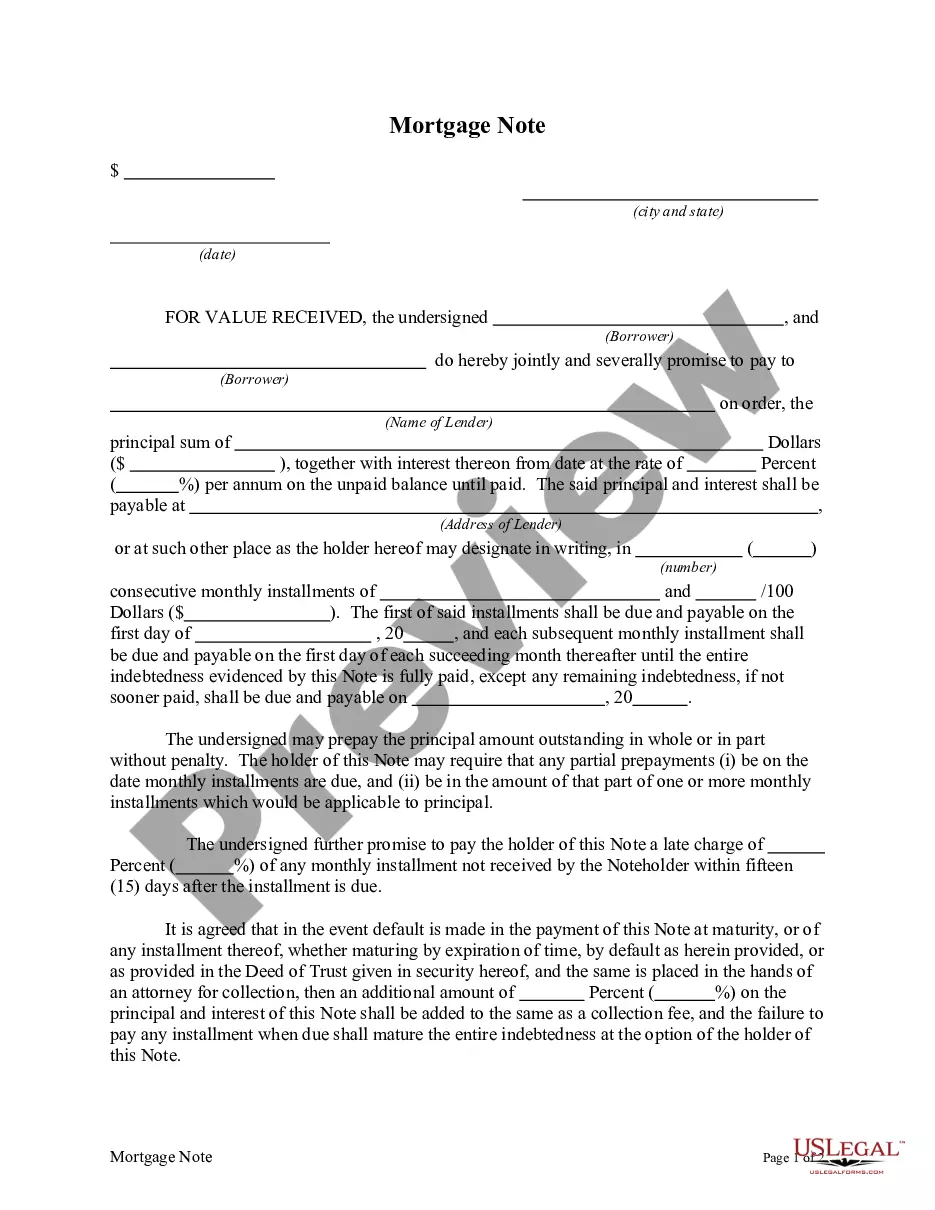
The USLegal pamphlet on no trespass provides a comprehensive overview of trespassing laws. It explains the difference between civil and criminal trespass, specifically in the context of property ownership and public housing. This pamphlet is designed to educate property owners and tenants about their rights and responsibilities, along with effective measures to prevent unauthorized entry onto their premises.
What’s included in this form
- Definition of trespass and its legal implications.
- Explanation of civil versus criminal trespass.
- Guidelines for preventing trespassing on properties.
- Specific considerations for public housing tenants.
- Examples of common trespassing situations and legal recourse.

When to use this form
This pamphlet should be used when you want to understand your rights regarding property access. It is particularly useful for property owners dealing with frequent trespassing issues, tenants in public housing confronted with no trespass notices, or anyone seeking to learn about appropriate legal actions against trespassers.
Intended users of this form
- Property owners wanting to protect their land from unauthorized entry.
- Tenants living in public housing who need clarity on guest policies.
- Individuals needing legal information on trespassing and how to handle it.
- Lawyers or legal professionals seeking a resource on trespass law.
Steps to complete this form
- Review the definition of trespass to understand its implications.
- Identify whether your situation involves civil or criminal trespass.
- Familiarize yourself with prevention measures such as warning letters and posted signs.
- Consult your local laws regarding notice requirements if you're dealing with public housing.
- Consider seeking legal advice if you plan to take action against a trespasser.
Notarization requirements for this form
This form does not typically require notarization to be legally valid. However, some jurisdictions or document types may still require it. US Legal Forms provides secure online notarization powered by Notarize, available 24/7 for added convenience.
Get your form ready online
Our built-in tools help you complete, sign, share, and store your documents in one place.
Make edits, fill in missing information, and update formatting in US Legal Forms—just like you would in MS Word.
Download a copy, print it, send it by email, or mail it via USPS—whatever works best for your next step.
Sign and collect signatures with our SignNow integration. Send to multiple recipients, set reminders, and more. Go Premium to unlock E-Sign.
If this form requires notarization, complete it online through a secure video call—no need to meet a notary in person or wait for an appointment.
We protect your documents and personal data by following strict security and privacy standards.

Make edits, fill in missing information, and update formatting in US Legal Forms—just like you would in MS Word.

Download a copy, print it, send it by email, or mail it via USPS—whatever works best for your next step.

Sign and collect signatures with our SignNow integration. Send to multiple recipients, set reminders, and more. Go Premium to unlock E-Sign.

If this form requires notarization, complete it online through a secure video call—no need to meet a notary in person or wait for an appointment.

We protect your documents and personal data by following strict security and privacy standards.
Common mistakes to avoid
- Assuming all types of trespass laws are the same across states.
- Neglecting to provide clear written notice before taking action against a trespasser.
- Failing to understand the distinction between civil and criminal trespass.
- Not being aware of tenant rights in public housing concerning guest policies.
Why use this form online
- Access to accurate and up-to-date legal information.
- Convenient download and instant access from anywhere.
- Editable templates to suit individual needs.
- Reliability in legal guidance provided by licensed attorneys.
Legal use & context
- This pamphlet serves as a guide to understanding no trespass laws but does not constitute legal advice.
- Users must consider local regulations that may influence how trespassing laws are enforced.
- Understanding your rights can help effectively address and prevent trespassing issues.
Key takeaways
- Trespassing is entering property without permission, which can lead to civil or criminal consequences.
- Public housing tenants have specific rights regarding guest policies and no-trespass notices.
- Property owners should take proactive measures to prevent unauthorized access.
- Legal guidance may be beneficial in navigating trespassing situations effectively.
Looking for another form?
Form popularity
FAQ
In Massachusetts, trespass involves the act of entering or remaining in or upon someone's dwelling house, building, boat or even improved or enclosed land, a wharf, or pier without owner's permission or other right.
266, § 120, allows a property owner to issue a notice to the trespasser forbidding him from entering or remaining on the property. The owner who drafts such a No Trespass Notice should have a constable serve it on the trespasser. The owner should also mail a copy of the notice to the local police department.
Of how long a trespass notice remains valid, some finding the warning is effective until rescinded by a person with the authority to do so, while others have determined the warning remains active for either six or twelve months.
The date the letter is effective, the offender's name and the address of the premises that are off limits. A description of what is meant by trespassing and the actions the letter recipient must take to avoid penalties. ( The consequences of further infractions.
To serve a trespass notice in writing, you just need to write the trespassed person a notice warning them that they are not allowed to enter the property. You can use the template on the Police website, or one on the Community Law website.
Of how long a trespass notice remains valid, some finding the warning is effective until rescinded by a person with the authority to do so, while others have determined the warning remains active for either six or twelve months.
Essentially, once you provide notice to a person that they are no longer welcome on the property and provide a copy of that notice to the local police department, you may file a complaint against them with the police department, or you may file a complaint in the district court for trespass.