Conditions of Delivery on Premises and Responsibility for Future Repairs
Understanding this form
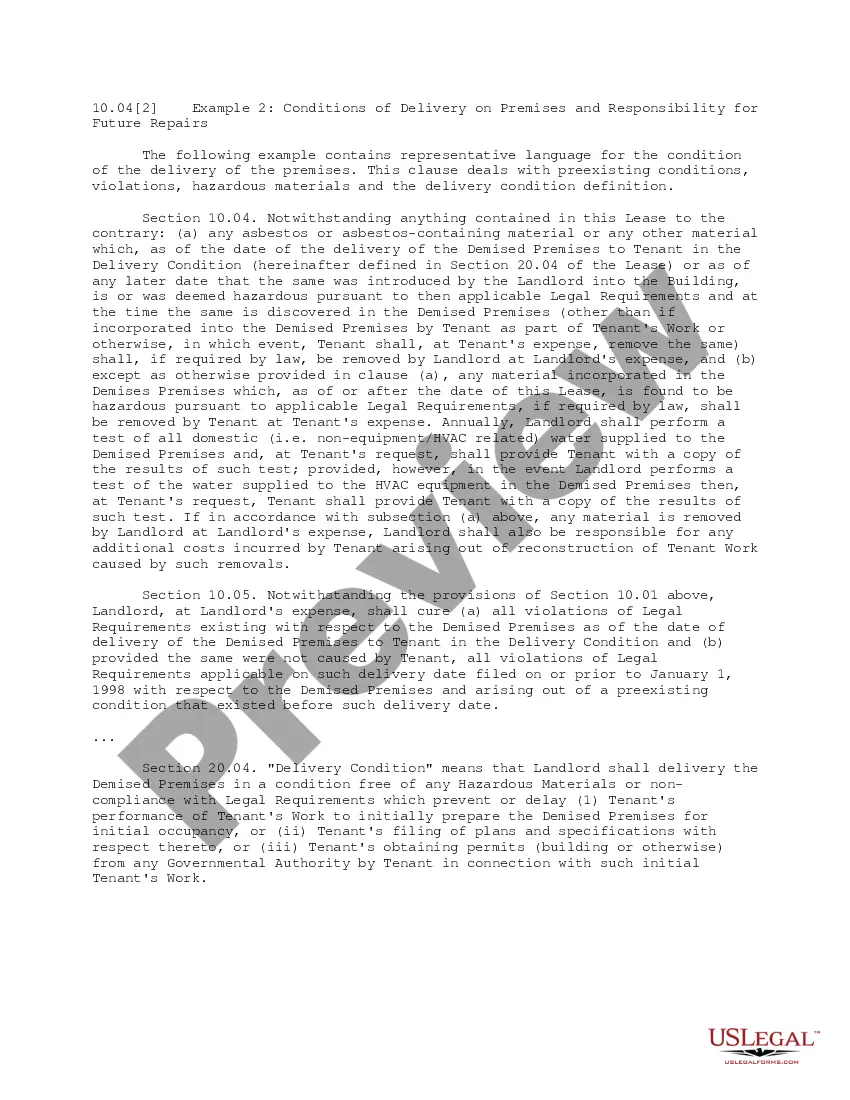
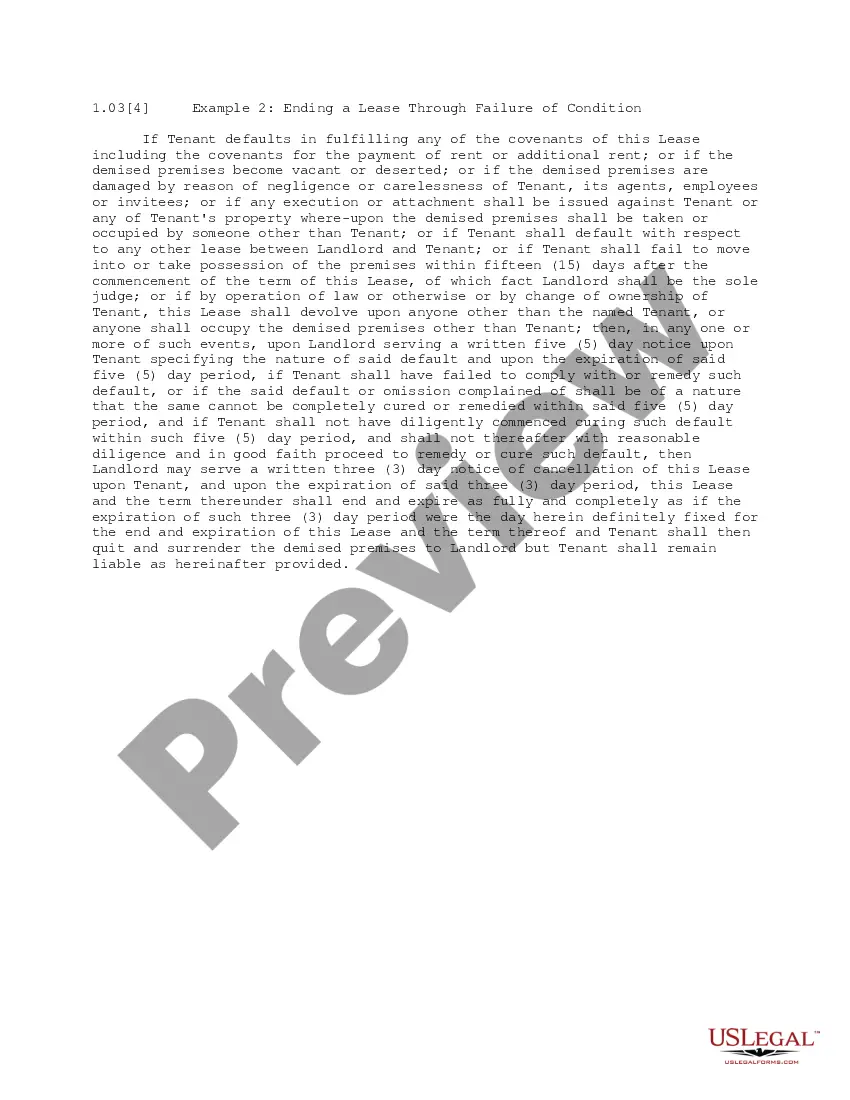
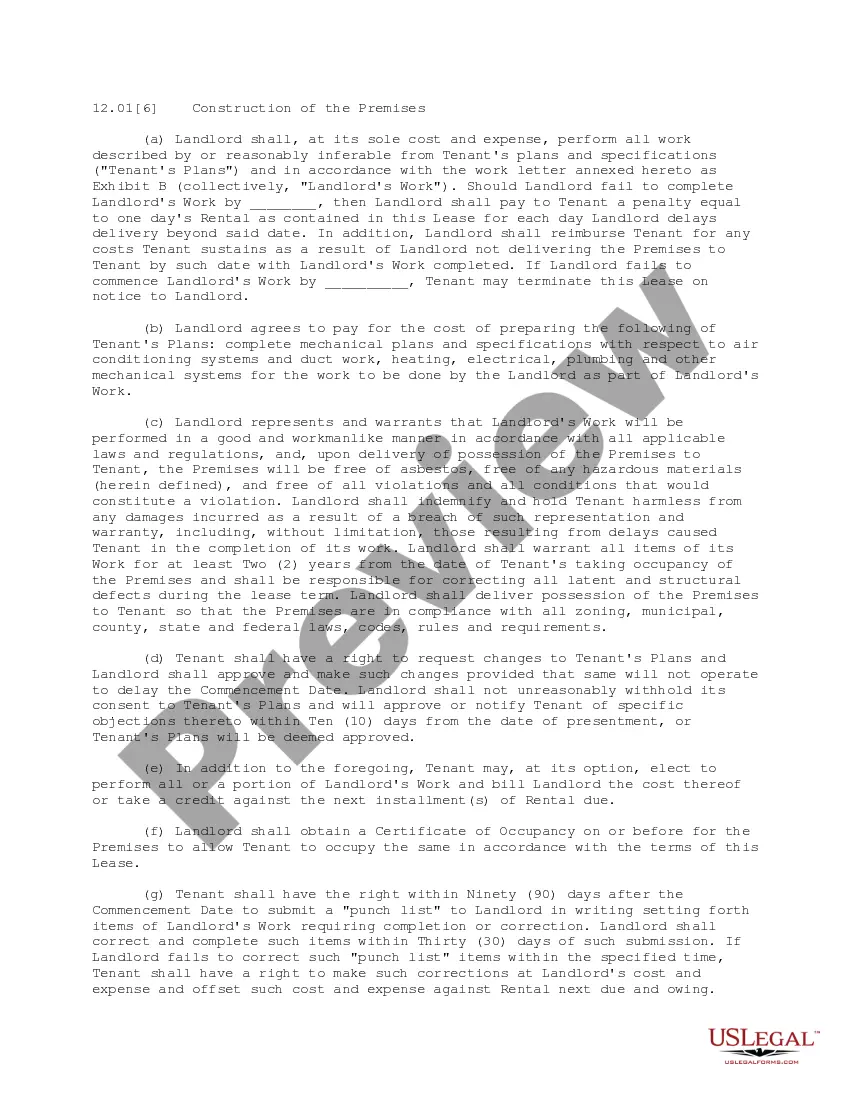
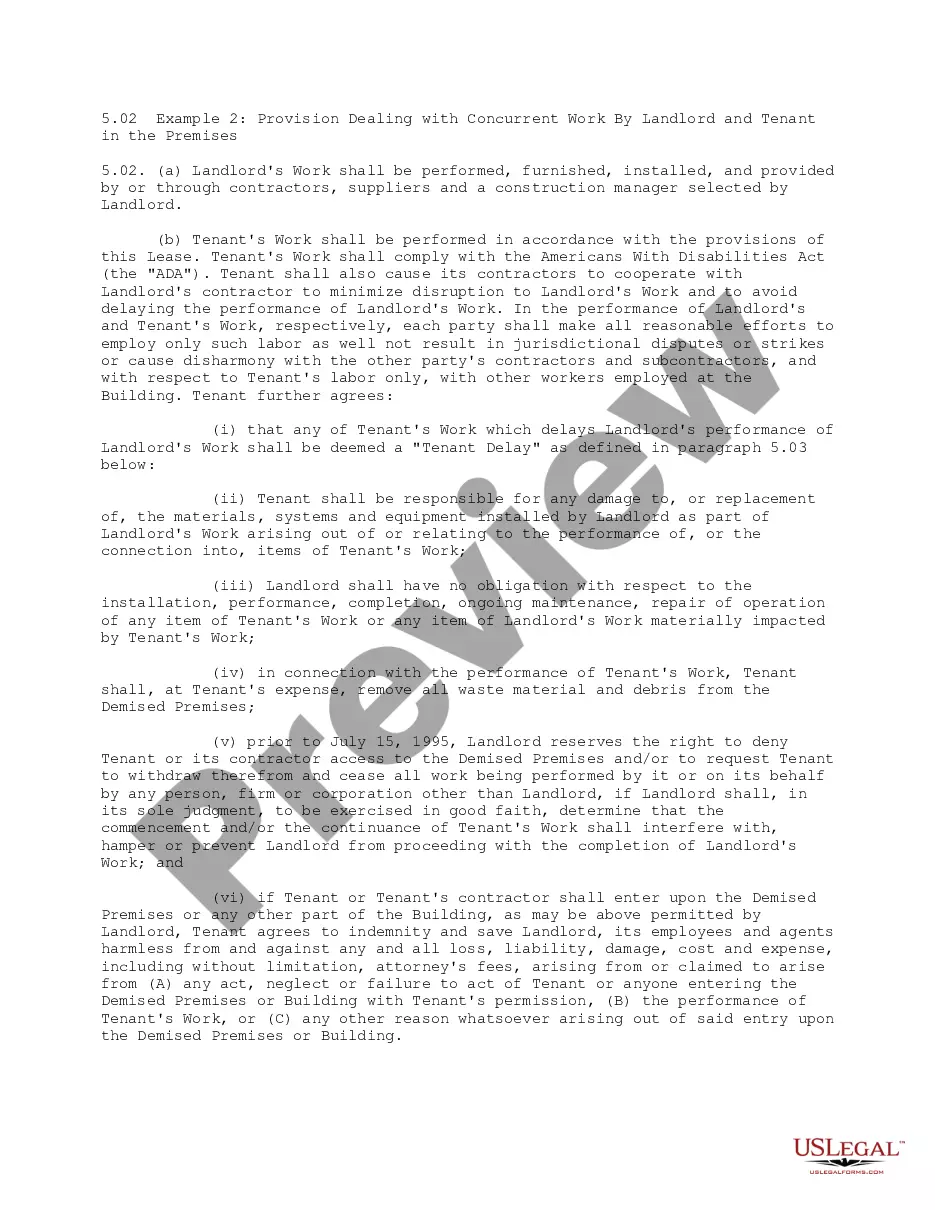
The Conditions of Delivery on Premises and Responsibility for Future Repairs form outlines the expectations and obligations of landlords and tenants regarding the condition of a rental property upon delivery. This form specifically addresses issues like hazardous materials, preexisting conditions, and compliance with legal requirements. By clearly defining the delivery condition, this form helps protect both parties in a lease agreement, ensuring the property is safe and in acceptable condition before the tenant takes possession.
Main sections of this form
- Delivery Condition Definition: Establishes the requirements for the condition in which the landlord must deliver the premises.
- Hazardous Materials: Outlines responsibilities for the removal of hazardous materials found on the property.
- Legal Compliance: Specifies which party is responsible for curing violations of legal requirements that existed before the delivery date.
- Testing and Reporting Obligations: Details the annual testing of domestic water supplied to the premises and reporting responsibilities.
- Cost Responsibilities: Defines which costs are borne by the landlord and tenant related to the removal of hazardous materials or code violations.
When this form is needed
This form should be used when entering into a lease agreement for commercial or residential properties. It is particularly important in situations where the tenant requires clear communication about the condition of the property before taking possession, including any potential issues like hazardous materials or legal violations that need addressing. Using this form can help prevent misunderstandings and disputes related to property repairs and safety standards.
Who should use this form
- Landlords or property owners entering into lease agreements.
- Tenants who want clarity on the condition of the rental premises.
- Real estate attorneys who draft or review lease contracts.
- Property managers handling lease agreements on behalf of landlords.
Instructions for completing this form
- Identify the parties involved in the lease agreement (landlord and tenant).
- Specify the property address and relevant details about the premises.
- Define the delivery condition, including any known hazardous materials.
- Document any preexisting conditions or legal violations that must be addressed.
- Include signatures from both the landlord and tenant to finalize the agreement.
Does this form need to be notarized?
This form does not typically require notarization unless specified by local law. Ensure you check your local regulations regarding notarization for lease agreements.
Get your form ready online
Our built-in tools help you complete, sign, share, and store your documents in one place.
Make edits, fill in missing information, and update formatting in US Legal Forms—just like you would in MS Word.
Download a copy, print it, send it by email, or mail it via USPS—whatever works best for your next step.
Sign and collect signatures with our SignNow integration. Send to multiple recipients, set reminders, and more. Go Premium to unlock E-Sign.
If this form requires notarization, complete it online through a secure video call—no need to meet a notary in person or wait for an appointment.
We protect your documents and personal data by following strict security and privacy standards.

Make edits, fill in missing information, and update formatting in US Legal Forms—just like you would in MS Word.

Download a copy, print it, send it by email, or mail it via USPS—whatever works best for your next step.

Sign and collect signatures with our SignNow integration. Send to multiple recipients, set reminders, and more. Go Premium to unlock E-Sign.

If this form requires notarization, complete it online through a secure video call—no need to meet a notary in person or wait for an appointment.

We protect your documents and personal data by following strict security and privacy standards.
Common mistakes
- Failing to clearly define hazardous materials present on the property.
- Not documenting preexisting conditions that could lead to disputes later.
- Overlooking local legal requirements that may affect conditions for property delivery.
- Incomplete signatures, which can render the form invalid.
Benefits of completing this form online
- Convenience of accessing a legally vetted form anytime and anywhere.
- Editability allows users to customize the form to meet their specific needs.
- Reliability, as the form is drafted by licensed attorneys to ensure legal compliance.
Legal use & context
- This form is important for establishing clear terms regarding property condition and responsibilities.
- Using this form can increase enforceability of lease terms in disputes related to property condition.
- Many jurisdictions have specific statutes governing the conditions under which properties must be delivered to tenants; this form complies with those expectations.
Key takeaways
- Clearly outlines the responsibilities of landlords and tenants regarding property conditions.
- Helps prevent potential legal disputes by documenting known issues before lease commencement.
- Ensures compliance with local laws regarding property safety and tenant rights.
Looking for another form?
Form popularity
FAQ
Your landlord is always responsible for repairs to: the property's structure and exterior. basins, sinks, baths and other sanitary fittings including pipes and drains. heating and hot water.
Tenants can all agree to withhold rent until the landlord makes repairs. A group of tenants can ask a judge to order the landlord to make repairs. If the landlord absolutely refuses to fix the bad conditions, tenants can ask a court to appoint a temporary landlord called a receiver in order to make repairs.
Keep your rental unit as clean and safe as the condition of the premises permits. Dispose of garbage, rubbish, and other waste in a clean and safe manner. Keep plumbing fixtures as clean as their condition permits.
Property Needs to Meet Local Health and Building Codes. Visible Mold. Pests. Changing Locks. Heat, Electric, Hot and Cold Water. Structural Integrity and Weather Protected. Regularly Discarding Trash. Damage Caused by the Tenant or Their Guests.
Following building and housing codes. Keeping the unit safe and sanitary. Disposing of garbage. Maintaining plumbing fixtures. Properly operating all plumbing and electric fixtures. Maintaining appliances supplied by the landlord. Not damaging the unit.
Repairs. Your landlord is always responsible for repairs to: the property's structure and exterior. basins, sinks, baths and other sanitary fittings including pipes and drains.
Under section 11 of the Landlord and Tenant Act 1985, the landlord is responsible to: keep the structure and exterior of the property in good repair, including drains, gutters and external pipes. keep installations for the supply of water, gas, electricity and sanitation in good repair and proper working order.
So when is your landlord responsible for repairs? When you rent, your landlord is responsible for maintaining the functional aspects of your home such as plumbing, electricity, and heating. Landlords must also generally take action when flooding, a clogged pipe, pest infestation, or other problems occur.